
13 Big Cats That Rebounded in Protected Ranges
Big cats have faced numerous threats to their survival, but protected ranges are giving them a second chance. These areas offer safety and resources for species that were once struggling to survive. As a result, many big cats are starting to rebound in these specially protected environments. Let’s dive into the story of these resilient animals and the protected spaces that have helped them regain their footing.
This post may contain affiliate links, which helps keep this content free. Please read our disclosure for more info.
Amur Leopard
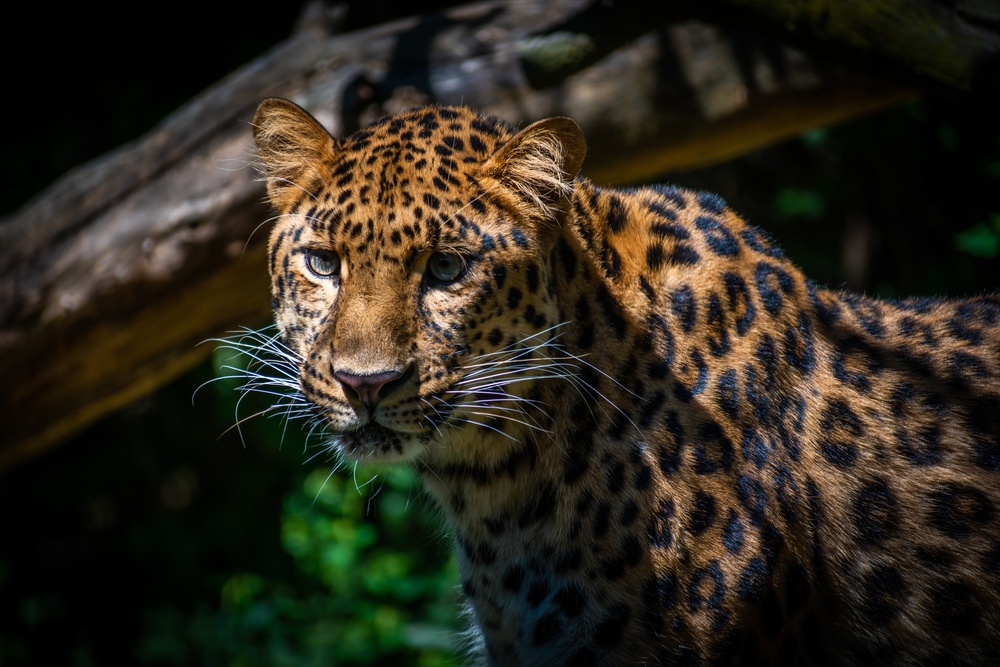
The Amur leopard is native to the temperate forests of the Russian Far East and parts of China. Once critically endangered, it has made a remarkable recovery thanks to dedicated conservation efforts in protected areas. The establishment of wildlife reserves, such as the Land of the Leopard National Park in Russia, has allowed this species to regain its numbers. These protected ranges help reduce human-wildlife conflict and offer a safe habitat for the Amur leopard to thrive.
With fewer threats from poaching and habitat destruction, the Amur leopard’s population has steadily increased. By providing sanctuary for both the leopards and their prey species, these areas have created a sustainable environment. Local communities also play a vital role in supporting these efforts. As a result, the Amur leopard is slowly reclaiming its place in the wild.
Cheetah
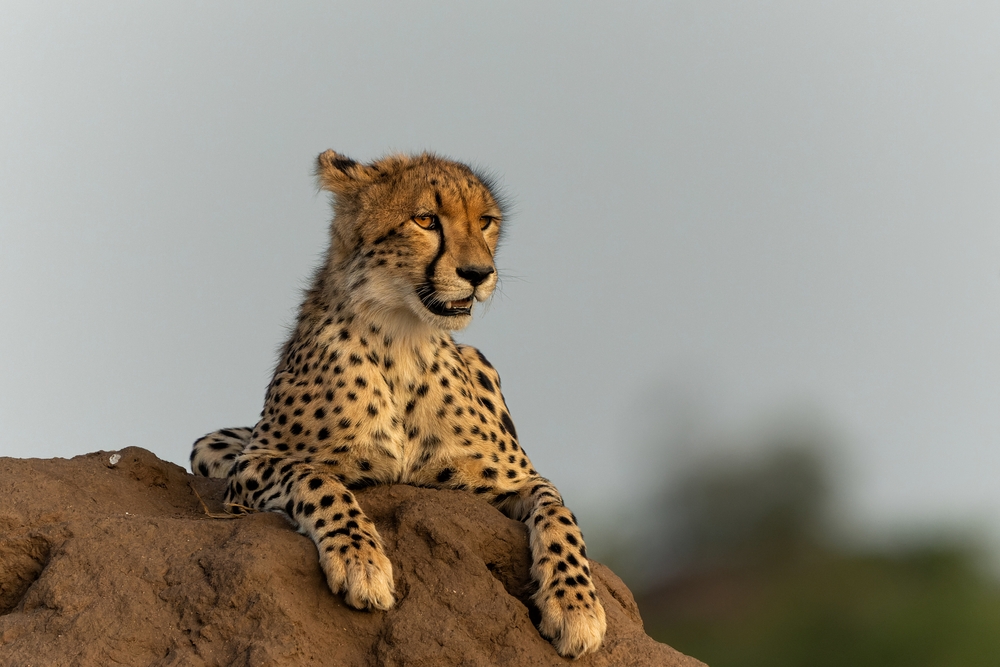
Native to Africa, the cheetah was once widespread across the continent, but populations began to dwindle due to habitat loss and hunting. Today, the cheetah’s recovery is being supported in protected areas like the Serengeti in Tanzania and the Kgalagadi Transfrontier Park in Botswana. These areas offer a safe environment where cheetahs can hunt and raise their young without the constant threat of human interference. Conservation projects have focused on protecting their habitats and reducing human-wildlife conflict.
In these protected ranges, cheetah populations are gradually stabilizing. Through research and anti-poaching initiatives, the cheetah’s numbers have started to rebound. Moreover, efforts to protect the cheetah’s prey species have also contributed to its recovery. These successes show that with the right support, even vulnerable species can recover.
Snow Leopard
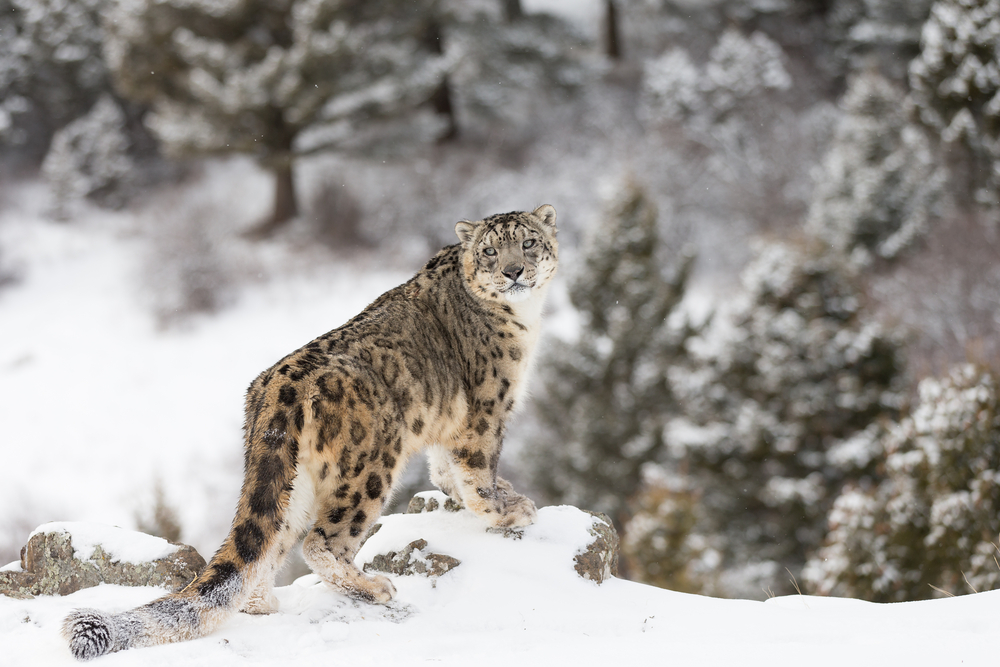
The snow leopard, native to the mountainous regions of Central Asia, faces challenges from poaching and loss of prey. With the establishment of national parks and wildlife reserves, such as the Hemis National Park in India, this elusive cat has found refuge. These protected areas provide the snow leopard with secure habitats where they can hunt and breed safely. Conservationists have focused on reducing poaching and fostering community involvement in protecting these big cats.
The snow leopard’s population is slowly increasing as these protected areas continue to grow. In addition to anti-poaching measures, efforts have been made to protect the snow leopard’s prey species, such as wild sheep and goats. These protected environments offer a stable food source, contributing to the species’ recovery. As a result, the snow leopard is regaining ground in the wild.
Siberian Tiger
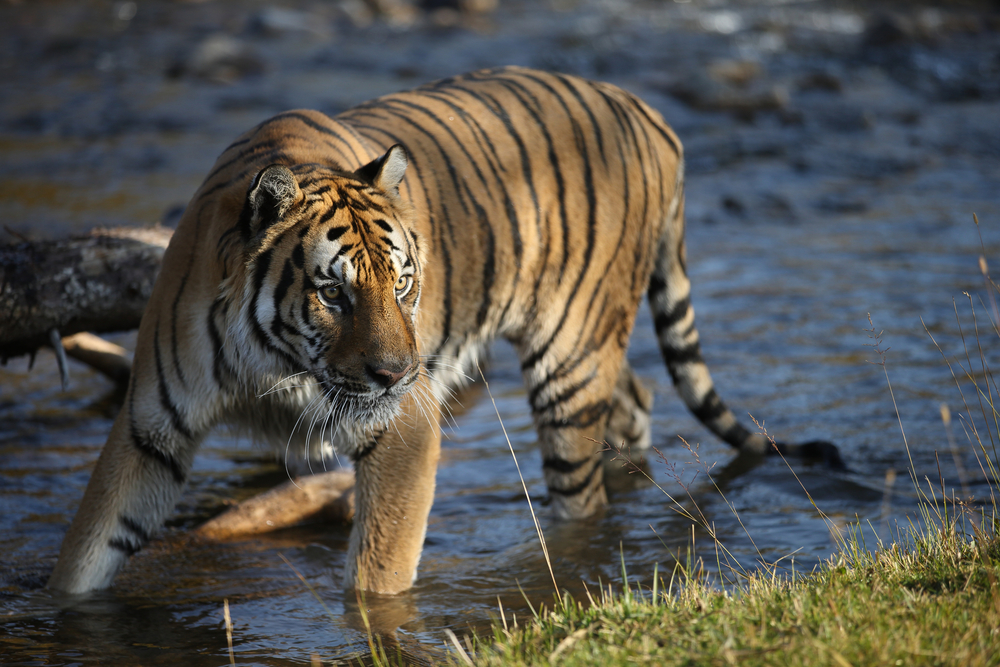
Native to the forests of eastern Russia and parts of China, the Siberian tiger has faced significant threats from poaching and habitat loss. The creation of protected areas, such as the Sikhote-Alin Biosphere Reserve, has provided a safe haven for this majestic cat. These reserves allow the Siberian tiger to roam freely without the constant threat of hunting. Conservation efforts have been crucial in protecting the tiger’s habitat and reducing poaching.
With increased protection, the Siberian tiger’s population has begun to rebound. Anti-poaching patrols and habitat restoration efforts have played a key role in this recovery. Additionally, efforts to engage local communities in tiger conservation have helped create a more sustainable future for the species. While challenges remain, the Siberian tiger’s population is showing signs of growth in its protected range.
Jaguar
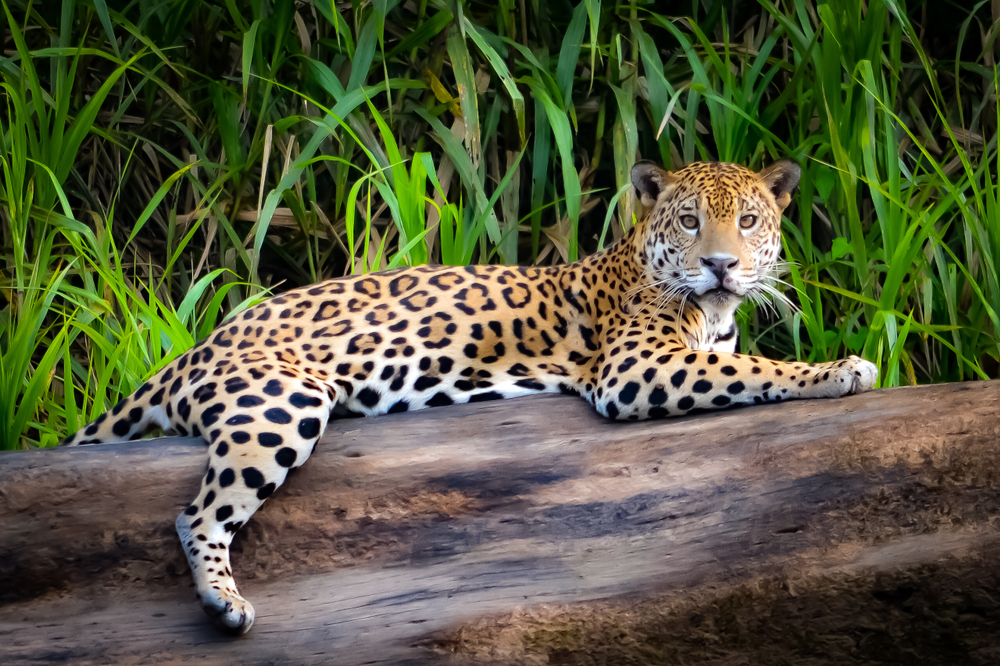
The jaguar, native to the rainforests and grasslands of Central and South America, has faced pressure from deforestation and poaching. In countries like Costa Rica and Brazil, protected areas such as the Corcovado National Park and the Pantanal wetlands have helped conserve jaguar populations. These areas provide ample space for jaguars to hunt and establish territories without the threat of human encroachment. Conservationists focus on preserving these habitats and creating corridors for jaguars to move safely.
As a result of these conservation efforts, jaguar populations are showing signs of recovery. The establishment of wildlife corridors has allowed jaguars to roam more freely and find mates, reducing the risk of inbreeding. Additionally, local conservation programs have raised awareness and reduced human-wildlife conflict. The jaguar is now slowly recovering in these protected areas.
African Lion
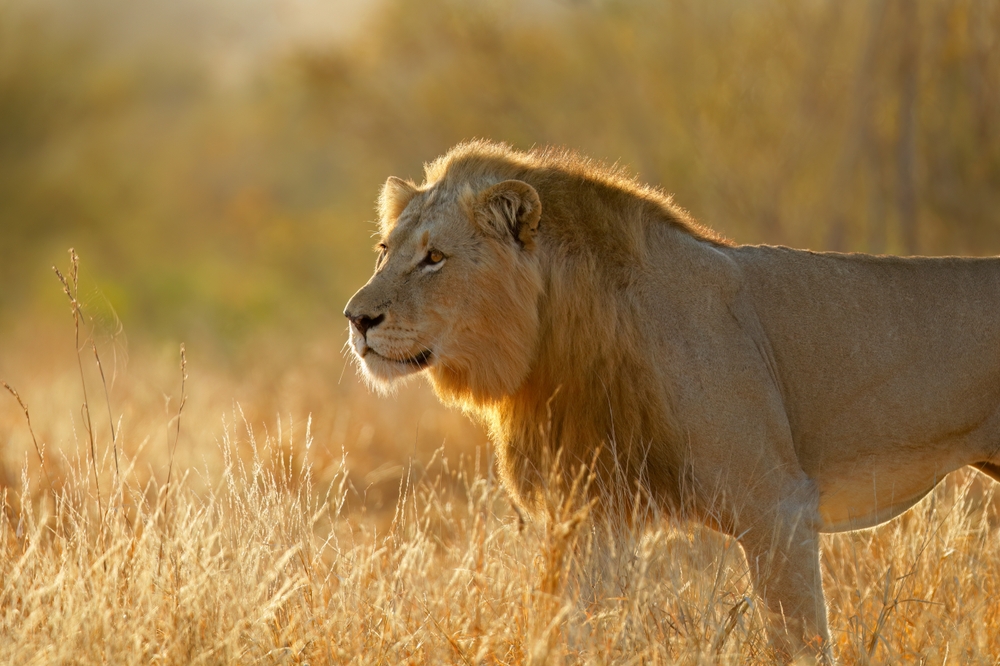
Native to sub-Saharan Africa, the African lion has experienced a decline in numbers due to habitat loss and human conflict. However, protected areas like Kruger National Park in South Africa and Masai Mara in Kenya have provided safe spaces for lions to thrive. These national parks focus on protecting lions from poaching and supporting their natural prey populations. They also create a stable environment where lion prides can grow and raise their young.
Thanks to these protected areas, lion populations are stabilizing, with some reserves even seeing a slight increase in numbers. Anti-poaching measures and the preservation of grassland habitats have helped reduce the pressure on the lion population. By supporting these efforts, local communities and national governments are ensuring the lion’s future in the wild. The African lion’s recovery is a result of concerted conservation efforts across the continent.
Tigers of India
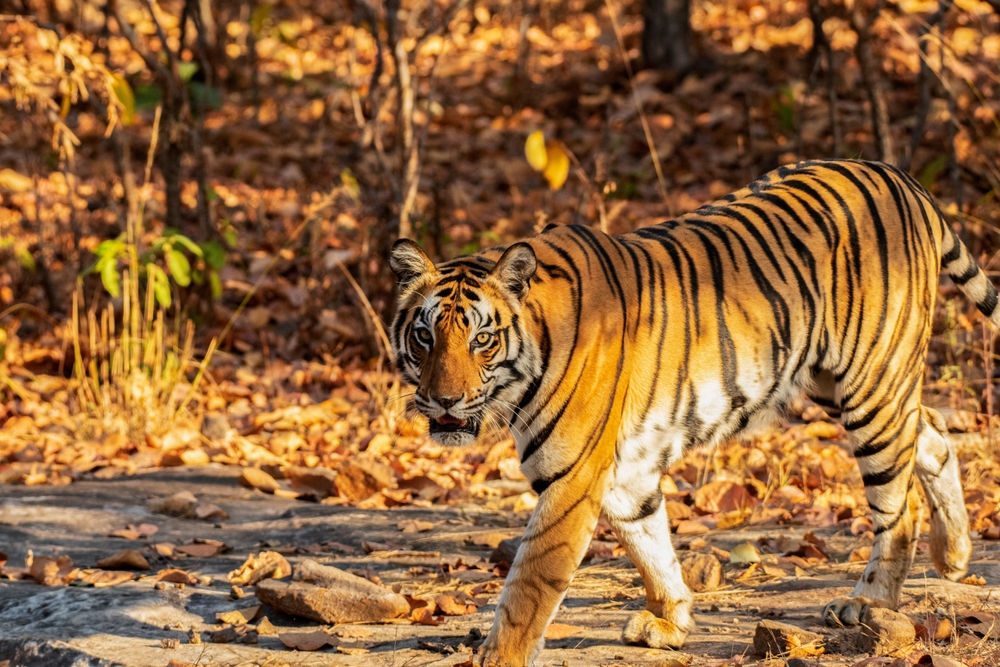
The tigers of India, particularly the Bengal tiger, face threats from habitat loss, poaching, and human-wildlife conflict. However, the establishment of protected areas like the Sundarbans Reserve and Ranthambhore National Park has helped these tigers rebound. These areas offer tigers a safe environment to hunt and breed without human interference. The conservation of their prey species has also been a key factor in helping the tiger population recover.
Efforts to increase the number of protected areas and ensure sustainable ecosystems for tigers have led to gradual population growth. Anti-poaching initiatives and the restoration of habitats have supported these efforts. Moreover, the involvement of local communities in tiger conservation has been instrumental in reducing human-wildlife conflict. The Bengal tiger’s numbers are slowly increasing thanks to these concerted efforts.
Puma
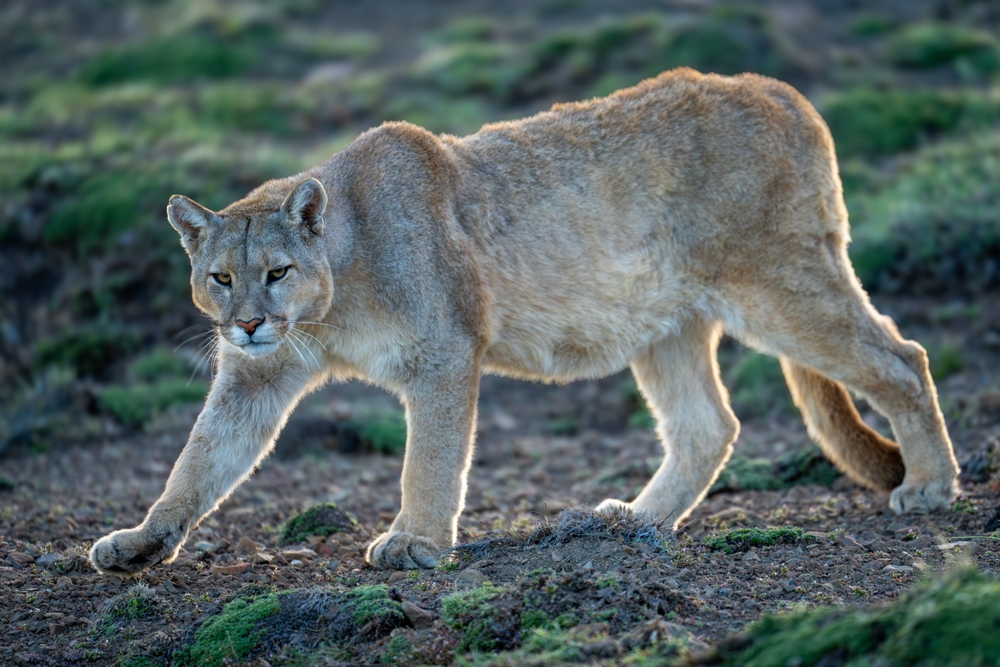
The puma, or cougar, is native to the Americas, from Canada to the southern Andes. As a result of habitat loss and fragmentation, their populations have diminished in certain areas. However, conservation programs in places like the Yellowstone National Park have helped pumas thrive once again. These protected areas offer pumas ample space to roam, hunt, and establish their territories.
By reducing human interference and preserving critical habitats, the puma population has stabilized. Research and wildlife monitoring in these protected areas help ensure the long-term survival of the species. The puma’s recovery is a testament to the importance of maintaining large, contiguous habitats for wildlife. Continued conservation efforts are essential for the puma’s future.
Lynx

Native to the forests of Europe, Canada, and parts of the U.S., the lynx has faced threats from deforestation and hunting. Conservation efforts in protected areas like the Carpathian Mountains in Europe and the Boreal Forest in Canada have allowed the lynx to make a comeback. These areas provide ideal environments for lynx to hunt and establish dens. Protection of the lynx’s prey species, such as rabbits, is crucial for their recovery.
Thanks to these conservation efforts, the lynx’s population has been steadily increasing in several regions. National parks and wildlife reserves have been key in protecting lynx habitats and reducing human-wildlife conflict. With ongoing support, the lynx is expected to continue recovering in these safe spaces. The lynx’s rebound is a positive sign for other endangered species.
Clouded Leopard
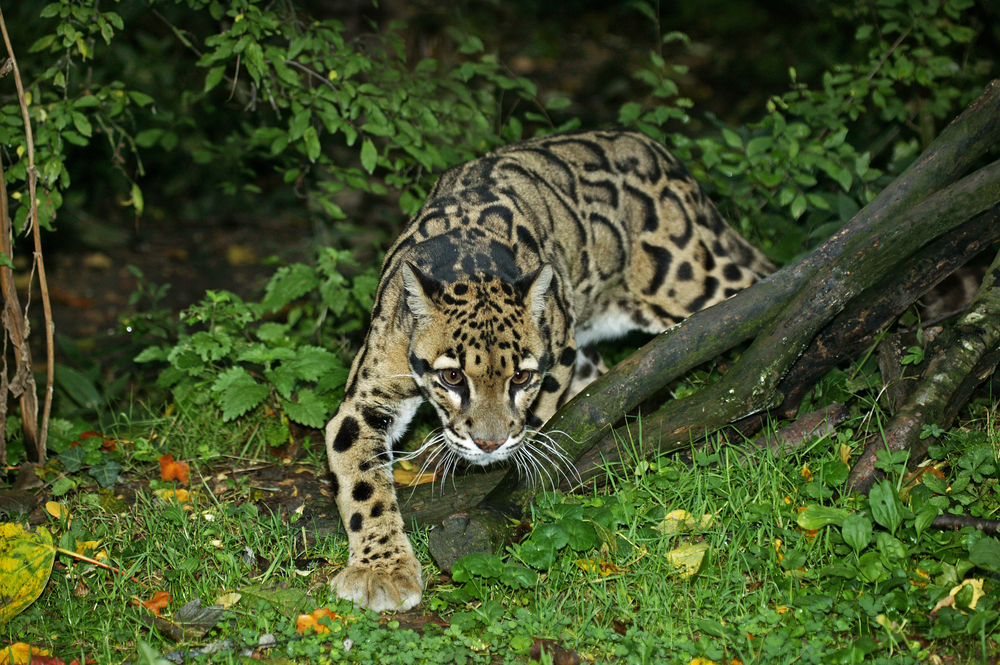
Native to the mountain forests of Southeast Asia, the clouded leopard is a solitary and elusive big cat. Habitat destruction and poaching have led to a significant decline in their population. However, conservation programs in protected areas such as Borneo and the Thai-Malay Peninsula have been successful in providing safe spaces for these cats. These reserves help ensure the survival of the clouded leopard by reducing human encroachment and illegal hunting.
Protected areas that focus on both habitat restoration and anti-poaching efforts have allowed the clouded leopard to recover. The creation of wildlife corridors and stronger enforcement against illegal activities is essential for the species’ survival. Ongoing conservation efforts are needed to ensure that the clouded leopard can thrive for generations to come. The success of these efforts has resulted in a more stable population.
Serval
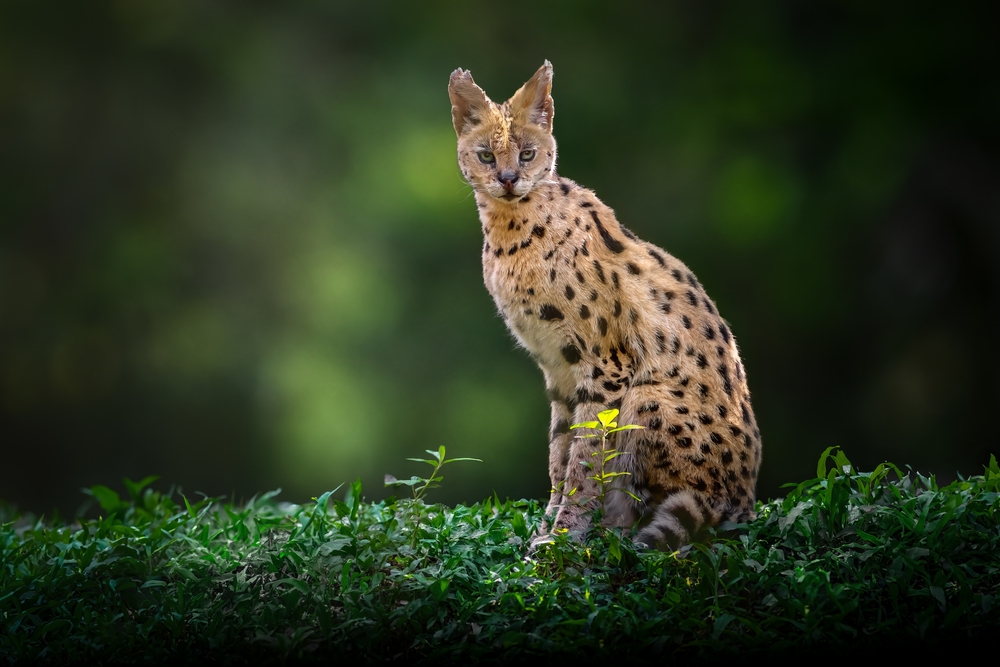
The serval, native to sub-Saharan Africa, has been impacted by habitat loss and hunting. However, the creation of protected areas like the Maasai Mara and Serengeti National Park has provided a sanctuary for this small wildcat. These protected areas ensure that servals have ample space to hunt their prey, such as rodents and birds. The preservation of these ecosystems is essential for maintaining a stable serval population.
The serval’s numbers have stabilized in these reserves, thanks to efforts to protect their habitat and reduce human-wildlife conflict. Many national parks in Africa are now prioritizing the protection of servals and other small wildcats. Conservation programs focused on education and anti-poaching enforcement play a critical role in their recovery. As a result, the serval’s population is slowly increasing.
Indochinese Tiger
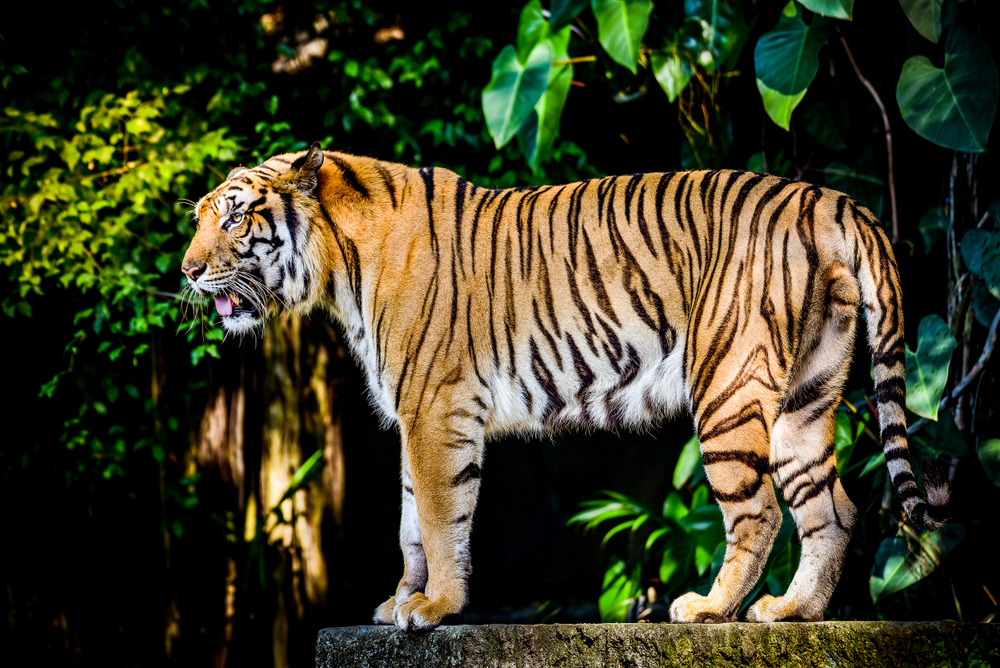
Native to the dense forests of Southeast Asia, the Indochinese tiger has faced severe population declines due to poaching and habitat loss. However, wildlife reserves like the Cat Ba National Park in Vietnam and the Huai Kha Khaeng Wildlife Sanctuary in Thailand have helped create safe spaces for this critically endangered species. These protected ranges allow the tiger to hunt and breed in peace, free from human interference.
Thanks to conservation efforts, the Indochinese tiger is showing signs of slow recovery. The establishment of wildlife corridors and anti-poaching measures in these protected areas has been critical for their survival. The recovery of the Indochinese tiger is a positive sign for the continued protection of Southeast Asia’s biodiversity. Conservationists are hopeful that the population will continue to grow.
Persian Leopard
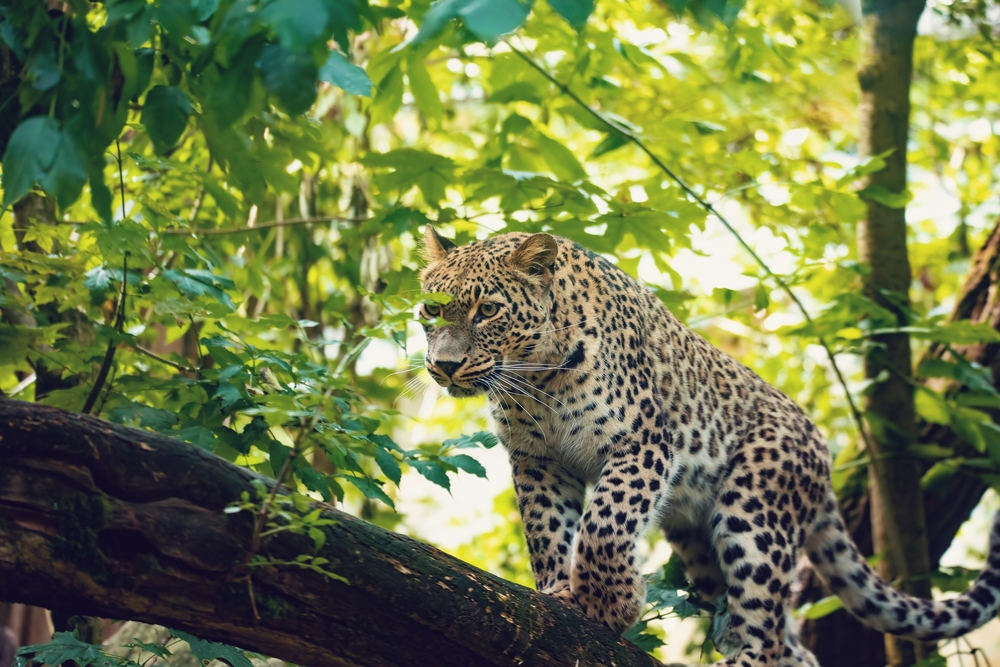
The Persian leopard, native to the mountainous regions of Iran, is critically endangered due to poaching and habitat destruction. However, the establishment of protected areas like the Arasbaran Forest Reserve in Iran has contributed to the leopard’s recovery. These areas offer the Persian leopard a secure environment to hunt and breed, helping to stabilize their population. Protection of the leopard’s prey species and the restoration of its habitat are crucial for its survival.
With conservation efforts in full swing, the Persian leopard is slowly making a comeback. Anti-poaching measures and habitat restoration are essential for maintaining a sustainable population. Community involvement in conservation efforts is helping ensure the long-term success of these initiatives. The Persian leopard’s recovery in these protected ranges offers hope for other endangered big cats.
This article originally appeared on Avocadu.