
13 Best U.S. National Park Trips In February With Fewer Crowds And Cooler Temps
February is the perfect time to explore U.S. national parks without the usual crowds. The cooler temperatures make hiking and outdoor activities more enjoyable, and the scenery is just as stunning as ever. If you’re craving adventure, winter in national parks offers a unique experience. Escape the bustle of peak-season visitors and enjoy more peaceful moments in nature.
This post may contain affiliate links, which helps keep this content free. Please read our disclosure for more info.
Great Smoky Mountains National Park, Tennessee/North Carolina
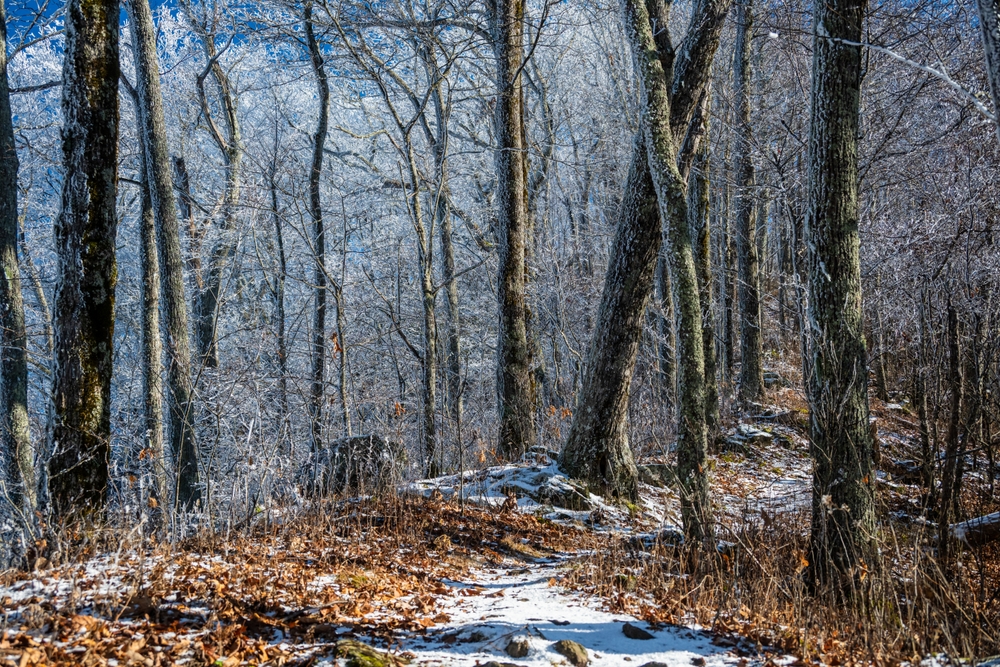
The Great Smoky Mountains offer a stunning winter experience with crisp air and fewer visitors in February. The cooler temperatures make for comfortable hiking conditions, allowing visitors to explore without the summer heat. The park is known for its diverse wildlife, including white-tailed deer and the elusive black bear, which can be seen more easily against the winter backdrop. Winter also brings an added layer of tranquility to the mountain views, often covered in mist and fog, which enhances the park’s beauty.
The absence of summer crowds means that popular spots like Clingmans Dome and Cades Cove are far less crowded, providing a much more peaceful experience. This park also has one of the best opportunities for scenic drives, especially along the Roaring Fork Motor Nature Trail. Winter months provide an opportunity to spot migrating birds and wildlife in a quieter setting. The trails are still accessible, although some may require traction devices due to icy conditions.
Joshua Tree National Park, California
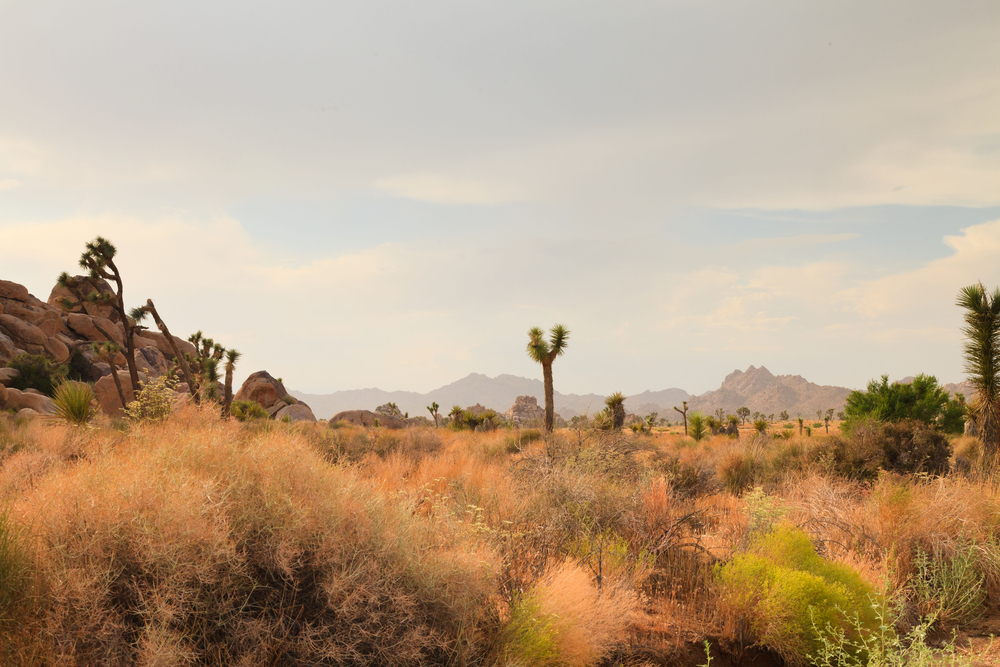
Joshua Tree National Park is a striking destination for February trips, as the cooler desert temperatures make it easier to enjoy the outdoors. Known for its famous twisted Joshua trees and surreal rock formations, the park offers visitors a chance to explore its unique desert landscape without the intense summer heat. February also brings clearer skies and a peaceful calm that settles over the park, making it an excellent time for stargazing. The cool nights and crisp days offer an entirely different perspective on the desert environment.
While the temperatures are cool, they are still perfect for hiking, with popular trails like Hidden Valley offering easy access to the park’s stunning rock formations. February also brings wildflower blooms in select areas, adding vibrant colors to the stark desert landscape. The park’s many trails, such as the Barker Dam or the Ryan Mountain Trail, offer a variety of difficulty levels. Expect fewer crowds compared to the spring and summer, making it a perfect month to experience the park’s unique beauty at your own pace.
Everglades National Park, Florida
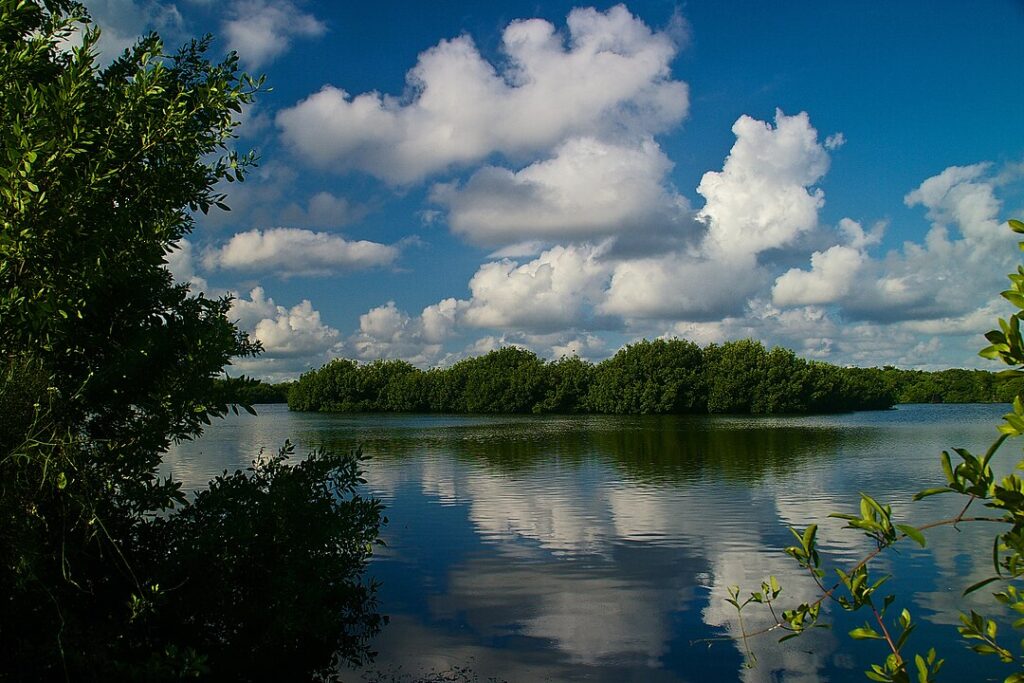
The Everglades is an ideal February destination for those seeking wildlife and lush landscapes without the typical summer crowds. The cooler temperatures and lower humidity make it an excellent time to explore the park’s diverse ecosystems. From the vast sawgrass marshes to the mangroves, February brings out the beauty of the Everglades in its quieter season. The mild weather allows for more comfortable boat tours and wildlife watching, including the chance to see alligators, manatees, and a wide variety of bird species.
Winter months are the best time for birdwatching, as migratory birds flock to the Everglades, including species like the roseate spoonbill and the endangered snail kite. The park offers boat tours through the mangroves and sawgrass marshes, allowing for an up-close view of its wildlife. Additionally, there are a number of trails for hiking and biking, with fewer people around to crowd the routes. February’s cooler weather also helps keep pesky mosquitoes at bay, which are often a challenge during the hotter months.
Zion National Park, Utah
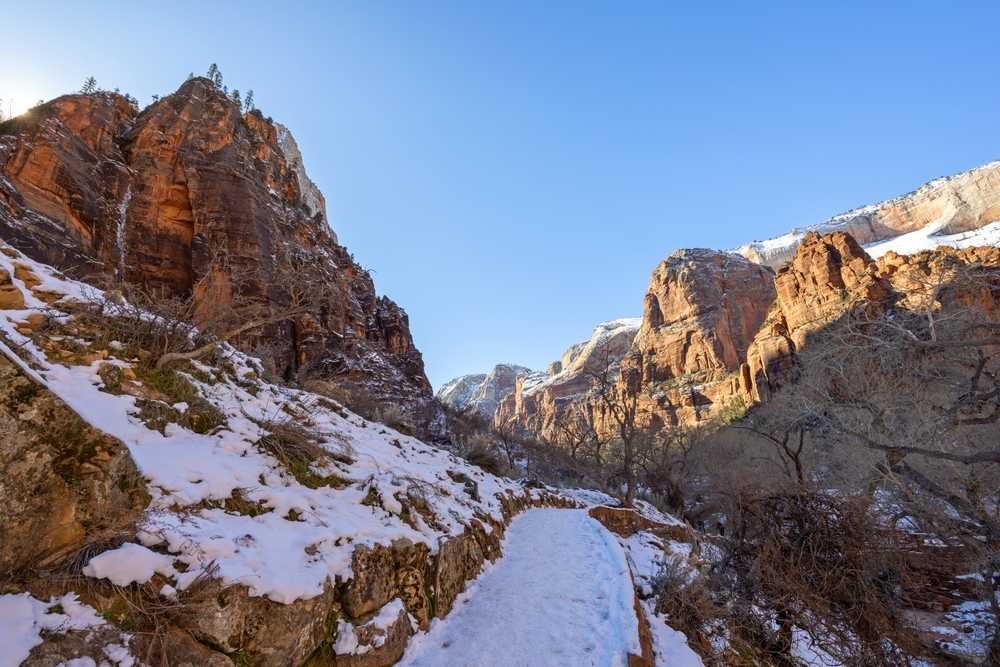
Zion National Park in February offers a serene and peaceful winter escape, with cooler temperatures perfect for hiking and exploring. The famous red rock formations that define the park’s landscape look even more breathtaking with the contrast of snow-capped peaks and clear skies. The park’s well-known trails, such as Angel’s Landing and The Narrows, are less crowded this time of year, providing a quieter experience in this stunning desert canyon. The cooler weather also allows for more comfortable trekking along these rugged, rocky paths.
The winter months in Zion bring dramatic landscapes, from the snow-covered canyon floors to the clear, icy waters of the Virgin River. While some of the higher elevation trails may be inaccessible due to snow, there are still plenty of lower-elevation trails to enjoy. The absence of crowds means that the scenic drives, especially the Kolob Canyons and Kolob Terrace Road, are more peaceful and enjoyable. Expect fewer people at the popular viewpoints, such as the Court of the Patriarchs and the Zion Canyon Scenic Drive, making it a great time to explore at your own pace.
Yellowstone National Park, Wyoming/Montana/Idaho
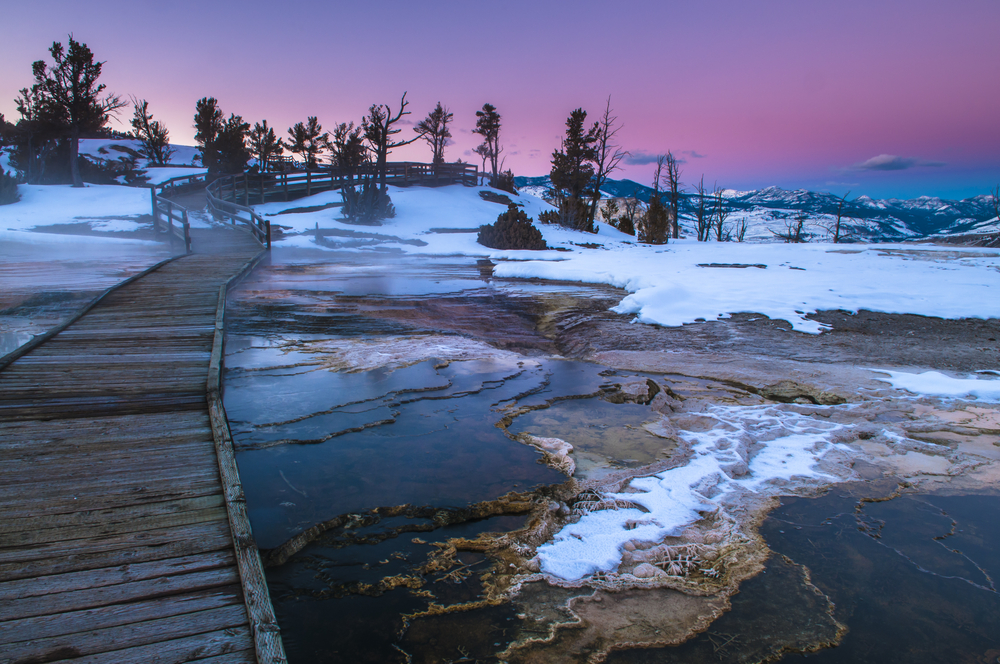
Yellowstone, the nation’s first national park, is a magical destination in February, offering a winter wonderland with fewer crowds. The park’s geothermal features, such as Old Faithful, are even more captivating when surrounded by snow and frost. With cooler temperatures, wildlife like bison, wolves, and elk are often visible in the snow-covered valleys, providing excellent opportunities for wildlife photography. The stark contrast between the snowy landscapes and geothermal activity gives the park a unique winter charm that’s not available during other seasons.
Although some areas of the park, like the Grand Loop, are closed due to snow, there are still plenty of accessible trails for snowshoeing and cross-country skiing. The Yellowstone Winter Tour is an excellent way to experience the park’s beauty from the comfort of a snow coach, allowing visitors to explore areas that are off-limits during other seasons. February is also an ideal time for seeing the park’s wildlife, which can be easier to spot against the snowy backdrop. For those who love the winter months, Yellowstone offers a peaceful, almost surreal experience.
Grand Canyon National Park, Arizona
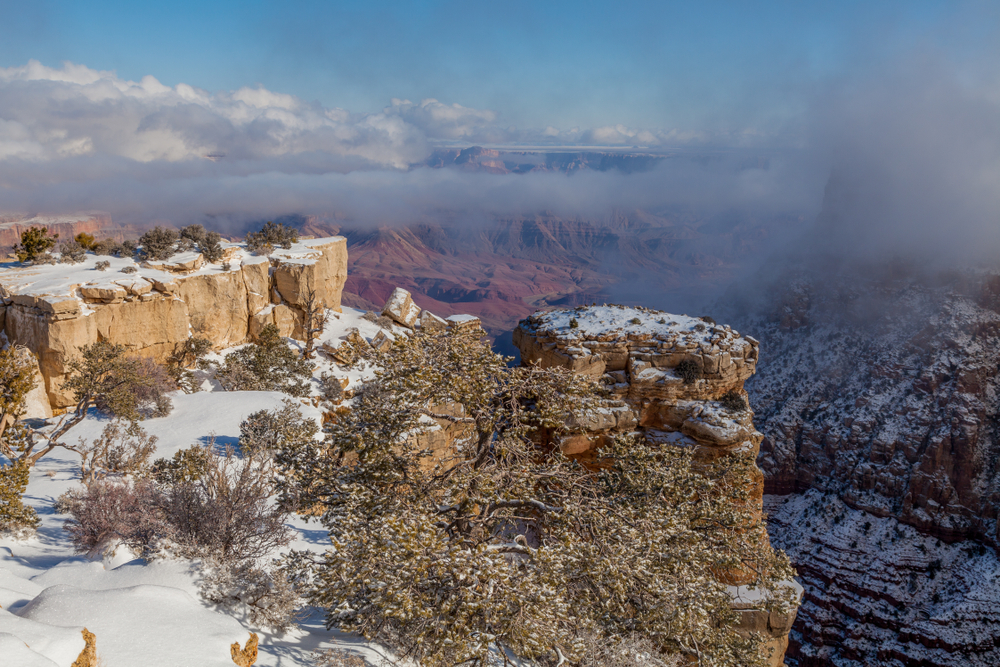
February in the Grand Canyon brings cooler temperatures and fewer crowds, making it a great time to explore this iconic park. The winter months offer a unique view of the canyon, with snow occasionally dusting the canyon’s rim and creating a stunning contrast against the red rock formations. Hiking in the cooler temperatures is much more comfortable than in the scorching summer heat, allowing you to fully appreciate the breathtaking views. The Canyon’s many trails, including the South Kaibab and Bright Angel trails, are less crowded during this time, giving visitors a quieter experience.
The cooler weather also makes the scenic viewpoints, such as Yavapai Point and Mather Point, much more enjoyable without the summer crowds. Visitors can also take advantage of shorter lines at the visitor center and fewer people on the shuttle buses. February is also a prime time for stargazing, as the clear skies and crisp air offer excellent visibility of the night sky. With the Grand Canyon’s quieter atmosphere, it is the perfect month for reflection and enjoying the natural beauty in peace.
Rocky Mountain National Park, Colorado
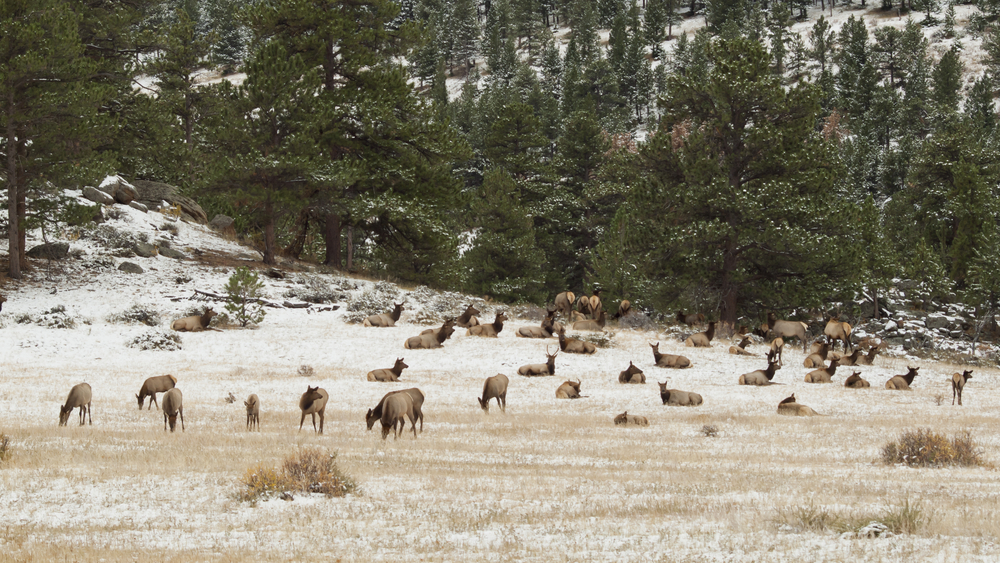
February in Rocky Mountain National Park offers a peaceful winter experience, with snow-covered landscapes and fewer visitors. The cooler temperatures make it an ideal time for snowshoeing and cross-country skiing along the park’s trails. With an elevation of over 14,000 feet, the park’s towering peaks look even more impressive when dusted with snow. The winter months offer a serene atmosphere, and the crisp air makes for refreshing hikes without the summer crowds.
Wildlife, including elk, deer, and even the occasional coyote, can be spotted against the snowy backdrop, making it a perfect time for wildlife photography. While higher-elevation areas may be inaccessible due to heavy snow, the lower-elevation trails are open and offer scenic views of the frozen landscapes. The park’s Winter Wildflower Walks provide an opportunity to learn about the unique winter ecology of the area. February is one of the quietest months in Rocky Mountain National Park, making it ideal for those seeking solitude in nature.
Acadia National Park, Maine
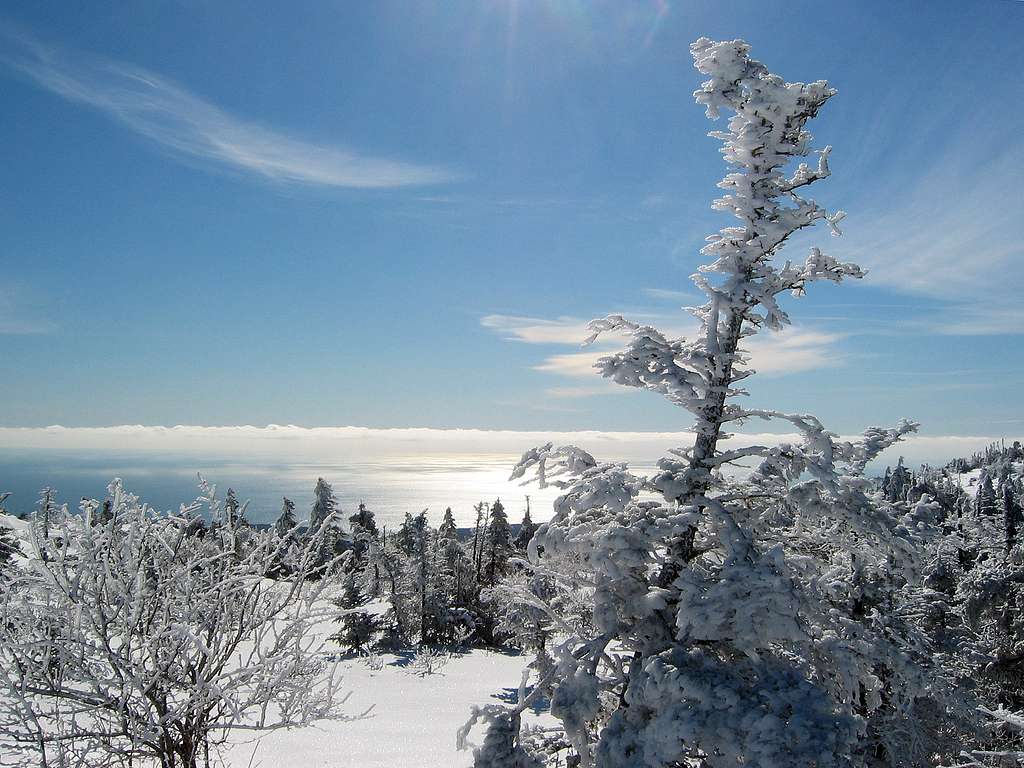
Acadia National Park is a hidden gem during the winter months, offering a peaceful retreat with fewer visitors. The park’s coastal views, with the snow-capped mountains and ocean in the background, make for a unique and serene winter experience. The cool temperatures make hiking and cycling along the park’s scenic trails more enjoyable, and with fewer tourists, you can enjoy the park’s beauty at your own pace. February’s crisp air also makes it a great time for outdoor activities like cross-country skiing and snowshoeing.
Acadia’s winter months also offer a quieter experience at popular locations like Cadillac Mountain and Jordan Pond. The lack of crowds means less congestion at scenic overlooks, giving visitors a chance to truly connect with the landscape. The park’s wildlife, including deer and birds, is more visible in the winter months, providing ample opportunities for nature watching. Whether you’re looking to hike or simply enjoy the scenery, Acadia in February offers a serene, winter wonderland with fewer tourists.
Bryce Canyon National Park, Utah
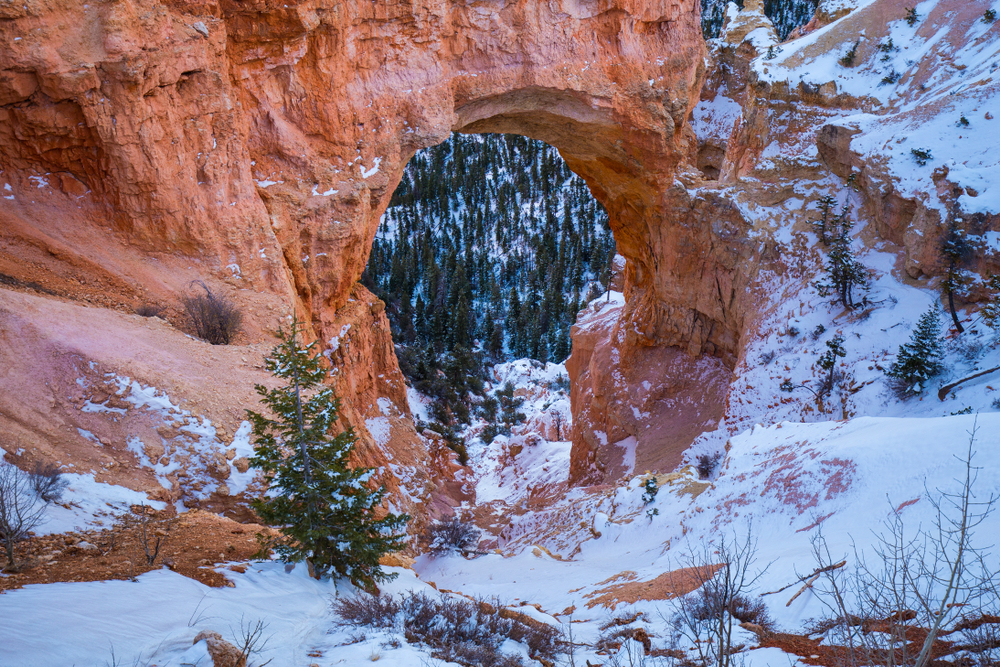
Bryce Canyon National Park is a magical place in February, with its iconic hoodoos covered in snow. The cool temperatures make for comfortable hiking conditions, and the quiet atmosphere provides the perfect backdrop for exploring the park’s unique landscape. The park’s less-crowded winter months allow visitors to experience the hoodoos in peace, with fewer people around to disrupt the stunning views. Whether hiking or simply observing from the viewpoints, the park’s beauty is amplified by the snow and cooler air.
The cool temperatures also make this an ideal time for cross-country skiing or snowshoeing through the park’s diverse landscapes. February’s absence of large crowds means that you can experience popular spots like Sunrise and Sunset Point without the usual hustle and bustle. The park’s wildlife, including mule deer and rock wren, are often spotted in the winter months. With its dramatic scenery and peaceful atmosphere, Bryce Canyon in February is a perfect winter destination for nature lovers.
Sequoia National Park, California
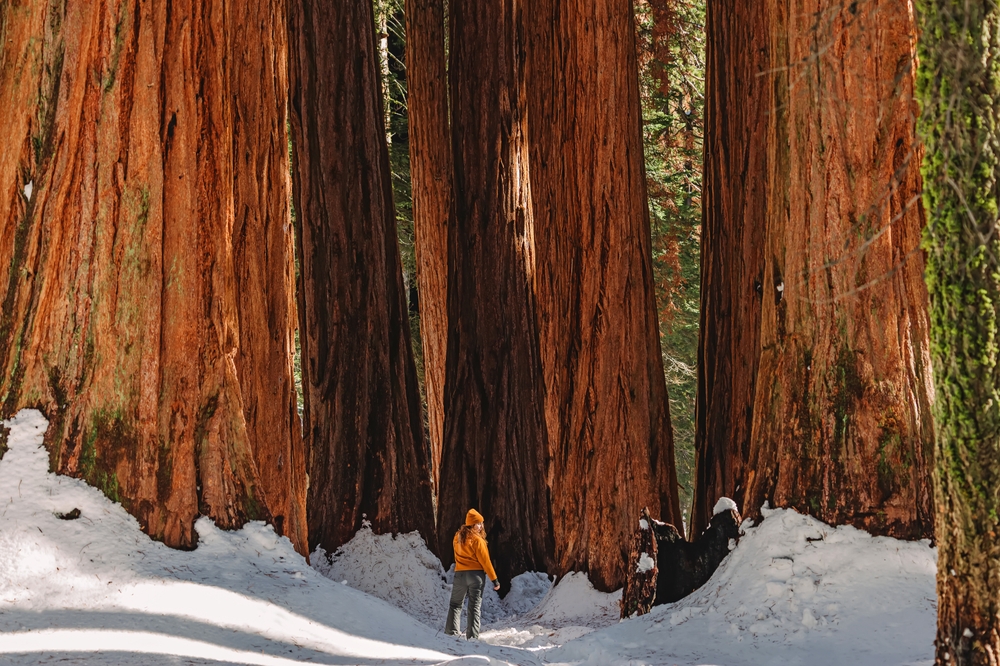
February is an excellent time to visit Sequoia National Park, especially for those who want to experience the giant sequoias in a peaceful, snow-covered setting. The cooler temperatures and lack of crowds make it a perfect time to explore the park’s famous trails and giant tree groves, such as the General Sherman Tree. The iconic trees, some of the largest living organisms on Earth, look even more majestic when surrounded by winter’s silence and beauty. The cooler temperatures make it an ideal time for snowshoeing or cross-country skiing in the park’s backcountry.
Sequoia National Park’s winter atmosphere is unique, offering a sense of solitude that is hard to find during the busy summer months. The park’s lower elevations are perfect for hiking and wildlife watching, with the opportunity to see animals like deer and coyotes against the winter landscape. The snow-covered trees create a surreal, quiet environment that allows visitors to experience the park in its most peaceful state. Whether exploring the giant trees or enjoying winter sports, Sequoia is a must-visit destination in February.
Glacier National Park, Montana
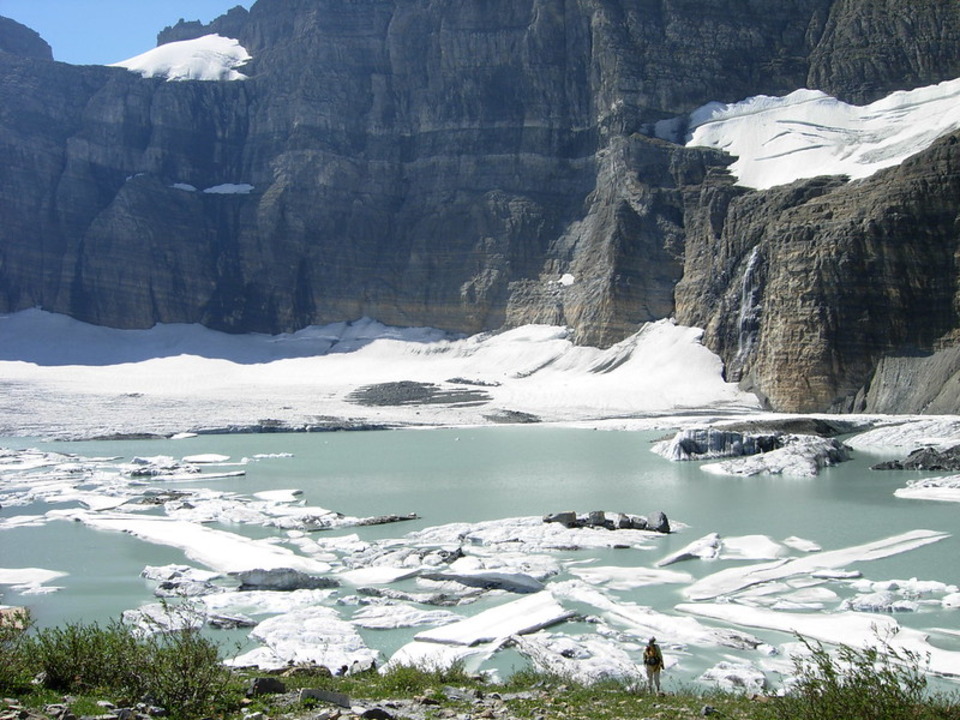
Glacier National Park in February is a true winter wonderland, with pristine snow-covered landscapes and a calm atmosphere that’s hard to find during peak seasons. The park’s dramatic mountain scenery looks even more awe-inspiring against the snow, providing a peaceful backdrop for outdoor adventures. While some of the roads and higher elevation trails are closed due to snow, the lower trails are still open and perfect for winter hikes. The cooler temperatures provide a comfortable setting for snowshoeing or cross-country skiing along the park’s scenic routes.
February also brings excellent wildlife viewing opportunities, with animals like moose and elk often seen against the snow-covered forests. The park’s remote location and winter conditions mean fewer crowds, so you can experience Glacier’s natural beauty without the distractions of busy summer months. The iconic Going-to-the-Sun Road, while closed, offers a unique view of the snow-covered peaks when approached from a distance. Glacier in February provides a quiet, serene experience for those seeking a winter escape.
Death Valley National Park, California
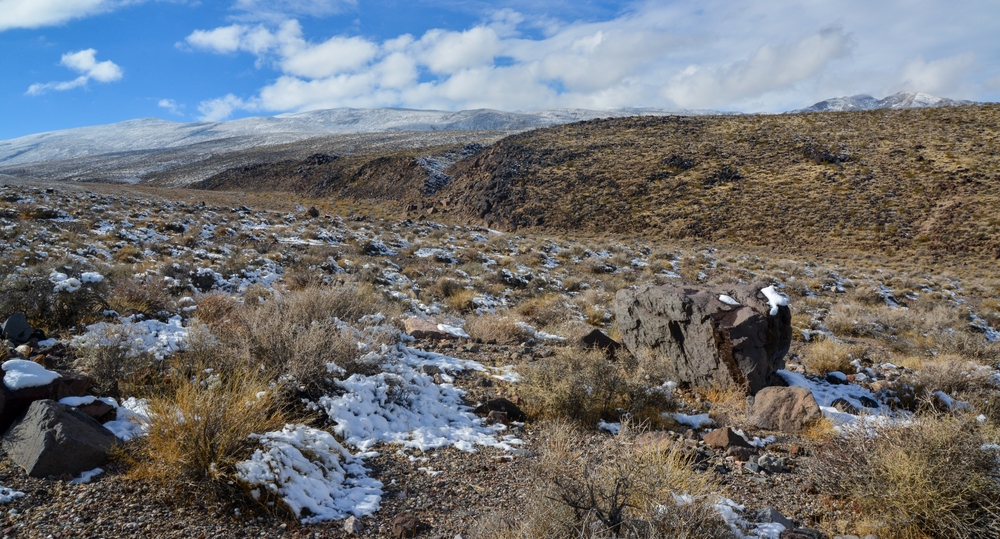
February is a fantastic time to visit Death Valley National Park, offering cooler temperatures that make exploring the park’s famous desert landscape much more pleasant. With average highs in the mid-60s to low 70s, the weather is comfortable for hiking, sightseeing, and photography. The park’s unique features, such as Badwater Basin and the salt flats, are even more striking under the cooler, clearer skies. With fewer crowds than in the spring and fall, you can take in the stark beauty of the desert in peace.
During February, the park’s wildflower season may also begin to bloom, with vibrant colors emerging in select areas after rainfall. The cooler temperatures make it easier to explore some of the park’s more remote locations, such as Dante’s View or Golden Canyon. Death Valley’s nighttime sky is ideal for stargazing, with little light pollution and crisp, clear air. Whether you’re interested in hiking or just taking in the sweeping desert vistas, February offers a quiet, comfortable experience in this stunning park.
Arches National Park, Utah
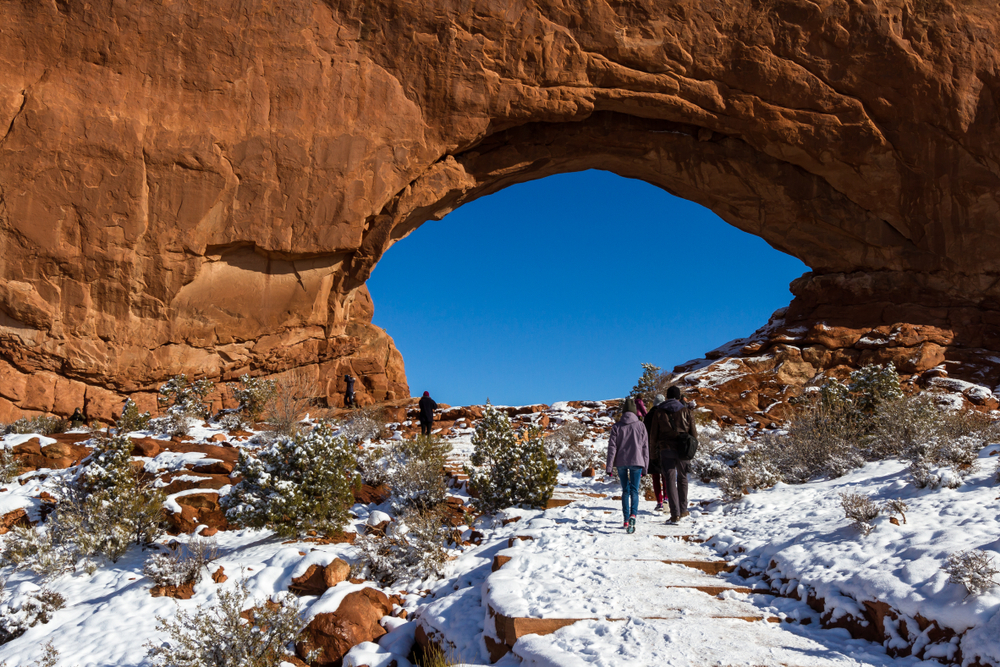
Arches National Park is a perfect destination in February, offering fewer crowds and a more tranquil atmosphere to explore its famous rock formations. The cooler temperatures make hiking more comfortable, especially when navigating the park’s many trails, such as the easy-to-moderate Devil’s Garden Trail. The contrast of snow-covered rocks against the park’s signature red sandstone arches creates a breathtaking landscape that’s even more captivating in the winter months. With fewer visitors, you’ll be able to enjoy iconic landmarks like Delicate Arch and Balanced Rock in peace.
The cooler weather also allows for better wildlife spotting, with animals like mule deer and bighorn sheep more visible against the snow-covered desert landscape. While many visitors come during the warmer months, February offers a quieter, more personal experience. The park’s scenic drives are also open, allowing for easy access to its main attractions. Arches is a fantastic option for anyone seeking to explore its iconic landmarks without the typical crowds.
This article originally appeared on Avocadu.