
13 Best Spots To Find Vintage Comics Without Getting Burned
Vintage comics can be exciting to hunt for, but the market can feel confusing and risky if you are new. This guide will help you spot the places where real treasures are more likely and shady deals are less common. You will learn how to compare prices, read basic condition notes, and walk away when a sale does not feel right. Along the way, you will see which spots tend to reward patient collectors and casual fans alike.
This post may contain affiliate links, which helps keep this content free. Please read our disclosure for more info.
Established Local Comic Book Shops
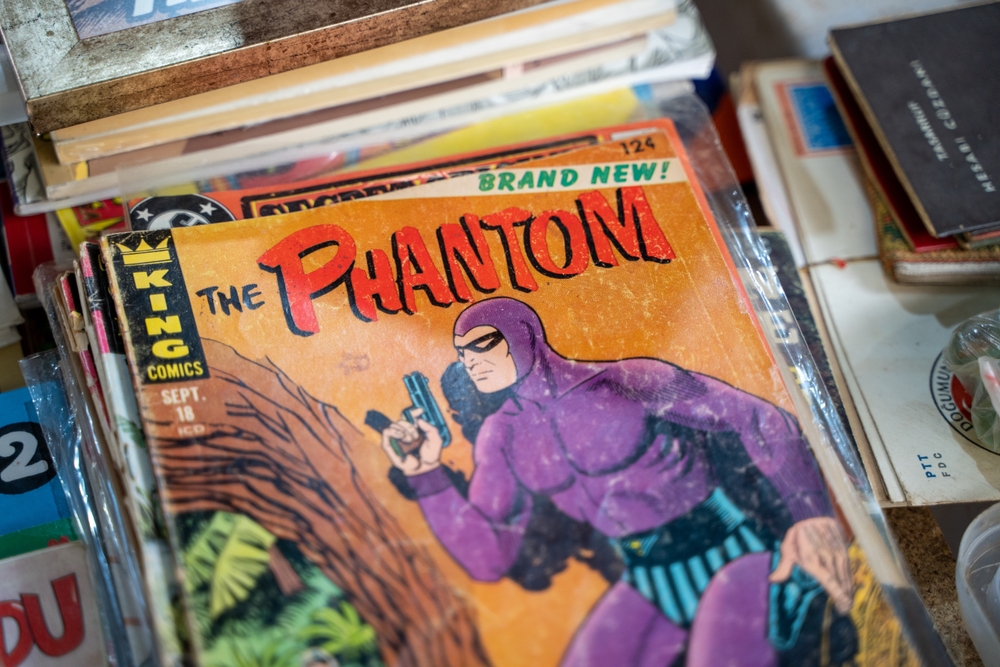
A long-running comic shop is often one of the safest places to start hunting for vintage issues. Staff members usually know the basics of grading, current price guides, and which books move quickly in that area. Many shops keep their pricier books in display cases while leaving cheaper back issues in long boxes that you can flip through at your own pace. When you build a steady relationship with a shop, you may hear about new collections that come through the door before they hit the shelves.
To avoid getting burned, pay attention to how clearly the shop labels grades and prices, and do not be shy about asking how they arrived at those numbers. Look for stores that are willing to take a book out of a bag and board so you can check for spine wear, loose staples, or writing on the cover. Shops that accept returns on higher-priced items or stand behind their grading with clear policies usually give you more security. Bring a short wish list and a spending limit with you, and let the staff know what you are after so you can shop with a clear head.
Major Comic Conventions
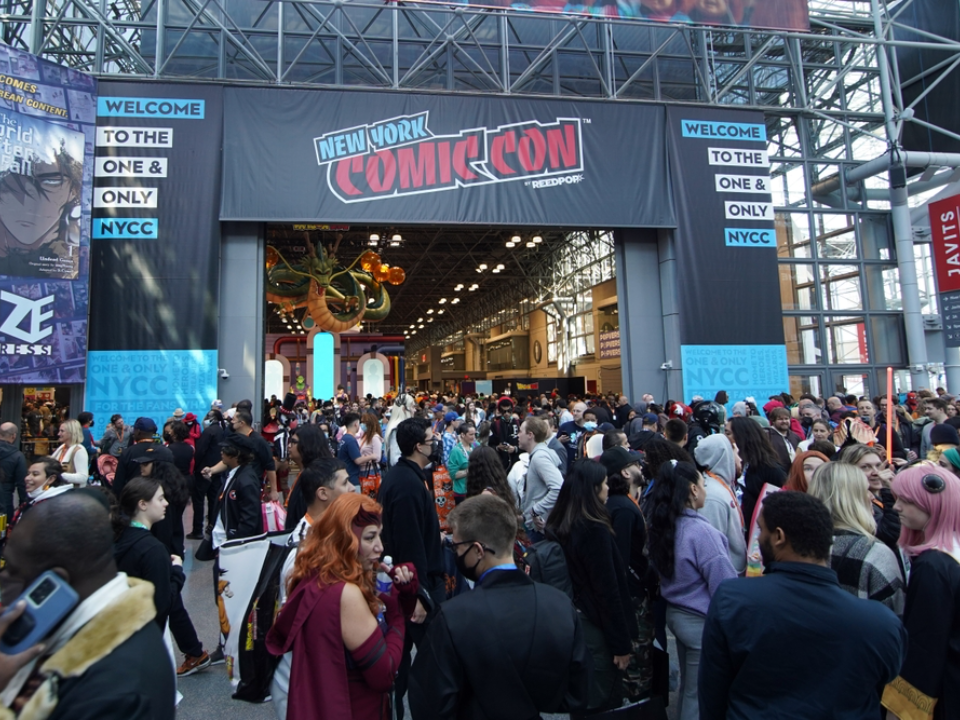
Large comic conventions bring together dealers from many cities, which means a wide range of vintage stock in one place. You can see key issues, rare variants, and entire runs laid out right in front of you, which makes it easier to compare prices and conditions. Dealers at big events often bring their best material, so you may see books that rarely appear in small shops. Walking the floor with a notebook or notes app gives you a quick way to compare what you saw at different tables before you commit.
Big crowds and high prices can lead to rushed choices, so give yourself time to breathe between tables. Do a full lap to get a sense of average prices on the books you want, then circle back to the dealers who seemed the most open and honest. Ask about restoration, pressing, or cleaning that may have been done, and request to see certificates or grading labels when the price climbs higher. Treat the convention as both a shopping trip and a learning experience, and follow your instincts if a seller seems pushy or vague.
Small Local Comic Shows

Local comic shows held in hotel ballrooms, community centers, or small expo halls can be excellent places to find vintage books at fair prices. Dealers at these shows often have lower overhead than big convention vendors, which sometimes leads to friendlier pricing. Many bring long boxes filled with back issues that did not make the cut for larger events but still hold plenty of value and interest. The atmosphere tends to feel more relaxed, which gives you space to ask questions and strike up casual conversations.
To stay safe, arrive early so you can look through boxes before they are picked over and before you feel tired. Ask each dealer how flexible they are on pricing and whether they offer bundle deals if you buy multiple books. Pay attention to how they respond when you point out flaws, since a fair seller will either adjust the price or explain clearly why it is set where it is. Take cash along with a set budget, and write down table numbers where you see something interesting so you can revisit without losing track.
Reputable Comic Auction Houses
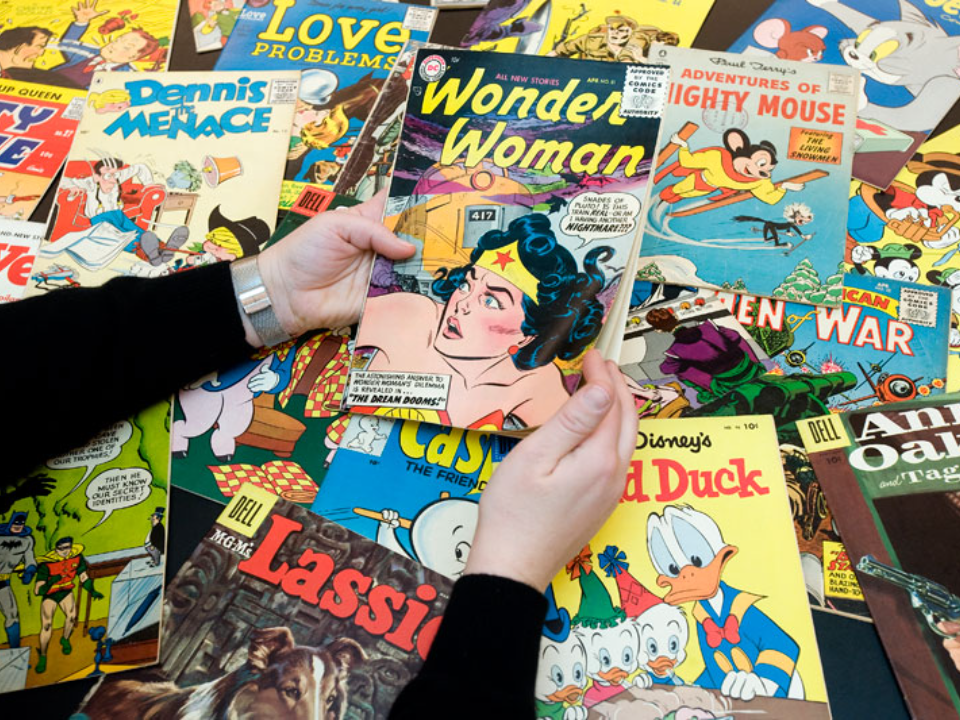
Some auction houses specialize in comics and related art, and they often handle high-grade and historically important pieces. These companies usually provide detailed listings with clear photos, grading information, and past sale data so you can research before bidding. Many of them partner with third-party grading services, which can give you extra confidence in the condition described. You can also look up past auctions from the same house to see how prices line up with general market trends.
Before you bid, read the buyer fees, shipping rates, and return rules carefully, since those details can change the real cost of a win. Take time to study past sale records and compare them with public price guides so you know whether the opening bid is reasonable. Set a maximum bid for each item and stick to it, since bidding wars can push prices well beyond what a book is worth to you. Treat these auctions as one tool among many, and use them when you want a specific key issue with strong documentation.
Online Marketplaces With Seller Ratings

General online marketplaces can be risky, but they also hold countless vintage comics from all over the world. The key is to rely on detailed seller feedback and transaction history, which gives you clues about how that seller treats buyers. Look for listings with multiple clear photos that show corners, spines, and back covers, rather than only a front cover shot. Longtime sellers who answer questions quickly and provide extra photos usually signal that they care about their reputation.
To avoid trouble, stay away from vague listings with stock images and very little description, especially on pricey books. Use built-in filtering tools to focus on sellers with high ratings and a large number of completed sales, and read any negative feedback to see if there are consistent complaints. When possible, pay through methods that offer buyer protection so you have recourse if the book arrives in worse shape than described. Think of each purchase as a small research project and trust your instincts if something about the listing feels off.
Estate Sales And Home Liquidations
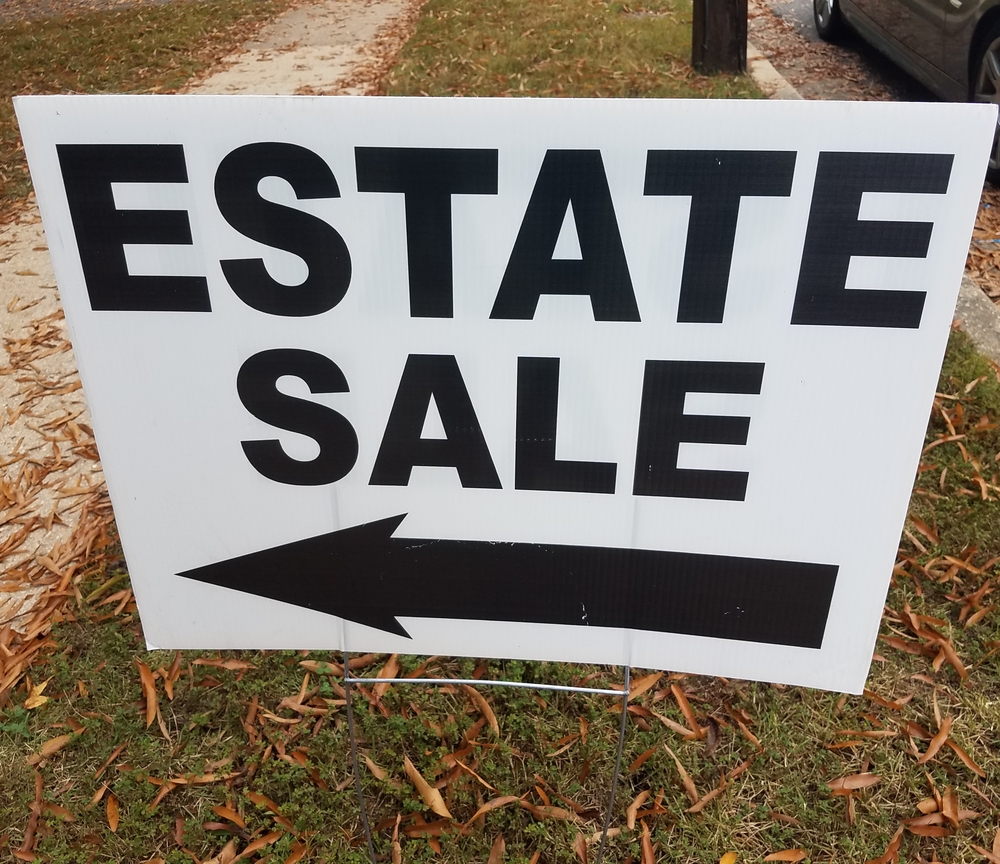
Estate sales can be gold mines for vintage comics, especially when the former owner collected for many years and kept everything together. Often, comics appear in basements, spare rooms, or old trunks rather than set out as the main draw, so careful looking pays off. You might find entire long boxes sold at a flat price, giving you a chance to uncover keys mixed in with common issues. The fun comes from sorting through real collections that have not yet passed through a dealer’s hands.
To protect yourself, remember that estate sale organizers may not know comic values, which can cut both ways. Inspect books for mold, water damage, or smoke smell, especially if they were stored in damp areas, and adjust what you are willing to pay. Try to negotiate on bulk purchases rather than single issues, since sellers usually want everything gone by the end of the day. Bring bags, boards, and maybe gloves, and give yourself time afterward to sort your finds and separate true keepers from filler.
Library And Charity Book Sales
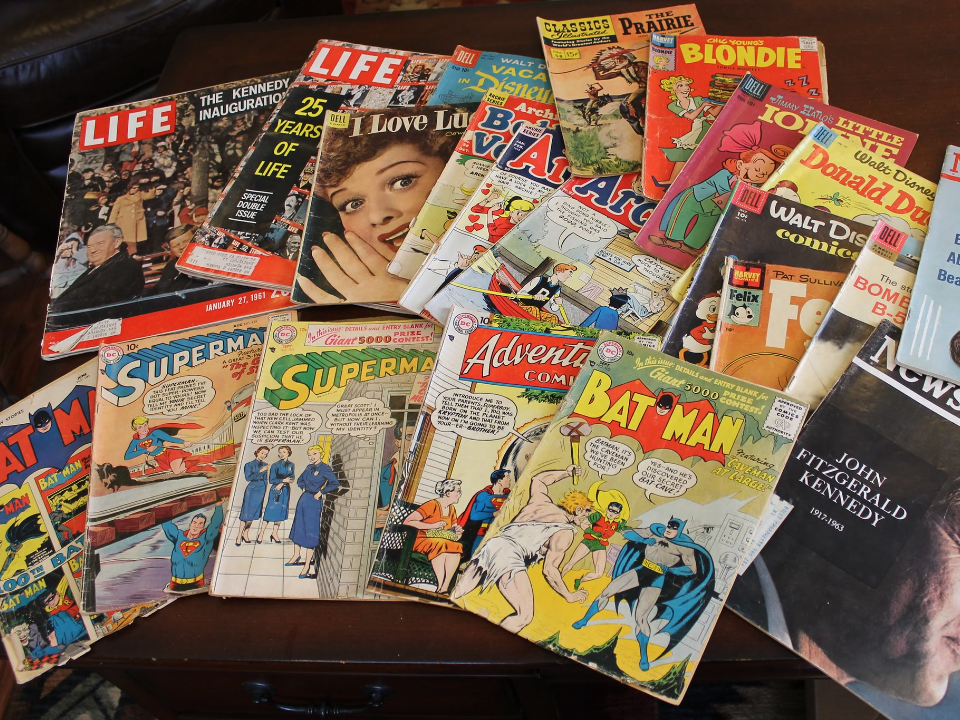
Library and charity sales often surprise collectors with boxes of donated comics, sometimes mixed into general book sections. These events usually price items by the piece or by the bag, which can make your cost per comic very low. You may find kid focused titles, newspaper strip collections, and the occasional vintage superhero book tucked in. While many of the books will be well loved, that does not mean there are no worthwhile issues hiding inside.
Since stock changes with each sale, it helps to visit regularly and arrive early when doors open. Check the condition of spines and covers, since heavy library use and circulation stickers can limit collectible value, even if the title is interesting. Remember that you are also supporting a local charity or library, which can make it easier to take a chance on borderline items. Treat these sales as relaxed treasure hunts, and enjoy the process of digging rather than expecting a major score every time.
Used Bookstores With Comic Sections
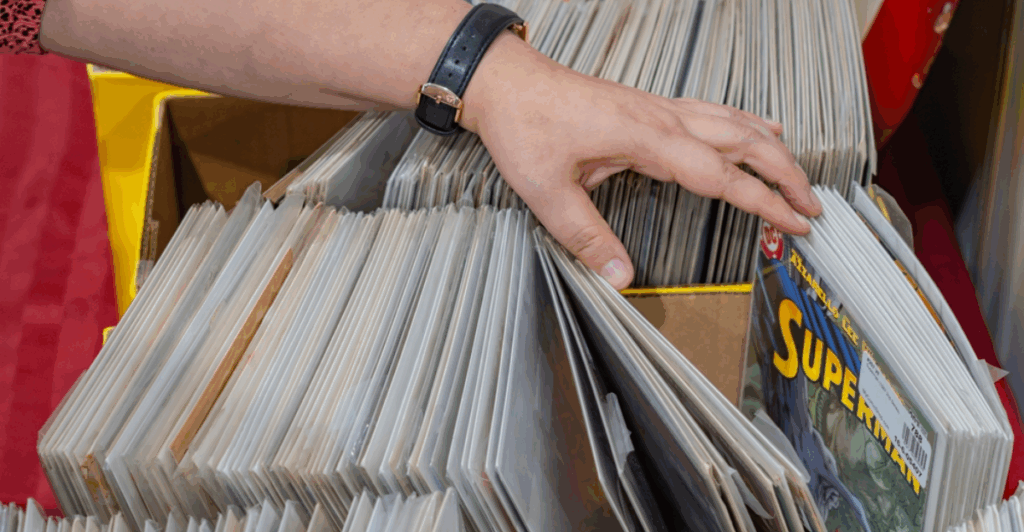
Used bookstores sometimes keep a small but steady supply of comics that come in through trades and buybacks. Some shops dedicate a corner to long boxes and graphic novels, while others tuck them into general fiction shelves or children’s sections. Because comics may not be the main focus, prices are sometimes based on quick checks rather than detailed research. That can create chances to find overlooked runs or early appearances at friendly prices.
When you visit, ask staff if there are any comics in the back room or behind the counter, since not everything may sit on the main floor. Look through every box slowly, paying attention to publisher logos, issue numbers, and small print dates that signal older material. If you notice mispriced items, decide whether the overall deal still feels fair, and remember that haggling may or may not be welcome in that shop. Keep notes on which bookstores tend to get comics in regularly, and drop by on a schedule that fits your routine.
Flea Markets And Swap Meets

Flea markets and swap meets create wide open hunting grounds, where you might see comics spread out on tables, stacked in milk crates, or piled in boxes. Sellers range from dedicated collectors to casual folks cleaning out storage units, which means the mix can be wild. You might stumble on dollar boxes filled with forgotten titles from the seventies and eighties or runs of licensed series that never made it back to shops. The variety can make these outings feel like genuine treasure hunts with plenty of surprises.
To protect yourself, focus on condition and do not let low prices blind you to heavy damage. Check for detached covers, missing pages, and strong smells that signal long term storage in damp or smoky spaces. Ask how the seller got the comics and whether they have more at home, especially if you sense a larger collection behind what you see. Carry small bills, set a spending cap before you walk in, and remember you can always walk away if a seller refuses to let you inspect items closely.
Record Shops And Pop Culture Stores
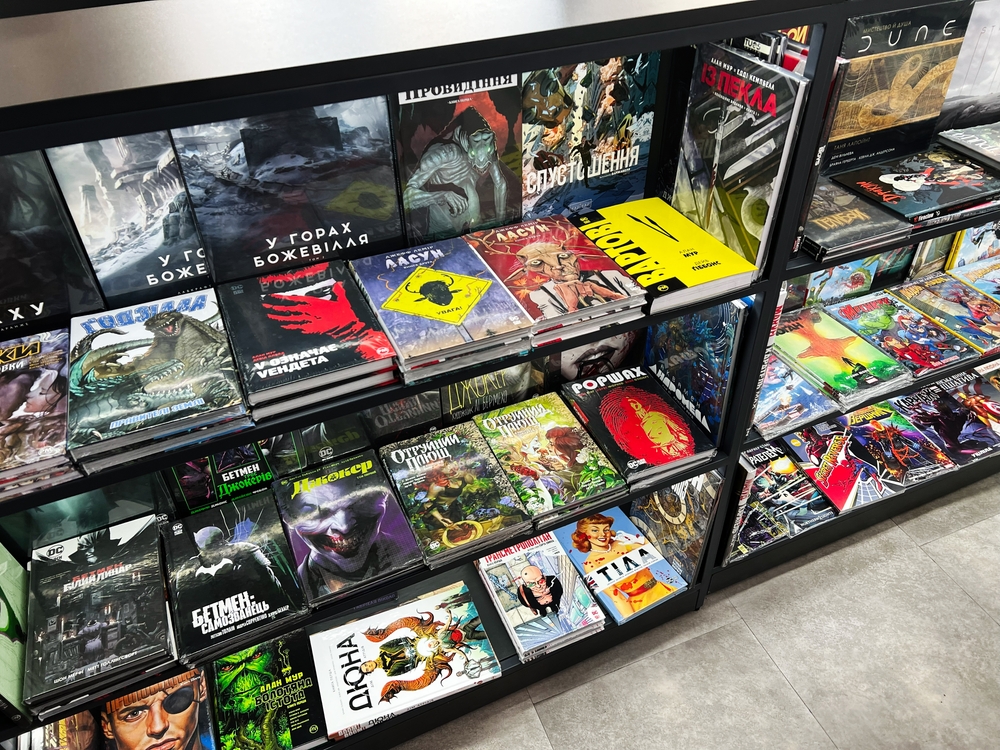
Record shops that cater to music collectors often branch into comics, zines, and other retro media. These stores lean into nostalgia and usually attract customers who enjoy digging through crates and boxes. Because comics may be a side focus, you might find older issues tucked between newer stock at prices based more on quick judgment than fine tuned research. The mix of vinyl, posters, and comics can make the visit feel like a relaxed afternoon outing rather than a hard shopping mission.
When you go, scan display racks first for key issues or eye catching covers, then move to any boxes on the floor. Ask staff whether they have a buylist for comics, since that can hint at how seriously they take the category. Carefully inspect spine wear, especially on books that have been flipped through by music shoppers who may not handle comics gently. Use these shops to fill in runs and pick up interesting oddities, and save high ticket purchases for more specialized sources.
Comic Shop Back Issue And Discount Bins
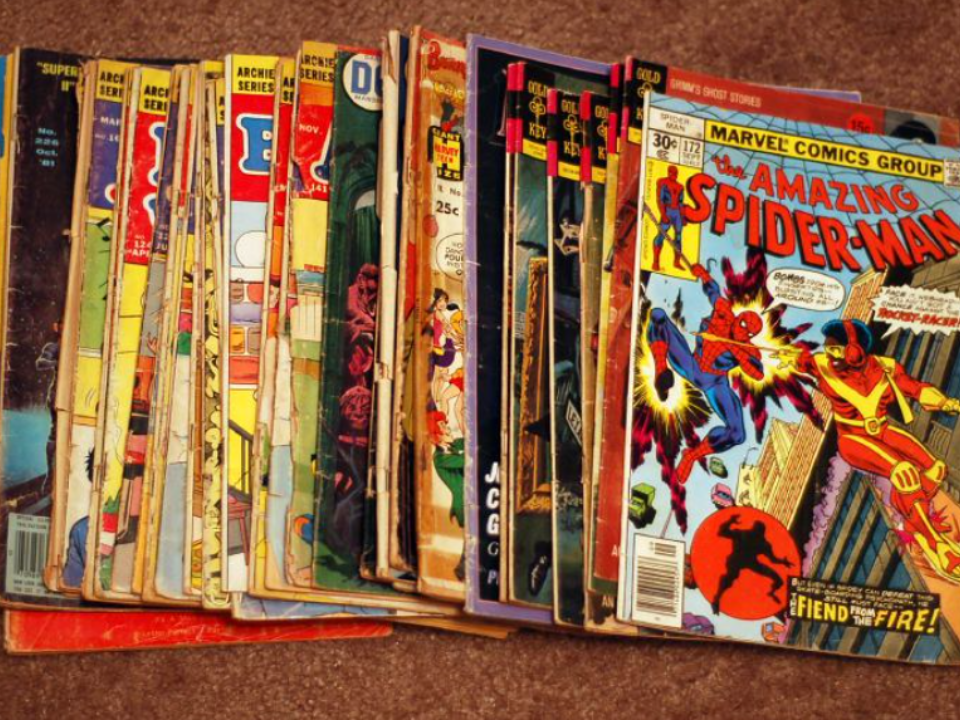
Even within regular comic shops, the back issue section and discount bins can hold surprising vintage finds. Many stores rotate older stock into lower-priced boxes when it has sat on shelves for a while without selling. Patient digging through these bins can turn up early issues from long-running series, minor character debuts, or complete story arcs. The thrill comes from knowing that your find was sitting in plain sight for anyone willing to take the time.
To shop wisely, bring a short written list of series and issue ranges that interest you, so you do not feel lost in endless boxes. Make a habit of checking for spine ticks, color breaks, and corner folds, since cheaper bins often contain books with light to moderate wear. Ask staff if they have more unsorted back stock behind the counter, which sometimes leads to unpriced boxes you can browse. Return every so often, since new collections are always arriving and yesterday’s wall book may drop into the regular bins later on.
Social Media Collector Groups

Online collector groups centered around comics can be excellent places to buy, sell, and trade vintage books. Members often share photos of recent pickups, post want lists, and organize sale threads with detailed pictures. Because these groups form around shared interest, you can sometimes find fair deals from people who care more about finding a good home for a book than squeezing every last dollar. You also have the chance to learn from more experienced collectors through casual discussions.
Safety depends on clear rules, so favor groups that enforce posting guidelines, require time stamped photos, and track buyer and seller feedback. Before you send money, read through comments on several past deals involving that person, and look for consistent praise. Use secure payment methods that offer some protection, and avoid deals that require odd payment setups or rush you to decide. Treat each transaction as both a purchase and a relationship, and stay active in the community so people recognize your name in return.
Local Collector Meetups And Club Meetings
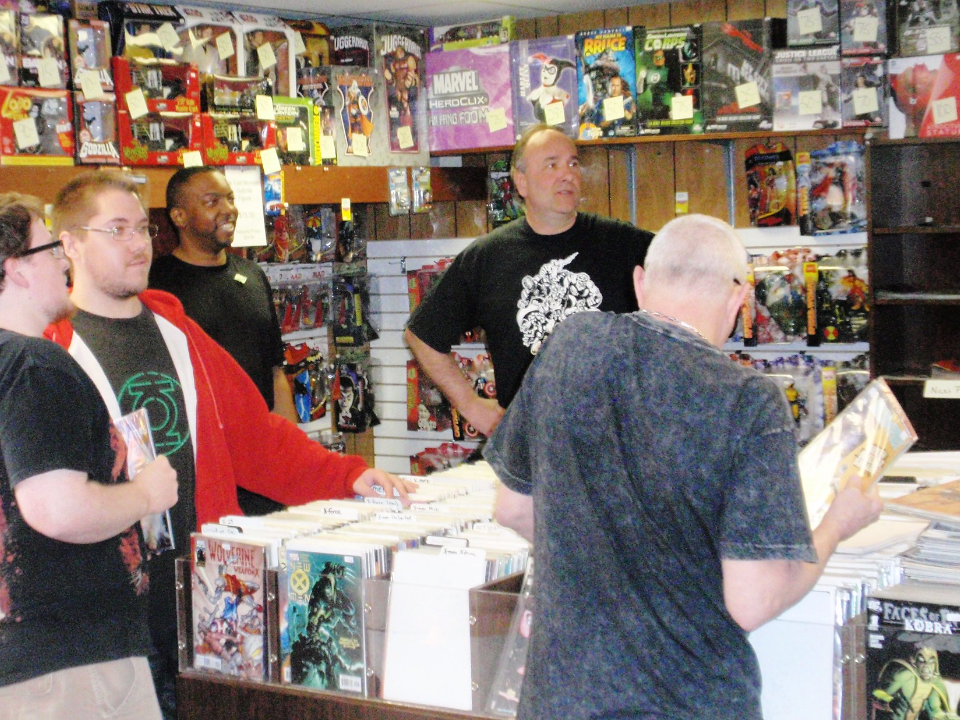
Comic clubs and informal collector meetups create spaces where trading and buying feel more relaxed and social. Members bring boxes of duplicates, extra runs, and books that no longer fit their main focus, which can be a great source of affordable vintage issues. Because people see each other repeatedly, there is strong incentive to treat one another fairly. You may even learn about private collections that rarely show up at public sales.
To get started, look for flyers at local shops or check community boards for clubs that meet at libraries, cafes, or community centers. When you attend, introduce yourself, talk about your favorite characters or eras, and mention what you are looking for in casual conversation. Bring a small box of your own books for trade, since that often sparks interest and opens doors to more deals. Over time, you will build trust with other members, and those relationships can lead to some of your most satisfying finds.
This article originally appeared on Avocadu.