
13 Best Seeds To Start Indoors In February For Fast Spring Payoff
February is the perfect month to begin growing your spring garden indoors. Starting seeds early helps ensure that your plants have the best chance to grow strong and healthy. While the cold weather still lingers outside, you can create an ideal growing environment indoors. Not only does this give you a head start, but it also sets you up for an earlier harvest.
This post may contain affiliate links, which helps keep this content free. Please read our disclosure for more info.
Tomatoes

Tomatoes are one of the most popular vegetables to grow indoors, and February is a perfect time to start them. By planting early, you can ensure that they are well-established by the time the outdoor temperatures warm up. Opt for determinate varieties, which grow to a certain height and produce fruit all at once, or indeterminate ones, which keep growing and producing throughout the season. Make sure to provide them with plenty of light and warmth, as tomatoes thrive in sunny conditions.
Starting your tomato seeds indoors in February gives you a solid foundation for an abundant harvest. Keep the soil evenly moist but not soggy, and ensure proper drainage to prevent root rot. Once the seedlings are large enough, you can harden them off before transferring them outside. If you start them now, you’ll likely see fruit by early summer, ensuring a quick payoff for your efforts.
Peppers
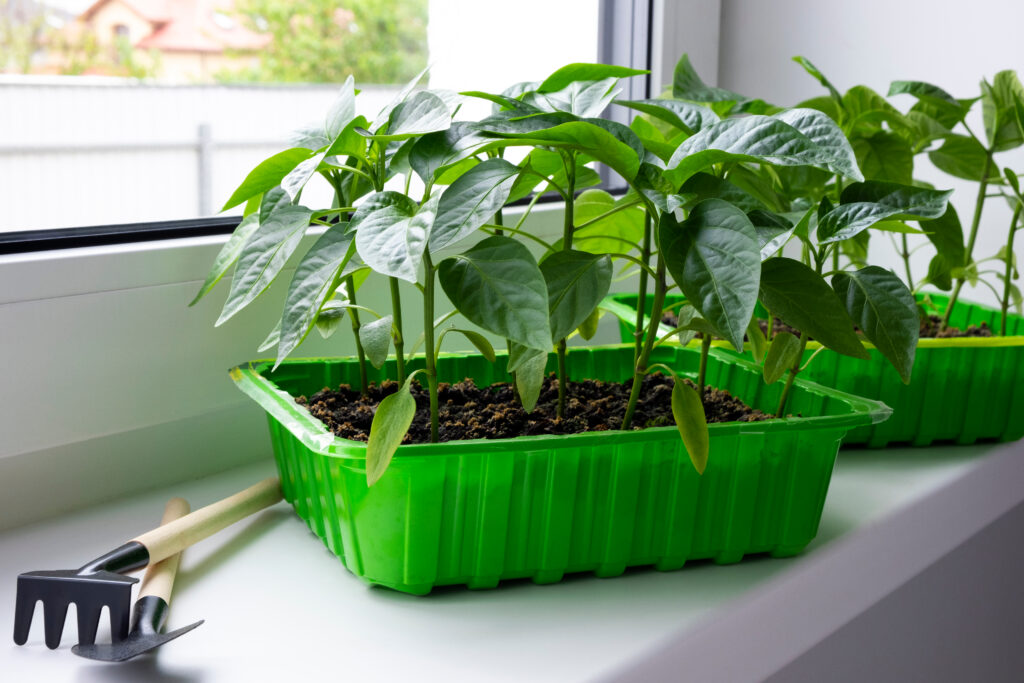
Peppers, especially hot varieties like jalapeños or bell peppers, need a long growing season, making February a great time to start them indoors. The warm temperatures they require for germination can be difficult to achieve outdoors this time of year, so starting them inside gives them a head start. Choose the pepper variety that best suits your space—some need more room to grow than others. Don’t forget to provide your peppers with consistent light to encourage strong, healthy growth.
When growing peppers indoors, make sure they have enough warmth, as they are sensitive to cold temperatures. Use a heat mat if necessary to maintain an ideal environment. After about 8 weeks, once the seedlings are large enough, they will be ready to be planted outdoors. Starting early will ensure you have a fruitful harvest sooner, allowing you to enjoy fresh peppers long into the growing season.
Lettuce
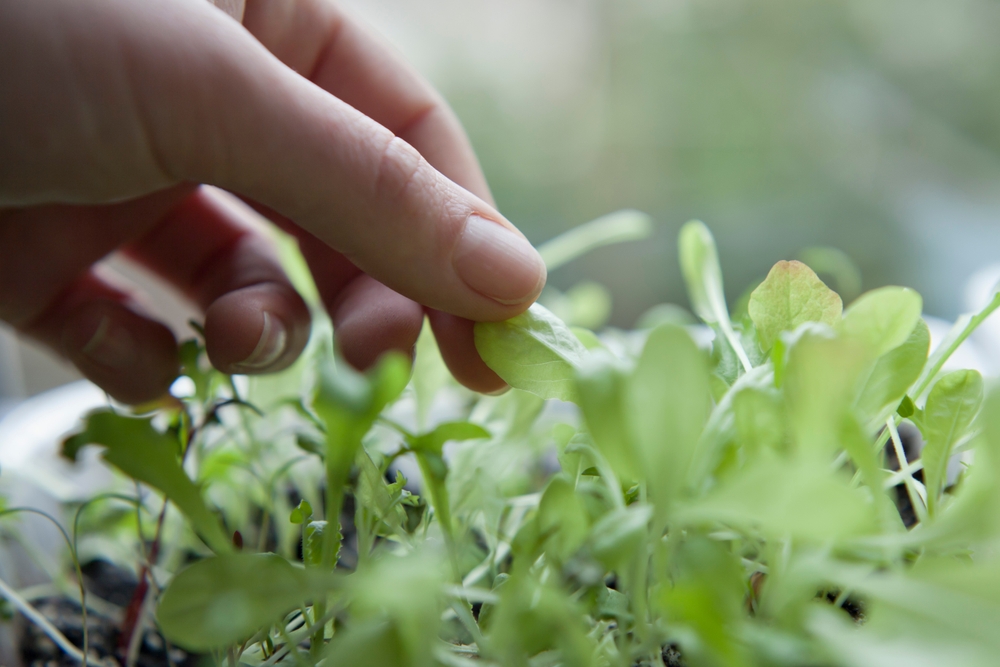
Lettuce is quick to mature and perfect for starting indoors during February. By sowing seeds early, you can have tender, leafy greens in no time. Lettuce thrives in cooler temperatures, so starting them indoors helps you control the environment and prevent them from bolting too soon. You can plant several varieties, such as leaf lettuce or romaine, depending on your preference for texture and flavor.
Starting lettuce indoors is easy and requires minimal care. Keep the seedlings in a bright location, and keep the soil moist but not waterlogged. Once the seedlings are big enough, you can start transplanting them outside as early as 4-6 weeks after planting. By beginning in February, you’ll have a head start, allowing you to enjoy your fresh, homegrown greens in early spring.
Herbs
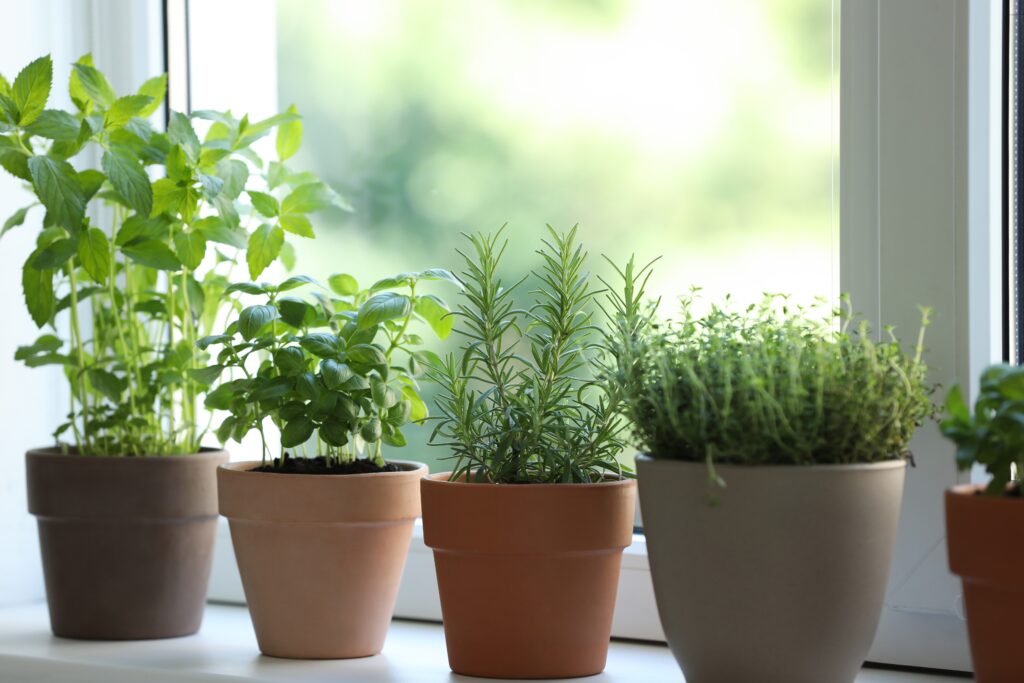
Starting herbs like basil, cilantro, and parsley indoors in February gives you a head start on your kitchen garden. These herbs thrive in sunny locations and can be grown easily in containers. When you start them early, you’ll have fresh herbs ready to add flavor to your meals as soon as the weather warms. Many herbs can also be harvested continuously throughout the growing season, which makes them even more rewarding to grow.
Herbs are low-maintenance, but they do need plenty of light to thrive indoors. You can grow them on a sunny windowsill or under grow lights to ensure they receive enough sunlight. Once the plants are large enough to be transplanted, you can move them outdoors, or you can continue growing them in containers inside for an extended harvest. Starting your herbs indoors in February allows you to enjoy fresh flavors in your cooking from the start of the season.
Cucumbers
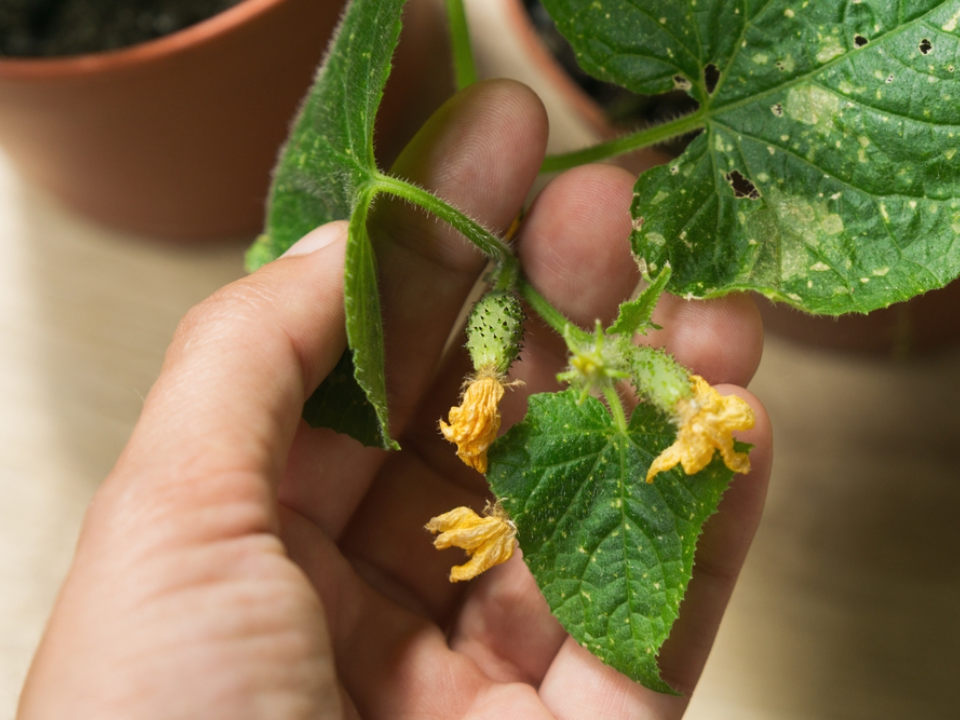
Cucumbers are fast-growing and perfect for starting indoors in February. These warm-weather plants need a long growing season, and starting them indoors gives them a jump start. There are many varieties of cucumbers, from small pickling cucumbers to large slicing ones. Starting your seeds early allows you to have a head start on the growing season, ensuring you can harvest fresh cucumbers before the summer heat kicks in.
Once you start your cucumber seeds indoors, keep them in a warm, sunny spot to encourage germination. Cucumbers are sensitive to the cold, so make sure they stay warm until it’s time to transplant them outside. When they are ready to be moved outdoors, harden them off gradually to avoid shock. With a little care and attention, you’ll soon be able to enjoy fresh cucumbers from your garden.
Broccoli
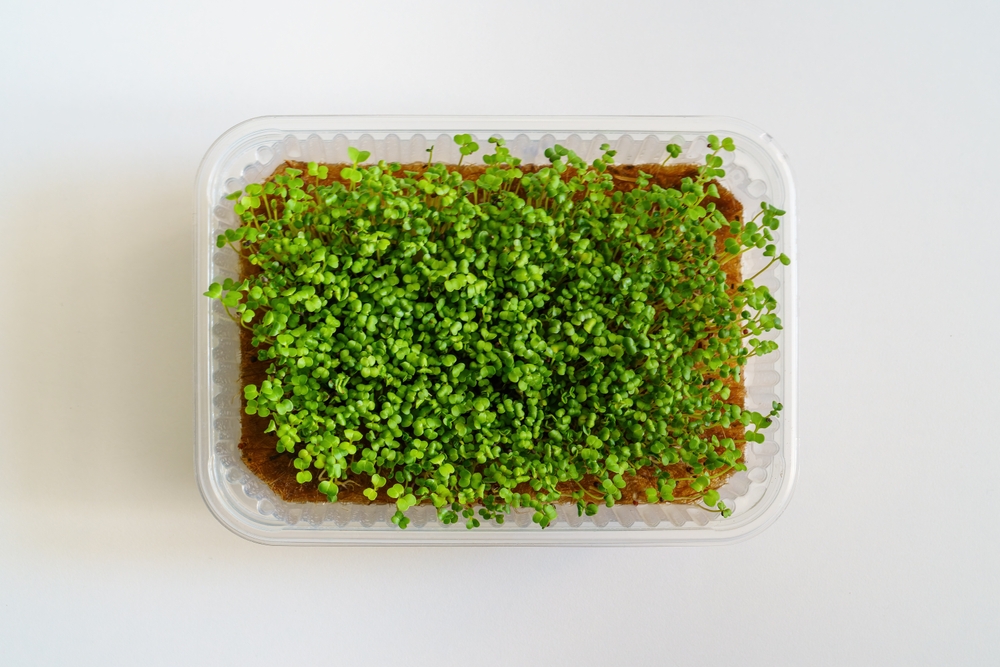
Broccoli is a cool-season crop, and February is an excellent time to get the seeds started indoors. Starting broccoli early ensures that you can harvest it before the hot weather arrives, which can cause it to bolt. Broccoli needs plenty of light to grow well indoors, so make sure to provide your seedlings with adequate sunlight. By starting indoors, you can keep the plants at the optimal temperature until they are ready to be planted outside.
Broccoli grows quickly and is fairly easy to care for, making it a great option for early indoor sowing. Keep the soil moist and ensure the seedlings are in a place where they can get enough light to develop strong, healthy stems. Once the seedlings are large enough and the outdoor conditions are right, you can transplant them into your garden. With the right care, your broccoli plants will thrive, offering you a nutritious harvest early in the season.
Kale
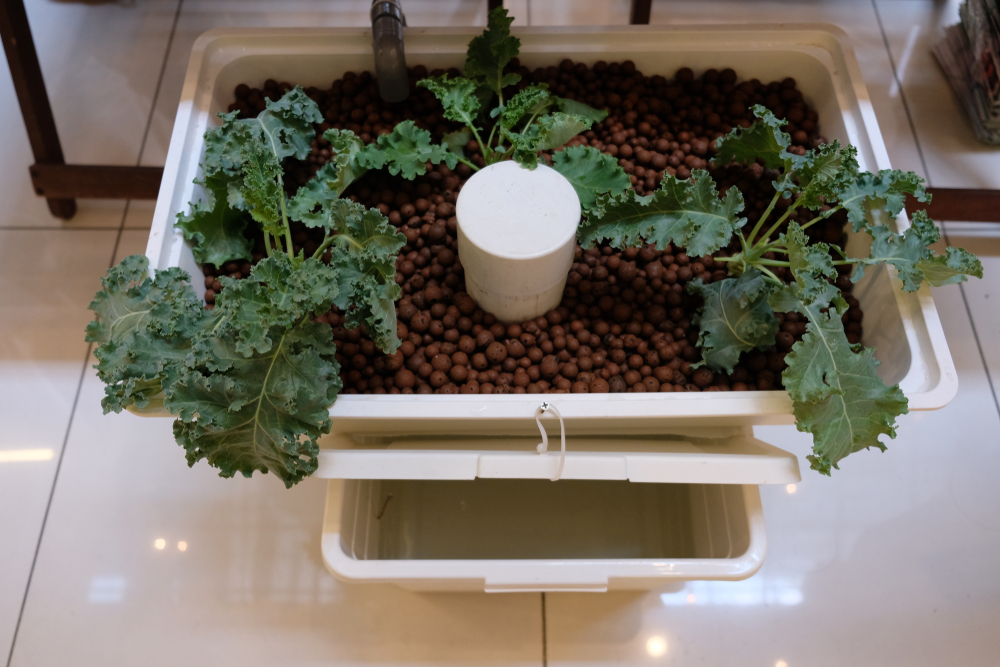
Kale is a versatile and hearty vegetable that’s perfect for planting indoors in February. It can tolerate frost, but starting it indoors ensures that it gets a good head start before being planted outside. Kale is packed with nutrients, making it a popular choice for home gardeners. It’s easy to grow and requires minimal care once established, making it ideal for beginners.
Kale thrives in cool temperatures, so it will do well in the early spring garden once it’s transplanted outdoors. Keep the seedlings in a location with plenty of natural light to ensure healthy growth. After about 4-6 weeks, the seedlings will be ready to move outdoors once the soil warms up. Starting your kale seeds in February allows you to have fresh, homegrown greens by early spring.
Spinach
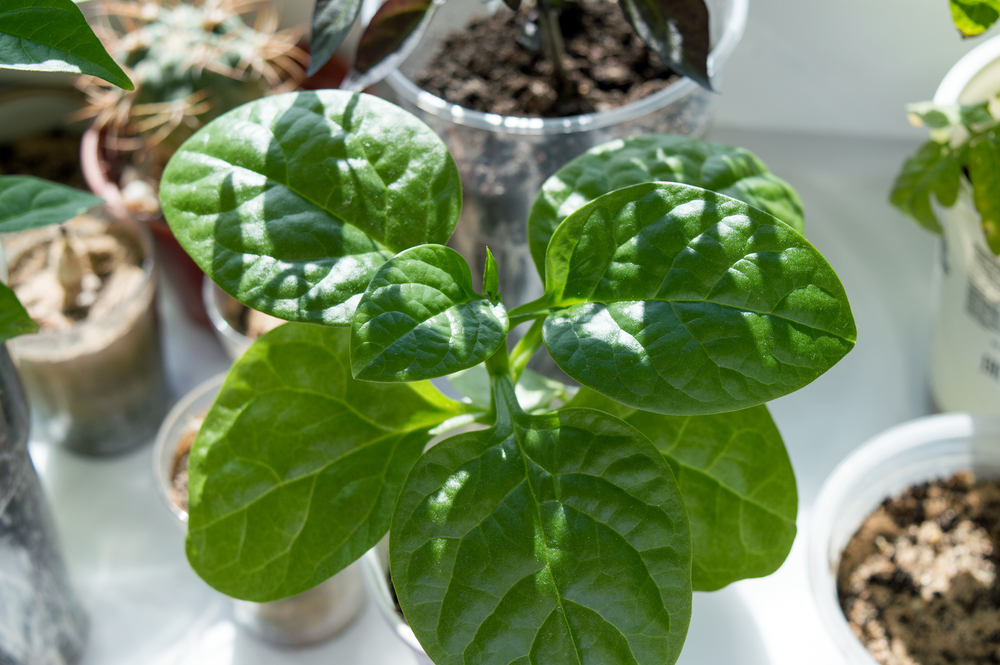
Spinach is another cool-weather crop that benefits from early indoor sowing. Starting spinach indoors in February allows you to get a jump start on your spring harvest. The seeds germinate quickly and the plants grow rapidly, so you won’t have to wait long for fresh greens. Spinach thrives in the cooler temperatures of early spring, making it perfect for February sowing.
For optimal growth, make sure your spinach gets enough light and water while it’s indoors. The soil should be kept moist but well-drained to prevent disease. When the plants are big enough, you can transplant them outside, where they will continue to grow and be ready to harvest by early spring. Starting spinach indoors ensures you get an early start on your greens, providing fresh salads and sides sooner.
Cabbage
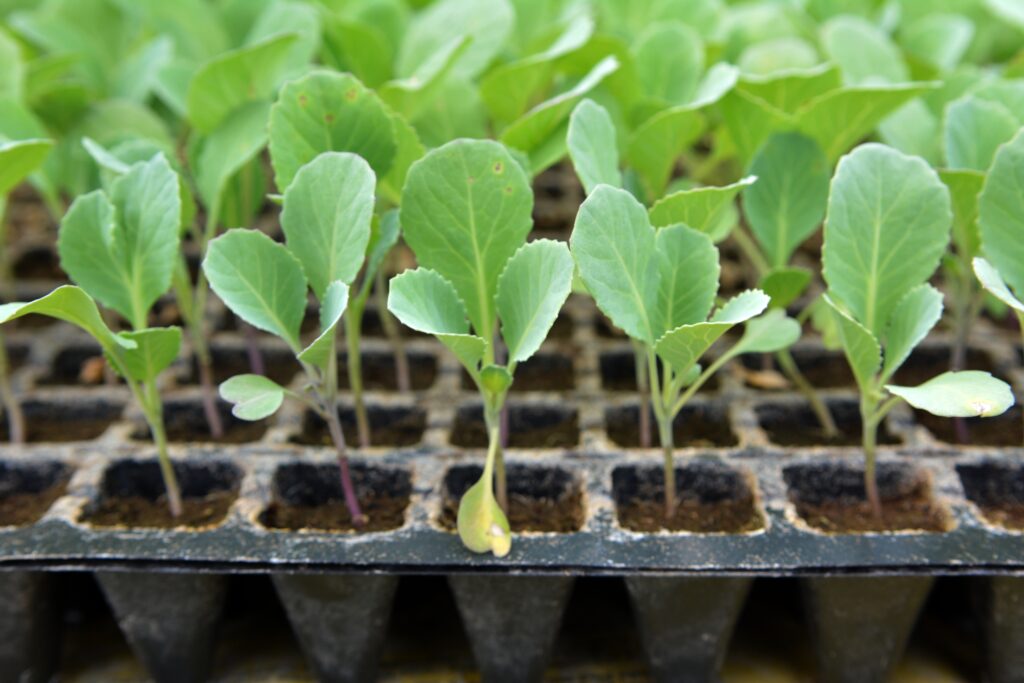
Cabbage is a great vegetable to start indoors in February, as it thrives in cool temperatures and needs time to grow. Starting your seeds indoors ensures that the plants will be ready to transplant outdoors when the weather warms up. Cabbage is a high-yield vegetable, making it a great addition to your garden if you’re looking for produce that will feed your family. There are several varieties to choose from, including red and green cabbage.
Cabbage requires a sunny spot indoors to grow strong, healthy seedlings. Be sure to keep the soil moist but not soggy to prevent the plants from developing root rot. Once the plants are ready, they can be hardened off and moved outside. By starting cabbage in February, you’ll be ready for an early spring harvest.
Carrots
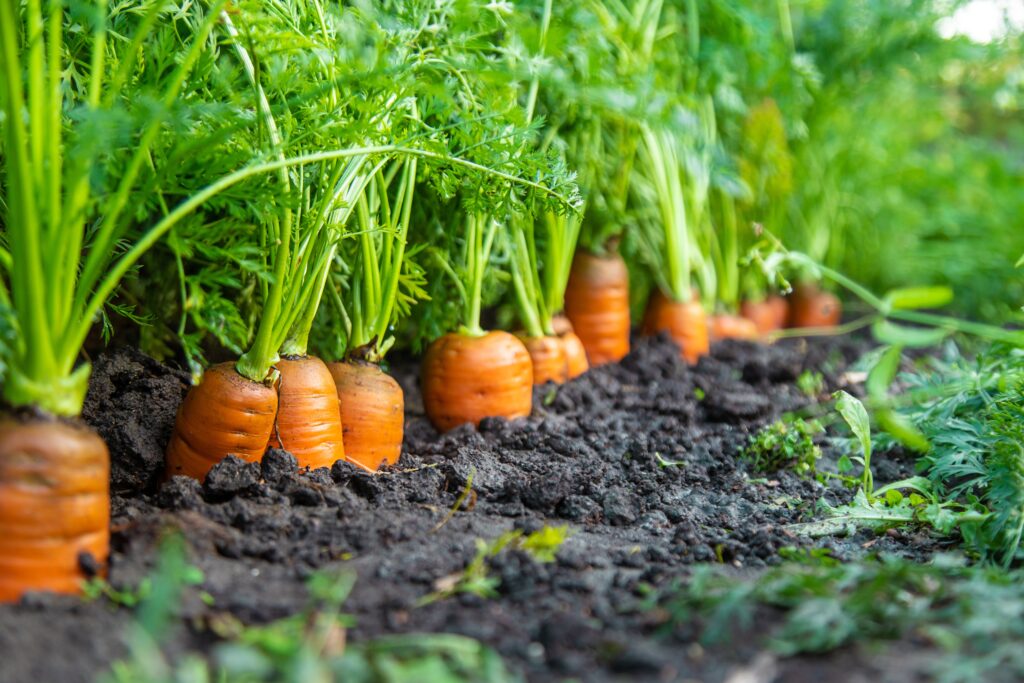
Carrots are another root vegetable that can benefit from being started indoors in February. Starting your seeds indoors ensures that they will grow strong and be ready to transplant as soon as the weather allows. While carrots can be direct-seeded in the garden, starting them indoors gives you more control over the growing conditions. This can result in a better crop with fewer pests.
Carrots require loose, well-draining soil, so make sure to prepare your containers properly. Keep the soil moist and provide your seedlings with adequate light to encourage straight, healthy roots. Once the outdoor soil has warmed up, you can transplant your seedlings outside to continue growing. Starting your carrots indoors will ensure you get a quick harvest, giving you fresh, homegrown produce early in the season.
Onions
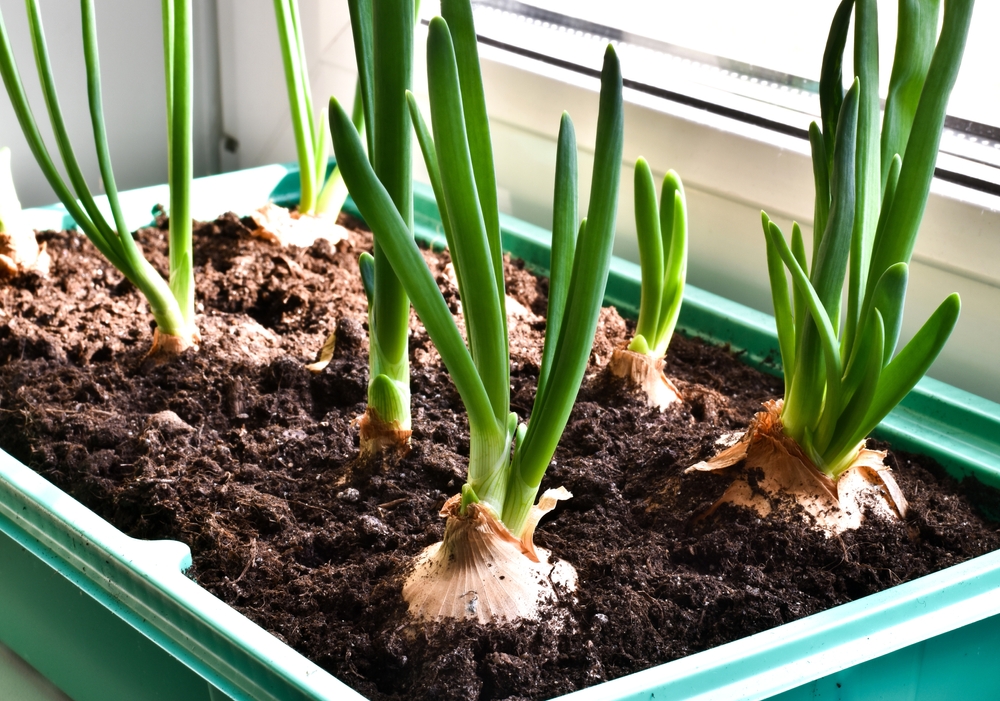
Onions are often started indoors to give them enough time to grow before being planted outside. Starting them in February ensures that your onions will be strong and ready for transplanting once the weather warms up. Whether you’re growing bulbs or sets, onions are a great option for early sowing. Choose varieties suited for your climate, as different types of onions thrive in different growing conditions.
Onions need well-drained soil and consistent moisture to grow well. Keep the seedlings in a bright spot with plenty of light to prevent them from getting leggy. Once the seedlings are ready, harden them off before transplanting them outside. By starting onions indoors, you will ensure that you have fresh, flavorful onions ready for harvest early in the season.
Beets
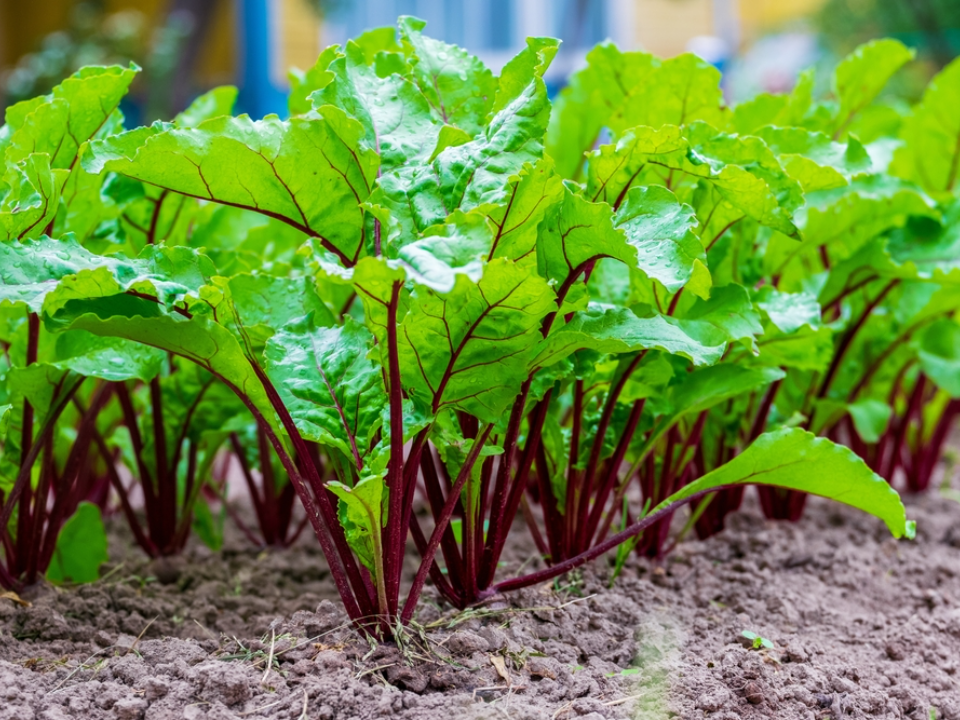
Beets are a hearty, cool-season crop that does well when started indoors in February. By starting beets indoors, you can give them a head start before the outdoor temperatures are ideal for planting. Beets need plenty of sunlight and rich, well-drained soil to grow properly. Starting your seeds early ensures that you’ll have the roots ready for harvest early in the spring.
Once your beet seedlings are ready to be transplanted, move them outside to a sunny location. Beets grow best in loose soil with good drainage to prevent them from becoming stunted. When you start your beets in February, you’ll have the opportunity to enjoy fresh, homegrown beets earlier in the growing season. They’re a great addition to any garden, offering both nutritious roots and greens.
Radishes
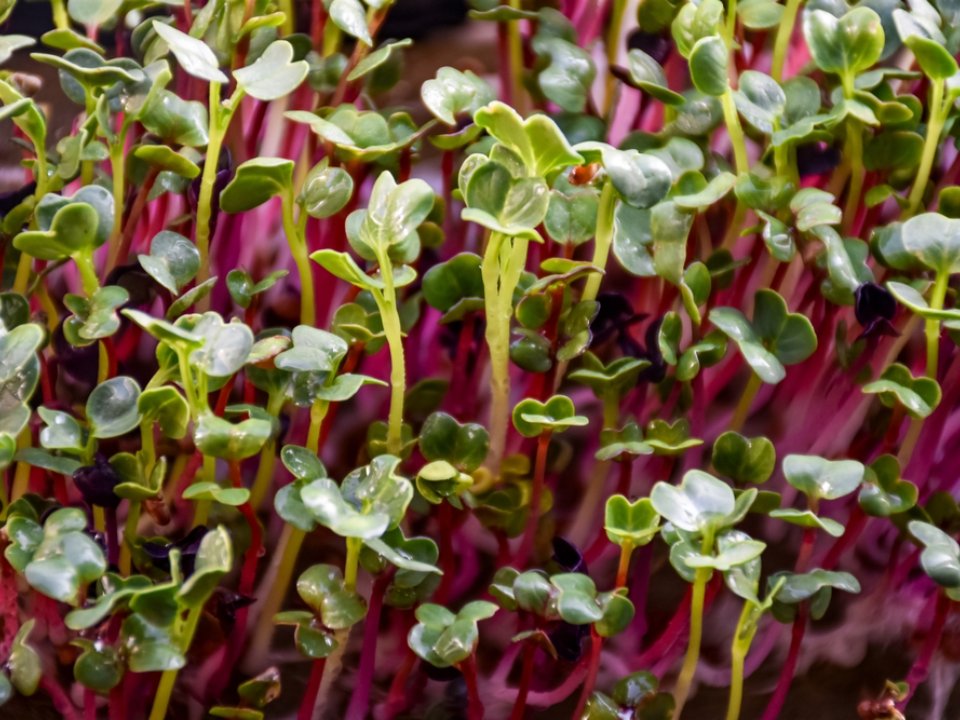
Radishes are one of the fastest-growing vegetables, making them perfect for indoor sowing in February. With just a few weeks of growth, radishes can be ready for harvest as early as six weeks after sowing. By starting radishes indoors, you ensure that they have enough time to grow to maturity before being planted outside. Plus, they don’t take up much space, so they are ideal for small indoor gardens.
Radishes prefer cool temperatures and loose, well-drained soil to develop properly. They grow quickly and do well in containers, making them perfect for indoor gardening. Once the seedlings are ready, you can move them outside to continue growing. Starting radishes indoors in February guarantees an early harvest, so you can enjoy their crisp, peppery flavor long before the warmer months.
This article originally appeared on Avocadu.