
17 Best Places to See Wildlife Migrations and Birding Hotspots in March
March is a fantastic time for wildlife lovers and birdwatching enthusiasts to experience nature in its full motion. As migratory birds travel across continents, several hotspots become the perfect destinations to witness this incredible journey. Whether you are looking for vast wetlands, coastal landscapes, or forested areas, there are places where the skies fill with flocks of birds and the air buzzes with wildlife. With a variety of habitats providing essential stops for these travelers, the beauty of migration is truly something to behold. For anyone eager to explore the wonders of nature, March offers a chance to witness both the power and delicacy of the animal kingdom. From Africa to North America, these regions showcase the incredible resilience and adaptability of wildlife.
This post may contain affiliate links, which helps keep this content free. Please read our disclosure for more info.
Everglades National Park, Florida, USA
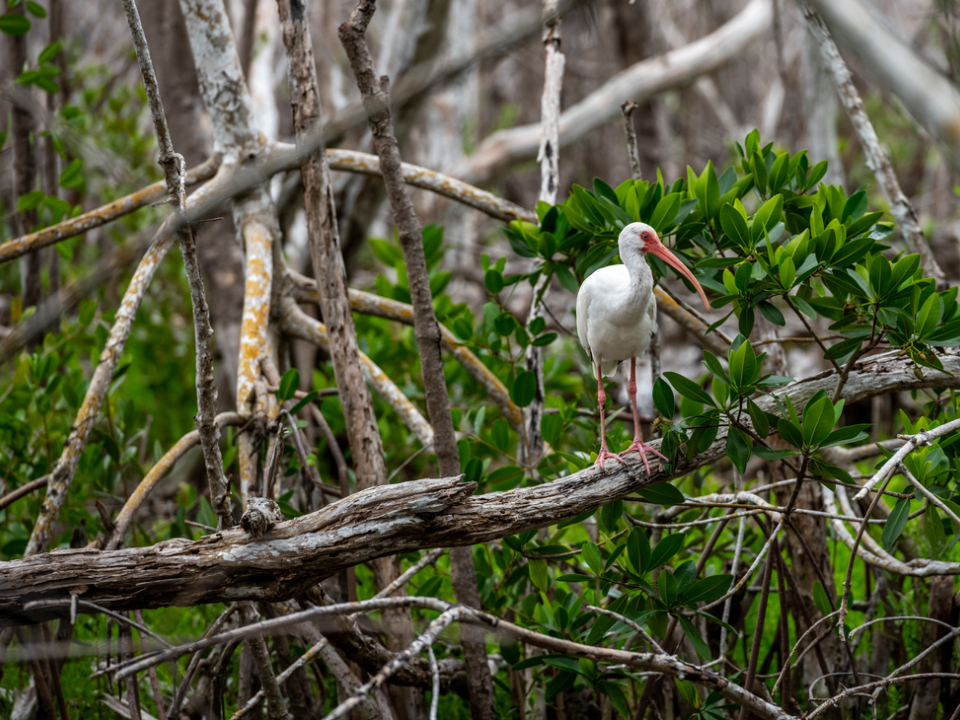
Everglades National Park is an ideal location for wildlife migrations in March. It serves as a vital stopover for migratory birds heading north to breeding grounds. The park features a wide variety of habitats, from wetlands to sawgrass prairies, making it a birding hotspot. You will find species like wading birds, raptors, and waterfowl.
The park is home to the endangered American crocodile, as well as manatees and various species of turtles. It is an excellent destination for anyone looking to spot a diverse range of wildlife. The migration season peaks in March, offering plenty of opportunities to observe nature at its finest. The area also provides guided tours for birdwatching enthusiasts, making it a great spot for both beginners and experienced birders.
Bosque del Apache National Wildlife Refuge, New Mexico, USA
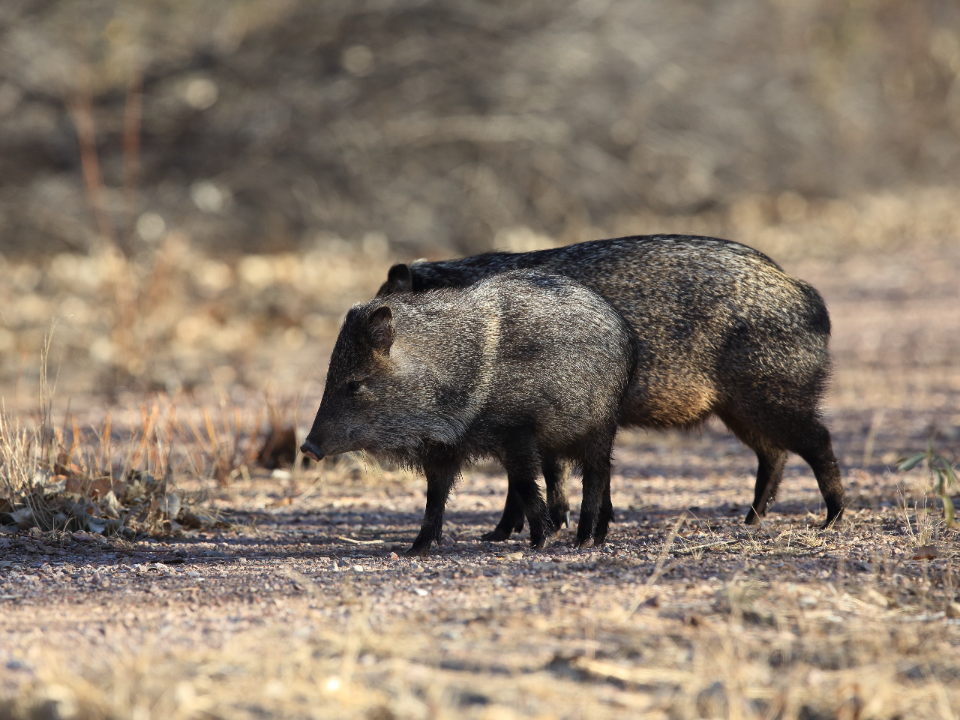
Bosque del Apache National Wildlife Refuge is famous for its spring bird migrations, especially in March. Each year, thousands of sandhill cranes, snow geese, and other waterfowl pass through the area on their way to northern breeding grounds. The refuge is located in the Rio Grande Valley, providing a rich environment for these species to rest and feed. The warm desert sun and expansive wetlands make it a peaceful stopover for migratory birds.
The scenic beauty of the refuge, with its striking views of the Chupadera Mountains, only adds to its appeal. Visitors can enjoy birdwatching from various viewing platforms and walking trails. For those interested in photography, the refuge offers stunning opportunities to capture the birds in action. During peak migration in March, the area becomes a vibrant hub of bird activity, perfect for any wildlife enthusiast.
Kruger National Park, South Africa
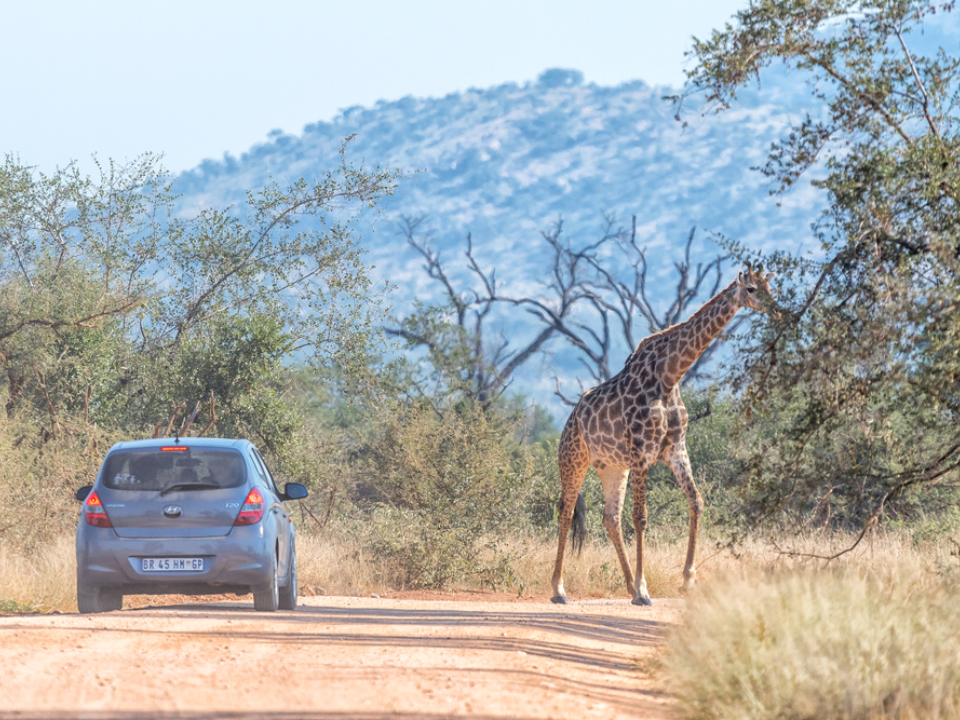
Kruger National Park is one of South Africa’s most famous wildlife reserves and is known for its exceptional birding opportunities. March marks the beginning of the wet season, which brings an influx of migratory birds. Species such as the European bee-eater, the yellow-billed kite, and the white stork migrate through the park during this time. The park’s varied habitats, from savannah to woodlands, provide ideal conditions for different bird species.
Kruger is home to an incredible diversity of wildlife, including the famous Big Five. The wet season creates lush, green landscapes that attract both birds and mammals. Visitors can enjoy safaris while also keeping an eye out for the many bird species that call the park home during migration season. March is an excellent time for anyone wanting to experience a wide range of animals and birds.
Islas Ballestas, Peru
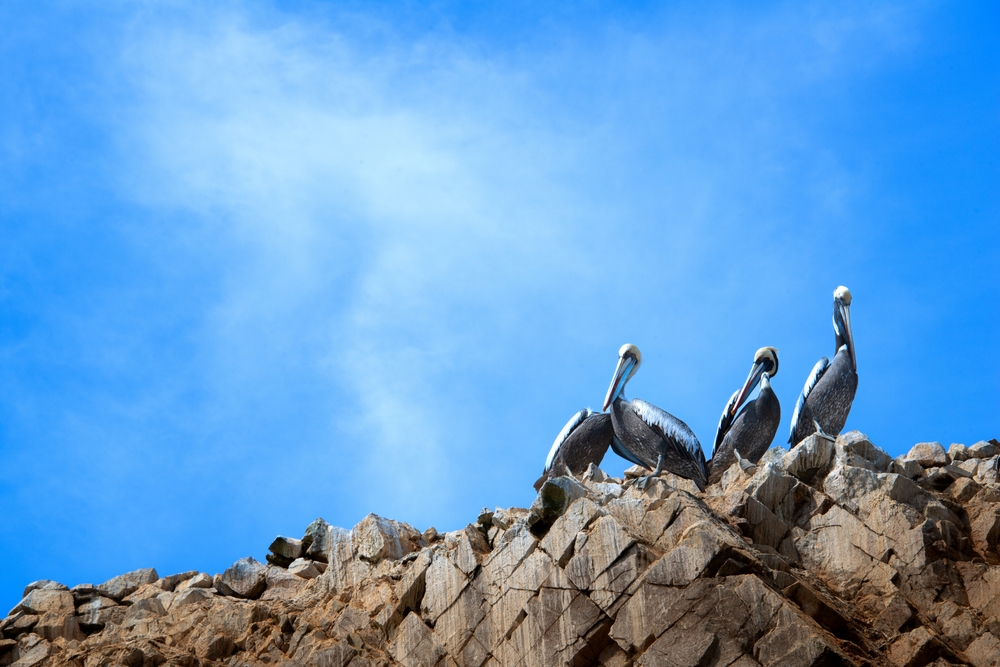
Islas Ballestas, located off the coast of Peru, is another great destination for wildlife migration during March. These islands are home to an incredible array of seabirds, including pelicans, cormorants, and the Humboldt penguin. During March, the islands witness a surge in migratory seabirds stopping to rest and feed on the rich marine life. Visitors can take boat tours around the islands to see these birds up close.
The islands also offer excellent opportunities to spot sea lions, dolphins, and even whales in the surrounding waters. The combination of coastal scenery and abundant wildlife makes it a favorite for nature lovers. Islas Ballestas provides a unique birding experience, especially for those interested in marine and coastal bird species. March’s mild weather makes it a comfortable time to visit this popular destination.
Galápagos Islands, Ecuador
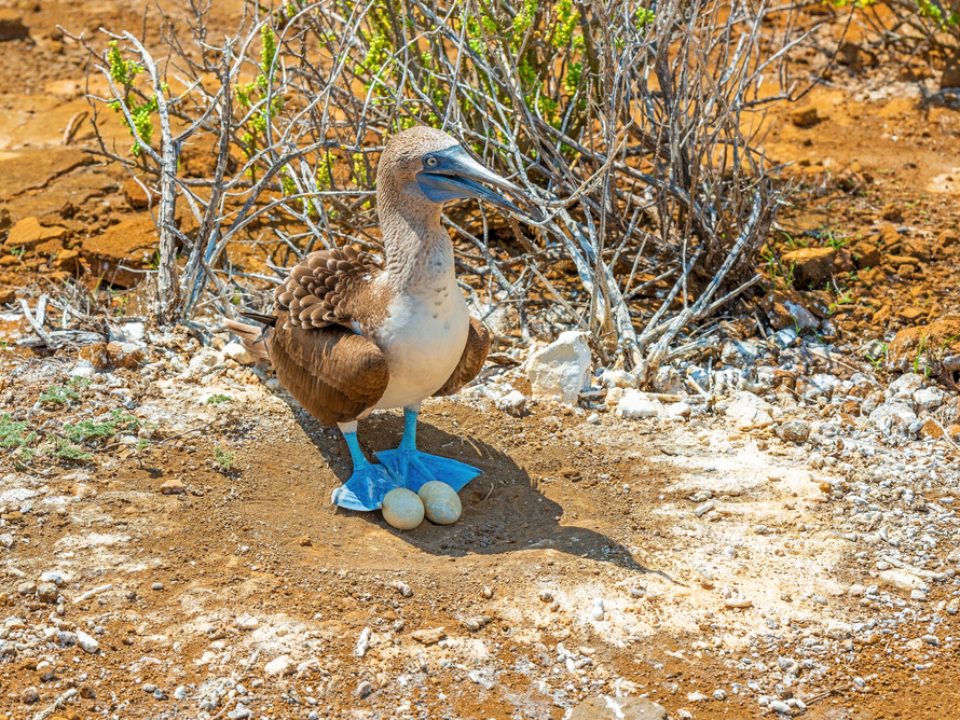
The Galápagos Islands are renowned for their unique wildlife, and they offer excellent birding opportunities year-round. In March, migratory birds such as the waved albatross, frigatebirds, and various species of terns return to the islands. The archipelago’s isolated location makes it a haven for wildlife, and it is home to several endemic bird species. The islands’ varied ecosystems, from volcanic landscapes to coastal deserts, create diverse habitats for birds.
Birdwatchers will enjoy observing the dramatic courtship displays of the albatross and the striking plumage of the endemic Darwin’s finches. The Galápagos is also known for its strict conservation policies, ensuring that the islands remain a pristine environment for both resident and migratory species. For birdwatchers, March is an ideal time to see these unique species in action. A guided tour around the islands offers the best chance to explore and observe the birds in their natural habitats.
Lake Nakuru National Park, Kenya
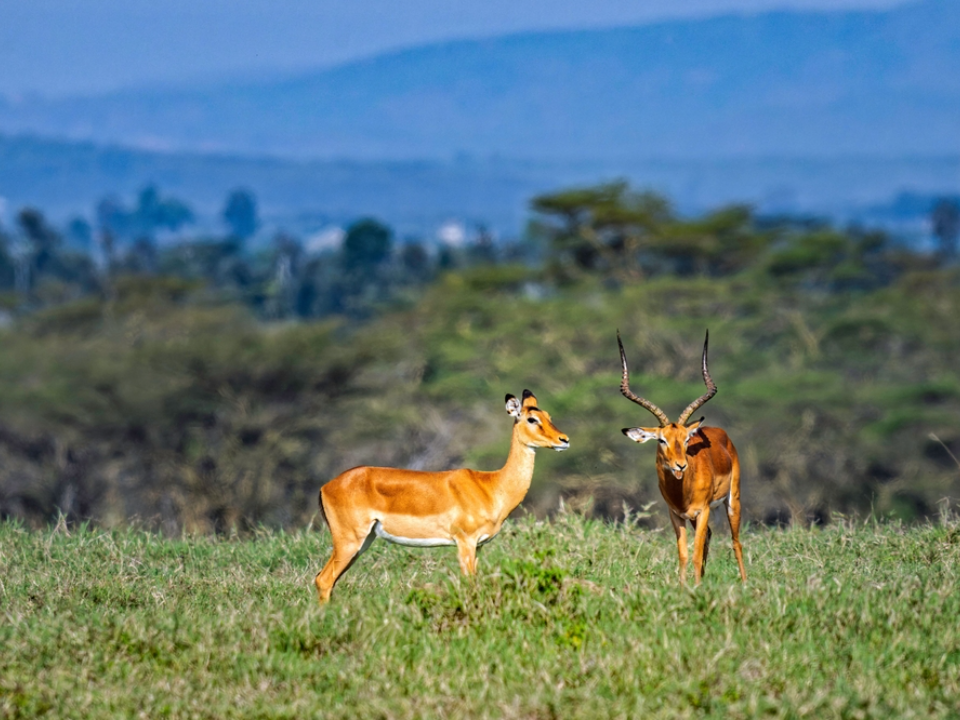
Lake Nakuru National Park is one of Kenya’s premier birding destinations, especially during the migratory season. March marks the end of the rainy season, which brings a flurry of bird activity to the area. The park’s alkaline lake is famous for its large flocks of flamingos, which often gather in the thousands. In addition to flamingos, the park is home to over 450 species of birds, including pelicans, herons, and raptors.
Lake Nakuru is also a great place to spot wildlife such as rhinos, giraffes, and zebras. The park’s combination of wetlands, grasslands, and acacia woodlands provides excellent habitats for a wide range of bird species. March’s warm temperatures and active bird populations make it a perfect time for birding. Visitors can enjoy safari drives and birdwatching excursions, ensuring a memorable experience.
Doñana National Park, Spain
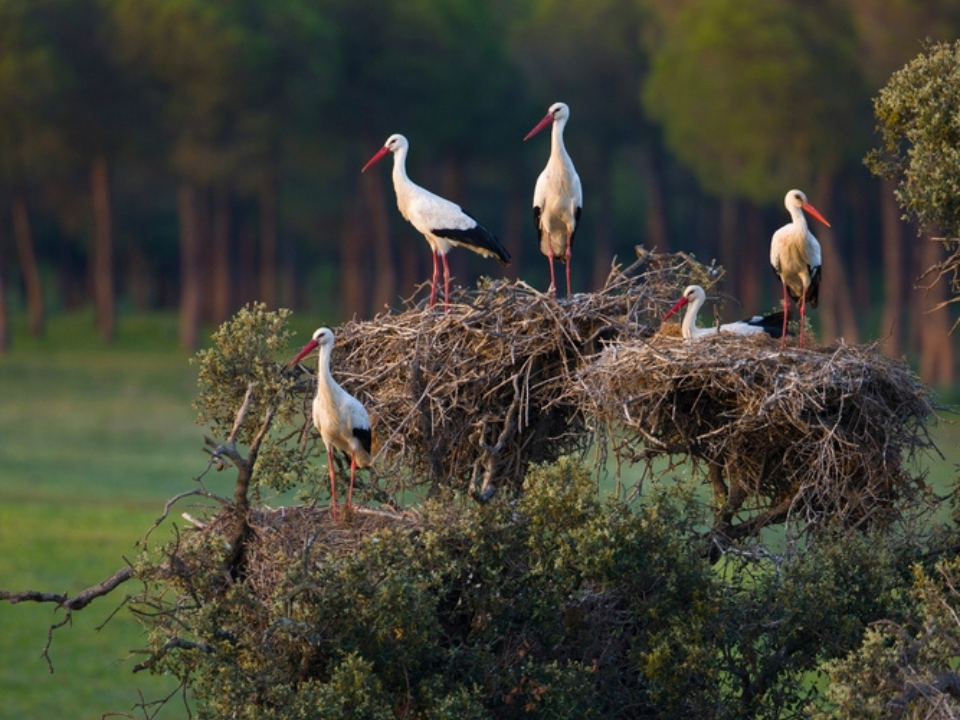
Doñana National Park in southern Spain is one of Europe’s most important birding destinations, particularly during migration. In March, thousands of birds pass through the park on their journey from Africa to Europe. The park’s diverse ecosystems, including marshes, dunes, and forests, provide the perfect environment for a variety of species. Migrant birds such as the glossy ibis, black-winged stilt, and marsh harrier can be seen in large numbers during this time.
Doñana also hosts rare and endangered species, including the Spanish imperial eagle and the Iberian lynx. The park’s unique combination of wetlands and drylands makes it an interesting place to explore. Birdwatching enthusiasts flock to Doñana for its exceptional diversity of species and its role in protecting migratory birds. March is one of the best months to witness the seasonal bird migrations in this UNESCO World Heritage site.
Yellowstone National Park, Wyoming, USA
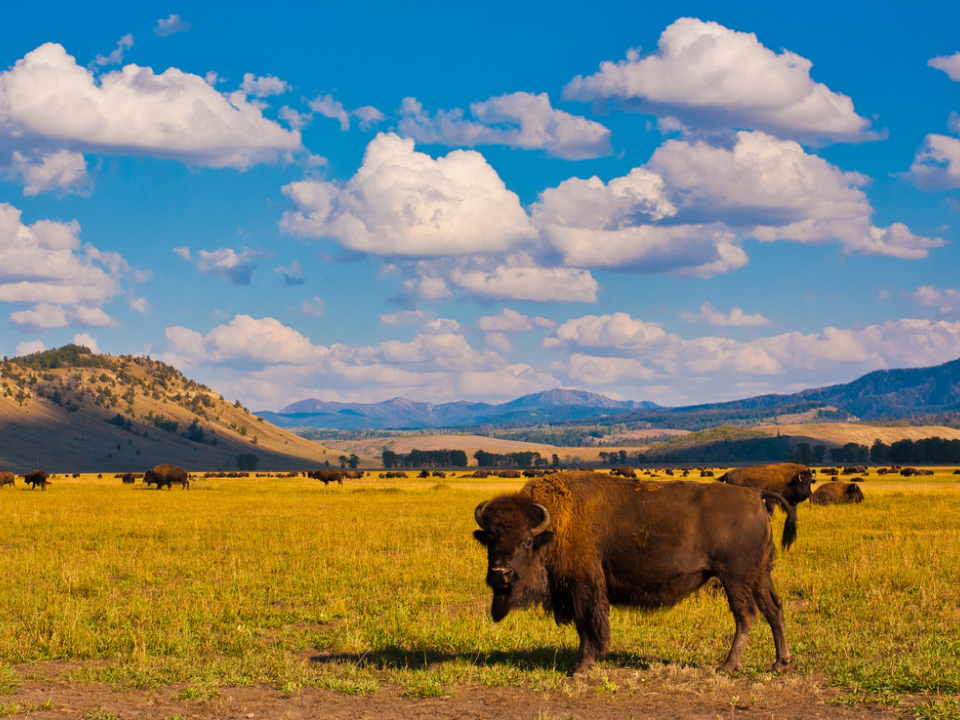
Yellowstone National Park offers a variety of wildlife experiences throughout the year, but March is a great time to witness the early stages of spring migration. The park’s diverse habitats, from geysers to forests, provide a variety of environments for migratory birds. Species like the golden eagle, Canada goose, and various ducks begin to return to the park in March. The thawing of the park’s rivers and lakes brings a wealth of food for birds, making it an important stopover on their migration route.
Yellowstone’s vast and pristine wilderness offers birdwatchers a chance to spot both common and rare species. While the park is known for its iconic wildlife like bison and wolves, the bird life is equally impressive. Visitors to Yellowstone in March will enjoy the peaceful surroundings and the chance to see migratory birds in action. It is also a great time for winter wildlife watching, with fewer crowds and a chance to experience the park’s beauty in a different season.
The Okavango Delta, Botswana
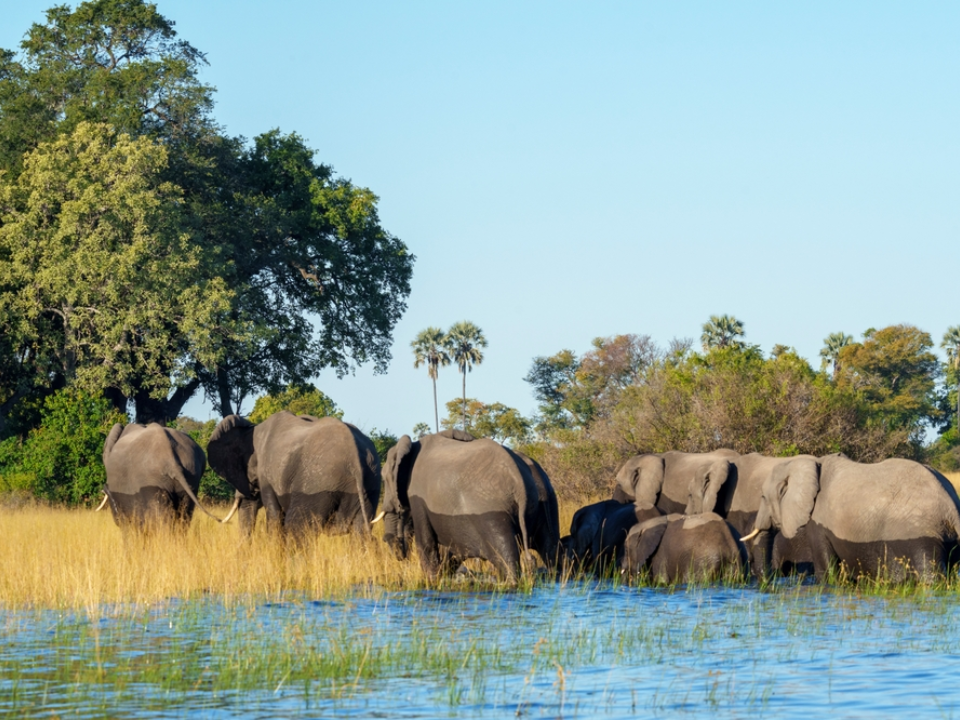
The Okavango Delta is a unique wildlife destination that is home to a wide range of animals and birds. March is an excellent time to visit, as migratory birds begin to arrive in the area. The delta’s wetlands create the perfect environment for species such as the African fish eagle, white-backed vulture, and various species of herons and kingfishers. The lush vegetation and abundant water attract both bird species and other wildlife, such as elephants, hippos, and crocodiles.
Birdwatching can be enjoyed from boat tours, mokoro rides, or while staying in luxury safari lodges. The Okavango Delta is a place where the sounds of birdsong fill the air, offering a peaceful and immersive experience. The early rains in March help replenish the delta’s water systems, attracting even more migratory birds. For birding enthusiasts, the Okavango Delta provides a spectacular backdrop for observing nature’s migrations.
Keoladeo National Park, Bharatpur, Rajasthan, India
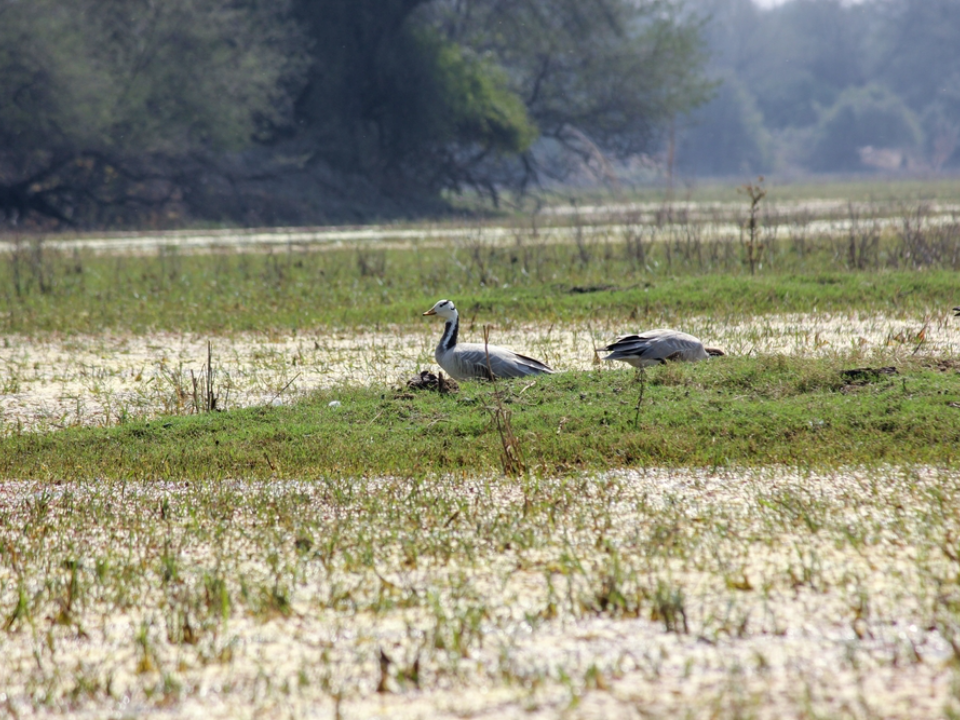
Keoladeo National Park in Bharatpur is one of the classic birding stops in South Asia, and it still makes sense in March if you want a mix of late winter visitors and busy local nesting colonies. The park sits on the Central Asian flyway and holds a dense mix of habitats in a fairly compact area, which is one reason birders can see a lot in a single day. Around 115 bird species breed there, and the park is also known for large numbers of waterbirds and a long list of raptors.
The old marshes, wooded patches, and open water sections keep the day varied, so a slow ride by cycle rickshaw or a long morning walk both work well here. Early March is usually the more rewarding part of the month, since some northern visitors begin moving out as temperatures rise. Even then, the park still feels alive, with storks, herons, ducks, and raptors giving you plenty to watch. If you want one place in India where birding feels easy, rich, and full of the first hour of light, Bharatpur is still hard to beat.
Nalabana Island, Chilika Lake, Odisha, India
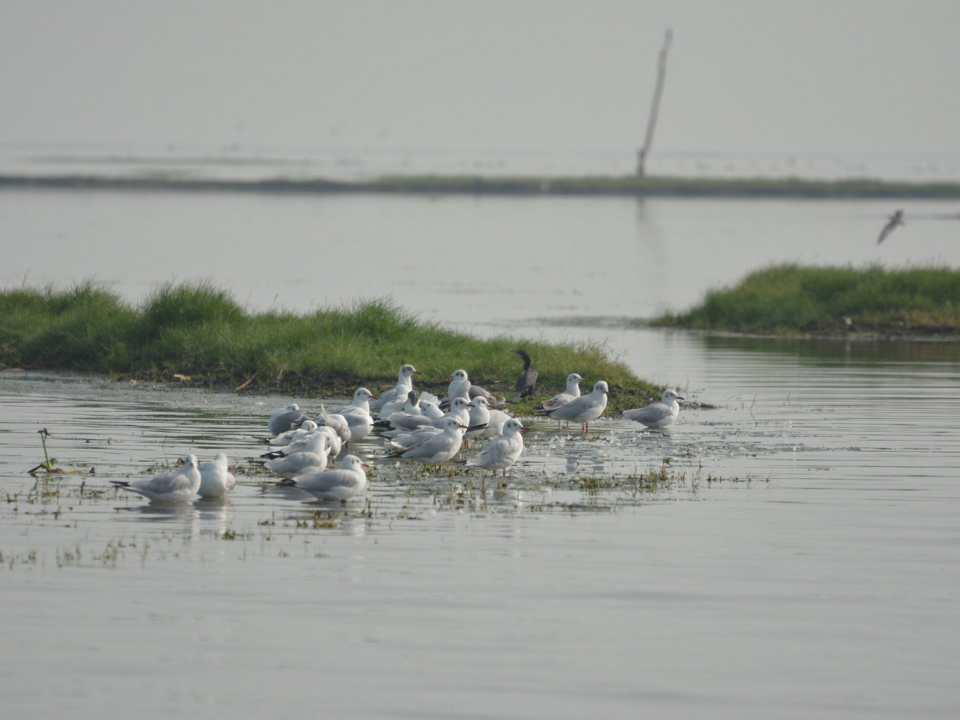
Nalabana Island, right in the middle of Chilika Lake, is one of the strongest places in India for waterbird watching as the cool season fades into March. The sanctuary was set aside as a refuge for resident and migratory birds, and it is a prime resting point for large gatherings of birds. Chilika itself is a huge brackish lagoon, and the lake can hold more than a million birds during the main migratory period.
March is a nice time here because you can still catch late season flocks without the colder winter crowds at their thickest. The setting feels wide and open, with shallow water, reed beds, and mudflats that pull in ducks, waders, gulls, and birds of prey. Birders who like scanning from a boat tend to enjoy this place because the views keep shifting as the light changes over the lagoon. If you want a March stop in eastern India that still carries that big wetland, feel, Nalabana is one of the safest picks.
Eilat Birdwatching Center and Southern Arava, Israel
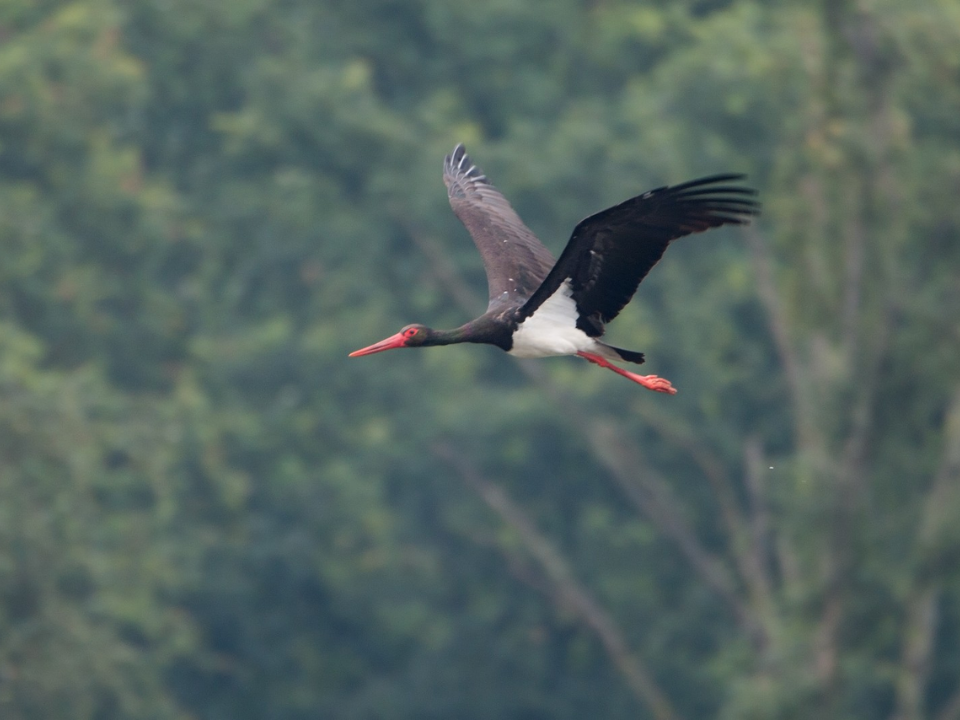
Eilat and the Southern Arava are among the standout March birding spots on the planet because spring passage is the main event here. The best times to visit the Eilat Birdwatching Center are during spring and autumn migration, with the third week of March tied to the large Eilat bird festival. The event is held during peak spring migration, which tells you a lot about how strong the movement can be at that time.
The reason birders love Eilat is simple, birds moving north out of Africa get funneled through a narrow route bordered by sea, desert, salt marshes, ponds, and fields. That mix means the day can move from raptors to shorebirds to songbirds without much travel. March also suits birders who like active field days because the migration can change hour by hour with weather and wind. If you want a place where March feels electric from sunrise onward, Eilat earns its reputation.
Djoudj National Bird Sanctuary, Senegal River Delta, Senegal
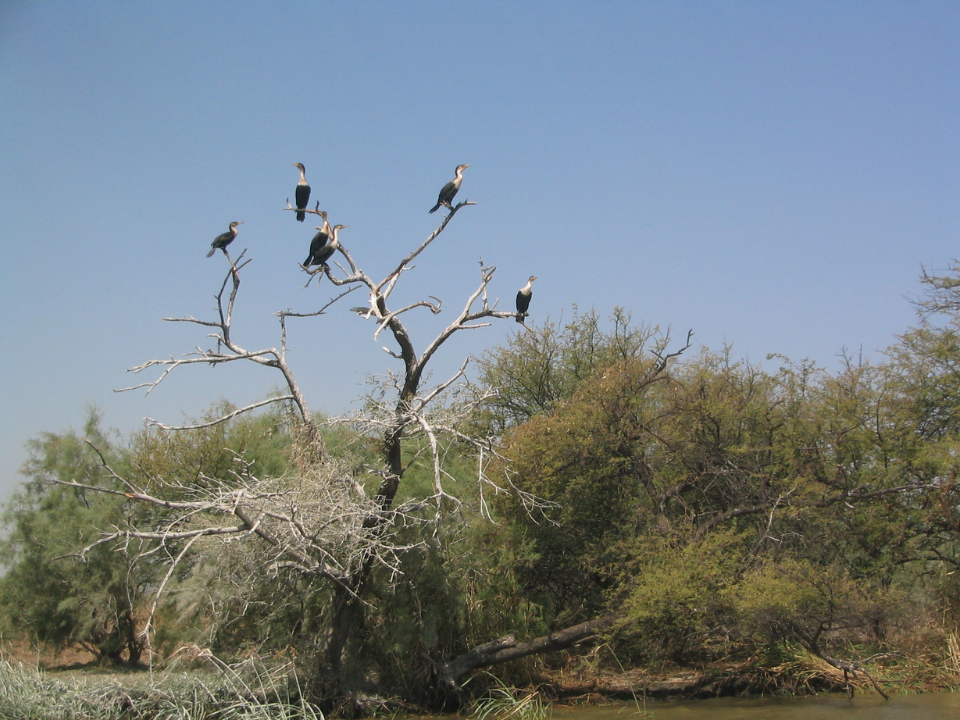
Djoudj National Bird Sanctuary in northern Senegal is one of West Africa’s great wetlands stops, and March is still a strong time to catch its bird life before the main cool season fades away. It has a 16,000-hectare wetland system in the Senegal River delta that holds more than 1.5 million migratory birds. The mix of lakes, streams, ponds, and backwaters gives birds room to rest and feed after hard travel.
Pelicans, flamingos, spoonbills, egrets, and cormorants are all part of the story here, so the viewing can feel full even for birders who prefer larger, easy to spot species. The light and open ground also make it a nice place for people who enjoy photography as much as listing. March works well because water is still drawing birds in, yet the season feels a bit calmer than the busiest winter stretch. For a March trip that brings huge bird numbers and a classic African wetland setting, Djoudj is a strong choice.
Danube Delta, Tulcea County, Romania
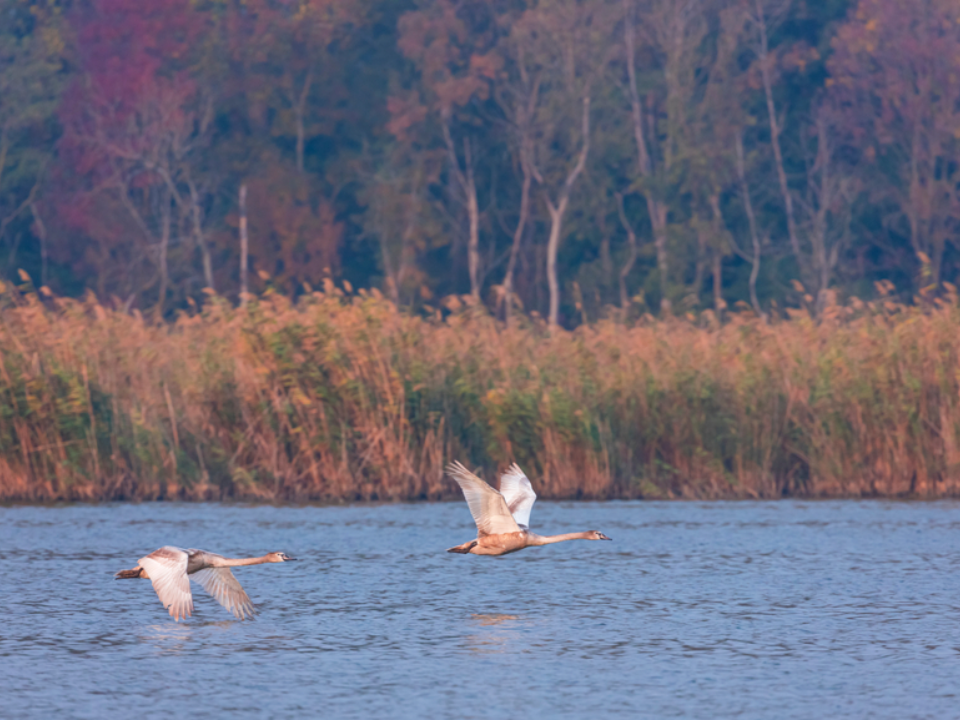
The Danube Delta is one of Europe’s great wetland systems, and it is a fine March pick if you want the start of the spring birding window in a place that still feels wild and roomy. The delta is the largest and best preserved of Europe’s deltas and holds over 300 bird species along with rich fish life in its lakes and marshes. Those reed beds, channels, and shallow lagoons make it a natural stopping and nesting zone for a long line of birds moving through the region.
March is a nice month here because the season is shifting, so you can watch the delta wake up without the heavier summer traffic on the water. The setting is a big part of the appeal, with long boat rides, low reeds, open sky, and quiet water all around you. Birders who like pelicans, herons, ducks, gulls, and marsh species tend to leave happy, even on short visits. If you want a March birding stop in Europe that feels broad, calm, and packed with wetland life, the Danube Delta is a solid call.
Point Pelee National Park, Leamington, Ontario, Canada
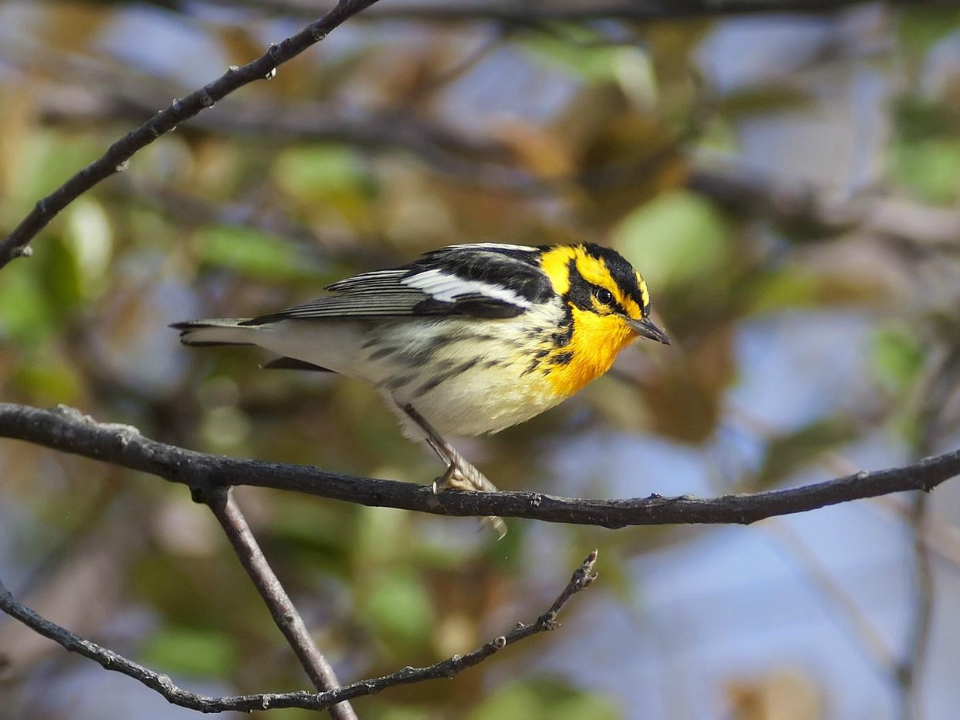
Point Pelee is another classic migration stop, and it belongs on a March list even though the loudest spring buzz comes later in May. The park sits on major flyways and works as a migrant trap, drawing a wide range of species into a small area. More than 390 bird species have been recorded in the Point Pelee birding area, which tells you how much can pass through this narrow tip of land at Lake Erie.
Spring migration here is a season that runs from March to June, so March still counts as part of the show. The month is quieter than peak warbler time, yet that can be a plus if you like early movement, calmer paths, and room to stop often with binoculars. Marsh, woodland, shoreline, and open lake views all sit close together, which gives you a lot of variety in one outing. For birders who want a famous hotspot in a softer, less crowded part of spring, Point Pelee in March has real appeal.
Nal Sarovar Bird Sanctuary, Gujarat, India
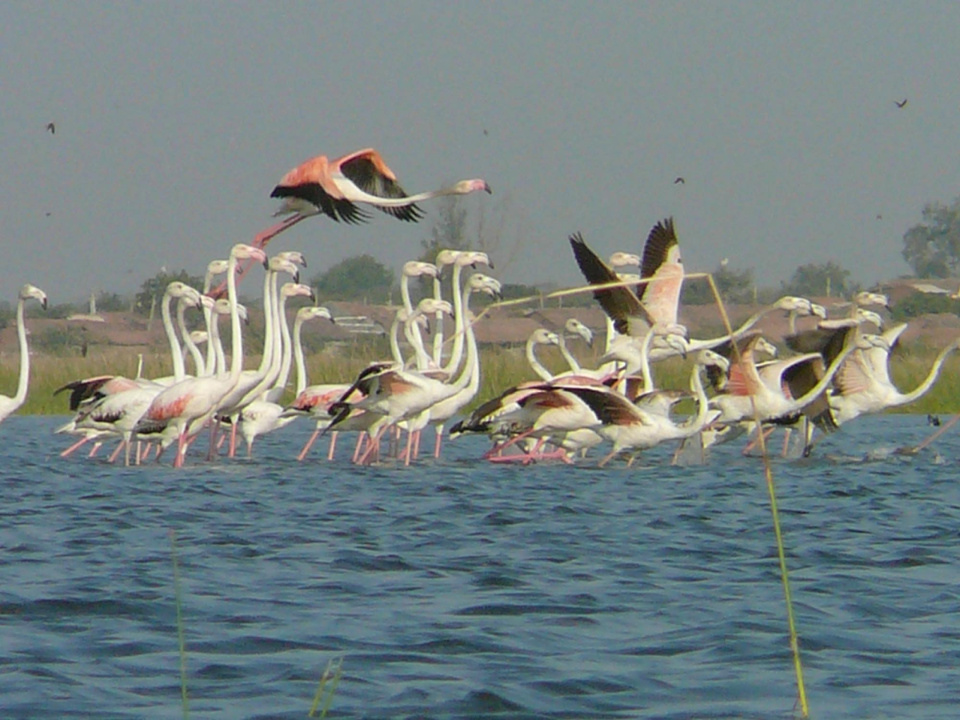
Nal Sarovar Bird Sanctuary near Ahmedabad is one of those places that still works nicely in March because the migratory season runs well into spring. The migratory birds arrive from October and stay till April, even though the highest numbers come in mid-winter. That gives March travelers a useful late season window, especially if they want a wetland morning without the busiest holiday crowds. The lake is dotted with numerous islets, and the boat ride through sedges and shallow water is part of what makes birding here enjoyable.
Both lesser and greater flamingos use the sanctuary, along with a long list of other waterbirds. Recent census reporting from Gujarat showed that Nal Sarovar still held a huge bird count in 2026, which backs up its standing as a major bird site. If you want a March wetland stop in western India that still gives you scale and variety, Nal Sarovar is a good one to keep on your list.
Kaeng Krachan National Park, Phetchaburi, Thailand
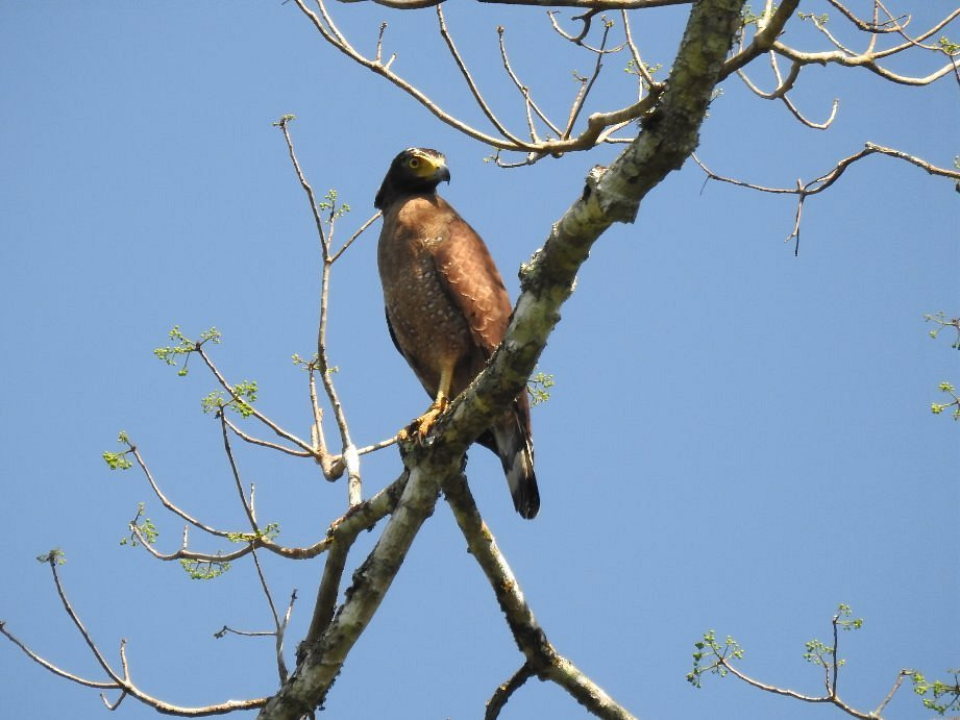
Kaeng Krachan National Park is one of the better March birding picks in mainland Southeast Asia because this is when migration into the park really starts to build. March to April is the most ideal period when bird movement reaches its peak there. The peak season starts in early March and can continue into June or July. That timing makes Kaeng Krachan stand out for travelers who want forest birding in March rather than a late season wetland trip.
The park is also known for a big species list and a mix of forested slopes, roadsides, rivers, and viewpoints that keep birding days varied. You may come for migrants, yet the park is also rich in resident birds and other wildlife, so the day never feels thin. If you want a March hotspot in Asia with strong forest birding and a lively seasonal push of birds, Kaeng Krachan is worth the trip.
This article originally appeared on Avocadu.