
15 Best Low Light Plants for Dark Winter Rooms
Winter light can feel scarce, especially in rooms that stay shadowy all day. The good news is that plenty of houseplants can handle low light and still look fresh through the season. These picks are simple to live with and easy to place on shelves, side tables, or corners that do not get much sun. Here are some of the best low light plants for dark winter rooms.
This post may contain affiliate links, which helps keep this content free. Please read our disclosure for more info.
ZZ Plant
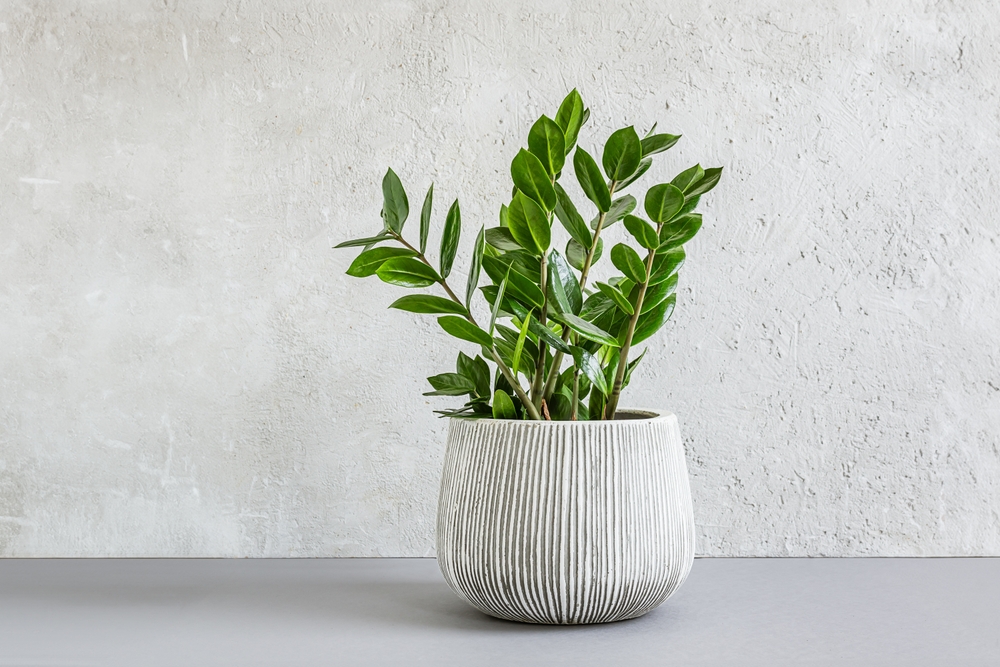
The ZZ plant has thick, waxy leaves that hold water, so it does not panic when winter light is weak. It looks tidy and upright, which makes it a nice choice for a dark corner that still needs a little life. Keep it in a pot with drainage and let the soil dry out almost all the way between waterings. If the stems start to lean, turn the pot every week or two so it stays even.
In winter, water about every 2 to 4 weeks, depending on how warm and dry your room feels. A slow, deep drink is better than frequent sips, so soak until water runs out, then empty the saucer. Wipe the leaves with a damp cloth once a month to clear dust that can block the little light it gets. If you have pets that chew plants, place it up high since ZZ can irritate when eaten.
Snake Plant
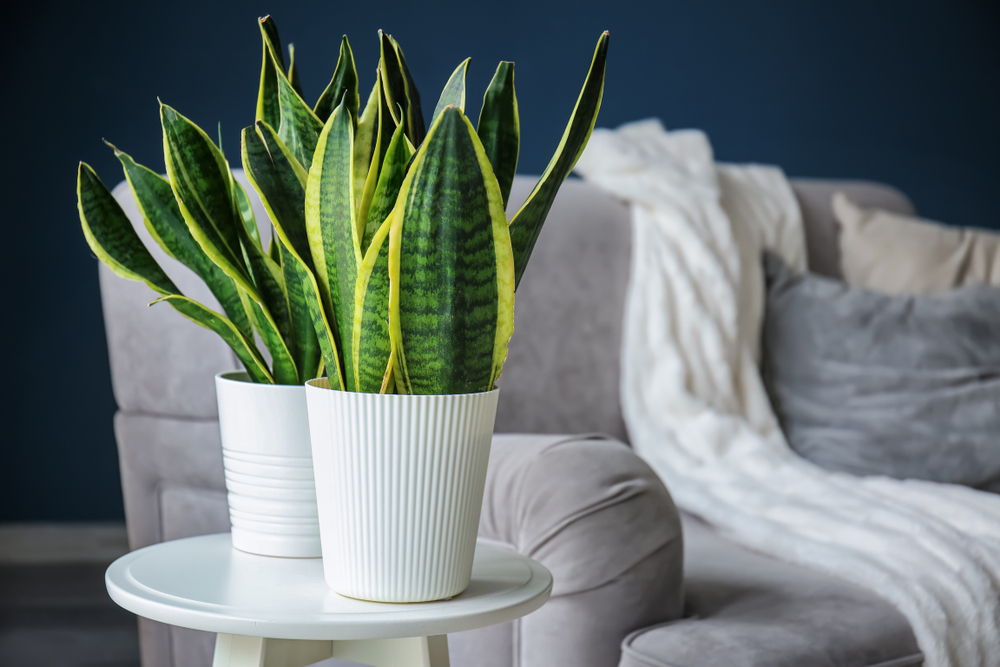
Snake plant is one of the easiest low light plants because it can sit quietly and still look sharp. The stiff, sword-like leaves keep their shape, even when the room feels dim and cool. Use a gritty potting mix and a pot with drainage so the roots do not stay wet. It can handle a spot several feet from a window, though it will grow more slowly.
Let the soil dry fully before watering, which can mean every 3 to 5 weeks in winter. Too much water is the main problem, so when in doubt, wait a little longer. If the leaf tips brown, check for cold drafts near windows or doors. A quick leaf wipe helps it stay clean and keeps the green pattern looking crisp.
Pothos
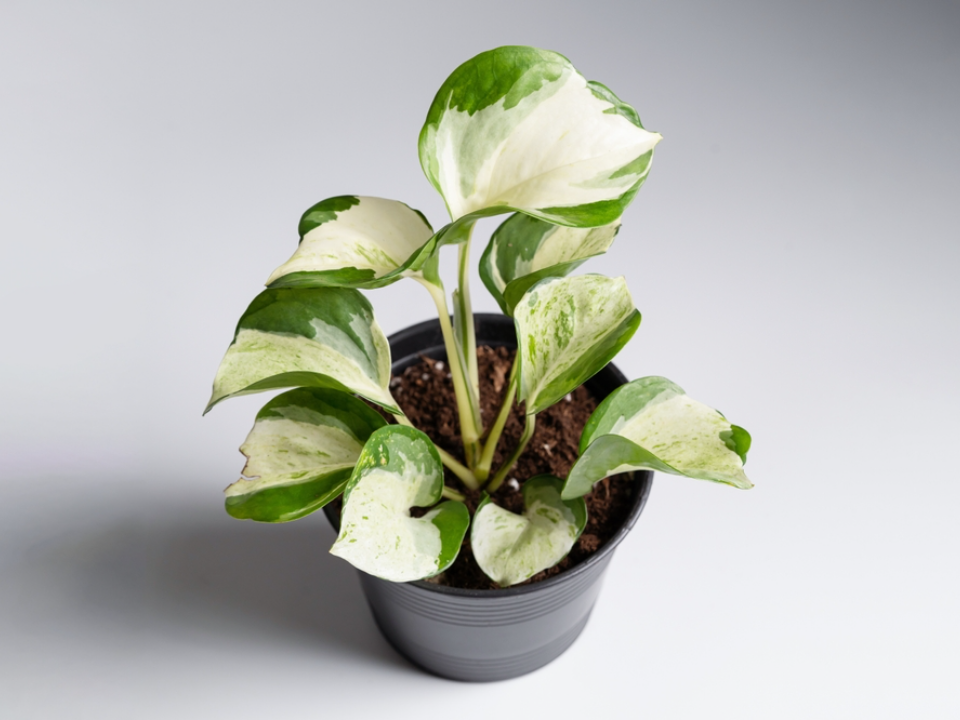
Pothos is a trailing plant that can live on a shelf and spill down in a soft curtain of vines. It tolerates low light well, though the leaves may look more solid green than patterned when it is very dark. Plant it in a light mix and keep the pot from sitting in water. You can also grow it in water, which is handy in winter when soil stays damp longer.
Water when the top inch or two of soil feels dry, usually every 1 to 2 weeks indoors. Pinch back long vines to keep it full, and use the cuttings to start new plants in a glass of water. Rotate the pot occasionally so one side does not thin out. If leaves turn yellow, it is often a sign the soil is staying wet too long.
Heartleaf Philodendron

Heartleaf philodendron has smooth, heart-shaped leaves that look glossy even in a dim room. It does well on a bookcase, in a hanging pot, or on a plant stand where it can trail. It likes soil that drains well and a pot that is not oversized. Slow growth in winter is normal, so do not chase it with extra water.
Water after the top couple inches of soil dry, and aim for a steady rhythm rather than frequent watering. If the vines get leggy, trim them back and let new growth fill in closer to the base. Keep it away from cold windows at night, since sudden chills can stress the leaves. Dusting the leaves now and then helps it use the light it has.
Cast Iron Plant
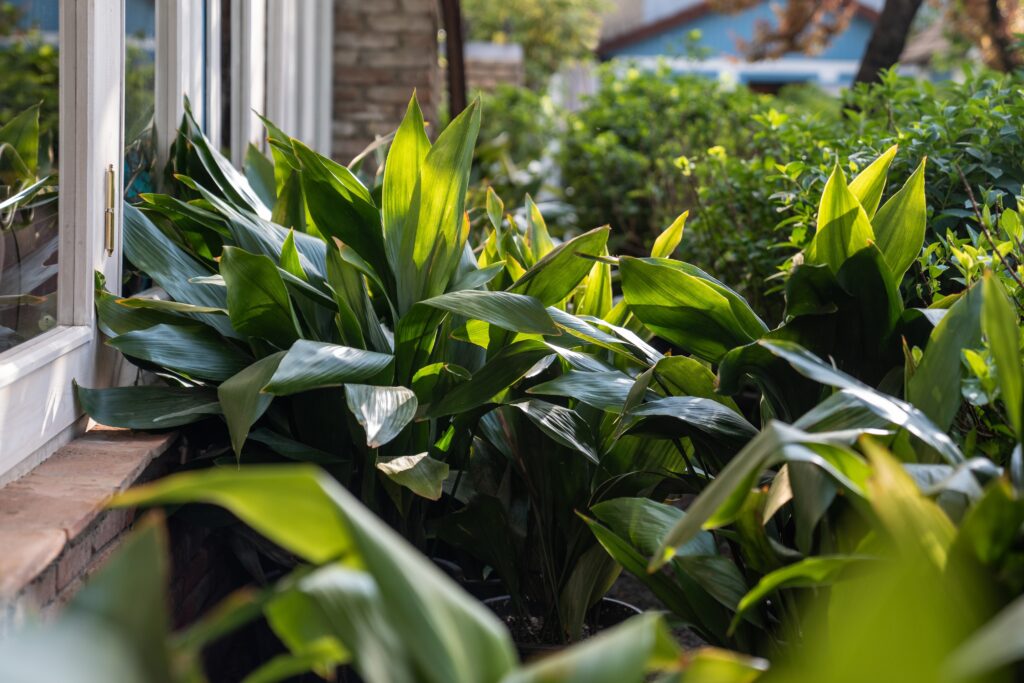
Cast iron plant earned its name because it puts up with low light, missed waterings, and dry winter air. The long, deep green leaves add a calm, classic look to dark hallways and bedrooms. It prefers a potting mix that drains and does not like soggy roots. Give it a sturdy pot since the foliage can get tall and a little heavy over time.
In winter, water only when the top half of the soil feels dry, which might be every 2 to 3 weeks. If the leaf tips brown, the air may be very dry, so place a small tray of water with pebbles nearby. Avoid placing it right against a heater, since hot blasts can scorch leaves. Slow and steady care keeps it looking good all season.
Chinese Evergreen
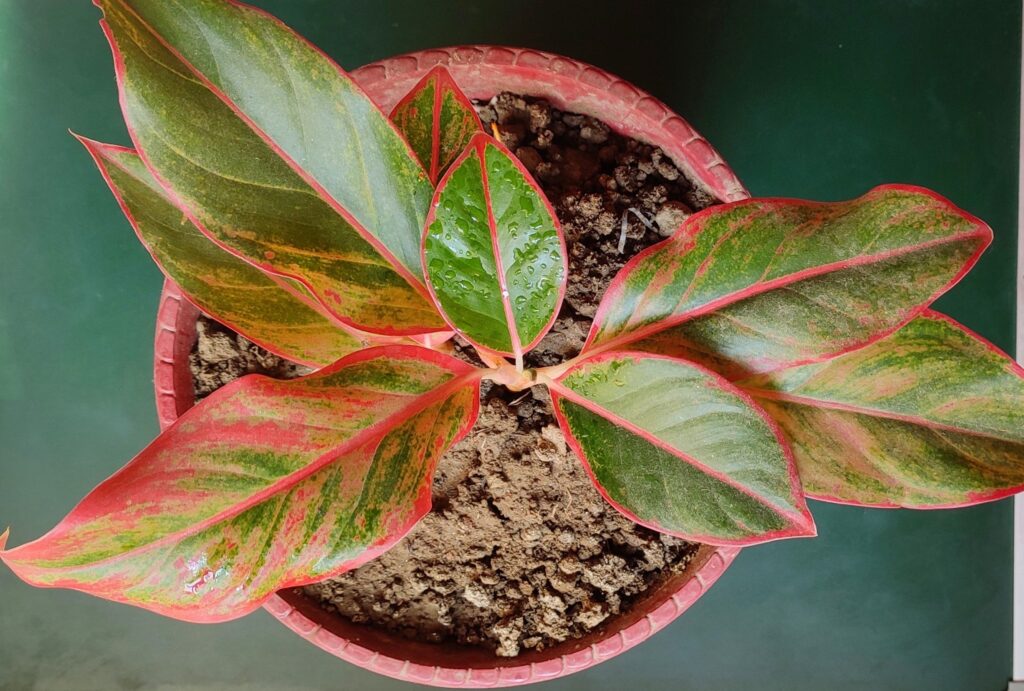
Chinese evergreen is a favorite for low light because it stays colorful even when the sun is weak. Many varieties have silver, pink, or speckled leaves that brighten a room without needing bright windows. It likes evenly moist soil, but it still needs drainage so the roots do not rot. A spot with gentle, indirect light works well, even if it is several steps away from the window.
Water when the top inch feels dry, then let excess water drain out fully. If the leaves curl or droop, it may be too dry, or the room may be chilly at night. Keep it away from cold drafts, especially in winter. Wipe the leaves occasionally to keep the patterns clear and reduce dust buildup.
Peace Lily
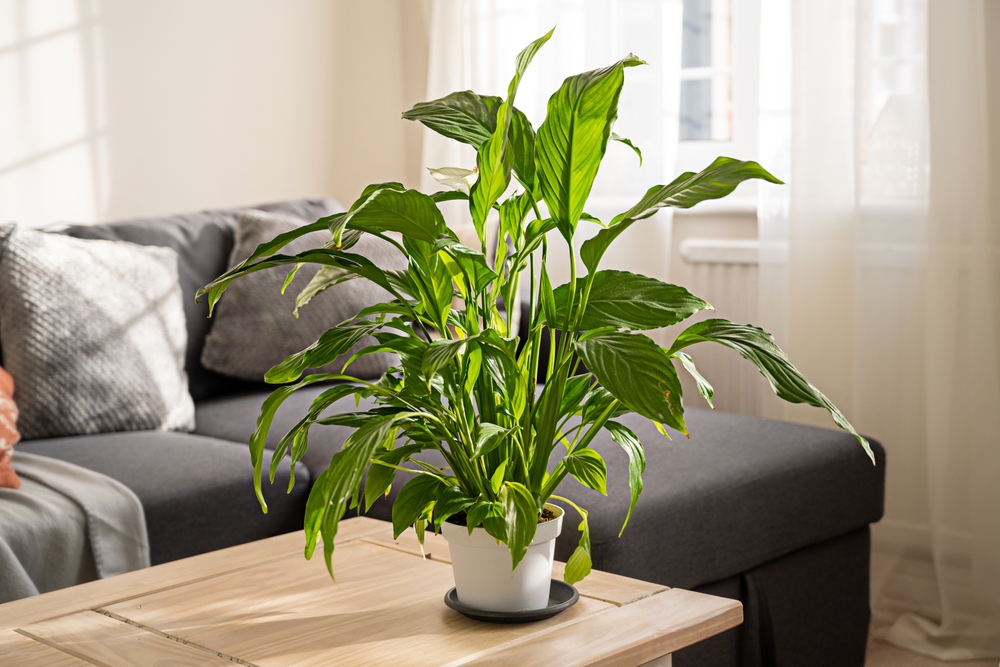
Peace lily handles low light better than many flowering houseplants, and its leaves look lush even in winter. You may still get white blooms, though the main appeal is the full clump of glossy green leaves. It enjoys soil that stays lightly moist, but it should not sit in water. A bathroom with low light can work well if the air is humid.
When the plant is thirsty, it often droops dramatically, then perks up after watering. In winter, water about once a week, or a bit less if the room is cool. Brown tips can come from dry air or mineral buildup, so using filtered water can help. Remove old flowers and yellow leaves at the base to keep it tidy.
Parlor Palm
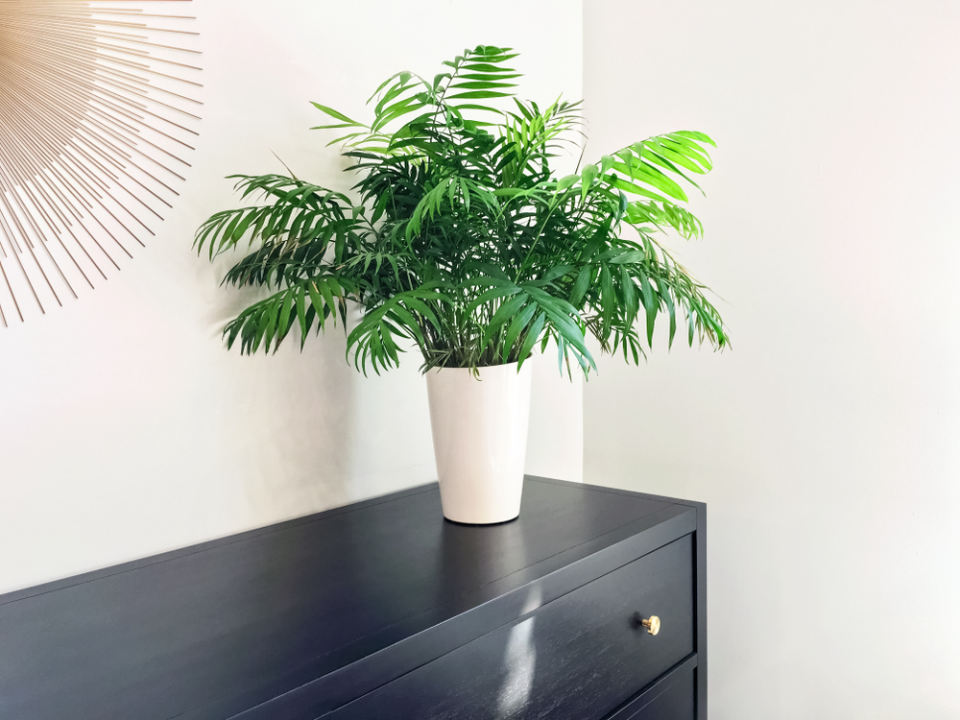
Parlor palm brings a soft, feathery look to winter rooms without demanding a sunny window. It grows slowly, which is helpful when the days are short. Use a pot with drainage and a mix that holds a little moisture without getting soggy. It also likes to be left alone, so do not move it around too much.
Water when the top inch of soil dries, which might be every 1 to 2 weeks. If the fronds get brown tips, the air may be dry, so a small humidifier nearby can help. Keep it away from heating vents that blow hot air directly onto the leaves. A gentle leaf wipe or shower rinse helps remove dust from the fine fronds.
Dracaena
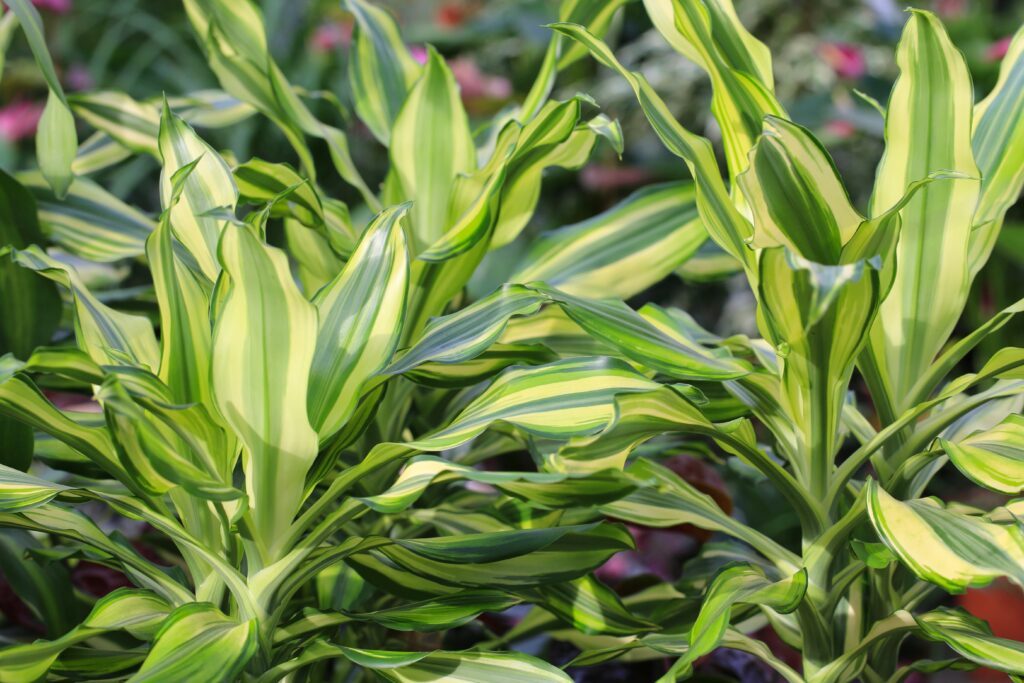
Dracaena is great for low light rooms because it keeps a tall, tree-like shape with minimal care. The narrow leaves can be green, striped, or edged with color, depending on the type. It prefers well-draining soil and does best when the pot is not kept wet. A spot with medium to low light works fine, and it can sit farther back from windows.
Water when the top half of the soil feels dry, often every 2 to 3 weeks in winter. Dracaena can react to minerals, so filtered water may prevent brown leaf tips. Trim off browned edges with clean scissors to keep it neat. Turn the pot now and then so the cane grows straight instead of leaning.
Spider Plant
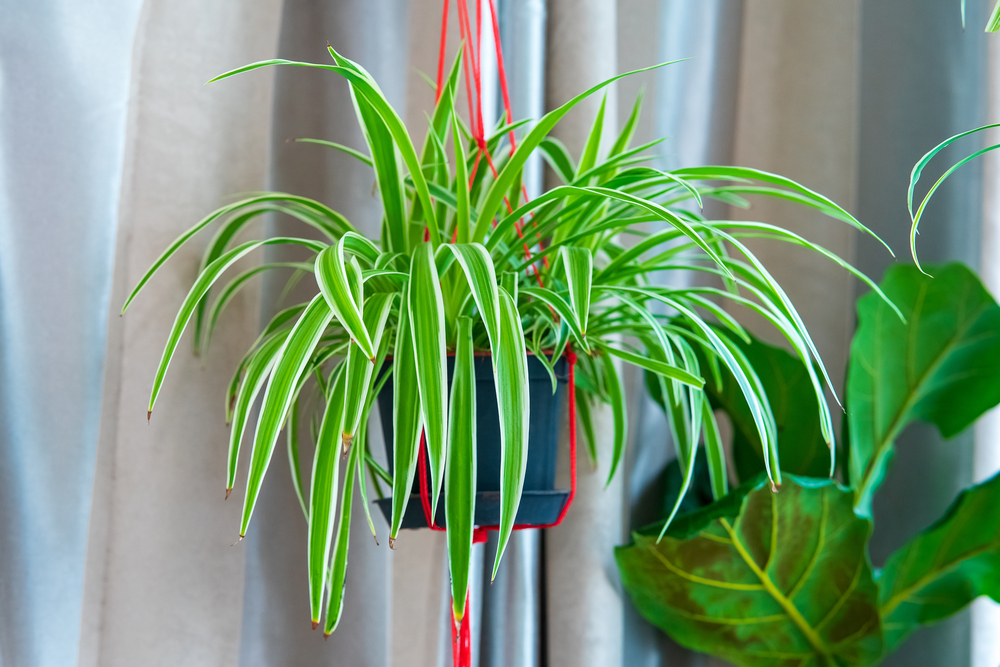
Spider plant is cheerful and forgiving, even when winter days feel dim. The arching leaves look good in a hanging pot, and the plant often makes baby offshoots that dangle like little stars. It prefers soil that drains well but does not dry out completely for long periods. It can handle low light, though it grows best with some indirect daylight.
Water when the top inch is dry, usually every 1 to 2 weeks indoors. If the leaf tips brown, it may be mineral buildup, so try filtered water and flush the pot with a deep watering once in a while. You can cut off babies and root them in water or soil to make new plants. Keep it out of freezing drafts near windows during very cold nights.
Lucky Bamboo
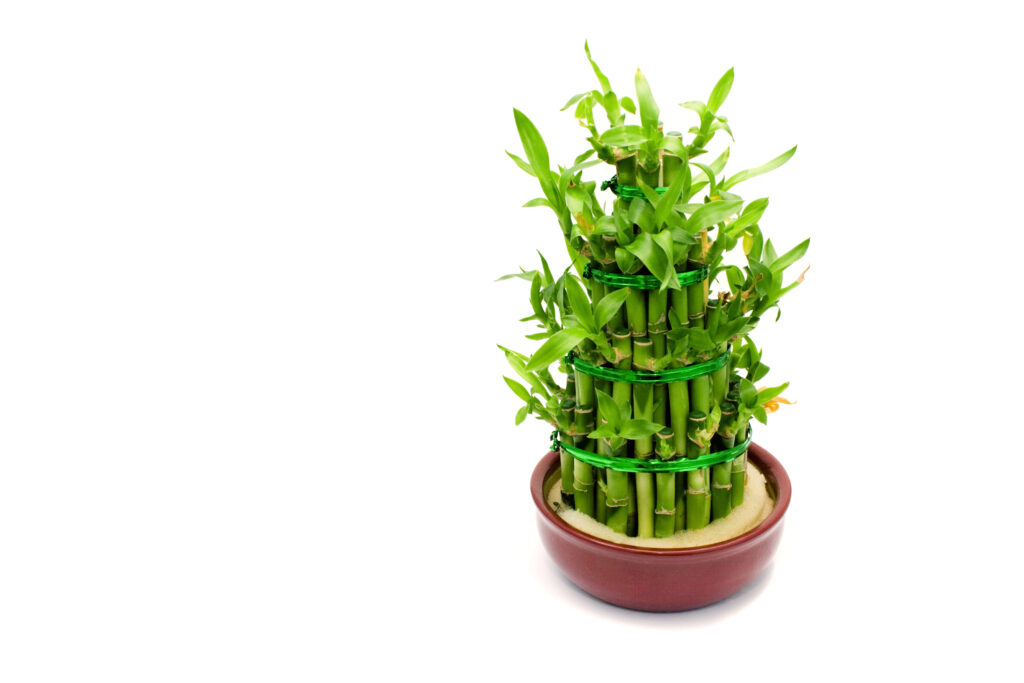
Lucky bamboo is often grown in water, which makes it simple for darker winter rooms. It does not need bright light, and too much sun can actually scorch it. Keep the stalks in a vase with clean water and pebbles for support. It also grows in soil, but water culture is popular because it is easy to monitor.
Change the water every 1 to 2 weeks so it stays fresh and clear. Use filtered or distilled water to prevent yellowing from minerals. If leaves pale, it may be too dark, so move it slightly closer to a window without direct sun. Rinse the vase and pebbles occasionally to keep things clean.
Satin Pothos
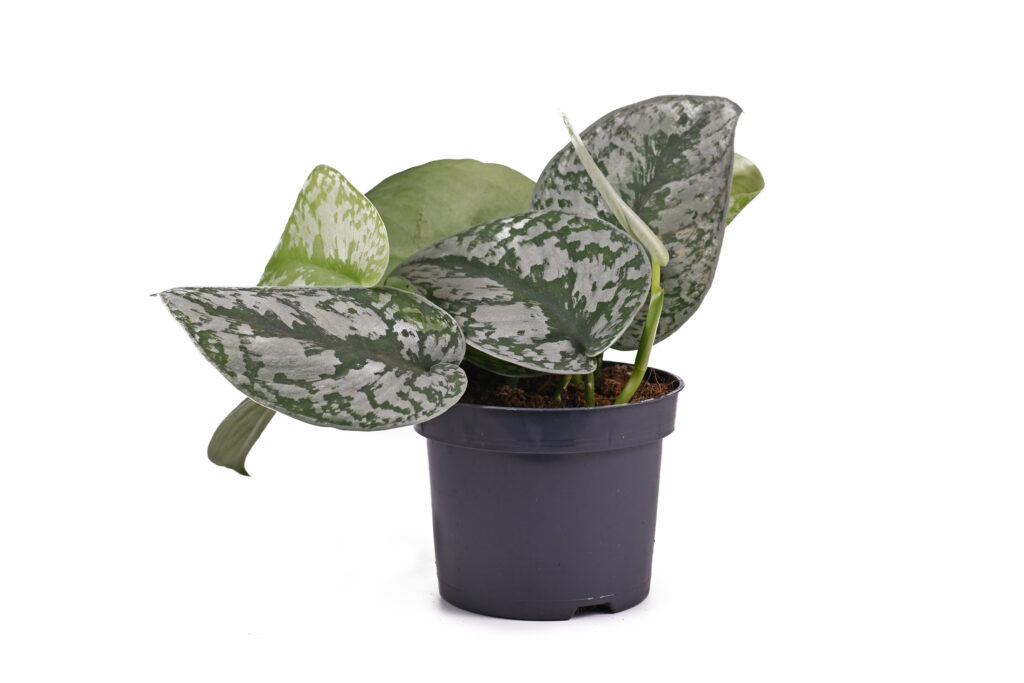
Satin pothos has velvety leaves with silvery spots that seem to glow in a dim room. It trails nicely from a shelf and stays attractive even when growth slows in winter. It likes a potting mix that drains well and a pot with drainage holes. Low light is fine, but it may grow more slowly and keep leaves smaller.
Water when the top couple inches are dry, and do not let the pot sit in runoff water. If the leaves curl, it may be too dry, while mushy stems point to overwatering. Trim long vines to keep it full and to start cuttings in water. Dusting the leaves helps the silver markings stay clear and pretty.
Bird’s Nest Fern
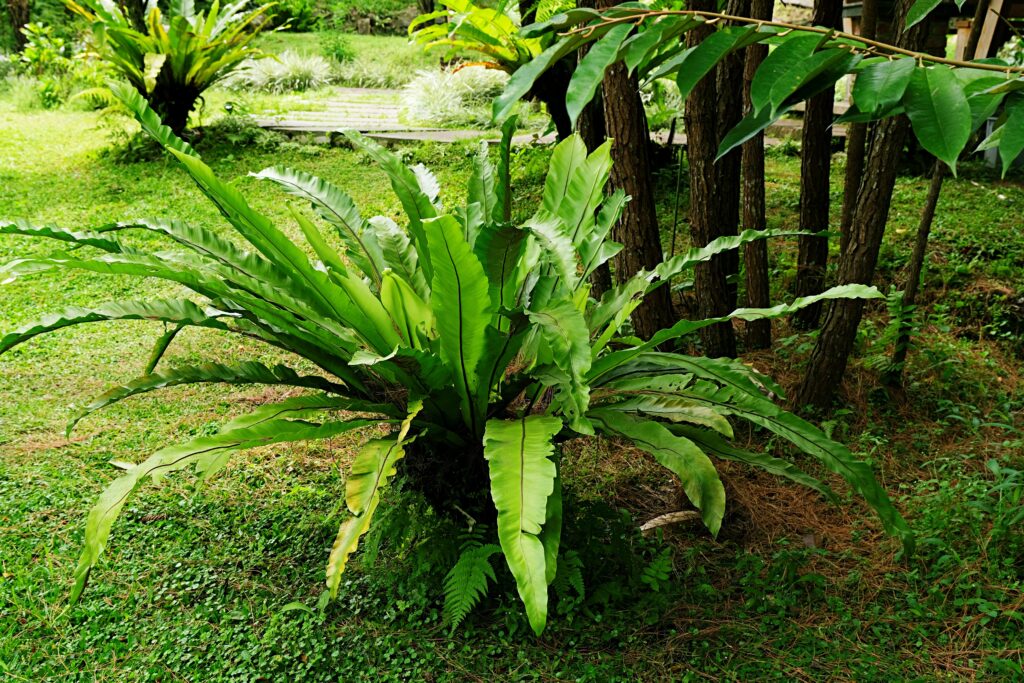
Bird’s nest fern has wide, wavy fronds that rise from the center like a green bowl. It likes lower light than many other ferns, making it a good choice for winter rooms that stay shaded. It prefers evenly moist soil and higher humidity, so it often does well in bathrooms or kitchens. Avoid getting water into the center crown, since that can cause rot.
Water when the surface starts to feel slightly dry, and pour water around the soil rather than into the middle. If the fronds get crispy edges, the air is likely too dry, so group it with other plants or use a humidifier nearby. Keep it away from heaters and cold drafts, since both can stress fern fronds. A gentle misting can help, but steady humidity usually works better.
Prayer Plant
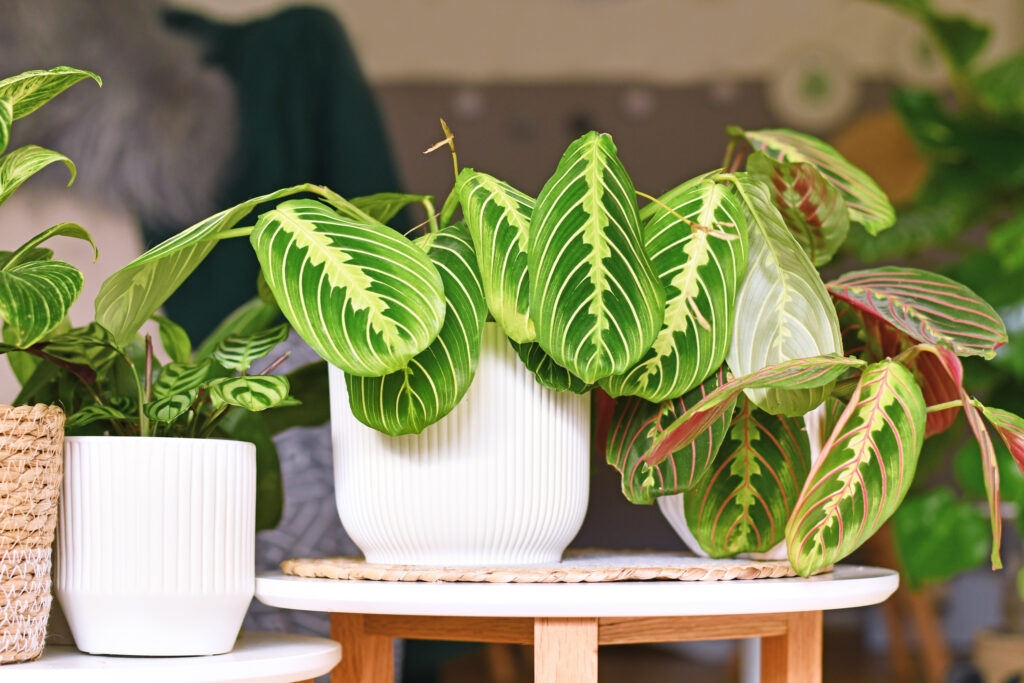
Prayer plant is known for leaves that fold upward at night, which adds a little movement and charm in winter. It tolerates low light, though the colors look best with gentle indirect light. It likes soil that stays lightly moist and does not love long dry spells. A warm spot away from drafts helps it stay happy.
Water when the top inch feels dry, and try not to let it dry out completely. If the leaf edges brown or curl, the air may be too dry, so a humidifier can make a big difference. Use room-temperature water, since cold water can shock the roots. Trim any damaged leaves to keep the plant putting energy into fresh growth.
English Ivy
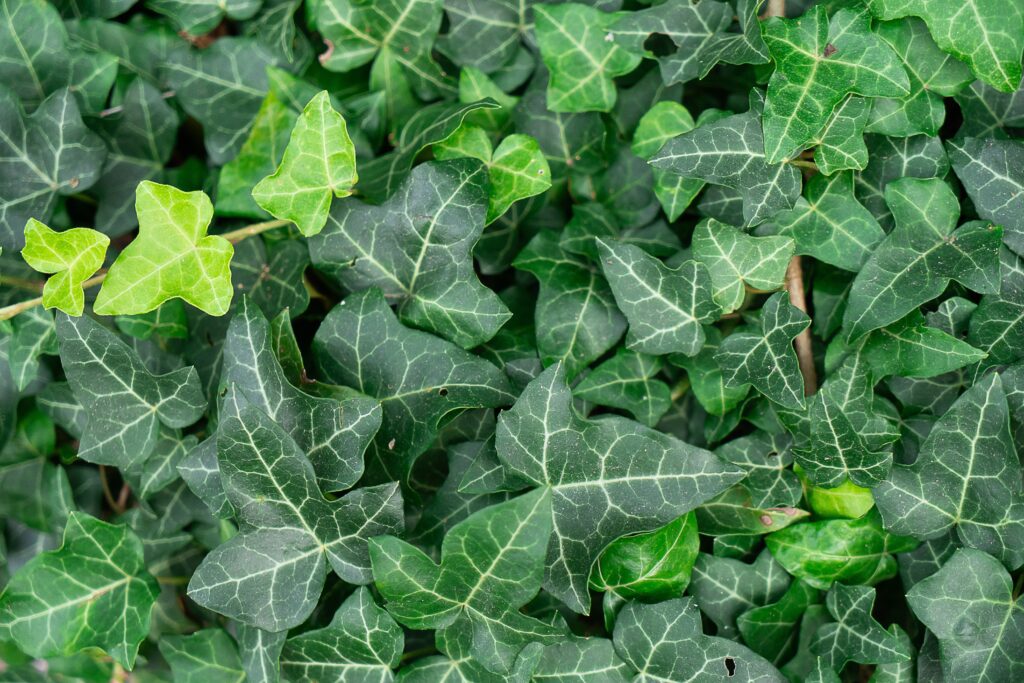
English ivy can handle low light and looks great trailing from a shelf or tucked into a small pot on a windowsill. It prefers cooler rooms, which makes it a nice winter plant in many homes. Give it a pot with drainage and soil that stays slightly moist without getting soggy. It can be sensitive to dry heat, so avoid placing it near vents.
Water when the top inch of soil dries, and check it more often if the room is warm. If leaves dry and crisp, it likely needs more humidity, while yellow leaves can mean too much water. Rinse the foliage in the sink occasionally to remove dust and reduce pests. Keep it out of reach of pets and kids who might nibble the leaves.
This article originally appeared on Avocadu.