
12 Best Late Winter Mulching Tips for Healthier Beds in Spring
As the chill of late winter gives way to spring, mulching your garden beds is an excellent way to protect your plants. The right mulch can help regulate soil temperature, retain moisture, and suppress weeds, making it an essential task before spring planting. Taking the time to mulch properly now will ensure your beds are healthy and ready for the growing season. If you are wondering how to get the most out of your mulch, we have you covered. Keep reading for tips that will set your garden up for success.
This post may contain affiliate links, which helps keep this content free. Please read our disclosure for more info.
Choose the Right Type of Mulch
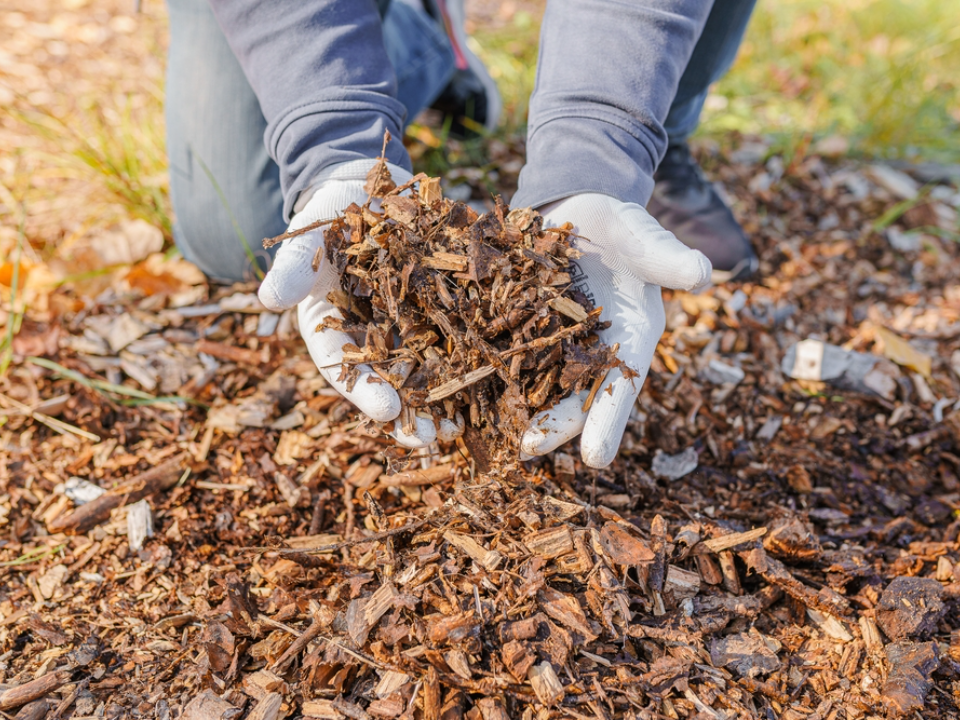
When mulching in late winter, it is essential to choose the right mulch for your garden. Organic mulches like wood chips, straw, or shredded leaves are excellent choices as they break down over time and add nutrients to the soil. Make sure to avoid mulches that may contain chemicals or preservatives, as these can harm the soil and plants. The right mulch will improve soil texture, moisture retention, and temperature regulation, helping your garden thrive.
In addition to selecting the right material, ensure that your mulch is fresh and not too old. Old mulch can harbor pests or diseases, which may negatively affect your plants in the spring. Organic mulches are the most effective for creating a healthy garden environment, while inorganic mulches like plastic or rubber can be used in areas where nutrient addition is not necessary. Take the time to assess what your soil needs before applying mulch to ensure the best results.
Apply a 2 to 4-Inch Layer of Mulch
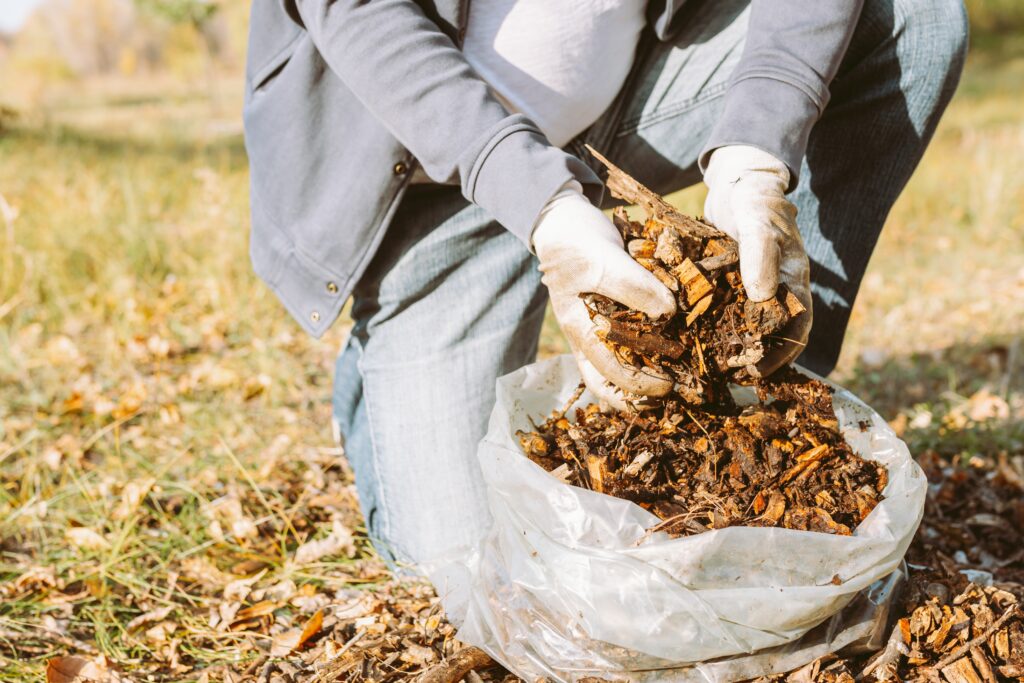
One of the most important steps when mulching is applying the correct depth. A 2 to 4-inch layer of mulch provides just the right amount of coverage for most garden beds. This depth allows for proper moisture retention without suffocating the roots or causing fungal growth. Too thin a layer will not provide enough protection, while too thick a layer can trap too much moisture and lead to root rot.
It is important to ensure the mulch is spread evenly across the bed, avoiding piling it up against plant stems or tree trunks. The mulch should form a protective barrier but not smother the plants. Keep in mind that the mulch will settle over time, so you may need to add more once it breaks down. Applying the right thickness of mulch will give your plants the protection they need to stay healthy through the winter and into spring.
Clear the Beds Before Mulching
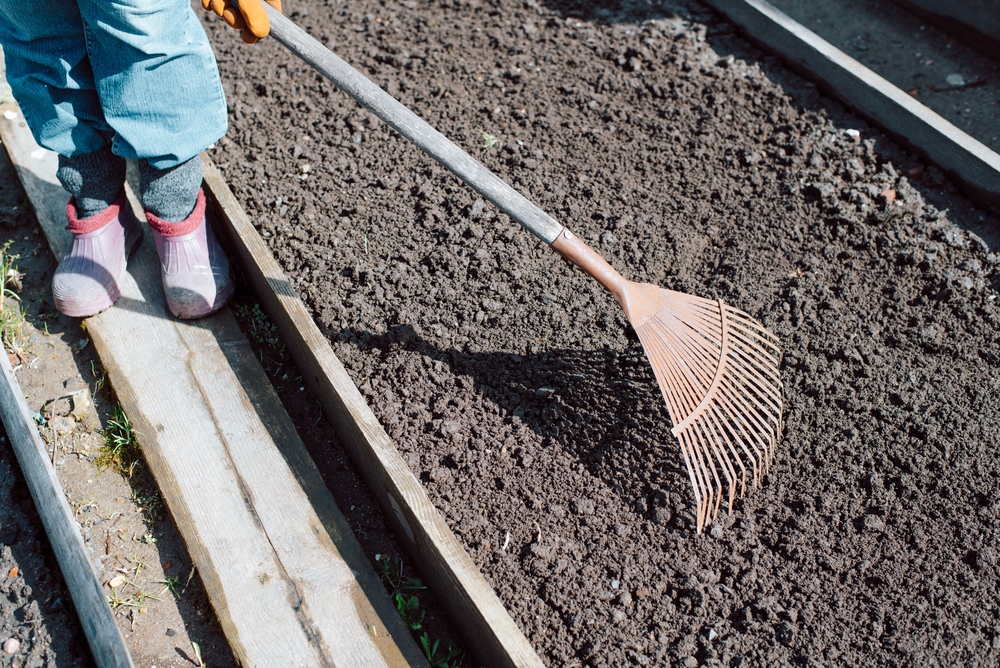
Before applying any mulch, it is crucial to clear the garden beds of weeds, old plants, and debris. Weeds can compete with your plants for nutrients and moisture, making it harder for them to thrive. Old plant matter can also harbor pests and diseases that could harm your plants once the spring growing season begins. By clearing the beds thoroughly, you create a clean slate that will allow your mulch to work effectively.
Use a rake or garden hoe to remove any unwanted weeds, rocks, or debris from the soil surface. Once the bed is clear, lightly rake the soil to create a smooth, even surface. This preparation allows the mulch to settle evenly and provides better coverage for your plants. A well-prepared garden bed makes a world of difference in helping your plants stay healthy through the changing seasons.
Avoid Mulching Too Early
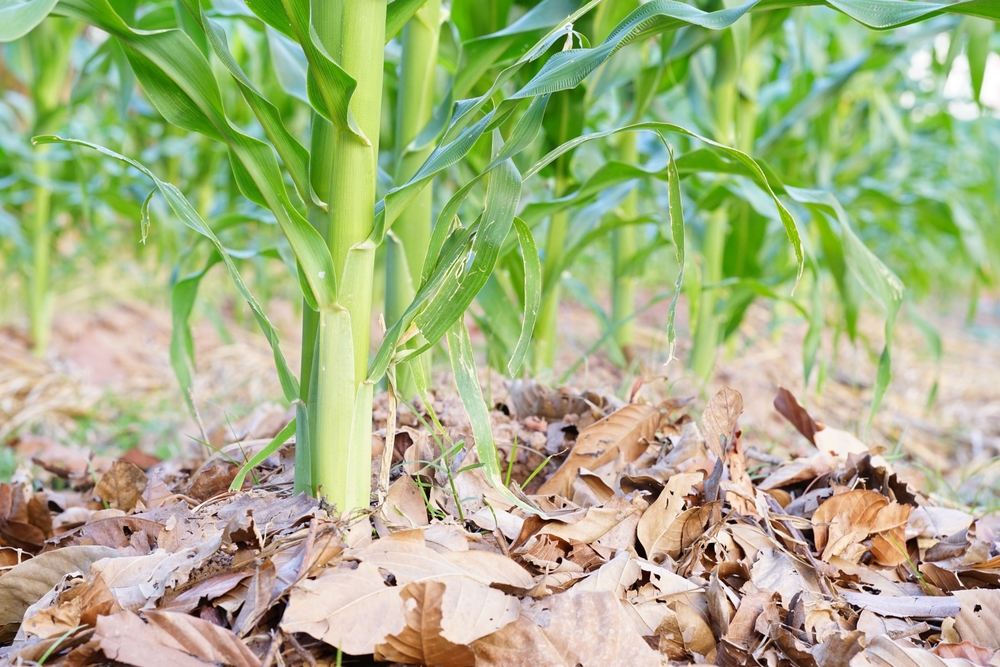
It can be tempting to mulch as soon as the weather starts to warm up, but timing is critical. Mulching too early, especially before the last frost, can trap moisture in the soil, causing frost heaving that can damage plant roots. Wait until the ground has warmed up and the risk of freezing has passed to apply your mulch. This will ensure that the mulch protects your plants without causing any unwanted consequences.
Mulching too early also means you miss the opportunity to assess your garden beds for any early spring weeds or pests. By waiting until the late winter or early spring, you can prevent these issues from getting out of control. Keep an eye on the weather and make sure the soil is not frozen before adding a layer of mulch. Proper timing will make your mulching efforts far more effective.
Use Mulch to Regulate Soil Temperature
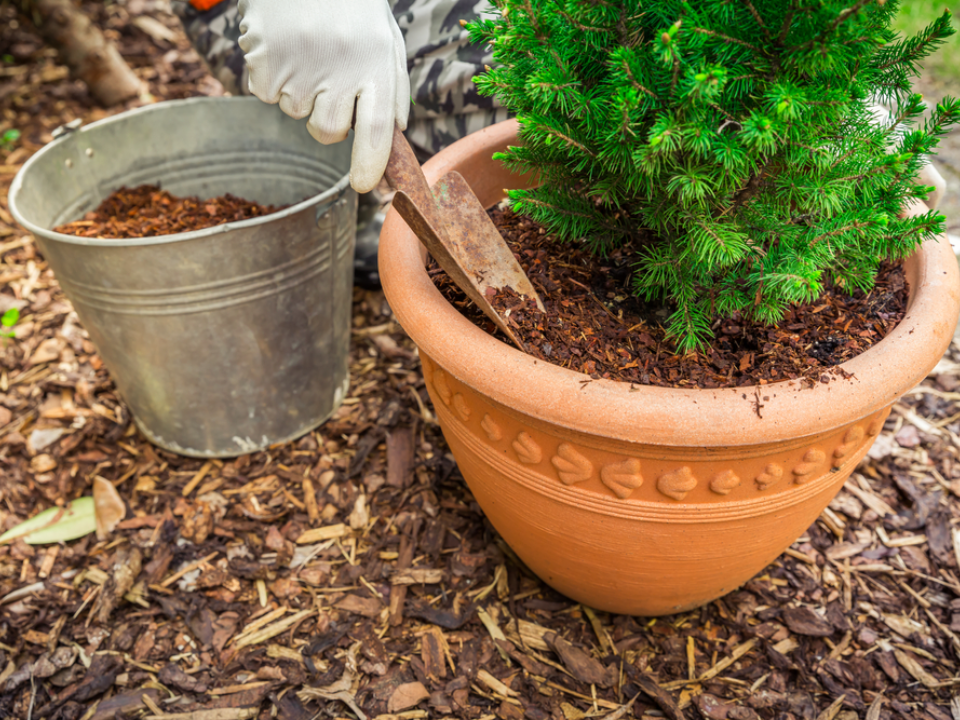
Mulch plays an essential role in regulating soil temperature throughout the winter and into spring. In late winter, it helps protect the soil from extreme temperature fluctuations, keeping the roots of your plants safe. It works by providing insulation, keeping the soil warmer during cold spells and cooler during unexpected heat waves. This temperature regulation helps plants maintain steady growth and reduces the stress caused by rapid changes.
As the weather warms, mulch helps to keep the soil cool and moist, which is particularly beneficial for sensitive plants. In addition, by buffering the soil temperature, mulch encourages earlier growth in the spring. The insulation mulch provides is one of its most beneficial features, promoting a healthier environment for your garden year-round. Make sure your mulch layer is thick enough to provide adequate protection but not so thick that it interferes with the soil’s natural processes.
Use Mulch to Conserve Moisture
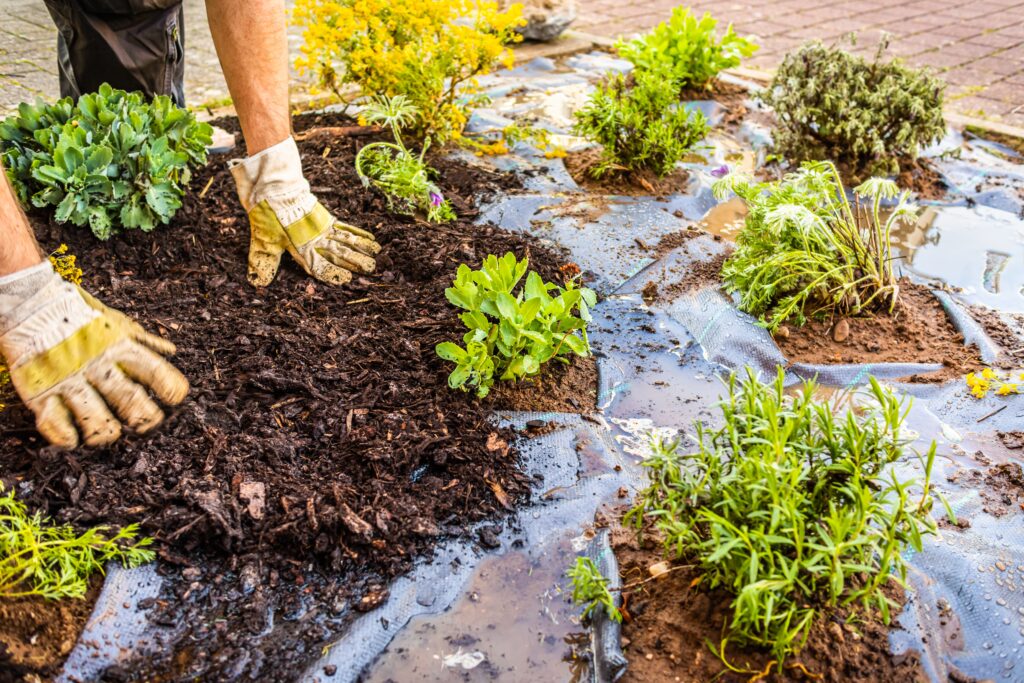
Moisture conservation is one of the primary benefits of mulching. During late winter, the soil can dry out quickly, especially if there is a lack of snow or rainfall. Applying mulch helps to lock in moisture, reducing the need for frequent watering during the early spring. The mulch layer absorbs water and slowly releases it into the soil, ensuring that your plants have the hydration they need to grow strong.
Mulch also helps prevent surface evaporation, which can be particularly problematic during dry spells. As the weather warms, moisture retention becomes even more important, as plants require consistent hydration to thrive. By keeping the soil evenly moist, mulch ensures that plant roots are not stressed by water shortages. This makes mulching a simple and effective strategy for maintaining a healthy garden.
Choose Organic Mulches for Soil Improvement
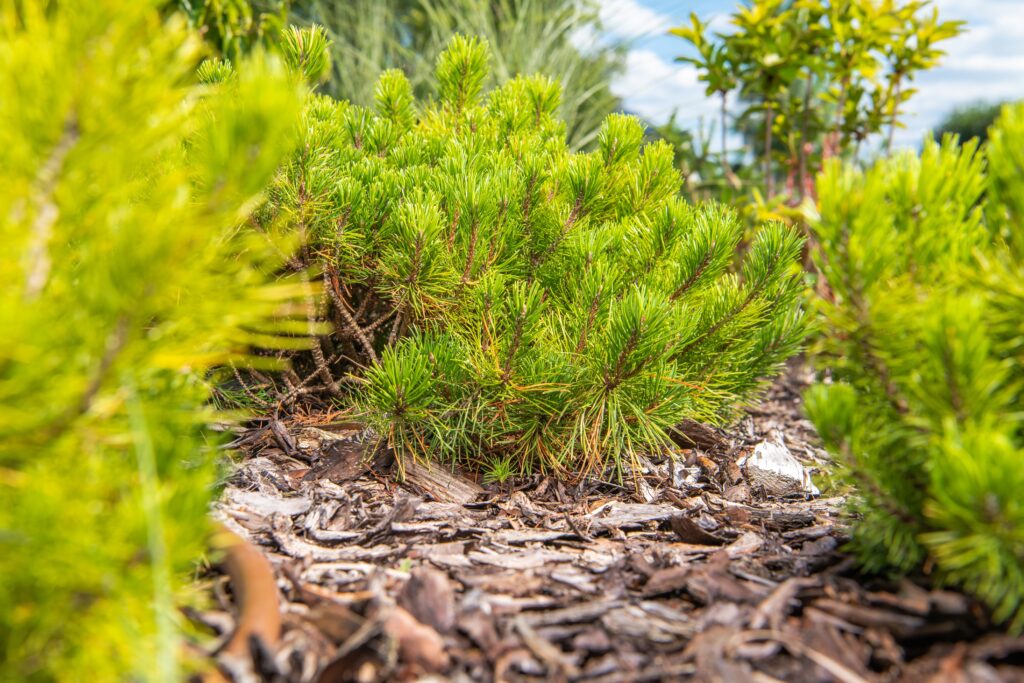
Organic mulches, such as straw, leaves, and wood chips, are particularly beneficial for your garden because they break down over time and enrich the soil. As they decompose, they add essential nutrients that improve soil structure, fertility, and microbial activity. This is especially helpful for beds that need a nutrient boost or for vegetable gardens that require rich, healthy soil for optimal growth.
In addition to providing nutrients, organic mulches help improve soil drainage and aeration, which benefits root health. Unlike inorganic mulches, which do not break down, organic options continue to improve the soil as they decompose. Choosing organic mulch for your late winter mulching will help set the stage for a productive growing season ahead. If you are looking for an eco-friendly option, organic mulches are the way to go.
Replenish Mulch Annually
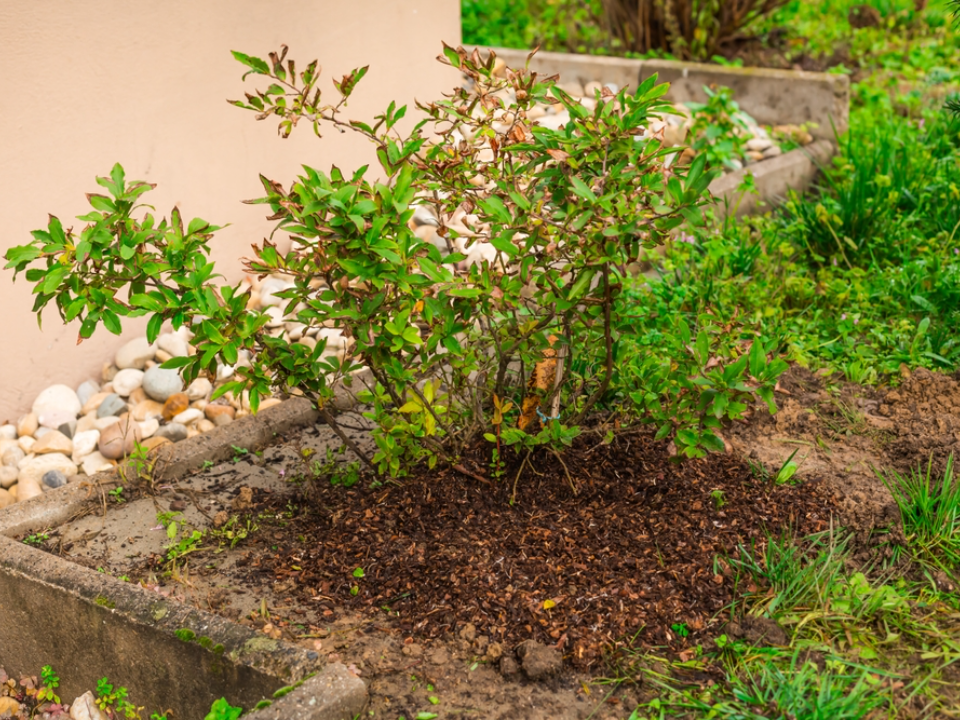
Over time, mulch breaks down and decomposes, which means it needs to be replenished annually. Late winter is the ideal time to assess the condition of your mulch and add more if necessary. Replenishing the mulch will help maintain the correct depth and ensure it continues to provide protection against weeds, moisture loss, and temperature fluctuations.
In addition, replenishing mulch provides an opportunity to refresh the look of your garden beds. Choose a mulch that matches your aesthetic preferences and the needs of your plants. Some areas may require thicker layers, while others can do with a lighter covering. Regularly replenishing your mulch ensures your garden remains healthy and visually appealing.
Avoid Over-Mulching Flower Beds
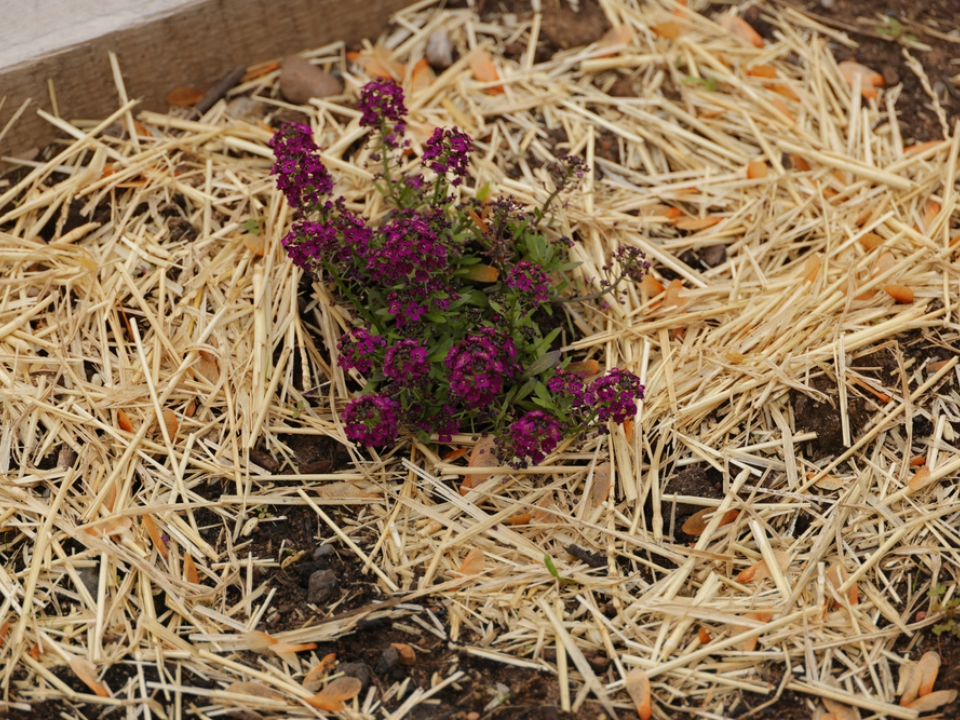
When mulching flower beds, it is important not to overdo it. A thick layer of mulch can smother delicate flowers and inhibit air circulation around the roots. Flowers often require light, moisture, and air to thrive, so mulch should be applied sparingly. For flower beds, a light 2 to 3-inch layer is usually sufficient to provide protection and prevent weeds.
Additionally, over-mulching can trap too much moisture in the soil, leading to root rot. Make sure the mulch is spread evenly and does not pile up around the base of the plants. This ensures that the flowers receive the right amount of nutrients and airflow to grow properly. By avoiding over-mulching, you will keep your flowers healthy and vibrant throughout the spring.
Use Mulch for Weed Control
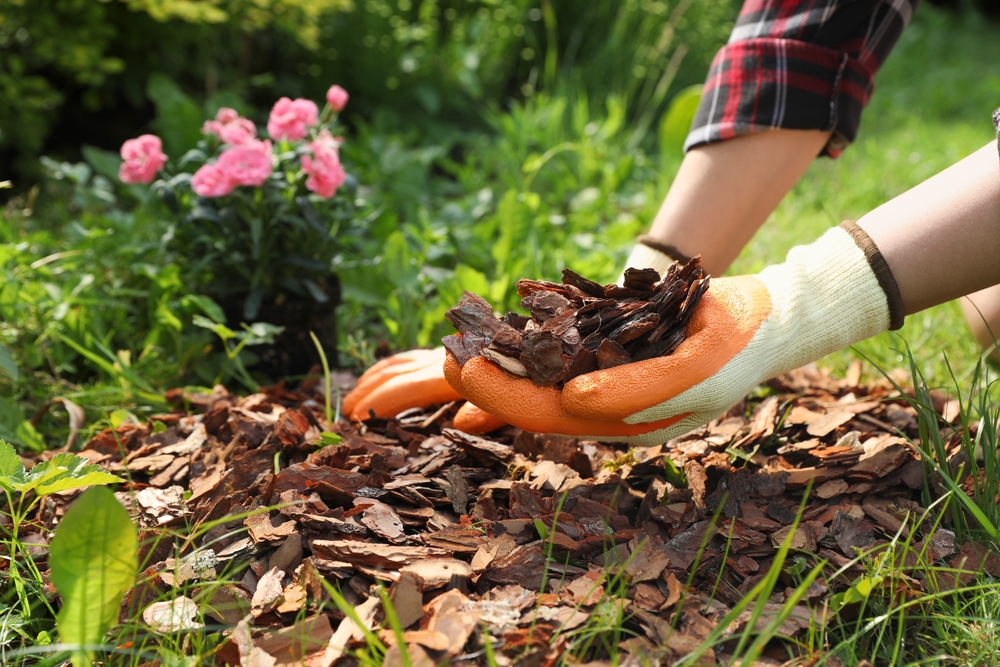
Weeds are a constant challenge in the garden, but mulching is one of the most effective ways to suppress them. By covering the soil with a thick layer of mulch, you block sunlight and prevent weed seeds from germinating. This is especially helpful in the late winter, when many weeds begin to emerge as the soil warms. Mulch provides a physical barrier that stops weeds from taking root in the first place.
In addition to suppressing weeds, mulch also helps to keep weeds that have already germinated from reaching the surface. By covering these early sprouts, mulch prevents them from growing and spreading. This helps to reduce the time and effort spent pulling weeds in the spring. For a weed-free garden, mulching is one of the most effective tools you can use.
Use Mulch to Protect Bare Soil
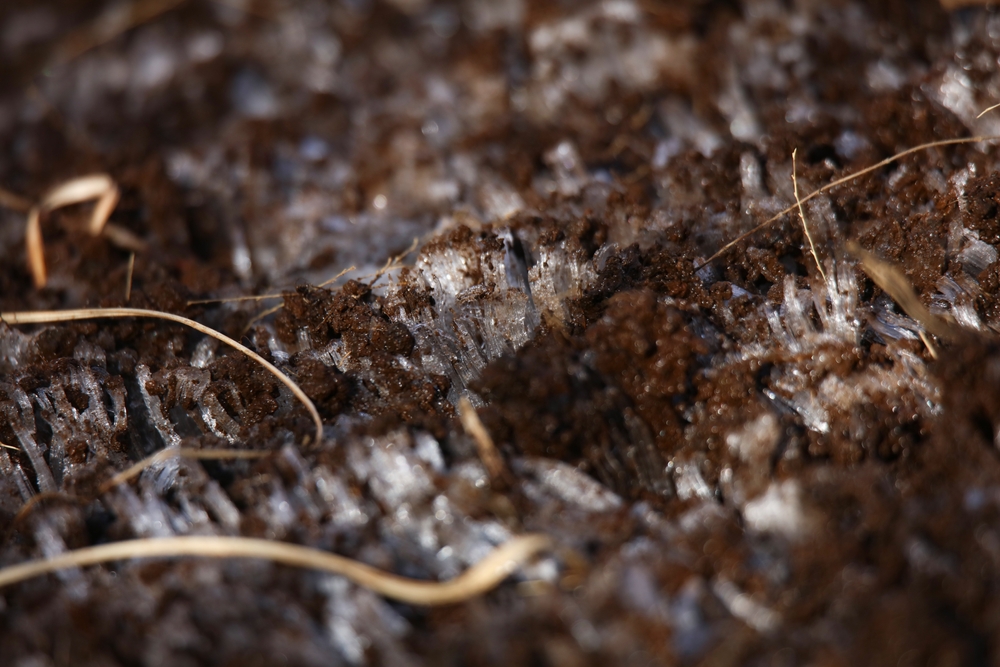
During late winter, bare soil can be vulnerable to erosion, especially during heavy rains or melting snow. A good layer of mulch can help to protect the soil from washing away. By covering the soil surface, mulch prevents water from running off and taking soil with it. This is especially important for sloped garden beds that are prone to erosion.
In addition to protecting the soil, mulch helps to maintain moisture and temperature balance, which is crucial for plant health. It also prevents the formation of hard soil crusts, which can make it difficult for seeds to germinate. Mulch provides an extra layer of protection for your soil, helping it stay intact and healthy until the spring planting season.
Mulch Around Trees for Protection
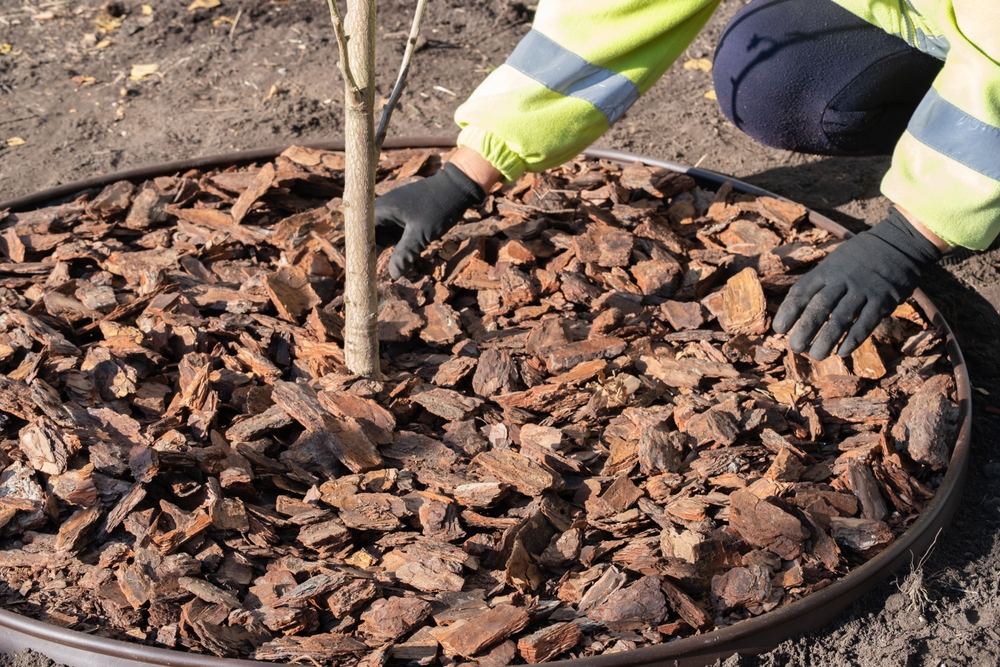
Mulching around trees is one of the best ways to protect them during late winter. The mulch layer acts as insulation, keeping the roots warm during cold weather. It also protects the tree’s trunk from physical damage caused by lawnmowers or weed whackers. For trees, make sure the mulch is spread evenly around the base, but avoid piling it directly against the trunk.
A 3 to 4-inch layer of mulch around trees helps retain moisture, suppress weeds, and promote healthy root development. This simple step can make a big difference in how well trees perform once spring arrives. Be sure to check the mulch layer regularly and replenish it as needed to keep your trees protected. Proper mulching around trees helps them thrive for years to come.
This article originally appeared on Avocadu.