
11 Best Herbs to Grow on a Sunny Winter Windowsill
There is something special about growing your own herbs, especially during the winter months. A sunny windowsill provides just the right amount of light to grow fresh herbs indoors. Even in colder weather, herbs like these can thrive in small spaces. Not only do they brighten up your home, but they also offer fresh flavors for your cooking.
This post may contain affiliate links, which helps keep this content free. Please read our disclosure for more info.
Basil

Basil is a classic kitchen herb with glossy leaves that add bright flavor to salads, pastas, and sauces. It needs plenty of strong light in winter, so place it where the sun reaches it for several hours a day. The soil should drain well and stay moist without becoming soggy, which helps keep the plant healthy. Harvest leaves regularly to keep the plant producing new growth and to enjoy fresh herbs for your cooking.
Basil varieties include sweet basil, Thai basil, and lemon basil, each bringing its own character to dishes and herb pots. Growing it indoors during the winter can keep fresh greens on hand when outdoor gardens are dormant. Keep an eye on the water level as indoor conditions can dry out pots faster than outdoor beds. With the right placement and care, basil can thrive through the cold months.
Parsley
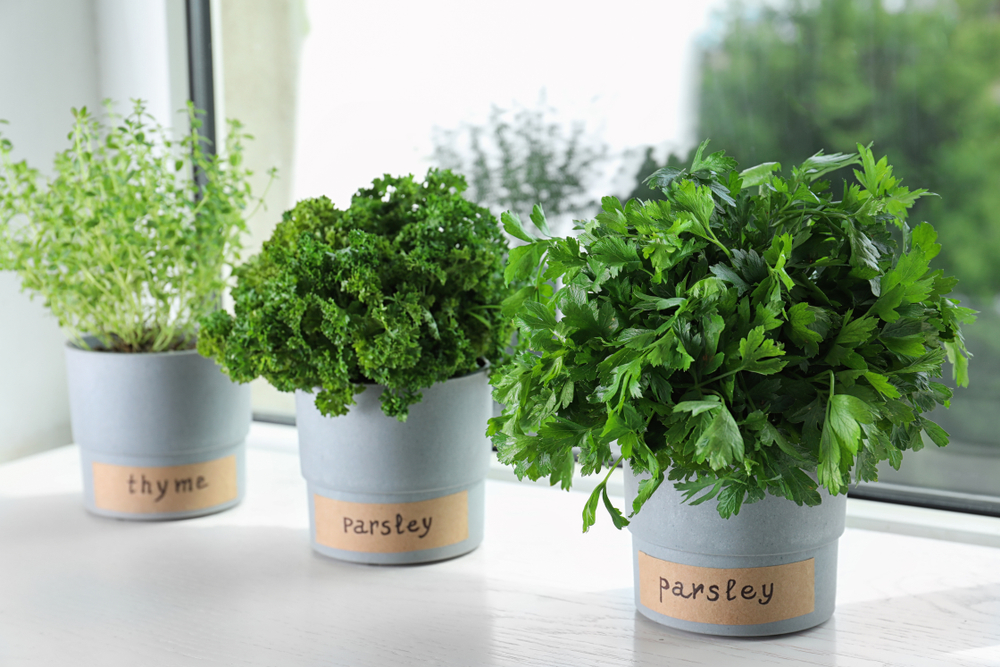
Parsley has bright green leaves that bring a fresh, mild taste to soups, salads, and garnishes. It adapts fairly well to indoor conditions and will benefit from a sunny windowsill that provides several hours of daily light. Parsley likes soil that stays evenly moist without water sitting at the bottom of the pot. It grows steadily throughout the winter, giving you a steady supply of fresh leaves.
Both curly leaf and flat leaf types are good choices for indoor herb gardens, with flat leaf being especially popular for cooking. Planting in a deep pot helps the roots spread and supports steady growth. Snipping sprigs for meals encourages new shoots, keeping the plant lush. Parsley also adds a touch of green to a winter kitchen when outdoor gardens are bare.
Mint
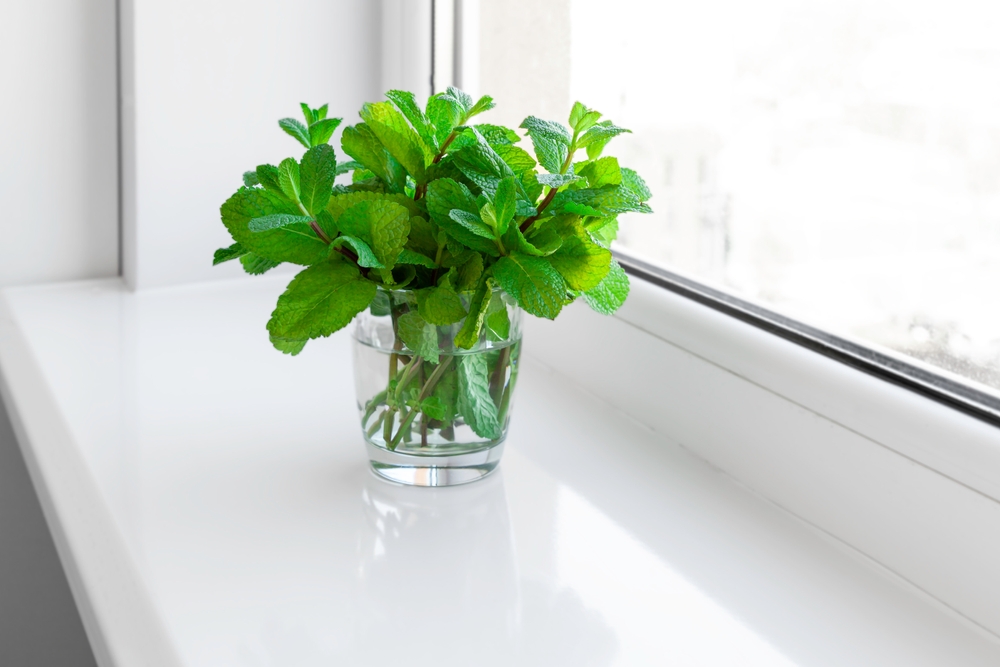
Mint is known for its refreshing scent and cool flavour that livens up drinks, desserts, and savory dishes. It grows quickly, so a pot on a sunny windowsill is a great place to contain it and keep it healthy through winter. The soil should remain moist and rich, and the plant will reward you with abundant fragrant leaves. Because mint spreads rapidly outdoors, growing it in a container indoors gives you control over its vigorous growth.
There are many mint varieties such as peppermint, spearmint, and chocolate mint, each with its own aroma and culinary uses. Cutting the tips for use in dishes encourages fresh stems to emerge. Mint also brings a lovely aroma to your kitchen, making it a cozy winter herb choice. With enough light and water, it can stay productive through the season.
Thyme
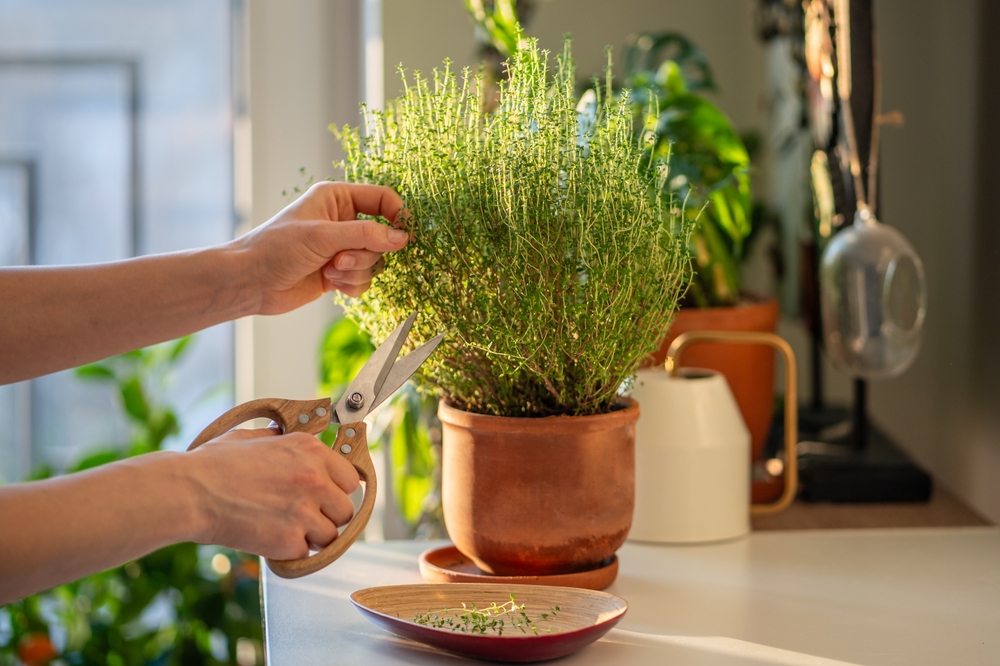
Thyme has small leaves that pack a punch in soups, roasts, and stews. It is a hardy herb that tolerates indoor winter conditions better than many others, provided it gets plenty of light. Thyme prefers soil that drains freely, so choose a pot with good drainage and do not let water sit at the bottom. Regular trimming keeps the plant compact and encourages new growth.
Different thyme varieties, such as lemon thyme and French thyme, offer subtle differences in aroma. The plant’s woody stems support clusters of leaves that can be snipped as needed for recipes. Thyme does not need heavy watering, which makes it a reliable choice for winter windowsills. With enough sunlight, it keeps producing flavourful stems throughout the season.
Oregano
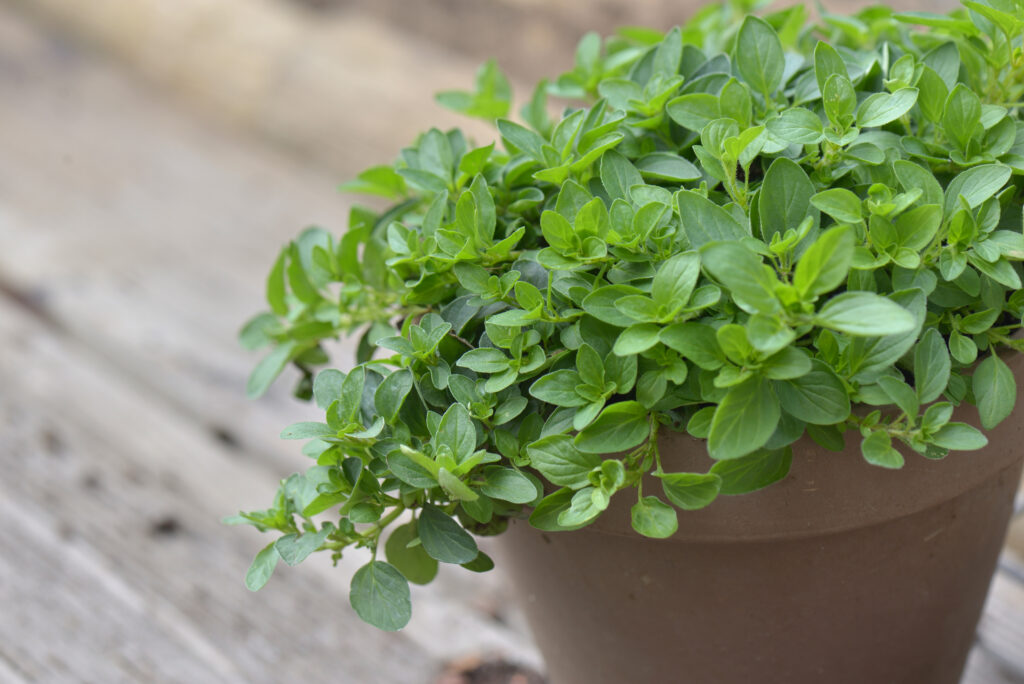
Oregano has strong, aromatic leaves that make it a staple in Mediterranean and Mexican cuisine. It enjoys bright sun, so a windowsill that sees long hours of light will help it thrive in winter. Choose a pot with free draining soil and water when the top of the potting mix begins to feel dry. Regular harvests of the leaves will keep the plant from becoming leggy and encourage fuller growth.
Oregano has a bold flavour that stands up well in sauces and meat dishes. Growing it indoors can keep fresh oregano available when outdoor gardens are dormant. It is forgiving and adaptable, making it a good choice for beginners and experienced gardeners alike. With enough light and care, oregano will reward you with fresh leaves all winter.
Rosemary
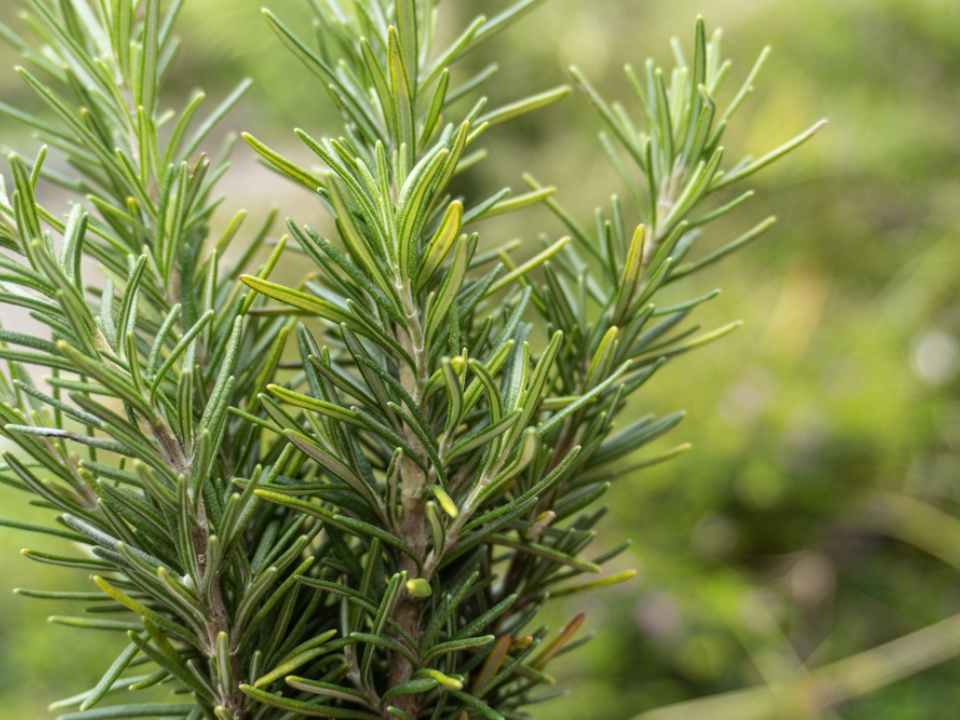
Rosemary is a fragrant herb with needle-like leaves that bring a woodsy character to roast meats and vegetables. In winter it prefers a sunny windowsill with bright light for as many hours as possible. The soil should be light and well drained, and watering only when the top of the soil is dry will support its health. Rosemary can be slow to grow indoors, but it rewards patience with long lasting evergreen foliage.
Because rosemary originates from Mediterranean climates, it is comfortable with dry air and bright sun. Placing it near a sunny window helps mimic its native conditions. Prune occasional long stems to keep the plant compact. With steady light and careful watering, rosemary can stay lush and fragrant throughout winter.
Chives
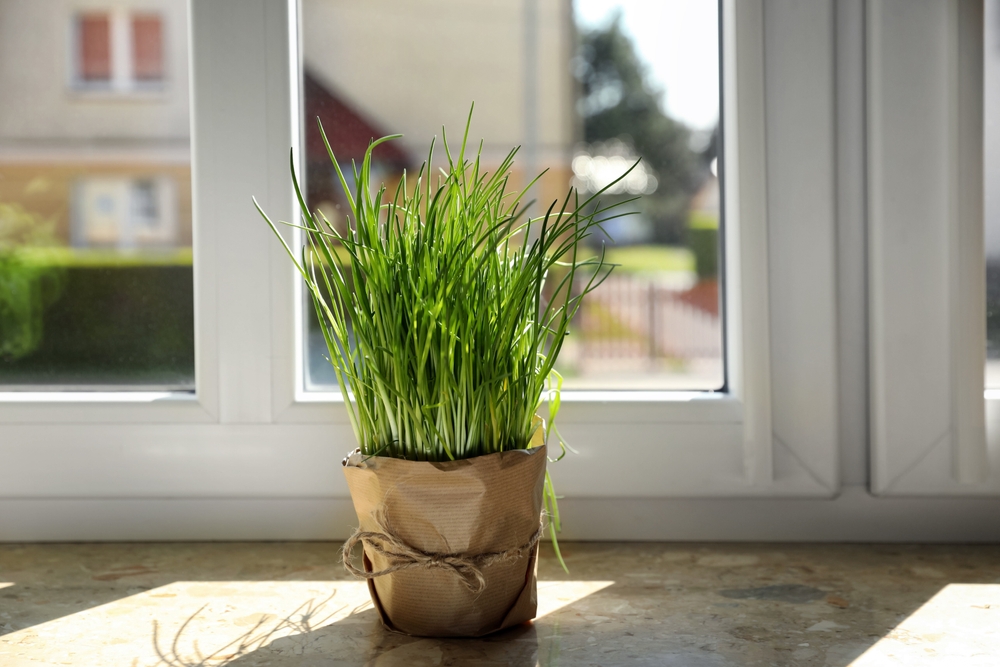
Chives bring a mild onion flavour to dishes like eggs, potatoes, and salads, and they grow well in containers. These perennial herbs form grass-like leaves that can be kept trimmed for steady harvests. They do well with natural light and benefit from a sunny spot by a window in winter. Planting chives in a deeper pot gives their roots room to grow and supports steady leaf production.
Chives are forgiving and can thrive even if light levels vary slightly. Regular trimming encourages fresh shoots and prevents the plant from becoming sparse. Their slender green leaves bring fresh colour to a winter kitchen. With consistent light and moisture, chives can keep producing throughout the colder months.
Cilantro
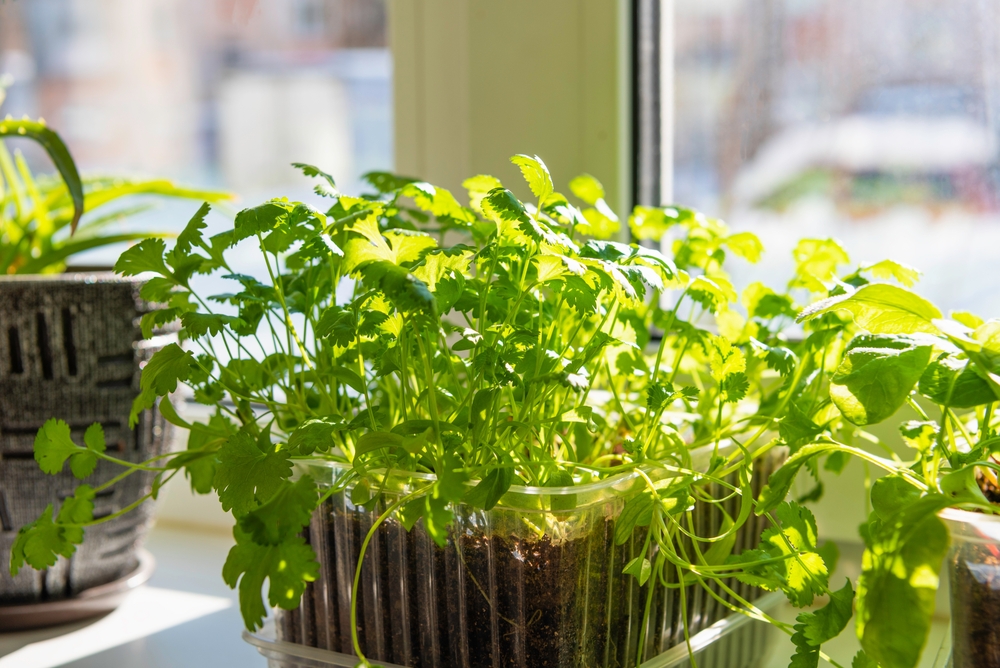
Cilantro offers a bright, citrusy flavour that is popular in many global cuisines. It can be grown in winter if placed in a bright, sunny window and given soil that does not stay waterlogged. Cilantro tends to bolt to flower quickly in warm conditions, so cooler indoor temperatures and frequent harvests help prolong its leafy phase. Snip leaves as you need them to encourage new growth and keep the plant productive.
Growing cilantro indoors gives fresh access to its tender leaves even when outdoor gardens are not productive. Because it likes a cool environment, avoid placing it too close to heaters. Choosing a wide pot helps the roots spread and supports more robust leaf growth. With proper light and watering, cilantro adds lively flavour to winter meals.
Lemon Balm
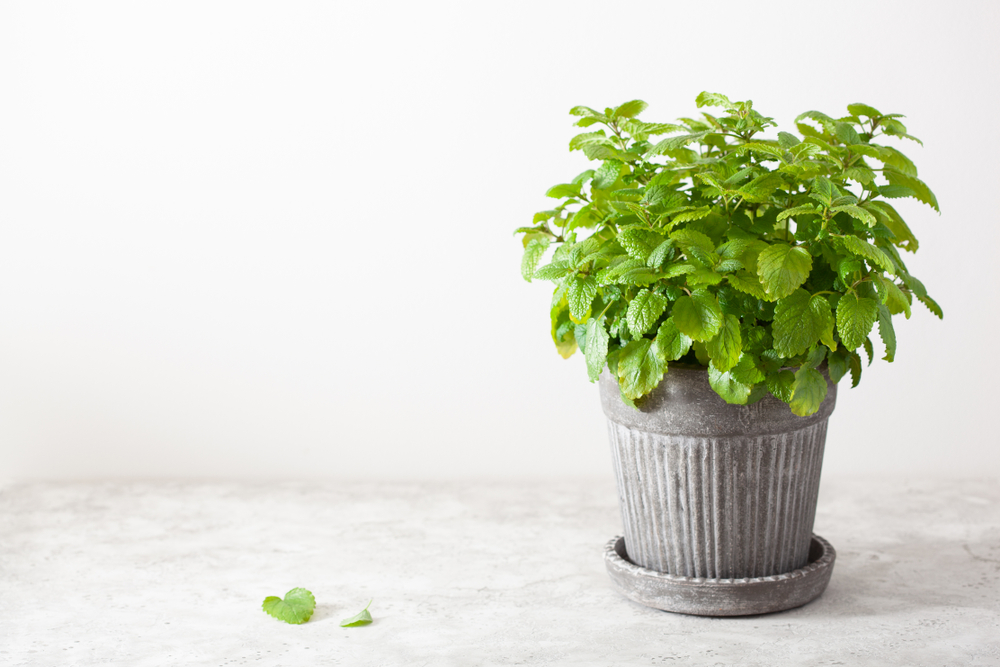
Lemon balm has bright green leaves with a gentle citrus scent that lifts teas and salads. It grows well in containers and enjoys a sunny indoor spot, especially during the shorter winter days. The soil should remain consistently moist without becoming soggy, which supports healthy leafy growth. Pruning back tips after harvest helps keep the plant full and productive.
This herb brings both fragrance and flavour to a winter kitchen garden. Its aroma creates a cheerful atmosphere when sunlight reaches the leaves. Lemon balm pairs nicely with mint and other aromatic herbs on a windowsill. With proper light, it stays lush and useful for many dishes and beverages.
Lavender
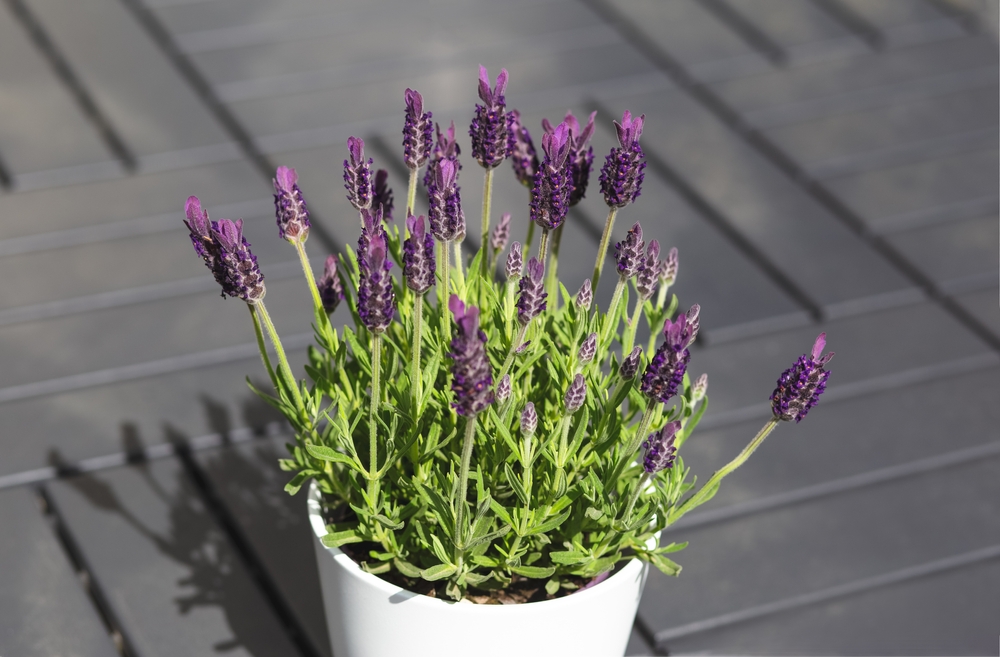
Lavender has fragrant foliage and is known for its calming scent and delicate purple flowers. Growing it indoors in winter works best with plenty of direct sunlight and a potting mix that drains well. Watering only when the soil surface feels dry prevents root problems. The plant’s scent brings a pleasant aroma to your home and offers fresh sprigs for herbal infusions.
Lavender thrives with light and cool temperatures, which make sunny windowsills ideal. It prefers air movement around the leaves, so avoid placing it in stagnant corners. Trimming spent stems helps evergreen foliage remain tidy. With enough sunlight, lavender adds both beauty and fragrance to your winter herb garden.
Tarragon
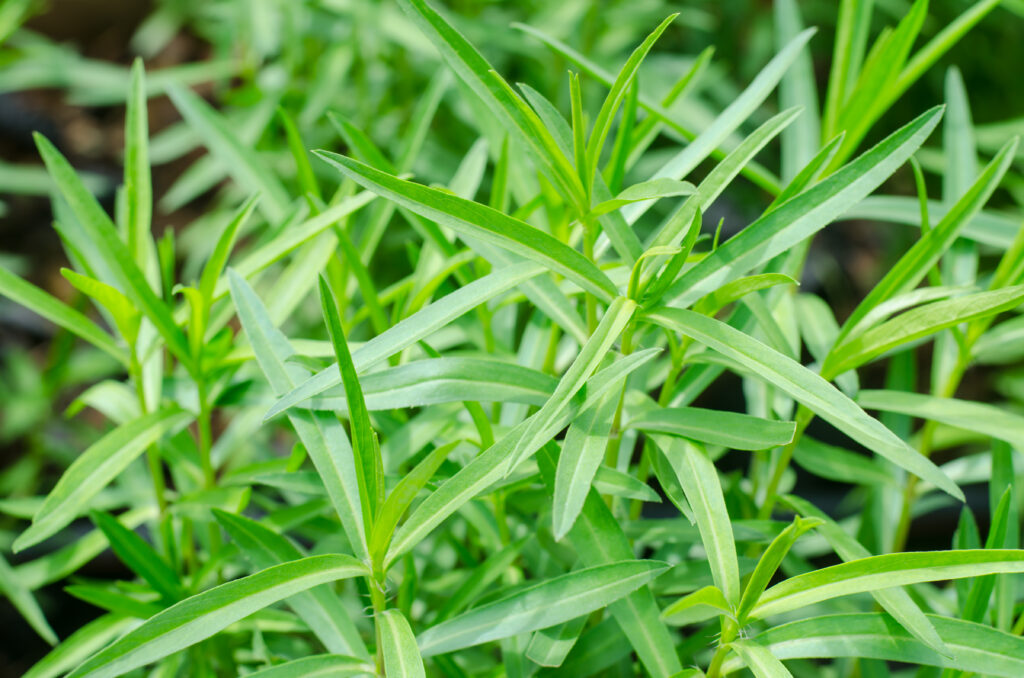
Tarragon has narrow leaves and a subtle anise-like flavour that pairs well with chicken, fish, and egg dishes. It grows well in containers and enjoys a bright indoor spot where sunlight reaches it most of the day. The soil should drain freely and the plant should be watered when the top layer feels dry. Regular trimming keeps the plant bushy and encourages fresh growth for harvesting.
This herb adds mild, aromatic flavour to recipes and can be used fresh when harvested from your windowsill. Tarragon thrives with strong light and moderate temperatures. Place it in a pot with ample room for roots, and trim often to keep foliage compact. With proper care, tarragon remains a delightful winter herb.
This article originally appeared on Avocadu.