
13 Best February Whale Watching Trips In The U.S. And What To Bring
Whale watching is a thrilling experience, especially in February when these majestic creatures are migrating. Whether you’re a first-timer or a seasoned traveler, knowing where to go and what to bring can make all the difference. With the right preparation, you can enjoy the sights of whales up close while staying comfortable.
This post may contain affiliate links, which helps keep this content free. Please read our disclosure for more info.
Monterey Bay, California
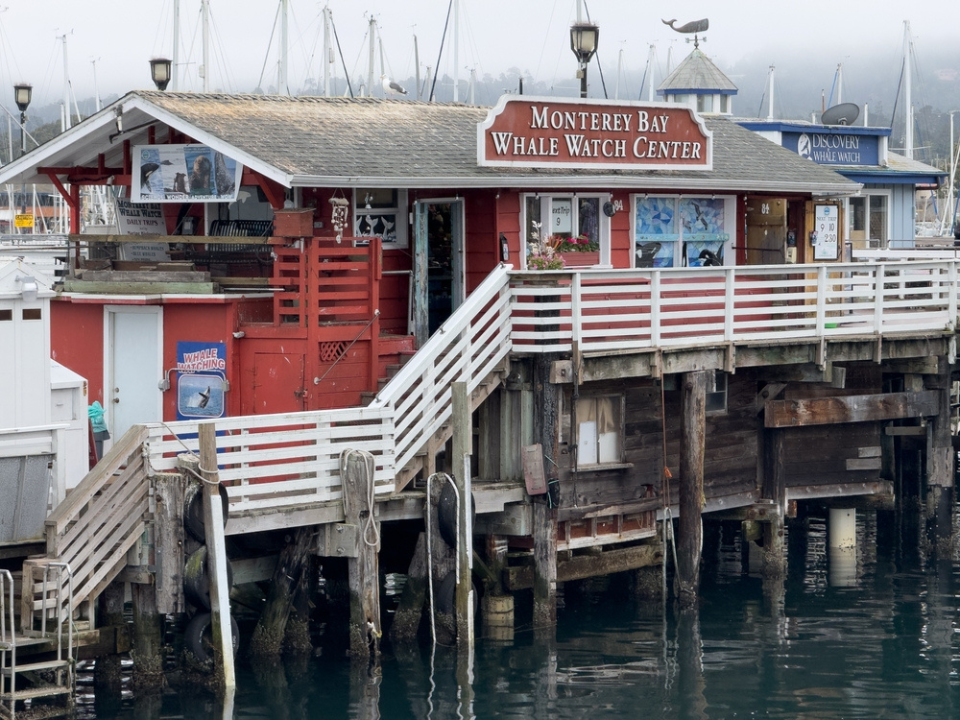
Monterey Bay is known for its spectacular views of migrating gray whales, humpbacks, and blue whales. Located about 120 miles south of San Francisco, it’s a popular destination for whale watching, offering daily boat tours in February. To make your trip a success, bring warm, layered clothing, a hat, and gloves, as temperatures can drop on the water. Don’t forget your camera to capture the breathtaking moments when a whale surfaces close by.
The boat tours typically depart from the Old Fisherman’s Wharf and last around 3-4 hours. You’ll likely see several species of whales, including migrating gray whales on their way to Baja California. Aside from whale watching, the area is also rich in marine life, so keep an eye out for dolphins, sea lions, and other wildlife. A pair of binoculars will help you spot the whales from a distance.
Cape Cod, Massachusetts
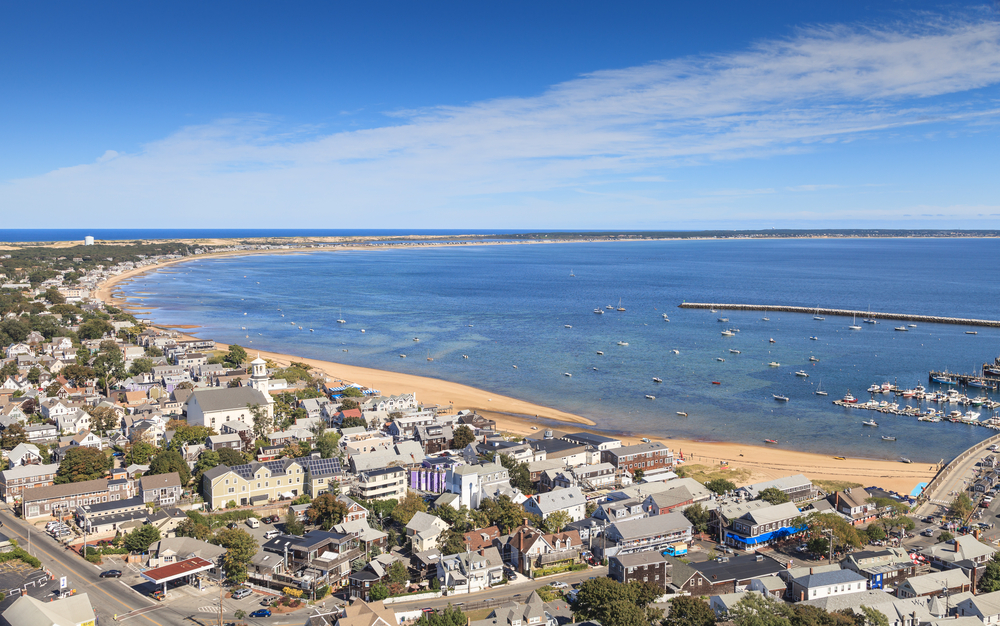
Cape Cod offers a unique February whale watching experience, with numerous opportunities to spot humpback, fin, and minke whales. Located about 70 miles from Boston, the area’s boat tours depart daily from Provincetown, taking you out into the rich feeding grounds of the Atlantic. Be sure to pack a waterproof jacket, sturdy shoes, and sunscreen for protection from the sea breeze. A warm hat and gloves are essential for colder days.
The tours typically last around 3-5 hours, offering a chance to spot whales as they feed on the rich waters of the Stellwagen Bank National Marine Sanctuary. Bring your camera to capture the incredible displays of breaching or tail slapping. Whale watching here is often combined with views of seals and other marine life. You may even get the chance to learn about the local conservation efforts to protect the species.
San Juan Islands, Washington
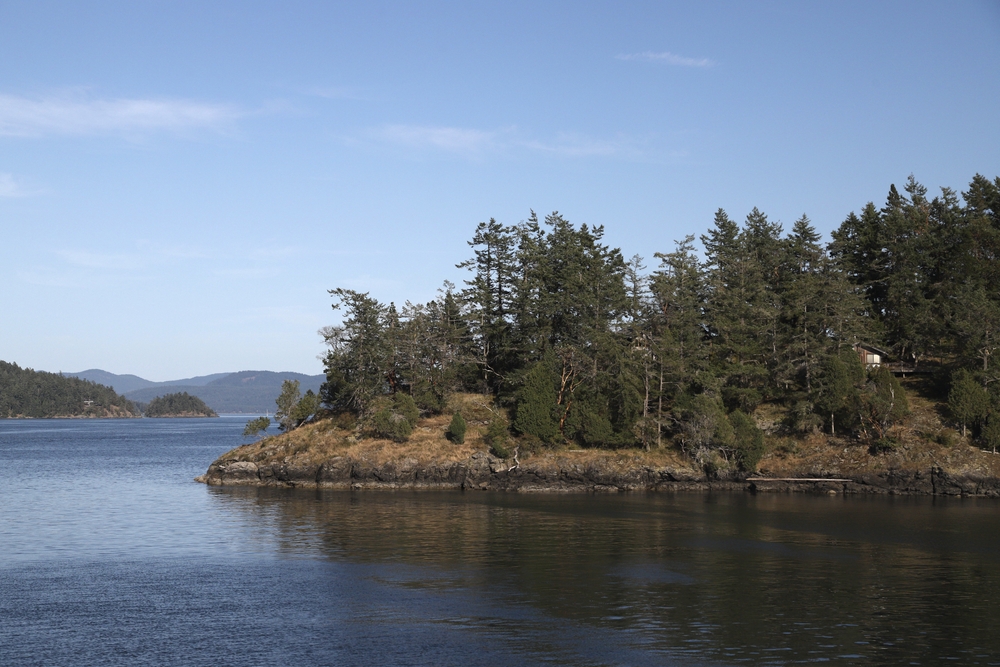
San Juan Islands, located in the Pacific Northwest, are prime spots for watching orcas in February. About 100 miles north of Seattle, these islands offer tours that run throughout the winter months, focusing on orca pods migrating through the waters. Bring a pair of binoculars, warm layers, and a thermos of hot tea to stay cozy during the tour. A camera with a zoom lens will help you capture distant orca sightings.
These tours are typically 3-4 hours long and offer a chance to see orcas along with humpbacks and gray whales. Departing from Friday Harbor, the boat tours provide stunning views of the island landscape while searching for whales. Expect a knowledgeable guide who will provide information about orca behaviors and conservation. You may also see seals, porpoises, and eagles along the way.
Key West, Florida
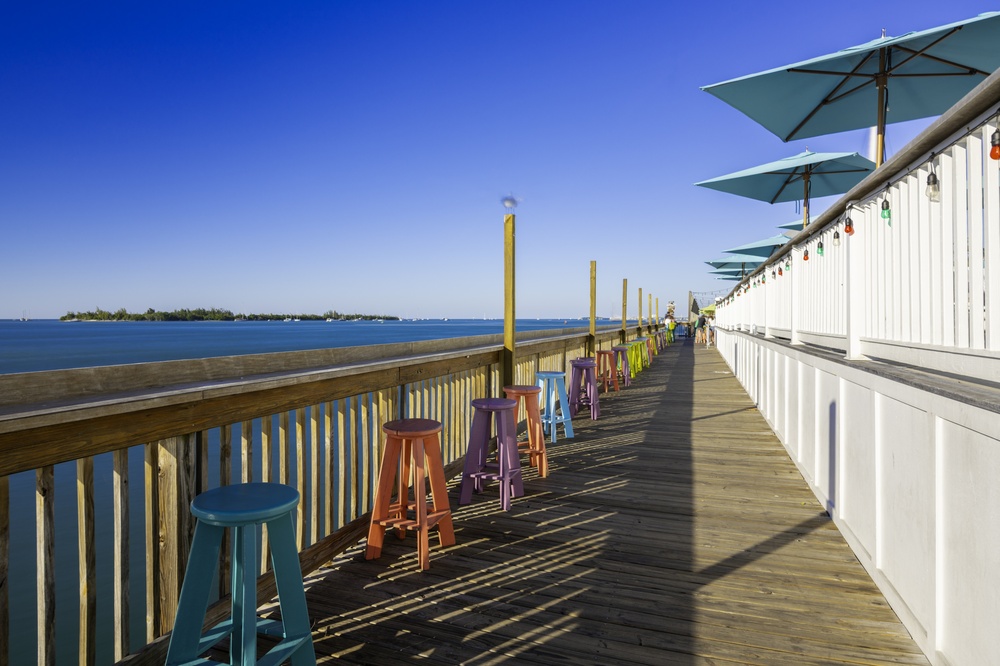
Key West offers a tropical whale watching experience, especially for spotting humpback whales migrating through the Florida Straits. Located about 160 miles south of Miami, Key West has year-round whale watching opportunities, with February being a peak month for sightings. Pack sunscreen, a hat, sunglasses, and light layers, as the weather can be warm even in winter. Don’t forget a camera to capture the whales breaching and tail slapping.
Tours from Key West usually last 3-4 hours, taking you out into the Gulf of Mexico. The warm, clear waters provide excellent visibility, making it easier to spot the whales as they pass by. Aside from humpbacks, you may also spot dolphins, manatees, and sea turtles. Many tours provide expert naturalists who share information about the local marine ecosystem and the whales.
Point Reyes, California
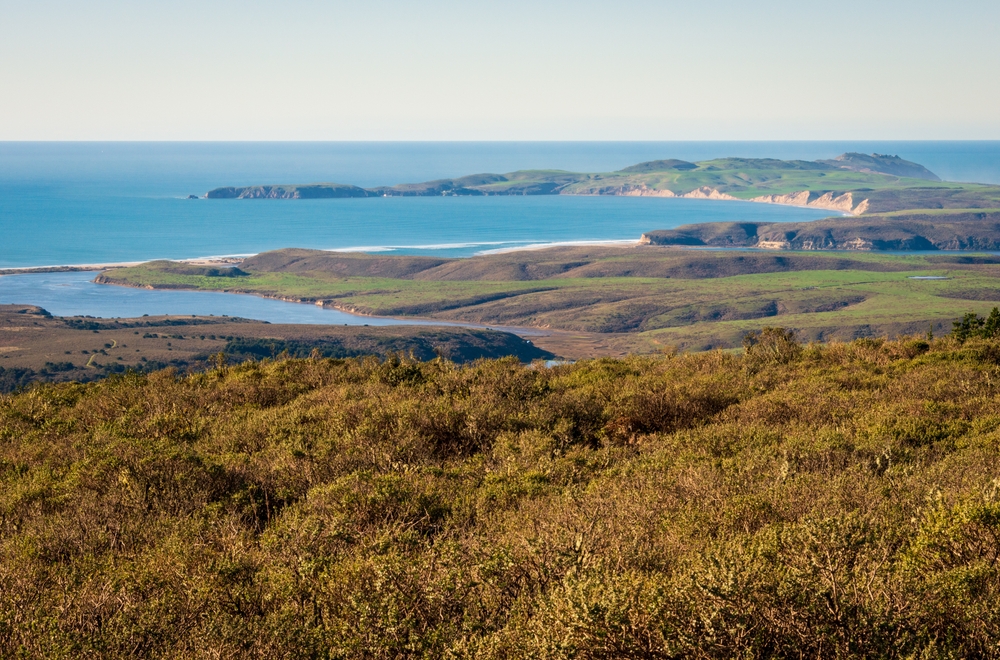
Point Reyes is another excellent location on the Northern California coast, ideal for spotting gray whales during their annual migration. Located about 30 miles north of San Francisco, this area is known for its rugged coastline and spectacular whale watching views. Be sure to bring warm clothing, sunscreen, and comfortable shoes for the walk to viewing points. A pair of binoculars will help you spot whales from shore.
February is an ideal month for whale watching here, as gray whales pass close to shore on their migration route. Visitors can watch from the Point Reyes National Seashore, with panoramic views of the ocean. For a more up-close experience, boat tours are also available, typically departing from nearby Bodega Bay. These tours offer the chance to see whales in action and learn about the local ecosystem.
Hawaii, Maui
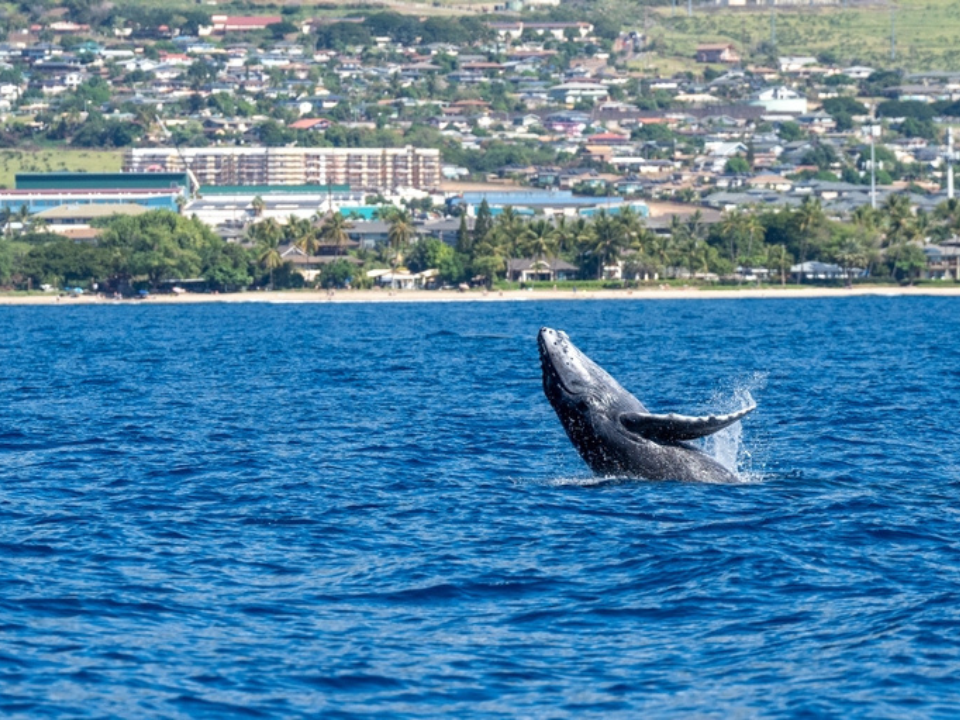
Maui, Hawaii, is one of the top destinations for whale watching, especially for humpback whales that migrate to the islands in February. Located about 200 miles from Oahu, Maui offers both shore and boat-based whale watching experiences. Bring sunscreen, a hat, and comfortable clothing for sunny days. If you’re going on a boat, bring a light jacket as the wind can make the water feel cooler.
Whale watching tours in Maui typically last around 2-3 hours and depart from Lahaina Harbor. The warm waters around Maui are a prime location for humpback whales, and the boat tours often offer close-up views of these magnificent creatures. Additionally, there are many excellent spots along the coastline for land-based whale watching, so a pair of binoculars is a must. Be prepared for stunning views of the whales breaching and tail slapping.
Galveston, Texas
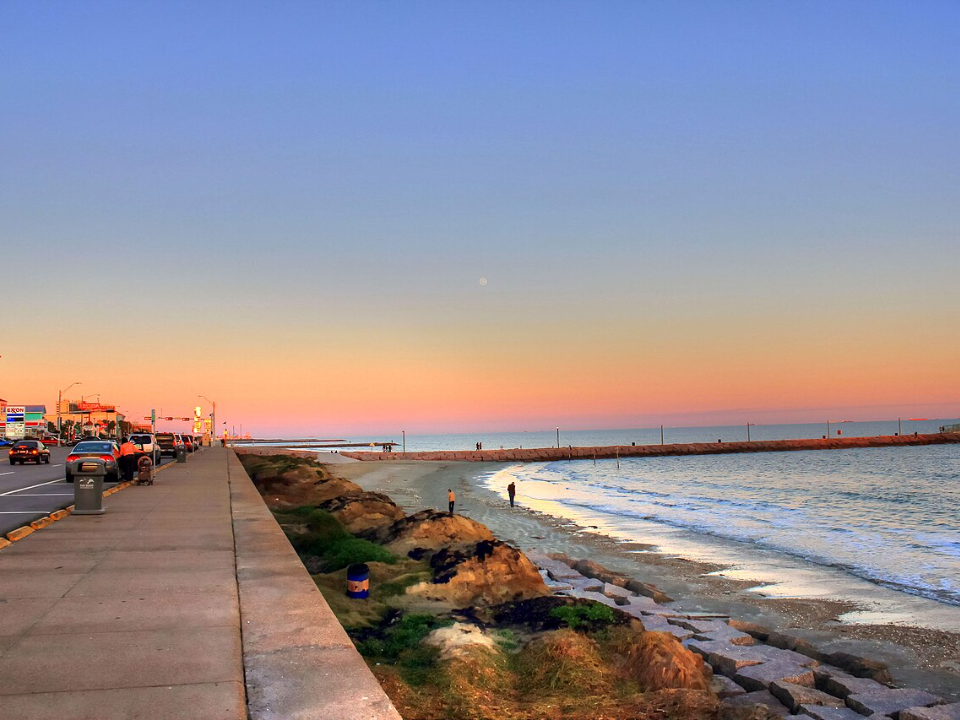
Galveston, Texas, offers a quieter alternative for whale watching, with February being a good month to see migrating gray whales and dolphins. Located about 50 miles from Houston, Galveston provides a laid-back, accessible option for those seeking a whale watching adventure. Pack a light jacket, sunscreen, and comfortable shoes for the boat tours. A camera with a zoom lens is essential for capturing distant whale sightings.
The boat tours from Galveston typically last 2-3 hours, offering a chance to view gray whales as they make their way along the Gulf Coast. These tours also provide opportunities to spot dolphins, sea turtles, and various seabirds. The calm waters around Galveston make it a great spot for beginners to experience whale watching. Tours depart from the Galveston harbor, providing a scenic trip along the coast.
Cannon Beach, Oregon
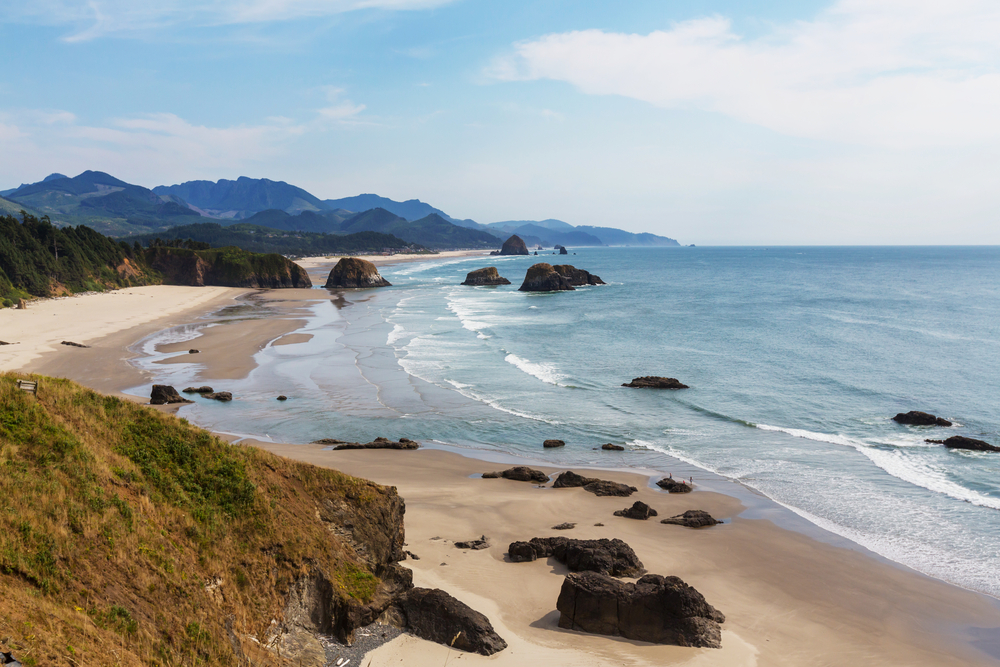
Cannon Beach is a popular coastal destination for whale watching, especially in February when gray whales migrate along the Oregon coast. Located about 80 miles from Portland, this beach offers easy access to whale watching both from the shore and by boat. Pack warm clothing, a hat, gloves, and waterproof shoes for the often wet conditions. A camera with a zoom lens will help you capture the action from a distance.
February marks the start of gray whale migration season along the Oregon coast, with whales often visible from Cannon Beach itself. Shore-based viewing opportunities are abundant, with several viewpoints along the beach and nearby Ecola State Park. Boat tours are also available, taking you out into the waters where whales tend to surface. Expect to see whales breaching and spouting in the distance, along with seals and sea birds.
San Diego, California
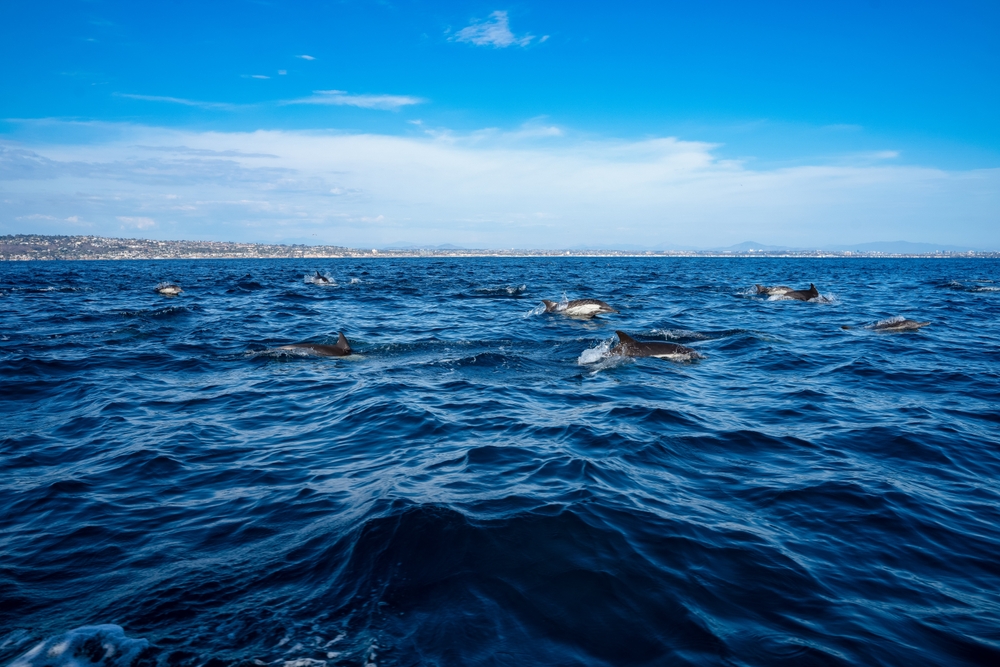
San Diego is one of the top places to see migrating gray whales in February, as they pass along the southern California coast. About 120 miles south of Los Angeles, San Diego offers numerous boat tours and land-based viewing spots. Pack a hat, sunscreen, and a light jacket for the cool ocean breeze. A zoom lens on your camera will help you capture the whales’ magnificent displays.
Boat tours typically last 3-4 hours, departing from the San Diego Harbor and taking you along the Pacific Ocean. In addition to gray whales, you may also spot humpback whales, dolphins, and sea lions. The waters off San Diego are ideal for whale watching, with numerous opportunities for up-close sightings. Along with the boat tours, there are several coastal viewpoints where you can watch the whales from shore.
La Jolla, California
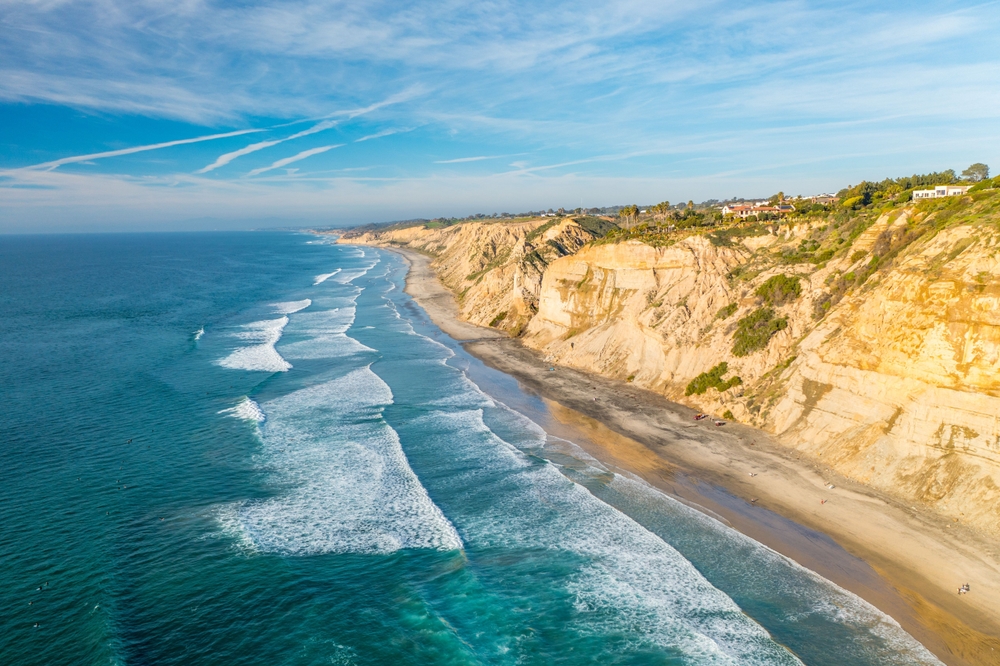
La Jolla, a picturesque coastal town in San Diego, offers some of the best whale watching opportunities during the February migration. Located just a few miles north of downtown San Diego, La Jolla offers both boat-based and land-based whale watching experiences. Be sure to bring warm clothing, sunglasses, and sunscreen, as the weather can vary. A camera with a good zoom lens will help you capture whales in action.
From the cliffs of La Jolla Cove, visitors can often spot migrating gray whales as they pass by. Boat tours are also available, providing an up-close look at the whales in their natural habitat. In addition to gray whales, you may spot humpbacks, fin whales, and even orcas on occasion. Whether you choose to view from shore or venture out on a boat, La Jolla provides a memorable whale watching experience.
New Bedford, Massachusetts
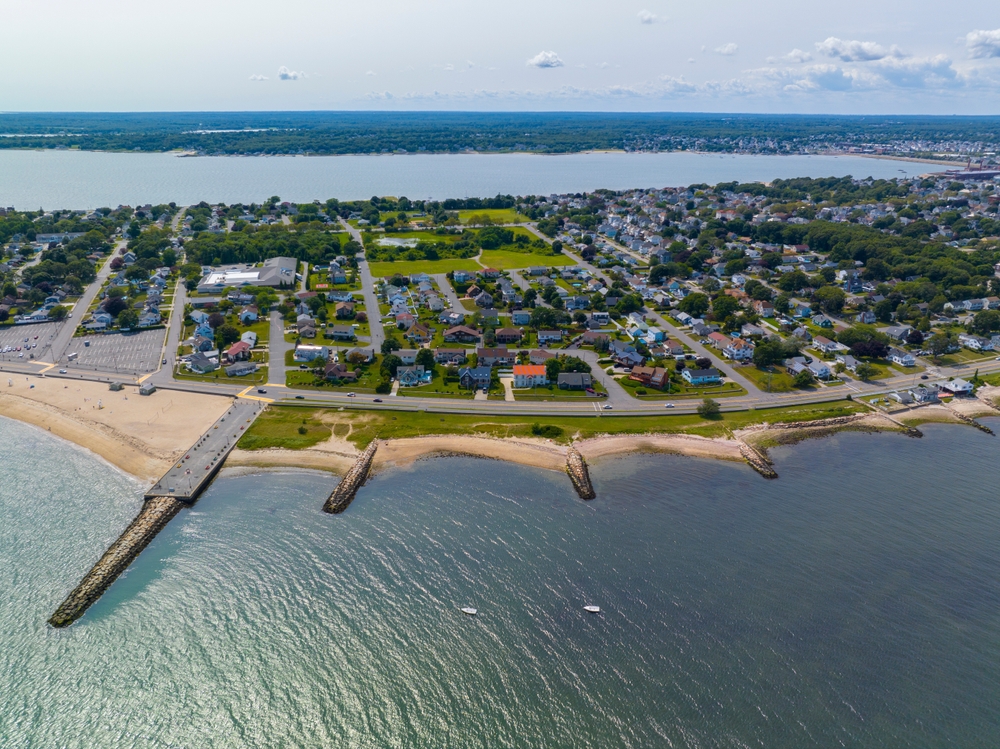
New Bedford, located on the southeastern coast of Massachusetts, is another great destination for whale watching in February. The city, about 60 miles from Providence, offers boat tours that take you out into the waters of the Stellwagen Bank National Marine Sanctuary. Pack warm clothing, a hat, gloves, and a camera to capture the whales. A pair of binoculars will also help you spot distant whales from the boat.
These tours typically last around 3-4 hours, providing ample time to see humpbacks, fin whales, and minke whales. New Bedford’s rich maritime history adds an extra layer of interest, as you can learn about the area’s whaling heritage. The boat tours depart from the city’s historic waterfront and give you the opportunity to spot whales along with dolphins and seabirds. Expect a knowledgeable guide to share insights into the whales’ behavior and the local ecosystem.
Hilton Head Island, South Carolina
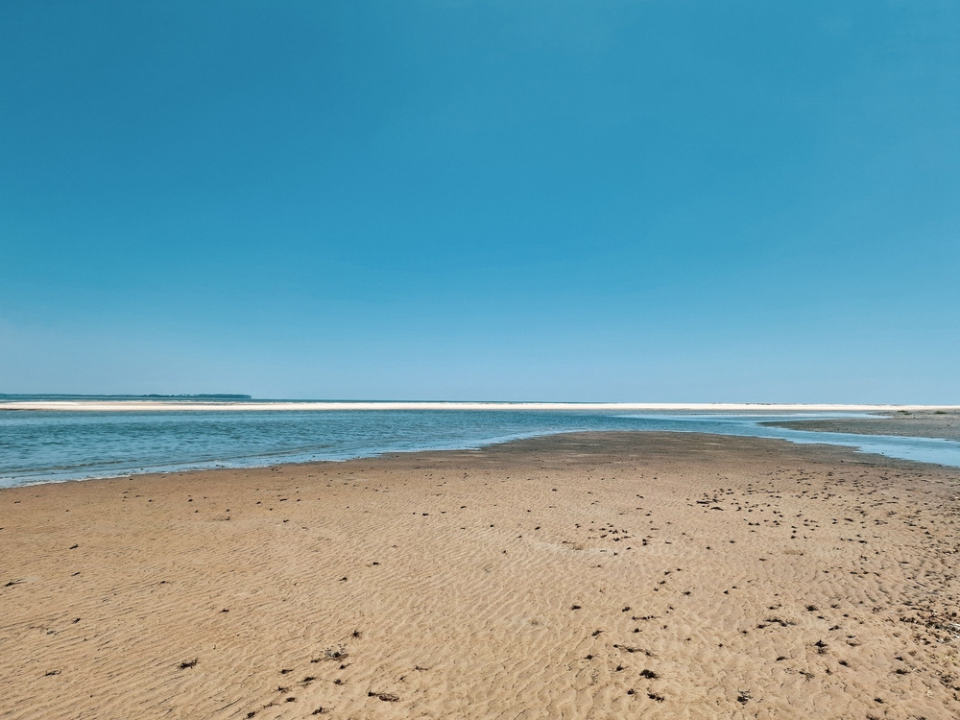
Hilton Head Island offers fantastic whale watching opportunities in February, with many species of whales passing through the waters off the South Carolina coast. Located about 90 miles from Savannah, this island offers boat tours that last 2-3 hours, with whale sightings often guaranteed. Bring sunscreen, a hat, and light layers for a comfortable day on the water. A pair of binoculars will help you spot whales from a distance.
The boat tours depart from the Hilton Head Island Harbor and offer the chance to see humpback whales and other marine wildlife. These tours are often guided by naturalists who provide insights into the behavior of whales and their migration patterns. You may also see dolphins, manatees, and a variety of seabirds. Hilton Head is known for its calm waters, making it a relaxing spot to enjoy a whale watching experience.
Oregon Coast, Oregon
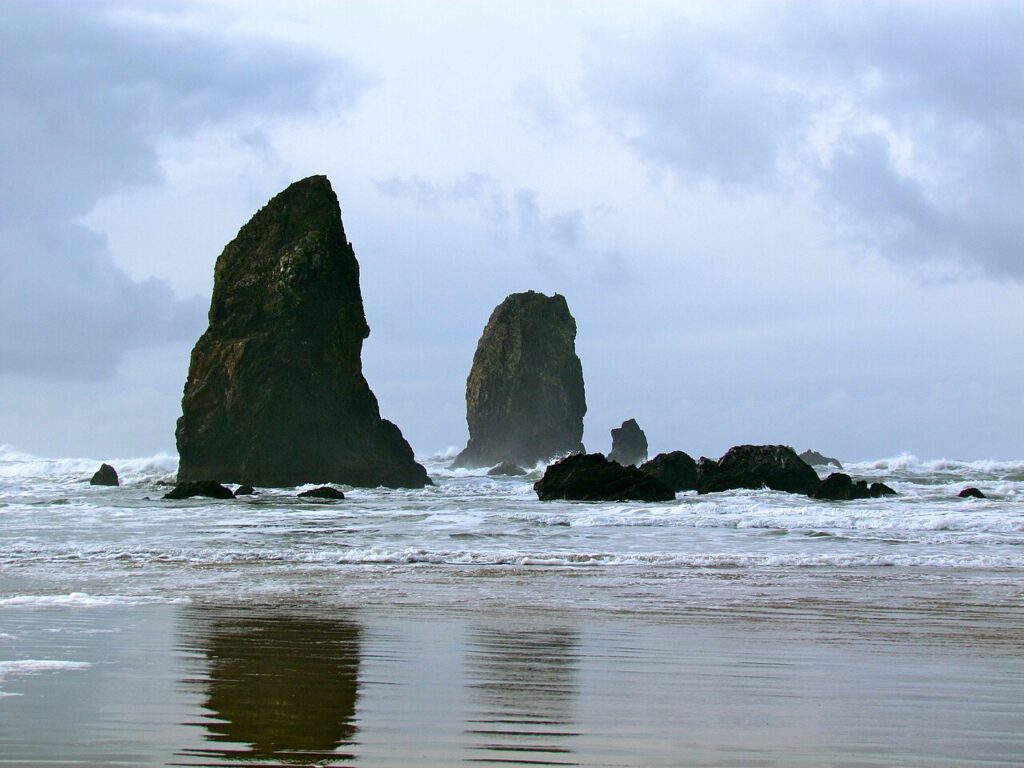
The Oregon Coast is a prime location for whale watching in February, especially for spotting gray whales. Located about 100 miles west of Portland, the coast offers several spots for both land-based and boat-based whale watching. Bring a jacket, hat, gloves, and binoculars to enhance your experience. A zoom lens on your camera will help you capture whales as they pass by.
Tour operators on the Oregon Coast offer 3-4 hour boat tours that provide up-close sightings of migrating gray whales. These tours depart from towns like Depoe Bay, known as the Whale Watching Capital of the Oregon Coast. Additionally, there are several accessible points along the coastline for land-based viewing. Whether on a boat or from shore, you can expect to see whales and other marine life along Oregon’s rugged coastline.
This article originally appeared on Avocadu.