
16 Best February Trips Where You Can See Waterfalls At Their Strongest
Waterfalls come to life in February, as the winter melt and rain make them stronger than ever. This time of year offers some of the best opportunities to see nature’s force in action. The combination of snowmelt and increased rainfall creates spectacular sights that you won’t want to miss.
This post may contain affiliate links, which helps keep this content free. Please read our disclosure for more info.
Niagara Falls, USA or Canada
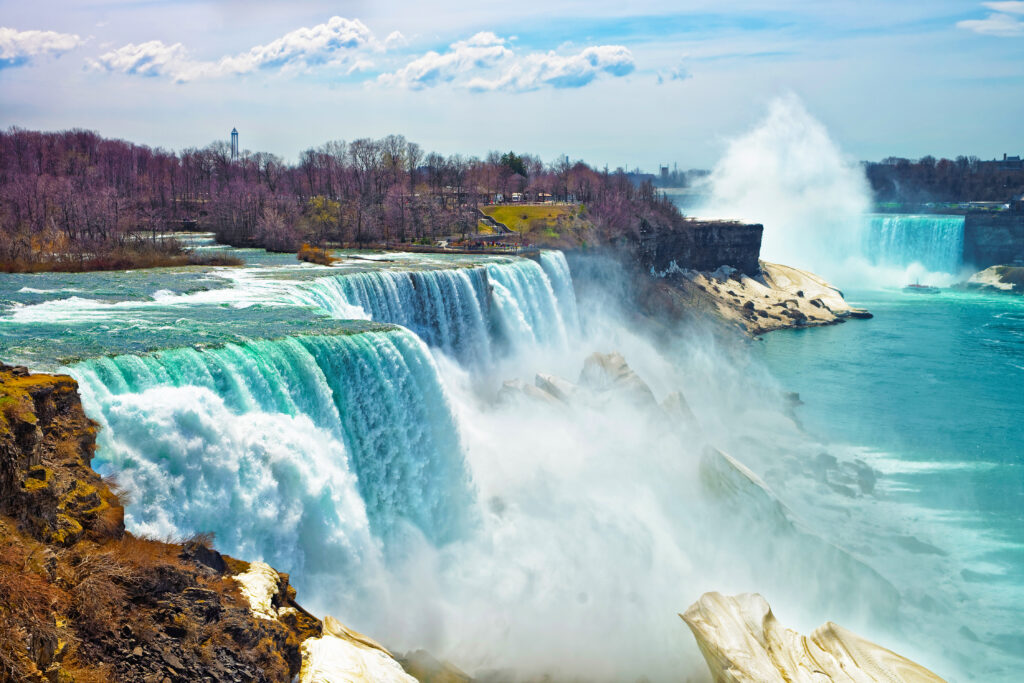
Niagara Falls is located on the border between the United States and Canada. In February, the falls are especially powerful due to the winter melt and frequent snowstorms. The icy mist surrounding the falls adds a mystical element to the scene, making it a great time for photography. You can enjoy the falls from observation decks on both the U.S. and Canadian sides.
Though winter temperatures can be freezing, the sight of the falls in full force makes it worth the chill. Be sure to bundle up as the winds can be quite strong. The frozen ice formations along the riverbanks add a unique winter beauty. It’s a perfect destination for those who enjoy dramatic landscapes and cold-weather adventures.
Iguazu Falls, Argentina or Brazil
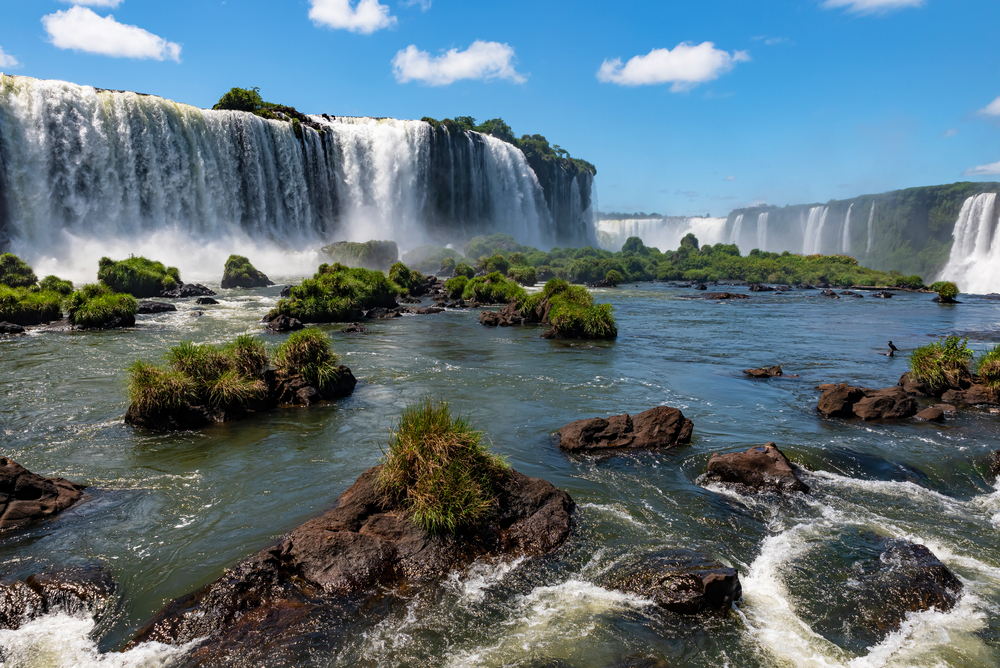
Iguazu Falls straddles the border between Argentina and Brazil and is one of the largest waterfall systems in the world. In February, the combination of seasonal rainfall and high temperatures makes the waterfalls roar with incredible strength. The falls are spread across two countries, offering different perspectives of this natural wonder. The surrounding lush rainforest adds to the spectacular backdrop.
The park offers plenty of walking trails that lead you to the best viewpoints. February is a great time to visit as the falls are especially full after summer rains. The mist and sound of the water are exhilarating, making it a memorable experience. The subtropical climate can be warm, so it’s best to stay hydrated during your visit.
Yosemite Falls, California, USA
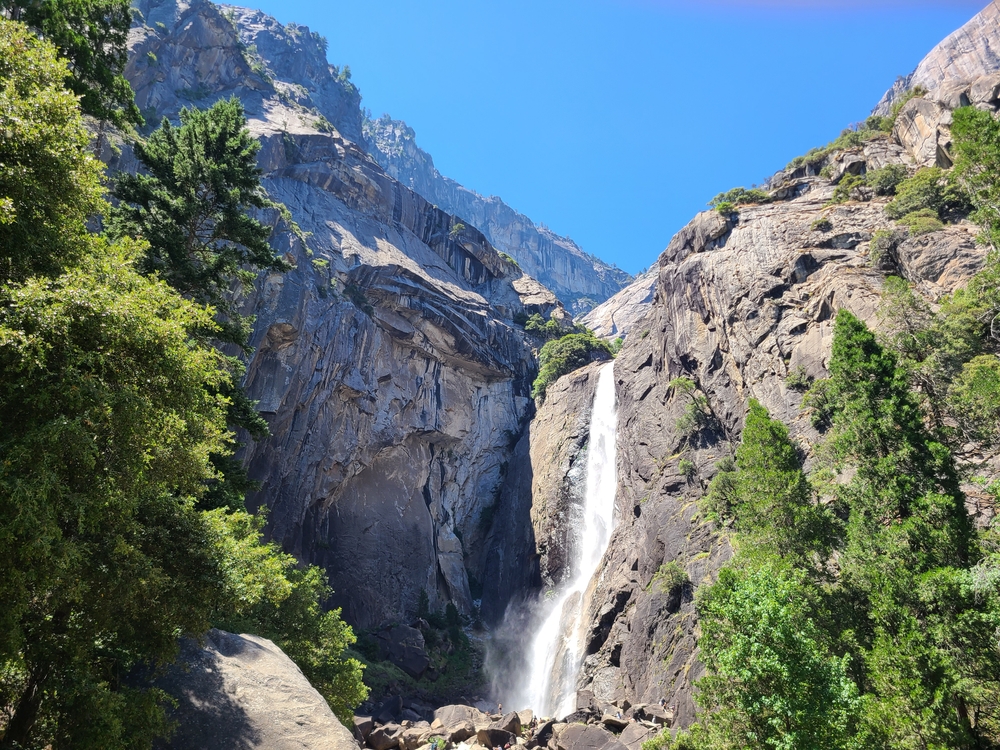
Yosemite Falls, located in California’s Yosemite National Park, is one of the tallest waterfalls in North America. In February, the snowmelt and colder temperatures bring the falls to their fullest. The sight of the powerful water cascading from the cliffs against the backdrop of snow-covered trees is breathtaking. You can reach the falls via short trails or enjoy the view from various viewpoints in the park.
Winter brings fewer visitors to the park, allowing for a more peaceful experience. The surrounding granite peaks make the falls even more impressive in the winter months. Be prepared for cold temperatures, especially near the falls, where the mist can freeze. A visit here in February offers a serene and powerful experience.
Plitvice Lakes National Park, Croatia
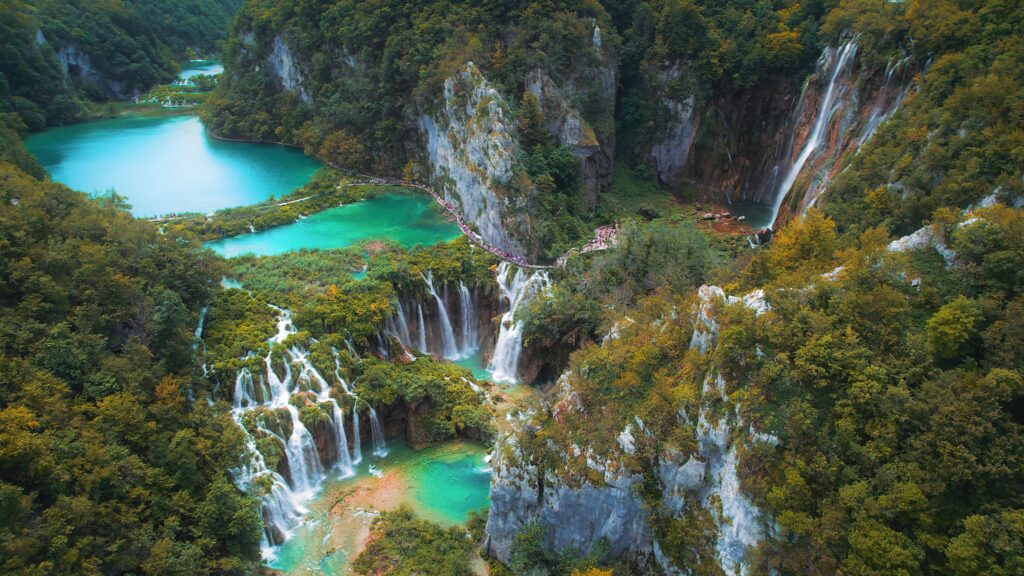
Plitvice Lakes National Park in Croatia is famous for its series of cascading waterfalls and crystal-clear lakes. February is the perfect time to visit, as the waterfalls are at their strongest due to winter rains and melting snow. The park’s walking paths allow visitors to get up close to the waterfalls, while the winter landscape offers a magical, snowy atmosphere. The frozen mist that coats the trees and rocks creates a fairytale setting.
During February, the crowds are smaller, allowing for a more tranquil visit. The winter months bring a unique beauty to the park as some lakes freeze over while others continue to flow. Be sure to wear sturdy shoes, as paths can be slippery. The park’s beauty in winter is unrivaled, with waterfalls and frozen lakes creating a striking contrast.
Victoria Falls, Zimbabwe or Zambia
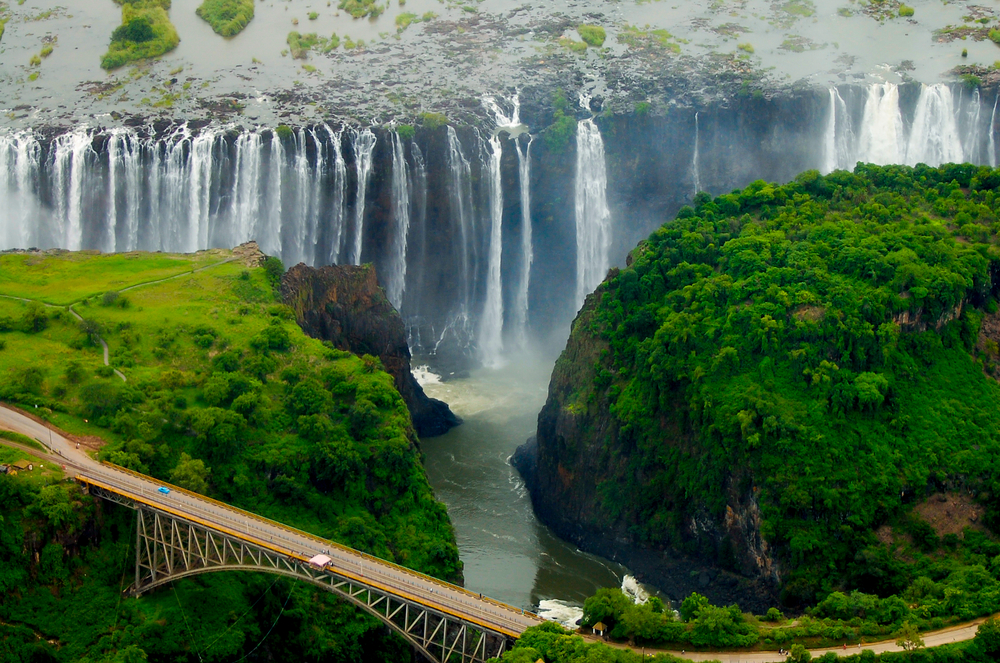
Victoria Falls, located on the border between Zimbabwe and Zambia, is one of the largest and most powerful waterfalls in the world. In February, the falls are at their strongest due to the rainy season, making for an awe-inspiring sight. The thunderous sound of the water crashing down is a defining feature of the experience. Viewing platforms on both sides of the border provide spectacular views of the falls.
The surrounding rainforest becomes lush and vibrant during the rainy season, adding to the overall beauty. Be prepared to get wet from the mist, which is especially powerful during the peak flow. February is a good time to visit as the falls are full, but the heat is still manageable. The falls’ impressive power is truly something to witness.
Havasu Falls, Arizona, USA
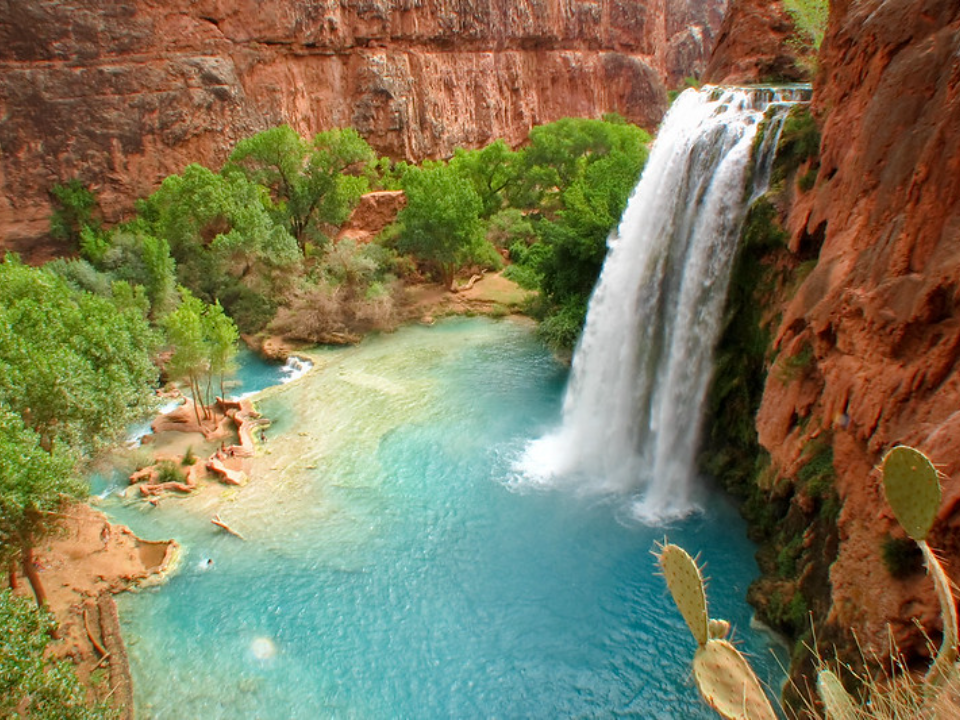
Located in the Grand Canyon’s Havasupai Indian Reservation, Havasu Falls is known for its stunning blue-green waters. The falls are especially full in February after the winter rains, making the waters flow stronger and faster. The hike to the falls is challenging but rewarding, as it takes you through the beautiful desert landscape before reaching the oasis-like pools. Once there, the sight of the falls surrounded by red rock cliffs is unforgettable.
Due to the remote location, February brings fewer crowds, giving you a peaceful experience. The falls’ bright blue color against the red rocks creates a striking contrast. Be prepared for a strenuous hike, and make sure to bring enough water. The experience is worth the effort, with the falls offering a serene escape in the desert.
Gullfoss, Iceland
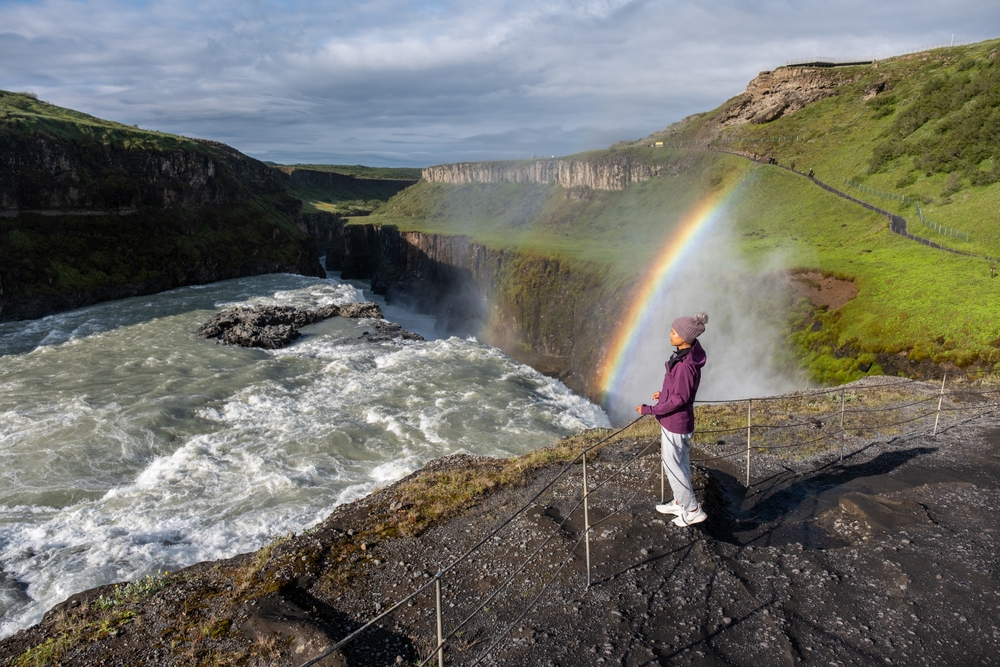
Gullfoss, also known as the Golden Falls, is located in Iceland and is one of the country’s most famous waterfalls. February’s cold temperatures and snowmelt cause the waterfall to flow with incredible strength. The sight of the water rushing into the canyon, surrounded by ice and snow, is mesmerizing. You can easily access the falls by car or from designated viewing platforms.
The cold winter temperatures can make the mist freeze into icicles, adding a magical touch to the scene. The surrounding landscape, covered in snow, enhances the dramatic effect of the falls. While visiting in February means fewer crowds, it also means braving colder weather, so warm clothing is a must. Gullfoss is a must-see for anyone visiting Iceland during winter.
Rhine Falls, Switzerland
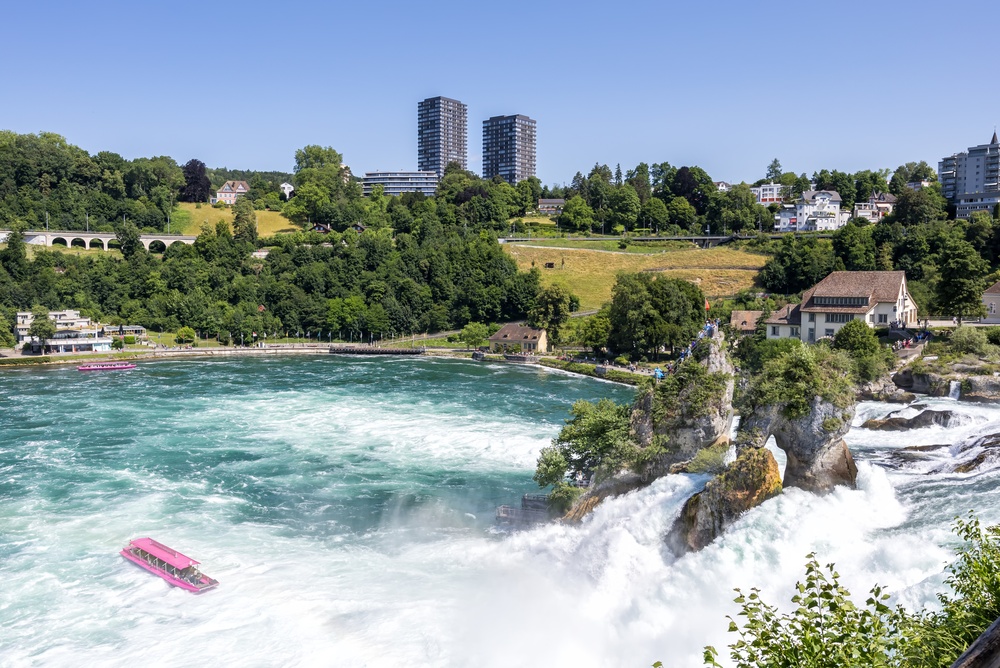
The Rhine Falls, located in Switzerland near the town of Schaffhausen, is the largest waterfall in Europe. During February, the combination of cold temperatures and water flow from the Alps makes the falls especially powerful. The sight of the massive water flow tumbling down is captivating, and the mist creates a beautiful effect around the falls. Viewing platforms offer stunning panoramas of the falls from different angles.
Though winter brings colder weather, it also means fewer tourists, so you can enjoy the falls in peace. The nearby town of Schaffhausen offers charming views and is a great spot to visit after seeing the falls. You can also take boat tours that bring you closer to the falls for a thrilling experience. The winter mist and snow create a surreal and beautiful atmosphere.
Kaieteur Falls, Guyana
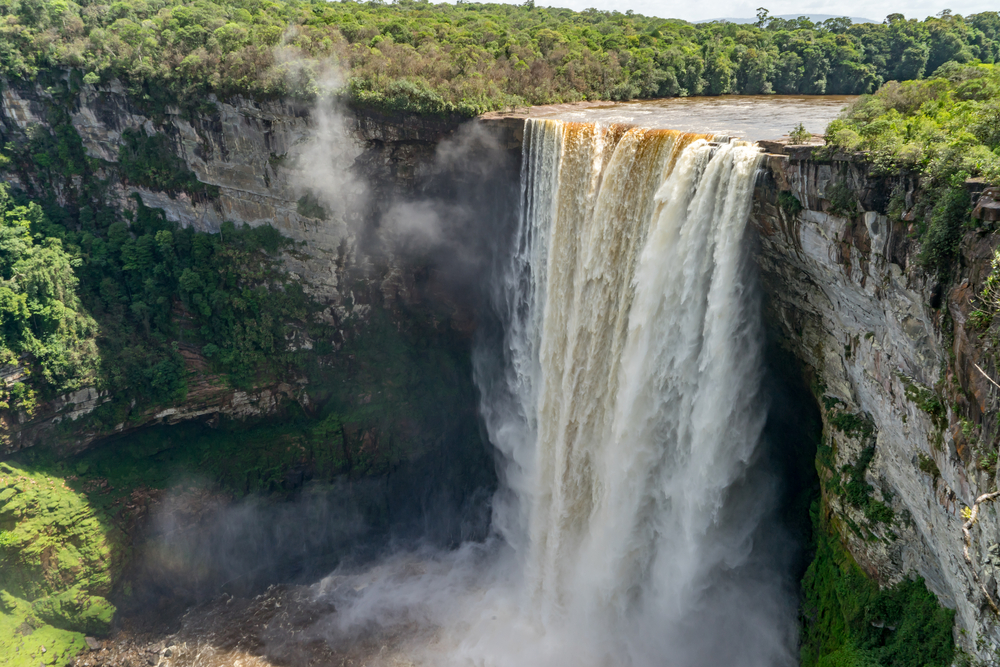
Kaieteur Falls, located in the heart of Guyana’s rainforest, is one of the tallest single-drop waterfalls in the world. February is an excellent time to visit as the falls are particularly strong due to the rainy season. The roar of the water plunging into the river below is a sound you will never forget. You can reach the falls by plane or a guided trek through the dense jungle.
The remote location means that visitors can experience the falls in their natural, untouched state. The surrounding rainforest adds to the dramatic setting, making it a truly unique destination. The hike to the falls requires some effort, but the reward is well worth it. If you’re looking for a raw, natural experience, Kaieteur Falls is the place to be.
Angel Falls, Venezuela
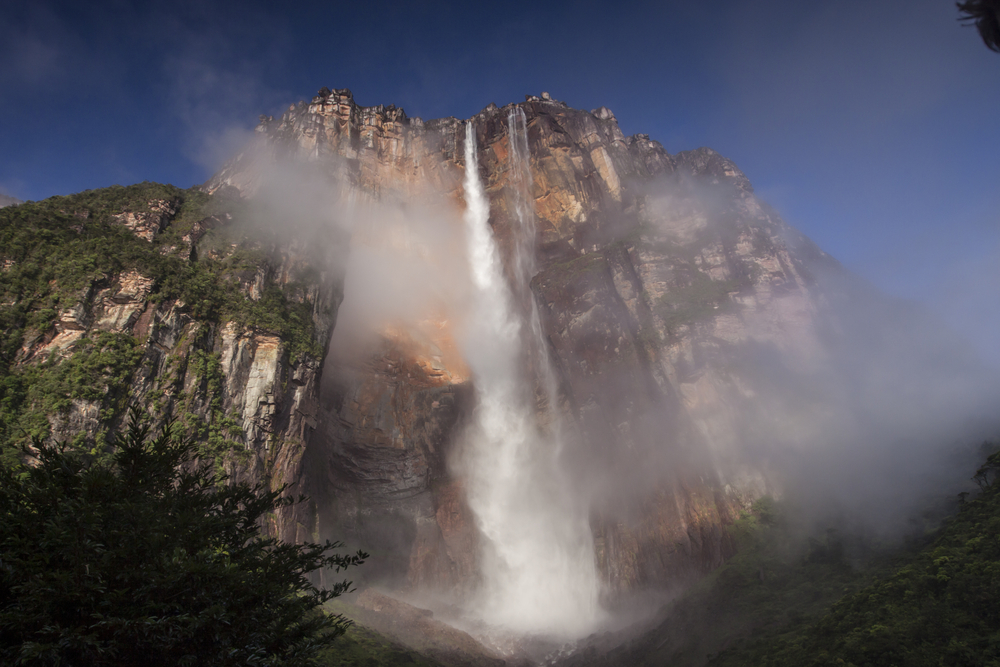
Angel Falls, located in Venezuela’s Canaima National Park, is the world’s highest uninterrupted waterfall. February is an ideal time to visit, as the falls are at their strongest following the rainy season. The sight of the water cascading from a height of nearly 3,300 feet is awe-inspiring. The falls are remote and accessible only by river, making the journey there part of the adventure.
Visiting Angel Falls offers an unforgettable experience of both natural beauty and adventure. The surrounding jungle is full of wildlife, adding to the magic of the falls. You can reach the falls by a boat ride along the Carrao River, followed by a hike. It’s a perfect destination for travelers looking for a truly remote waterfall experience.
Seljalandsfoss, Iceland
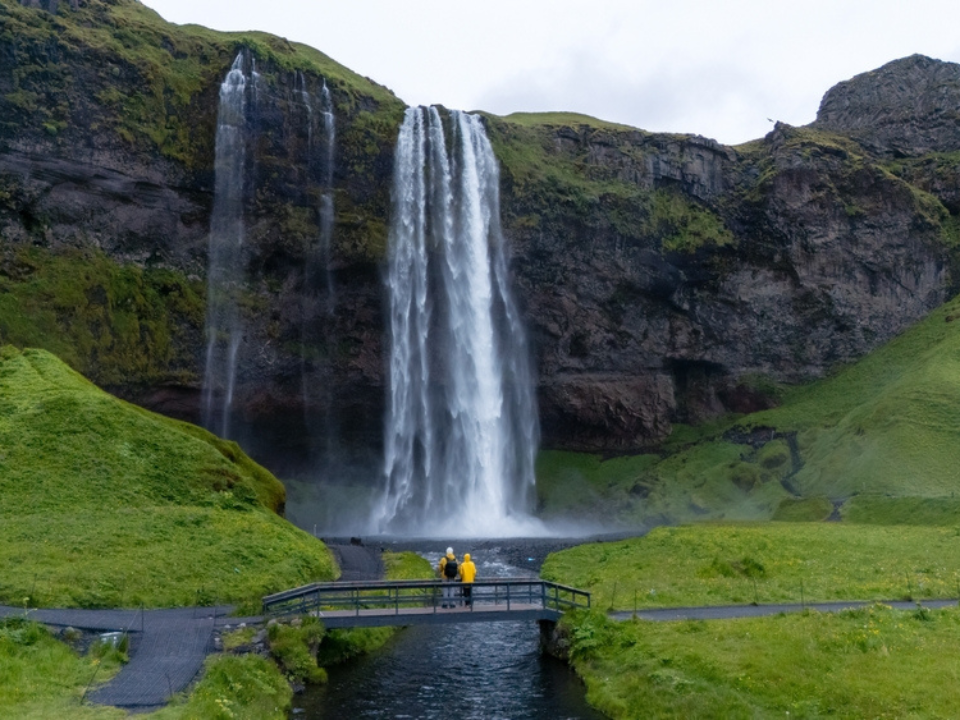
Seljalandsfoss is one of Iceland’s most famous waterfalls, known for its unique feature-visitors can walk behind it. February’s cold temperatures cause the waterfall to flow with full force, making it even more impressive. The winter scene, with ice formations around the falls and snow-covered surroundings, creates a picturesque setting. The waterfall is easily accessible from the main road, making it a popular stop for travelers.
Walking behind the waterfall allows for a unique view, though it can be slippery, so be careful. The mist from the falls freezes in the cold, adding a magical ice effect. With fewer crowds in winter, you can enjoy this natural beauty in peace. It’s a must-see for anyone visiting Iceland during the colder months.
Multnomah Falls, Oregon, USA

Multnomah Falls, located in the Columbia River Gorge, is Oregon’s tallest waterfall. February is a great time to visit, as the water flow is strong due to the winter rains and snowmelt. The falls are visible from several viewpoints, with the iconic bridge offering an especially stunning perspective. The surrounding trees and cliffs provide a dramatic backdrop for this powerful waterfall.
The winter months mean fewer tourists, giving you a more peaceful experience. The mist from the falls often freezes into beautiful icicles, creating a stunning winter wonderland. Be prepared for cold temperatures and icy paths when visiting during February. The waterfall’s beauty, especially with the snowy surroundings, is truly breathtaking.
Takakkaw Falls, Canada
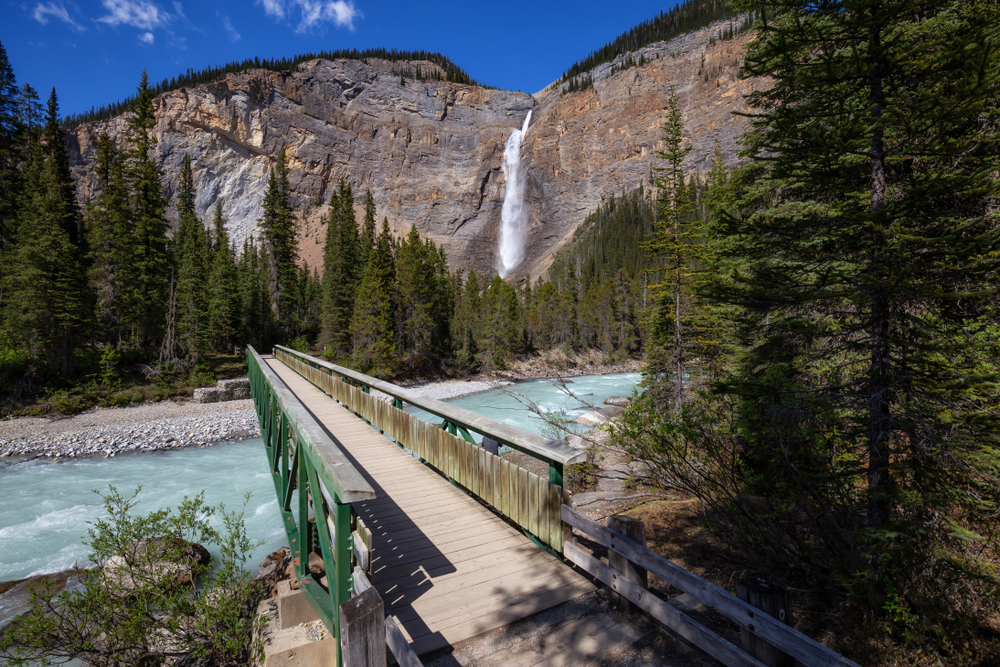
Takakkaw Falls, located in Yoho National Park in Canada, is one of the tallest waterfalls in the Canadian Rockies. In February, the falls are incredibly strong due to melting snow and seasonal rains. The falls’ sheer power and beauty can be enjoyed from several viewing platforms along the park’s trails. The surrounding snow-covered landscape makes it even more striking.
Though Takakkaw Falls is less accessible in winter, its beauty makes the effort worthwhile. The falls freeze in places, creating a unique contrast between the flowing water and ice. You can enjoy the falls from the designated viewpoint or take a guided hike for a closer look. A visit in February offers a quiet, peaceful experience with the falls in full force.
Sutherland Falls, New Zealand
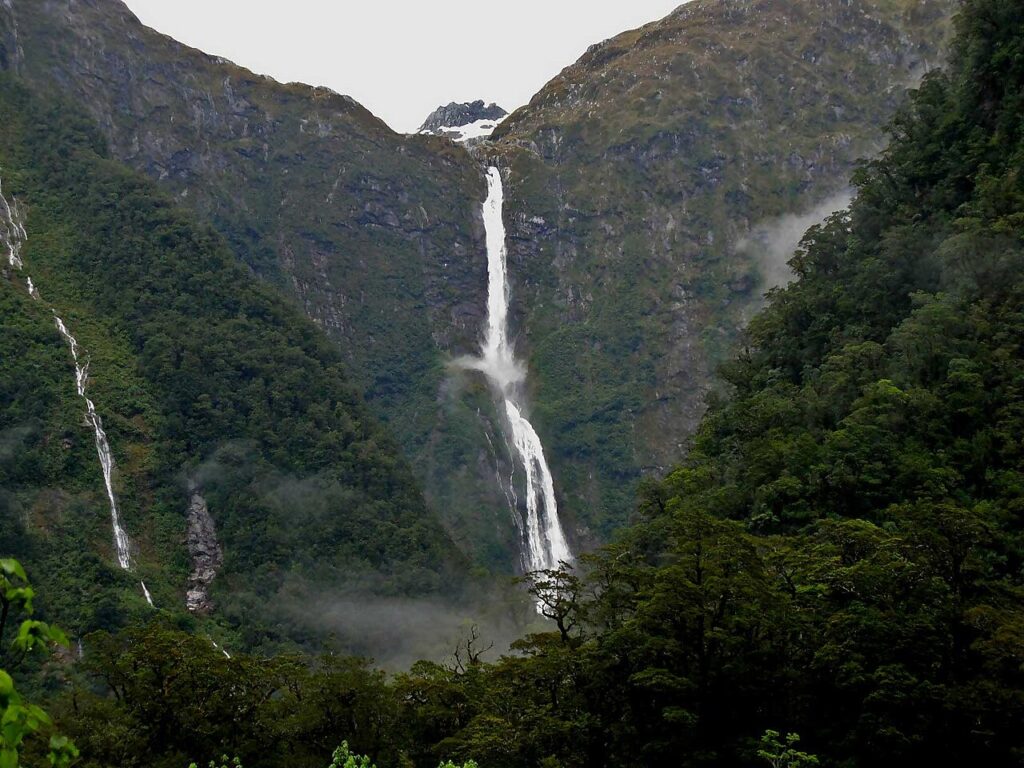
Sutherland Falls, located in Fiordland National Park, is New Zealand’s tallest waterfall. In February, after summer rains, the falls reach their full strength, creating a spectacular sight. The falls cascade from a height of over 1,900 feet, surrounded by lush rainforest and rugged cliffs. The waterfall is accessible by a beautiful hike, adding to the adventure of the experience.
This remote location offers a tranquil environment with minimal crowds. The stunning natural surroundings, with mist rising from the falls, create a perfect setting for photography. February is ideal for visiting, as the falls are particularly powerful after summer storms. If you enjoy hiking and breathtaking scenery, Sutherland Falls is a must-see.
Taughannock Falls, New York, USA
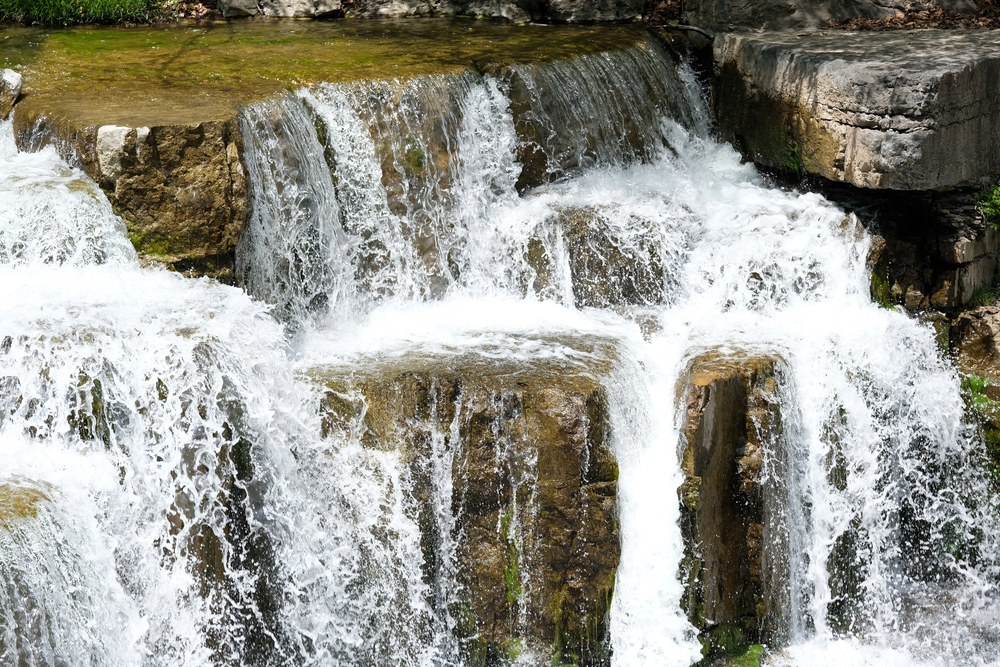
Taughannock Falls, located in Ithaca, New York, is one of the tallest waterfalls in the eastern U.S. In February, the falls flow vigorously due to winter rains and snowmelt, offering a powerful spectacle. The surrounding park provides several viewing spots where you can admire the falls from different angles. The frozen mist around the falls adds a wintery charm to the scene.
The falls are easily accessible via a short hike from the parking lot, making it a great option for visitors. February brings fewer crowds, allowing for a peaceful experience. The ice formations and snow-covered landscape create a serene atmosphere around the falls. It’s a perfect spot to enjoy nature’s beauty in winter.
Huka Falls, New Zealand
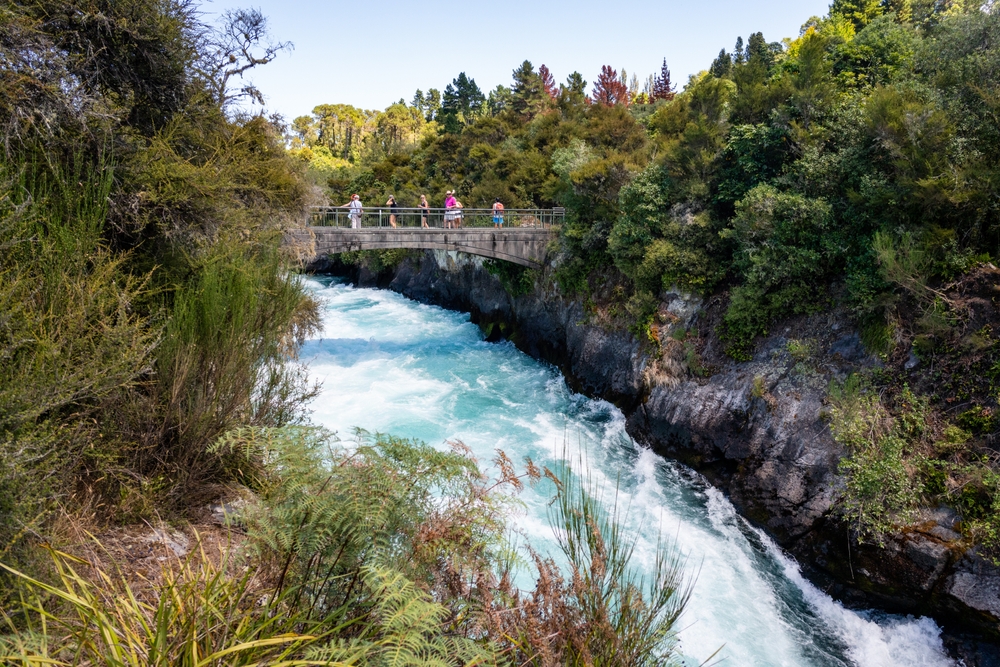
Huka Falls, located in Taupo, New Zealand, is known for its intense flow of turquoise water. In February, the falls are particularly strong due to the summer rains, making for a dramatic display of power. Visitors can get up close to the falls from various viewing platforms along the trail. The vibrant color of the water against the surrounding landscape is stunning.
The falls are easy to access and offer several viewing points. The powerful water flow creates a thrilling experience for visitors. The surrounding area is peaceful, and the vibrant scenery makes it ideal for photography. February is a great time to visit, as the falls are at their most dramatic.
This article originally appeared on Avocadu.