
12 Best Desert Trips In February With Clear Skies And Pleasant Hikes
If you love wide open spaces and quiet trails, February is the perfect month for desert exploration. The weather is just right, offering sunny days and cool nights, ideal for a hike. From towering sand dunes to rocky ridges, the desert offers breathtaking views. You can experience the magic of these landscapes while enjoying pleasant, mild temperatures.
This post may contain affiliate links, which helps keep this content free. Please read our disclosure for more info.
Joshua Tree National Park, California
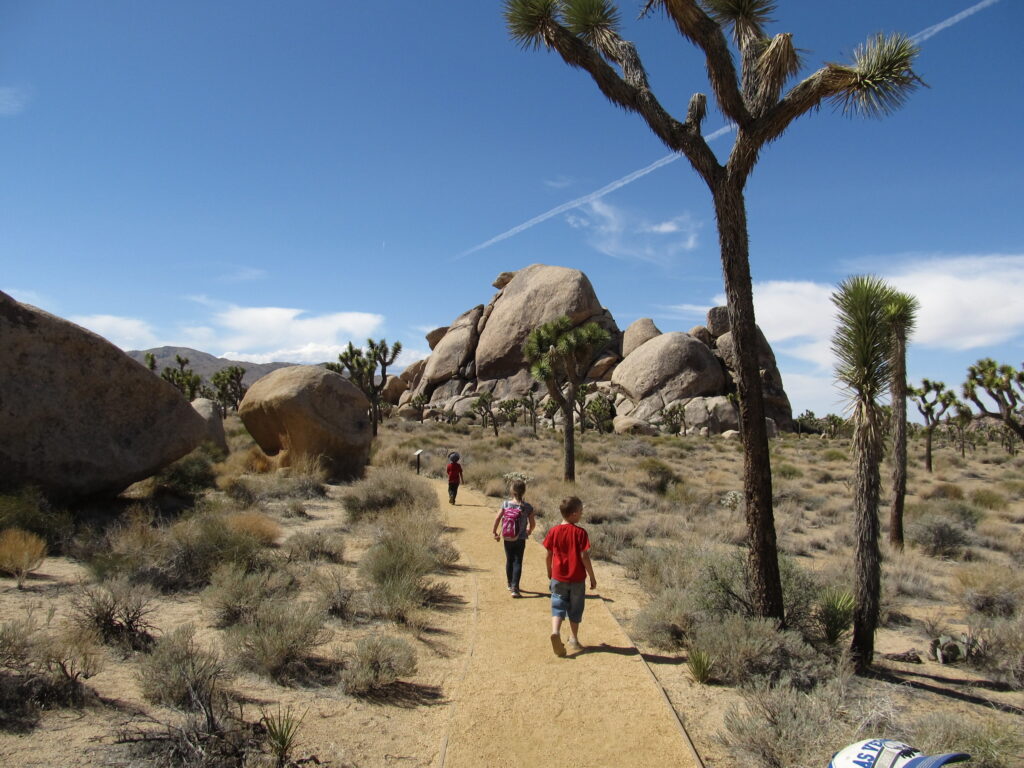
Joshua Tree National Park offers some of the most captivating desert landscapes in the U.S. February brings mild weather, perfect for hiking under the clear blue sky. The park is famous for its unique Joshua trees and striking rock formations, which are ideal for both scenic hikes and rock climbing. Popular trails, like Hidden Valley and Barker Dam, provide stunning views and a peaceful atmosphere, away from the summer crowds.
The mild temperatures make February an excellent time to experience the park’s diverse terrain, from easy walks to more challenging routes like Ryan Mountain. For a quiet desert escape, consider a sunrise hike for an unforgettable view. Be sure to visit the Cholla Cactus Garden for a unique desert experience. Whether you’re an experienced hiker or a beginner, Joshua Tree promises a rewarding adventure.
Death Valley National Park, California/Nevada
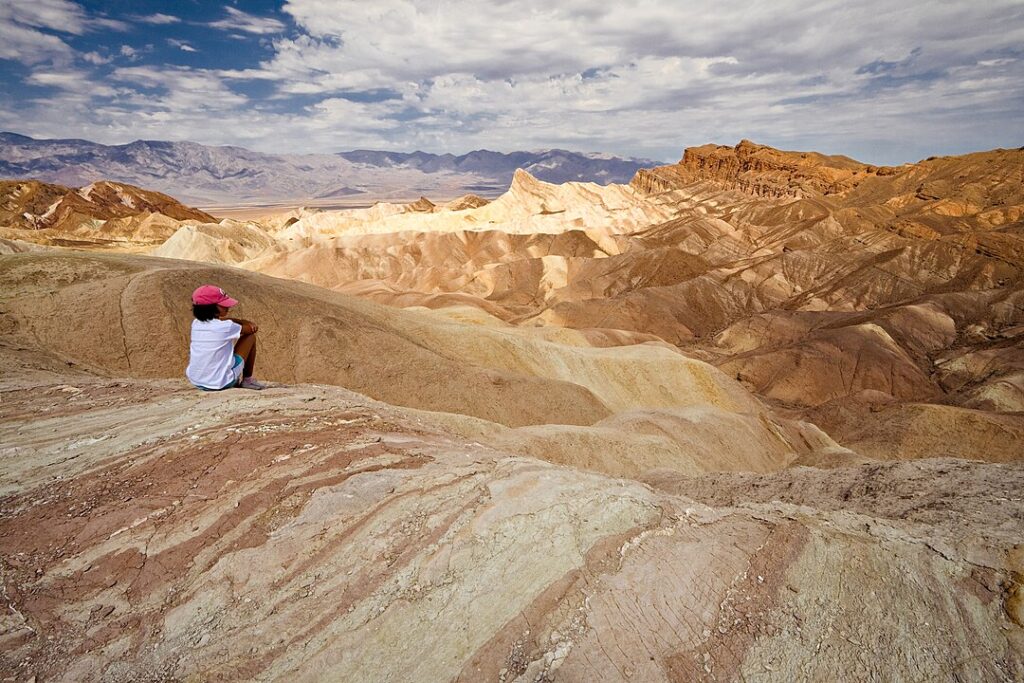
Known for being the hottest place on Earth, Death Valley is much more inviting in February. With temperatures ranging between 60 to 70 degrees Fahrenheit, it’s the ideal time to explore the park’s varied desert landscapes. The park’s vastness and dramatic scenery, including Badwater Basin (the lowest point in North America) and Dante’s View, make it a must-visit. Hikes like Golden Canyon and Gower Gulch provide fantastic views and a chance to appreciate the beauty of the desert’s natural formations.
In February, the park’s clear skies and cool weather make exploring accessible and enjoyable. Sunrise and sunset are particularly beautiful, as the light changes the colors of the desert floor. For those looking for an extra thrill, consider a hike to the Mesquite Flat Sand Dunes, where you can wander across expansive sand dunes. Death Valley offers an extraordinary desert experience that’s both serene and awe-inspiring.
Saguaro National Park, Arizona
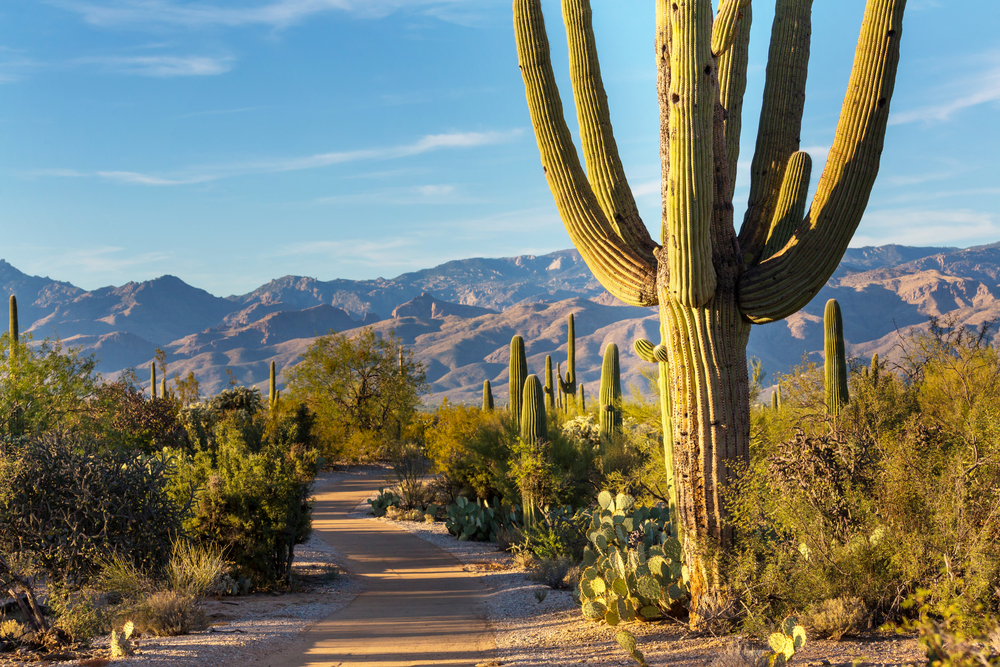
Saguaro National Park, home to the iconic saguaro cacti, provides a fantastic desert experience. February brings comfortable hiking conditions, with cooler temperatures that are perfect for exploring the park’s diverse trails. The park offers two districts, each with its own character. The Rincon Mountain District features higher elevations and great panoramic views, while the Tucson Mountain District is known for its scenic beauty and vast cactus forests. The Freeman Homestead Trail and Hugh Norris Trail offer moderate hikes with spectacular desert vistas.
This national park is an excellent place to spot desert wildlife, including birds, reptiles, and mammals. The towering saguaro cacti, which can live for over 200 years, add a unique touch to the landscape, making it a photographer’s paradise. Be sure to visit during the early morning or late afternoon, when the desert light enhances the scenery. Saguaro National Park in February is a perfect combination of pleasant hikes and awe-inspiring views.
Red Rock Canyon National Conservation Area, Nevada
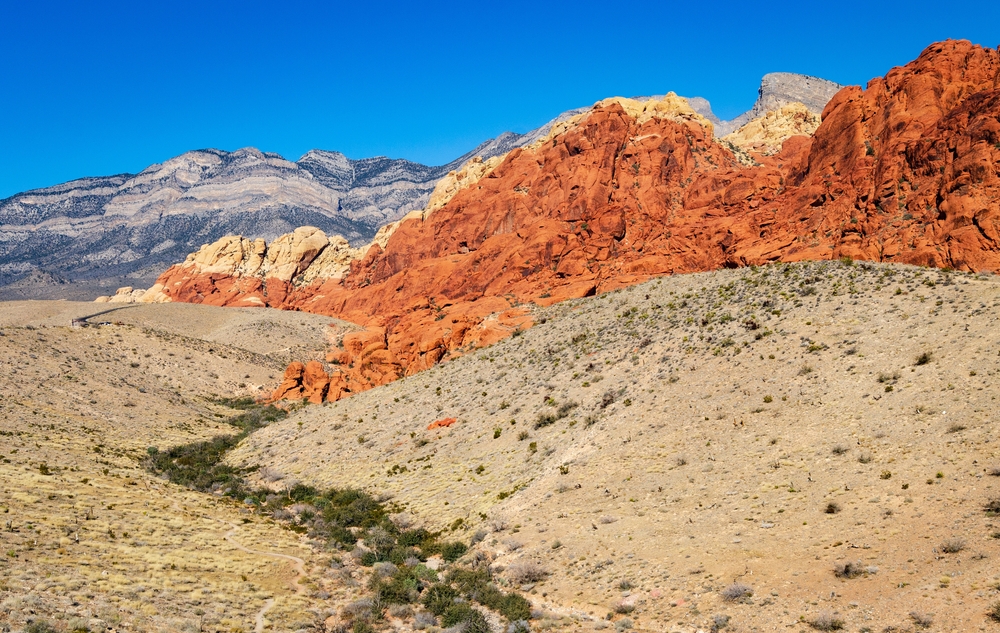
Just outside Las Vegas, Red Rock Canyon is a spectacular desert destination that offers clear skies and great hiking in February. The area is known for its striking red sandstone formations, which provide a stunning backdrop for hiking. Trails such as the Calico Tanks and Ice Box Canyon offer moderate hikes with breathtaking views of the canyon’s colorful cliffs. February’s cooler temperatures make hiking more comfortable, and the absence of summer heat means you can enjoy the area at your own pace.
The conservation area is also a haven for nature lovers, offering opportunities to spot desert wildlife, including bighorn sheep and desert tortoises. Don’t miss the chance to explore the 13-mile Scenic Drive, which takes you through some of the most picturesque spots in the park. With its rugged terrain and dramatic vistas, Red Rock Canyon is an ideal destination for hikers seeking a balance of adventure and tranquility. It’s a perfect escape from the crowds of Las Vegas.
The Namib Desert, Namibia

The Namib Desert, located in southwest Africa, offers one of the most unique desert landscapes in the world. February’s mild temperatures provide the perfect opportunity to explore the towering sand dunes, particularly the famous Dune 45, which stands at over 400 meters tall. Hiking in the Namib Desert is a surreal experience, where you can enjoy the vast expanse of sand stretching out in every direction. The early morning or late afternoon light makes the dunes glow, offering fantastic photo opportunities.
This desert is home to a number of rare plant and animal species that have adapted to the extreme conditions. Visitors can also explore Deadvlei, a white clay pan surrounded by the tallest dunes in the world, where ancient camel thorn trees stand as eerie remnants of a bygone era. Whether you’re interested in photography, nature, or simply the solitude of the desert, the Namib Desert offers an unforgettable adventure. Its otherworldly landscapes make it a must-see for desert enthusiasts.
Monument Valley, Arizona/Utah

Monument Valley is an iconic desert destination that showcases the beauty of the American Southwest. February provides clear skies and cooler temperatures, perfect for exploring the valley’s striking red sandstone formations. The valley is known for its iconic mesas and buttes, which have been featured in numerous Western films. Hiking in Monument Valley is a fantastic way to experience the rugged terrain up close, with trails like the Wildcat Trail offering stunning views of the valley floor.
This remote area offers a sense of tranquility and is rich in cultural significance for the Navajo people. Visitors can learn about Navajo history and culture through guided tours, or simply take in the breathtaking landscapes on their own. Monument Valley is especially beautiful at sunrise and sunset, when the colors of the desert landscape come to life. It’s a perfect desert trip for those looking to connect with nature and history.
Arches National Park, Utah
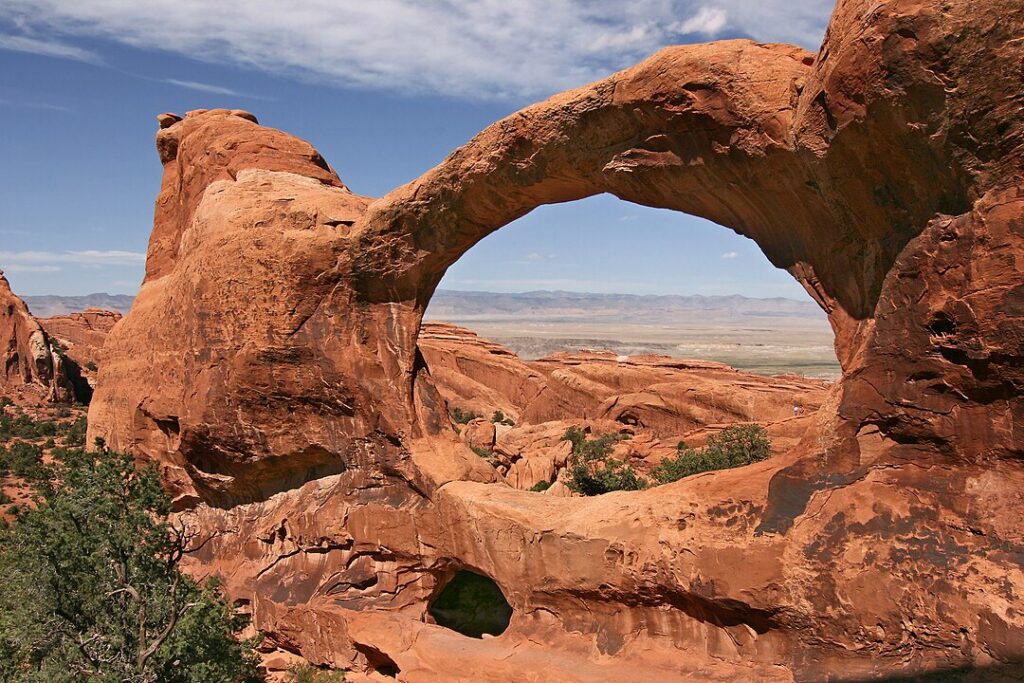
Arches National Park is famous for its stunning rock formations and unique sandstone arches. February provides perfect hiking weather, as temperatures are mild and the park is less crowded than during peak summer months. The park boasts over 2,000 natural stone arches, making it a hiker’s paradise. Popular trails such as the Delicate Arch Trail and Landscape Arch offer incredible views of these famous formations.
In February, the clear skies and cooler temperatures allow you to explore the park comfortably. The contrast between the red rock and the blue skies makes for some truly stunning photographs. Arches National Park is also home to a variety of desert wildlife, including foxes, bighorn sheep, and desert tortoises. It’s an excellent destination for those who want to experience the beauty of the desert without the crowds.
Canyonlands National Park, Utah
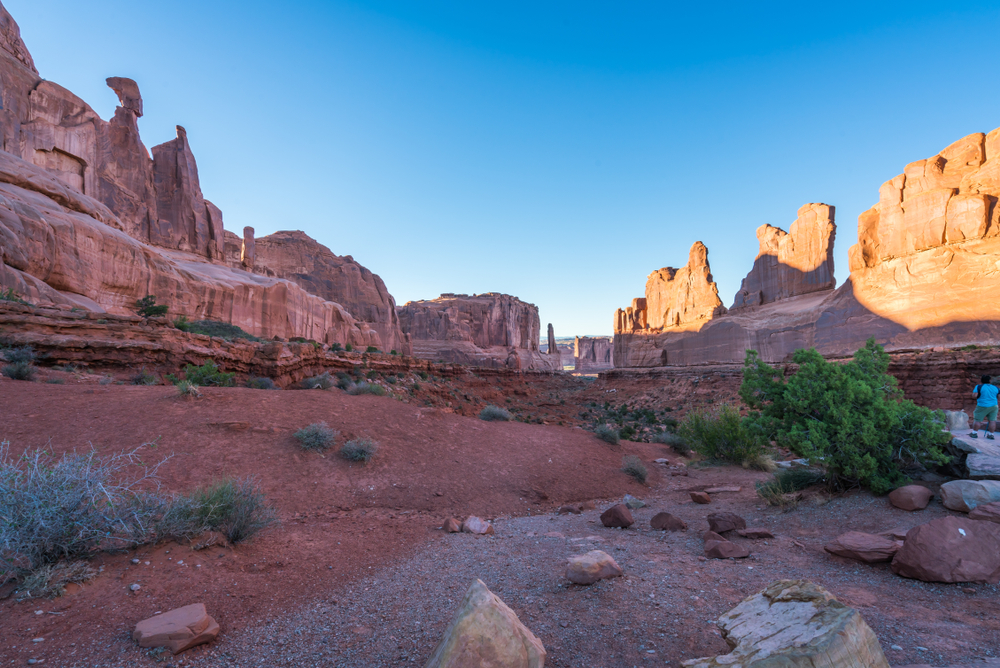
Canyonlands National Park, located in southeastern Utah, offers a diverse desert landscape with vast canyons and rock formations. February’s mild temperatures make it a great time to explore the park’s numerous trails, including the Island in the Sky and The Needles districts. The park is known for its rugged terrain, including deep canyons, mesas, and spires, making it a dream for adventurers and photographers. Hiking through the park’s colorful landscapes provides a sense of isolation and connection with nature.
Canyonlands is perfect for those who enjoy long, scenic hikes, and it offers an abundance of opportunities for stargazing due to its remote location. For a challenge, try the famous Grand View Point Overlook or the more strenuous Chesler Park Loop. Whether you’re hiking, mountain biking, or simply taking in the stunning views, Canyonlands National Park in February offers a perfect desert adventure. Its vastness and tranquility make it a true hidden gem in the desert.
Valley of Fire State Park, Nevada
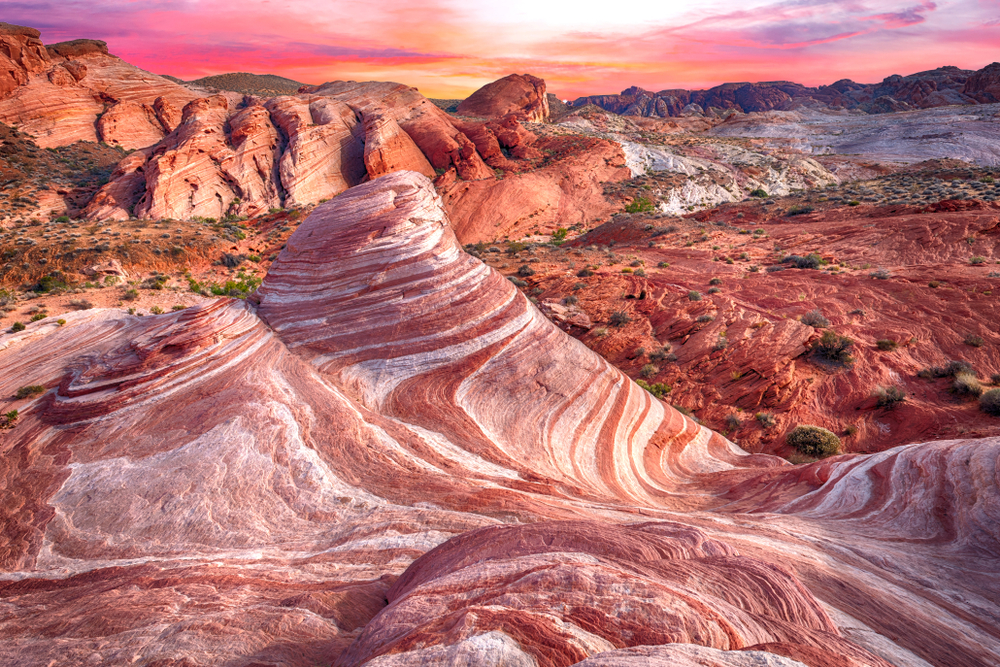
Valley of Fire State Park, located just an hour north of Las Vegas, offers striking red sandstone formations that look even more dramatic under the February sun. The park is known for its vibrant colors, especially during the early morning or late afternoon light. Hiking here is a wonderful way to experience the desert’s unique landscape, with trails like the Fire Wave Trail and White Dome Loop offering stunning views. The park’s cooler February temperatures make it ideal for exploring the rock formations without the summer heat.
Beyond hiking, Valley of Fire also has some fascinating petroglyphs left by ancient civilizations. The park’s vastness allows visitors to find peaceful spots away from the crowds, perfect for reflection or photography. The combination of red rocks, desert wildlife, and historical sites makes this park a great destination for those looking to immerse themselves in nature. February’s clear skies provide the perfect conditions for an unforgettable desert trip.
Wadi Rum, Jordan

Wadi Rum, located in southern Jordan, is one of the most beautiful deserts in the world. Known for its vast sandstone mountains and unique rock formations, the desert is perfect for those seeking an adventurous yet tranquil experience. February’s mild temperatures make it an ideal time to explore the valley by foot or on camelback. Visitors can hike to famous spots like Lawrence’s Spring or the Seven Pillars of Wisdom, which offer incredible views of the desert’s vastness.
The desert’s unique rock formations make Wadi Rum a photographer’s dream. This area also has rich cultural history, as it was once home to the Bedouins and has been featured in numerous films. For a truly special experience, take a jeep tour or spend a night under the stars in a Bedouin camp. Wadi Rum offers a rare combination of adventure and relaxation, making it a must-visit desert destination.
Death Valley National Park, California/Nevada
Death Valley National Park, located on the border of California and Nevada, is known for its extreme landscapes and incredible natural beauty. February offers the perfect weather for hiking, with temperatures that make exploring much more enjoyable than in the scorching summer months. Popular trails such as Golden Canyon and the Gower Gulch Loop provide access to the park’s stunning scenery, including colorful rock formations, salt flats, and towering sand dunes. The view from Dante’s View, at over 5,000 feet, offers a breathtaking panorama of the valley below.
February is an excellent time to visit Death Valley, as the park is typically quieter than during the summer rush. The cooler temperatures allow visitors to comfortably explore the vast desert landscape without the risk of heat exhaustion. This area also features incredible star-gazing opportunities at night, due to its remote location. Whether you’re a hiker, photographer, or stargazer, Death Valley offers an unforgettable desert experience.
The Atacama Desert, Chile

The Atacama Desert in northern Chile is one of the driest places on Earth, making it a unique destination for a desert adventure. February brings pleasant temperatures for exploring its otherworldly landscapes, including salt flats, volcanoes, and high-altitude lagoons. Popular hikes like those around the Valle de la Luna (Valley of the Moon) provide an opportunity to witness some of the most unique geological formations in the world. The clear skies make it an excellent location for stargazing, with the desert offering some of the best views of the Milky Way.
In addition to hiking, the Atacama Desert is known for its salt flats, thermal springs, and the vast emptiness that offers a sense of solitude and peace. Visitors can take excursions to places like the El Tatio geysers, which are particularly impressive in the morning light. February’s mild temperatures make it an ideal time to explore this desert without the intense heat that typically accompanies summer months. The Atacama Desert is a remarkable destination for those seeking adventure and tranquility in one of the most unique landscapes on Earth.
This article originally appeared on Avocadu.