
13 Best Compost Jobs To Do In February Even When It Is Cold
February might be chilly, but there are still plenty of composting tasks to keep your garden thriving. Whether you’re turning your compost pile or adding new ingredients, the cold months don’t slow down the process. It’s a great time to get ahead on preparing your compost for the warmer months. In this article, we’ll highlight simple tasks that can be done, no matter the weather.
This post may contain affiliate links, which helps keep this content free. Please read our disclosure for more info.
Turn Your Compost Pile
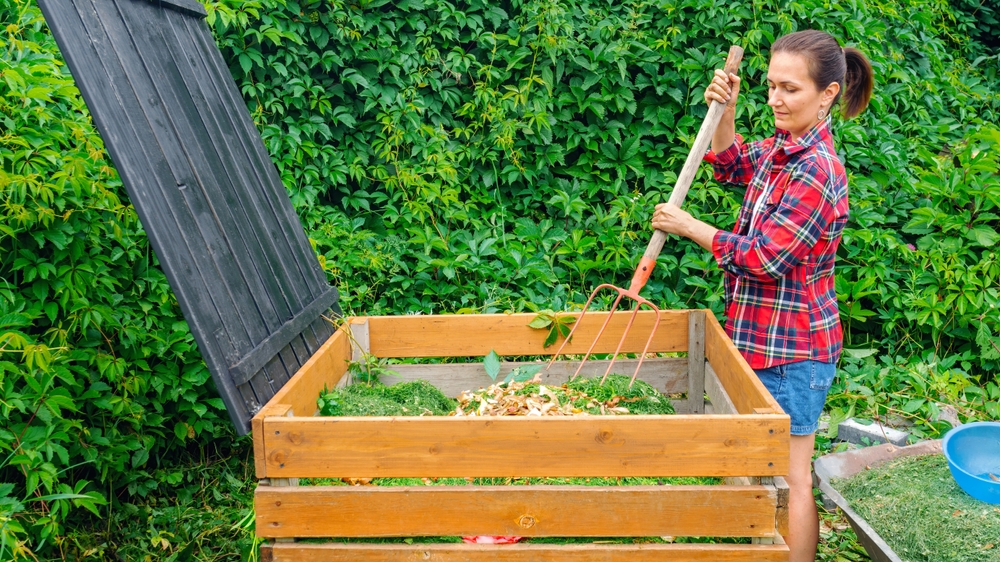
Turning your compost pile regularly is one of the most effective ways to ensure it decomposes properly, even in the colder months. During February, the composting process can slow down due to the drop in temperature, but turning the pile helps to introduce oxygen, which is essential for decomposition. This action also helps to redistribute the heat created by microbial activity, ensuring that the middle of the pile remains warm enough to continue breaking down organic matter. Even when it’s cold outside, the center of your compost pile can still be active, which helps keep the entire system working.
When turning your compost, be sure to check the moisture levels. The pile should be moist but not soaking wet, as excessive moisture can slow down decomposition and attract pests. If the pile feels too dry, add water gradually while mixing to maintain a balanced moisture level. A well-turned pile is key to keeping your compost healthy throughout the winter months, ensuring that it’s ready for spring planting.
Check Moisture Levels
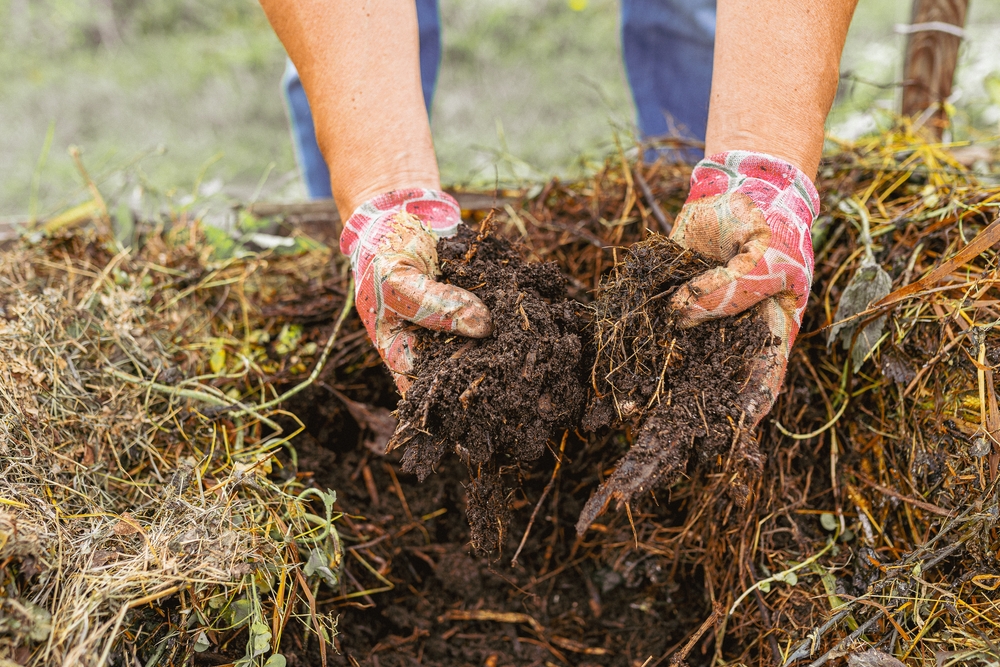
Maintaining proper moisture levels is essential for the composting process, especially during the winter when dry air can leave the pile too dry. Ideally, compost should be as damp as a squeezed sponge, which provides the necessary environment for microbes to thrive. In February, it’s common for compost piles to dry out due to the cold, so it’s crucial to monitor moisture levels more closely. If your compost pile feels dry, slowly add water and mix it in to achieve the right consistency.
On the other hand, too much moisture can result in a soggy pile that is prone to foul odors. If your compost has become too wet, add dry materials like leaves, straw, or cardboard to absorb the moisture. Keeping the pile balanced will help you maintain an active and healthy compost that continues to break down organic materials throughout the winter. Regular checks ensure that the composting process remains efficient, even in February’s cold weather.
Add More Green Materials
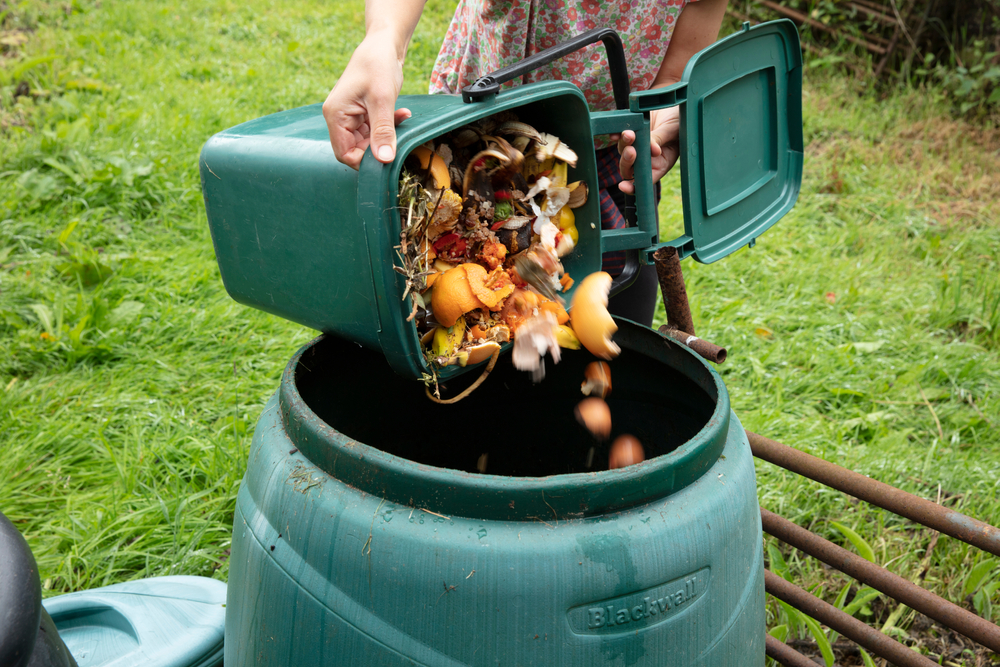
Green materials, such as kitchen scraps, coffee grounds, or fresh grass clippings, are rich in nitrogen and essential for a balanced compost pile. While February might not offer much fresh plant material, you can still add food scraps, leftover vegetable peels, or other green waste from your kitchen. These materials encourage microbial activity and help keep your compost pile active during the slower winter months. Adding green materials in small amounts throughout the month helps maintain the right nitrogen-to-carbon ratio, which is essential for efficient decomposition.
It’s important to mix these green materials well with other compost ingredients to ensure they break down evenly. If you have access to any winter-grown greens, such as lettuce or spinach, you can add them as well. Even in February, these small additions keep your compost healthy, helping it stay active despite the colder temperatures. Keep monitoring the pile, adding more green materials when necessary, and you’ll have a rich, nutrient-dense compost ready for spring.
Shred Larger Items
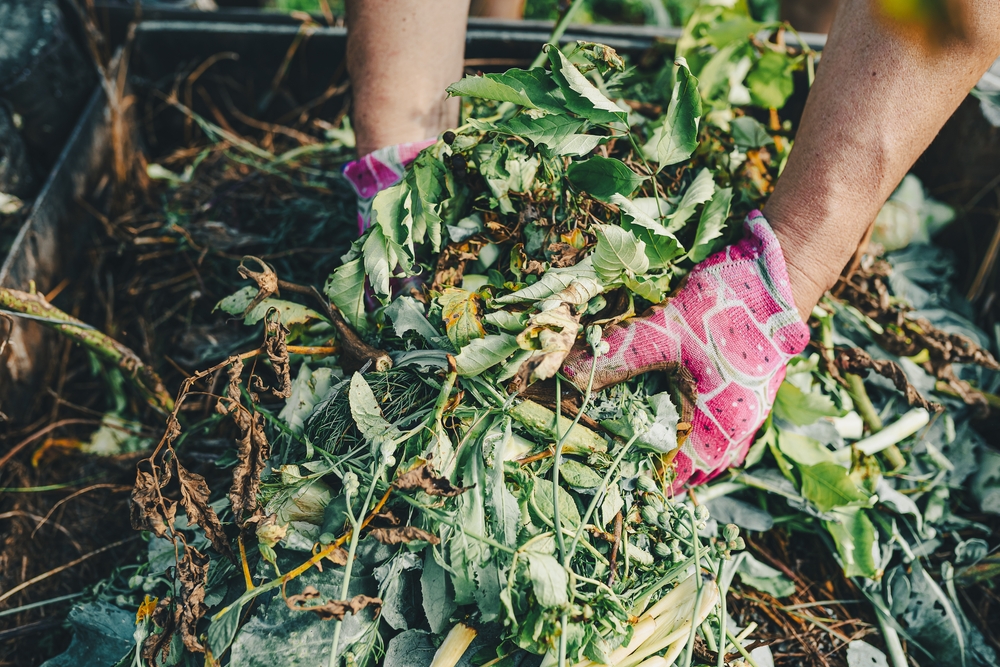
Larger compost materials, like branches, thick stems, and leftover vegetable scraps, can take longer to break down, especially in the cold weather. To speed up the process, take time in February to shred or chop up these materials before adding them to your compost pile. Smaller pieces decompose faster, allowing microbes to break them down more efficiently. If you have access to a shredder or garden shears, use them to break up tough materials like large tree branches or thick stems from your garden.
In addition to speeding up decomposition, shredding also improves the airflow within the compost pile. Proper airflow is essential for keeping the microbes alive and healthy, which is especially important when the pile’s temperature is lower during the colder months. By shredding and cutting larger items into smaller pieces, you’ll improve the overall structure of your compost, allowing it to decompose evenly and quickly throughout February.
Monitor Temperature
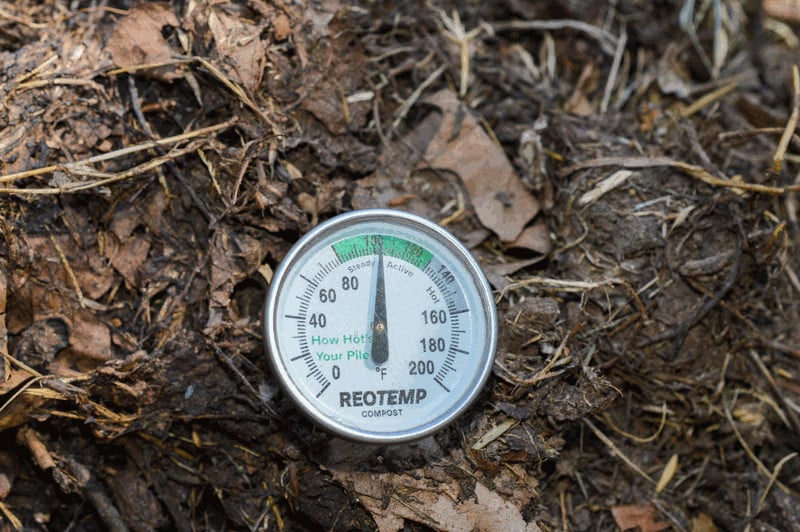
While it might be chilly outside, the temperature in your compost pile can still remain warm due to microbial activity. February is a good time to monitor the temperature of your compost, as this is when it can fluctuate due to the cold weather. A healthy compost pile should be between 130 and 160 degrees Fahrenheit, and if it falls outside of this range, it could slow down the decomposition process. By checking the temperature regularly, you’ll know when it’s time to turn the pile or add new materials to keep the microbes active.
If your compost pile is too cold, you can help by adding more green materials or insulating the pile with straw or leaves. Insulation helps trap heat and moisture, providing a warm environment for the microbes to thrive. Keep an eye on the temperature, especially as the cold weather persists. Ensuring your compost stays warm enough will help it break down efficiently, even in February’s freezing temperatures.
Add Manure
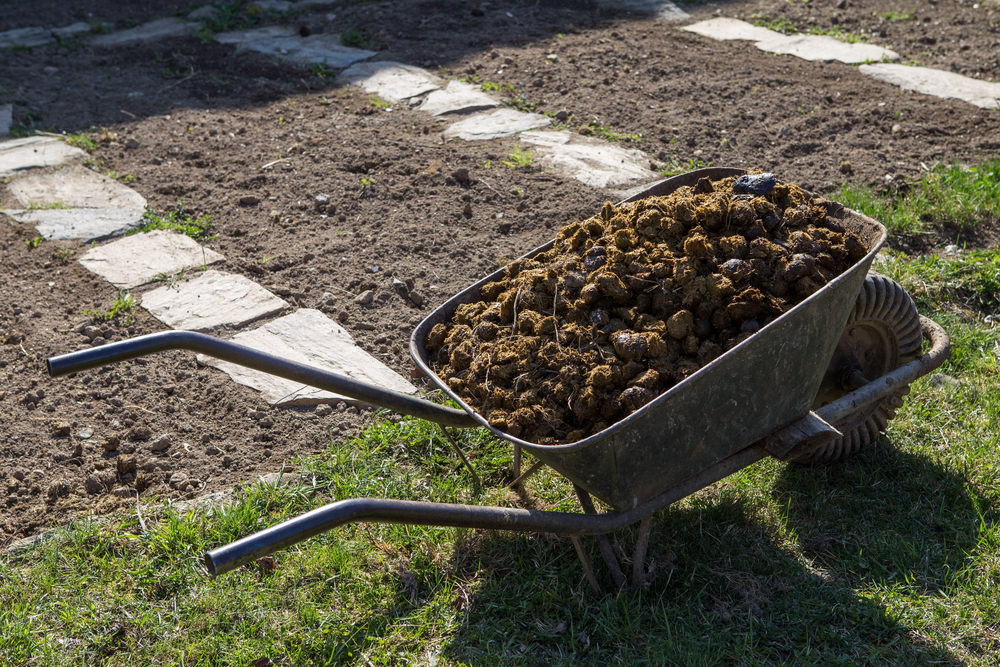
Animal manure is a valuable addition to your compost pile during February. It is rich in nitrogen and can help jumpstart the decomposition process, which can slow down in colder weather. Well-aged manure, such as that from chickens, cows, or horses, provides an excellent source of nutrients that accelerates decomposition and improves the overall quality of the compost. Simply add manure in layers, mixing it thoroughly with other compost materials to keep the pile balanced.
Keep in mind that fresh manure can be too hot for compost, so it’s important to use well-aged manure. A small amount is sufficient to provide the necessary nitrogen boost. The warmth from the manure also helps to keep the compost pile at a higher temperature, even when the weather is cold. This addition can keep your compost pile working efficiently, ensuring it’s ready for planting season when the temperatures rise.
Avoid Adding Meat or Dairy
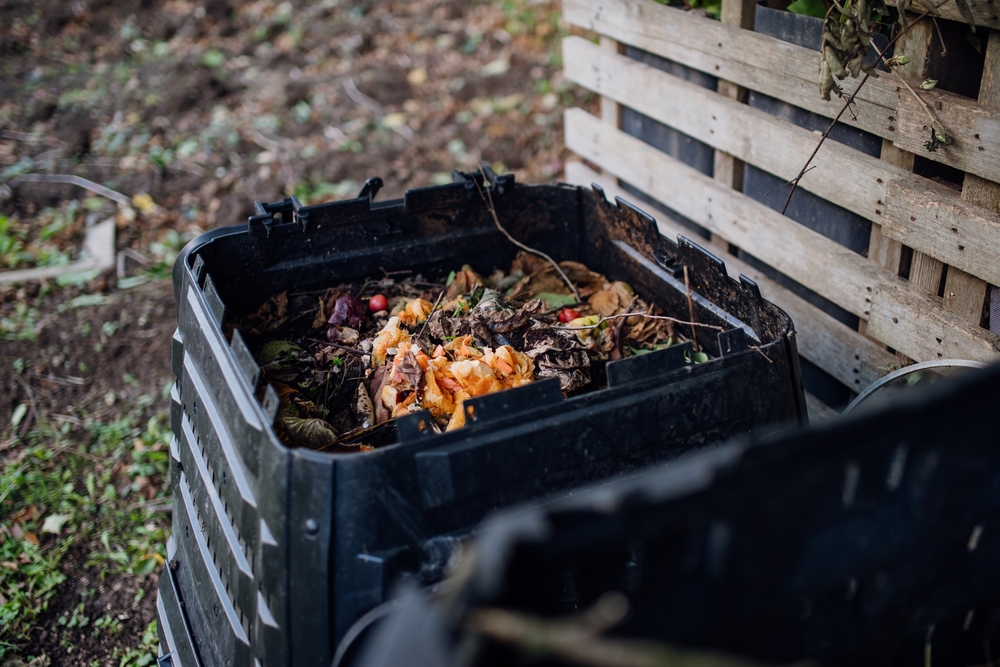
Though it may seem tempting to add all kitchen scraps to your compost, it’s important to avoid adding meat, dairy, or oily foods, even in winter. These materials can cause unwanted odors and attract pests, such as rodents and flies, which are not only bothersome but can also disrupt the composting process. In cold weather, meat and dairy break down much more slowly, which means they could sit in the pile for months without decomposing fully. Stick to fruit and vegetable scraps, coffee grounds, and eggshells, which break down much faster and more easily.
If you accidentally add these materials, be sure to remove them as soon as possible. Keeping your compost pile free from meat and dairy will help maintain a healthy environment for decomposition, preventing any issues with pests or slow breakdown. It’s a simple but important step to ensure your compost remains efficient and odor-free.
Use a Compost Bin for Better Insulation
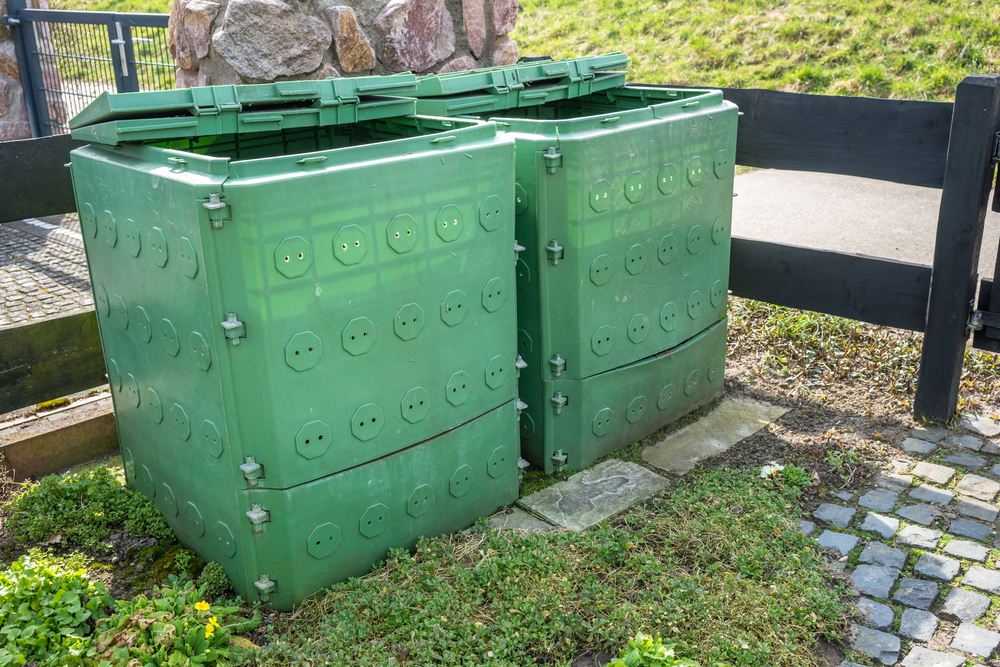
A compost bin can be a helpful tool in February, providing better insulation for your compost pile during the colder months. Compost bins help retain heat and moisture, which can be lost more easily in an open pile during winter. The walls of the bin help protect the compost from wind and cold temperatures, allowing it to stay warmer and more active throughout the season. If you don’t have a compost bin, consider building one from materials like wood or plastic to help contain your compost.
While compost bins are beneficial, remember to still turn the pile occasionally and monitor moisture levels. Insulation keeps the compost warm, but it doesn’t replace the need for regular maintenance. By using a bin, you’ll create an environment that encourages healthy microbial activity, even when it’s cold outside.
Add Carbon-Rich Materials
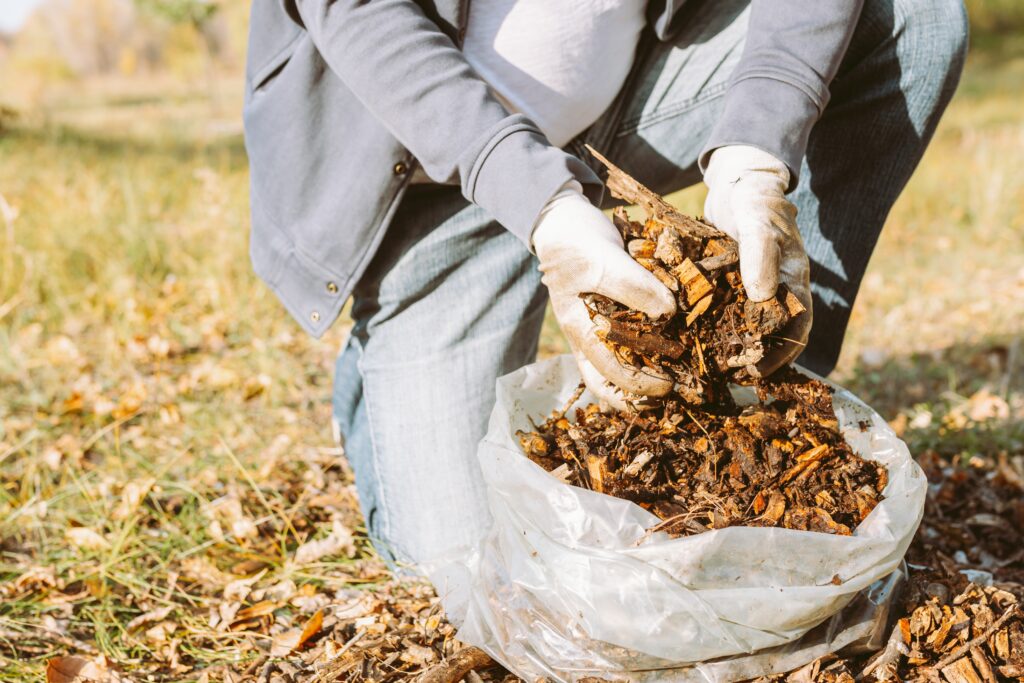
Carbon-rich materials like dry leaves, straw, wood chips, and shredded paper are essential for balancing the nitrogen-rich materials in your compost pile. In February, when you might be adding more kitchen scraps or green materials, it’s important to balance them with carbon materials. These brown materials help provide structure to the compost, improving airflow and allowing microbes to break down materials efficiently. Adding a good mix of carbon-rich materials helps prevent the pile from becoming too wet or too nitrogen-heavy.
Sprinkle carbon-rich materials in layers with green materials to create the best balance for decomposition. These materials break down slowly, helping to keep the compost pile at a manageable consistency. The added carbon also prevents any foul odors from forming and helps keep your pile active through the colder months. Keep adding small amounts regularly to keep the compost healthy and balanced.
Chop Up Large Branches

Pruning and trimming your trees and shrubs in February can leave you with a lot of large branches. While these can be composted, they take a long time to break down, especially in the winter when decomposition slows. To speed up the process, chop up these larger branches into smaller pieces before adding them to the compost pile. The smaller the pieces, the faster they will break down, allowing your compost pile to decompose more quickly and evenly.
Smaller pieces also create more air pockets in the pile, which improves airflow and speeds up decomposition. If you have a garden shredder, this task becomes much easier, as it can handle larger branches and tougher plant material. Adding chopped-up branches to the pile will help balance out the green materials and keep the compost pile well-structured for efficient decomposition.
Start New Compost Bins for Spring
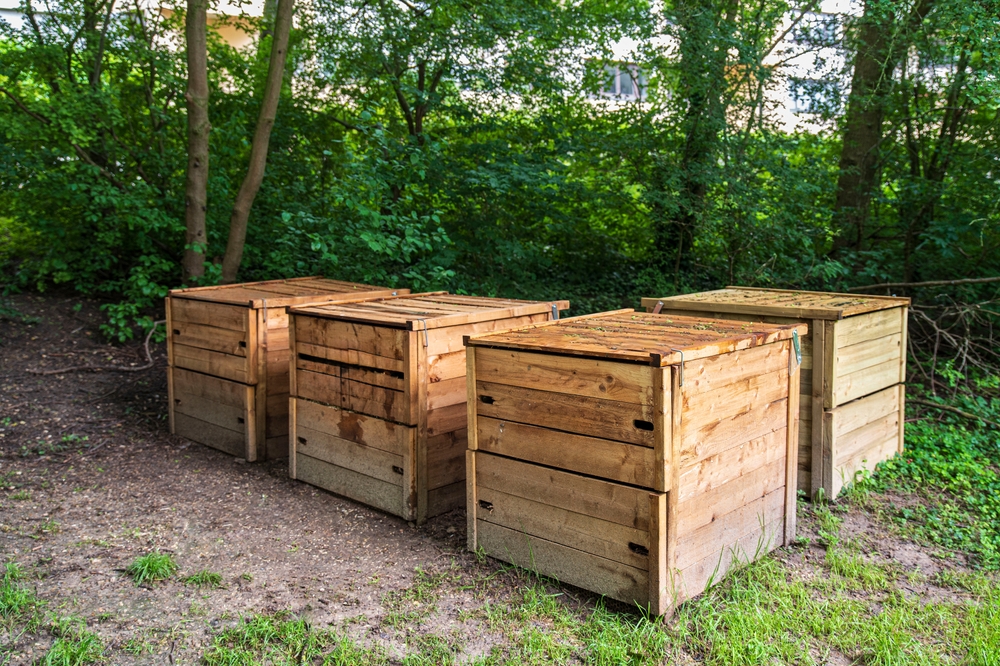
February is an ideal time to prepare for the upcoming gardening season by setting up new compost bins. If your current composting system is overflowing or you anticipate more yard waste come spring, creating new bins can help you stay organized. Adding a fresh bin allows you to keep compost materials separate, giving you space to manage different types of organic waste. For example, you can start one bin for green materials and another for brown materials, allowing each to break down at different rates.
You can build a simple compost bin with materials like wood pallets, wire mesh, or recycled plastic. Make sure the bins are placed in a sunny or partially shaded spot where they will stay warm but not too hot. New bins are an easy way to prepare for the busy composting season, and getting them set up in February will give you a head start for spring’s green waste. They also make it easier to rotate your compost in a more controlled way.
Add Worms to the Pile
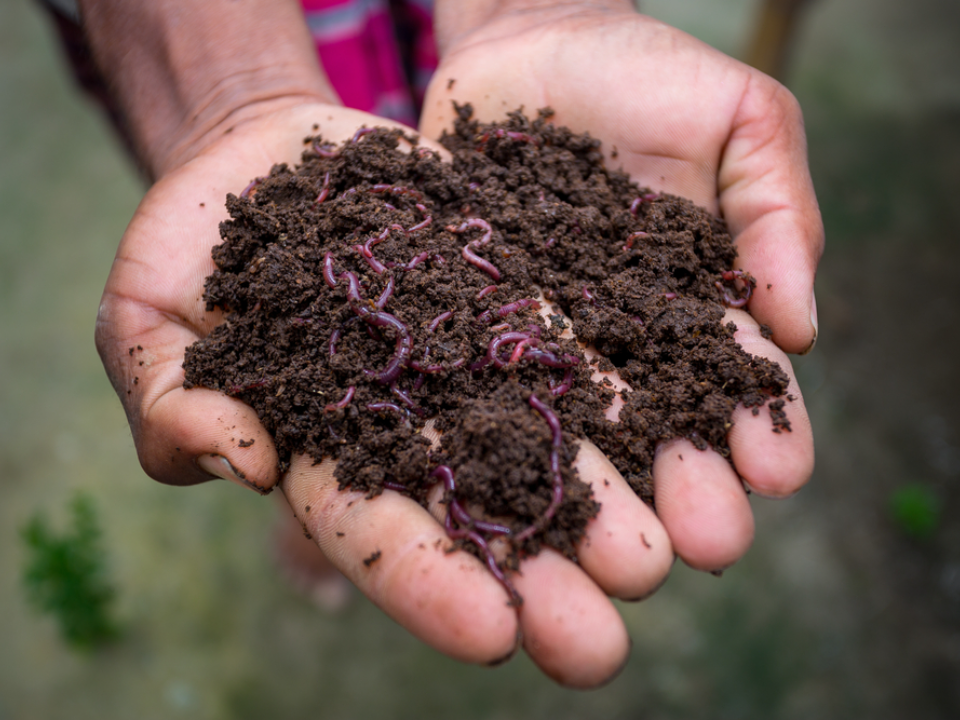
Adding worms to your compost pile can help increase the rate of decomposition, even in colder temperatures. Worms are natural decomposers that break down food scraps and organic material into rich, dark compost. While worms are less active in cold weather, they can still continue to process material if the temperature is mild enough. If your compost pile has been active throughout the winter, you may want to introduce worms to help improve the texture and nutrient content of the compost.
Make sure the compost is not too cold or frozen, as worms require a certain amount of warmth to stay active. Adding worms in February can help prepare your compost for the spring, as they will start to multiply as temperatures rise. The worms will create rich, worm castings that provide valuable nutrients for your garden soil. It’s a simple addition that can make a significant difference in the quality of your compost.
Check for Compaction
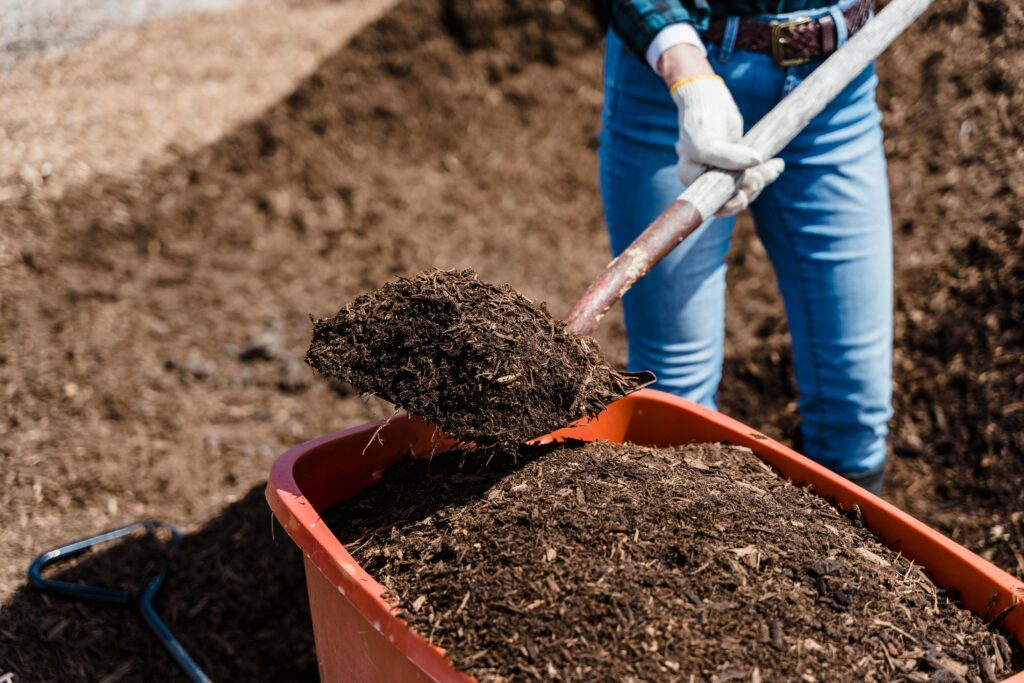
Over time, compost piles can become compacted, especially in the colder months when materials break down more slowly. Compacting can prevent proper airflow, which slows down decomposition. In February, it’s important to check your pile for compaction and loosen it if needed. Use a pitchfork or compost aerator to break up any dense, tightly packed areas. This will help restore airflow, allowing microorganisms to thrive and break down organic materials more efficiently.
In addition to preventing compaction, turning the pile regularly keeps the structure from becoming too dense. Aerating the compost in February ensures that the pile remains healthy, even when microbial activity has slowed down due to the cold weather. This process is easy to overlook, but it plays a key role in maintaining the proper environment for decomposition, especially during winter.
This article originally appeared on Avocadu.