
13 Best At Home Cuticle Oils And Nail Treatments For Peeling Winter Nails
When winter sets in, many people notice their cuticles cracking and their nails splitting more than usual. At home treatments can bring back moisture, comfort, and a healthy glow without a complicated routine. As you move through this article, imagine turning a quick nail touch-up into a calm self-care moment at the end of the day. So continue reading, and get ready to pick a few easy products that can help your nails feel cared for again.
This post may contain affiliate links, which helps keep this content free. Please read our disclosure for more info.
Olive Oil and Honey Warm Soak
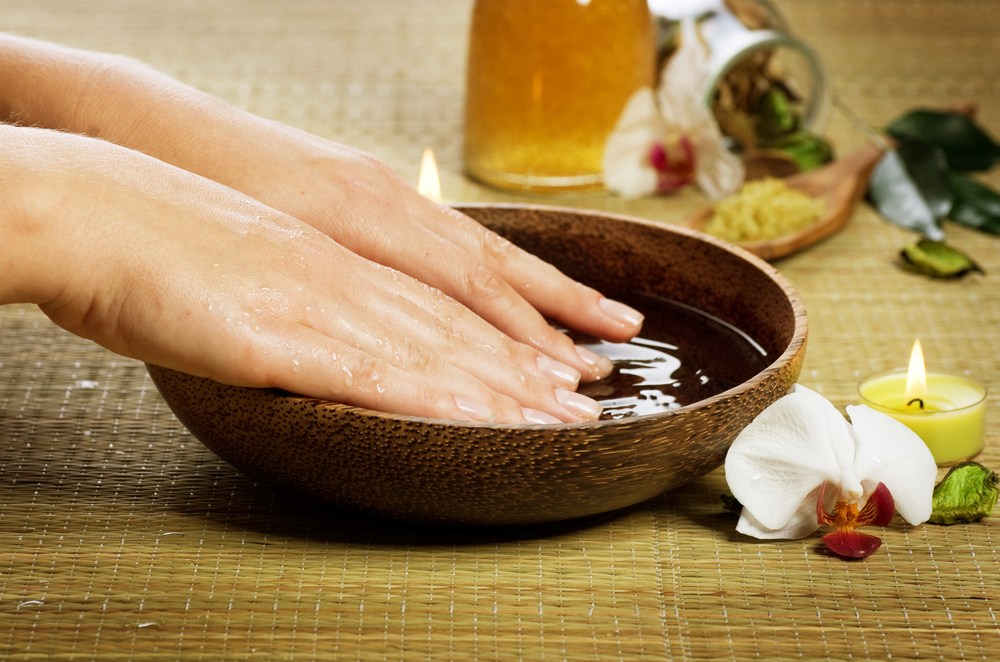
For nails that peel in thin layers at the tips, a warm olive oil and honey soak feels very soothing. The mixture coats the nails and cuticles and helps them feel more flexible instead of brittle. This simple soak can fit into a quiet evening, and it pairs well with a relaxing show or music. With steady use, many people notice fewer splits and less ragged peeling along the edges.
To put together this gentle soak, you start with ingredients that are easy to find at home. Warm one quarter cup of olive oil until it is comfortably warm, then stir in one teaspoon of honey until the texture looks even. Pour the mixture into a small bowl wide enough to hold your fingertips. After checking that the temperature feels safe, soak your fingertips for ten to fifteen minutes while lightly massaging around each nail. When you finish, pat your hands dry so a thin layer of oil remains on the skin and repeat this ritual once or twice a week through winter.
Nourishing Jojoba and Vitamin E Cuticle Oil
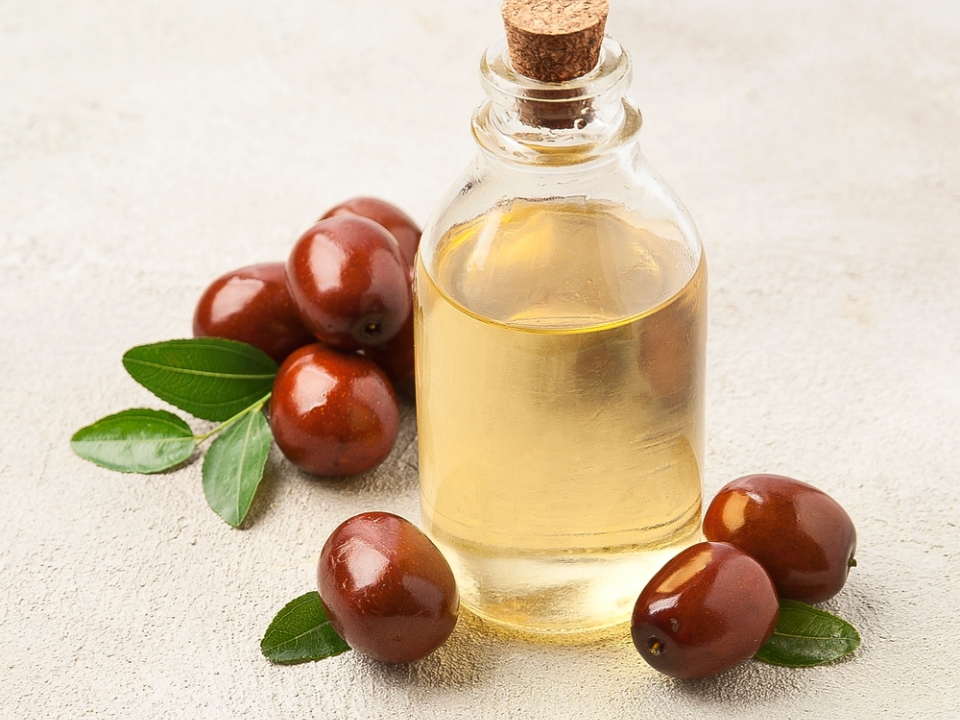
Winter air can leave cuticles tight and sore, and this jojoba and vitamin E oil helps bring back softness. The blend soaks into the skin around the nails and helps peeling edges feel less rough and fragile. With regular use, the oil makes the cuticle line look smoother and helps your hands appear more cared for in cold months. Many people like to use it at night so it can work while they rest.
To mix this nourishing oil at home, you can start with simple pantry friendly ingredients and a small clean bottle. Combine three teaspoons of jojoba oil with one teaspoon of vitamin E oil in a glass bottle and twist the cap firmly shut. Shake the bottle well so the two oils blend into a single smooth liquid. Each evening, roll or drop a small amount along every cuticle and gently massage for one to two minutes. If your hands feel too slick, you can lightly blot extra oil with a tissue while leaving a comfortable layer on the skin.
Coconut and Sweet Almond Treatment
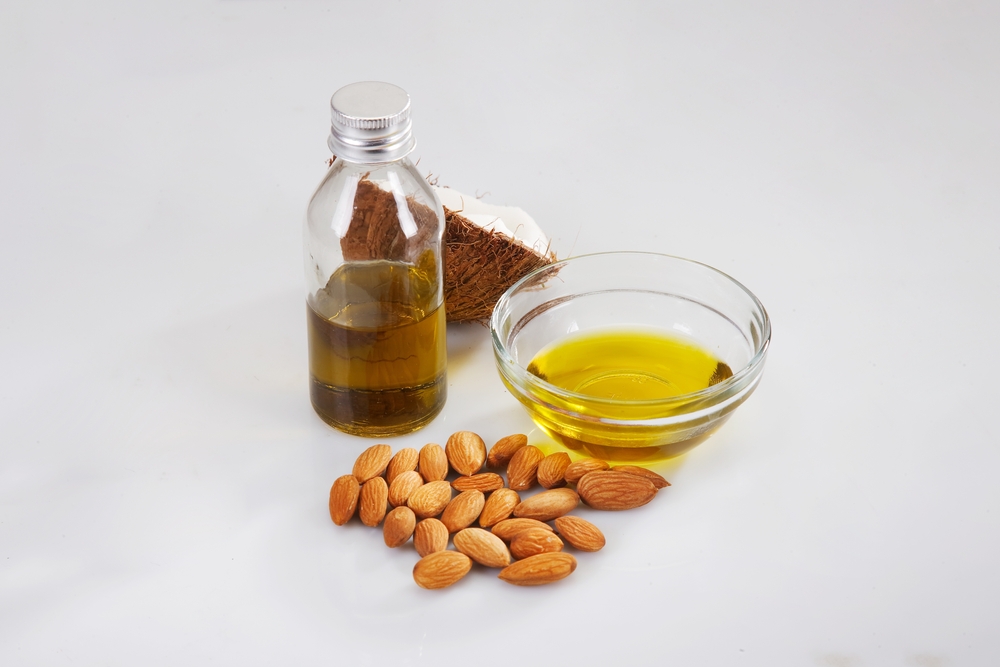
Cold nights often bring cracked cuticles, and this coconut and sweet almond mix works nicely as a rich overnight treatment. The soft balm texture hugs the skin around the nails and helps reduce stinging and peeling. After several uses, cuticles tend to look less rough, and hangnails may appear less often. Many people enjoy turning this routine into a calming part of their evening wind down.
To prepare this overnight treatment, you begin by melting the base ingredients very gently. Place one tablespoon of coconut oil in a small heat safe bowl and warm it until it just turns liquid, then stir in one tablespoon of sweet almond oil. Pour the blend into a small jar and let it cool until it thickens into a soft balm. At bedtime, scoop a pea sized amount and rub it over cuticles and nails, then slip on thin cotton gloves. In the morning, remove the gloves, massage in any remaining product, and rinse lightly if desired so your hands feel comfortably soft.
Argan Oil and Tea Tree Cuticle Oil
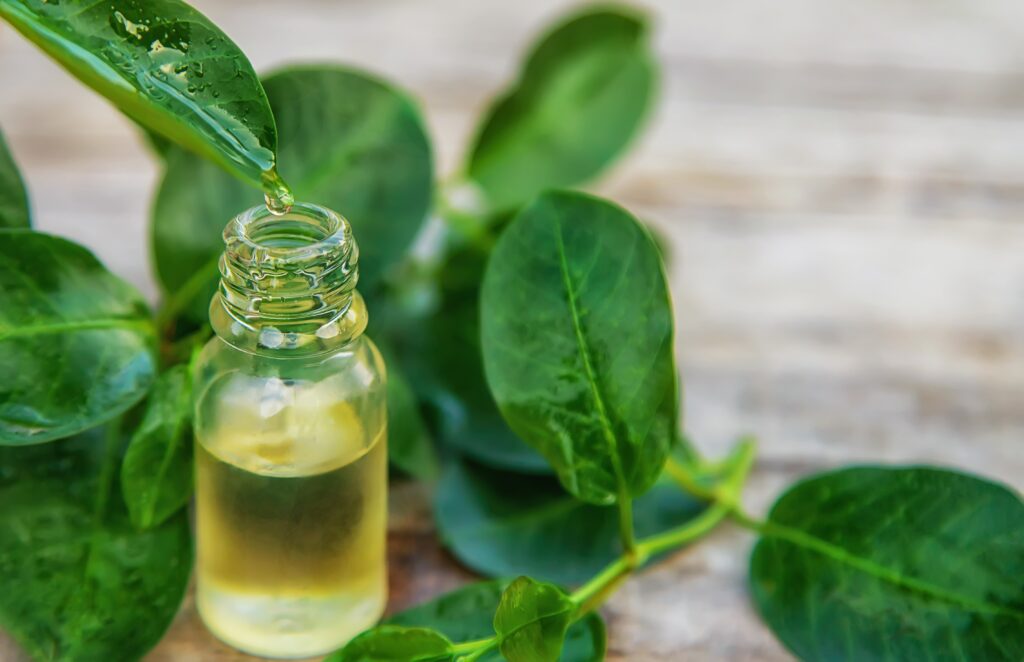
Some winter peeling comes with redness around the cuticle, and argan oil with a hint of tea tree can feel very calming. The silky texture glides across tender areas and helps them feel less tight. This blend suits people who want a light oil that still feels caring on stressed skin. Used gently, it can be a nice choice when cold air makes cuticles look sore and inflamed.
Begin by adding the oils to a small glass bottle. Measure two tablespoons of argan oil into the bottle, then add two or three drops of tea tree essential oil. Close the cap tightly and shake the bottle so the oils combine well. In the evening, dab a tiny amount on each cuticle with a cotton swab or small brush and massage very lightly. Use this blend once a day or every other day, and on off days you can switch to plain argan oil so the skin does not feel overwhelmed by essential oil.
Light Grapeseed And Lavender Cuticle Oil
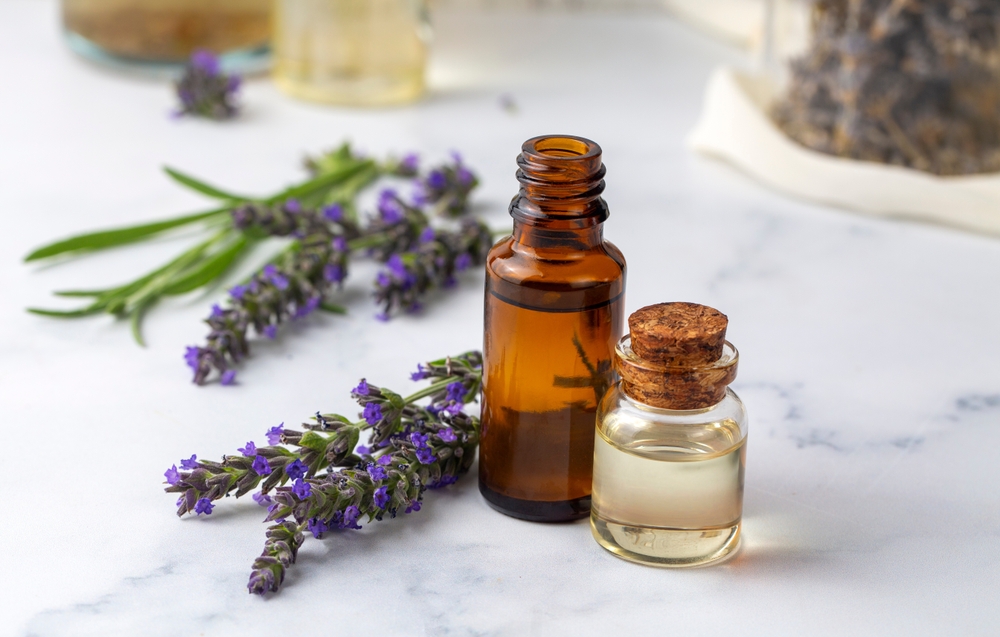
Busy schedules often require a light product, and this grapeseed and lavender blend fits nicely into daytime routines. The thin texture sinks in quickly so hands do not feel greasy while you type, text, or drive. A gentle lavender scent adds a small moment of calm when winter days feel long and dry. This oil works well for people who like to apply smaller amounts multiple times through the day.
You can use a simple roller bottle for tidy application. Pour three tablespoons of grapeseed oil into the bottle, then add three drops of lavender essential oil and snap the rollerball onto the top. Shake the bottle so the oils mix evenly inside. During the day, run the roller along each cuticle and massage for about thirty seconds so the oil sinks in. Keep the bottle near your workspace or in your bag, and reapply whenever your cuticles start to feel tight from cold air or frequent hand washing.
Rice Bran Oil And Glycerin Nail Wrap
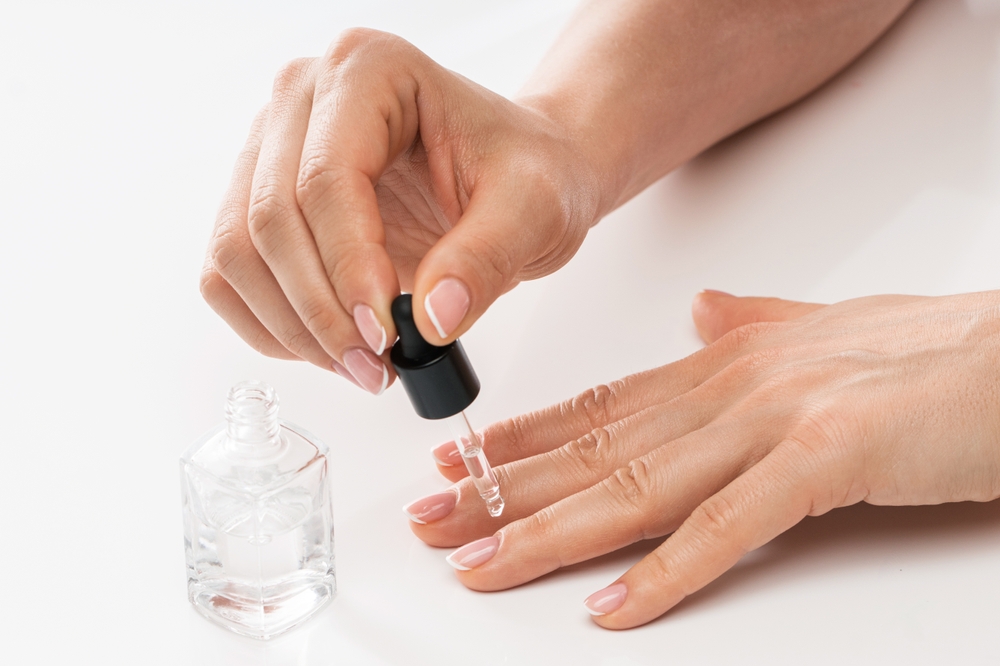
Deeper moisture can help stubborn peeling, and a rice bran oil and glycerin wrap gives nails a more intensive session. The mixture clings to the nails and surrounding skin and helps them feel smoother after a single treatment. This method suits evenings when your hands need extra care beyond a quick oil massage. Many people turn to it weekly when winter winds and indoor heat make nails feel extra fragile.
Begin by preparing both the liquid blend and the cotton strips. Stir together one tablespoon of rice bran oil and one teaspoon of vegetable glycerin in a small bowl until the mixture looks uniform. Cut cotton pads or rounds into narrow strips that can wrap around each fingertip. Brush or dab the mixture onto nails and cuticles, then wrap each fingertip with a dampened cotton strip. Slide loose cotton gloves over your hands, leave the wraps on for twenty to thirty minutes, then remove them and gently massage any remaining product into your skin.
Shea Butter Cuticle Balm
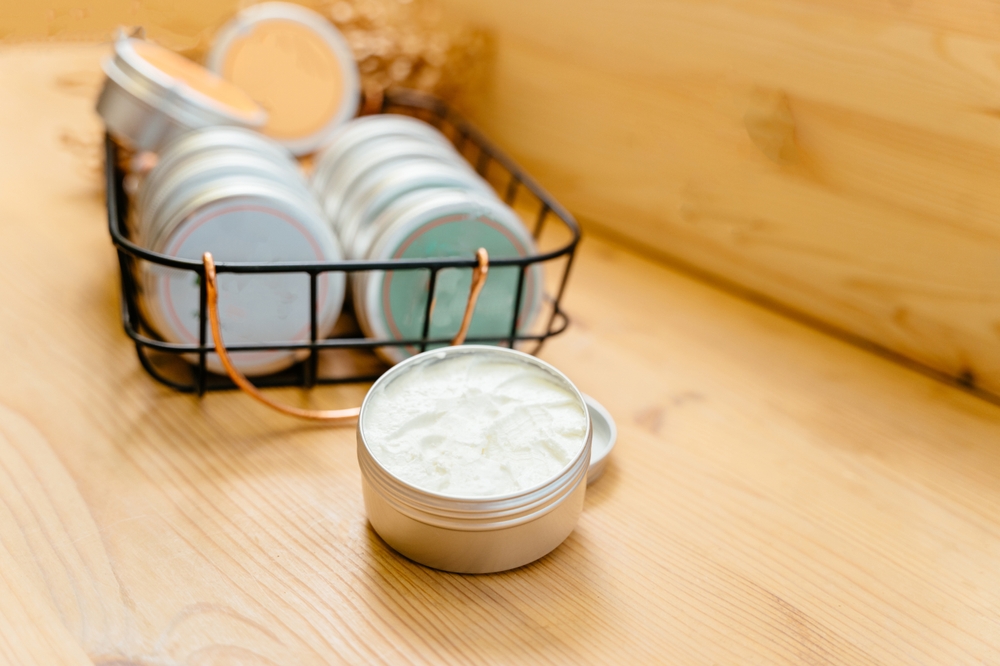
Cracked and rough cuticle edges respond well to a thicker balm, and shea butter provides that rich comfort. The balm sits on top of the skin longer than thin oils and helps protect the cuticle line from chilly wind. With repeated use, tough edges tend to soften, and hangnails become less frequent. This balm is easy to tuck into a purse or nightstand drawer for quick touch ups.
Place two tablespoons of shea butter and one tablespoon of olive oil in a small heat safe bowl and warm them until they melt into a clear liquid. Pour the liquid into a small tin or jar and allow it to cool fully so it becomes solid again. When your cuticles look white and flaky, swipe a fingertip over the surface and press the balm into the skin around each nail. Use it morning and night or whenever cuticles feel rough, and allow a few minutes for the product to soften and settle before you touch delicate fabrics.
Castor Oil Nail Strength Treatment
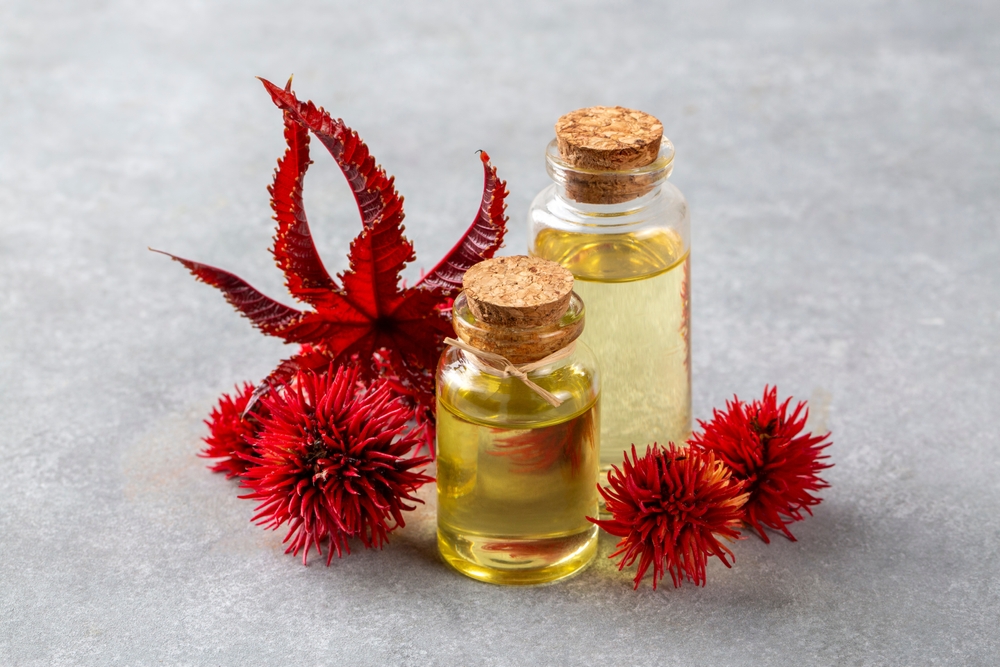
Peeling tips that split into thin layers may feel better with a castor oil based treatment. The thicker texture clings to the nail plate and gives it extra time to soak in while you relax. Over time, nails can feel less flimsy and may break less often. This treatment works particularly well as part of a consistent nighttime routine.
To put this treatment together, you mix castor oil with a lighter partner so it spreads more easily. Combine one tablespoon of castor oil with one tablespoon of sweet almond oil in a small dark glass bottle. Twist the cap tightly and shake the bottle so the two oils blend into a smooth mixture. Each evening, place a tiny drop on each nail and massage across the entire plate and along the cuticle line for one to two minutes. Leave the oil in place for at least fifteen minutes or through the night, and gently blot away extra oil in the morning if your hands feel too slick.
Sunflower Oil and Aloe Light Cuticle Treatment
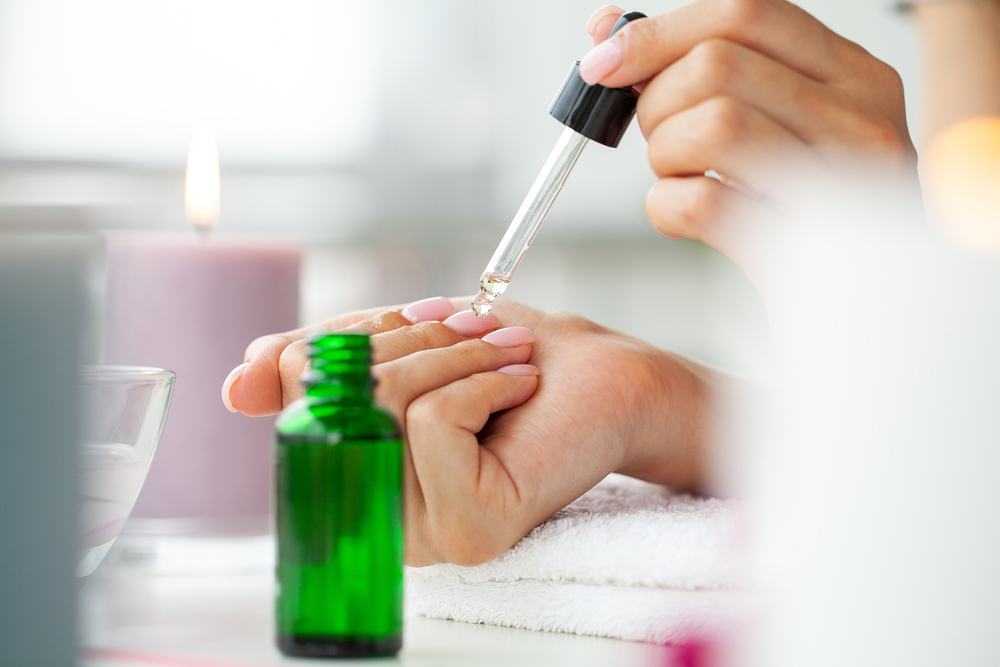
Hands that move constantly during the day need a light treatment, and sunflower oil with aloe feels comfortable and quick. The gel like texture cools the cuticle area and absorbs with less residue, which makes it easy to use between tasks. This treatment is helpful for people whose hands feel tight after many rounds of washing. A few small applications can keep cuticles from getting too dry by the afternoon.
Mix equal parts oil and gel until you see a creamy texture. In a small bowl, whisk together two tablespoons of sunflower oil and two tablespoons of pure aloe gel. Spoon the mixture into a clean jar and store it in the refrigerator for a cool, refreshing feel. During the day, place a pea sized amount on your fingertips and massage it into cuticles and nails until it has mostly soaked in. Reapply two or three times on very dry days, always letting the product sit for a minute before you return to work with papers or electronics.
Warm Milk and Olive Oil Nail Soak
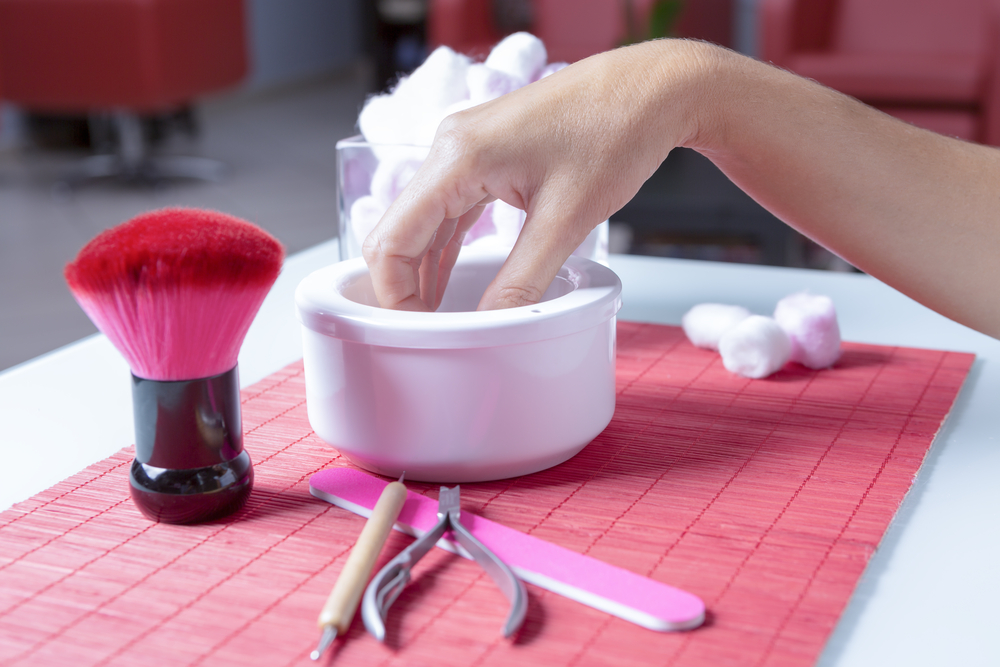
Fragile nails that bend and snag can feel stronger after a warm milk and olive oil soak. The mixture coats the nail surface and cuticles and gives them a softer, smoother feel right away. This ritual works especially well as a weekly treat during the coldest months. Many people enjoy using it as a quiet break in the evening before their regular hand cream or oil.
To prepare this soak, you blend warm dairy with a drizzle of oil in a small bowl. Heat half a cup of milk until it reaches a comfortable lukewarm temperature, then stir in one tablespoon of olive oil. Pour the mixture into a shallow bowl that can hold your fingertips. Rest your fingertips in the liquid for ten to fifteen minutes, gently flexing and lightly massaging your cuticles as you soak. When you finish, rinse briefly with cool water, pat your hands dry, and apply a light hand cream or oil to seal in the moisture.
Vitamin E Capsule Spot Treatment

Stubborn peeling around specific nails can respond well to a vitamin E capsule used as a focused treatment. The thick oil coats the roughest areas and stays put longer than many lighter products. This method is convenient because the capsules are small and easy to keep in a bathroom drawer or travel case. It is a nice option for nights when one or two nails need extra attention.
To use this simple treatment, you work with a single capsule at a time to keep the oil fresh. Pierce one vitamin E capsule with a clean pin or needle and squeeze the oil into a small dish. Dip a cotton swab or clean fingertip into the oil and dab a tiny amount directly onto the peeling cuticle. Gently tap and press the oil into the skin without rubbing hard so the area is not further irritated. Leave the oil on for at least thirty minutes or overnight, and repeat on stubborn spots several times a week until they soften.
Honey and Sugar Cuticle Scrub With Oil Finish
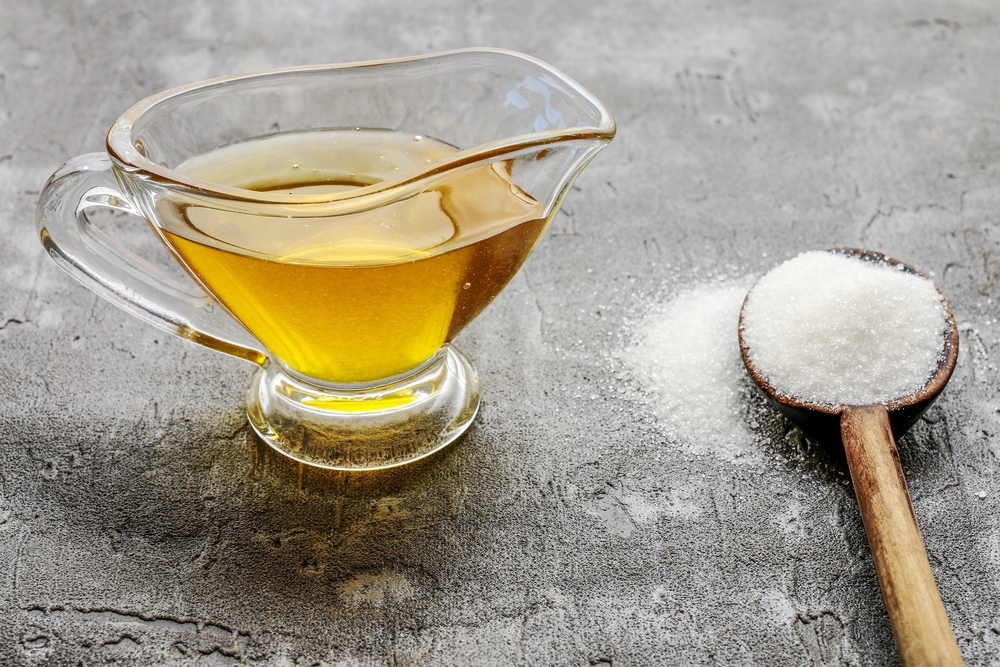
Flaky cuticles that catch on clothing can benefit from gentle exfoliation followed by moisture, which this honey and sugar scrub provides. The scrub lifts loose skin and creates a smoother surface for oils and creams. Used carefully, it helps reduce the chance of painful hangnails. This treatment fits nicely into a weekly routine for general winter nail upkeep.
Blend pantry ingredients into a soft paste and follow with a simple oil. In a small bowl, mix one teaspoon of honey with one teaspoon of very fine sugar until the mixture feels smooth and spreadable. On damp hands at the sink, dab a small amount around each nail and massage with very light pressure for about thirty seconds. Rinse with lukewarm water and gently pat your hands dry. Finish by applying a few drops of jojoba or grapeseed oil to each cuticle and massaging it in so the freshly smoothed skin stays comfortable and hydrated.
Petroleum Jelly And Cotton Glove Overnight Nail Seal
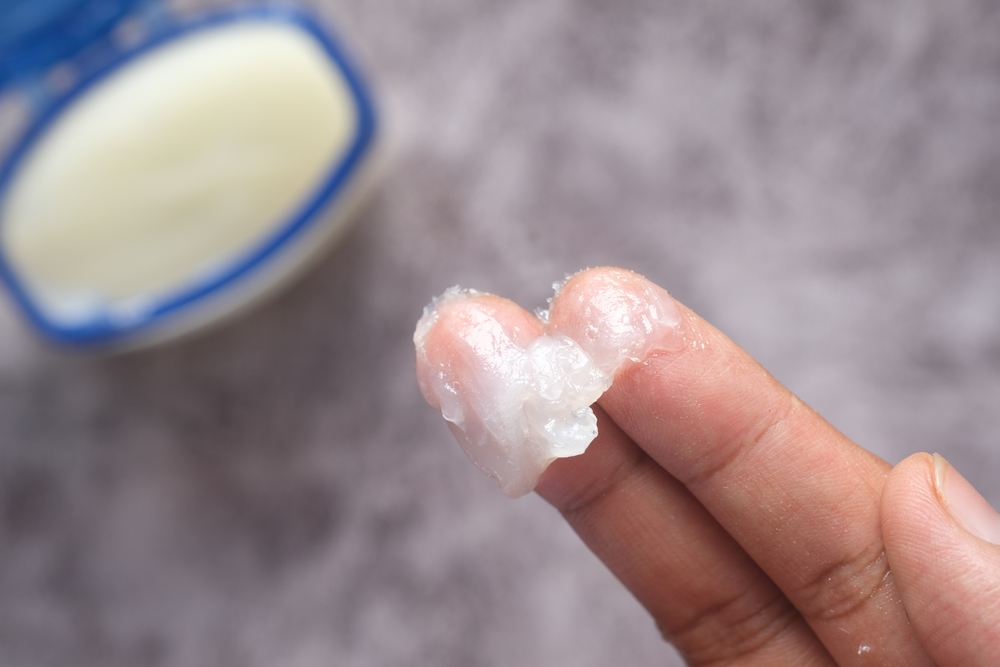
Severely dry hands and nails can feel much softer after a simple petroleum jelly and cotton glove overnight treatment. The thick layer locks in moisture and protects the skin from dry indoor air as you sleep. This routine works especially well when your hands feel rough from constant washing and cold wind. The result is often a noticeable change in softness by the next morning.
Use only a jar of petroleum jelly and a pair of cotton gloves. Before bed, wash your hands with mild soap and leave them slightly damp. Scoop a generous amount of petroleum jelly and massage it over your nails, cuticles, and the backs of your hands. Pull on the cotton gloves and wear them through the night so the jelly stays close to your skin. In the morning, remove the gloves, wipe off any excess with a towel, and repeat one or two nights a week whenever your hands feel extremely dry.
This article originally appeared on Avocadu.