
14 Berry Bushes Worth Planting in Spring
Planting berry bushes in spring gives them a nice chance to get comfortable before the heat of summer sets in. The soil is usually easier to work with, and the season often gives roots time to grow into place at a steady pace. For gardeners, that can make the whole planting process feel more manageable from the start. Keep going and check out which berry bushes deserve a spot in your spring garden.
This post may contain affiliate links, which helps keep this content free. Please read our disclosure for more info.
Blueberry Bush
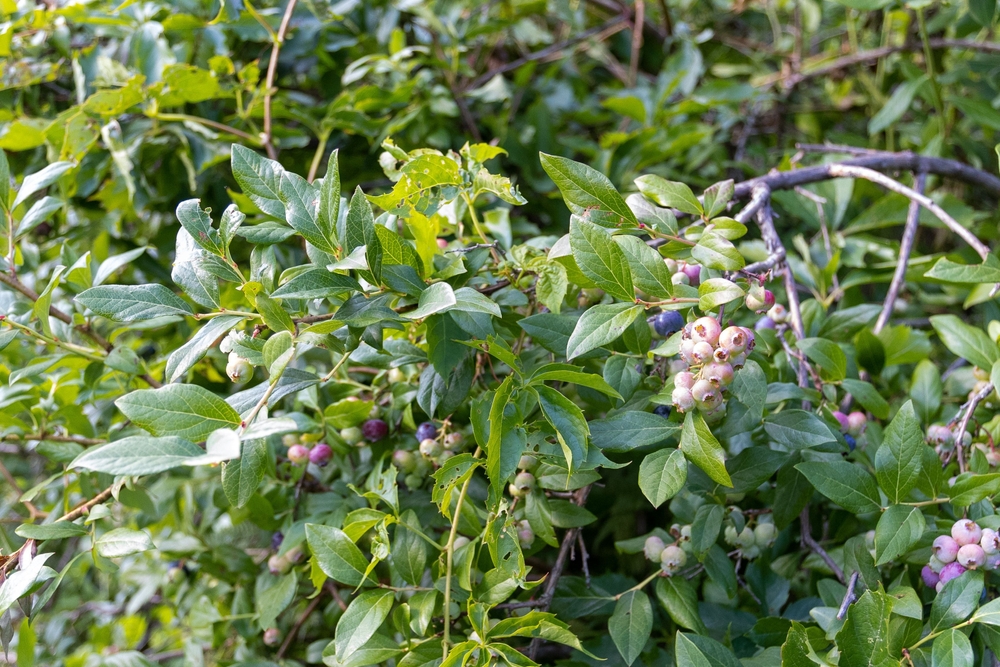
Among spring fruit plants, blueberry bushes are easy to like because they settle in well while the weather is still mild. That head start gives the roots time to spread before summer heat starts putting more stress on the plant. They also bring small flowers before the fruit comes in, so they add beauty to the yard early in the season. Many gardeners plant them for that mix of charm and useful harvests.
Blueberries usually grow best in acidic soil with good drainage and plenty of sun. Planting more than one variety can help with pollination and often leads to a better crop. A layer of mulch around the base helps hold moisture and keeps the roots cooler as the season warms up. Once the bushes are established, they can stay productive for many years.
Raspberry Bush
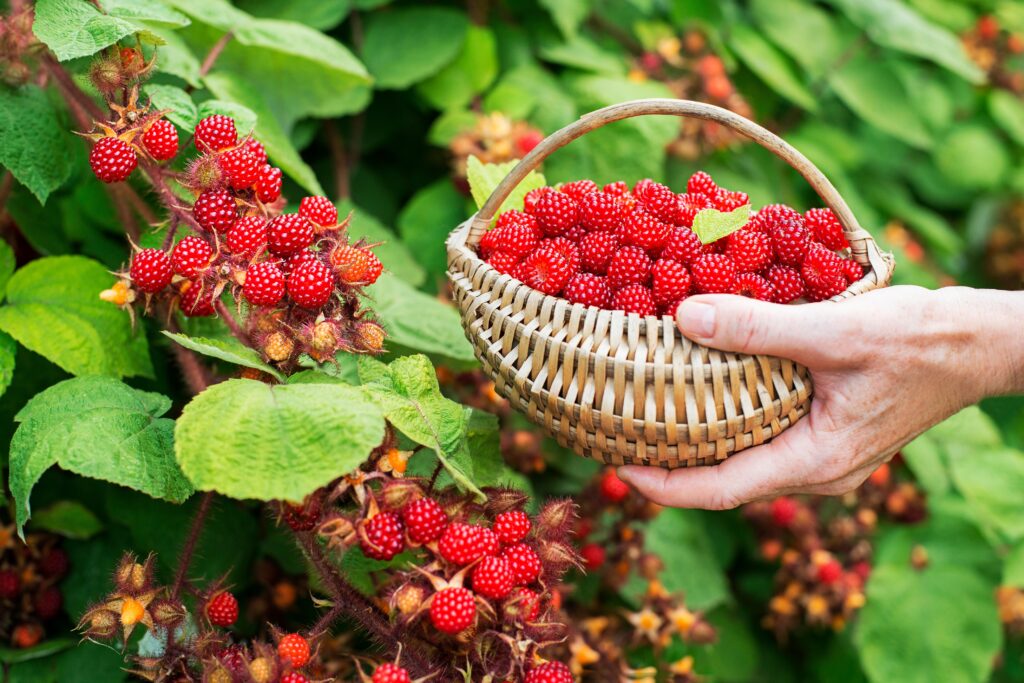
Spring is a great time to plant raspberries because the canes can settle in before the hottest stretch of the year arrives. That early start helps them grow roots and begin fresh cane growth under gentler conditions. Their fruit is popular for fresh eating, baking, and jam, which makes the plant feel especially rewarding in a home garden. They also fit nicely into yards that do not have room for larger fruit plants.
A sunny location with rich soil usually suits raspberries very well. Many kinds benefit from a simple support system that keeps the canes upright and easier to manage. Pruning is part of keeping the patch healthy since older canes will not stay useful forever. With steady care, raspberry plants can give a generous crop year after year.
Blackberry Bush
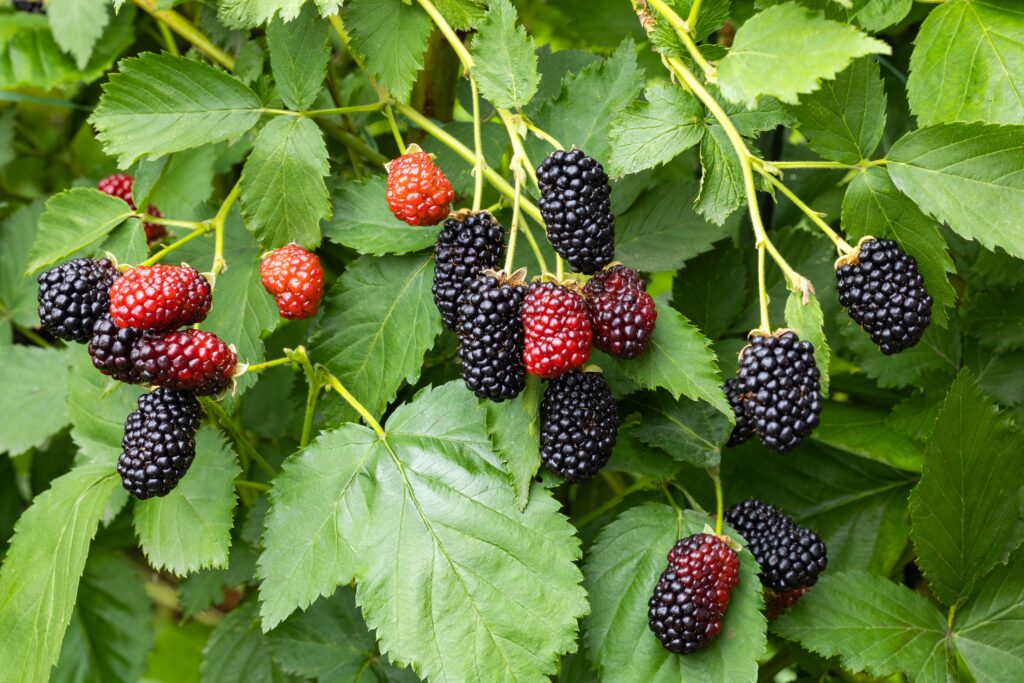
For gardeners who want a berry plant with a strong and reliable feel, blackberries are a very good spring choice. Planting them during this season gives the roots time to settle into warming soil before drier summer weather moves in. Their dark berries are great for cobblers, pies, and bowls of fresh fruit straight from the yard. The bushes can also help fill out a fence line or garden edge with a fuller look.
Blackberries usually like full sun and soil that drains well after rain. Some varieties stay more compact, while others send out long canes and need extra room. A trellis can make the patch easier to handle and make picking simpler later on. Once established, blackberry plants can become a dependable part of the garden.
Gooseberry Bush
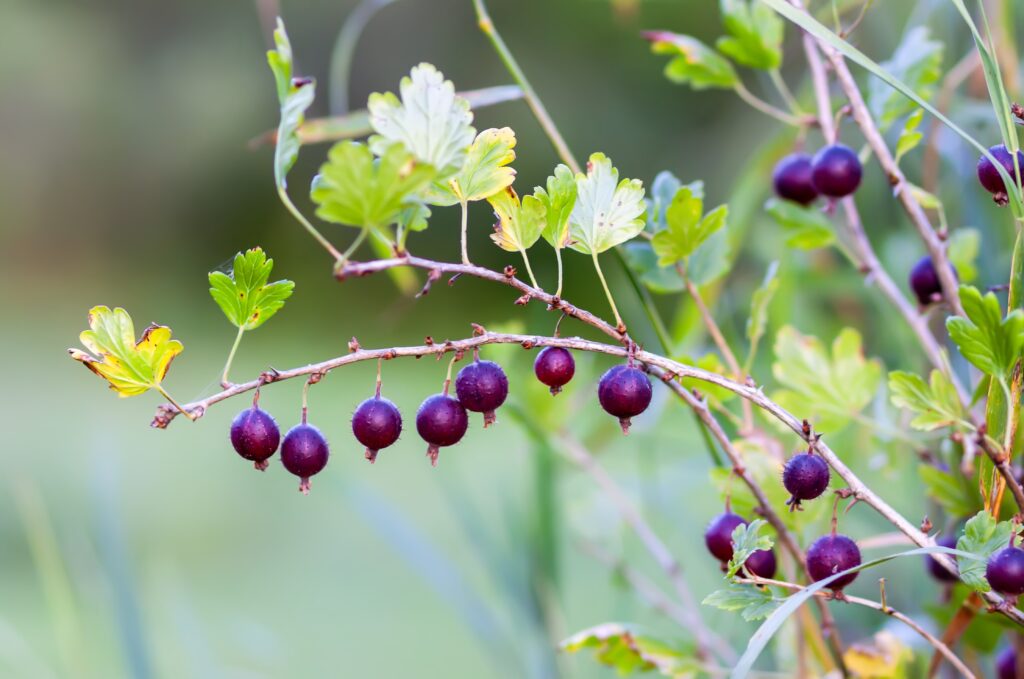
Gooseberries stand out as a nice spring planting option because cooler weather suits their early growth very well. The mild season gives them a calmer start before strong heat starts building later on. Their tart berries are useful for pies, sauces, and preserves, which makes them a fun choice for home cooks. Since the plants stay fairly compact, they work well in smaller garden spaces, too.
These bushes often do best with sun and a little afternoon shade in warmer areas. Good air flow around the branches can help keep the plant in better shape through the season. Because some types have thorny stems, it helps to plant them where picking feels comfortable. Gooseberries are a good fit for gardeners who want something a little different from the usual berry patch.
Currant Bush
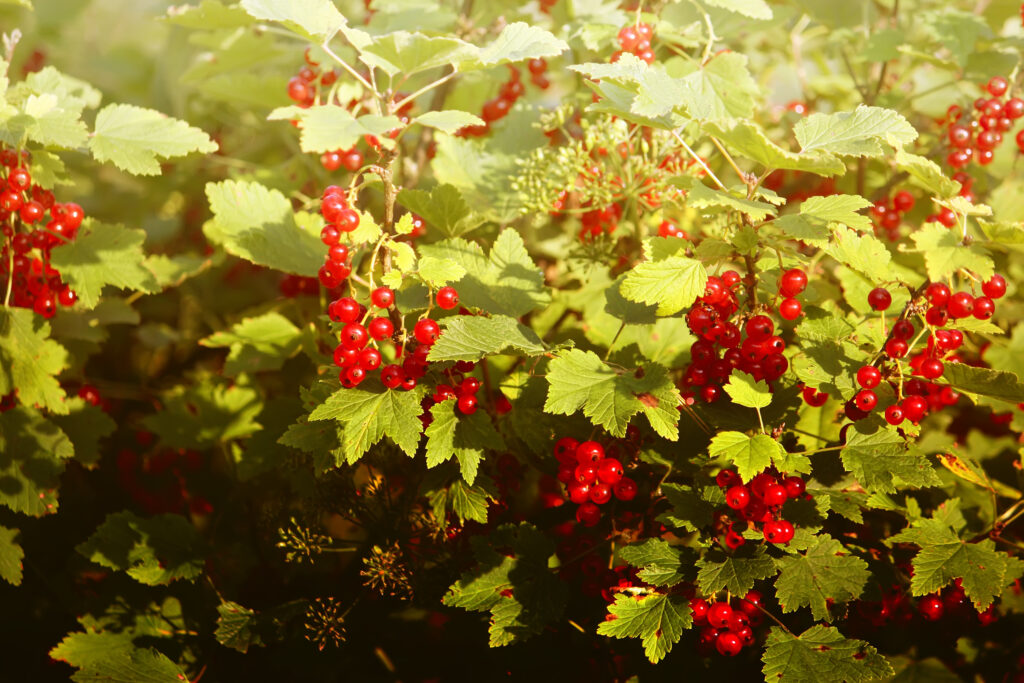
Few berry plants feel as tidy and manageable as currants, which is part of what makes them worth planting in spring. The gentle weather gives them time to settle in before summer starts bringing more stress. Their berries grow in clusters, and red, black, and white types each have their own flavor and kitchen use. That variety gives the plant plenty of appeal for gardeners who like choice in the yard and the kitchen.
Currant bushes usually grow best in cooler conditions with evenly moist soil. A bright spot works well, though some afternoon shade can help in warmer regions. Since they stay fairly manageable in size, they fit nicely into mixed garden beds or edible borders. Currants are especially useful for jelly, syrup, baking, and other homemade treats.
Elderberry Bush
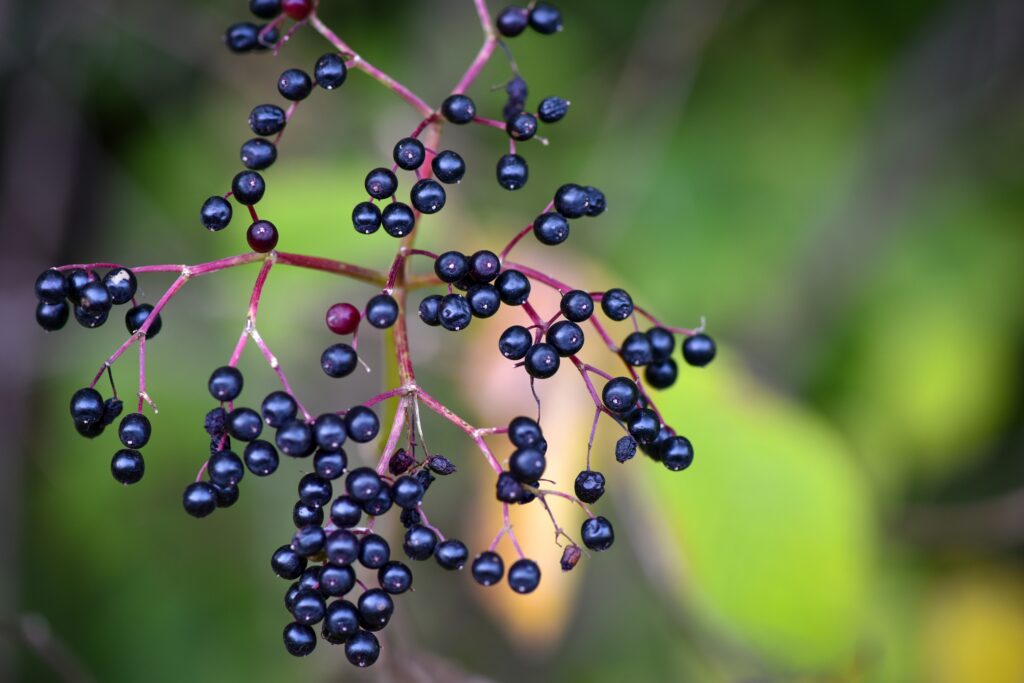
When the spring planting season begins, elderberry is one of the shrubs that can give a lot back over time. It gets a full growing season to settle in, and that can make a big difference as the roots work into the soil. Clusters of pale flowers appear before the dark berries, so the plant brings visual interest as well as fruit. Many people like growing elderberry for syrup, jelly, and other cooked uses.
These bushes often grow best in a sunny area with soil that holds some moisture. Since they can get fairly large, it is wise to give them enough room from the start. More than one plant can help with fruit production in many cases. Elderberries are a nice pick for gardeners who want something useful and attractive at the same time.
Serviceberry Bush
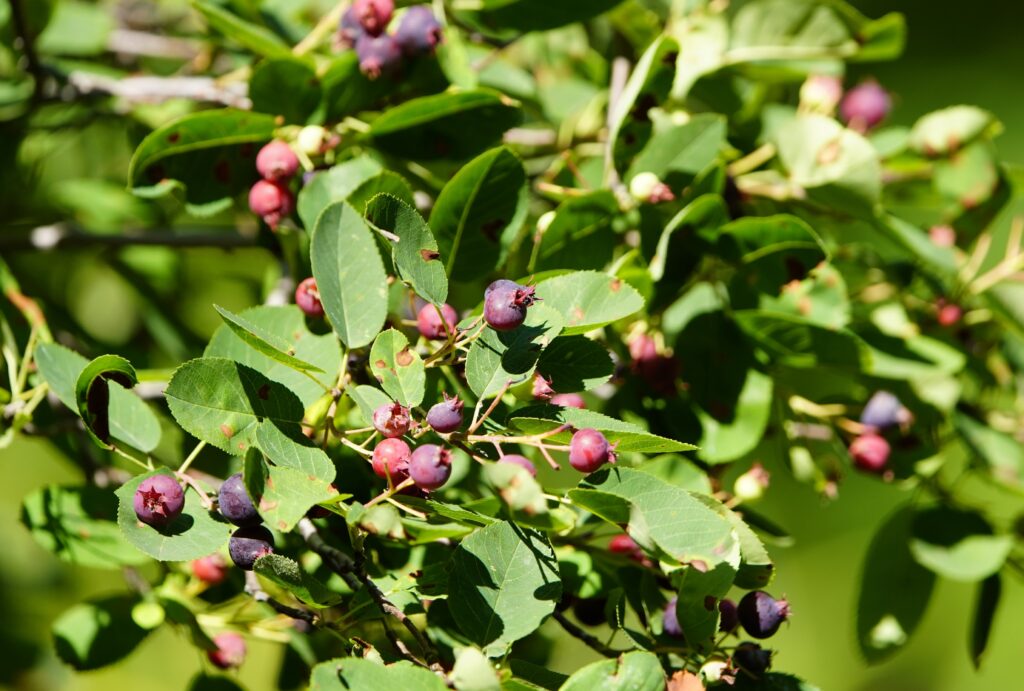
Serviceberry brings a lot to the yard, which is why it makes such a lovely choice for spring planting. The plant starts the season with soft white blooms, then later gives sweet berries that are good for fresh eating or baking. Spring planting helps the roots settle before hotter weather arrives, which gives the shrub a better chance to get comfortable in its new spot. It is one of those plants that feels rewarding in more than one season.
This shrub usually grows well in full sun or light shade, depending on the climate. Good drainage matters, though serviceberry often adapts well once it is established. Birds enjoy the fruit too, so that is something to keep in mind when harvest time gets close. For gardeners who want flowers, berries, and good fall color, serviceberry is a very appealing plant.
Honeyberry Bush
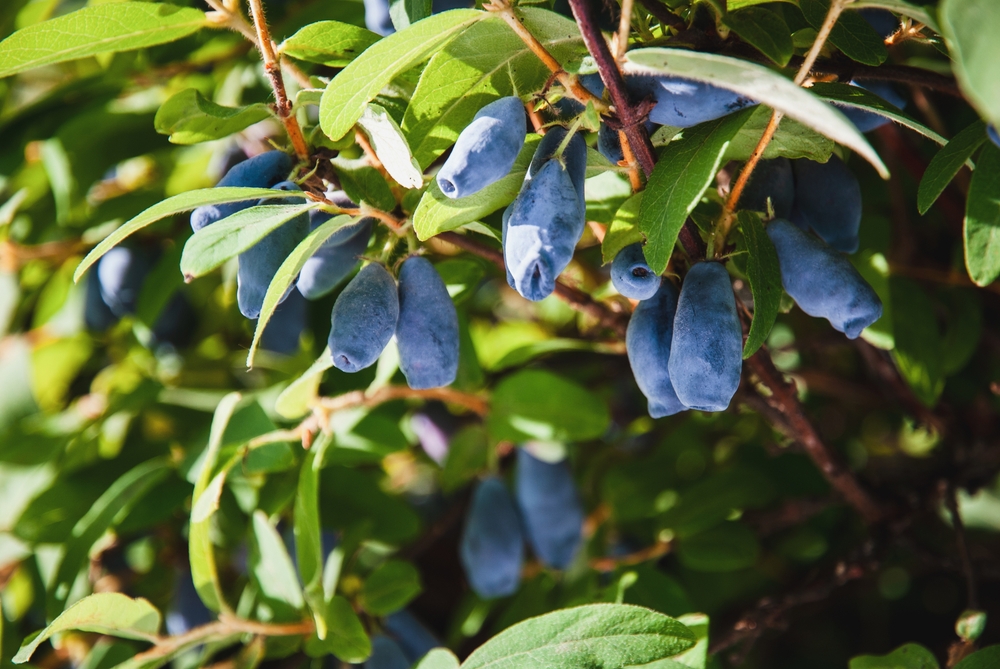
At a time when many fruit plants are still getting started, honeyberry often feels exciting because it ripens so early. Planting it in spring works well since the shrub likes cooler conditions and has time to settle before summer heat arrives. The fruit looks a little like an elongated blueberry and has a sweet-tart taste that many gardeners enjoy. That early harvest is a big part of what makes honeyberry so appealing.
A sunny spot and well-drained soil usually suit honeyberries best. Planting more than one variety is often helpful for pollination and better fruit set. These shrubs also tend to handle cold weather well, which makes them especially useful in cooler regions. For anyone hoping for one of the first berry harvests of the year, honeyberry is a strong choice.
Cranberry Bush
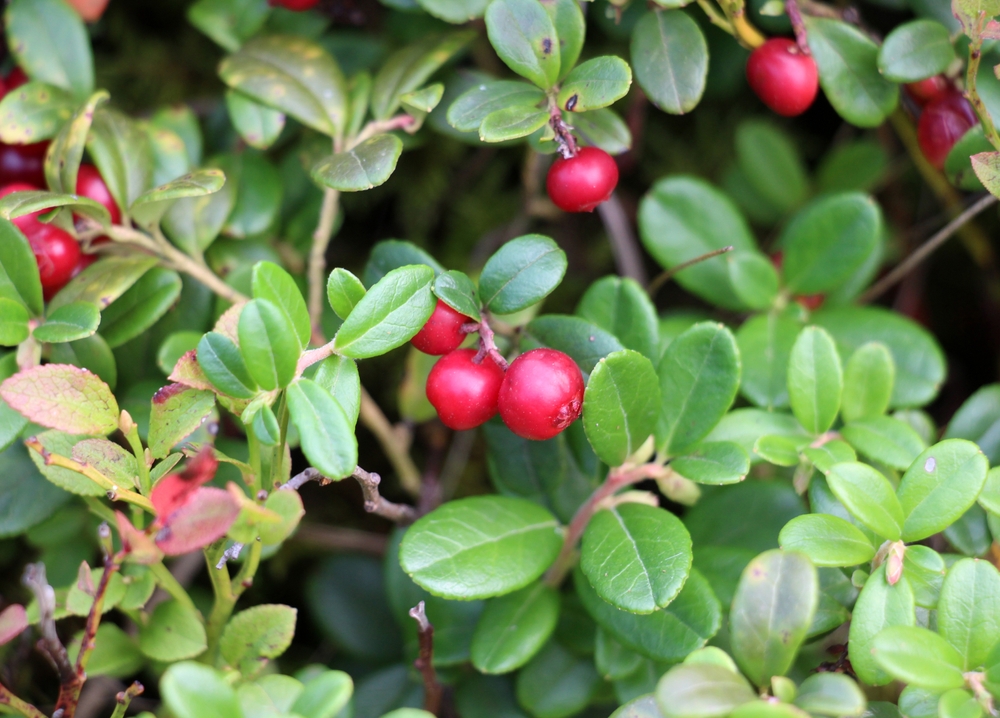
Not every berry plant grows tall and shrubby, which is one reason cranberries bring something different to a spring garden. Their low-growing habit gives them a distinct look, and spring planting gives them time to settle while moisture is often easier to manage. The berries are known for sauces and baked goods, though they can be used in other ways as well. Their evergreen foliage also adds year-round appeal in the right setting.
Cranberries usually prefer acidic soil and steady moisture. They do best in a bed designed around those needs instead of being placed in just any open patch of ground. Since they stay low, they can work nicely along edges or in a dedicated berry bed. Cranberries are a good match for gardeners who enjoy fruit with a strong seasonal feel.
Lingonberry Bush
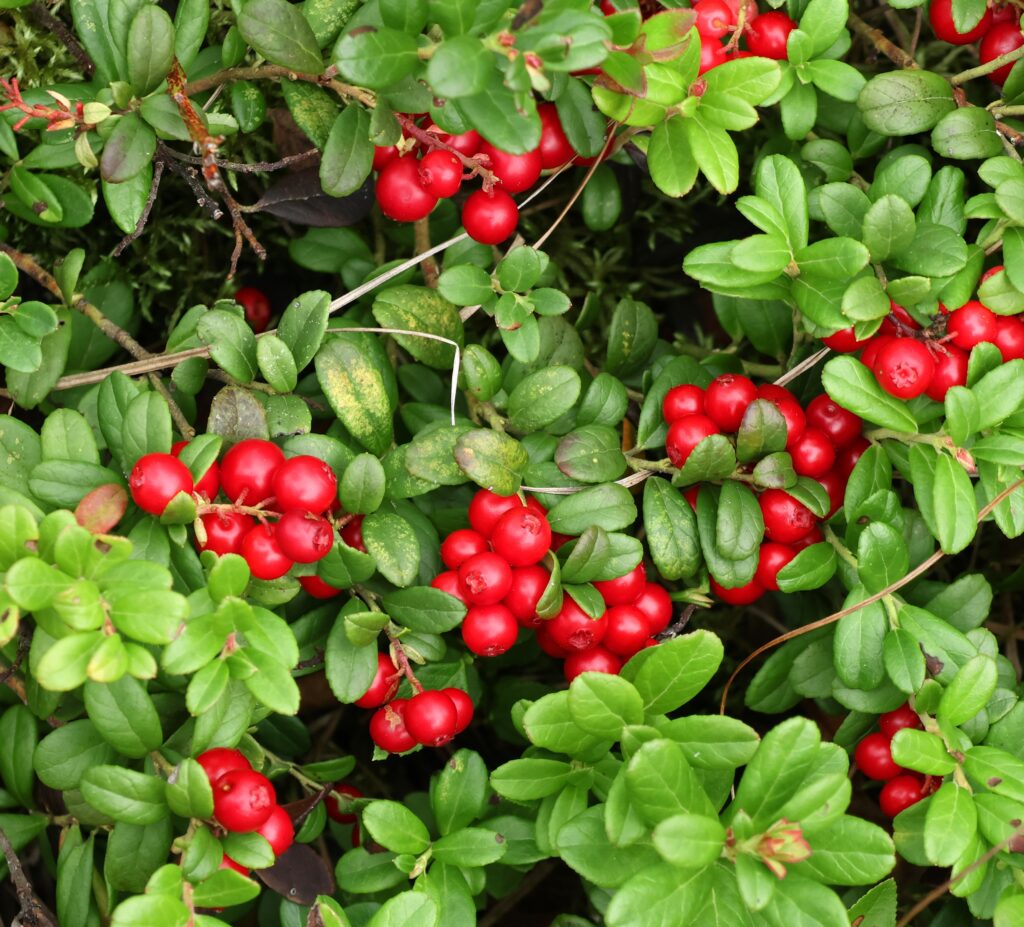
Lingonberries make a nice spring planting choice because cool weather suits their early growth so well. Their low, tidy shape helps them fit into smaller garden spaces without much trouble. Glossy leaves and bright red berries give them a neat and attractive look throughout the growing season. For gardeners who enjoy jams and sauces, the fruit can be especially satisfying to have on hand.
These plants usually prefer acidic soil and a spot with sun or light shade. Moisture is important, though waterlogged soil is usually not a good match. Because the plants stay compact, they can do well in raised beds or even containers with the right soil mix. Lingonberries are a fun option for gardeners who want a berry plant that feels a little less common.
Mulberry Bush
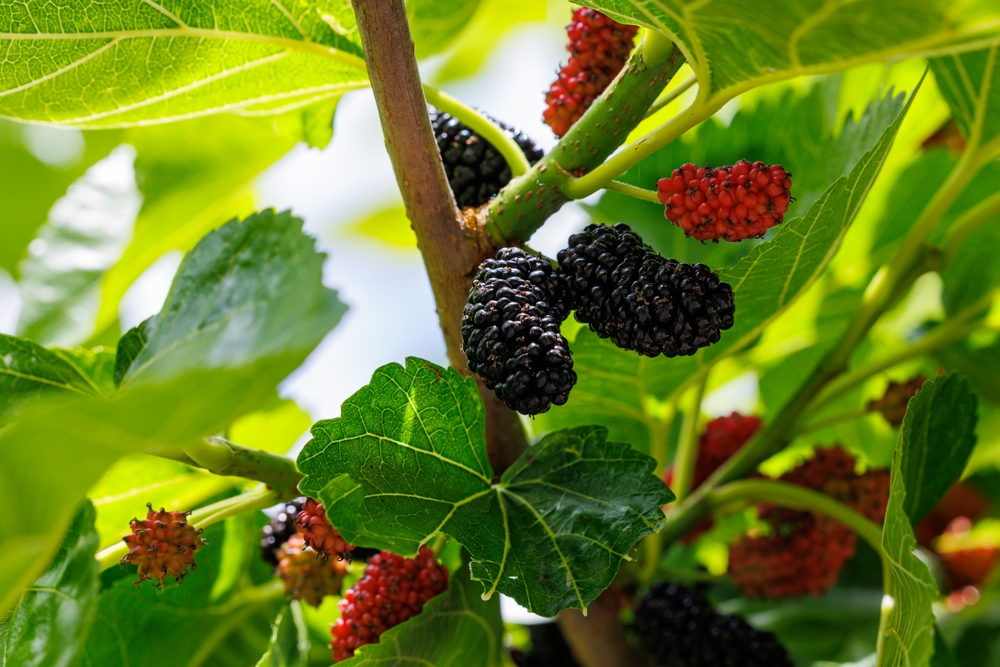
Mulberries are worth thinking about in spring because young plants have time to settle in before the hottest weather shows up. Their fruit can be sweet, juicy, and plentiful once the plant matures, which gives gardeners something to look forward to. Depending on the type, they may grow more like a large shrub or a small tree, so they offer some flexibility in how they are used. The berries are great for fresh eating, jam, and baked desserts.
A sunny spot usually gives mulberries their best growth and fruiting. Since ripe berries can drop, it is smart to place the plant away from walkways or patios if possible. Birds are very fond of the fruit, too, so harvest timing can matter. For gardeners with room to spare, mulberry can become a very productive planting.
Jostaberry Bush
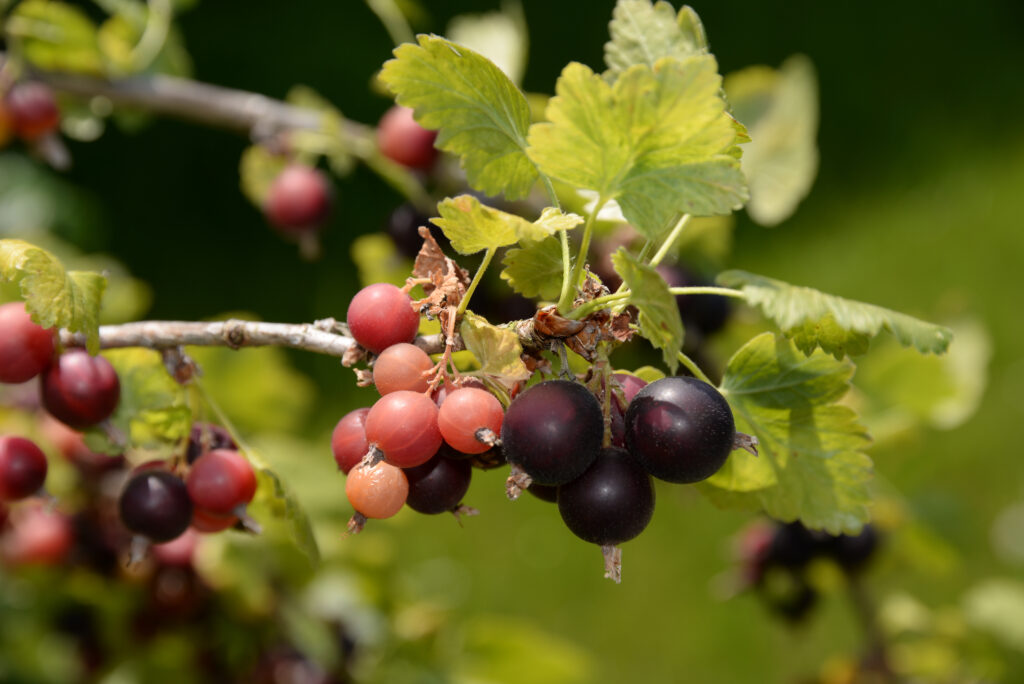
For anyone who likes the idea of trying something less familiar, jostaberry is a fun plant to add in spring. The mild season gives it a good start, and that extra time in the ground helps it settle before summer arrives. Since it is a cross between a gooseberry and a currant, it brings qualities of both into one plant. Its dark berries are good for jam, juice, and desserts, which gives it plenty of kitchen value.
Jostaberry bushes usually enjoy full sun and soil that stays fairly even in moisture. They tend to grow with a rounded shape that looks nice in edible borders or mixed garden beds. Regular pruning can help keep the center open and make picking easier later on. This shrub is a good fit for gardeners who want a berry plant that feels both familiar and a little unusual.
Boysenberry Bush
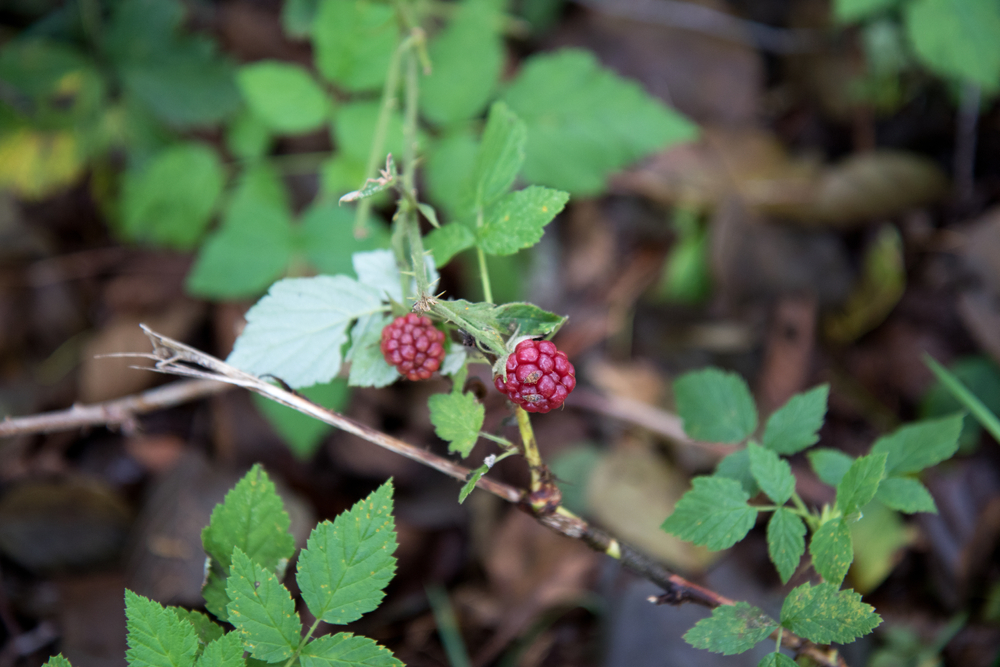
Boysenberries are a strong spring pick because they settle in during mild weather and start growing steadily as the season moves along. Their fruit is large, dark, and juicy, which makes it very useful for jam, syrup, pies, and fresh eating. The plant brings together some of the appeal of blackberries and raspberries in one berry type. That alone gives it a special place in many home gardens.
These bushes usually like a sunny location and some support for their long canes. Giving them room to spread is helpful since they can grow outward as they mature. Soil with good drainage is especially useful during wetter stretches of the season. Boysenberries are a tasty choice for gardeners who want a berry with rich flavor and a classic feel.
Huckleberry Bush
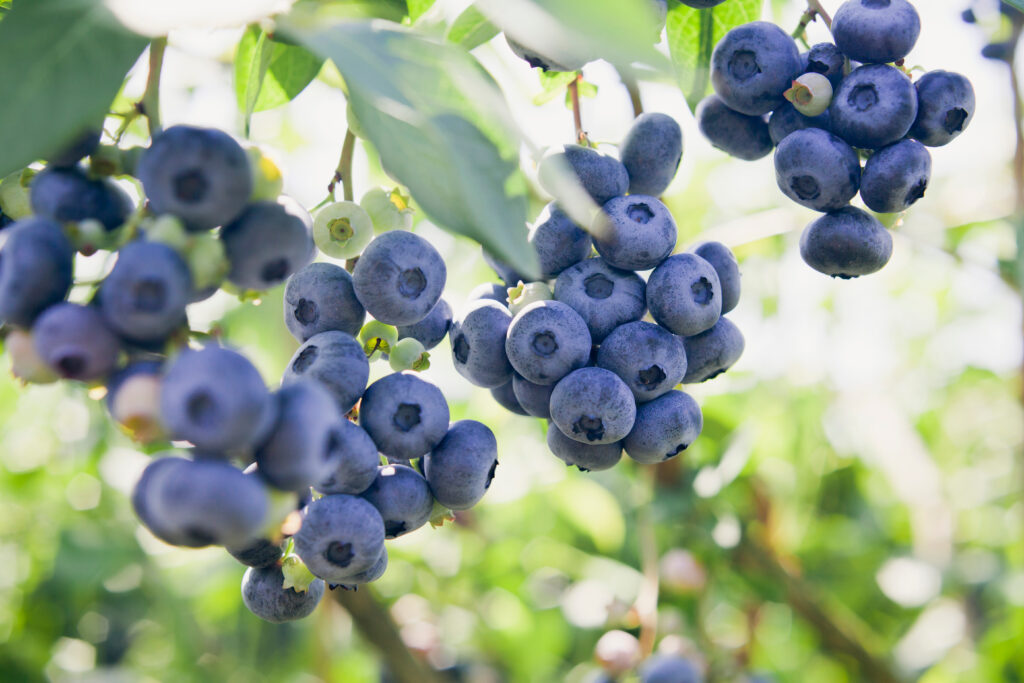
There is something especially appealing about huckleberries for gardeners who like fruit with a more rustic character. Spring planting gives them a gentler start while air and soil conditions are still mild. Their berries are prized for their rich flavor, which makes them popular for muffins, pancakes, preserves, and other homemade treats. The plants also have a natural woodland feel that can blend nicely into certain landscapes.
Huckleberries often prefer acidic soil and may take a little patience as they settle in. Once they are happy in their growing spot, they can become a rewarding part of the garden. Giving them that spring start helps them get established before summer begins to push harder on growth. They are a nice choice for gardeners who enjoy native style plants and distinctive fruit.
This article originally appeared on Avocadu.