
14 Berry Bushes That Pay Off For Years With One March Planting
Planting berry bushes in March can be a great way to set up years of homegrown fruit with one good start. Many varieties settle in well and come back season after season, which makes them a nice pick for gardeners who want something useful and long lasting. This list looks at berry bushes that can give you tasty harvests over time without needing a full garden overhaul.
This post may contain affiliate links, which helps keep this content free. Please read our disclosure for more info.
Blueberry
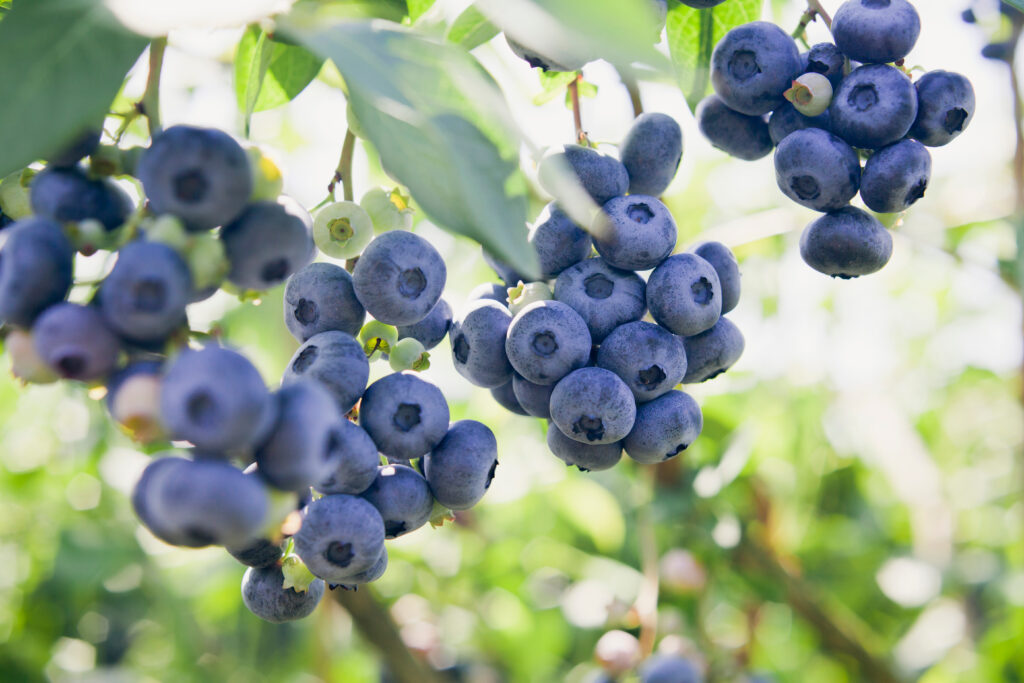
Blueberries are one of the best long-term picks if you want a bush that keeps giving once it settles in. They look nice in the yard too, with spring flowers, summer fruit, and leaf color that changes later in the year. Most types like acidic soil, so it helps to prep the planting spot before March planting day instead of trying to fix it later. When they are happy, they can keep producing for many years and the harvest usually gets better as the plant matures.
Families tend to like blueberries because the fruit is easy to snack on right off the bush and there are no thorns to deal with. You can freeze extra berries for smoothies, muffins, or pancakes, which makes a good harvest feel useful long after summer ends. Planting two different varieties often helps with pollination and can give you more fruit over a longer picking window. A little mulch and steady watering in the first season can make a big difference in how well they take off.
Raspberry
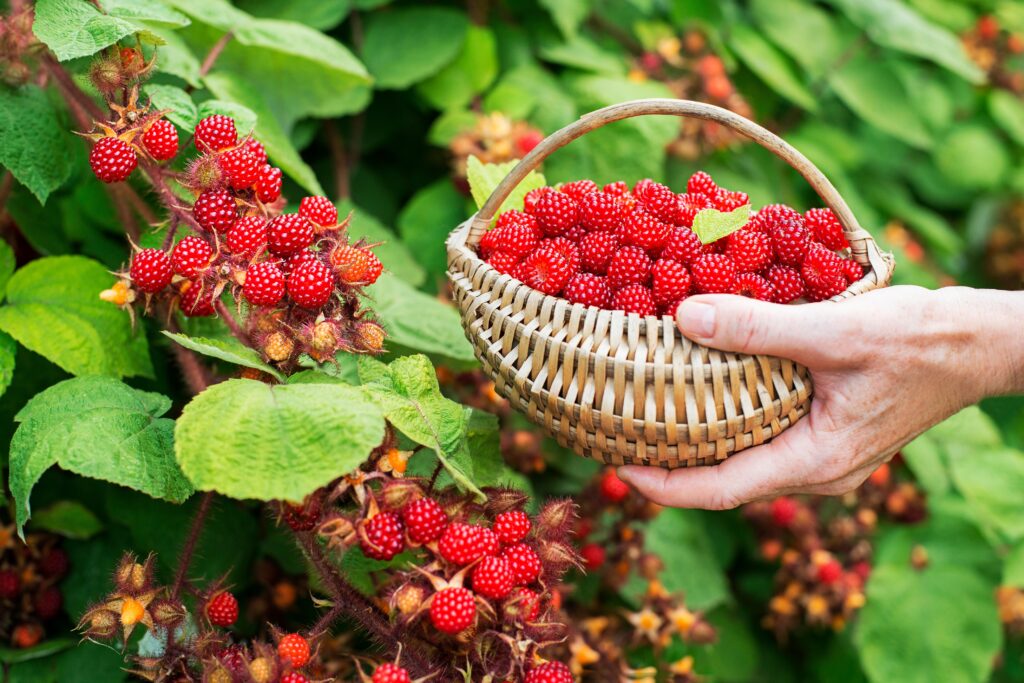
Raspberries are a favorite for home gardens because they can start paying you back with lots of fruit once the canes get going. The berries taste sweet with a little tang, and they are great for fresh eating, jam, and quick desserts. March is a good time to plant dormant canes in many places because the weather is still cool and the roots can settle in before hot days arrive. They do spread over time, so giving them a clear row or bed from the start makes life easier later.
There are summer-bearing and fall-bearing types, and each gives a slightly different rhythm to harvest season. Kids usually love picking raspberries because the fruit slips off easily when ripe, which makes harvest feel fun instead of like work. A simple support system helps keep canes upright and keeps berries cleaner after rain. Pruning matters with raspberries, but once you learn the pattern, it becomes a quick seasonal habit.
Blackberry
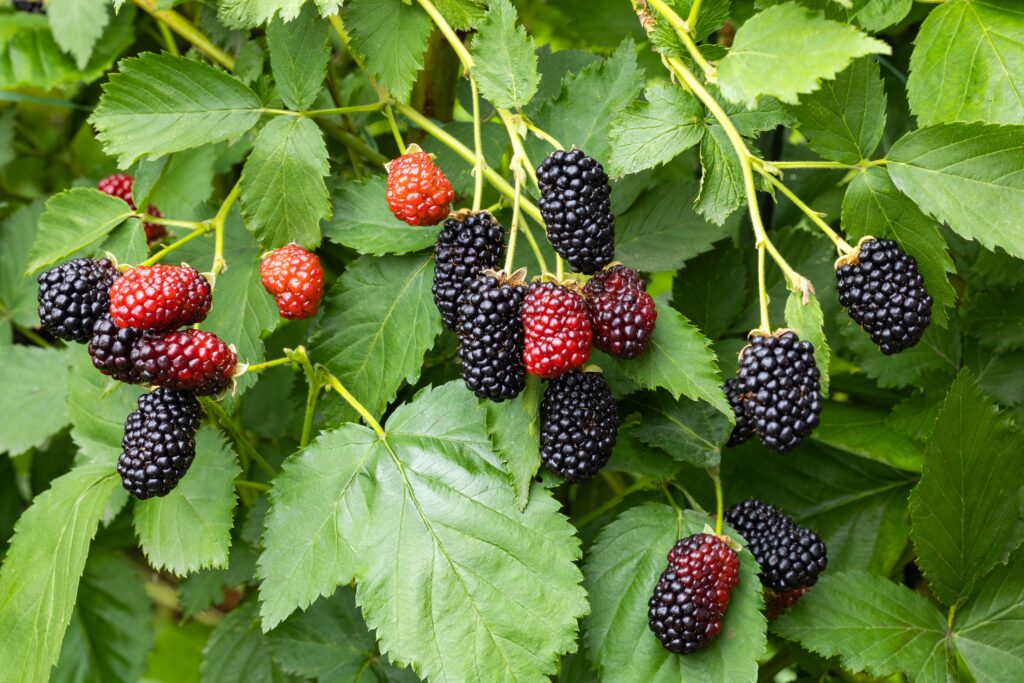
Blackberries can be a strong choice if you want a productive patch that feels generous after a few seasons. The berries are rich, juicy, and useful for cobblers, sauces, and freezer bags for later. March planting works well for many areas because cool soil and spring moisture help roots start growing before summer stress shows up. Newer thornless types make picking much easier for families who do not want scratched arms.
These bushes can get large, so spacing them properly at the beginning will save you from a crowded mess later on. A trellis or support wire helps keep canes organized and makes it easier to reach fruit during peak harvest. Birds love blackberries too, so you may need light netting if your plants are loaded. Even with a little upkeep, the amount of fruit from a healthy planting can feel worth it year after year.
Gooseberry
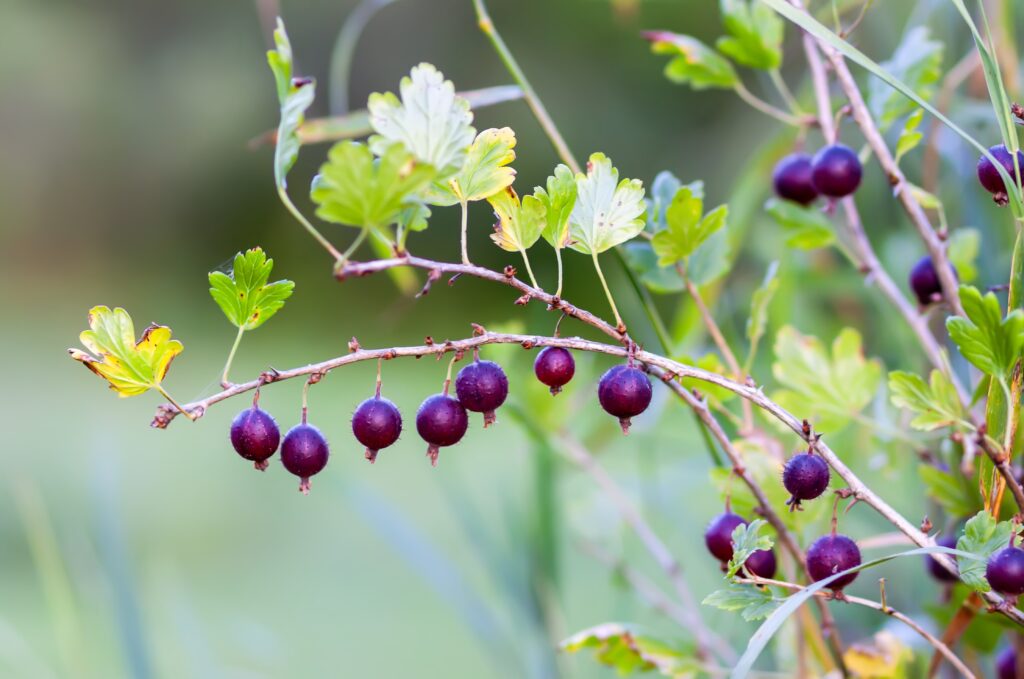
Gooseberries are not as common in many home gardens, which is exactly why they can be such a fun addition. The fruit can be green, red, or purple depending on the variety, and the flavor ranges from tart to sweeter when fully ripe. A March planting gives them a cool start, and they usually like a spot with good drainage and some air flow around the plant. Once established, gooseberry bushes can stay productive for a long time with regular pruning.
They are especially useful if you like making pies, preserves, or sauces that need a bright flavor. The branches on some varieties can be thorny, so gloves are a good idea when picking or pruning. Gooseberries often produce more than people expect from a relatively compact bush, which makes them handy for smaller yards. If you want something beyond the usual berry choices, this one brings variety without needing a giant space.
Red Currant
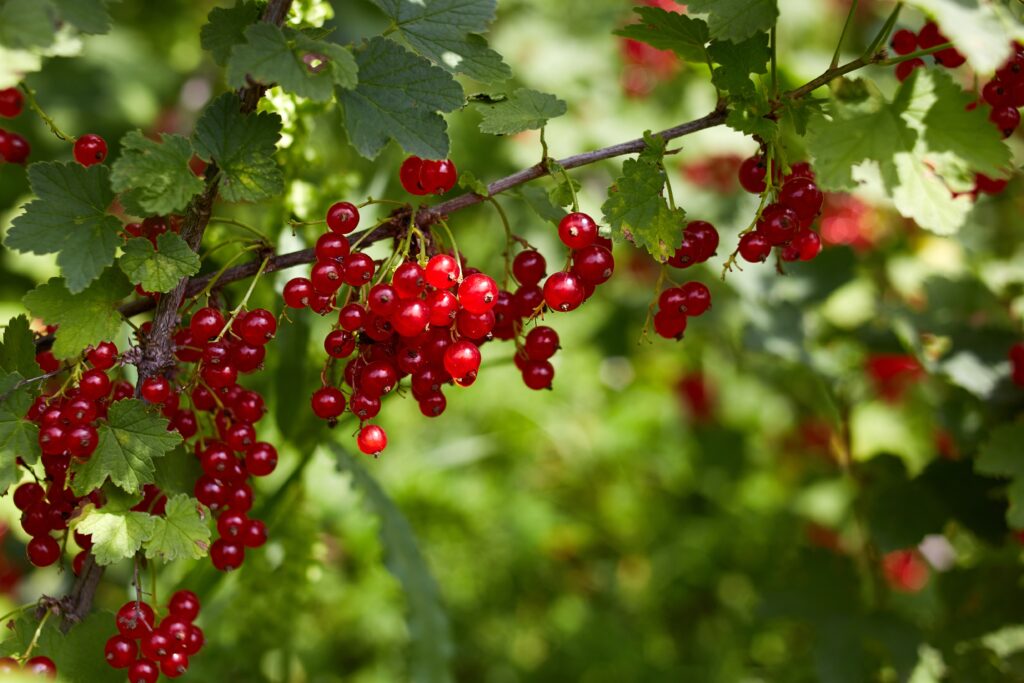
Red currants grow in beautiful hanging clusters that make the bush look decorative and productive at the same time. The berries are glossy and bright, so they stand out in the garden and are easy to spot during harvest. They are usually tart rather than sweet, which makes them perfect for jelly and sauces with a fresh, sharp flavor. Planting in March gives them a gentle start while the weather is still cool and moist.
Because the berries grow in strings, you can pick a lot in a short amount of time once they are ripe. Red currant bushes often stay manageable in size, which helps if you are trying to fit fruit plants into a mixed yard or garden bed. They can keep producing for many seasons with basic care and light pruning each year. If your family likes baking or homemade spreads, red currants can become one of the most useful plants in the yard.
Black Currant
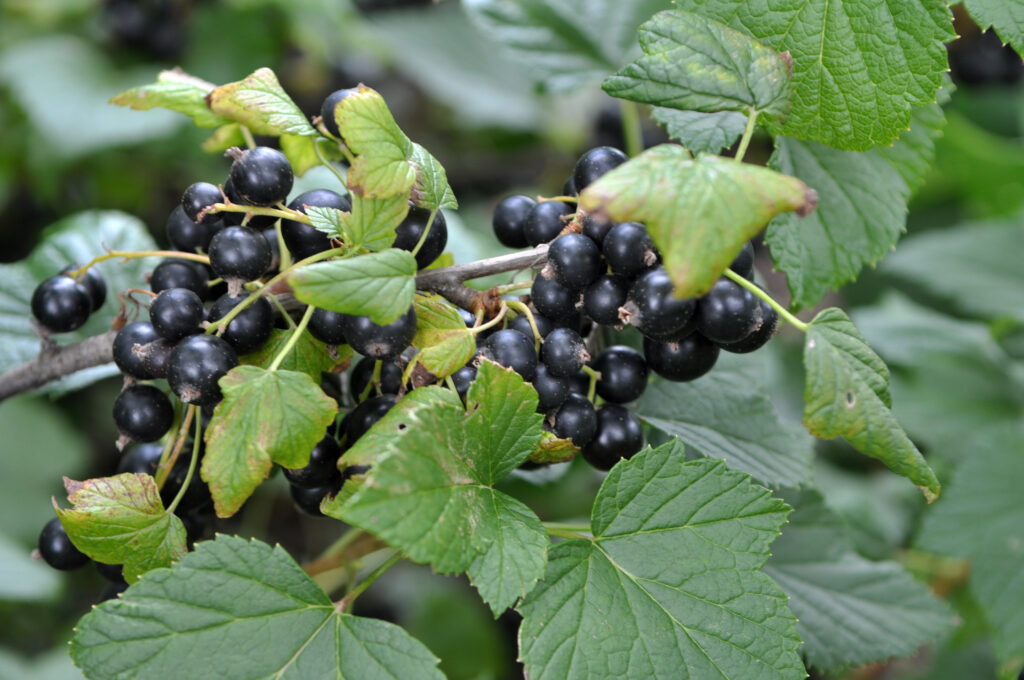
Black currants are known for strong flavor and deep color, and they can be incredibly rewarding if you like making jams or syrups. The bushes are usually hardy and productive once established, especially in cooler climates. March planting lets them wake up into spring in place, which can help them settle faster than a later planting during warm weather. They do best in well-drained soil and appreciate regular moisture during active growth.
The taste is more intense than many common berries, so they are often better cooked or mixed into recipes than eaten by the handful. That said, one good crop can go a long way in the kitchen because the fruit has so much character. A little yearly pruning helps keep fresh fruiting wood coming, which supports better harvests over time. If you want a berry bush with a big kitchen payoff, black currant is a great one to plant early.
White Currant
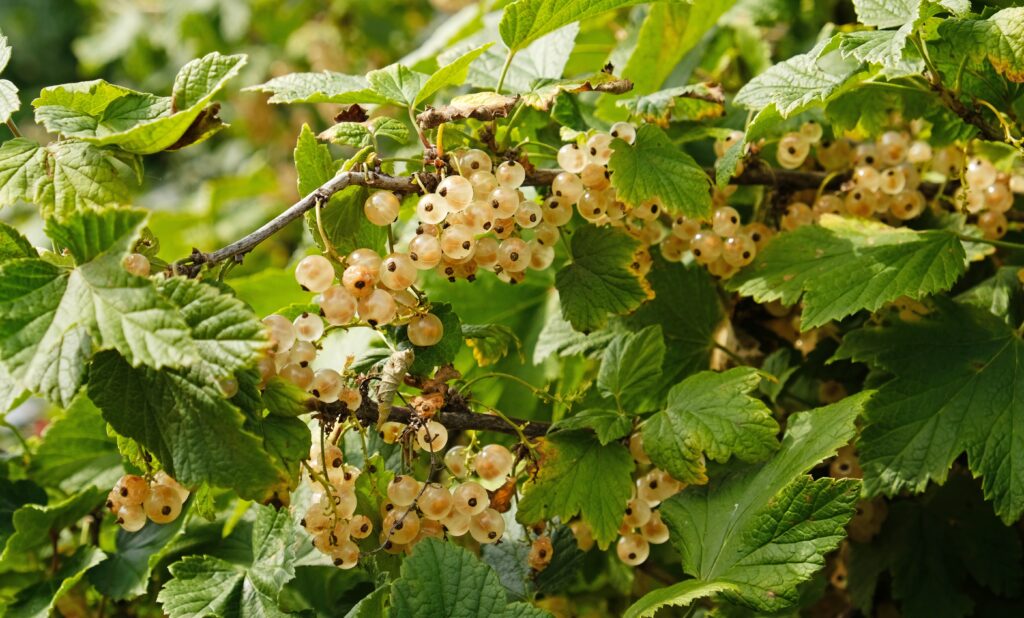
White currants are a nice choice if you want something a little different but still easy to use like red currants. The berries are usually pale gold or creamy translucent in color, and they look beautiful on the bush. Their flavor is often milder and a bit sweeter than red currants, which can make them more popular for fresh snacking. A March planting gives them cool conditions that help reduce stress while the roots get established.
These bushes stay fairly compact, so they fit well in smaller gardens or along a fence line with other fruit shrubs. The fruit clusters are easy to harvest, and they can be used in jelly, desserts, or even mixed berry recipes for a softer flavor. White currants can produce for many years when pruned lightly and kept healthy. They are not as common in stores, which makes growing your own feel extra rewarding.
Jostaberry
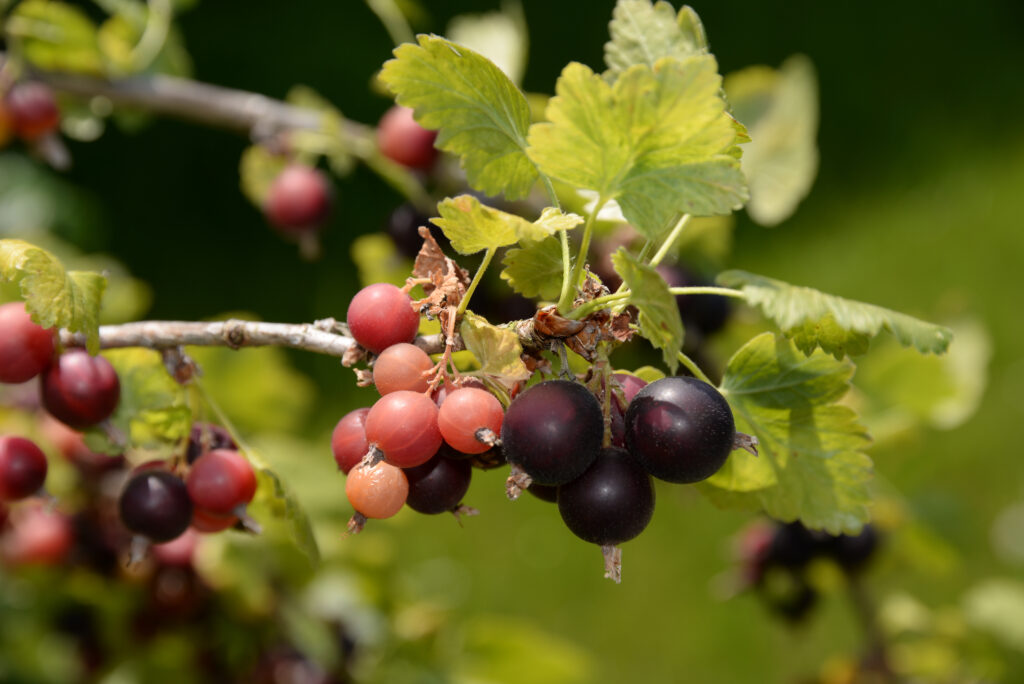
Jostaberry is a cross between black currant and gooseberry, and it brings some of the best traits from both parents. The bush is vigorous, productive, and often easier to grow than people expect once it is in the ground. March is a good planting time because cool spring weather gives the roots time to settle before the plant starts pushing hard growth. It can grow fairly large, so giving it room early will help keep it easier to manage later.
The berries are dark and flavorful, with a taste that works well for jams, sauces, and baking. Many gardeners like jostaberry because it gives a less common fruit without feeling fussy. A yearly pruning to thin older branches helps sunlight reach the center and supports better production. If you want one plant that adds variety to your berry patch, this one earns its spot.
Elderberry
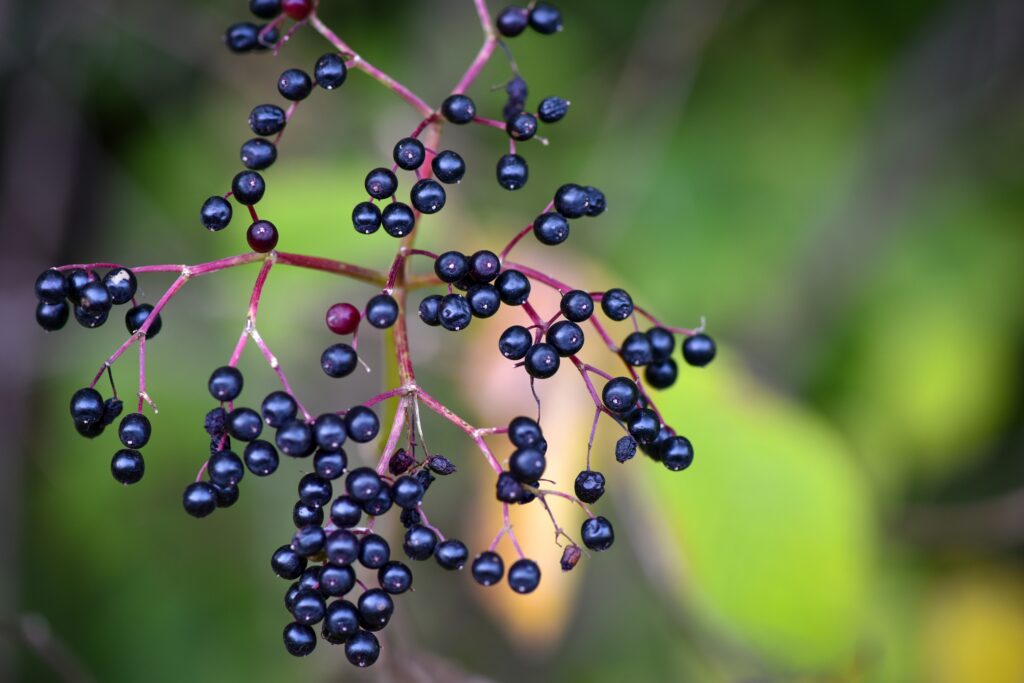
Elderberry is a strong long-term planting if you have the space and want a bush that can become very productive. It grows quickly, and mature plants can give heavy clusters of dark berries in good conditions. March planting works well because elderberries wake up fast in spring and benefit from getting roots established before hot weather. The plant also offers pretty flower clusters earlier in the season, which adds another reason people enjoy growing it.
The berries are usually cooked rather than eaten raw, and families often use them for syrup, jelly, and baked goods. You will usually get better fruit set by planting more than one variety for pollination. Elderberries can get big and a little wild-looking if ignored, so regular pruning keeps them easier to handle and harvest. For a backyard grower who wants a lot of usable fruit over time, elderberry can be a real workhorse.
Aronia Berry Bush
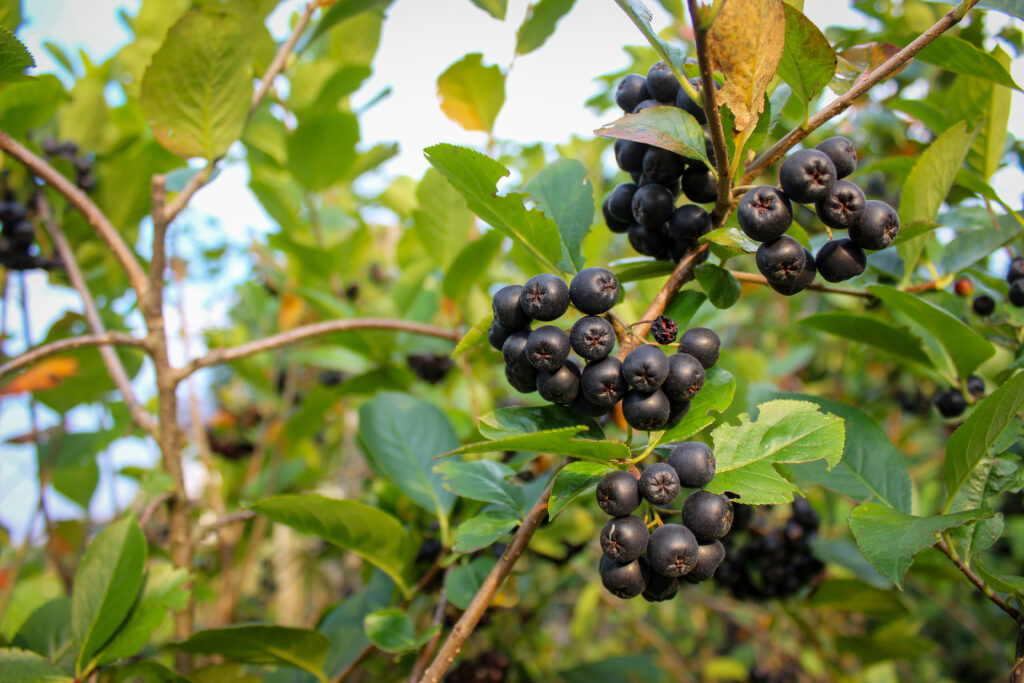
Aronia berry bush, often called chokeberry, is a very hardy shrub that handles a wide range of conditions once established. It grows as an ornamental shrub too, with spring flowers and strong fall leaf color, so it earns space in the yard even before fruit season. March planting is a good move because it lets the roots settle during cool weather and spring rains. The bush can produce reliably for many years with fairly simple care.
The berries are very tart and astringent fresh, so most people use them in juice blends, jam, or baked recipes. That strong flavor is exactly why some gardeners like them, since a little aronia can add depth to mixed berry batches. Aronia plants are also useful in hedges if you want fruit and privacy from one planting. If your goal is a low-fuss bush with a long life and a steady crop, this is worth a look.
Honeyberry
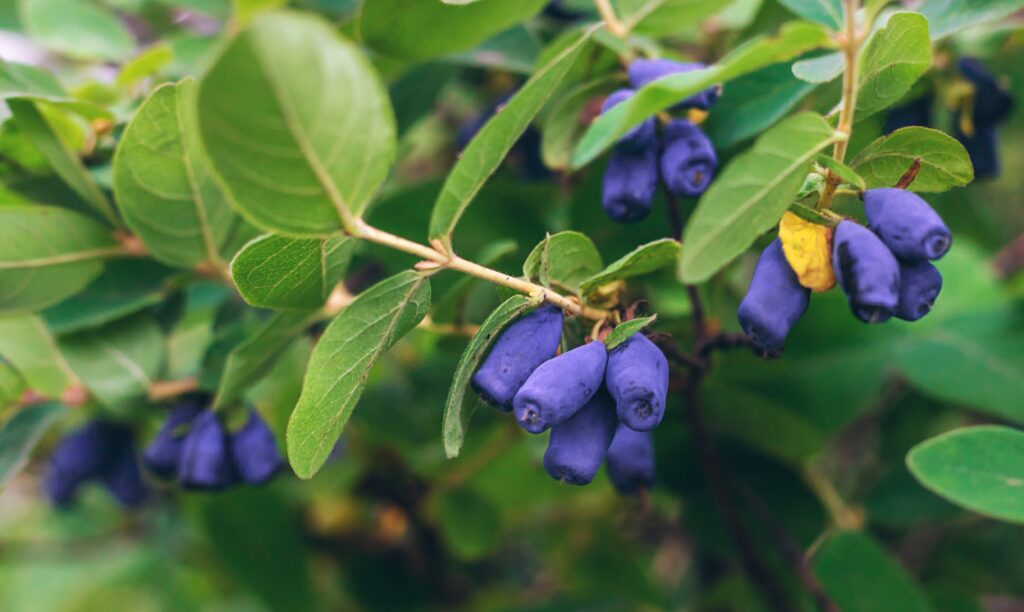
Honeyberry, also called haskap in many places, is an early fruiting shrub that can start the berry season before strawberries in some gardens. The berries are blue and elongated, and the flavor is often described as a mix of blueberry and raspberry. A March planting suits honeyberries well because they prefer cool weather and tend to do well in colder regions. They usually need a second compatible variety nearby for better pollination and stronger fruit set.
These shrubs stay manageable and can fit into smaller spaces without taking over the yard. The fruit is soft when ripe, so frequent checking during harvest season helps you pick it at the right time. Honeyberries are great for fresh eating, smoothies, and jam, especially because they ripen so early in the year. If you like the idea of starting berry season ahead of schedule, this is a very satisfying plant to grow.
Lingonberry
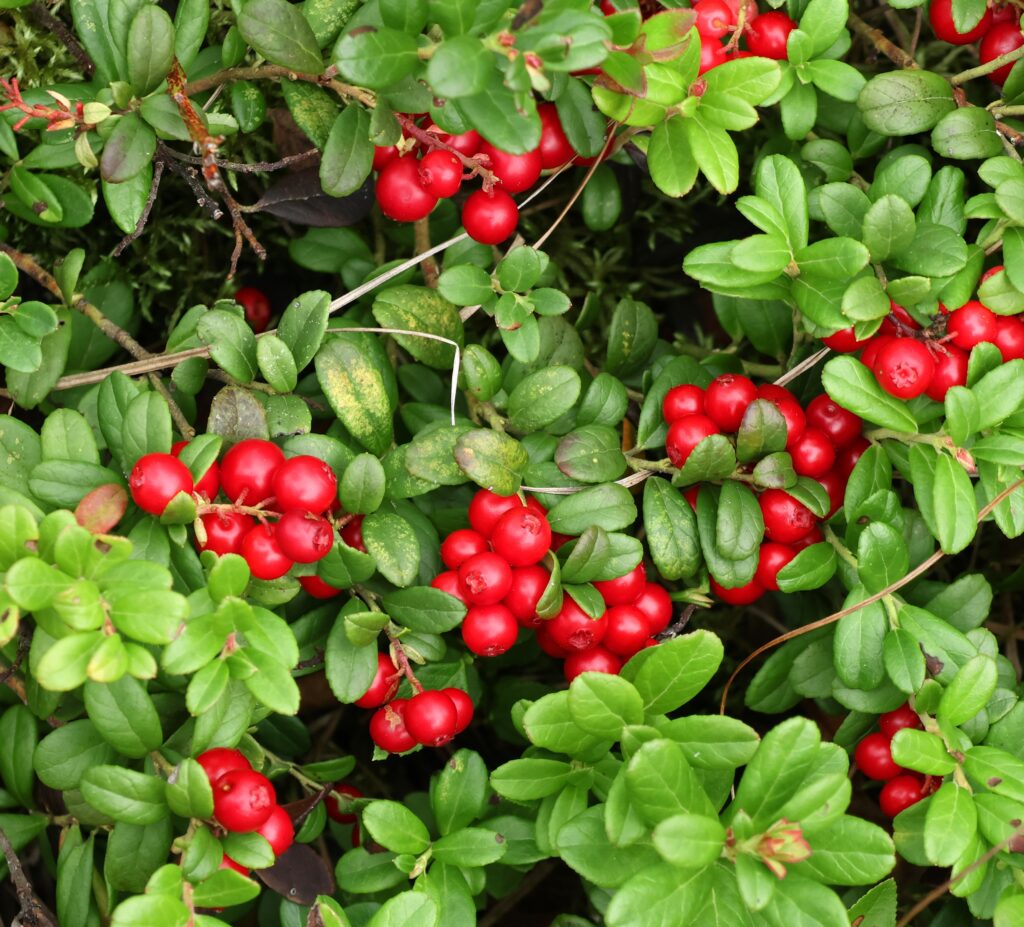
Lingonberry is a compact evergreen shrub that works well in cooler climates and can be a fun option for small garden spaces. The plants stay low, which makes them useful along borders or in raised beds where a larger bush would not fit. March planting can work well if the soil is ready and drainage is good, especially in areas where spring arrives gradually. Like blueberries, they prefer acidic soil, so planning the planting spot matters.
The berries are tart and most often used in jam or sauces rather than eaten plain by the handful. Lingonberries can also look neat and attractive in the landscape, which gives them value beyond the harvest. Once established, they can produce for years and slowly fill in an area if conditions suit them. For gardeners who want a smaller berry plant with a long payoff, lingonberry is a great niche pick.
Huckleberry
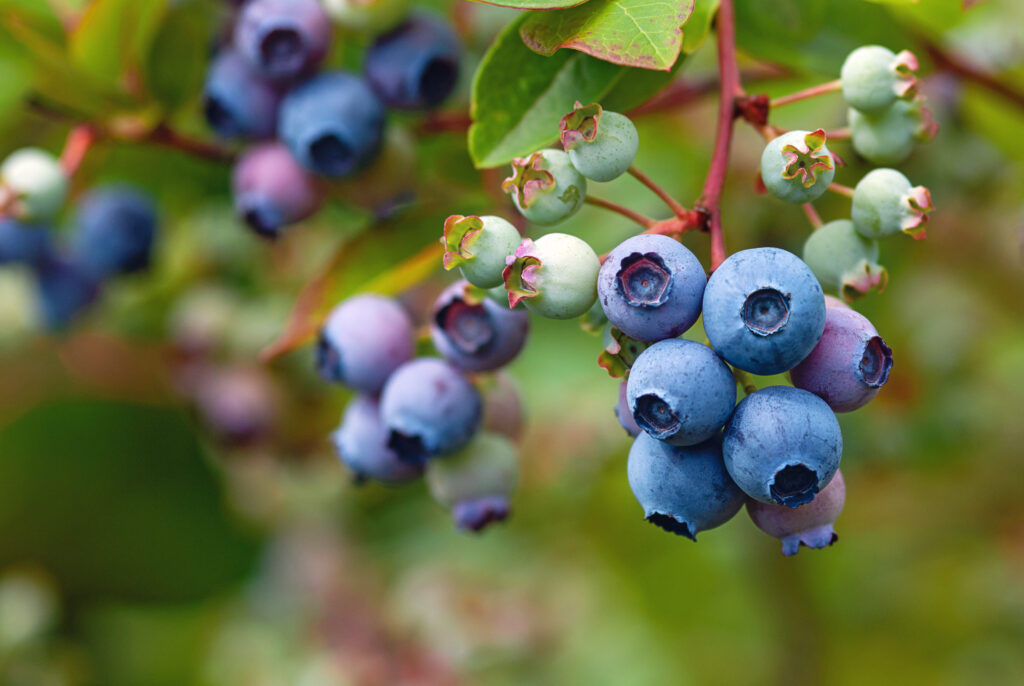
Huckleberry can be a rewarding choice for gardeners who want a native-style berry with rich flavor, though it can be more particular than common backyard berries. The berries are often sweet and deep in flavor, and many people love them for pancakes, pies, and jam. A March planting gives the plant a cool start, but success depends a lot on matching the variety to your region and soil conditions. Some types are harder to transplant and slower to establish, so patience matters here.
When huckleberries do settle in, they can become a long-term part of the garden and produce year after year. They often like conditions that feel more woodland-like than a typical vegetable bed, including good organic matter and steady moisture. This is not always the fastest payoff on the list, but the flavor is a big reason people stick with it. If you enjoy growing plants that feel a little special and local, huckleberry can be a very satisfying project.
Serviceberry (Juneberry)
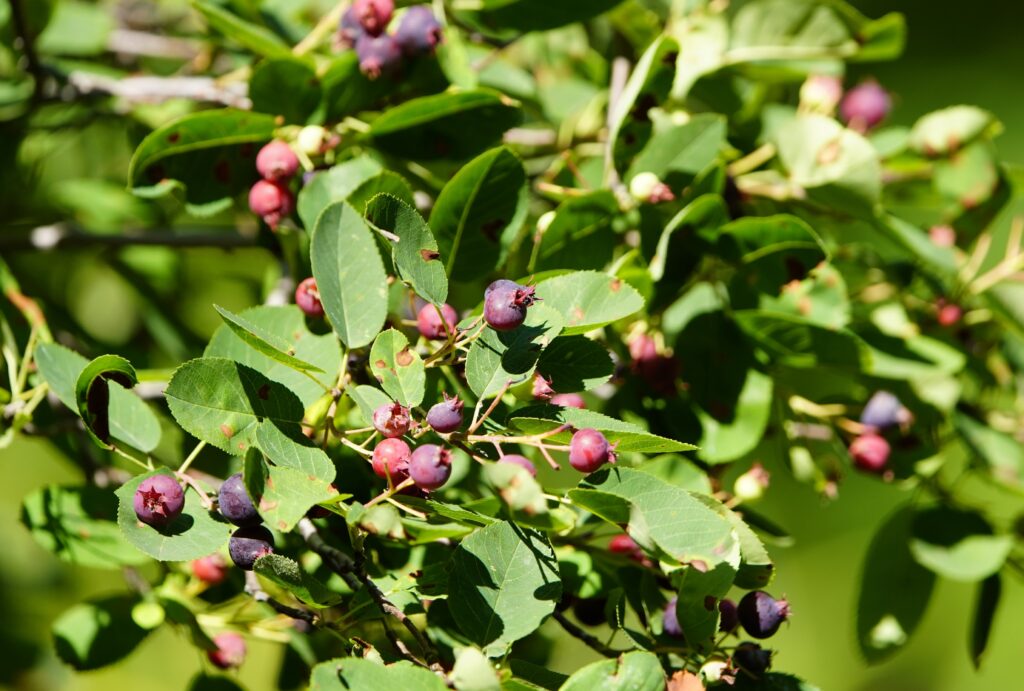
Serviceberry, also called juneberry, is one of the most versatile picks on this list because it can work as a shrub or small tree depending on the type. It gives early spring flowers, edible berries, and beautiful fall color, so it pulls its weight in the yard across multiple seasons. March planting is a smart time for serviceberry because the plant can settle in while temperatures are mild and moisture is more reliable. Once established, it can produce for many years and needs far less fuss than many fruit plants.
The berries taste sweet and mild, and they are easy to use in muffins, pies, or fresh snacks when you beat the birds to them. Families often like serviceberry because it looks like a landscape plant first and a fruit plant second, which helps it fit into front or side yards. Netting may be useful during ripening since birds are very quick to notice the crop. If you want something productive that also looks good all year, serviceberry is a strong pick.
This article originally appeared on Avocadu.