
15 Beginner Friendly Plants That Survive Short Winter Days
Winter can be tough on plants, especially when the days are short and the light is limited. However, some plants thrive during this season, making them perfect for beginner gardeners. These hardy options can tolerate colder temperatures and still add beauty to your home. If you are new to gardening, these plants are a great place to start. Let’s take a look at some of the best choices for winter-friendly gardening.
This post may contain affiliate links, which helps keep this content free. Please read our disclosure for more info.
Spider Plant
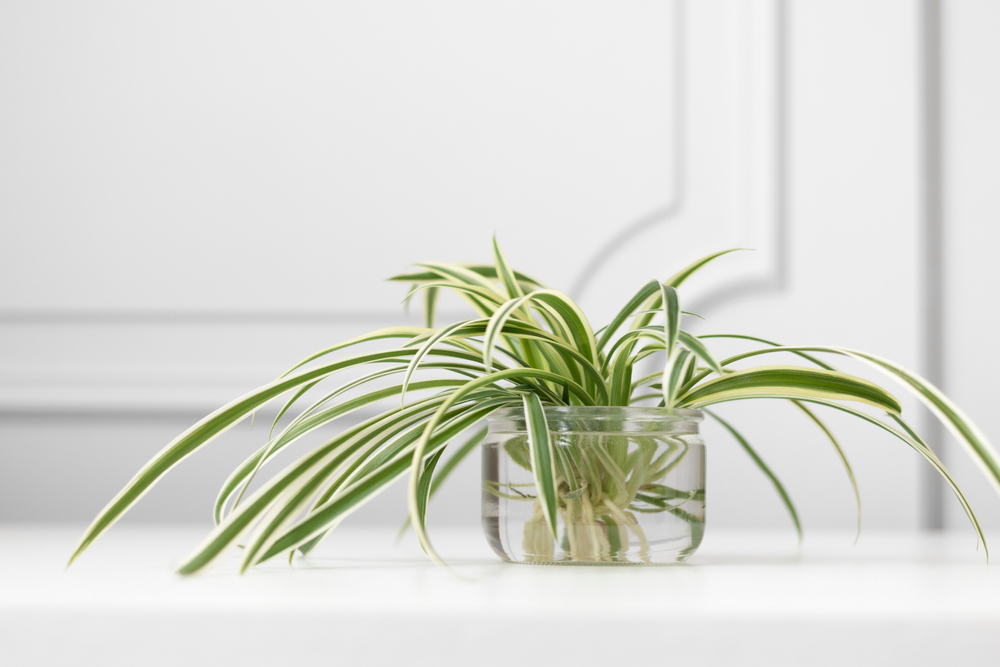
Spider plants are known for being easy to care for, making them perfect for beginners. They thrive in indirect light, which is ideal for the limited sunlight of winter. These plants are also quite adaptable and can tolerate a range of temperatures. Simply water them when the soil feels dry, and they will continue to grow through the winter months.
In addition to their resilience, spider plants can also improve indoor air quality. Their long, arching leaves and tiny white flowers add a touch of nature to any room. They are a great choice for homes with low light. These plants also do well in pots or hanging baskets, making them versatile and space-saving.
Snake Plant
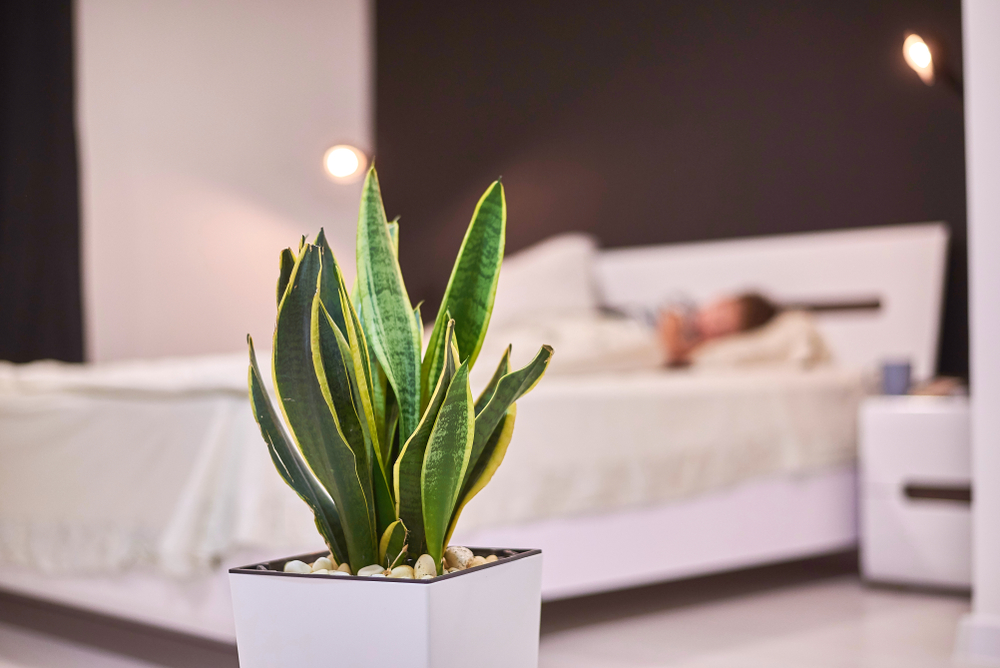
The snake plant, also known as the mother-in-law’s tongue, is an incredibly hardy plant. It thrives in low-light conditions and does not require frequent watering. During the winter, it can survive on minimal sunlight and occasional watering, making it an excellent choice for beginners. The upright, sword-like leaves of the snake plant also add a sleek, modern look to any home.
This plant is perfect for beginners because it can handle neglect and still thrive. It can also improve air quality by filtering toxins, making it a beneficial addition to any room. While snake plants prefer warmer temperatures, they can handle the cooler indoor temperatures of winter. Their durability and low maintenance make them a favorite for new gardeners.
Pothos
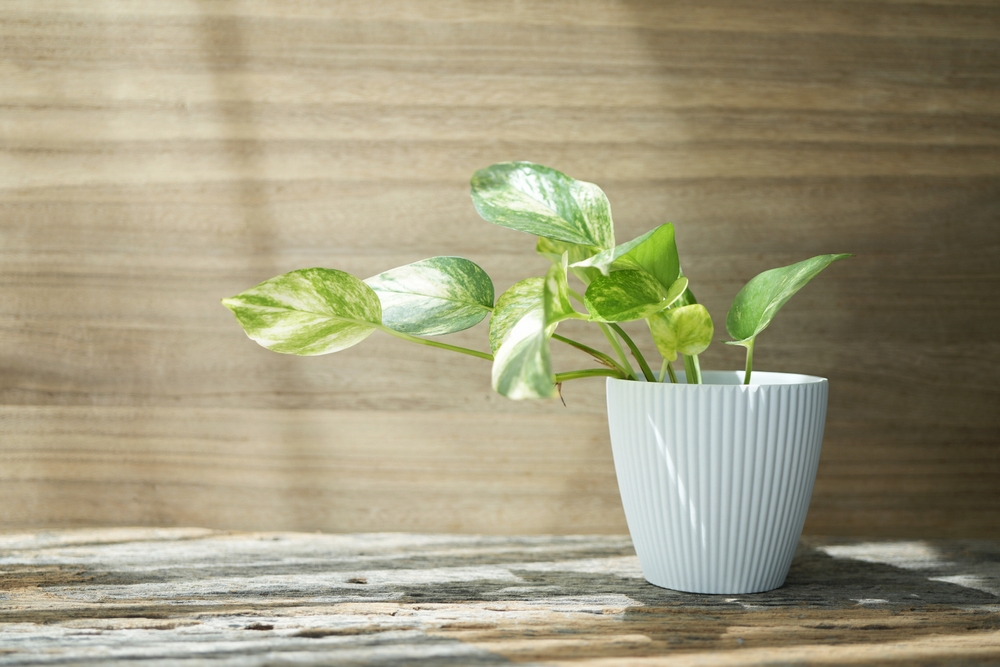
Pothos are low-maintenance vines that can grow in a variety of indoor environments. They tolerate low light, so even during the short days of winter, they will continue to thrive. Pothos plants are also forgiving when it comes to watering, as they can survive if you forget to water them occasionally. Their trailing vines make them ideal for hanging baskets or as a cascading centerpiece.
This plant is also known for its ability to adapt to different conditions, making it great for beginners. Pothos come in various varieties, such as golden pothos or marble queen, which offer different leaf patterns and colors. They grow quickly, providing a lush, green addition to your home throughout the winter months. Their resilience and attractive appearance make them a popular choice for those new to indoor gardening.
ZZ Plant
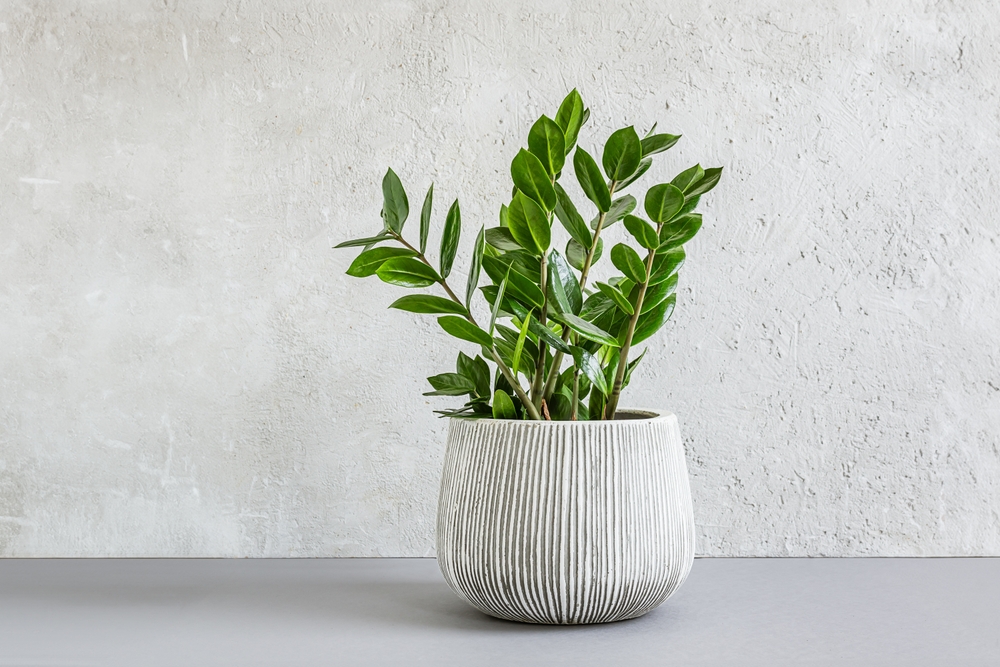
The ZZ plant is known for its ability to thrive in low light and dry conditions. This makes it a perfect option for winter, when natural sunlight is scarce. ZZ plants can tolerate both neglect and minimal watering, making them very beginner-friendly. Their glossy, dark green leaves add a touch of elegance to any space.
This hardy plant grows slowly, so you do not need to worry about frequent repotting or pruning. It also does well in various temperatures, which makes it suitable for the fluctuating indoor temperatures during winter. The ZZ plant is a great choice for those who want a low-maintenance, beautiful addition to their home. Its ability to survive even in difficult conditions makes it a reliable companion for any beginner gardener.
Aloe Vera
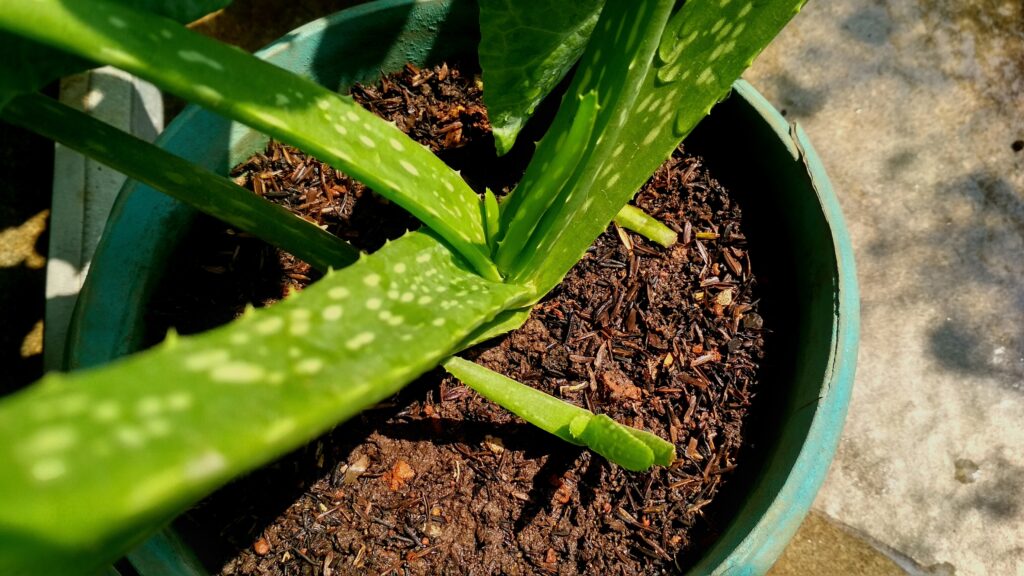
Aloe vera is well-known for its medicinal properties, but it is also a resilient plant that can thrive indoors during the winter months. It prefers bright, indirect sunlight, which is often easier to provide indoors during winter. Aloe vera is a succulent, so it does not require frequent watering, and over-watering can be harmful. Water it only when the soil is dry, and it will continue to grow even with the limited light of short winter days.
In addition to being low-maintenance, aloe vera is a great plant to have around because of its health benefits. Its leaves contain a gel that can be used to soothe burns or skin irritations. Aloe vera plants can also purify the air, adding an extra benefit to their simple care requirements. This plant is perfect for beginners who want a functional and beautiful addition to their home.
English Ivy
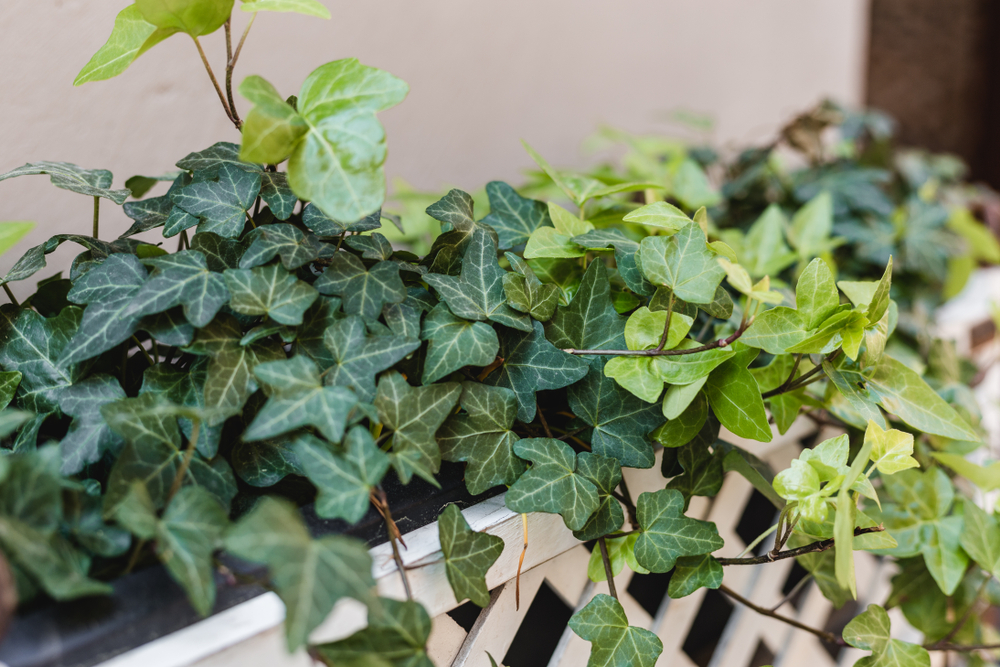
English Ivy is a versatile plant that thrives in low-light conditions, making it ideal for winter indoor spaces. It can be grown as a hanging plant or trained to grow along a trellis or wall. English Ivy is easy to care for, requiring occasional watering and a bit of indirect sunlight. During winter, it will grow slowly, but it will continue to survive and maintain its vibrant green leaves.
This plant is not only beginner-friendly but also known for its air-purifying properties. It can absorb toxins in the air, helping to create a cleaner indoor environment. English Ivy is also relatively pest-resistant, making it a low-maintenance option for beginners. It is a great addition to any home, offering both aesthetic and health benefits.
Peace Lily
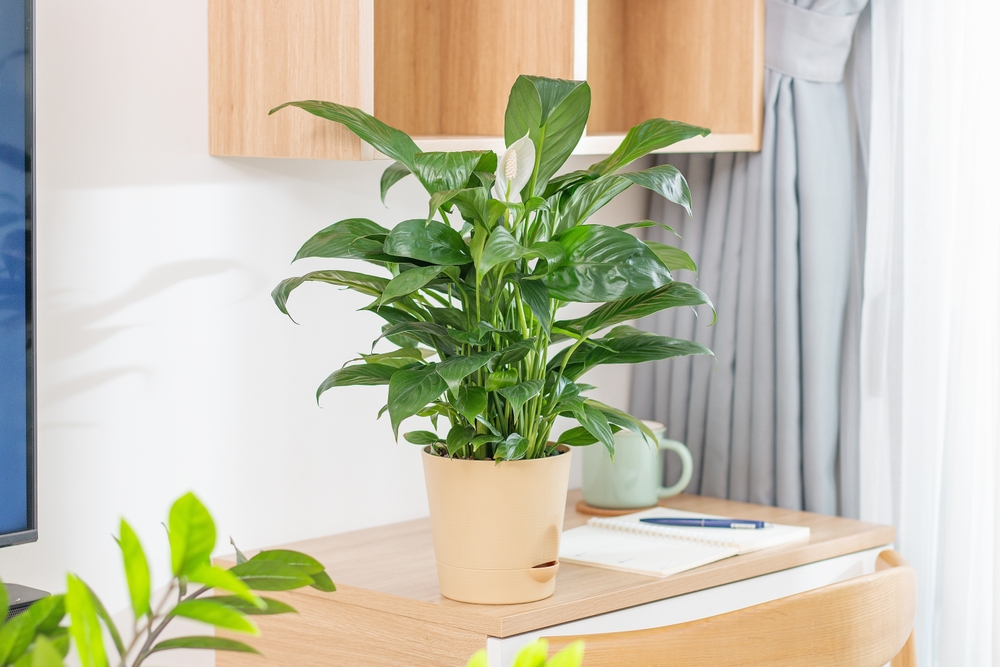
Peace lilies are a great choice for indoor spaces during the winter months. They tolerate low light and require minimal care, making them an ideal plant for beginners. Peace lilies need only occasional watering, and they will continue to bloom with their elegant white flowers. These plants also thrive in the humidity of indoor environments, which is especially useful during the dry winter months.
In addition to their low-maintenance nature, peace lilies are known for their air-purifying properties. They can filter harmful chemicals like benzene and formaldehyde from the air, improving indoor air quality. Peace lilies also add a peaceful, calming presence to any space with their delicate flowers and lush green leaves. This makes them a popular choice for both beginners and experienced gardeners alike.
Jade Plant
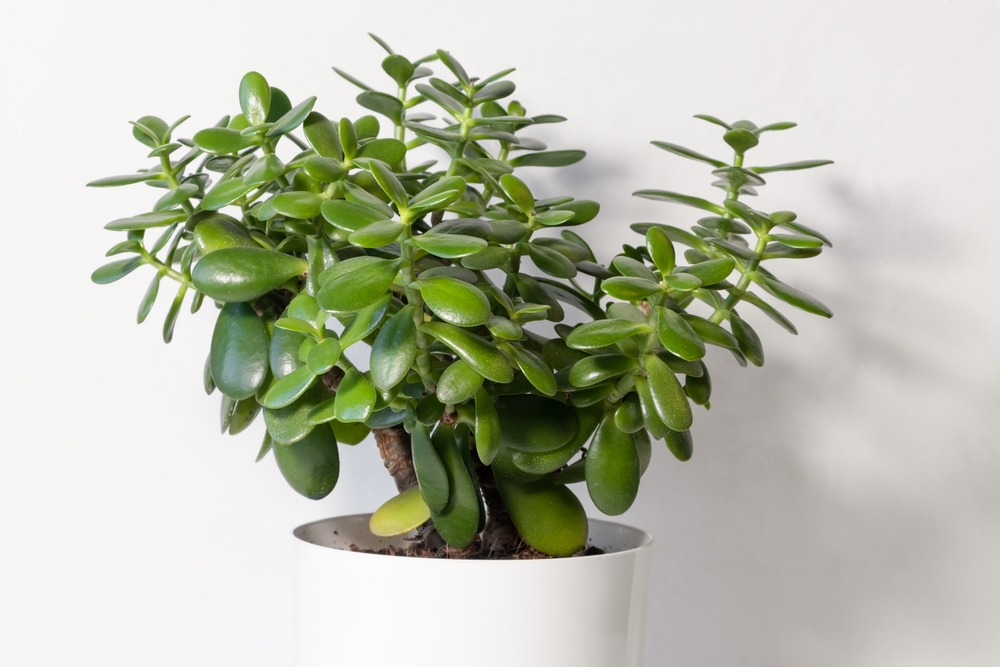
Jade plants are another beginner-friendly option that thrives during the winter. As a succulent, it can survive in dry conditions and requires very little water. It prefers bright, indirect light, so place it near a window where it can get some sunlight, even on shorter winter days. Jade plants are known for their thick, fleshy leaves, which store water and help the plant survive during dry spells.
This plant is also a symbol of good luck in many cultures, making it a meaningful addition to your home. Jade plants are slow-growers, so they do not require frequent repotting or maintenance. They are perfect for beginners who are looking for a low-maintenance, long-lasting plant. With its attractive appearance and ease of care, the jade plant is a great choice for anyone looking to add greenery to their home.
Lavender
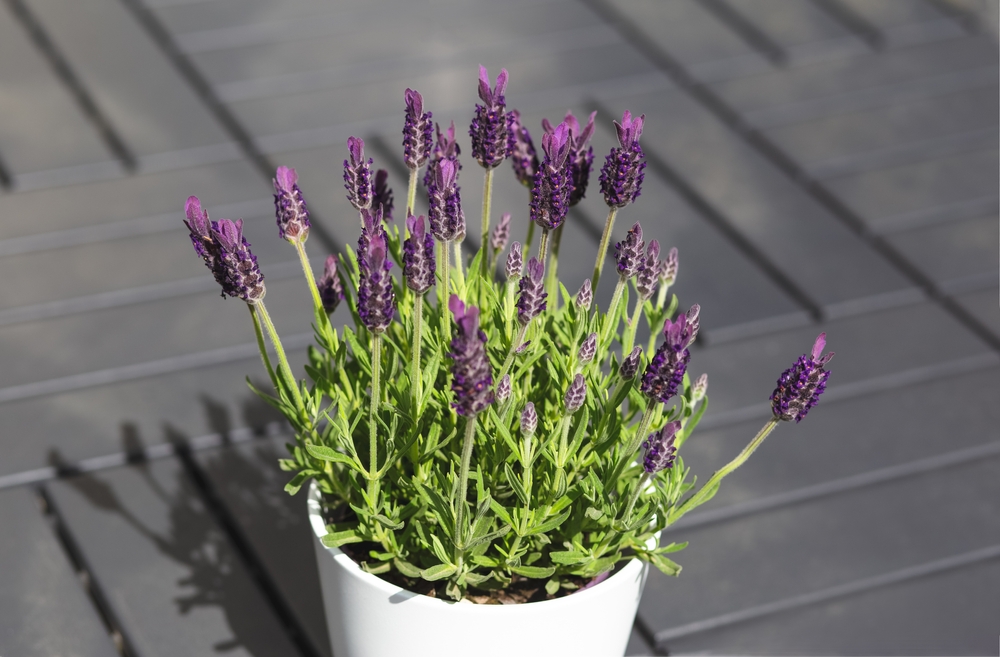
Lavender can be grown indoors during the winter and will thrive with a little extra attention. It prefers bright sunlight, so it is important to place it in a sunny spot where it can get a few hours of light each day. During the winter, you may need to rotate the plant to ensure all sides receive adequate light. Lavender does not need frequent watering, as it prefers dry soil.
This fragrant plant not only adds a lovely scent to your home but can also be used for medicinal purposes. It can help with relaxation, making it perfect for creating a peaceful indoor environment during the winter months. Lavender also attracts beneficial insects, such as bees, during the warmer months, but indoors, it still provides aesthetic and calming benefits. Its versatility and beauty make it an excellent option for beginner gardeners.
Calathea
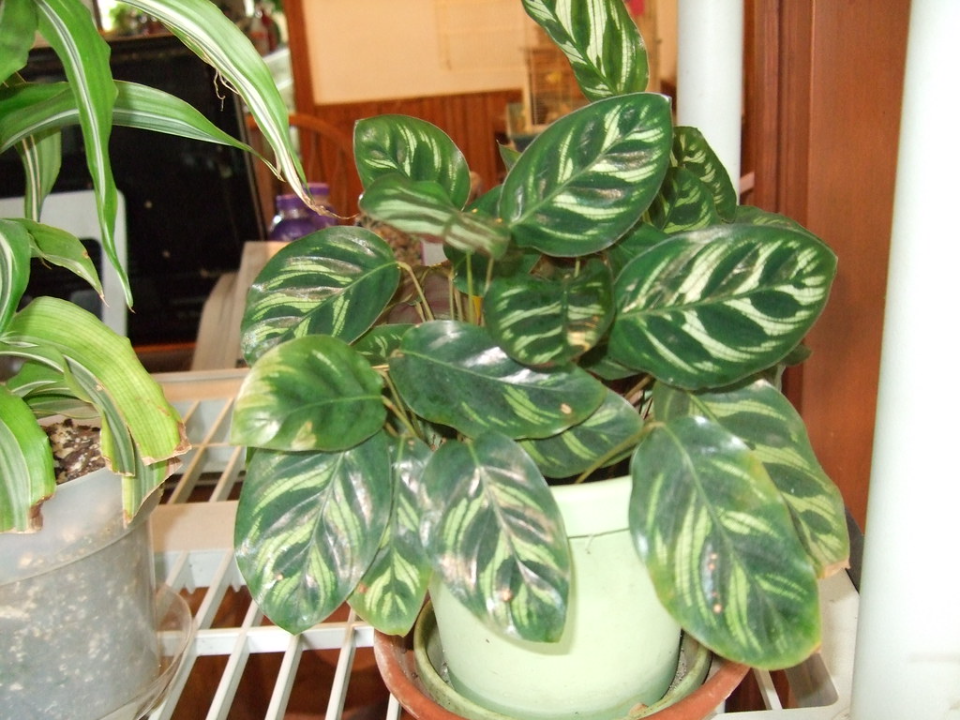
Calatheas are a great plant choice for beginners due to their tolerance for lower light and humidity. These plants have striking patterned leaves that make them a beautiful addition to any room. While they need consistent watering, they prefer to be kept in slightly moist soil rather than dry conditions. Calatheas also enjoy warmer temperatures, making them well-suited for indoor winter spaces.
One of the benefits of calathea plants is their ability to adapt to a variety of indoor environments. They can survive in low light, making them perfect for the shorter winter days. With minimal care, they will continue to provide vibrant color to your home. Their unique foliage and ease of care make them a great choice for beginner gardeners.
Cactus
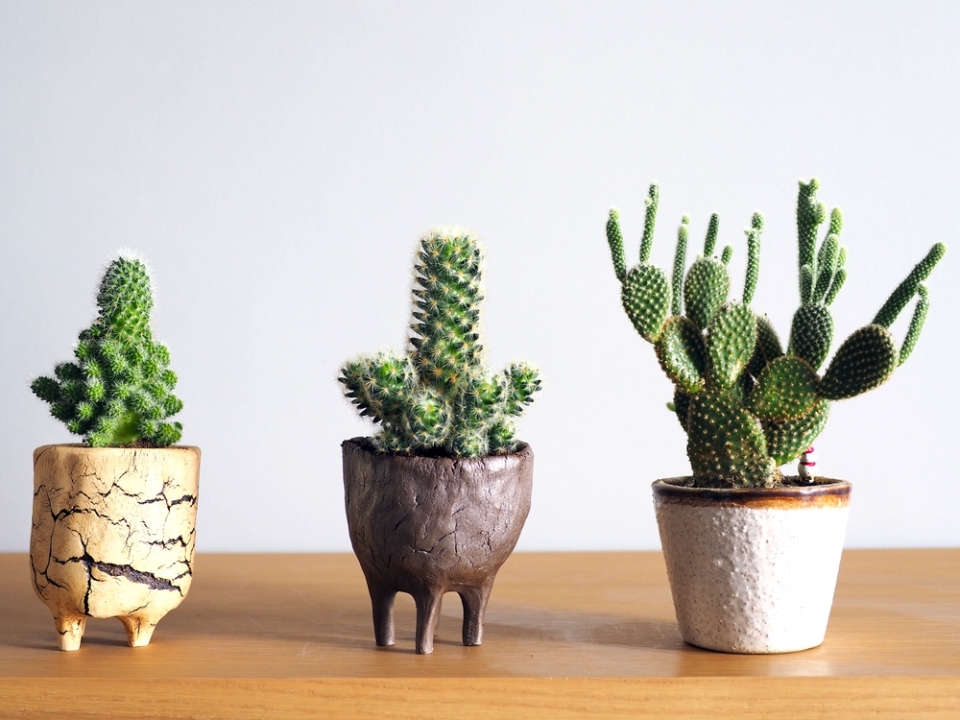
Cacti are known for their resilience and can easily survive indoor winter conditions. They thrive in bright, indirect sunlight and only need to be watered sparingly. Cacti are great for beginners because they are low-maintenance and can survive with little attention. They can tolerate dry air and the cold temperatures of winter, making them a perfect addition to your home during the season.
Cacti come in various shapes and sizes, so you can choose one that fits your space. Their unique and often striking appearance adds a touch of interest to your home decor. Additionally, cacti do not require frequent repotting, which makes them ideal for busy or novice gardeners. Their ability to thrive on minimal care makes them a popular choice for beginners.
Ferns
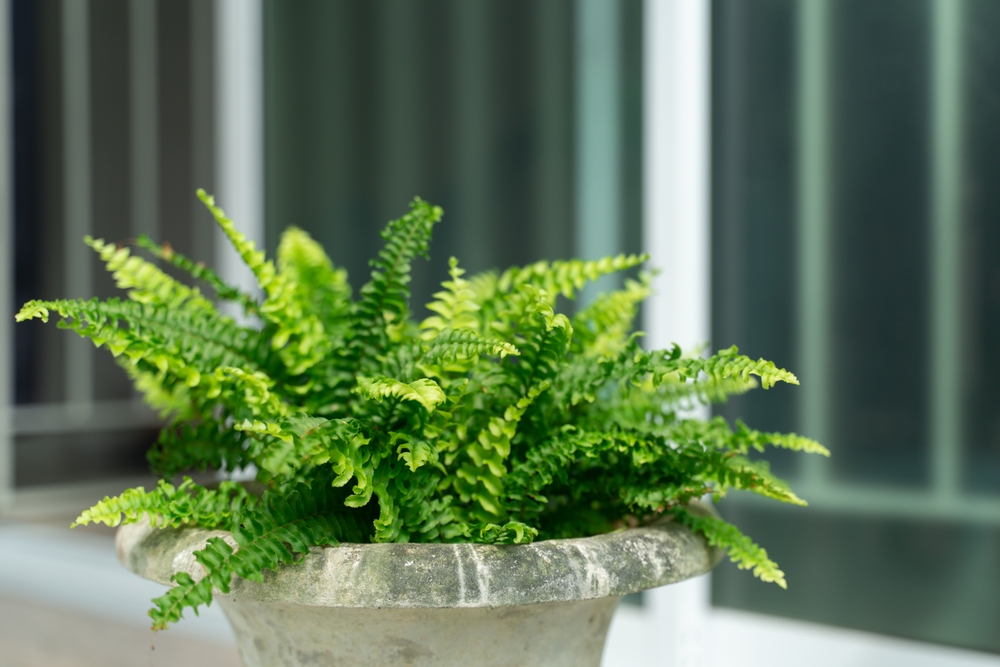
Ferns are a wonderful addition to your home during the winter months, especially because they thrive in humidity. They do well in indirect light, making them ideal for winter when sunlight is limited. Ferns need to be watered regularly, but they prefer slightly moist soil, so they do not dry out completely. Their lush, green fronds add beauty and life to indoor spaces.
These plants are perfect for beginners because they can adapt to a variety of indoor environments. Ferns are known for their ability to purify the air, making them not only beautiful but also beneficial for your health. While they require some attention, their overall care needs are simple and manageable. Their elegance and air-purifying qualities make them a great choice for your winter indoor garden.
Begonias
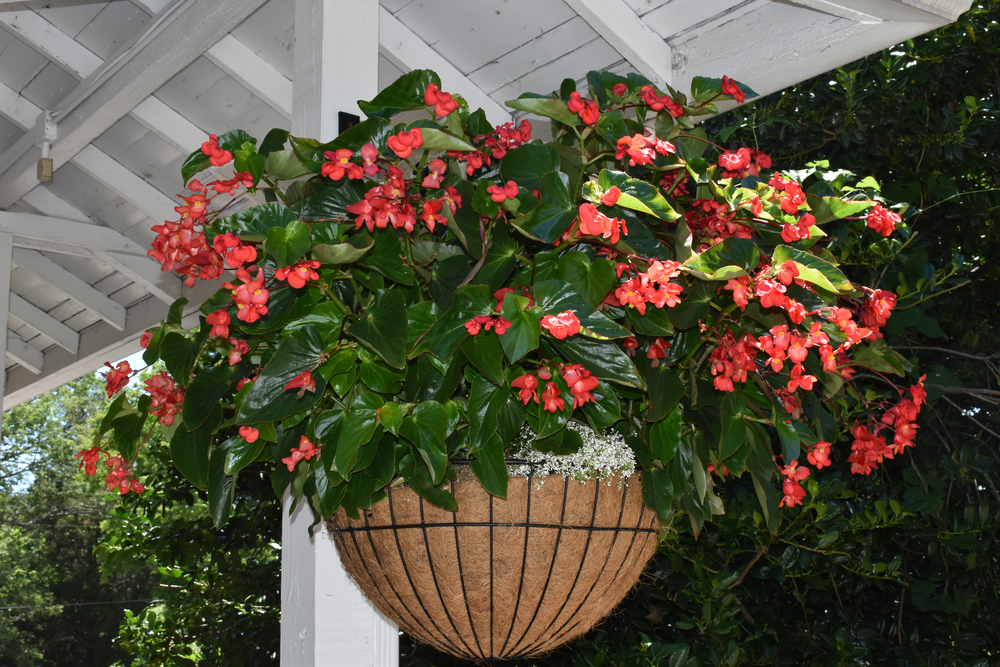
Begonias are hardy plants that thrive in low light and are perfect for indoor winter environments. They are available in various colors, from vibrant reds to soft pinks, making them an attractive addition to your home. Begonias only require light watering, as they do not like to sit in soggy soil. Their colorful blooms can last for months, brightening up your home even during the dreary winter months.
Begonias are easy to care for, making them a great choice for beginners. They can tolerate a range of indoor temperatures and are often found in office spaces, where the environment is not always ideal for plants. With a little care, begonias can flourish indoors throughout the winter. Their long-lasting flowers and ease of maintenance make them a great option for novice gardeners.
Basil
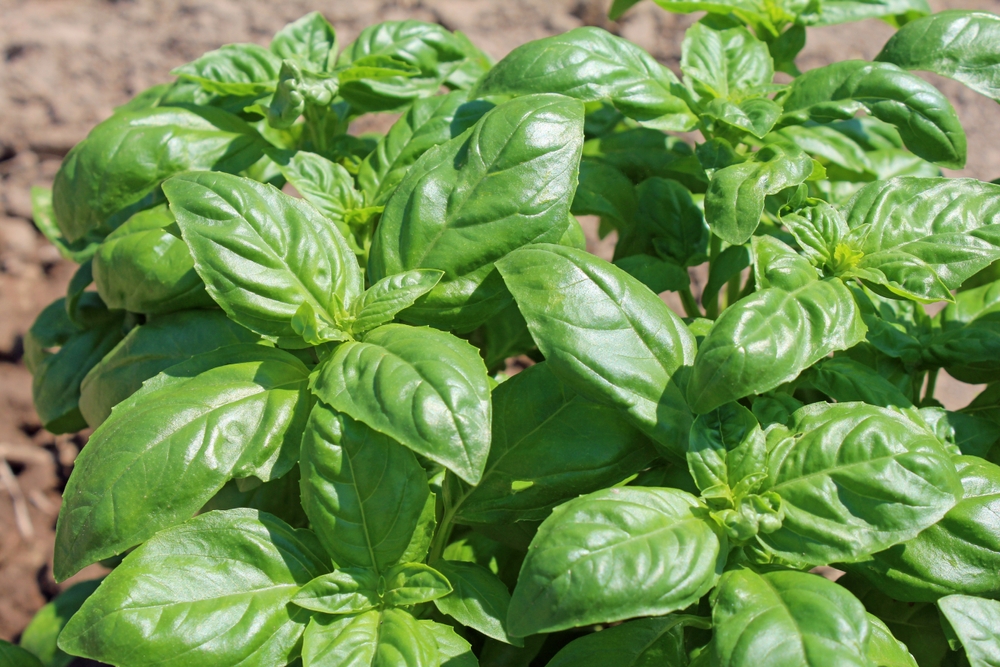
Basil is often grown outdoors, but it can also thrive indoors during the winter months. It requires plenty of sunlight, so make sure to place it near a bright window. Basil also benefits from regular watering, but you should allow the soil to dry out slightly between waterings. It is a perfect plant for beginners who want to grow herbs in their homes.
Basil is not only a great indoor plant, but it is also useful for cooking. Its fragrant leaves can be used in a variety of dishes, adding flavor to your meals. Basil’s quick growth means you will have a fresh supply of leaves even in the winter months. It is a great way to enjoy fresh herbs during the colder season.
Kalanchoe
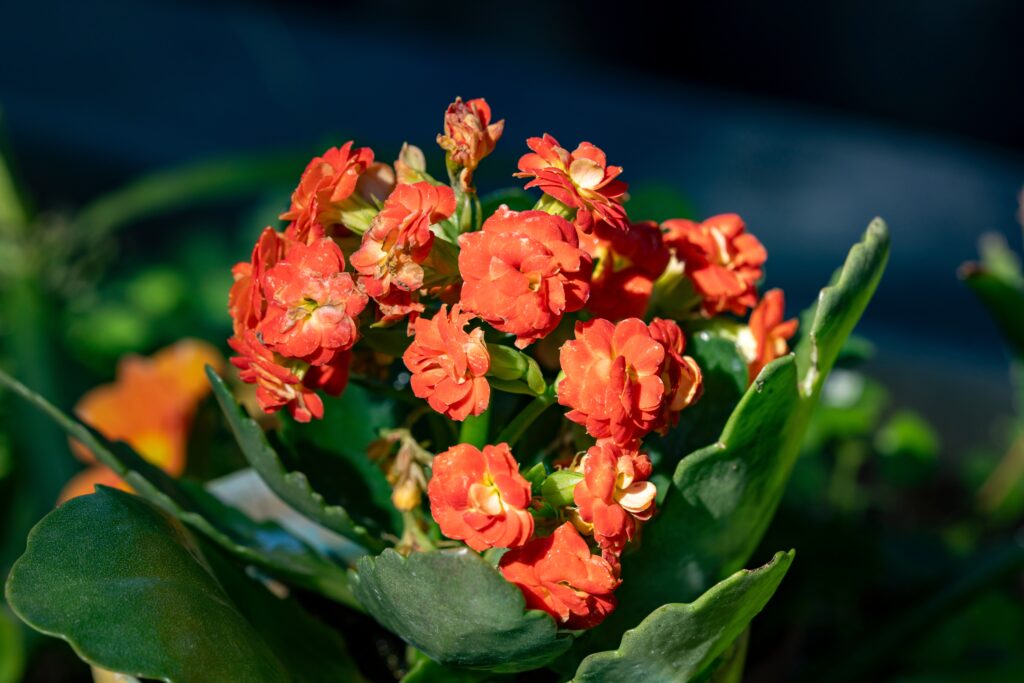
Kalanchoe is a hardy succulent that thrives indoors during winter. It prefers bright, indirect light and requires very little water, making it an ideal plant for beginners. Its vibrant flowers bloom during the winter months, adding color to your home during a time when other plants are dormant. Kalanchoe’s low-maintenance care makes it a perfect choice for anyone new to gardening.
This plant is great for small spaces, as it does not take up much room. It can survive in dry conditions and can handle the fluctuations in indoor temperatures. Kalanchoe adds both beauty and ease to your home, providing a cheerful touch even on the coldest days. Its attractive flowers and simple care requirements make it an ideal choice for beginner gardeners.
This article originally appeared on Avocadu.