
13 Bare Root Plants To Buy In February And How To Store Them Safely
February marks the beginning of bare-root plant season, making it the perfect time to start adding to your garden. However, proper storage is crucial to ensure these plants stay in good condition before you’re ready to plant them. In this article, we’ll discuss which bare-root plants are worth buying this month.
This post may contain affiliate links, which helps keep this content free. Please read our disclosure for more info.
Peach Trees
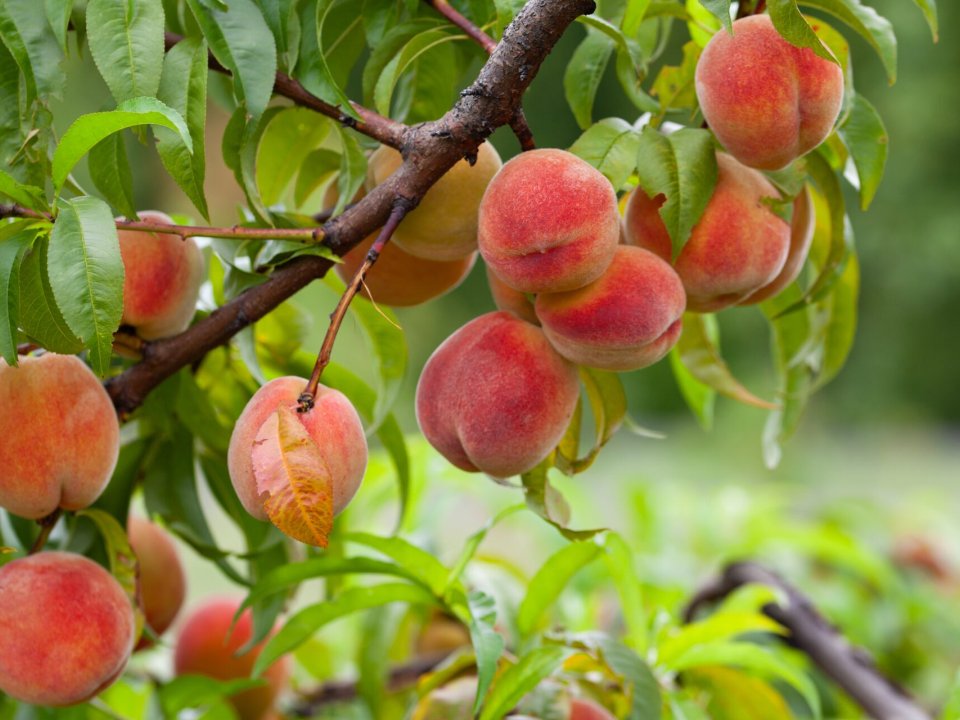
Peach trees thrive in warm climates and are a great addition to any garden. Bare-root peach trees are available in February when the trees are still dormant, making it the perfect time to plant them for the upcoming season. To store peach trees, keep the roots wrapped in damp burlap or newspaper and place them in a cool, shaded spot such as a basement, unheated garage, or root cellar. Check the roots periodically to ensure they are not drying out, as this can cause significant damage to the tree.
Once the weather warms up and the ground is workable, peach trees should be planted in full sunlight and well-drained soil. These trees require a lot of light to produce sweet fruit, so choosing a spot with ample sun exposure is essential. Peach trees should be pruned regularly to remove any dead or damaged wood, which helps encourage new growth. As they mature, you will be rewarded with sweet, juicy peaches that make all the care worthwhile.
Roses

Bare-root roses are a popular option for gardeners looking to add color and fragrance to their outdoor spaces. February is an ideal time to purchase and plant bare-root roses, as they are dormant, which makes the planting process less stressful for the plant. To store roses until you are ready to plant them, wrap the roots in damp burlap or newspaper and keep them in a cool, dry spot. A basement or garage works well, but be sure to check them every few weeks to ensure they remain moist without becoming waterlogged, which could cause root rot.
When it comes time to plant, make sure to soak the roots in water for a few hours before placing them in a hole that is twice as wide as the root ball. Roses thrive in full sunlight and well-drained, fertile soil, so choose a location that gets plenty of sunlight throughout the day. To help the plant establish itself, prune the rose back after planting, removing any damaged or dead growth. With proper care, you’ll enjoy their beautiful blooms and sweet fragrance season after season.
Blueberry Bushes
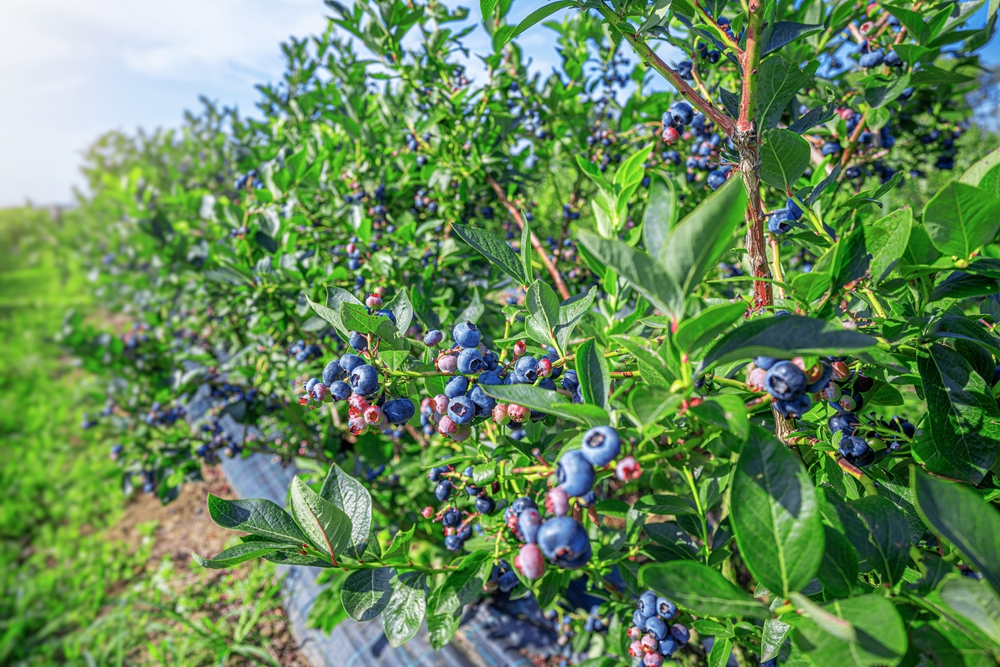
Blueberry bushes are a great addition to any garden, offering both beauty and tasty fruit. Bare-root blueberries are typically available in February, and they need to be stored carefully to ensure successful growth. Store the bare roots in a cool, dark location, such as a basement or root cellar. Wrap the roots in damp burlap or newspaper to maintain moisture but avoid soaking them. This prevents the roots from drying out, which is essential to the plant’s health.
Once the ground is ready for planting, choose a sunny location with well-drained, slightly acidic soil. Blueberries require a soil pH between 4.5 and 5.5 to thrive, so you may need to amend the soil with peat moss or sulfur to adjust the pH. Plant blueberries in a hole that is large enough to accommodate the roots without crowding them. Space the bushes about 18 inches apart to allow them to spread. With proper care and maintenance, blueberry bushes will yield delicious fruit for years to come.
Gooseberries
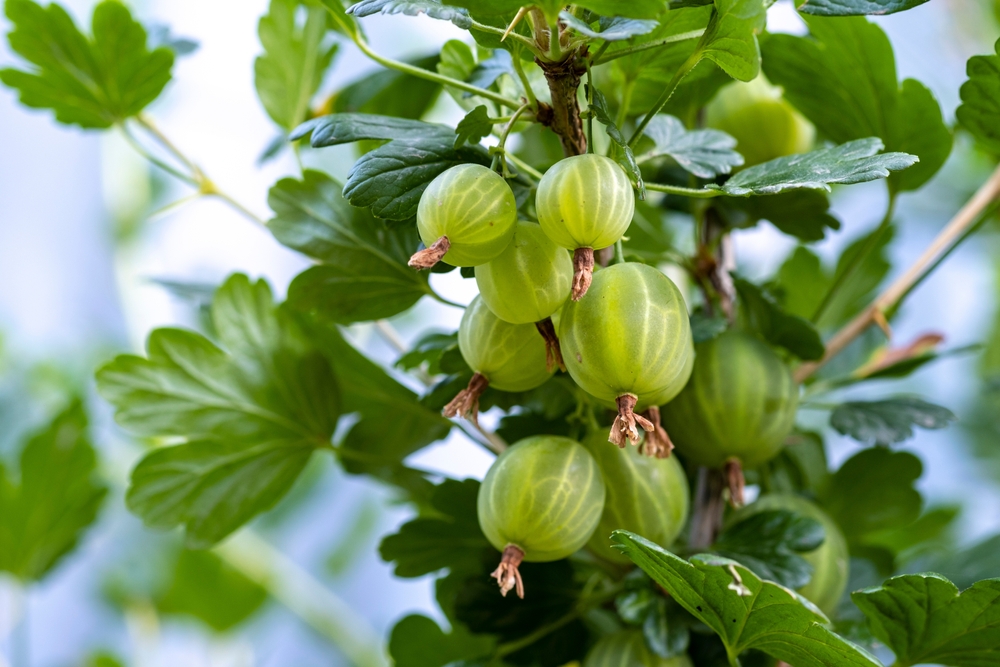
Gooseberries are hardy, fruit-bearing plants that are a wonderful addition to any garden. Bare-root gooseberry bushes are best bought in February, giving them time to settle in before the growing season. To store them properly, keep the roots moist by wrapping them in damp newspaper or burlap and place them in a cool, dry location like a basement or shed. Be sure to check the roots every few weeks to ensure they remain moist but not soaking wet, as excess moisture can lead to rot.
When planting gooseberries, choose a location that gets partial sun and has well-drained soil. These plants thrive in slightly acidic soil, so be sure to amend the soil with organic material to improve the pH. Gooseberries should be spaced about 4 feet apart to ensure proper airflow and reduce the risk of disease. Regular pruning is important to encourage new growth and improve air circulation, ensuring healthy, productive plants.
Strawberries
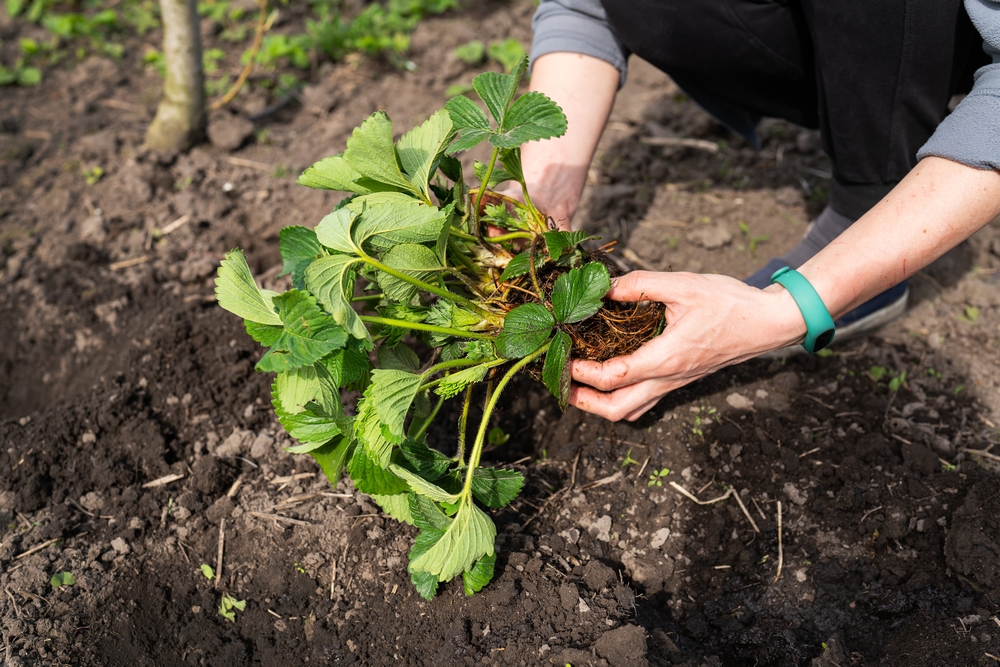
Strawberry plants are a must-have for many gardeners, especially in the spring. Bare root strawberries are typically available in February, and they are easy to store until the weather warms up. Store the bare roots in a cool, dark place and wrap them in damp newspaper or burlap to keep them moist. Check the roots periodically to ensure they are not drying out. If the roots begin to dry, rehydrate them by soaking them in water for a few hours before planting.
Once the ground is warm enough for planting, choose a sunny location with well-drained soil. Strawberries thrive in loose, fertile soil, so it’s helpful to amend the soil with compost or organic matter. Plant the strawberries 18 inches apart to allow for proper growth and air circulation. With care, these plants will produce sweet, juicy fruit that can be harvested in the late spring and early summer.
Asparagus
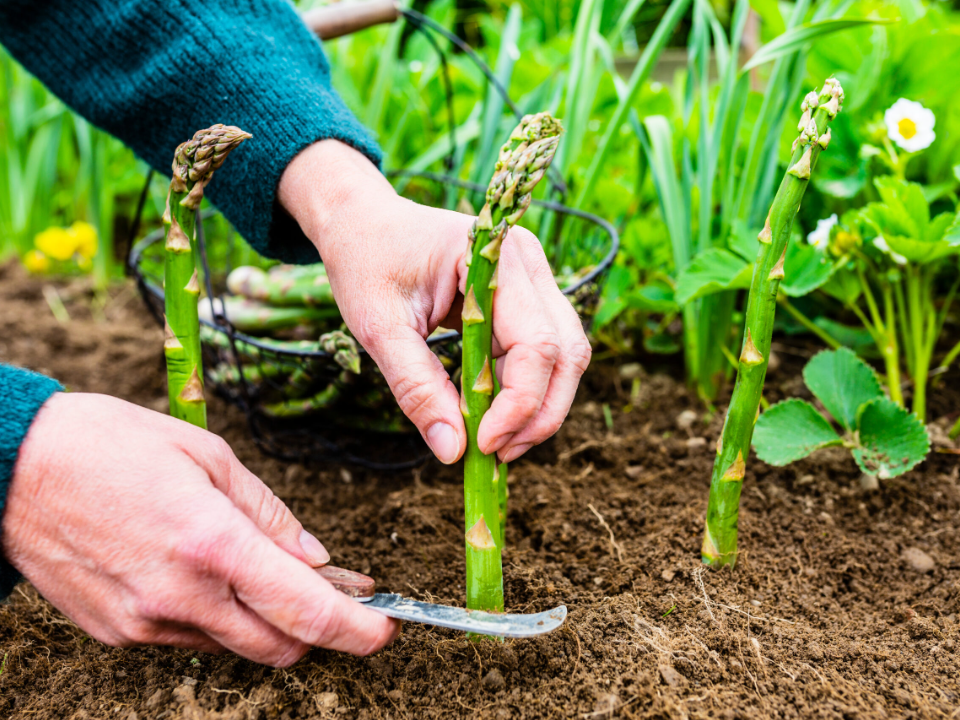
Asparagus is a perennial vegetable that provides a long-term harvest with minimal effort once established. Bare-root asparagus crowns are ideal for planting in February, and they should be stored in a cool, dark place until ready for planting. Keep the roots moist by wrapping them in damp burlap or newspaper and checking them periodically to ensure they remain hydrated. If you do not plan to plant immediately, you can store the roots in a trench covered with soil to keep them protected from the cold.
When the ground is ready for planting, soak the roots in water for several hours before planting them in well-drained, sandy soil. Asparagus prefers a sunny spot and should be spaced 18 inches apart in rows. It’s important to wait for a few years before harvesting, as this gives the plants time to become well-established. Once established, asparagus will produce tender shoots every spring for many years to come.
Blackberries
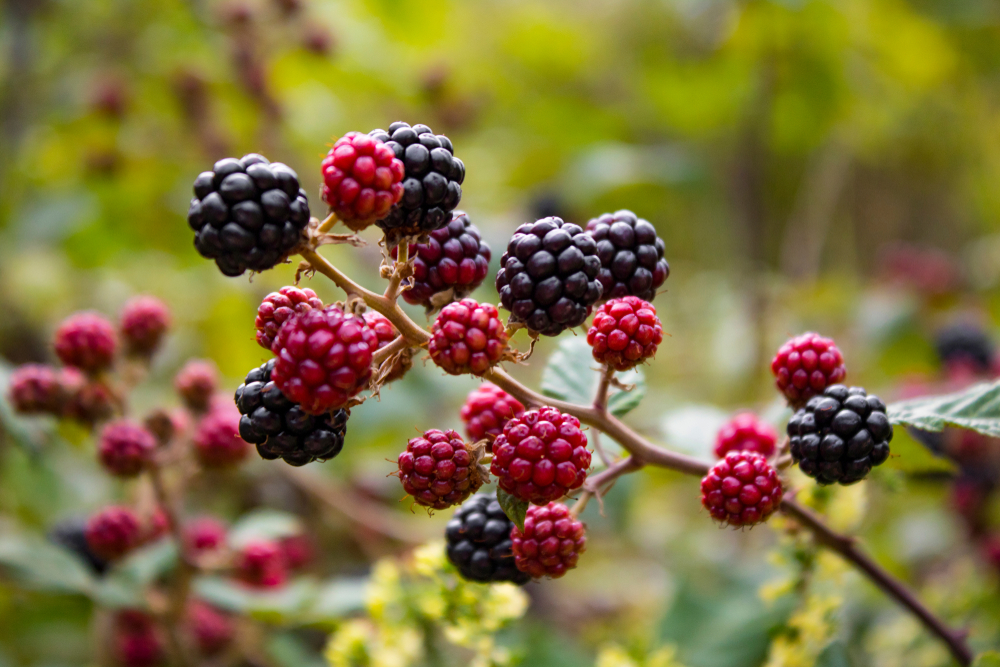
Blackberries are delicious and hardy fruiting plants that can grow well in most gardens. Bare-root blackberry plants are available in February, and it’s important to store them in a cool, shaded location until planting time. Wrap the roots in moist burlap or newspaper and place them in a dark, cool area. Check the roots every few weeks to ensure they are not drying out, and rehydrate them if necessary before planting.
Blackberries need full sun and well-drained, fertile soil to thrive. When planting, make sure to space them 3 to 4 feet apart to allow for proper airflow. They benefit from a trellis system, as blackberries can become quite vigorous and sprawling. Regular pruning helps keep the plants manageable and encourages better fruit production in the coming seasons.
Rhubarb
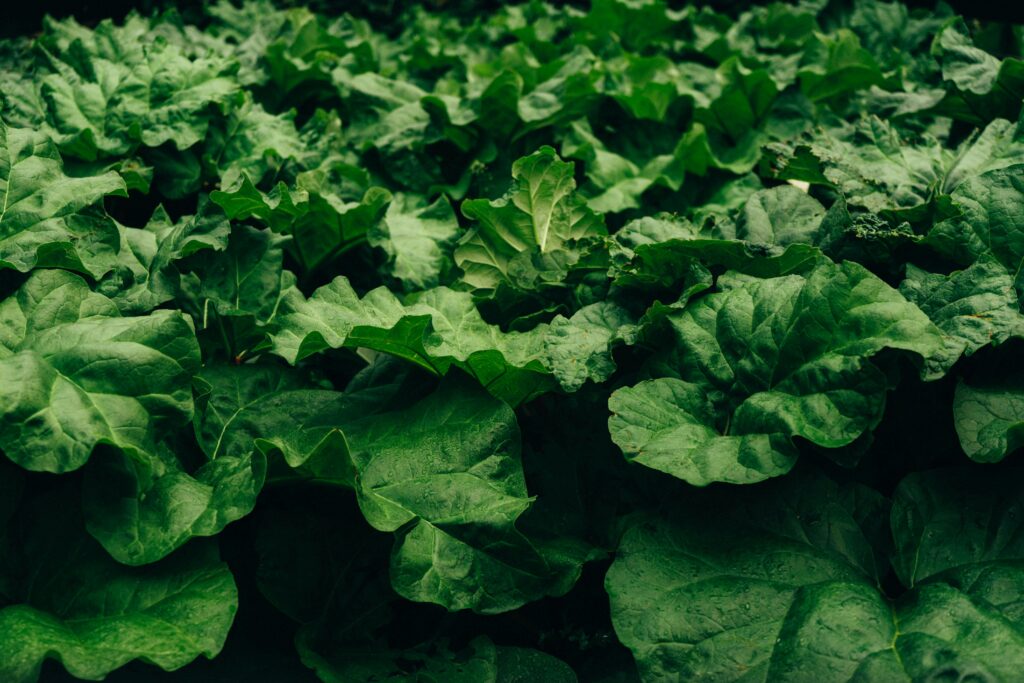
Rhubarb is a hardy perennial plant known for its tart, edible stalks. Bare root rhubarb plants are ideal for February planting, and they should be stored in a cool, dark location until the soil is ready for them. Keep the roots wrapped in damp burlap or newspaper to maintain moisture. Make sure to check them periodically to ensure they do not dry out, as this can affect the plant’s growth.
When planting rhubarb, choose a sunny location with fertile, well-drained soil. Rhubarb needs plenty of space, so plant the crowns 3 feet apart to allow the plant to spread. Be patient, as rhubarb can take a couple of years to fully establish itself and start producing large stalks. Once established, rhubarb will continue to provide a harvest year after year.
Lilacs
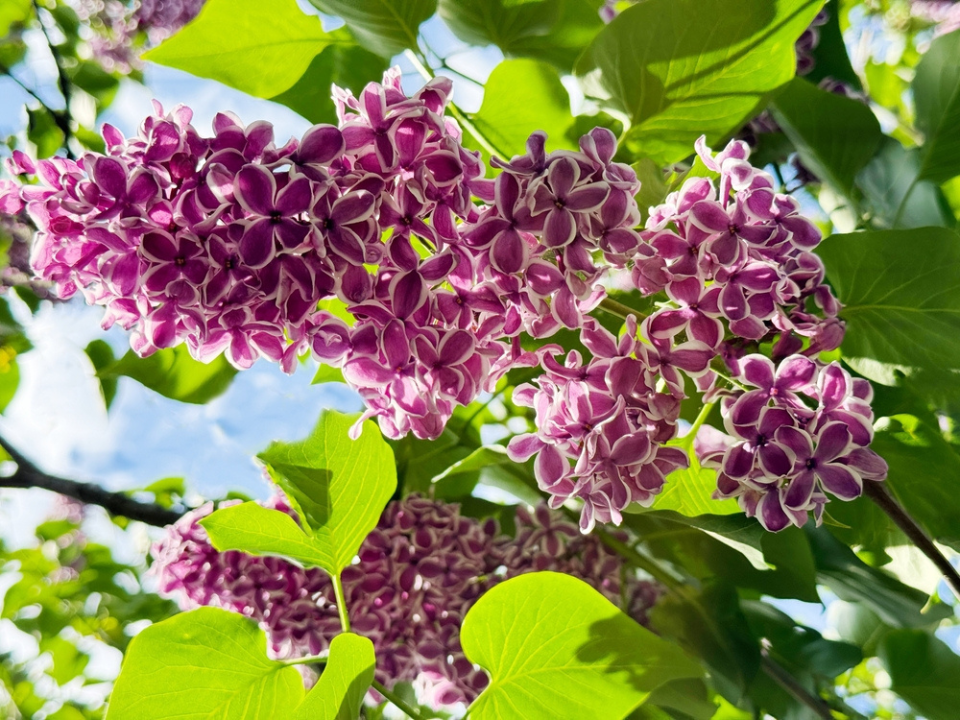
Lilacs are beloved for their fragrant spring blooms. Bare root lilac plants are available in February and can be stored in a cool, dark place like a basement or garage. Wrap the roots in damp burlap or newspaper to ensure they remain moist. Keep them in a shaded area to prevent the roots from waking up prematurely. Periodically check to ensure the roots do not dry out.
Lilacs thrive in well-drained, slightly alkaline soil and require plenty of sunlight to produce their signature blooms. When planting, choose a spot that gets at least 6 hours of sunlight per day. Space the plants about 5 feet apart to allow room for their growth. Prune the lilacs after blooming to encourage new growth and maintain a compact shape.
Grapevines
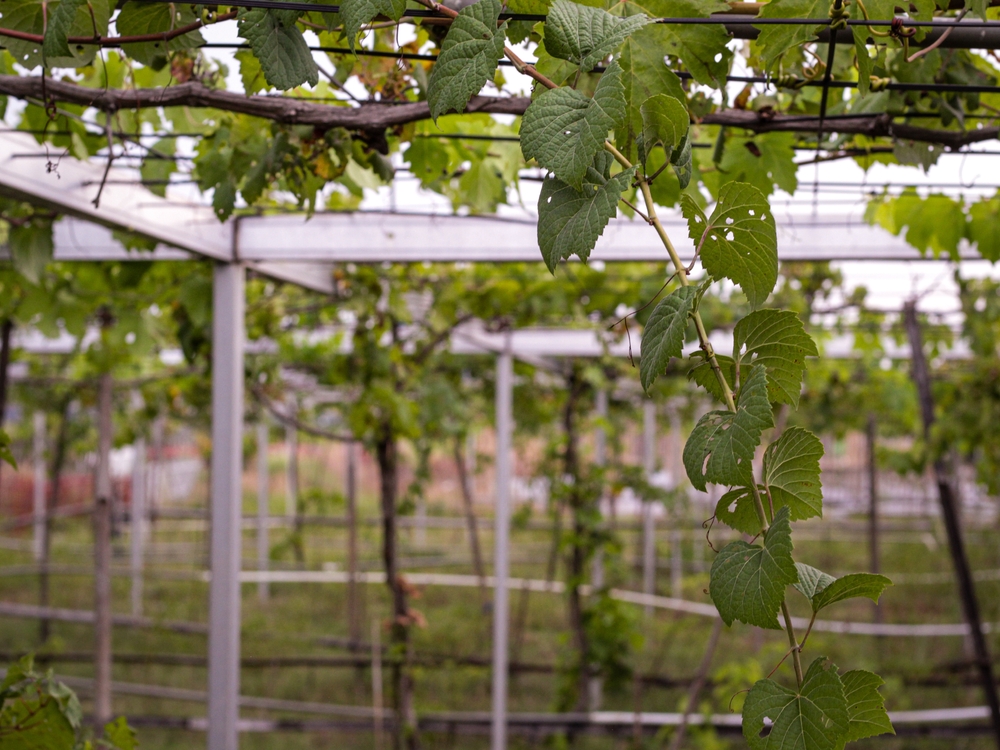
Grapevines are perfect for gardeners looking to grow their own fruit and make wine. Bare-root grapevines are available in February, and they should be stored in a cool, dark location until planting. Wrap the roots in damp burlap or newspaper to keep them moist. Make sure the storage area is cool and dry, and check periodically to ensure they are not drying out.
When planting grapevines, choose a sunny location with rich, well-drained soil. Grapevines need support, so install a trellis or arbor to help them grow upwards. Space the vines 6 to 8 feet apart to give them room to spread. Once established, grapevines require regular pruning to encourage healthy growth and maximize fruit production.
Walnut Trees
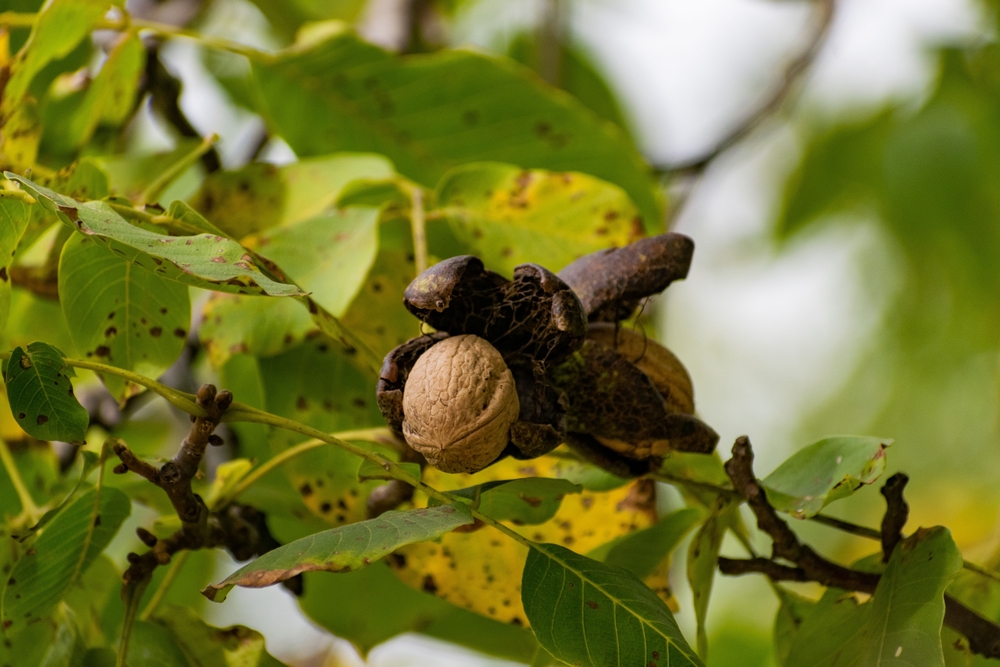
Walnut trees are a long-term investment that provides shade and delicious nuts. Bare root walnut trees can be bought in February and should be stored in a cool, dry place until planting. Wrap the roots in damp burlap or newspaper to keep them moist, and ensure they are protected from freezing temperatures. If you cannot plant them immediately, consider burying them in a trench to keep them safe.
Once the ground is ready, plant the walnut tree in a sunny location with well-drained soil. Space the trees at least 10 feet apart to give them room to grow and develop their large canopy. Walnut trees need plenty of sunlight to thrive and should be pruned regularly to maintain their shape and health. With patience, your walnut tree will provide both shade and tasty nuts for years to come.
Fig Trees
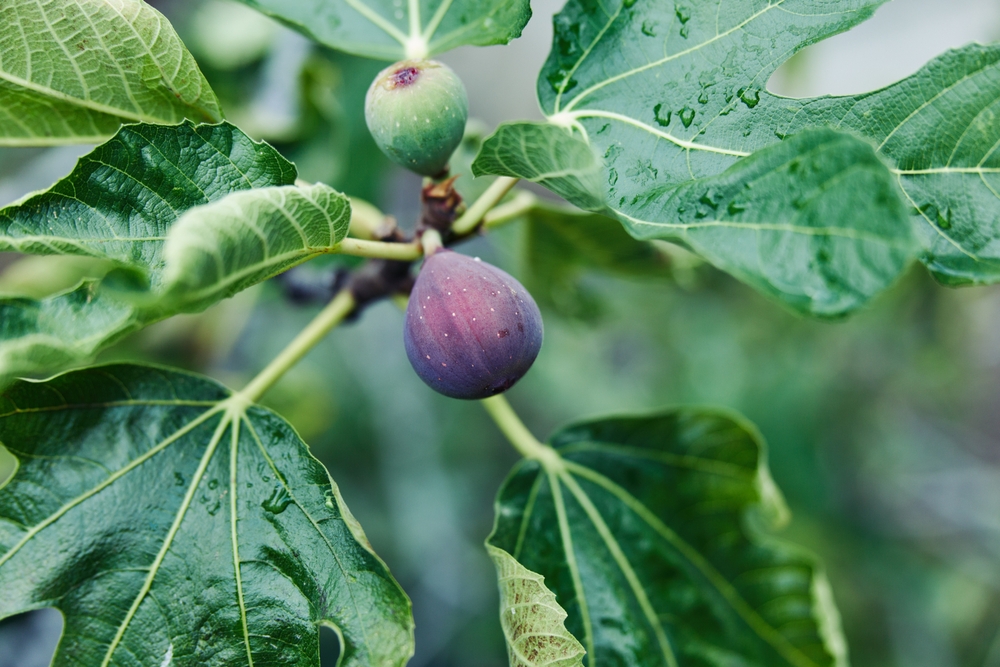
Fig trees are a great option for gardeners looking to grow fruit in warmer climates. Bare root fig trees are typically available in February and should be stored in a cool, dark location until planting. Wrap the roots in damp burlap or newspaper to maintain moisture and keep the roots hydrated. Check periodically to ensure the roots are not drying out before you plant.
When planting fig trees, choose a location with full sun and well-drained soil. Fig trees require warmth to produce sweet fruit, so a sunny location is essential for healthy growth. Space the trees at least 10 feet apart to give them room to grow and spread. With proper care, fig trees will produce delicious fruit each summer, providing a rewarding harvest year after year.
Japanese Maples
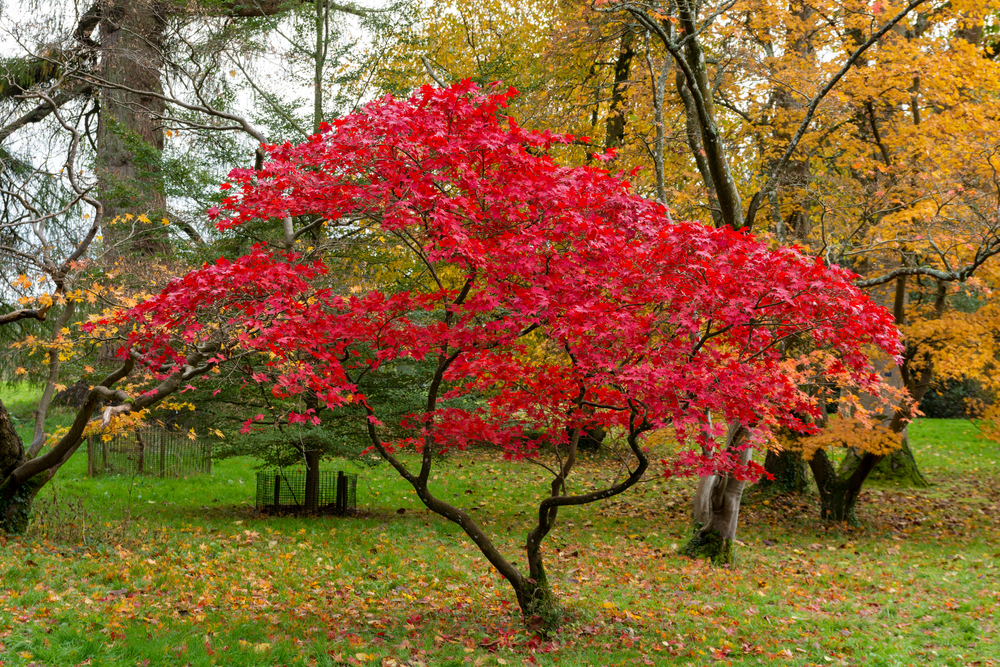
Japanese maples are prized for their stunning foliage and elegant shape. Bare root Japanese maples can be purchased in February, and they need to be stored in a cool, dark place until the soil warms up. Keep the roots wrapped in damp burlap or newspaper and ensure they are not exposed to freezing temperatures. Store them in a basement or unheated garage and check periodically to ensure they stay moist.
Japanese maples thrive in partial shade and well-drained, slightly acidic soil. They should be planted in a location that is protected from harsh winds to prevent damage to their delicate leaves. Space them at least 6 feet apart to allow for their graceful growth. Regular pruning can help maintain their shape and encourage more vibrant foliage.
This article originally appeared on Avocadu.