
13 Aromatic Plants to Enhance Your Sensory Garden This Season
Transform your garden into a soothing retreat with aromatic plants that engage all the senses. From calming lavender to refreshing mint, these fragrant plants bring both beauty and scent to outdoor spaces. Whether you’re looking to create a peaceful atmosphere or a lively, invigorating garden, adding the right plants can enhance your experience. Discover the best aromatic plants to bring a burst of fragrance and charm to your garden this season.
This post may contain affiliate links, which helps keep this content free. Please read our disclosure for more info.
Lavender
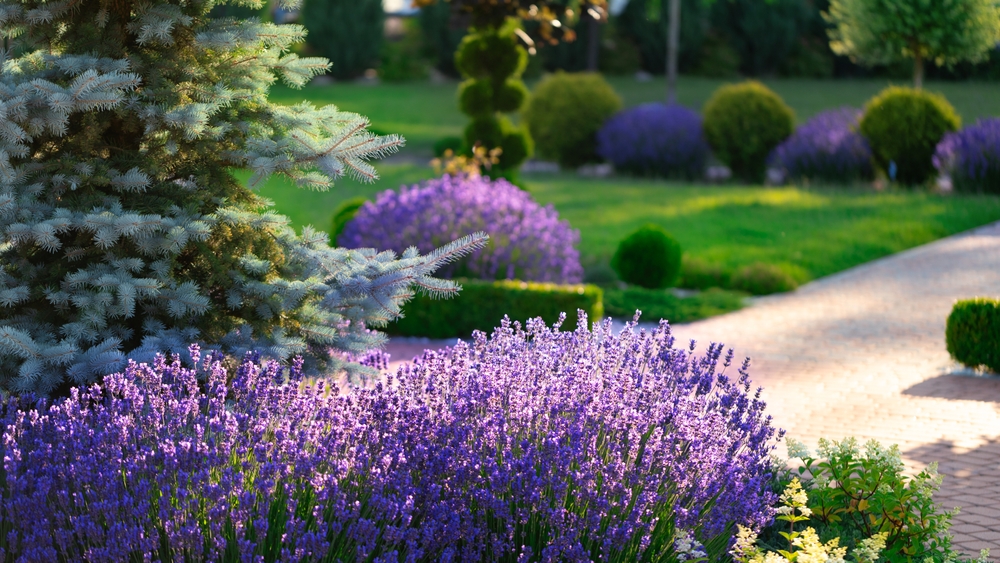
Lavender is a cornerstone of any sensory garden, known for its soothing, calming aroma that promotes relaxation and tranquility. The soft purple flowers and silvery-green foliage not only provide a beautiful contrast to other garden plants, but the fragrance is often used in aromatherapy to reduce stress and anxiety. When crushed, the leaves release an intense, floral scent that fills the air with a peaceful ambiance. Lavender thrives in full sun and well-drained soil, and it’s remarkably drought-tolerant, making it a low-maintenance choice for gardeners who want an easy yet fragrant addition to their garden.
Beyond its aromatic qualities, lavender has a range of uses, both culinary and medicinal. The flowers can be harvested and used in teas, which are known for their calming effects. It can also be added to homemade soaps, lotions, or even used in sachets to freshen up drawers and closets. Its appeal extends to its ability to attract pollinators like bees and butterflies, enriching the ecosystem of your garden. Lavender is a versatile plant, combining both fragrance and visual appeal, making it an essential component in any sensory garden.
Rosemary
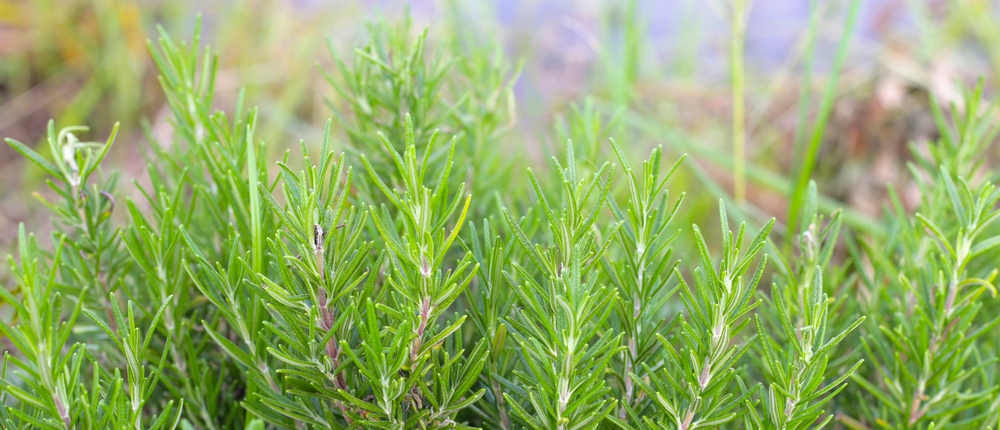
Rosemary offers a pine-like fragrance that is both refreshing and invigorating, making it a perfect plant for stimulating the senses. This hardy, evergreen herb features needle-like leaves that are rich in aromatic oils. The scent of rosemary can help improve concentration and memory, creating an environment that enhances mental clarity and focus. Its small, blue to purple flowers, which bloom in early spring, add a delicate touch of color, while the plant itself provides year-round greenery, making it an appealing addition even in the colder months.
Not only is rosemary valued for its aroma, but it is also a fantastic herb in cooking. Known for its strong, savory flavor, it pairs well with roasted meats, vegetables, and even in bread-making. Rosemary is also easy to grow in well-drained soil with plenty of sunlight, making it a resilient plant that can withstand the elements. For a sensory garden, rosemary can be pruned into small bushes or even trained to grow in pots, offering both fragrance and function in a space where aroma and beauty come together.
Mint
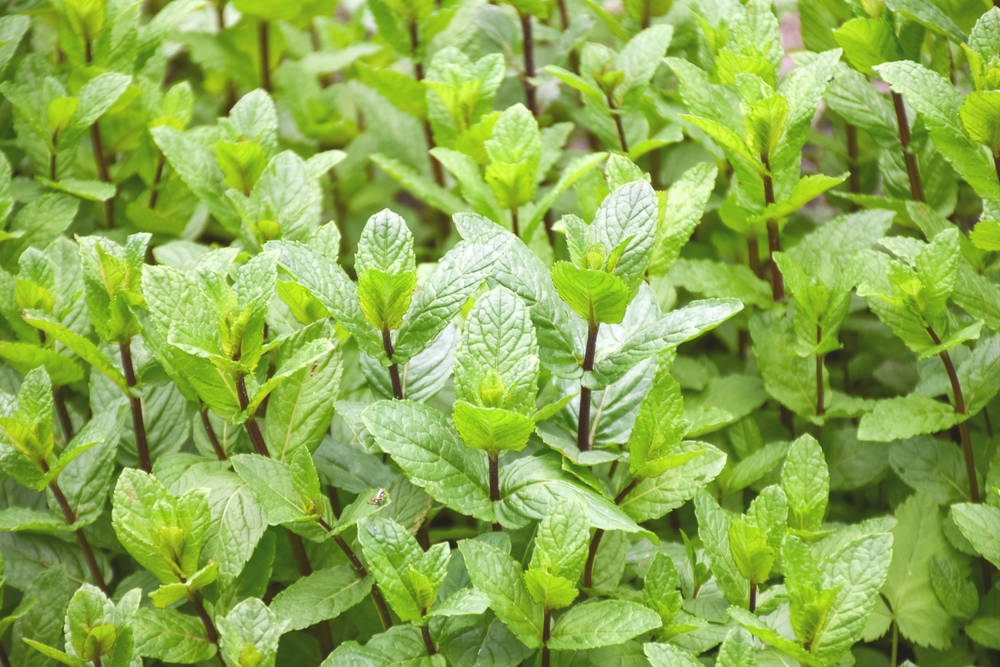
Mint is another essential aromatic herb that brings a refreshing, invigorating scent to your sensory garden. The sweet, cooling aroma of mint is ideal for adding a burst of freshness to the air, particularly when the leaves are crushed or brushed against. Varieties like peppermint, spearmint, and chocolate mint all offer their unique fragrances, adding variety to your garden’s scent profile. Mint thrives in partial shade and moist, well-drained soil, making it a great plant for areas of the garden that may not receive full sun.
Beyond its aromatic properties, mint has numerous practical uses. The leaves can be used to make refreshing teas, cocktails like mojitos, or even added to salads and desserts. Mint’s spreading nature makes it ideal for ground cover, though it is often grown in containers to prevent it from overtaking the garden. It’s also known for its ability to attract beneficial insects such as bees, further enhancing the sensory experience in your garden.
Jasmine
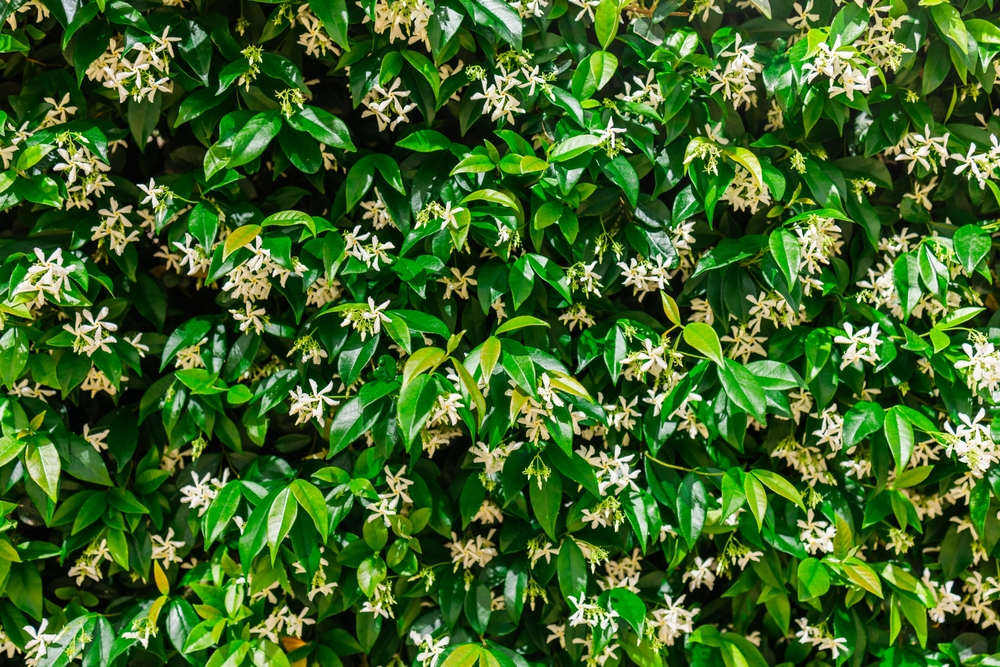
Jasmine is revered for its sweet, exotic fragrance that fills the air with a rich, intoxicating scent. Known for its romantic appeal, jasmine flowers release their fragrance most strongly in the evening, making it perfect for those who want to enjoy their garden during warm summer nights. Its white or yellow blossoms contrast beautifully with its dark green foliage, adding an elegant touch to any garden. Jasmine thrives in well-drained, slightly acidic soil and needs plenty of sunlight to encourage flowering.
Jasmine’s aroma is not only prized for its sweetness but also for its therapeutic properties. The fragrance is often used in aromatherapy to alleviate stress, promote relaxation, and even improve sleep quality. The flowers can also be harvested to make jasmine tea, which is known for its soothing effects. Jasmine vines are perfect for growing on trellises or fences, where they can climb and cascade, adding fragrance and visual interest to vertical garden spaces.
Sage
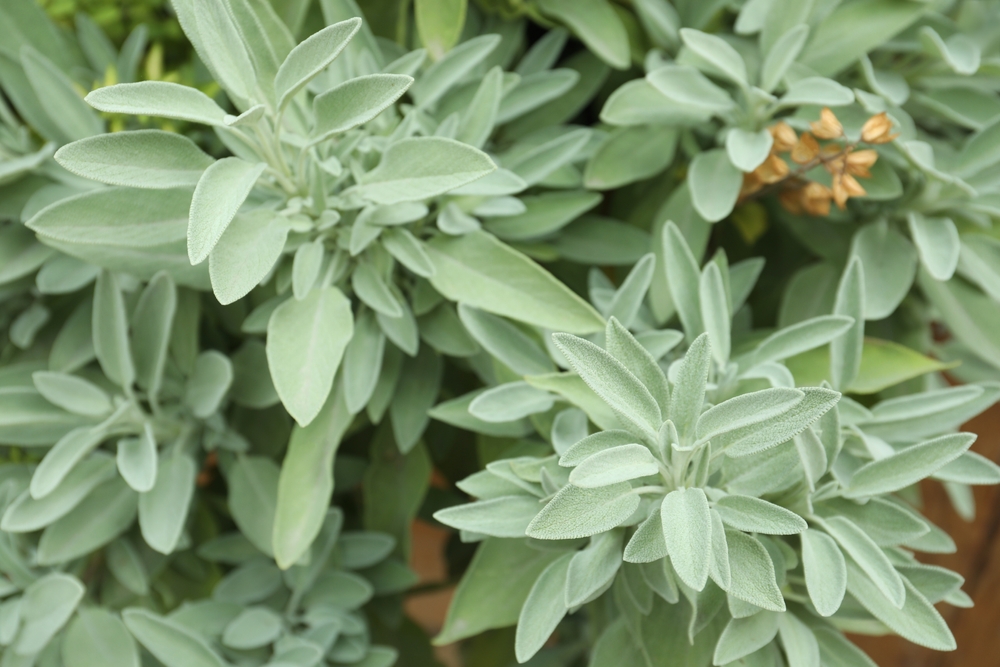
Sage is another aromatic herb that adds a savory, earthy fragrance to your sensory garden. Known for its slightly peppery, camphor-like scent, sage’s aroma is robust and grounding. The soft, silvery leaves are a wonderful contrast to the garden’s green tones, while the plant itself adds structure with its bushy growth habit. Sage thrives in well-drained, sandy soil and is drought-tolerant once established, making it an ideal plant for dry, sunny garden spots.
Sage is often used in cooking for its strong, savory flavor, particularly in stuffing, soups, and roasted dishes. Its aroma can also have cleansing and purifying effects, often used in traditional smudging ceremonies to clear negative energy. The plant’s sturdy nature and vibrant fragrance make it a perfect addition to any sensory garden, offering both aesthetic beauty and aromatic depth.
Thyme
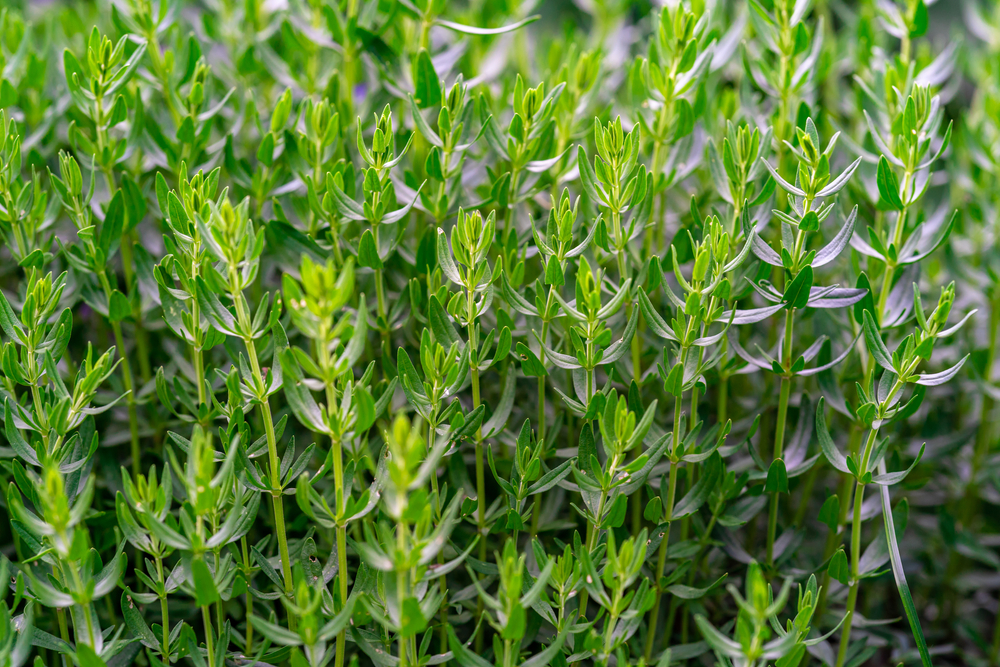
Thyme is a compact, hardy herb with a delightful, earthy fragrance that adds a warm, savory scent to your sensory garden. The small, oval leaves are aromatic when crushed, releasing a mild, lemony scent with hints of mint and spice. Thyme grows well in sunny spots with well-drained soil, and it often thrives in rock gardens or as ground cover due to its low-growing habit. Its tiny, pink or purple flowers also attract pollinators, making it a great addition to any garden looking to support local ecosystems.
Beyond its pleasant fragrance, thyme is a versatile herb in the kitchen, ideal for enhancing soups, meats, and roasted vegetables. It can also be used in herbal teas to promote digestion and relaxation. Thyme’s compact nature makes it perfect for smaller spaces, containers, or even as part of an herb garden. With its fragrant oils and easy growth requirements, thyme is an excellent choice for gardeners looking to enhance their sensory space with minimal effort.
Lemon Balm
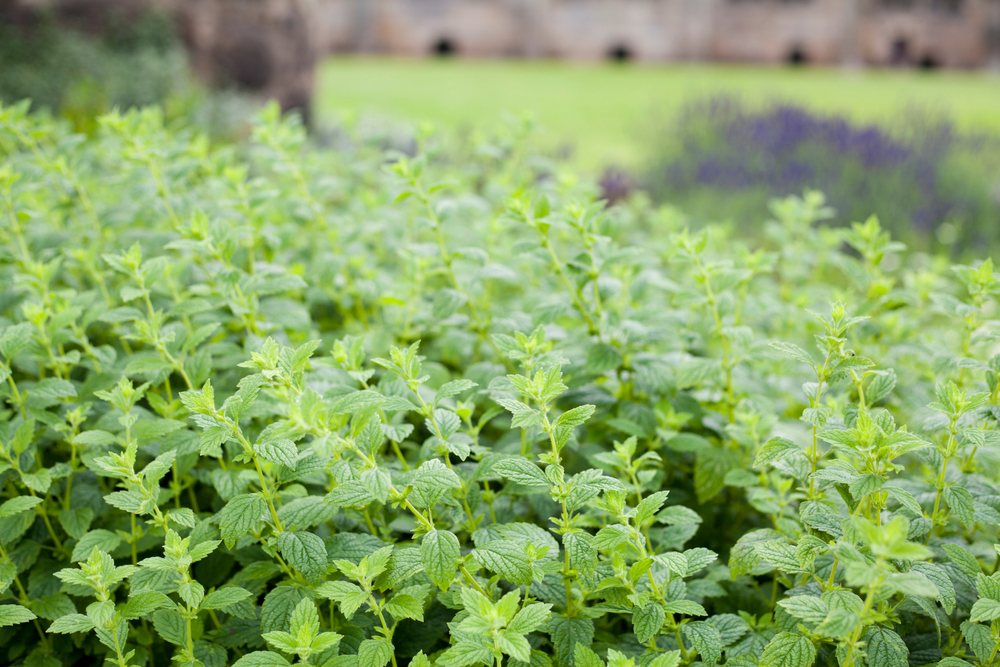
Lemon balm is a fragrant herb that adds a refreshing, citrusy scent to any sensory garden. Its light, lemon-scented leaves provide an uplifting aroma, making it a great choice for areas where relaxation and invigoration are key. The small, white flowers that bloom in late spring attract bees and butterflies, adding a lively dynamic to the garden. Lemon balm thrives in partially shaded areas with moist, well-drained soil, making it a suitable plant for spots with less direct sunlight.
Lemon balm is also prized for its medicinal uses. The leaves can be brewed into a tea to relieve anxiety, promote sleep, or soothe digestive issues. It’s a great plant for growing in containers or as ground cover, and its mild lemon scent pairs well with other herbs like mint and lavender. Whether used in teas, in a fragrant herb garden, or as a ground cover, lemon balm adds both fragrance and function to any space.
Basil
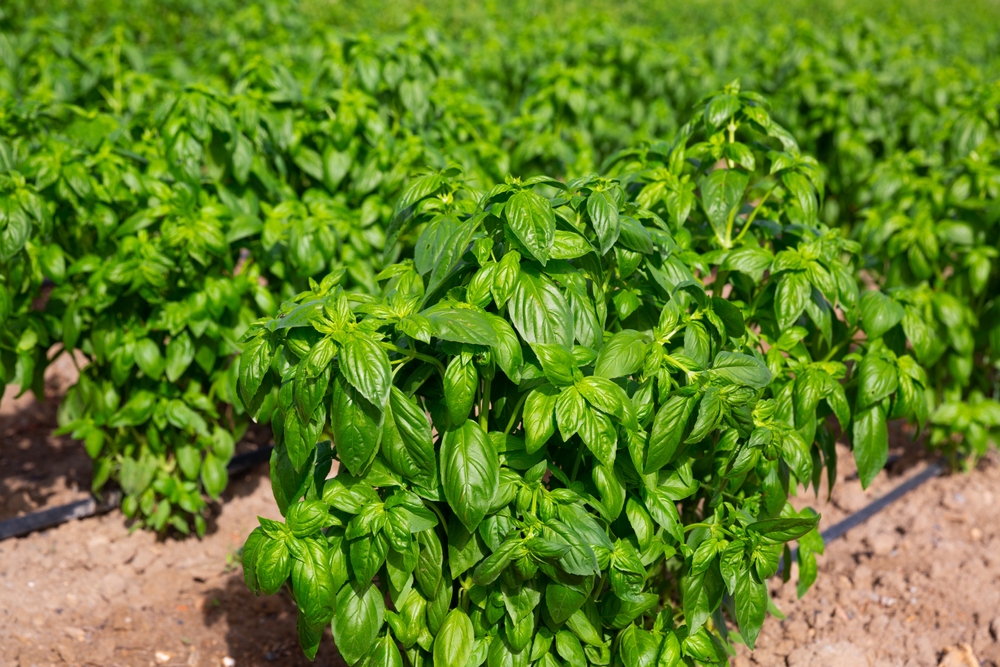
Basil, with its sweet, spicy aroma, is a versatile herb that enhances both the sensory experience and the culinary possibilities of a garden. The fragrance of basil’s leaves is at its strongest when they are gently crushed or brushed against, releasing a scent reminiscent of both mint and anise. Basil thrives in full sunlight and rich, well-drained soil, making it an easy addition to any garden bed or container. Its tall, green stems topped with vibrant, green leaves add texture and height to the garden while the plant’s scent lingers in the air.
Basil is widely used in cooking, particularly in Mediterranean, Italian, and Southeast Asian cuisines. The leaves can be used fresh in salads, pastas, or homemade pesto. Beyond its culinary uses, basil is thought to have calming properties, and its aroma can help reduce stress and anxiety. Its growth is rapid, and it’s a low-maintenance plant, making it perfect for gardeners seeking a fragrant herb that’s both functional and visually appealing.
Geranium
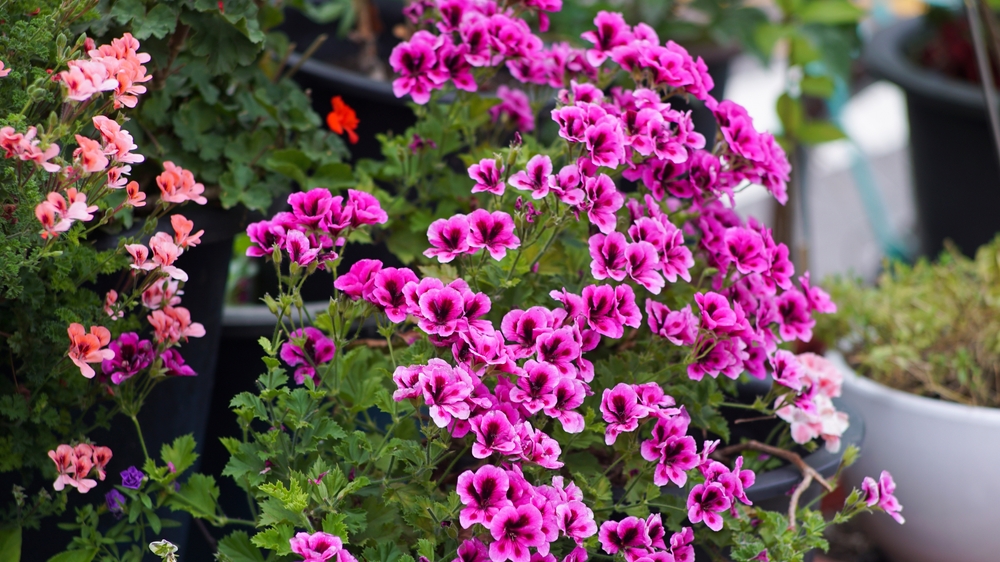
Geraniums offer a sweet, floral fragrance that adds an elegant touch to your sensory garden. With their bright, colorful flowers and distinctive scent, geraniums are known for attracting both pollinators and gardeners alike. Their foliage can have a slightly minty or citrusy aroma, depending on the variety, and their flowers range in hues from red and pink to purple and white, providing both fragrance and vibrant color. Geraniums thrive in well-drained, moderately fertile soil and need plenty of sunlight to produce their signature blooms.
Beyond their ornamental value, geraniums are also used in aromatherapy for their uplifting properties. The essential oils extracted from their flowers and leaves can help boost mood and reduce feelings of tension. Geraniums are easy to grow and care for, making them a great choice for those looking to introduce fragrance into their garden without too much maintenance. Whether planted in beds or containers, they will add both a fragrant and colorful element to your outdoor space.
Chamomile
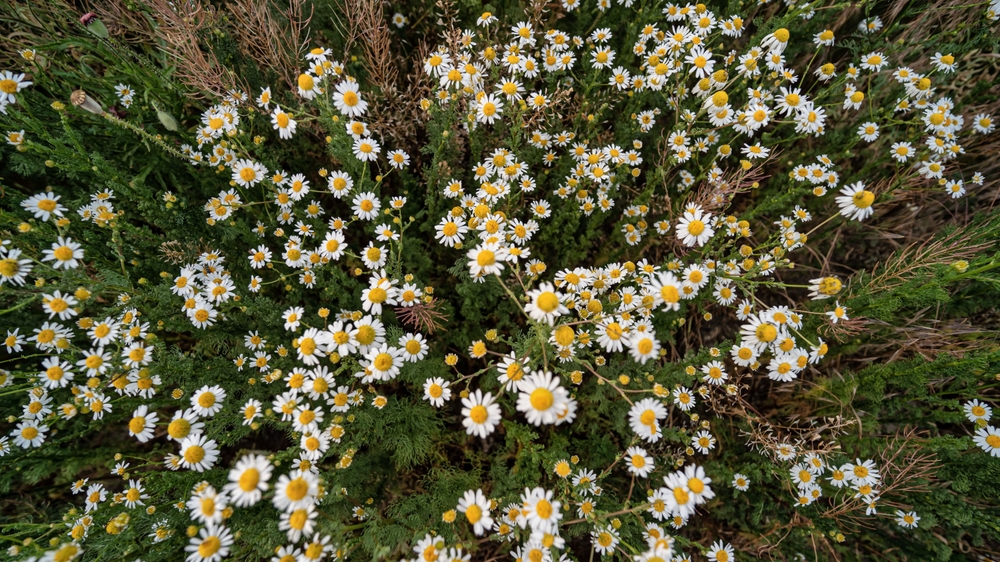
Chamomile is widely known for its calming, apple-like fragrance, making it an ideal addition to any sensory garden meant for relaxation. The delicate, white flowers with yellow centers emit a light, soothing scent when in bloom, offering a gentle and peaceful atmosphere. Chamomile thrives in full sunlight and prefers well-drained soil, making it perfect for sunny garden spots. The soft, fern-like foliage adds texture to the garden, and its aromatic qualities can be enhanced when the flowers are gently brushed or picked.
Beyond its fragrance, chamomile is often used in herbal teas for its ability to promote relaxation and aid in sleep. It can also be used topically to soothe skin irritations and reduce inflammation. Its growth habit is compact, making it an excellent choice for container gardening or as a low-growing border plant. Chamomile is easy to grow, requiring minimal care, and its delicate flowers make it a charming addition to any sensory garden.
Lemon Verbena
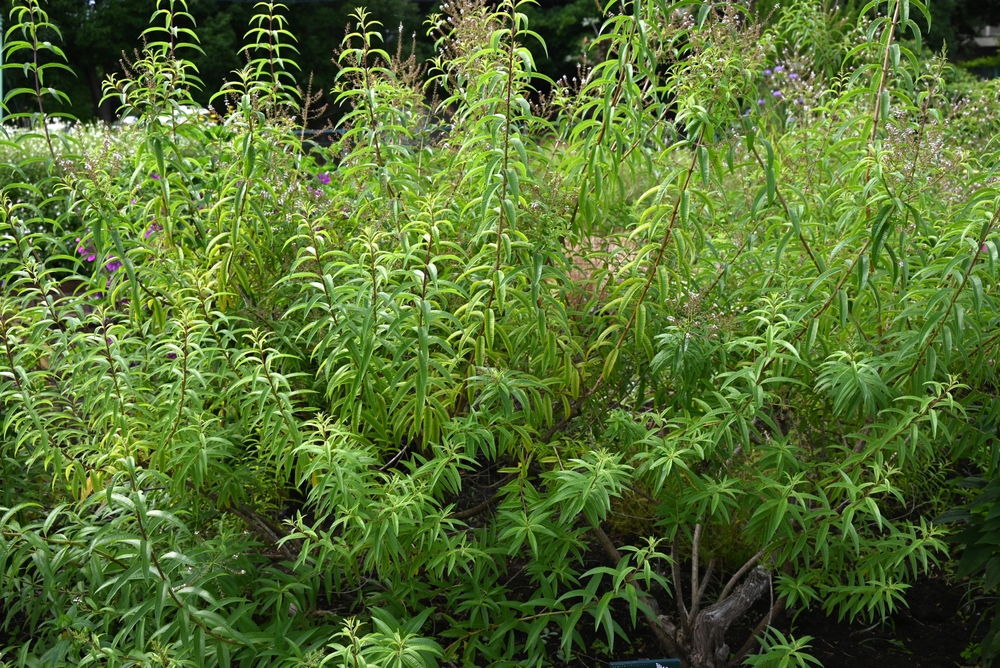
Lemon verbena is a fragrant herb that fills the air with a bright, lemony aroma that invigorates the senses. Its long, narrow leaves release a powerful citrus scent, especially when crushed, making it perfect for sensory gardens that benefit from fresh, uplifting scents. This herb thrives in full sunlight and requires well-drained soil, making it a great plant for warm garden areas. In addition to its strong fragrance, lemon verbena also adds a beautiful touch to the garden with its fresh green leaves and small, fragrant flowers that bloom in summer.
Lemon verbena is not just for its aroma; it is also used in cooking and herbal remedies. The leaves can be used in teas, desserts, or cocktails for a refreshing lemon flavor without the tartness of actual lemons. It is also known for its calming properties, which help relieve stress and anxiety. With its aromatic oils and the ability to tolerate dry conditions, lemon verbena is an excellent choice for gardeners looking for both fragrance and resilience.
Bergamot (Bee Balm)
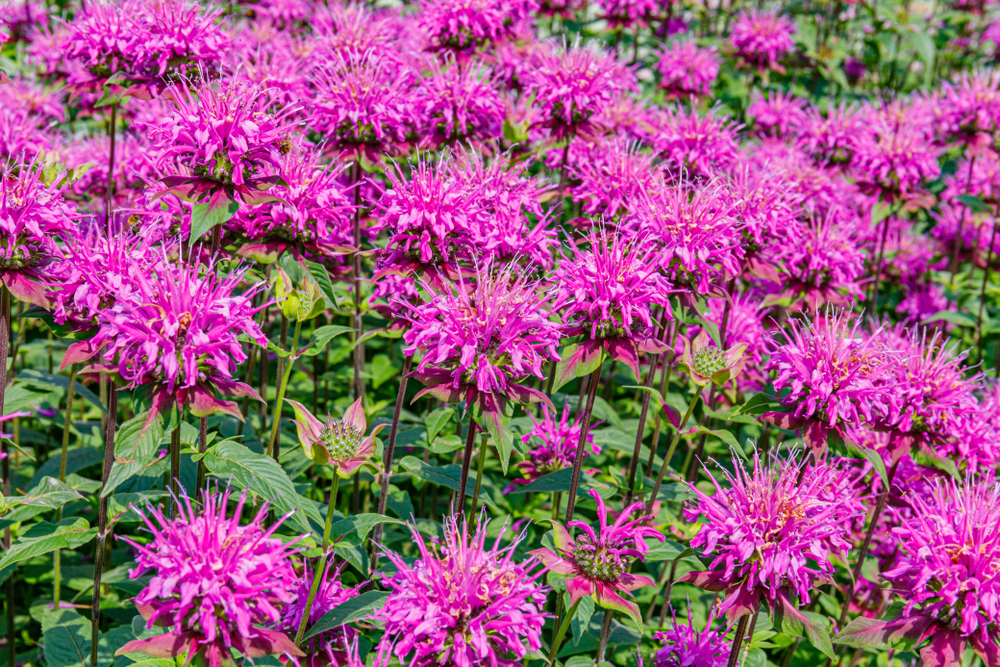
Bergamot, also known as bee balm, is a fragrant plant that releases a citrusy, mint-like aroma when its leaves and flowers are crushed. This plant’s vibrant blooms, typically in shades of red, pink, or purple, attract bees, butterflies, and hummingbirds, adding life and movement to your garden. Bee balm thrives in full sun to partial shade and moist, well-drained soil. It grows in clumps, with soft, aromatic foliage that enhances the garden with both scent and color.
The leaves of bee balm can be used in teas, which are known for their calming effects and soothing properties. Bee balm is also used in herbal medicine to relieve symptoms of colds and flu. Its strong fragrance can fill the air, especially in the evening, making it an ideal choice for sensory gardens focused on relaxing scents. As a hardy perennial, bee balm will return year after year, continuing to provide both fragrance and visual appeal.
Citrus Trees (Lemon, Orange, Lime)
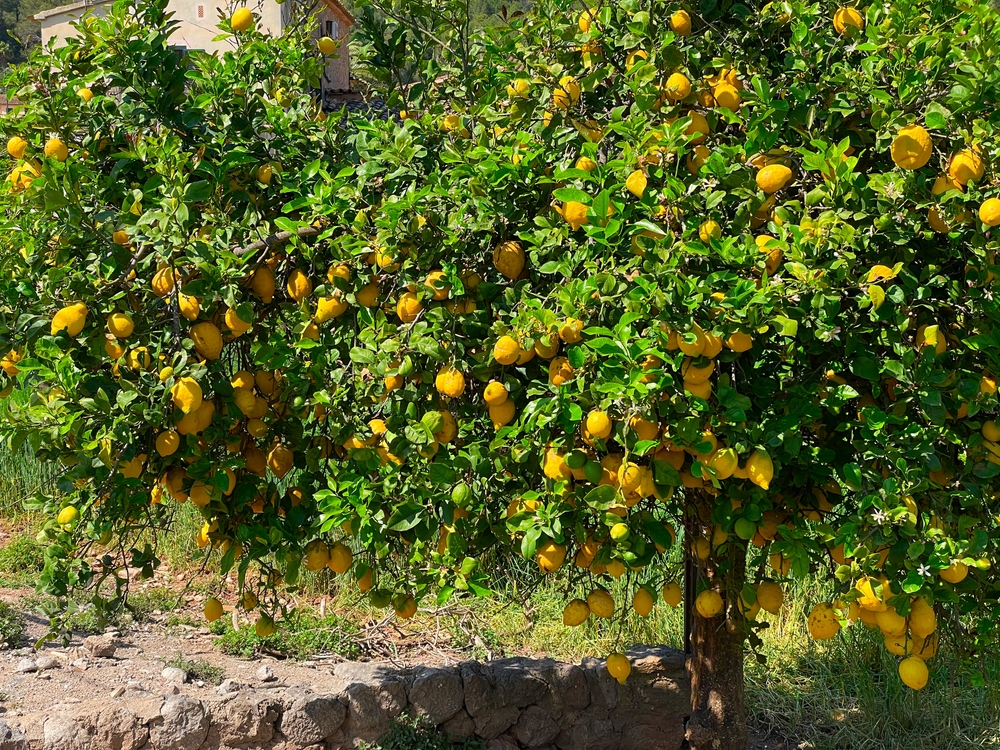
Citrus trees, such as lemon, lime, and orange, bring a sweet, tangy fragrance that fills the air with a refreshing aroma. The blossoms of these trees, whether they are lemony white or bright orange, release a pleasant fragrance that invigorates the senses. Citrus trees are perfect for warmer climates, requiring plenty of sunlight and well-drained soil to thrive. Their glossy, evergreen leaves provide year-round beauty, and their flowers add a burst of fragrance in spring, followed by fruit later in the season.
Citrus trees offer more than just fragrance; they also provide fruit that can be used in cooking, baking, and beverages. Lemon and lime zest can add a refreshing flavor to dishes, while orange blossoms are often used to make fragrant teas. The trees themselves are often small and can be grown in containers, making them suitable for smaller gardens or patios. With their vibrant flowers, lush green leaves, and refreshing scent, citrus trees are an excellent way to bring both fragrance and functionality to your sensory garden.
This article originally appeared on Avocadu.