
12 Aquariums That Still Impress Adults And Keep Kids Busy
Walking into a large aquarium still feels exciting, even as an adult. The lighting, the massive tanks, and the quiet hum of water create an atmosphere that is hard to forget. Children usually rush straight to the glass, pointing out every shark and stingray they see. It is one of those rare attractions that works for every age group. Keep reading and see which spots are worth adding to your travel list.
This post may contain affiliate links, which helps keep this content free. Please read our disclosure for more info.
Georgia Aquarium, Atlanta, Georgia

The Georgia Aquarium opened in Atlanta in the early years of this century and quickly became one of the largest public aquariums in the world. Its Ocean Voyager exhibit holds millions of gallons of water and is home to whale sharks and manta rays moving gracefully through open water. Visitors can walk through a long glass tunnel that places them under the tank where animals swim overhead, creating a sense of calm wonder. Many families find themselves returning to the same spot again to watch subtle movements they had missed on the first pass.
Along with the headline display, the aquarium presents beluga whales and River Scout programs that appeal to both adults and children. Interactive touch zones invite young visitors to feel sea stars and gentle rays under supervision, turning a simple visit into a hands on learning moment. Scheduled feedings and talks give each visit a rhythm that encourages stopping and observing without haste. The aquarium sits in a part of the city filled with other attractions, making it easy to plan a full day around this centerpiece.
Monterey Bay Aquarium, Monterey, California
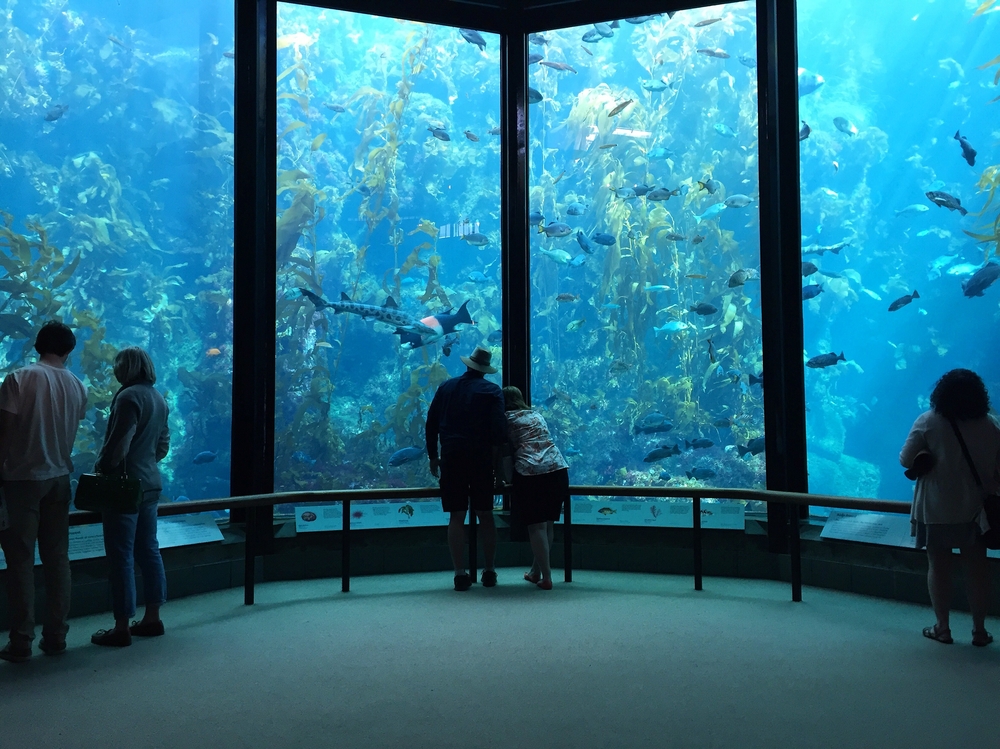
Situated along the rugged California coast, Monterey Bay Aquarium occupies a historic cannery building that was repurposed to showcase marine life. The kelp forest exhibit rises up several stories, showing how giant seaweed forests thrive in the nearby bay, giving visitors a sense of scale and motion. Sea otters float in rhythm with the water and often seem to pose for visitors before cracking open shells in plain view. Smaller tanks full of bright reef fish and seahorses invite families to linger and absorb the diversity of ocean life.
The aquarium does not simply show animals but places strong emphasis on the local ecosystem of Monterey Bay, linking each gallery to real sea conditions outside its doors. Scheduled feeding moments and expert talks explain animal care and the importance of conserving underwater zones. Families can take part in playful coloring or discovery cards that make each stop a fresh adventure for young minds. Adults appreciate the thoughtful design that leads from one display to the next without feeling rushed.
Okinawa Churaumi Aquarium, Okinawa, Japan
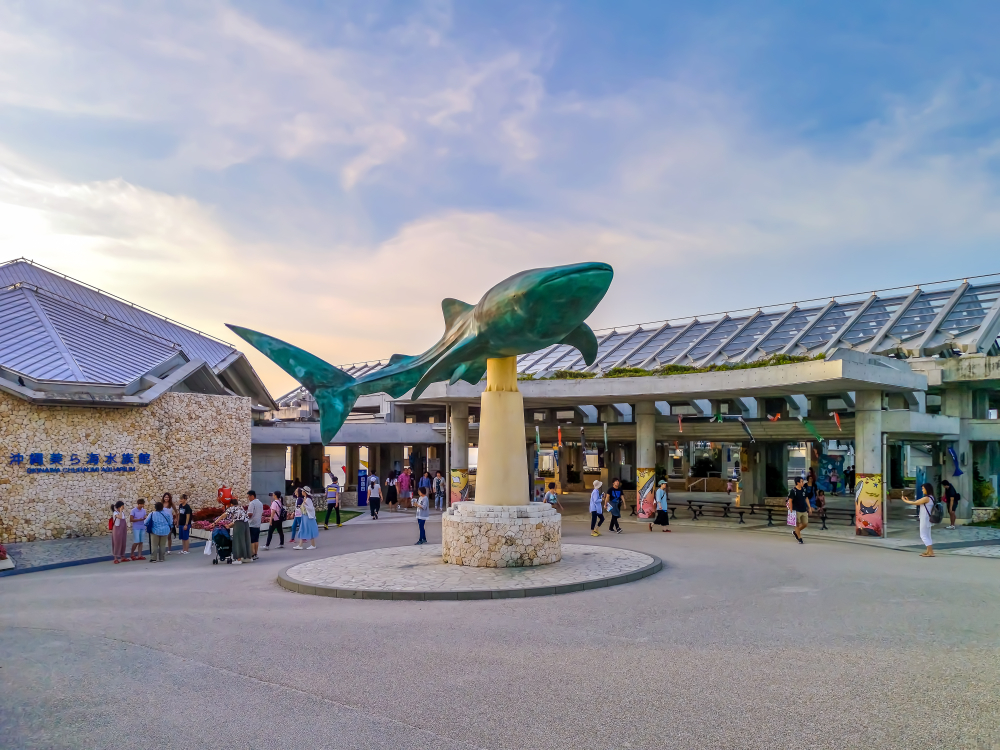
Nestled within Ocean Expo Park on Japan’s southern islands, the Okinawa Churaumi Aquarium became well known for its massive Kuroshio Tank. This enormous tank houses whale sharks and manta rays in an environment designed to echo the Pacific currents, giving visitors a sense of underwater breadth. The wide viewing panel fills a whole wall, letting groups of people stand together and take in the scene without feeling crowded. Children often press close to the glass while adults step back to take in the full vista.
Aside from the main tank, the aquarium highlights regional coral sea zones that introduce species unique to Japan’s southern waters. Information panels in both Japanese and English help visiting families learn about life cycles and ocean conditions. Interactive displays let kids imagine being researchers discovering new species. The setting within a park overlooks the ocean itself, making the entire location feel connected to the world beyond the aquarium walls.
S.E.A. Aquarium Singapore
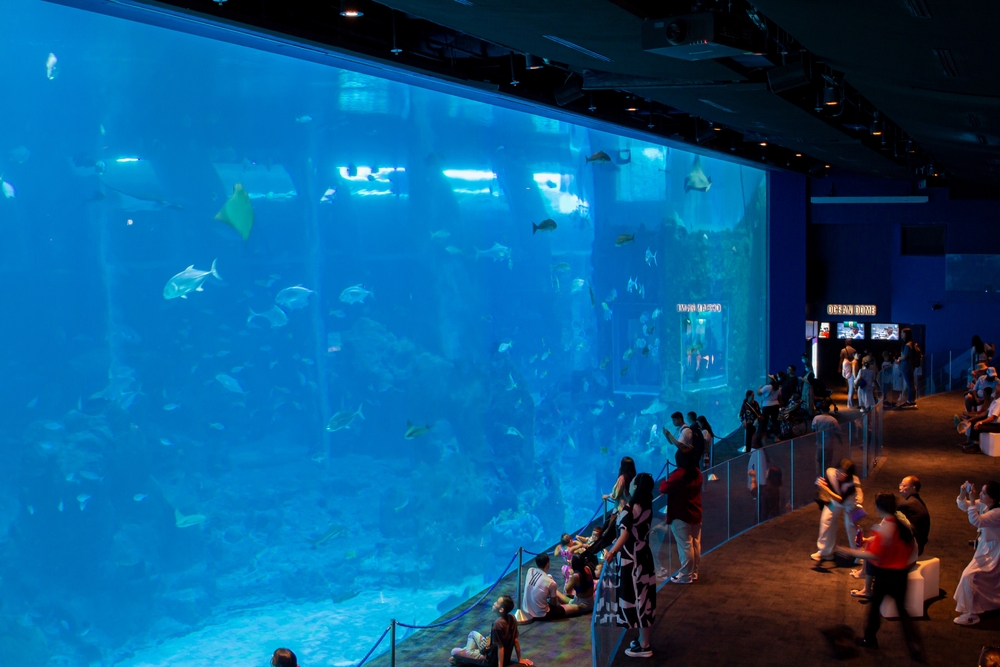
Set on the island of Sentosa, S.E.A. Aquarium hosts tens of thousands of marine animals in galleries that feel broad and inviting. Its Open Ocean Habitat stretches wide with a deep viewing window that draws eyes from one side to the other, giving a sense of real sea space. Creatures from Southeast Asian waters and distant seas live in habitats that show variation in color and form, inviting exploration without pause. Adults often find themselves reading every sign, while children flit from tank to tank with bright energy.
Galleries dedicated to coral reefs and jellyfish come alive under soft lighting that changes as you move through the path, keeping visitors in a flow rather than a line. Small children find joy in zones where they can gently touch sea stars under guidance. The aquarium staff hosts regular talks about resident animals and their behavior at feeding times. Layout and design make it easy to stay engaged from start to finish, even on a long visit.
Shedd Aquarium, Chicago, Illinois

Located on the shore of Lake Michigan, Shedd Aquarium has stood for many decades and blends historic architecture with vibrant marine life displays. Its central Caribbean Reef exhibit invites visitors to walk around a circular tank filled with sharks, rays, and tropical fish, making it easy to see from many angles. Additional galleries feature beluga whales and playful penguins, giving a range of experiences within the same visit. Adults often note how the aquarium updates its spaces while keeping the charm of the original building.
The staff offers daily demonstrations and talks that draw crowds of all ages to gather and learn together. Children can press close to interactive screens that explain animal habitats and behaviors, adding another layer to each stop. Exhibits rotate over the year, giving even repeat visitors fresh subjects to explore. The location near other museums makes this a natural center point for families planning a longer outing.
Dubai Aquarium and Underwater Zoo, Dubai, United Arab Emirates
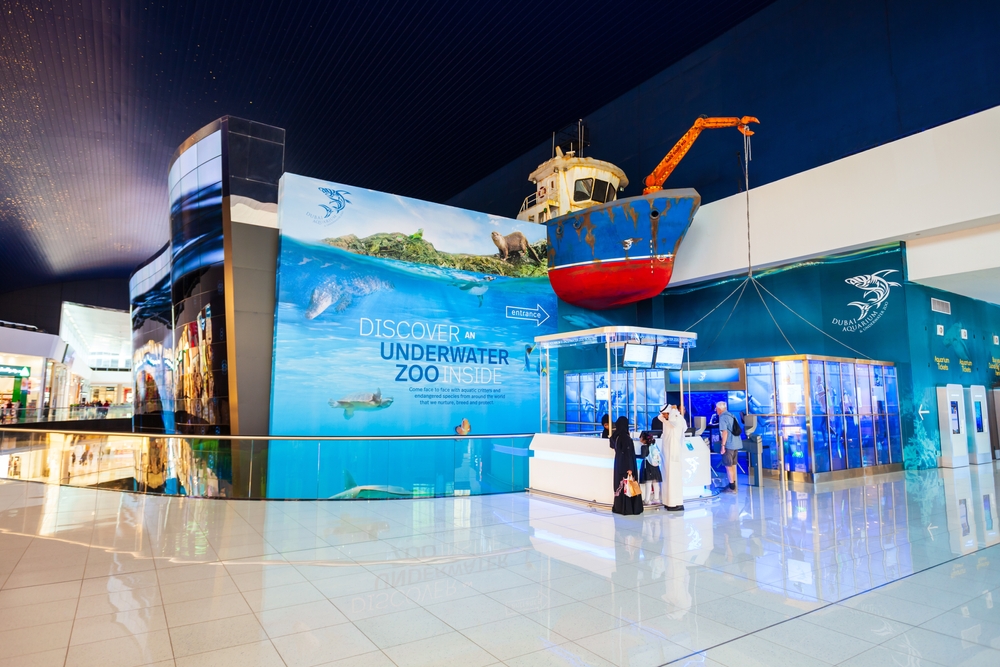
Housed within a massive mall complex in Dubai, this aquarium greets visitors with a suspended tank that fills multiple floors with water and activity. Sand tiger sharks and numerous large fish glide past in a way that feels immersive even from a distance. A long tunnel beneath the tank invites families to walk slowly while watching life unfold on all sides, making moments feel calm yet exciting. Adults tend to appreciate the technical achievement, while kids are drawn to the sheer size of what they see.
Above the main tank, the Underwater Zoo adds variety with reptiles, rays, and smaller marine creatures in habitats that invite close observation. Informational panels break down details about each species, encouraging conversation among families. The location within a shopping and entertainment complex lets you plan meals and shopping before or after the visit without hassle. It remains a highlight in the region for both travelers and locals.
Ripley Aquarium of Canada, Toronto, Ontario
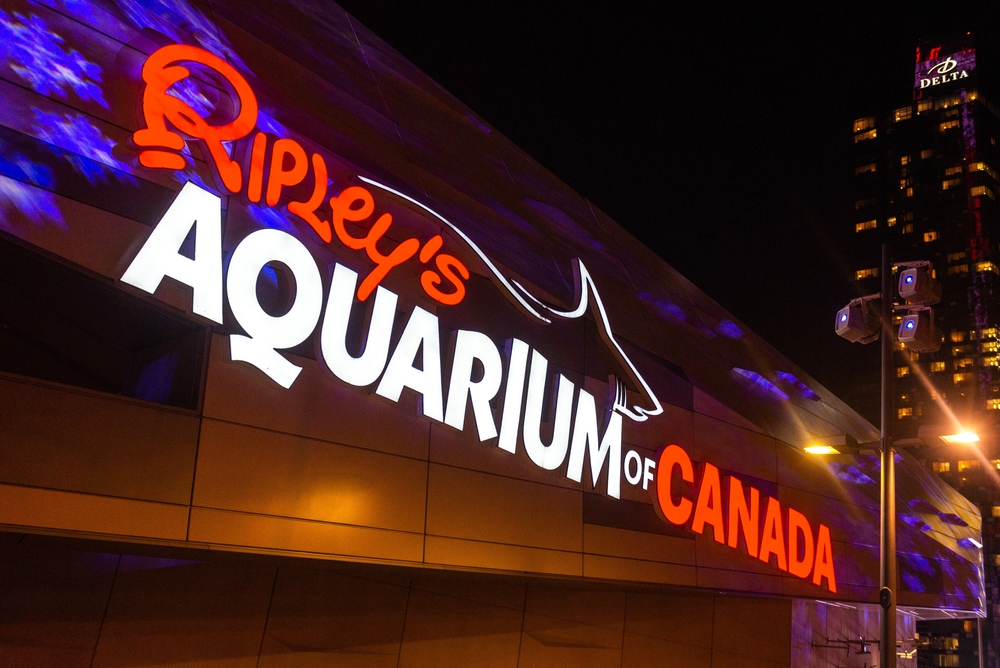
Placed near a major landmark in downtown Toronto, this aquarium draws visitors with its focus on ocean diversity from around the globe. The Dangerous Lagoon tunnel carries guests along a moving walkway as sharks and large fish swim overhead, giving the feeling of being part of the sea. Reef galleries filled with bright coral and fish keep children moving from one exhibit to the next. Adults often pause to read about species origins while kids point out each new creature.
The aquarium also features freshwater zones that show life from lakes and rivers, adding contrast to the saltwater displays. Touch areas let young visitors feel a variety of shells and shapes under supervision, adding a tactile element to the visit. Scheduled feeding times and keeper talks bring animals into motion and draw crowds. The location beside sweeping city views makes it easy to pair this stop with other city highlights.
Osaka Aquarium Kaiyukan, Osaka, Japan

Opened in the closing years of the last century, Kaiyukan is known for its central Pacific Ocean tank where whale sharks swim beside other large ocean animals. Visitors start at the top of the structure and spiral downward through exhibits that represent different seas of the world, giving a journey-like feeling to the path. Smaller tanks along the way focus on ecosystems from icy waters to warm reefs, holding attention at every stage. Adults find the progression satisfying as it feels built with thought and flow.
Children often stop frequently at the interactive panels that explain how animals live and survive in varying conditions. Information cards and displays in multiple languages help families understand each region before moving on. The open layout prevents congestion even when busy, and seating areas allow pauses without feeling rushed. The aquarium remains a must-see stop for many first-time visitors to the city.
National Aquarium, Baltimore, Maryland

Perched along a waterways edge in Baltimore, this aquarium shows a wide range of species from rainforests to open ocean zones. The massive Atlantic coral reef exhibit displays bright fish and complex habitats that feel alive with constant movement. Touch areas let young visitors interact with small sea stars and urchins, adding an engaging physical element to the learning. Adults often pause at vantage points along the path to take in broader views of water and sky outside the windows.
Special exhibits highlight endangered species and how different ecosystems cope with environmental shifts, encouraging thoughtful conversation among visitors. Keeper talks and scheduled events bring animals into motion and give timing to each visit. The integration of land-based and sea-based habitats enriches the experience without creating overload. Many families spend half a day or more here because there is so much to explore.
Aquarium de Barcelona, Barcelona, Spain
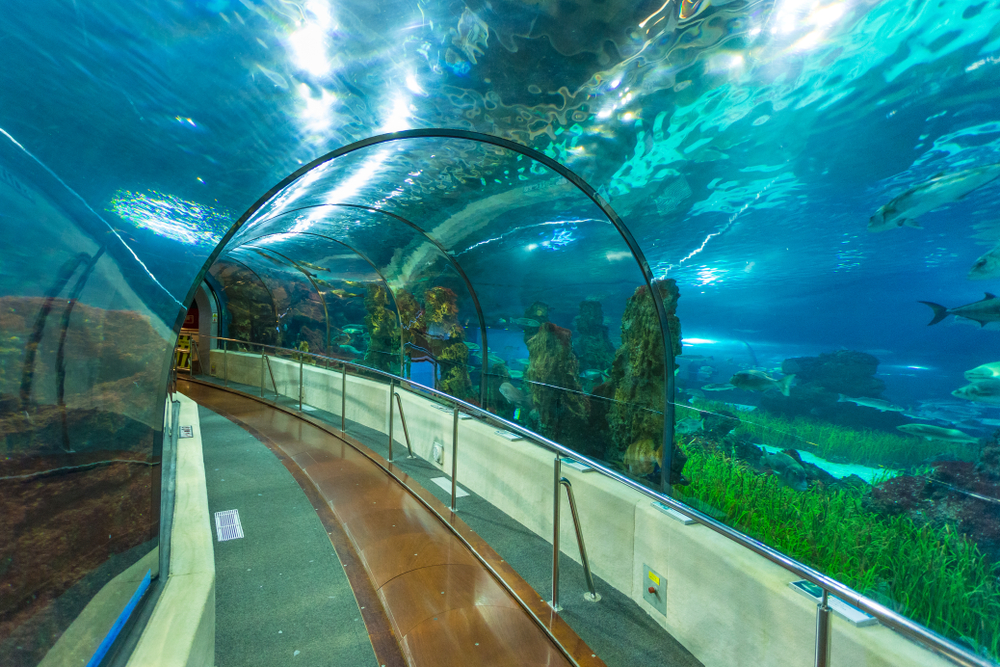
In the heart of a bustling European city, this aquarium highlights Mediterranean and tropical zones within a compact but thoughtful space. The Oceanarium exhibit shows graceful rays and sharks moving around a central display that fills the room with blue light and quiet motion. Smaller tanks show local Mediterranean species, giving context to the waters nearby. Children often linger at interactive screens that break down each species’ distinct traits.
Adults appreciate the way information flows naturally from one gallery to the next, linking local ecosystems to global currents. Scheduled feedings and keeper talks add moments of interaction that families look forward to. The aquarium sits near other cultural attractions, turning it into a natural stop on a longer city itinerary. Its blend of local knowledge and broad sea life makes it feel complete without being overwhelming.
New England Aquarium, Boston, Massachusetts
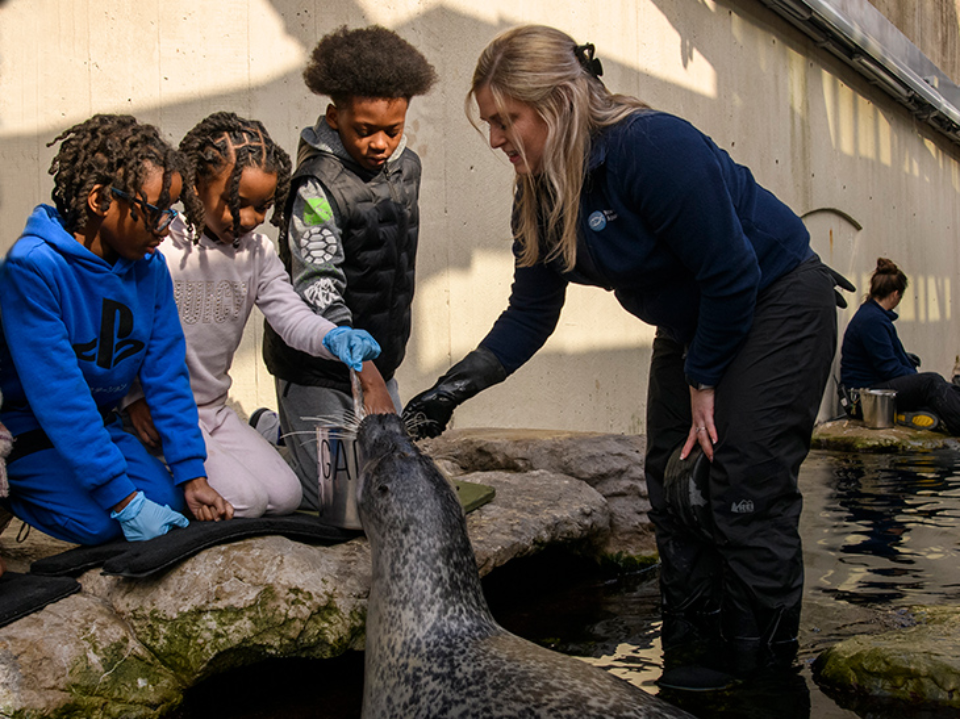
This aquarium on Boston’s waterfront features a giant central tank that rises multiple stories and carries tropical and temperate species together in one space. Schools of fish move as a group, giving the sense of life that feels far bigger than the building walls. Sea turtles rest and swim with a relaxed motion that draws attention for longer than expected. Smaller galleries throughout the building show local New England waters alongside distant coral reefs.
A nearby touch tank lets children feel small sea creatures with guidance and support, giving a hands-on element that young visitors enjoy. Keeper chats bring each animal’s story to life, linking behavior to habitat and daily routines. The aquarium also features a nearby marine mammal center that adds another layer to the experience. Families often pair their aquarium visit with harbor walks before or after, rounding out a day filled with water and life.
National Marine Aquarium, Plymouth, United Kingdom
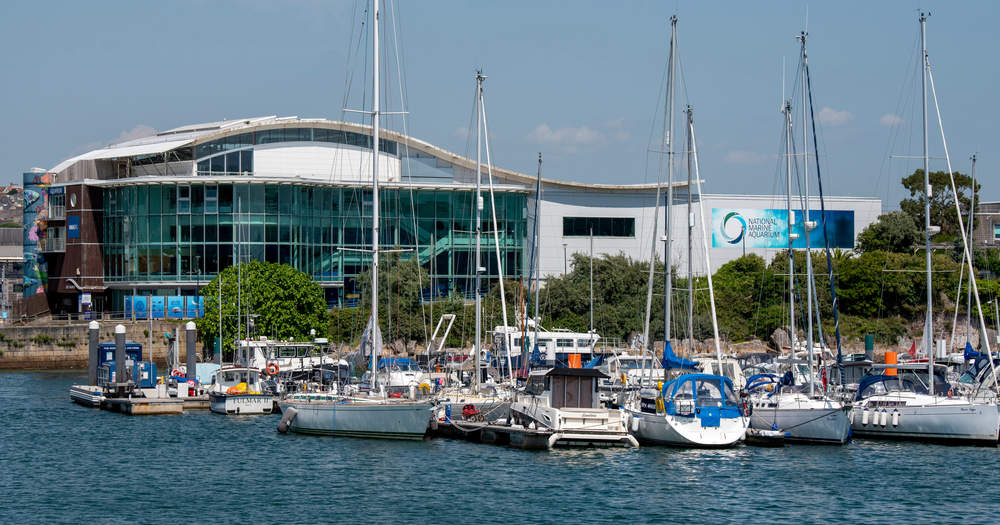
Set on the English waterfront, this aquarium shares marine life from local seas and distant oceans in galleries that feel inviting and well-organized. A large tank shows sharks and rays gliding through water with an ease that catches the eye of every age group. Smaller displays show Atlantic species that connect to the waters just outside the building, giving local context to the visit. Adults often pause to read about conditions in distant currents while children buzz around quieter reef zones.
Informational talks and timetabled feeding moments give structure to each visit, encouraging families to gather at specific times. Interactive panels help break down each creature’s traits in simple and engaging ways, keeping kids occupied without monotony. The aquarium also places emphasis on sustainability and how people can help protect sea life. Its location near piers and sea views invites families to continue their time outside after they leave the galleries.
This article originally appeared on Avocadu.