
16 Antique Shelf Decor Pieces That Add Texture and History
If your shelves feel a bit too neat, antiques can loosen the look in the best way. Old materials like brass, iron, and weathered wood bring depth without making the space feel crowded. Next, you will find shelf decor pieces that carry history and add a tactile feel to any display. Start with one small piece and see how quickly the whole shelf comes alive.
This post may contain affiliate links, which helps keep this content free. Please read our disclosure for more info.
Staffordshire Dog Figurines
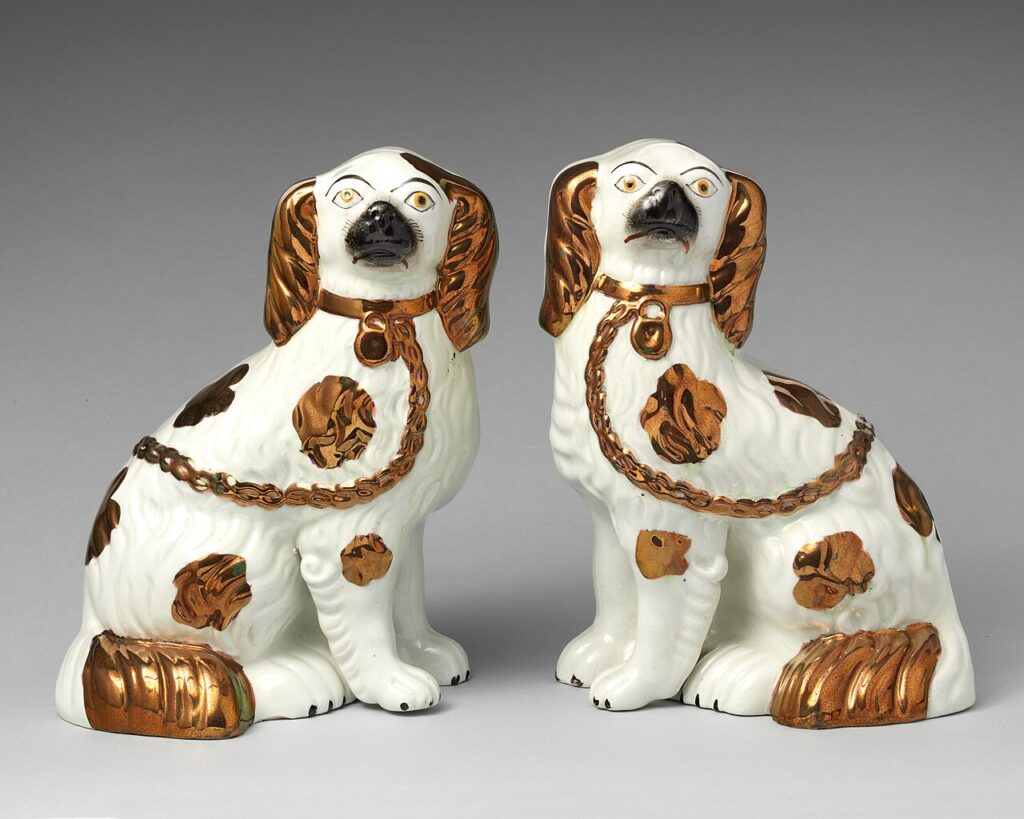
Victorian Staffordshire dogs bring history in a way that feels personal, since they were often displayed in homes as proud decorative pieces. Many originals date to the mid 1800s through the late 1800s, usually made of pottery with hand painted details. Texture comes from the painted fur strokes, glaze pooling in small creases, and tiny kiln marks that show age. Depending on size and condition, a current value is often around $120 to $900 for pairs and can go higher for larger or rarer examples.
Because the glaze can chip, pick them up by the base instead of the head or ears. Keep them out of direct sunlight so the paint does not fade, and avoid soaking them in water. Dust with a soft brush or microfiber cloth, and use a barely damp cloth only when needed. If you display them near books, give them a little space so they do not get knocked over during daily use.
Glass Apothecary Jar with Ground Glass Stopper
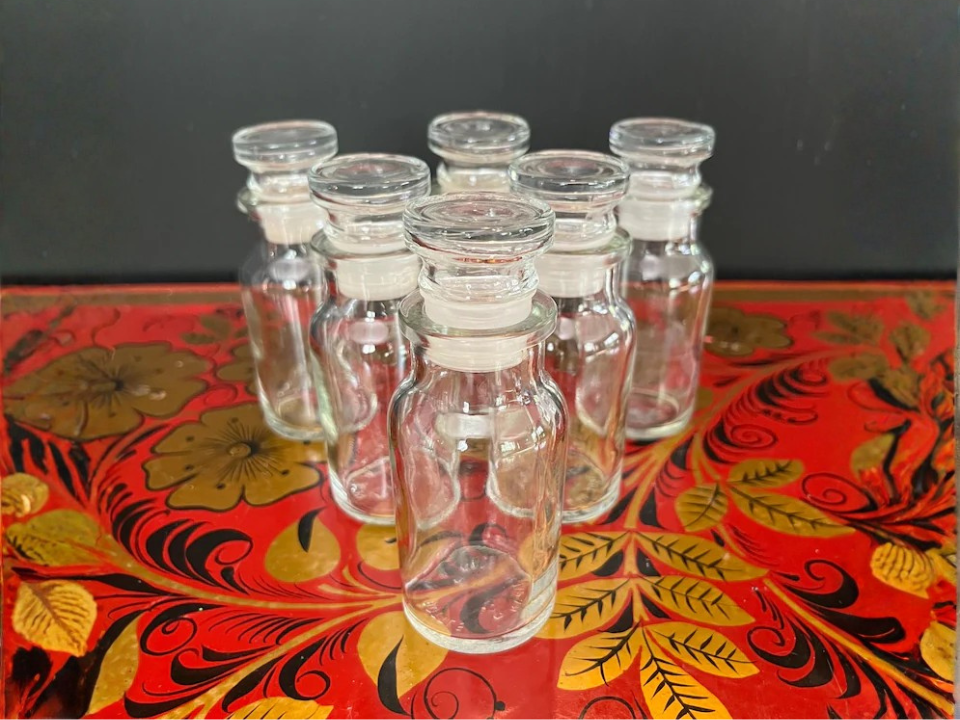
A single apothecary jar can make a shelf feel like it belongs to another era. Many examples used for display today date from about 1840 to 1900, and they are typically glass with a ground glass stopper. The texture shows up in small bubbles, faint seams, and the frosted fit where the stopper meets the neck. A typical current value is often around $150 to $400, with higher prices for labeled sets and earlier forms.
Since old glass can scratch, place it on a felt pad or small cloth. Wash by hand with mild soap and warm water, then dry right away, and avoid sudden temperature changes. Do not twist the stopper hard if it sticks, since old ground glass can seize, so use a warm, damp cloth around the neck and work slowly. If you want to fill it, keep the contents dry, since moisture can leave film inside.
Antique Wooden Butter Mold or Butter Stamp
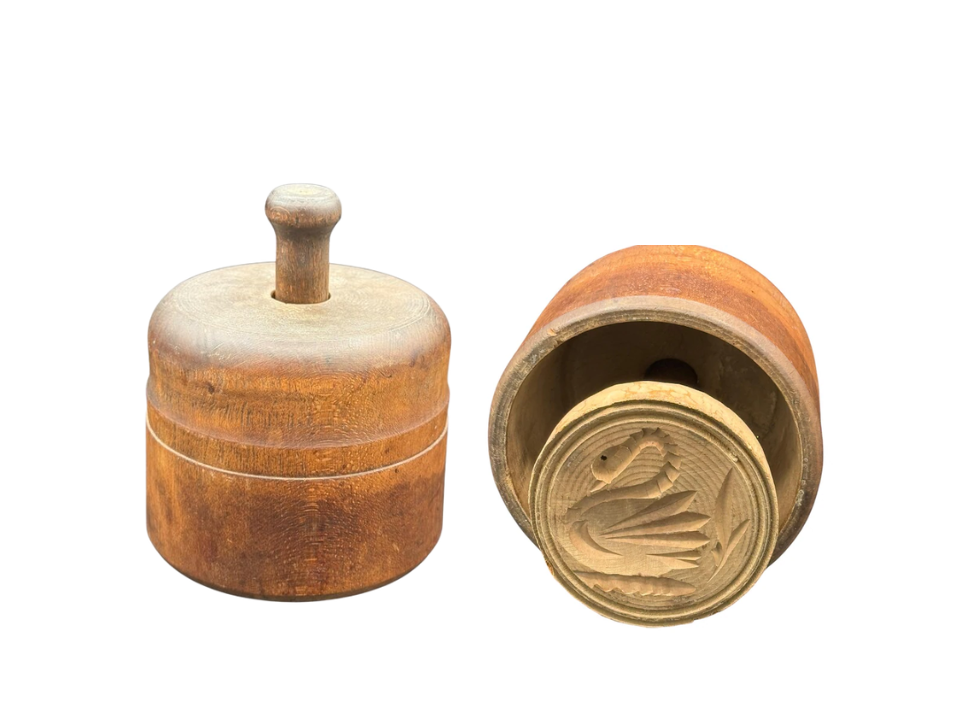
Wooden butter molds add a warm, farmhouse texture that looks right at home beside ceramics and glass. Many were produced in the 1800s, often from woods like sycamore or birch, with carved patterns that pressed into butter. Tool marks, worn handles, and softened carving edges make the surface look rich and tactile. Values often sit around $60 to $220, with higher prices for rarer dated pieces and detailed patterns.
For care, keep the wood dry and away from heat vents that can cause cracks. Dust with a dry cloth or soft brush, and skip oiling unless the wood is truly dry and dull, since too much oil can turn sticky. If you must clean it, wipe lightly with a barely damp cloth and dry it at once. Displaying it flat instead of leaning helps protect delicate carved faces.
Antique Brass or Cast Iron Bookends
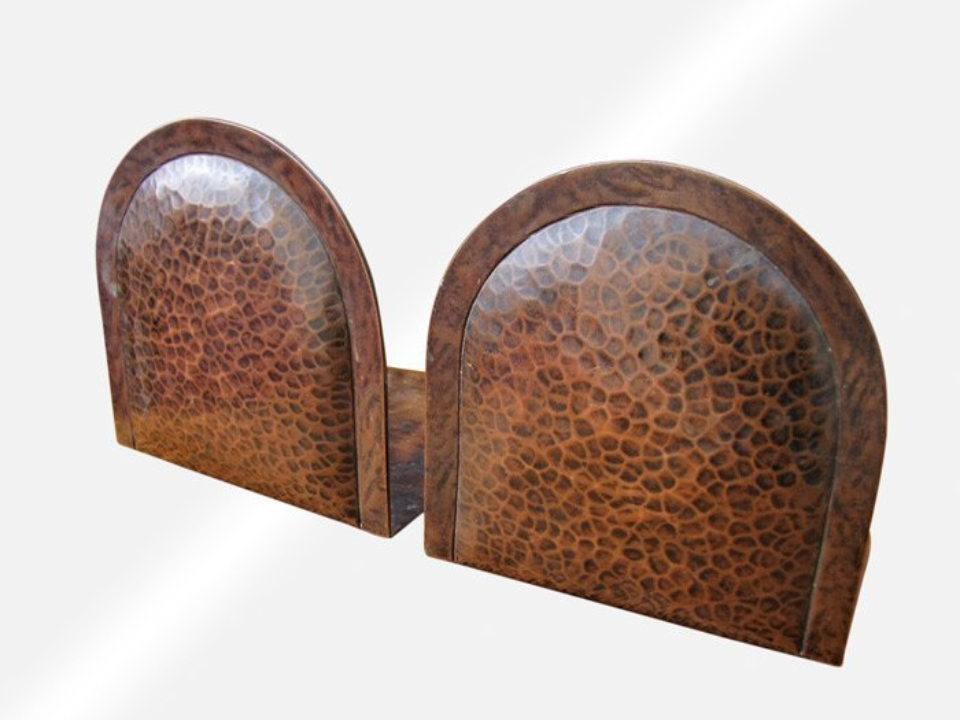
Nothing anchors a shelf like a heavy pair of bookends with real weight behind it. Many common examples were made from about 1900 to 1940 in brass or cast iron, and they add texture through engraved surfaces, raised motifs, and worn edges. A fair current value is often around $40 to $250, depending on maker, subject, and condition. Price ranges for antique brass bookends can vary widely across past sales.
To care for them, wipe dust with a soft dry cloth and keep them away from damp windowsills. If rust shows on cast iron, use a very light oil on a cloth and rub gently, then buff clean so it does not stain books. Brass usually looks best with mild soap and water, then dried right away, since harsh polish can remove surface character. Felt pads under the bases help protect shelves and stop scratching.
Cloisonne Enamel Vase
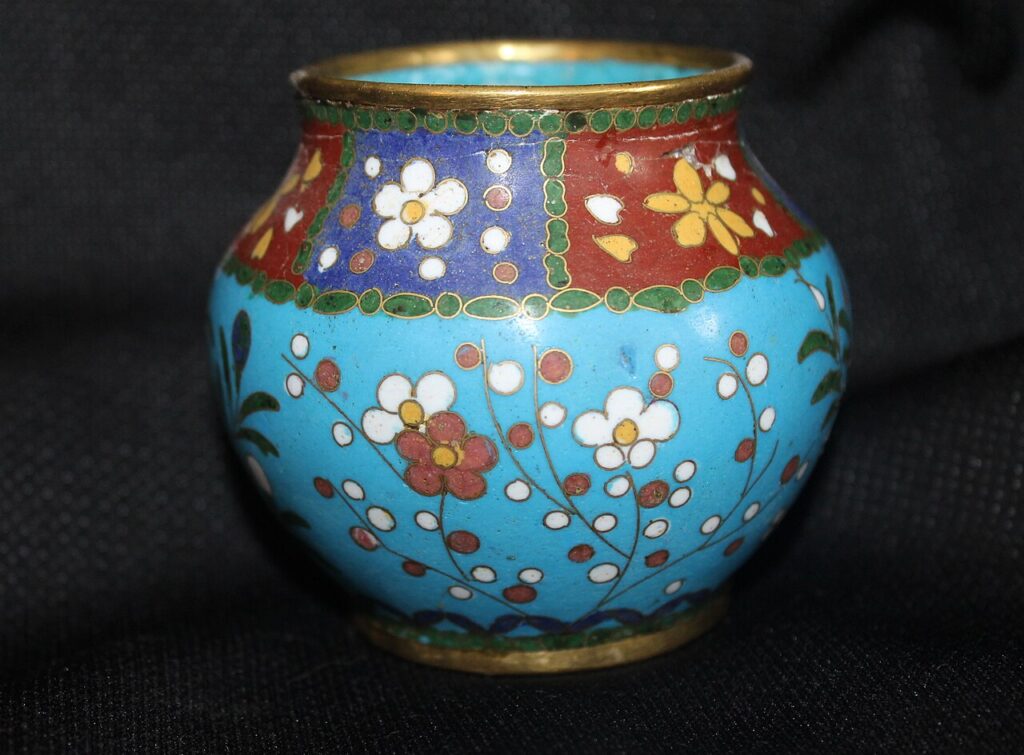
Cloisonne brings color and texture without taking up much shelf space. Many decorative pieces sold today were made in the late 1800s through the early to mid 1900s, often with a copper base and enamel sections divided by thin wire. The raised wire lines create a textured surface that you can see even from across the room. Depending on size, age, and detail, a current value is often around $200 to $1,000.
Handle it with clean, dry hands, since oils can dull the enamel over time. Dust gently and avoid abrasive cleaners that can scratch enamel or loosen grime into the wire lines. If it needs deeper cleaning, use a soft cloth with mild soapy water, then dry fully. Keep it away from shelf edges, since enamel chips easily if it falls.
Cut Glass Perfume Bottle
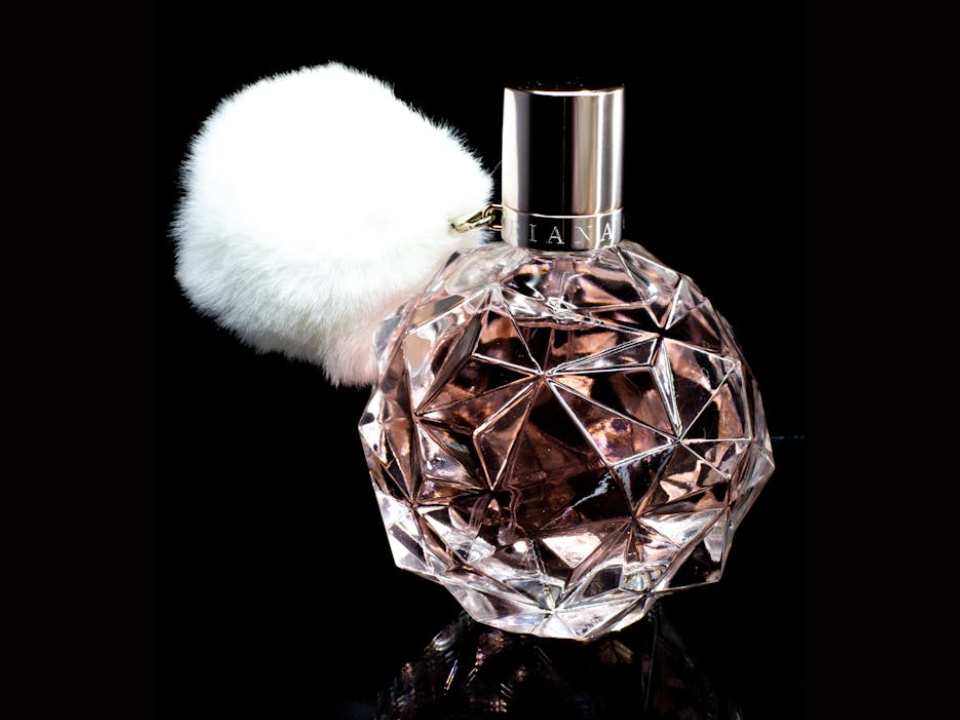
A cut glass perfume bottle adds sparkle and history while still feeling practical as decor. Many examples were made from the late 1800s into the 1920s, commonly in crystal or cut glass with metal tops in brass or silver. The texture is in the sharp facets, scalloped cuts, and the way light breaks across the surface. Current values often range from about $150 to $1,000, with higher prices for sterling mounts and known makers.
Cleaning should be gentle, so hand wash with mild soap and warm water, then dry with a lint-free cloth. Do not use a dishwasher, since heat and detergent can cloud glass and loosen mounts. If there is a metal cap, avoid harsh polish, and use a soft cloth so you do not leave scratches. Store it upright on the shelf so the stopper or cap does not grind against glass.
Miniature Kerosene Oil Lamp
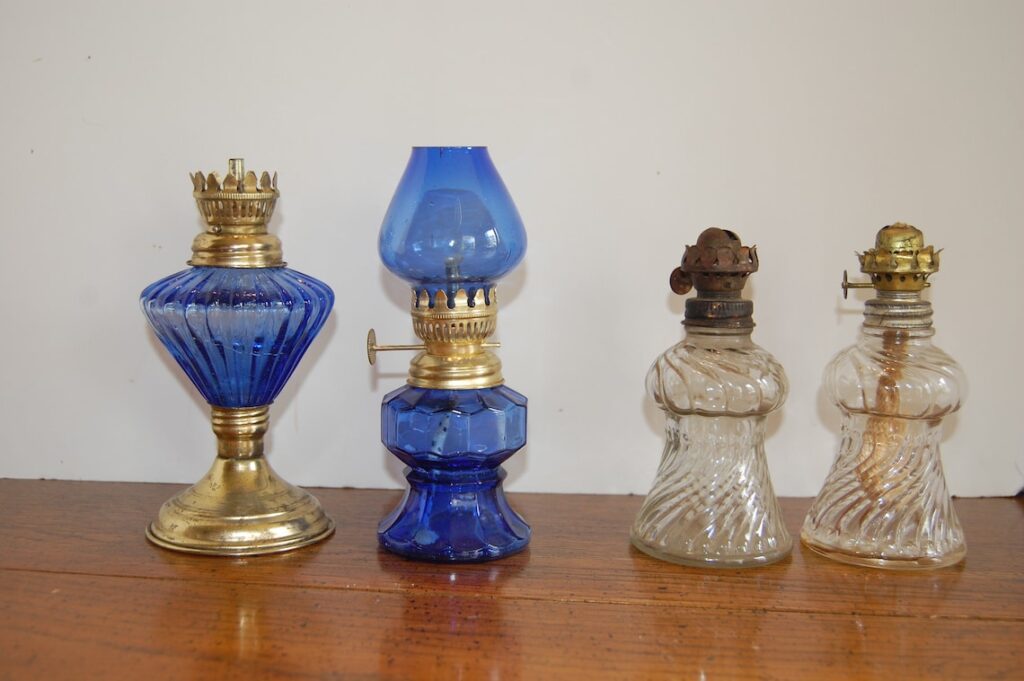
Small oil lamps make shelves feel lived in, especially when the glass has slight waves and old beading. Many miniature examples were produced around 1900 to 1919, usually with a glass font and a small metal burner assembly. The texture comes from molded glass ribs, tiny air bubbles, and wear around the burner threads. A reasonable current value is often around $40 to $150, depending on completeness and condition.
To keep it safe, make sure it is empty and cleaned before display, since old fuel residue can smell and stain. Dust the glass lightly and do not force the burner if it is stuck, since the threads can crack the neck. If you want a period look without flame, place it near a window for natural light and skip filling it. Keep it out of reach of kids and pets, since it is top-heavy for its size.
Cast Iron Still Coin Bank
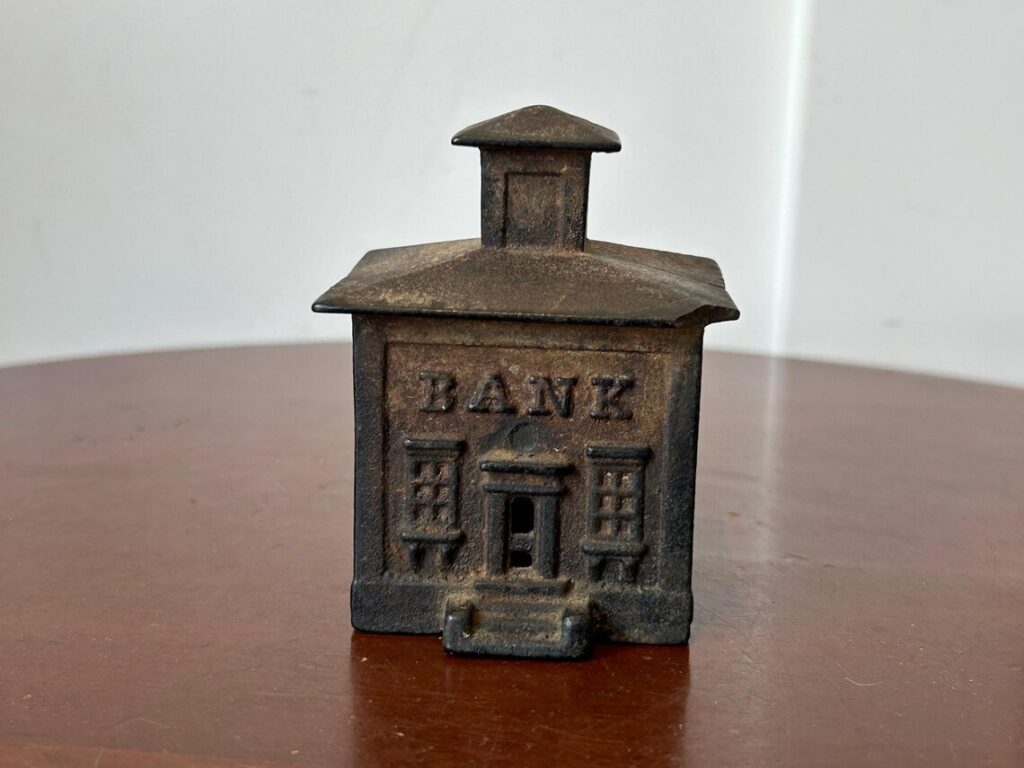
Cast iron still banks add a playful texture, with raised shapes and old paint that shows use. Many were made in the early 1900s, often cast iron with simple slots and no moving parts. Shelf interest comes from the weight, the mold lines, and small chips that show layers beneath. Values are often around $30 to $120, with higher prices for rare figures, clean paint, and known names.
Keep iron away from humidity, since moisture can cause rust to bloom under old paint. Dust with a dry cloth, and avoid soaking or scrubbing, since paint loss can speed up fast. If rust appears, lightly rub with a soft cloth and a tiny bit of oil, then wipe clean so it does not feel greasy. A felt pad under it helps protect wood shelves from scuffs.
Blue and White Transferware Plate
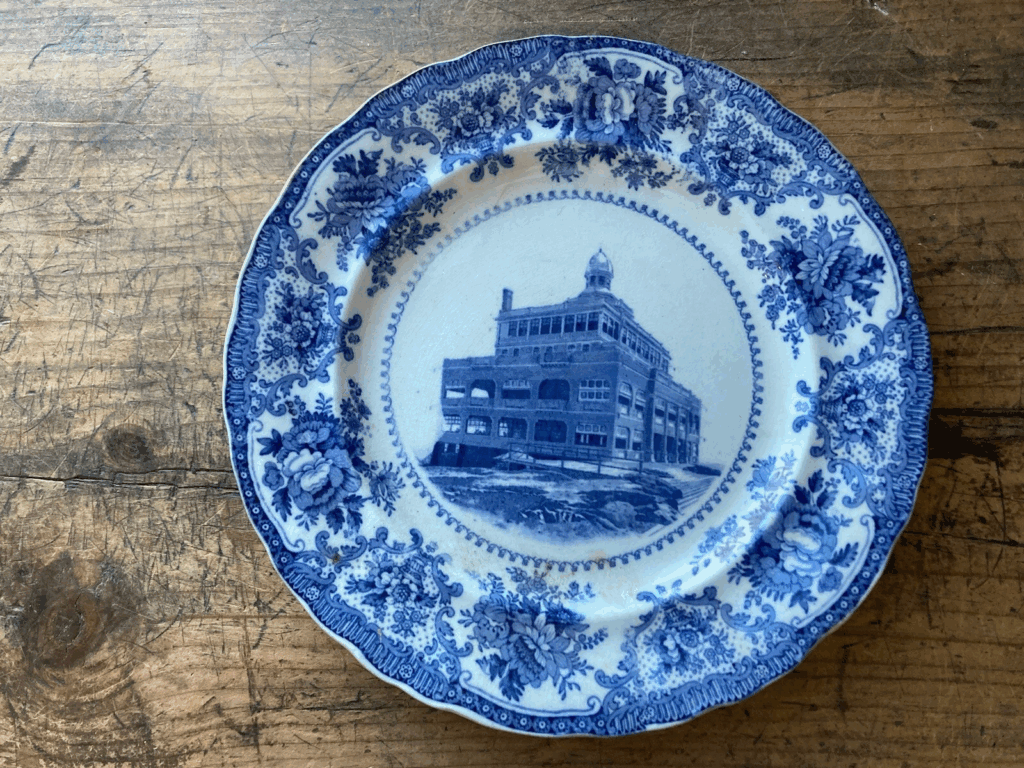
A blue and white plate brings instant history, even when it is the only patterned piece on the shelf. Many transferware plates were produced from about 1820 to 1900, usually earthenware with printed designs under glaze. The crackle in the glaze and small utensil marks create a soft texture that reads as authentic from close up. A typical current value is around $25 to $150, depending on maker, pattern, and damage.
Set it on a stable stand with rubber tips so it does not slide. Avoid direct sun, since some blues can fade with long exposure. Dust with a dry cloth, and if you need to wipe it, use a barely damp cloth and dry right away. If there are hairline cracks, skip washing and keep it as a display only.
Tintype Photo in an Early Wooden Frame
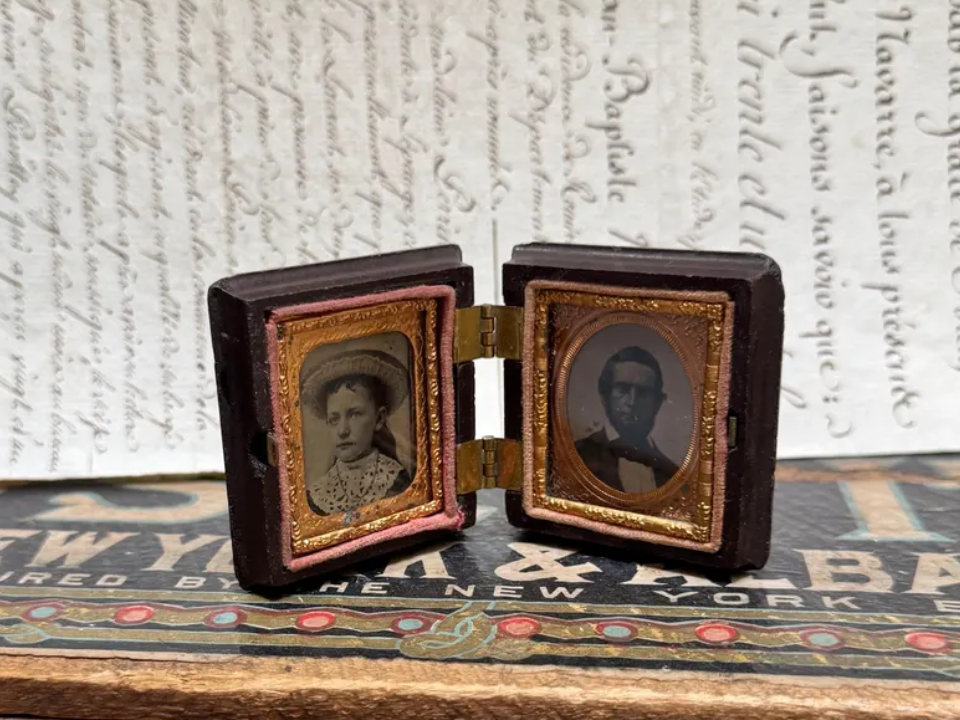
Old photos bring real faces and real time to a shelf, which changes the whole mood of a display. Tintypes were most common from about 1855 to 1900, usually made on thin metal with a simple varnish layer, then framed in wood or pressed paper. You will see texture in the tiny surface speckles, worn corners, and uneven dark tones. Many single images in modest frames sell for around $30 to $200, with higher prices for clear portraits, uniforms, and rare subjects.
Keep the photo out of damp areas, since moisture can lift the image layer. Handle the frame instead of the photo surface, and avoid touching the image with bare fingers. Dust the frame lightly and do not spray cleaner directly on the glass if present. If you want extra protection, display it behind UV filtering glass.
Hand Carved Wooden Corbel Fragment
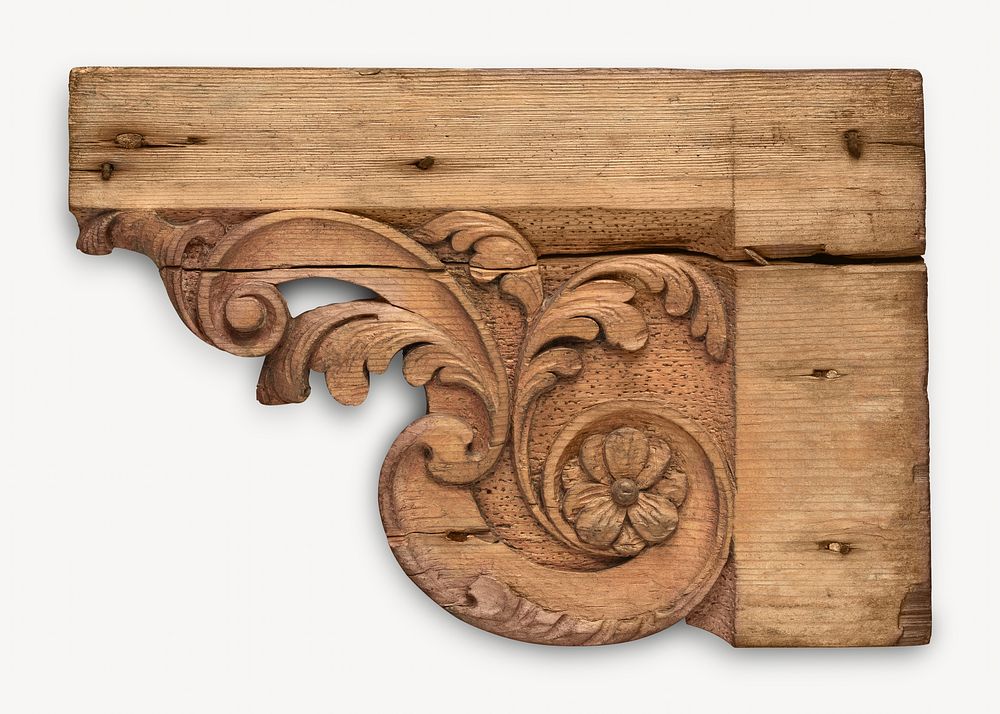
Architectural fragments add texture in a way that feels collected instead of staged. Many small corbels and carved wood pieces used as shelf decor come from the late 1800s to early 1900s, often pine, oak, or walnut with old paint or stain. The worn carving edges and tool marks give the surface depth and shadow. Depending on size and detail, a current value is often around $60 to $250.
Because old wood can dry out, keep it away from heaters and strong sun. Dust with a soft brush so you do not snag splinters on cloth. If paint is flaking, do not pick at it, and consider placing it where it will not be bumped. A small museum wax dot under the base can help it stay put.
Copper or Brass Repousse Tray
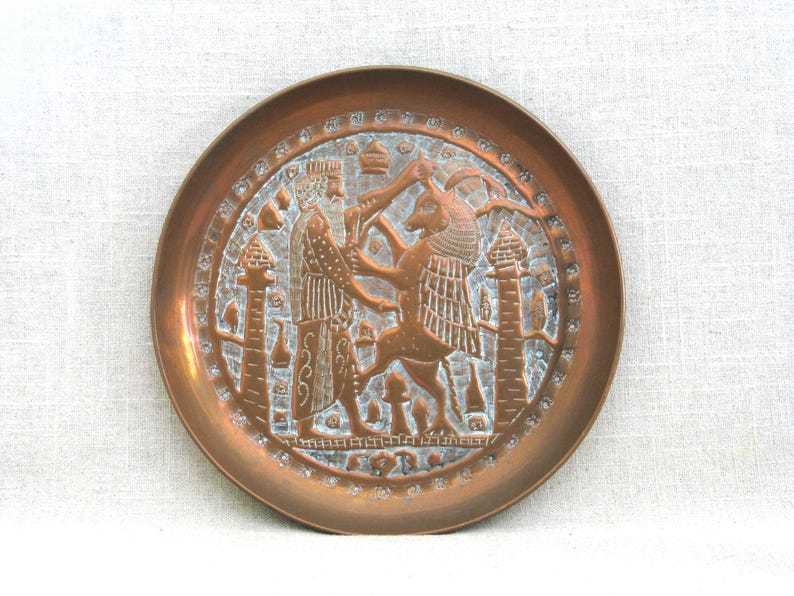
A small metal tray on a shelf adds shine, pattern, and a sense of old-world work. Many repousse decorative trays were made from about 1890 to 1930, usually copper or brass with hammered relief designs. Texture shows up in the raised flowers, stamped borders, and the slight ripples from handwork. A typical value is around $40 to $200, depending on size and design quality.
Use a soft dry cloth for regular care and avoid harsh polish that can strip surface character. If it needs cleaning, mild soap and water work, followed by quick drying. Keep it away from high humidity so it does not spot. Lean it on a stand or easel so it does not scratch the wall or other items.
Small Marble or Alabaster Bust
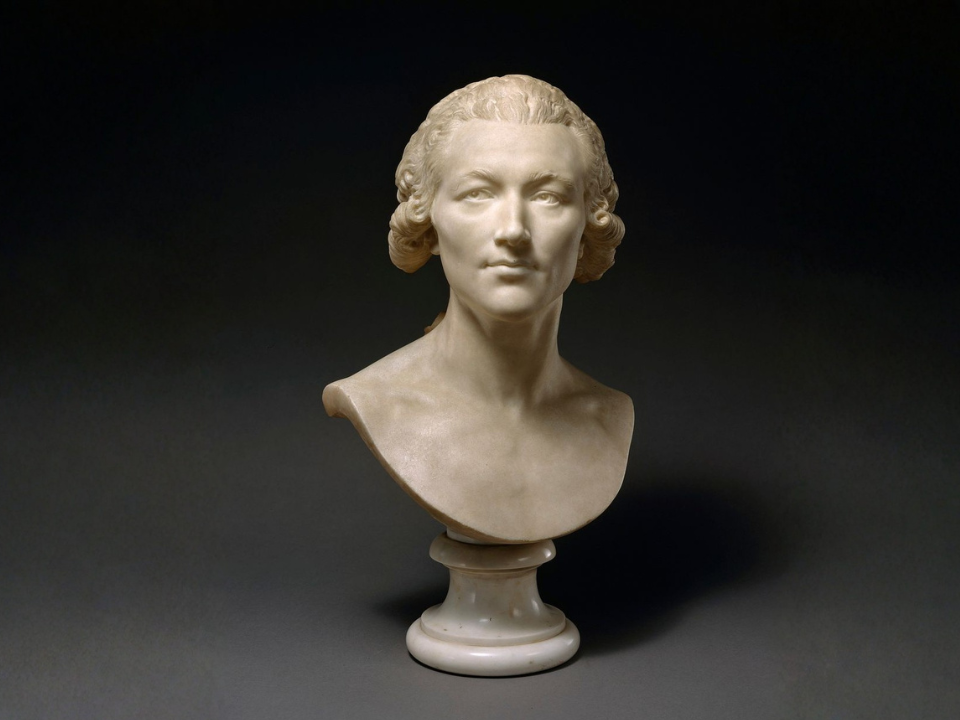
Stone pieces bring a cool, matte texture that balances glossy glass and shiny metals. Many small decorative busts and figures used on shelves were made from about 1880 to 1930, often carved from marble or alabaster. Natural veining and tiny surface nicks add a look that reads as history right away. Current values are often around $80 to $400, depending on size, subject, and carving quality.
Dust with a dry cloth and avoid letting grit sit on the surface, since it can scratch when wiped. Do not use acidic cleaners, since stone can etch and dull. If you need to wipe it, use a slightly damp cloth, then dry it fully. Place a felt pad under it so the stone does not scrape the shelf.
Mantel Clock Case Used as Shelf Decor
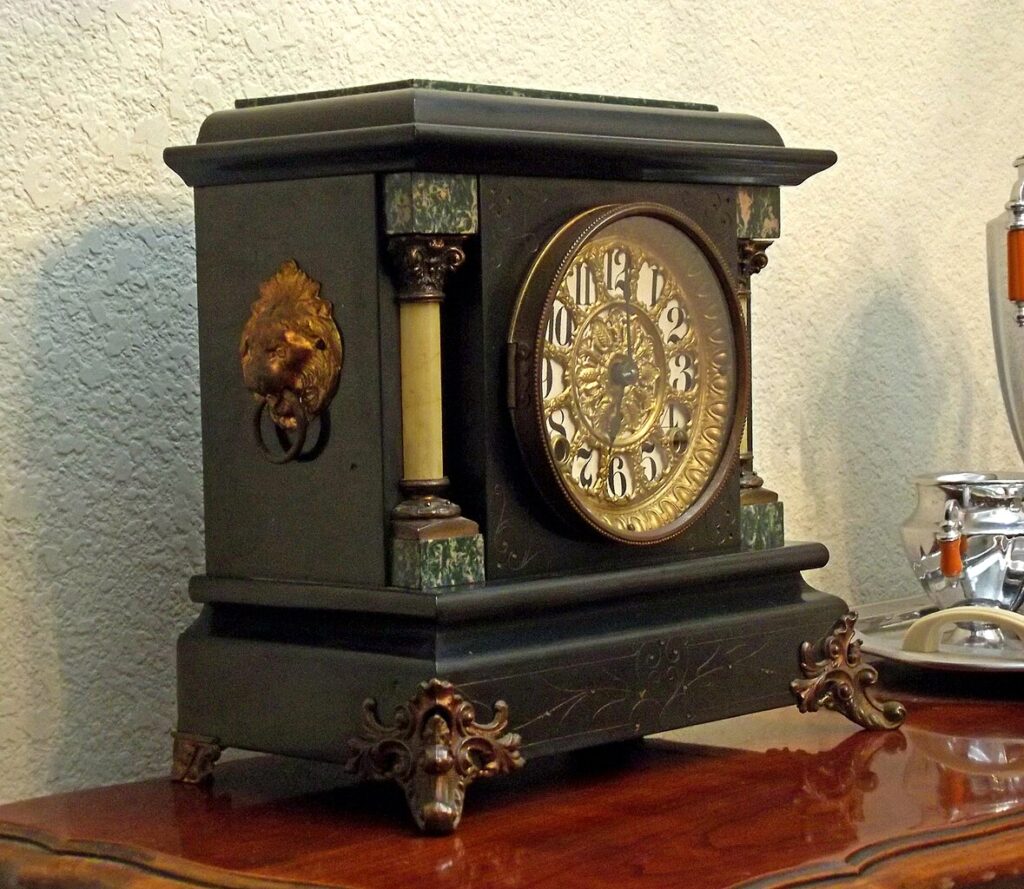
Old clock cases add structure and history, even if the movement no longer runs. Many shelf-sized mantel clocks were produced from about 1890 to 1930, often with wood cases and metal or enamel dials. Texture comes from carved details, worn corners, and the contrast between glossy dial faces and duller wood. A fair current value can range from $75 to $500, depending on the maker, condition, and whether it works.
Keep it away from heat and humidity so the case does not warp. Dust the case with a dry cloth and use a soft brush around carvings. If the clock still runs, have it serviced by a professional rather than using oil at home. Place it where it will not be bumped, since old glass and dial parts can be fragile.
Leather Bound Antique Book or Small Set
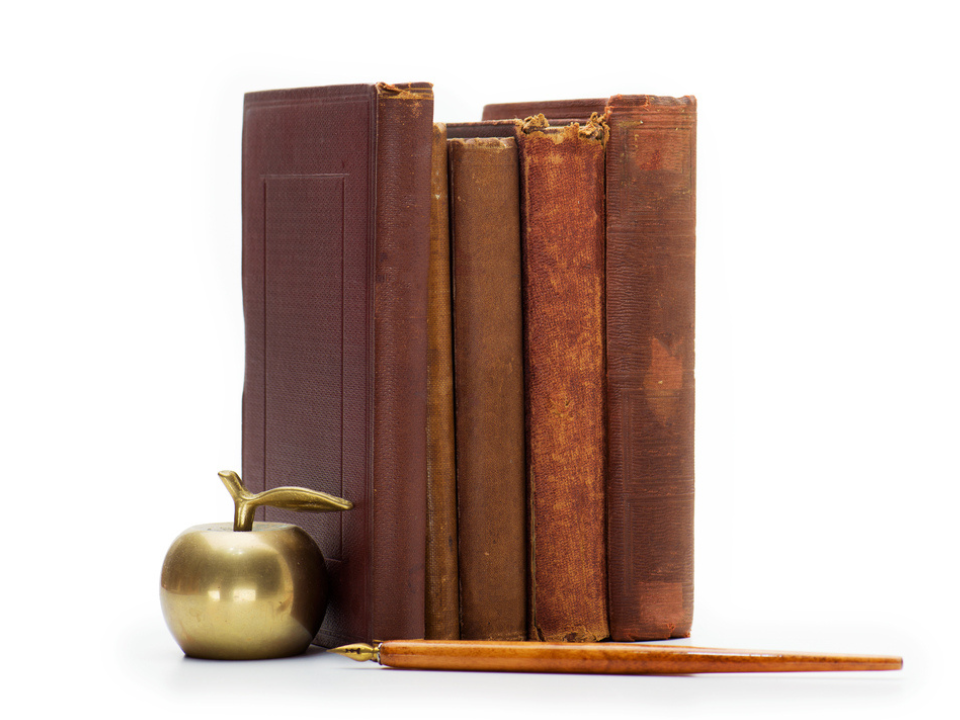
Old books bring a quiet kind of history, and they help shelves look more layered. Many leather-bound volumes used for decor were produced from about 1850 to 1920, with leather over boards and paper pages. The texture comes from cracked spines, raised bands, gilt titles, and deckled page edges. A typical value is around $25 to $200 per book, with higher prices for early editions and notable authors.
Store books upright with light support so spines do not slump. Keep them out of direct sun and away from damp areas, since leather and paper can mildew. Dust the top edges gently, and do not use furniture polish on leather, since it can darken and stain. If pages smell musty, air them in a dry room rather than sealing them in a box.
Pressed Glass Vase or Bowl
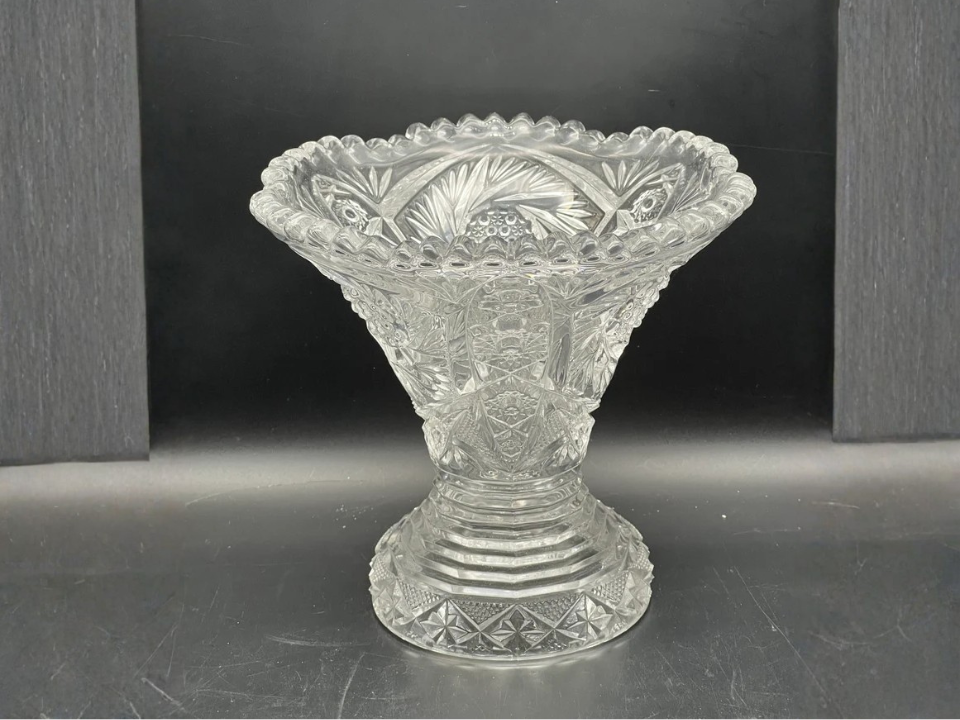
Pressed glass pieces add texture through repeating patterns that look great beside plain ceramics. Many popular pressed glass vases and bowls were made from about 1890 to 1930, usually in clear or lightly tinted glass. Ribs, hobnails, and geometric patterns catch light and create depth on a shelf. A typical current value is around $20 to $120, depending on pattern, color, and condition.
Wash by hand with mild soap and warm water, then dry with a soft cloth to avoid water spots. Avoid stacking pressed glass pieces, since rim chips happen easily. If you display flowers, place a small liner inside so the stems do not scratch the interior. Keep it away from shelf edges where it could be bumped during cleaning.
This article originally appeared on Avocadu.