
15 Antique Rugs and Carpet Styles Decor Lovers Still Search For
Antique rugs and carpet patterns have a way of making a room feel warmer and more lived in. Some styles bring soft, faded color, while others add sharp geometry and strong borders that anchor the furniture. This list covers classic rug types that still show up in mood boards, estate sales, and home photos because they fit so many spaces.
This post may contain affiliate links, which helps keep this content free. Please read our disclosure for more info.
Persian Tabriz Rug
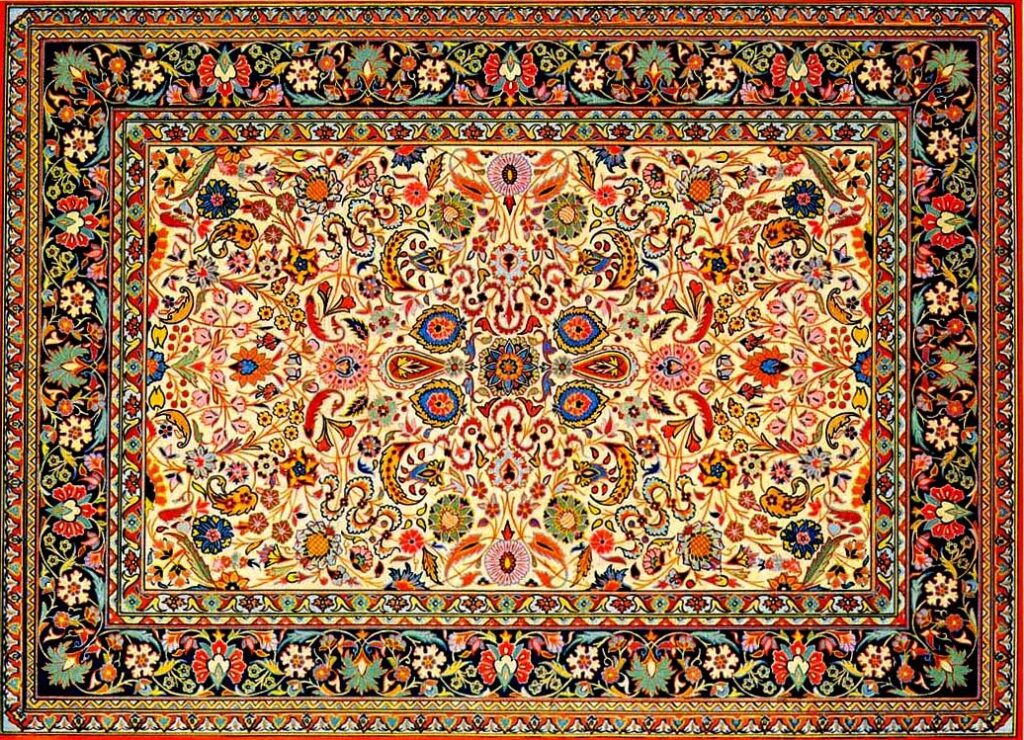
A Persian Tabriz rug often feels polished and balanced, with a clear center medallion or an all over pattern that looks tidy even in a busy room. The colors can lean jewel toned, but many older pieces soften into a gentle mix that looks great with worn wood and creamy walls. You will usually notice fine lines in the vines and flowers, which makes it feel detailed without being loud. If you like a room that feels pulled together, Tabriz is a solid anchor under a coffee table.
Because the weave is typically tight, these rugs can handle everyday life better than you might expect. They look especially good in a living room where you want the rug to read as part of the furniture, not just a background. Try pairing it with simple solids on the sofa so the pattern has space to breathe. A pad underneath helps it sit flat and keeps the edges from shifting.
Persian Kashan Rug
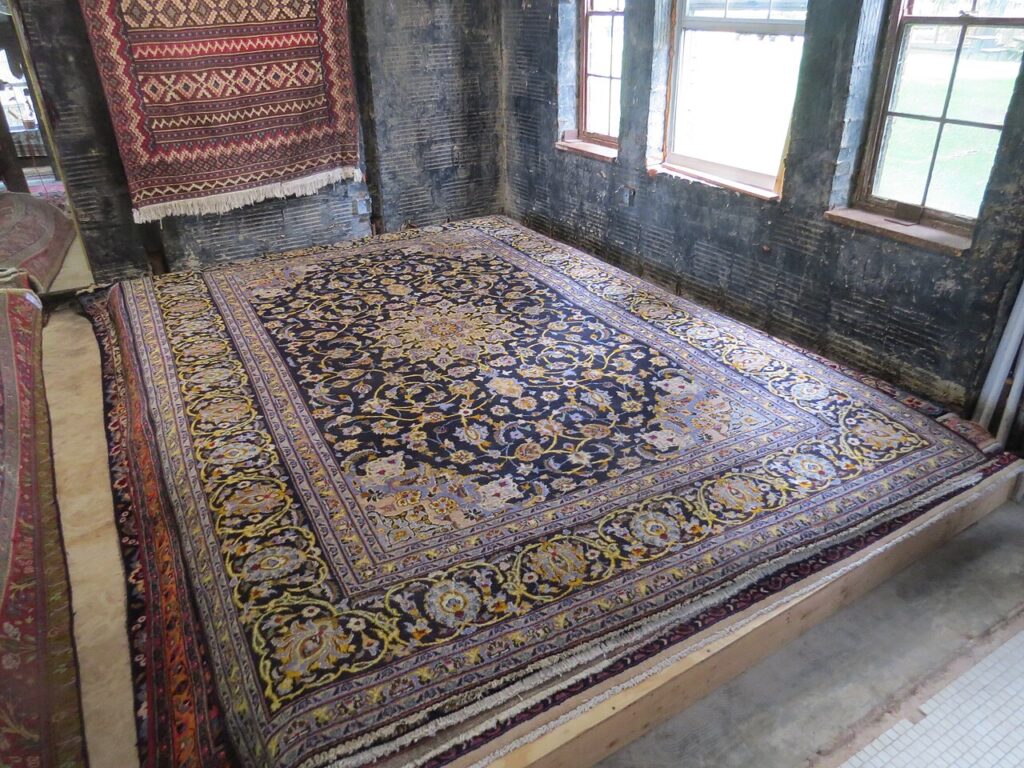
A Persian Kashan rug is known for classic floral layouts that feel traditional in the best way. Many feature a strong medallion, sweeping corner designs, and a rich field of reds, blues, and ivory that looks timeless. The pattern tends to feel graceful rather than busy, so it can work even if you have a lot of art on the walls. Put one in a dining room and it instantly makes the space feel more settled.
Kashan rugs can hide day to day mess pretty well because the pattern breaks up crumbs and small marks. They also pair nicely with darker woods and brass, which is why they show up so often in older home photos. If the colors feel strong for your space, look for a more faded example or one with a lighter ground. Keep chair legs smooth or use felt pads so the pile does not get snagged.
Persian Isfahan Rug
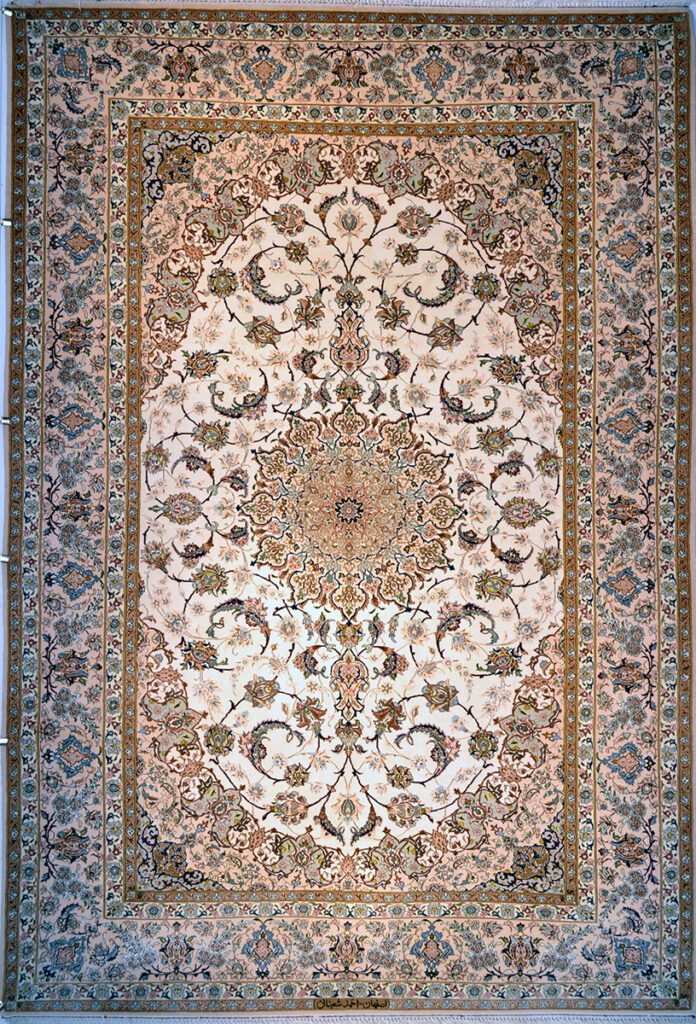
A Persian Isfahan rug often has a refined look that feels almost like a textile painting on the floor. The designs can be very fine, with delicate flowers, curling vines, and soft shading that makes the pattern look layered. Many are in elegant blues, creams, and reds, and the overall effect feels calm even when the details are intense. It is the kind of rug that makes simple furniture look more special.
Because of the finer weave, Isfahan rugs are often treated a bit like a showpiece, but they still work in real homes. They look beautiful in a bedroom where your feet land on something plush and pretty in the morning. If you place it in a living area, keep it away from heavy rolling chairs and rough shoes. A gentle vacuum setting and a good pad will keep it looking smooth.
Persian Heriz Rug
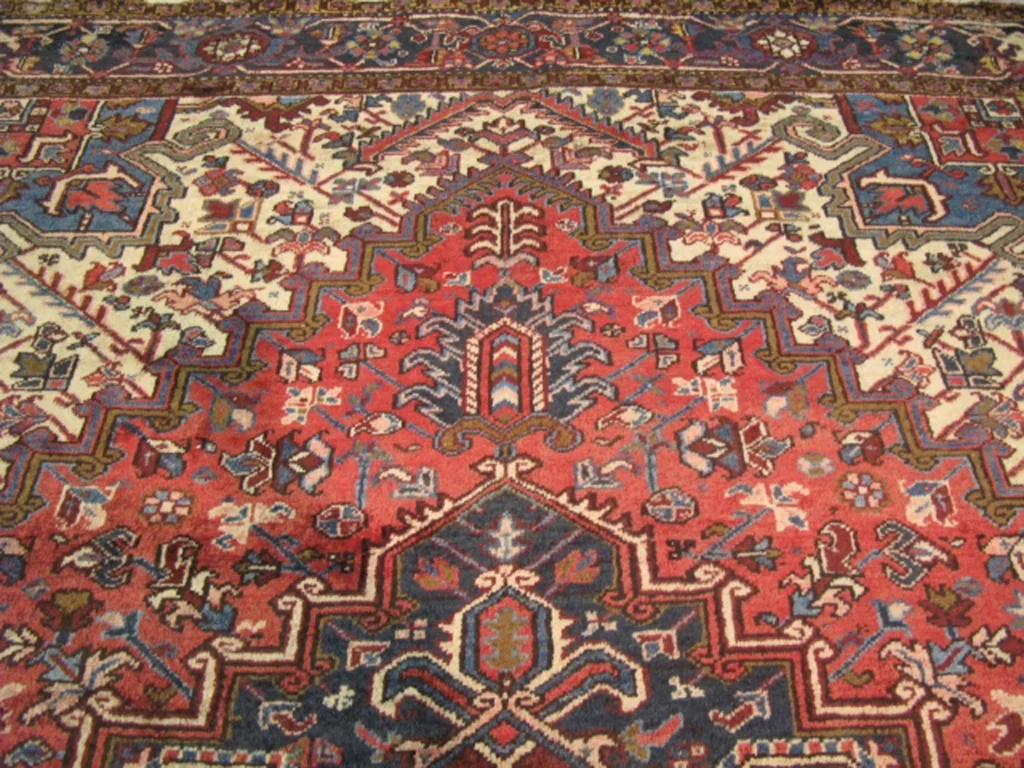
A Persian Heriz rug brings strong geometry and big shapes that read well from across the room. You will often see bold medallions, angular corners, and wide borders that give the rug a sturdy, grounded feel. The palette frequently includes rust, navy, and cream, and it plays nicely with leather, oak, and vintage brass. If your room feels a little too soft, a Heriz adds structure fast.
Heriz rugs are also known for being tough, which is why people love them for family spaces. The larger scale pattern does a nice job of hiding wear, especially in the center where everyone walks. They look great in a long living room because the design holds its own without needing lots of decor around it. If the edges start to curl, a pad and a little time under furniture corners usually helps.
Persian Gabbeh Rug
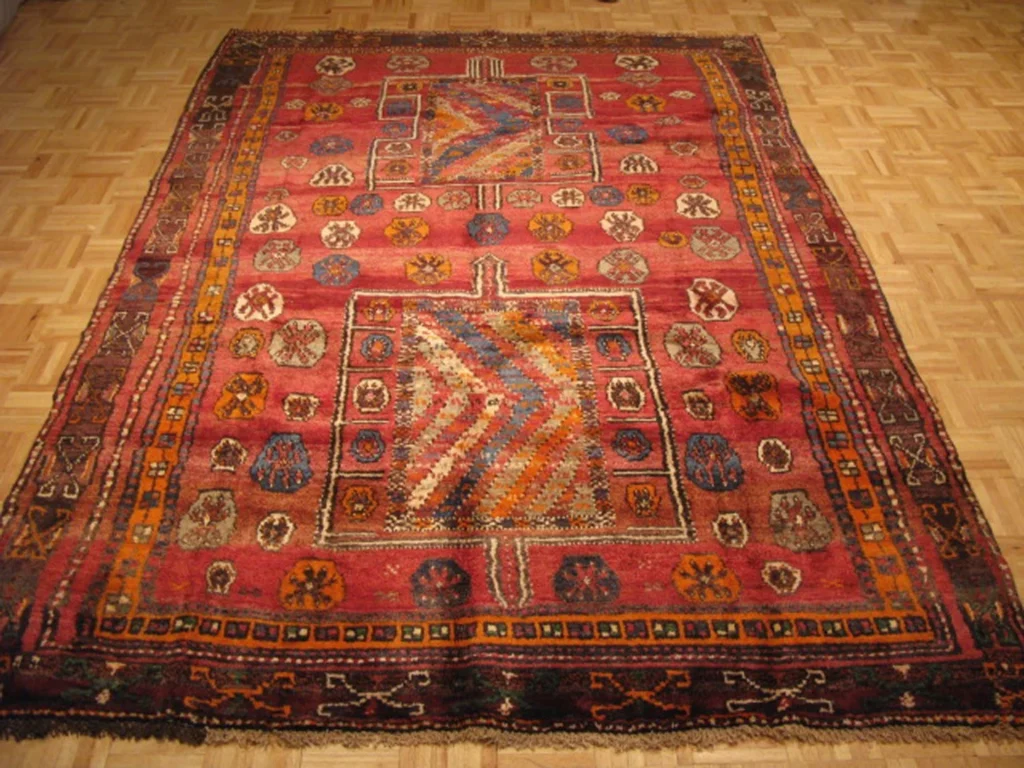
A Persian Gabbeh rug often feels relaxed and cozy, with simpler designs and chunky, friendly shapes. Some have small animals or little symbols, while others are mostly solid color with gentle variation that looks like a watercolor wash. The pile can be thicker, which makes it feel soft underfoot and perfect for lounging spaces. It is an easy choice if you want something that looks collected but not formal.
Because Gabbeh rugs tend to be less fussy, they pair well with modern sofas, low beds, and casual chairs. They also work in kids’ rooms since the patterns do not demand everything else match. If you like a cleaner look, choose one with a more open field and a simple border. Shake it out often and vacuum lightly so the plush pile stays even.
Persian Kilim Rug
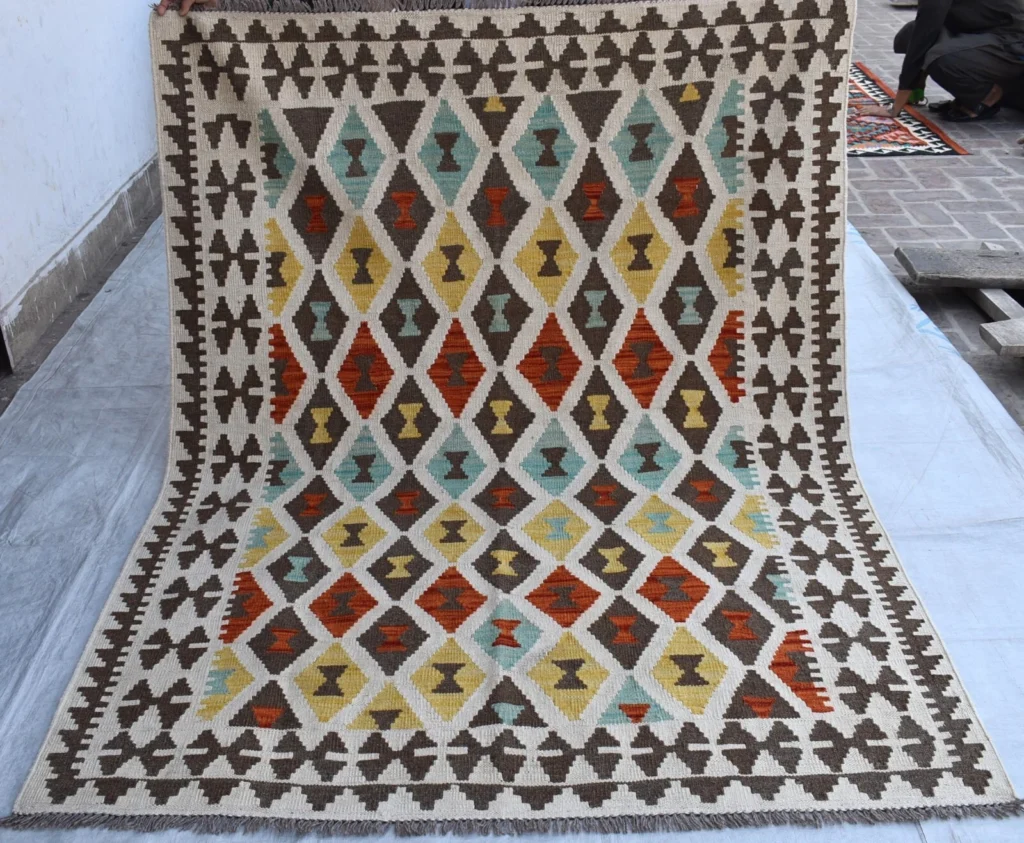
A Persian Kilim rug is flat woven, so it has a lighter, more flexible feel than a thick pile rug. The patterns are usually geometric, with stripes, diamonds, and repeating motifs that look crisp and graphic. Because the weave is thin, the colors can feel bright and clear, even on older pieces. A kilim instantly adds texture without making a room feel heavy.
Kilim rugs are great for layering, especially if you want to protect them and also add softness. Try placing a small kilim over a larger natural fiber rug for an easy, casual look. Since they can shift more than pile rugs, a grippy pad makes a big difference. If the corners curl, flipping it or rolling it loosely the other way for a day can help.
Turkish Oushak Rug
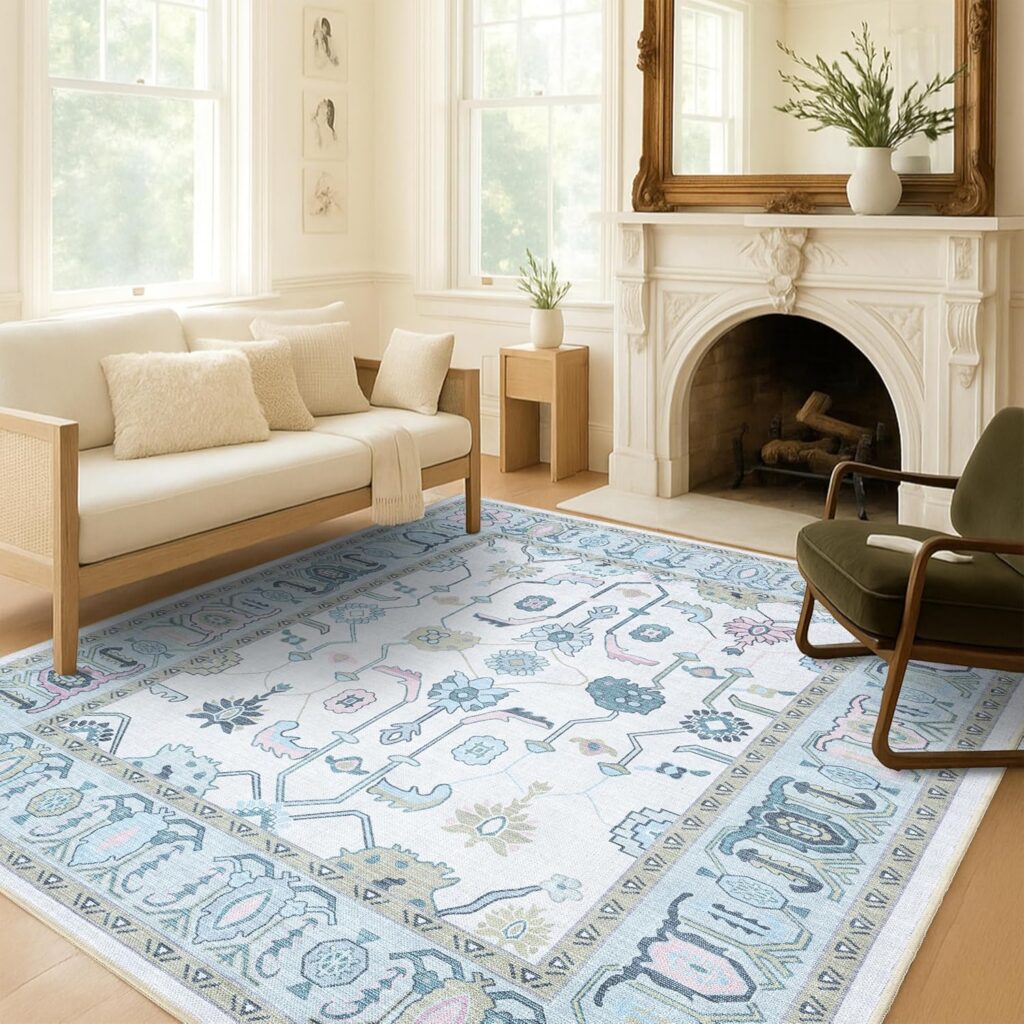
A Turkish Oushak rug is loved for its roomy patterns and washed, muted color that feels calm and airy. The designs often look a little oversized, which makes them feel relaxed and not too busy. Many older Oushaks have soft peaches, faded reds, and dusty blues that work well with light walls and natural wood. If you like a bright room that still feels warm, Oushak fits right in.
These rugs are especially popular in living rooms where you want the floor to look gentle and inviting. Because the colors are often already softened, small wear and fading usually just adds to the charm. Pair an Oushak with linen upholstery and you get that easy, lived in look without trying too hard. Keep it rotated every so often so sun exposure stays even.
Turkish Hereke Silk Rug
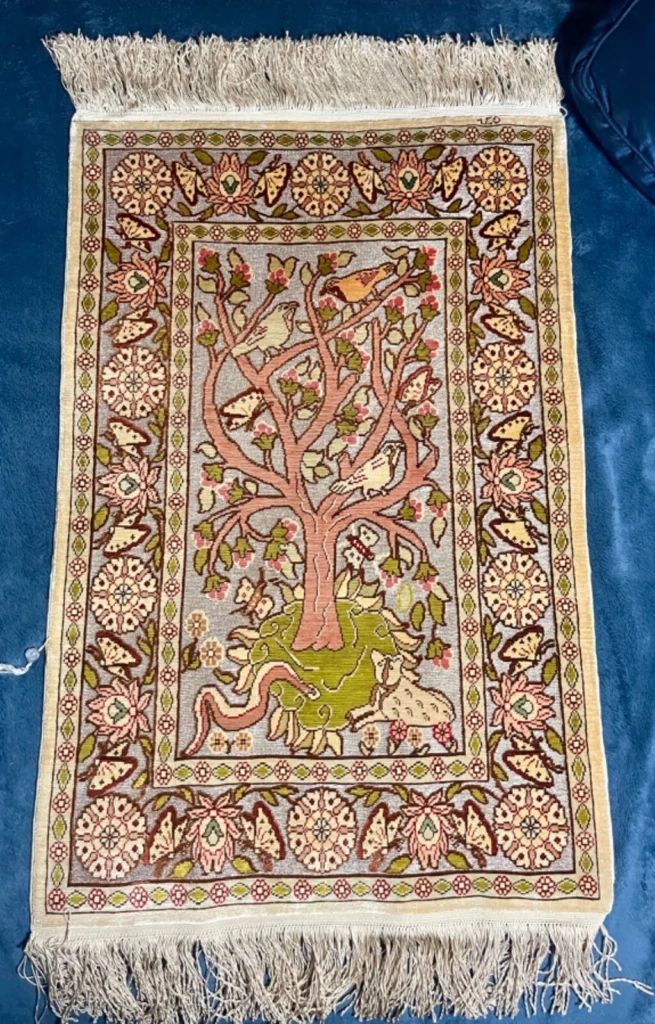
A Turkish Hereke silk rug looks glossy and detailed, almost like it is shimmering when light hits it. The designs can be extremely fine, with floral sprays, medallions, and ornate borders that feel very formal. Even small sizes can look dramatic because silk shows color and detail so clearly. It is the kind of rug people put where it can be seen and appreciated.
Because silk is more delicate, Hereke rugs are better in low traffic spots. A bedroom, sitting room, or a wall display works well if you want to keep it in great shape. If you do place it on the floor, be mindful of shoes and furniture legs, since silk can show pressure marks. A thick pad and gentle care help it keep that smooth, luminous look.
Caucasian Kazak Rug
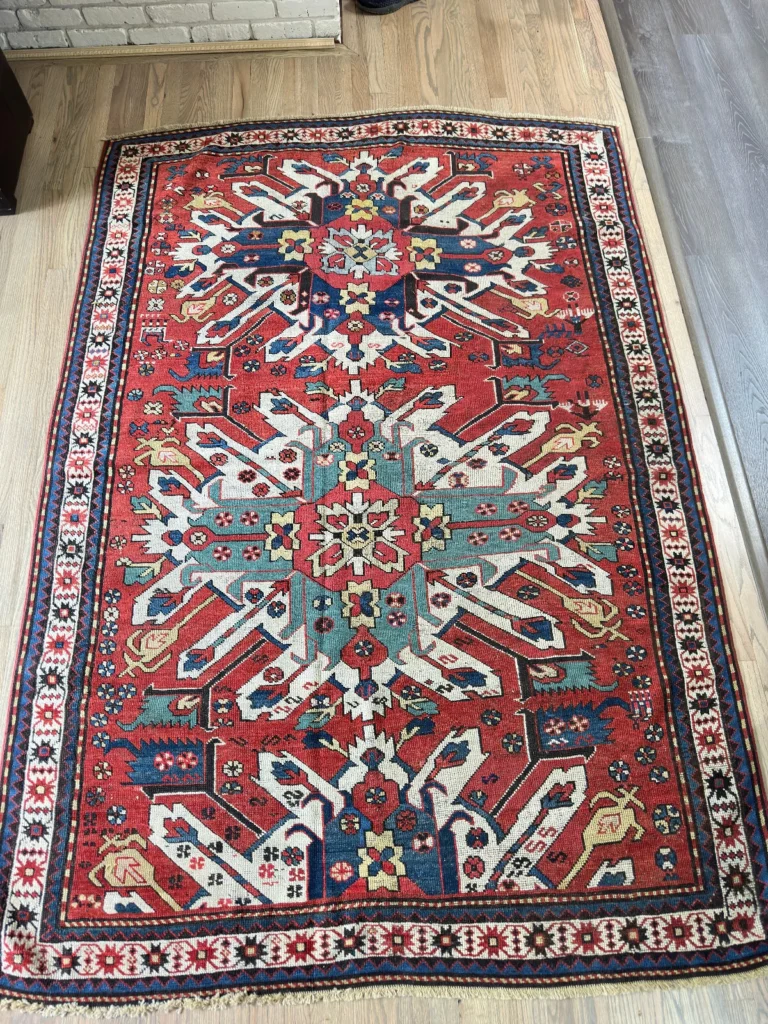
A Caucasian Kazak rug brings bright color and bold, folk style geometry that feels energetic. You will often see strong reds, blues, and creams, plus chunky medallions and playful shapes that look hand drawn in the best way. The pattern has a lively rhythm that makes plain furniture feel more interesting. If you want a room to feel cheerful and collected, Kazak is a fun pick.
These rugs tend to work well in entryways or family rooms because they are visually strong and can handle a little mess. The designs also pair nicely with simple, modern pieces since the rug carries the personality. If your space is already busy, keep other patterns minimal so the rug can be the star. Regular vacuuming helps keep dust from settling into the weave.
Bokhara Rug
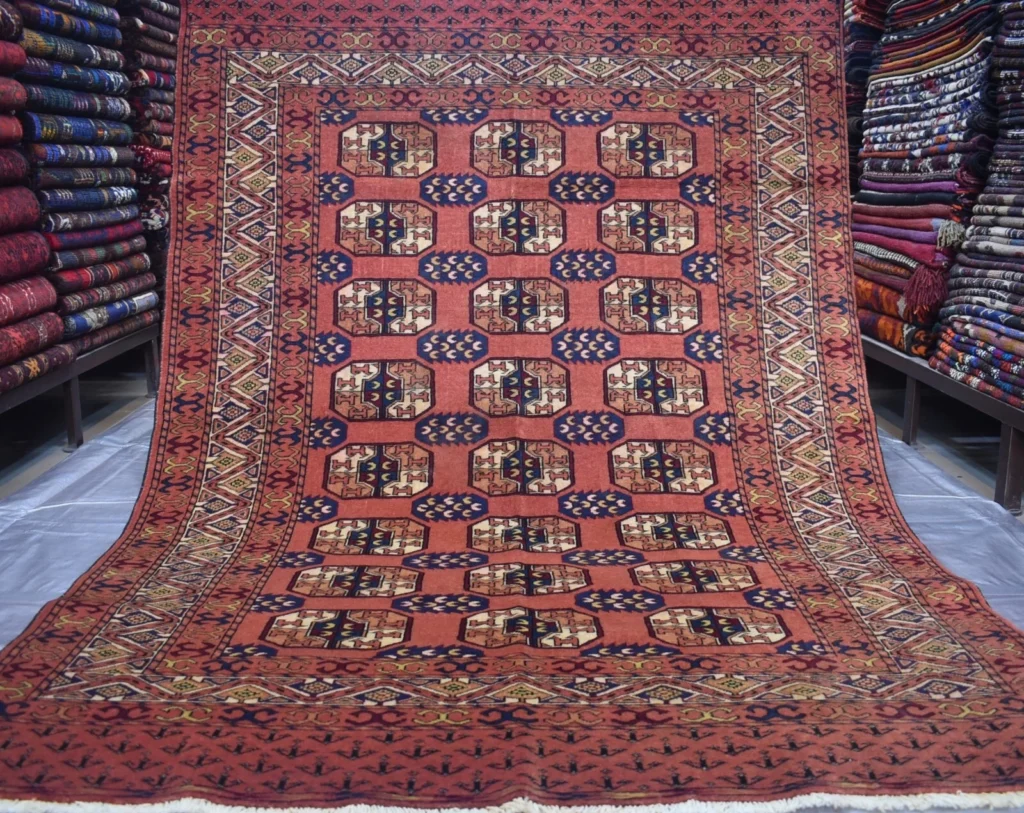
A Bokhara rug is known for repeated oval motifs that line up in neat rows, which gives it a calm, orderly look. Many are in deep reds and warm tones, though you can also find softer versions that feel more muted. The repeating pattern makes it feel steady, so it works well in long hallways and narrow rooms. It is a classic style that does not fight with other decor.
Because the design repeats, you can place furniture on it without worrying about hiding a central medallion. Bokhara rugs also look great with darker woods and traditional pieces, but they can soften a modern room too. If you have pets, the all over pattern can be forgiving with small bits of fur or dirt. Just use a pad so it does not slide, especially on smooth floors.
Anatolian Prayer Rug
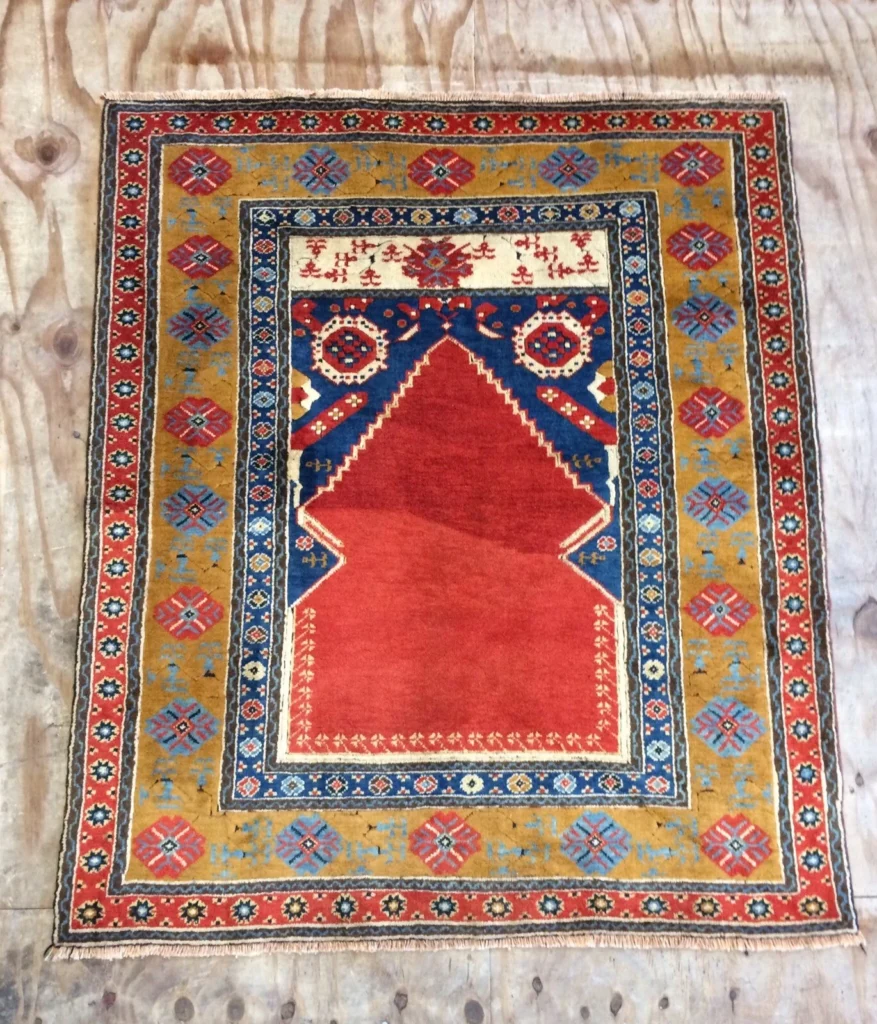
An Anatolian prayer rug usually has a niche shape at one end that looks like an arch, which makes it instantly recognizable. The patterns can be geometric or floral, and the colors often feel warm and earthy, with reds, blues, and gold tones. Even though they were made with a specific purpose, they work beautifully as decorative pieces in a home. A small prayer rug can add character in a spot that feels empty.
These are great for layering near a bed, in a reading corner, or beside a bench in a hallway. Because many are smaller, you can treat them like accents and move them around when you want a change. They also look wonderful hung on a wall if you want to show the design without wear. Keep direct sun in mind, since smaller rugs can fade faster if they sit in one bright patch.
Moroccan Beni Ourain Rug
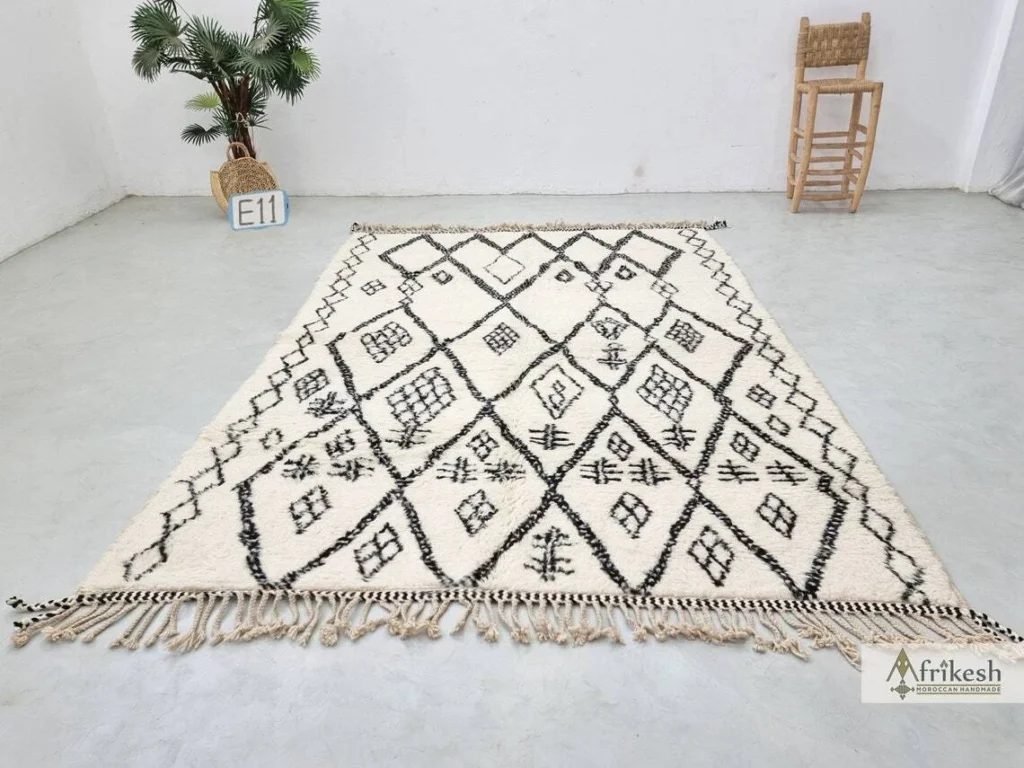
A Moroccan Beni Ourain rug is usually creamy white with simple dark lines, often in diamond shapes. The look is clean and soft, but it still has texture and warmth that makes a room feel cozy right away. The pile can be thick and plush, which is why people love it in bedrooms and lounges. It is a style that fits modern homes but still feels old and grounded.
Because the base is light, it helps to think about where it will live and how much traffic it will get. In a calmer room, it can stay looking fresh with regular shaking out and gentle vacuuming. If you have kids or pets, a slightly darker or more patterned version can be easier to live with. A rug pad also helps keep that fluffy pile from shifting and bunching.
Chinese Peking Rug
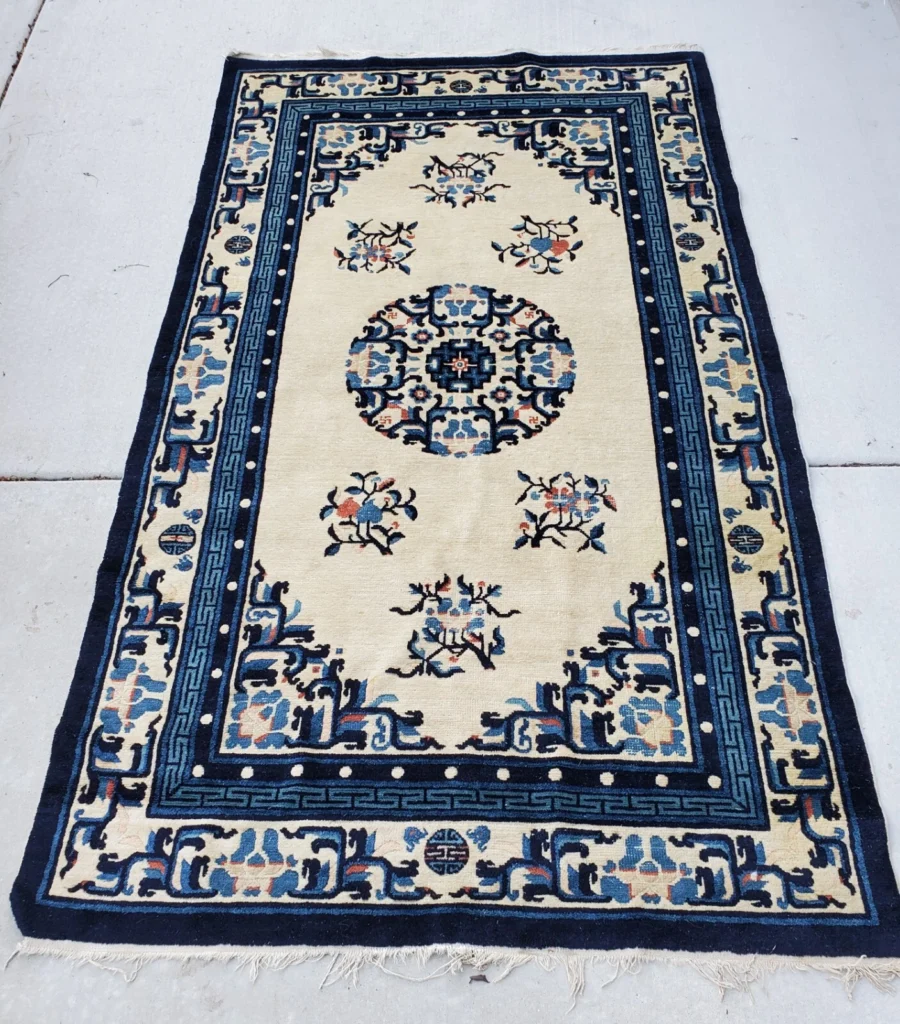
A Chinese Peking rug often has a calm, open feel with simpler layouts and a softer sense of space. You might see a central motif, a wide border, and lots of negative space, which can make a room feel more airy. Many older examples use blues, golds, and soft neutrals that look great with both antiques and mid century pieces. It is a good choice when you want pattern, but you do not want the room to feel busy.
These rugs look especially nice in a sitting room or bedroom where you want a quiet backdrop. They also pair well with lacquer furniture, cane, and clean lined sofas because the designs tend to feel balanced. If you find one with a worn, velvety surface, that texture can be part of the charm. Rotate it now and then so wear stays even, especially if one side gets more sun.
French Aubusson Rug
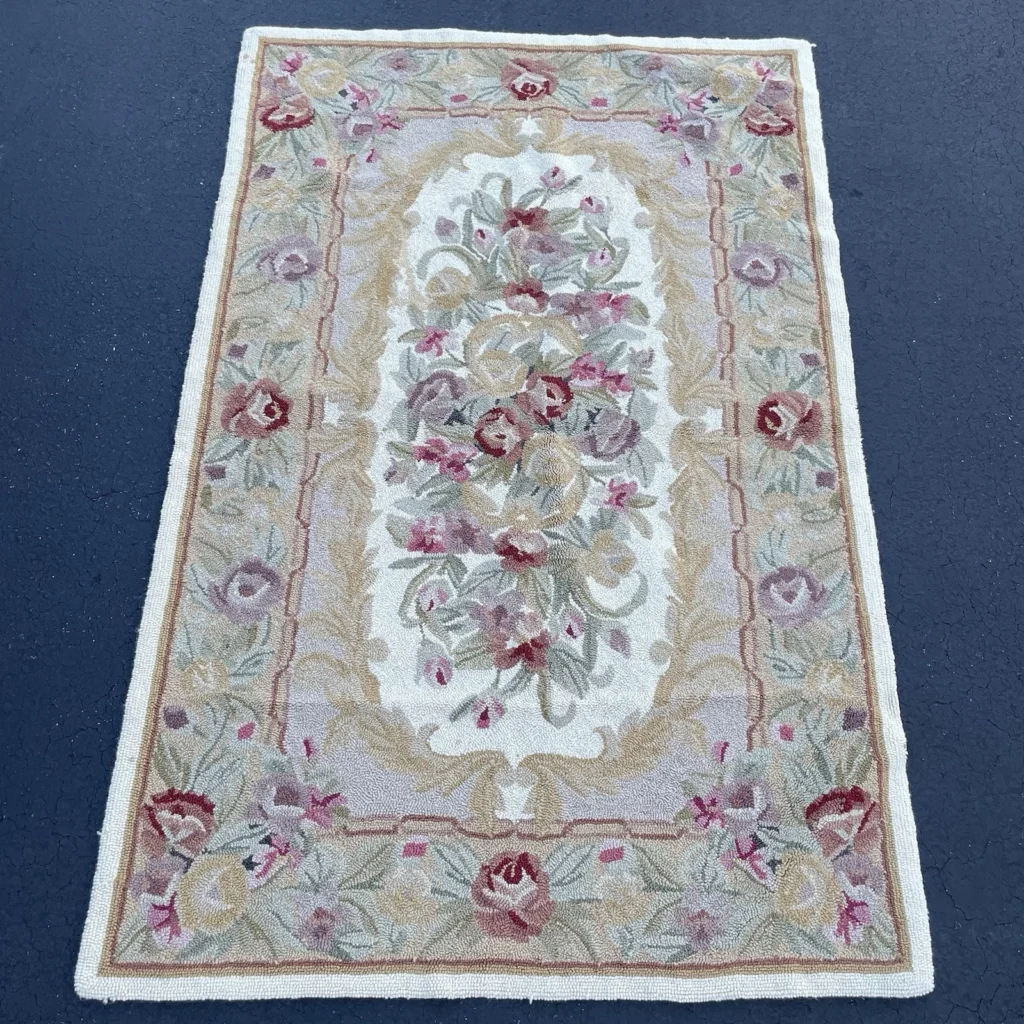
A French Aubusson rug feels elegant and light, often with pastel tones, floral wreaths, and soft scrolling details. The designs can look almost like garden sketches, and the colors usually stay gentle rather than heavy. They are often flatter and less plush than some other antique rugs, which helps them sit neatly under furniture. If you love French country style or classic European interiors, Aubusson fits naturally.
These rugs are great under a dining table because they look refined and do not feel bulky. They also pair well with painted furniture, curved legs, and antique mirrors, since the whole look feels soft and graceful. Because the colors can be pale, quick spot cleaning matters if spills happen. A pad underneath helps protect the rug and keeps chairs from dragging it around.
American Hooked Rug
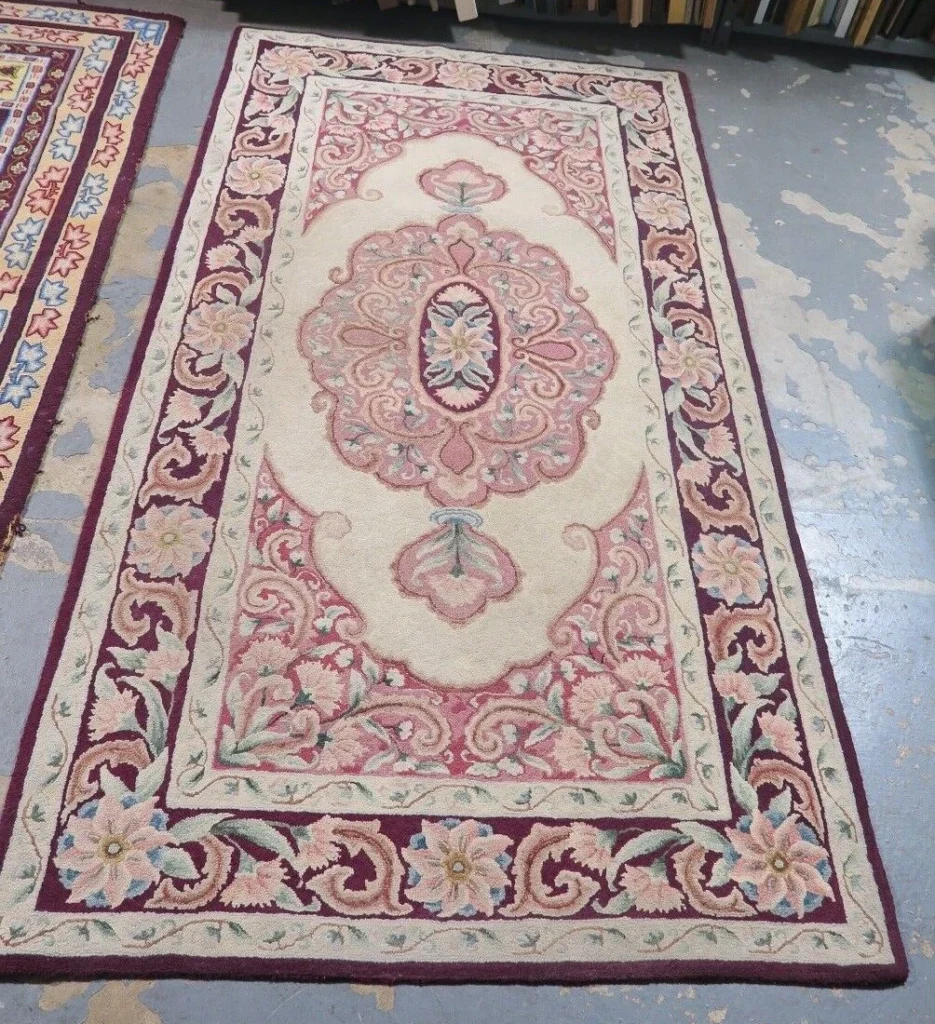
An American hooked rug has a cozy, handmade look, often with folk art patterns like flowers, animals, stars, or scenic designs. The texture is bumpy and charming, and the colors can be muted or bright depending on the piece. It feels at home in cottages, cabins, and older houses, but it can also add warmth to a newer space. A hooked rug makes a room feel personal, like it has a story.
Because these rugs are usually made from loops of fabric or yarn, they can snag if you drag sharp chair legs across them. They work well in low traffic rooms, or as accents you can move around easily. Try one in an entryway layered over a larger rug, or near the sink where you stand and want something soft. Gentle vacuuming and shaking it outside helps keep the loops looking tidy.
This article originally appeared on Avocadu.