
12 Antique Mirrors That Decor Lovers Search For Most Often
Antique mirrors are highly sought after for their ability to bring elegance and personality to a home. What makes these mirrors stand out is their unique frames, which often reflect the style of past eras. Decor lovers typically search for mirrors that have weathered glass or distinctive shapes. Whether for a vintage vibe or a touch of glamour, these mirrors never fail to catch the eye.
This post may contain affiliate links, which helps keep this content free. Please read our disclosure for more info.
18th Century Louis XVI Oval Mirrors
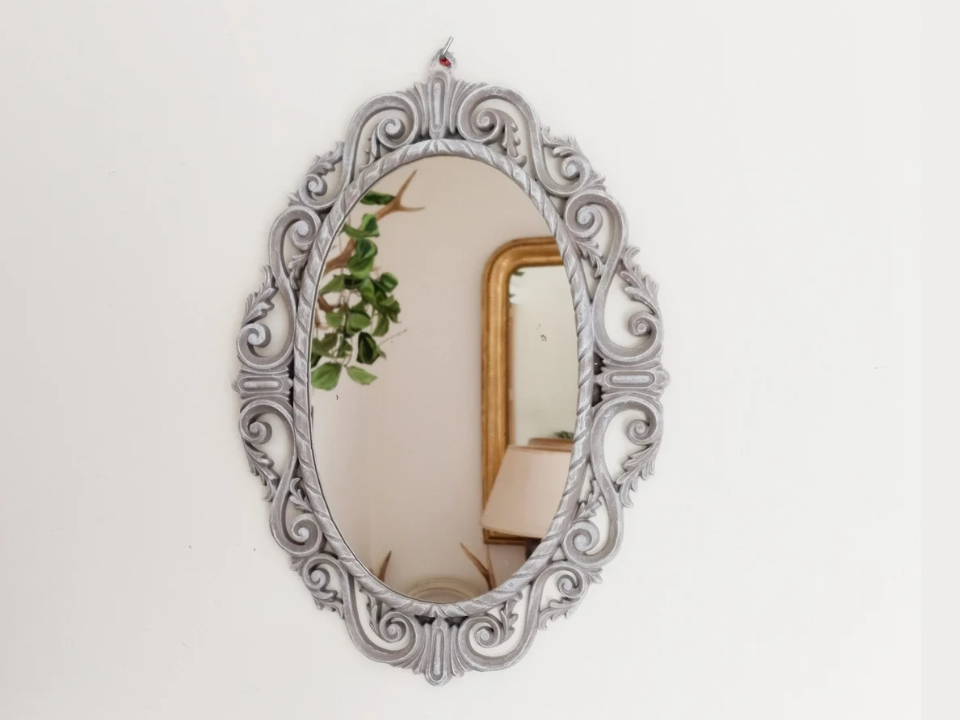
Louis XVI oval mirrors are known for their elegant, detailed frames that reflect the grandeur of 18th-century French design. Released in the late 1700s, these mirrors often feature carved wood frames adorned with motifs like flowers and ribbons. The distinguishing feature of these mirrors is the use of intricate carving, which sets them apart from simpler mirror designs. The market value of these mirrors can range from $800 to $3,000, depending on the condition and intricacy of the carving.
Collectors search for these mirrors for their regal appearance and historical significance. They are typically found in palatial-style homes or high-end antique shops. A mirror with well-preserved gilt or original finish is more desirable. Pieces from renowned French manufacturers can fetch even higher prices.
Regency Sunburst Mirrors
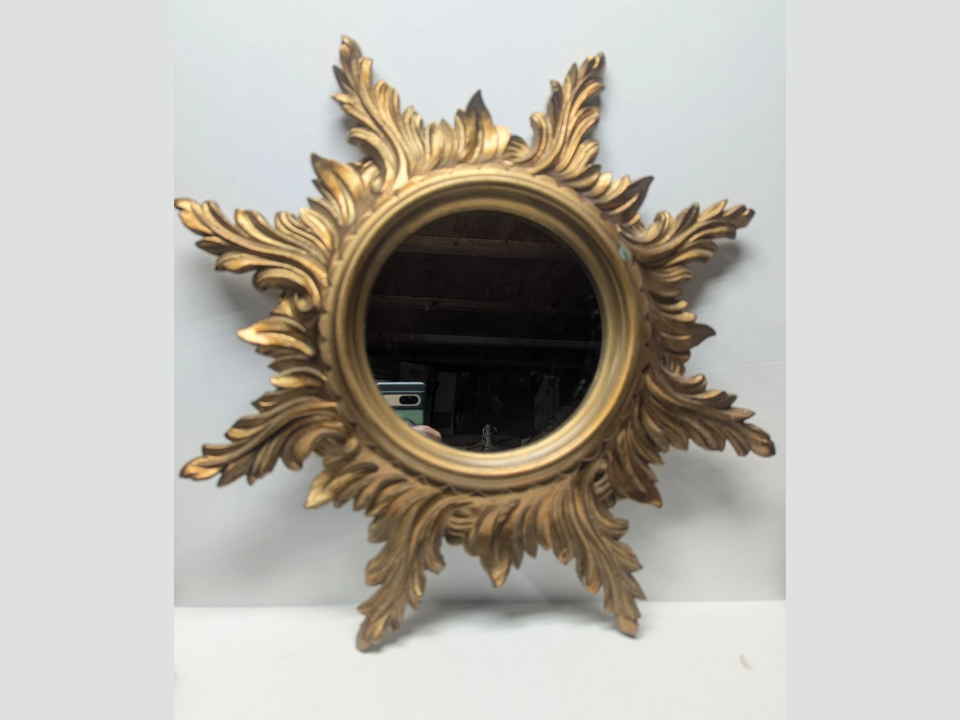
Regency sunburst mirrors became popular in the early 1800s and are often associated with the opulence of the Regency era. Known for their circular designs with rays extending outward, these mirrors bring a bold yet classic look to any room. The key feature of these mirrors is their sunburst shape, which makes them stand out compared to traditional rectangular mirrors. Prices for authentic Regency sunburst mirrors can vary between $600 and $2,500, depending on the quality of materials and preservation.
These mirrors are often made from giltwood or brass, contributing to their enduring appeal. Their bold, symmetrical design has made them timeless choices for decor lovers. Many buyers seek mirrors with original finishes or well-maintained glass. Antique dealers value sunburst mirrors for their striking presence and historical connection to the early 19th century.
Victorian Overmantel Mirrors
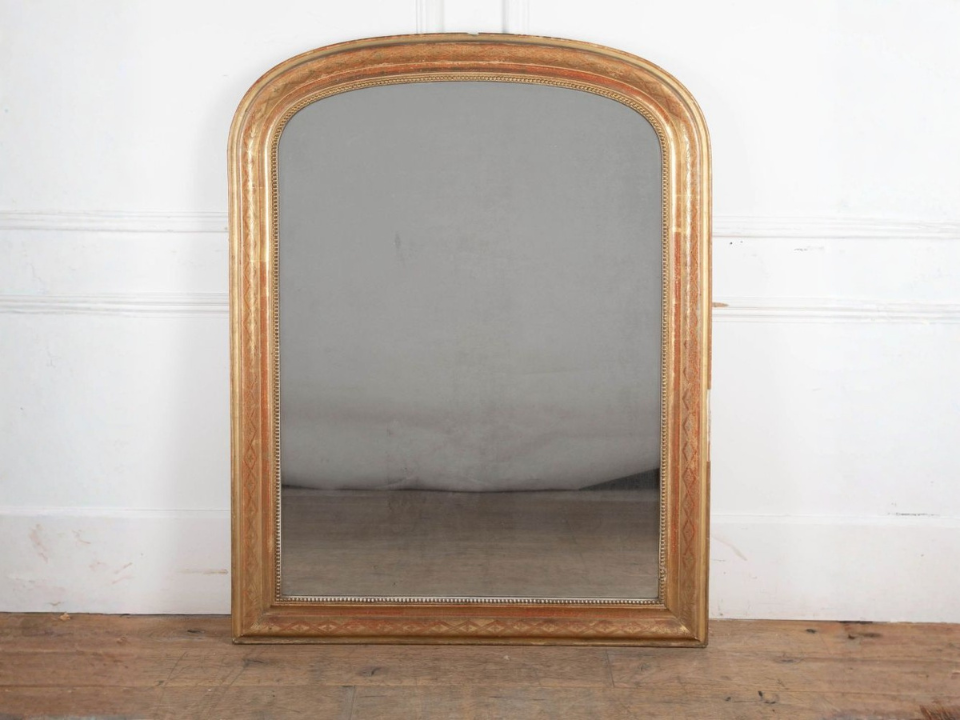
Victorian overmantel mirrors were commonly used above fireplaces during the mid-1800s. These mirrors are characterized by their large, decorative frames that often feature elaborate carvings, such as floral patterns or scrollwork. The standout feature of these mirrors is their size and ornamentation, which gives them a commanding presence in a room. Their value can range from $500 to $3,000, with prices increasing for larger or more ornate designs.
Decor lovers search for these mirrors for their ability to reflect light and add depth to a room. Often made of wood and sometimes gilded, these mirrors evoke the ornate style of the Victorian era. Mirrors with original glass or minimal restoration are highly coveted. Their historical significance also makes them appealing to collectors.
16th Century Baroque Gilt Mirrors
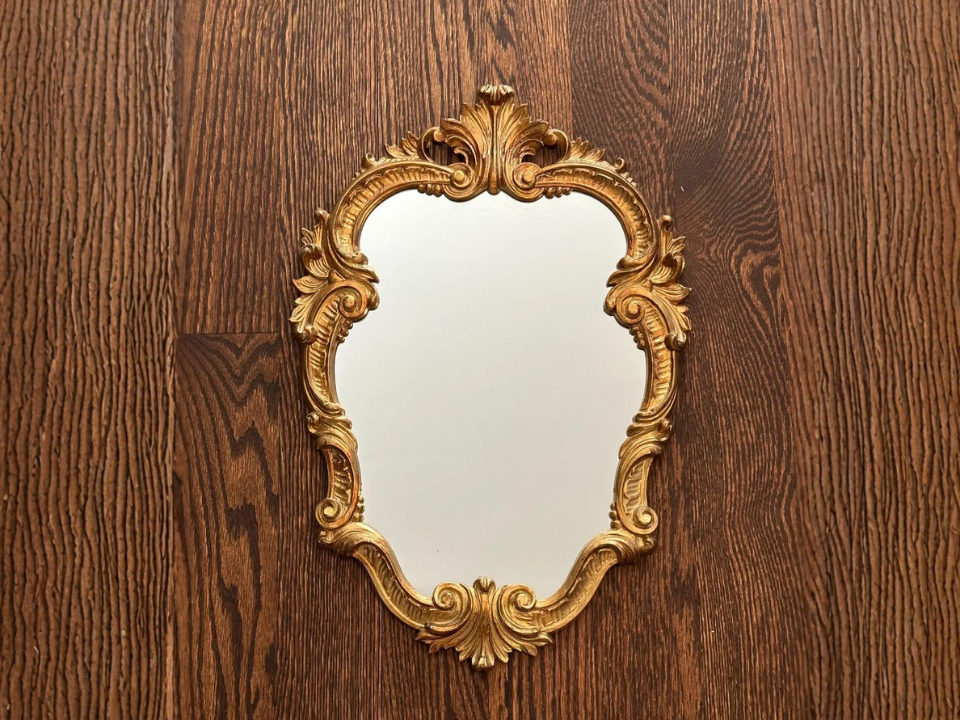
Baroque gilt mirrors were released during the 1600s and represent the lavishness of the Baroque period. These mirrors are often large and feature highly decorative, gilded frames that can include intricate flourishes. The standout feature of these mirrors is their elaborate gilded frames, which are sometimes made from wood or metal. Baroque gilt mirrors can fetch between $1,000 and $5,000, depending on the size and craftsmanship.
Collectors are drawn to the luxury and historical appeal of these mirrors. Many seek out examples with finely detailed carvings or untouched finishes. Gilt mirrors from this period add an air of opulence to any space. The rarer the piece, the higher its value in the market.
Venetian Glass Mirrors
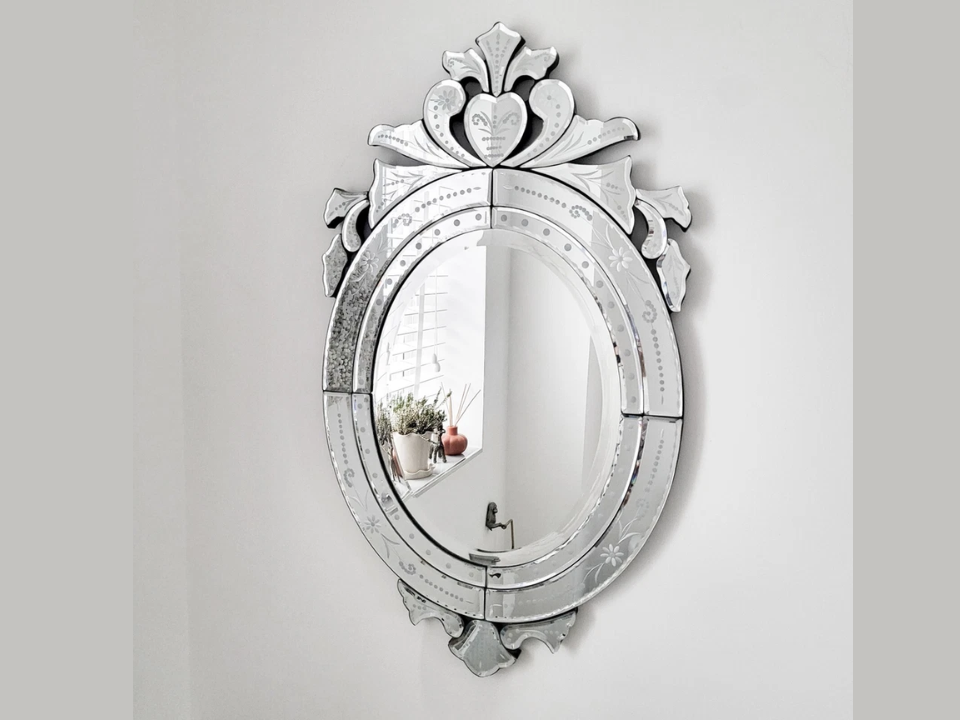
Venetian glass mirrors originated in the 1500s and are renowned for their intricate craftsmanship and use of high-quality glass. These mirrors feature ornate, often floral, etched glass and sometimes come with silvered edges. The key feature of Venetian mirrors is their fine glasswork and the expert etching that adorns the surface. Their value typically ranges from $1,200 to $4,000, depending on the quality of the glass and etching.
These mirrors are prized for their delicate and graceful designs, representing the artistic heritage of Venice. Decor lovers often seek them for their beauty and timeless style. Antique Venetian glass mirrors are often inlaid with colored glass or have delicate gold detailing. The condition of the glass and whether it retains the original frame affects the mirror’s value.
Georgian Pier Mirrors
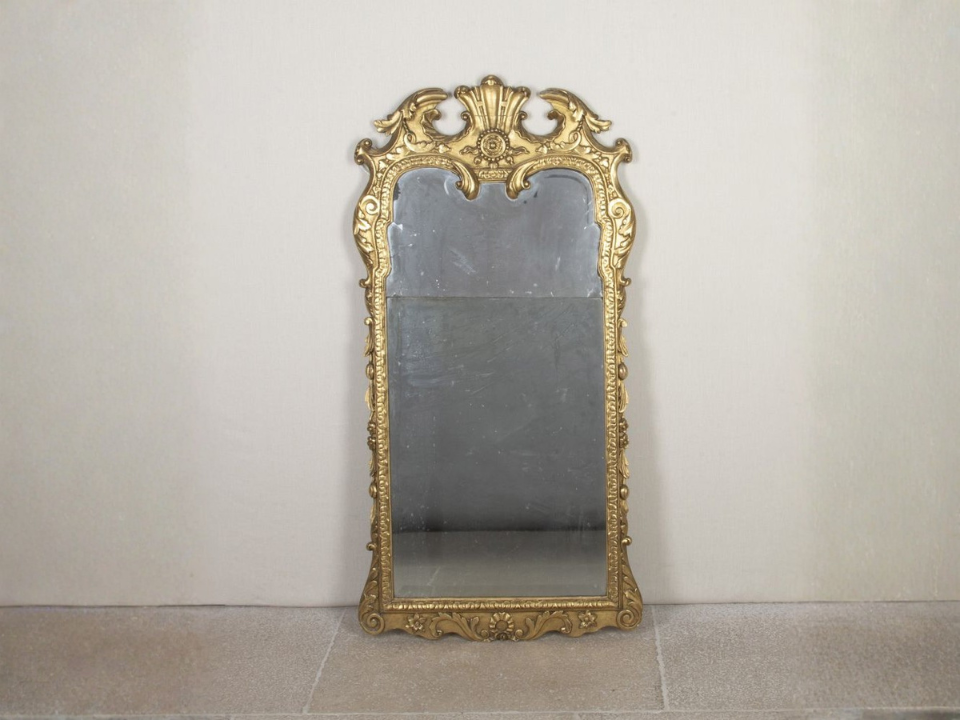
Georgian pier mirrors were popular in the late 1700s and were commonly placed on the walls beside windows, or piers, in grand homes. These mirrors have simple yet elegant frames, often made of wood or metal, with a reflective surface that helps amplify natural light. What makes these mirrors unique is their rectangular shape with often plain or lightly carved frames. Depending on the condition and size, they can be valued between $1,000 and $3,500.
These mirrors were designed to brighten up rooms during the Georgian period, a time of restraint in decor. Buyers tend to seek mirrors with original features or slight restoration. The mirrors’ classic and understated beauty appeals to modern decorators as well. Large pier mirrors in exceptional condition are always in demand.
1920s Art Deco Mirrors
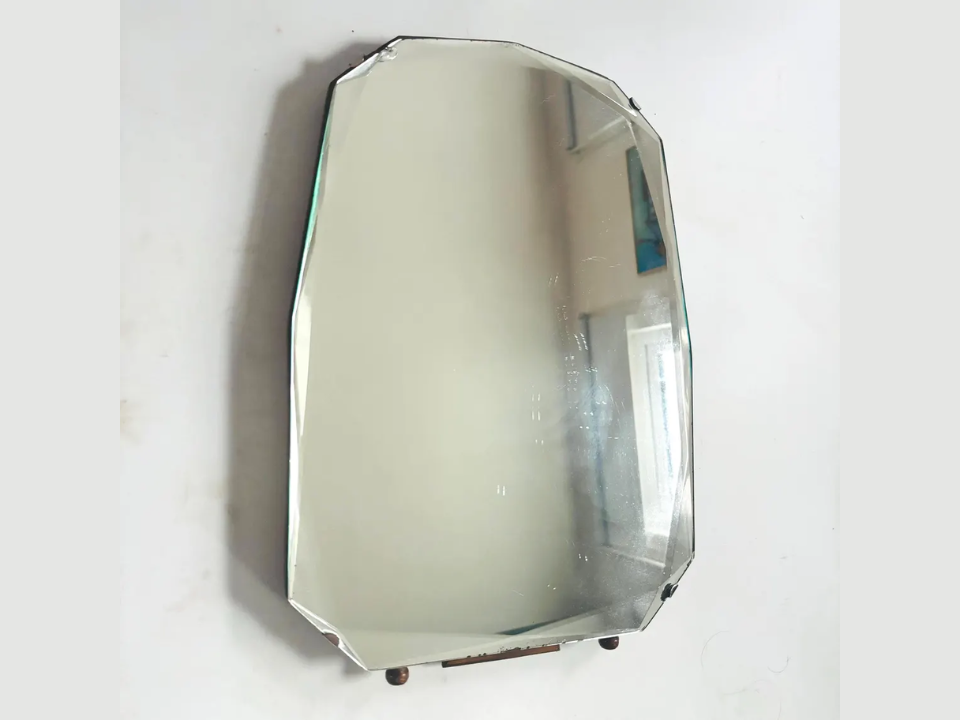
Art Deco mirrors from the 1920s are known for their geometric patterns and sleek, streamlined frames. The period’s defining style often incorporated polished chrome, glass, and mirrored surfaces, giving the mirrors a strikingly modern appearance for the time. The standout feature of Art Deco mirrors is their bold lines and symmetrical designs. These mirrors can typically sell for $500 to $3,000, with prices varying based on materials used and rarity.
Collectors are drawn to the glamour and sophistication associated with the Art Deco era. The polished finishes and geometric elements make these mirrors eye-catching. A mirror in good condition, especially those that retain original detailing, can be a valuable find. Art Deco mirrors complement both vintage and contemporary interiors.
French Rococo Mirrors
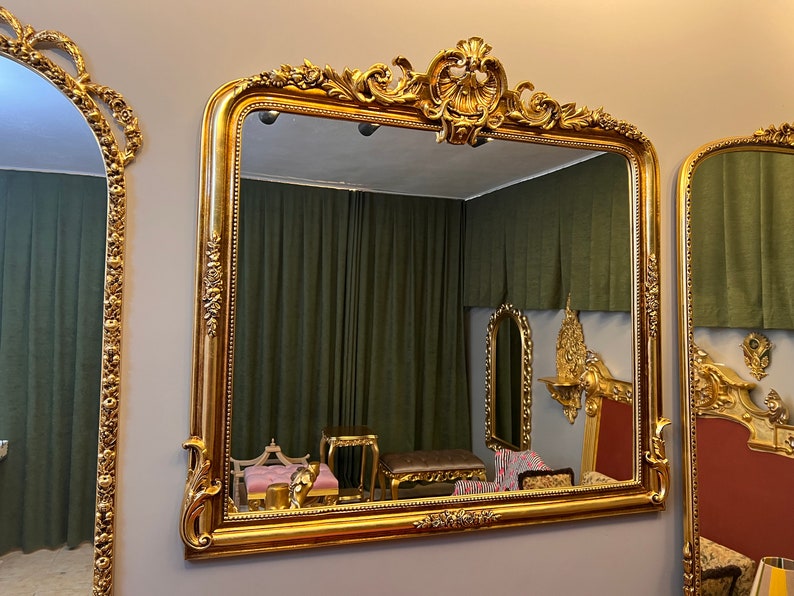
French Rococo mirrors from the 1700s embody the playful and ornate style of the Rococo period. These mirrors are characterized by their asymmetrical frames, featuring elaborate curves and intricate carvings. The key feature that makes these mirrors different is their emphasis on ornate, fluid designs, often incorporating motifs like shells, scrolls, and leaves. Rococo mirrors can range from $1,500 to $6,000, with those featuring rare materials or larger frames fetching higher prices.
These mirrors reflect the luxurious and decorative style that was favored in French aristocratic circles. Many collectors search for these mirrors for their historical value and craftsmanship. Rococo mirrors are often gilded, giving them a rich and regal look. Condition and the presence of original glass or frame elements play a significant role in the mirror’s value.
Neoclassical Mirrors
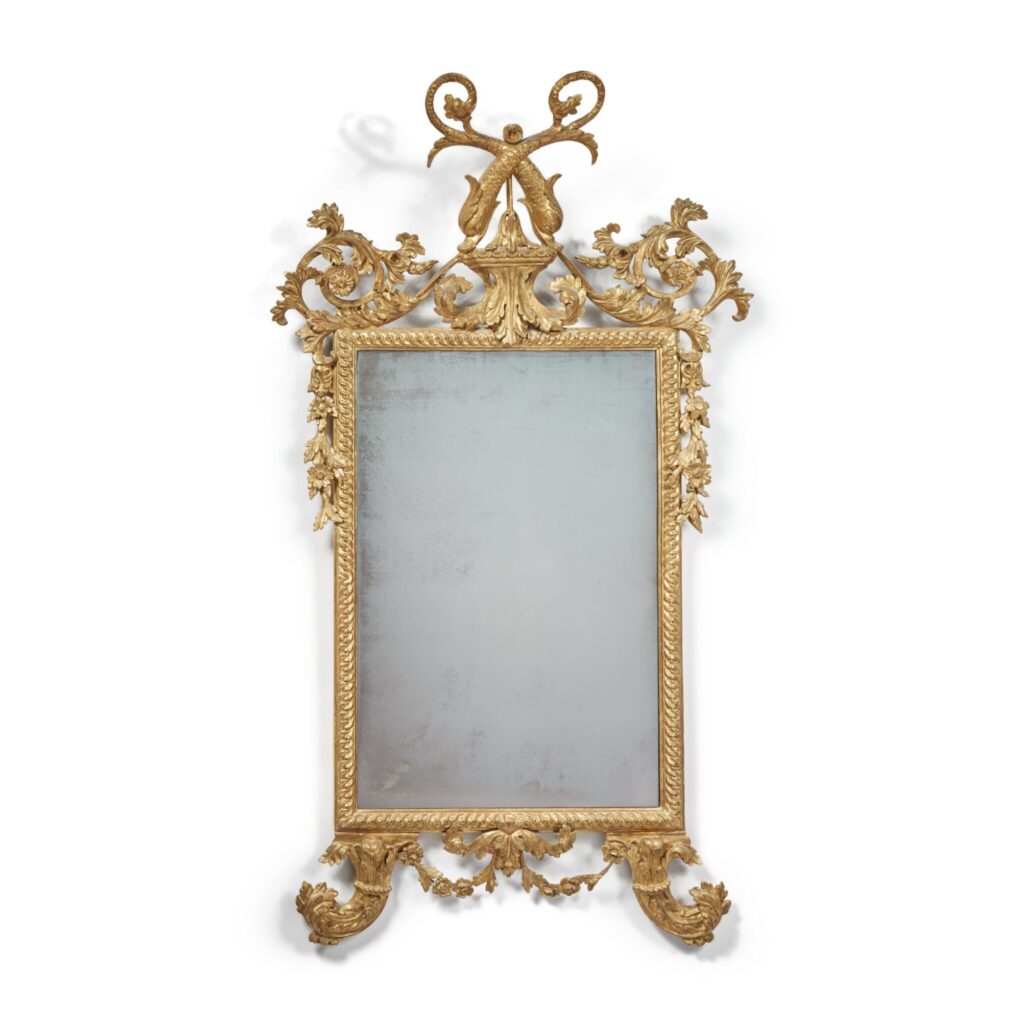
Neoclassical mirrors, crafted in the late 1700s to early 1800s, often feature symmetrical frames and classical motifs such as columns, urns, and laurel wreaths. The key feature of these mirrors is their clean, geometric shapes and references to ancient Greek and Roman designs. These mirrors often sell for between $1,000 and $4,000, with prices rising for rare or finely detailed examples.
These mirrors embody the elegance of the Neoclassical period, which focused on simplicity and refinement. Collectors admire their historical connection to ancient styles and their timeless appeal. The value of these mirrors is often tied to their craftsmanship and materials, with gilt mirrors generally fetching higher prices. Those with intricate detailing or provenance from prominent makers are considered premium finds.
18th Century Biedermeier Mirrors
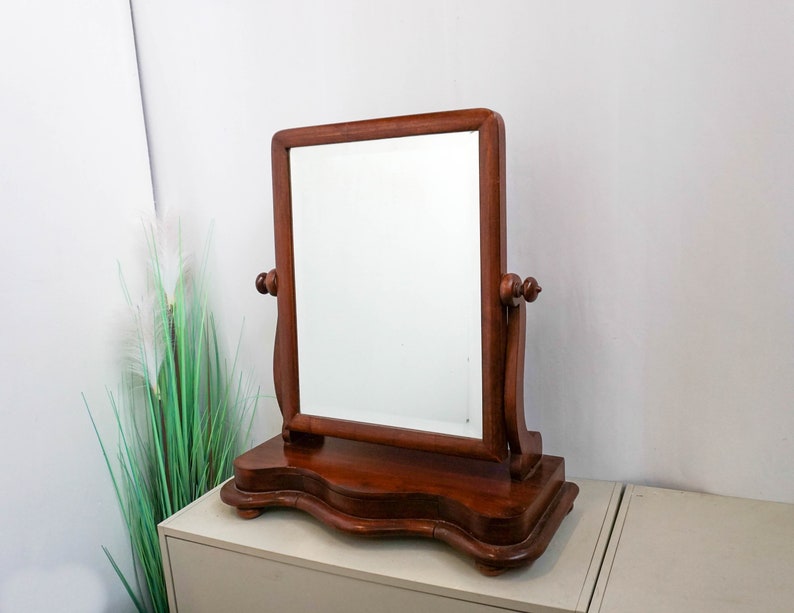
Biedermeier mirrors from the early to mid-1800s have simple yet elegant frames made of dark woods like cherry or walnut. The defining feature of these mirrors is their smooth, often unadorned frames and understated elegance. These mirrors are typically found in mid-century European homes, reflecting a style that emphasized practicality and beauty. Prices for Biedermeier mirrors vary between $700 and $3,000, depending on the condition and material.
The Biedermeier style is known for its refined, restrained beauty, which appeals to collectors who appreciate functionality. Mirrors from this period are often valued for their simple yet highly polished woodwork. People who seek these mirrors often focus on the overall clean lines and balance of design. Restored examples that retain their original glass are particularly desirable.
Late 2000s Rococo Revival Mirrors
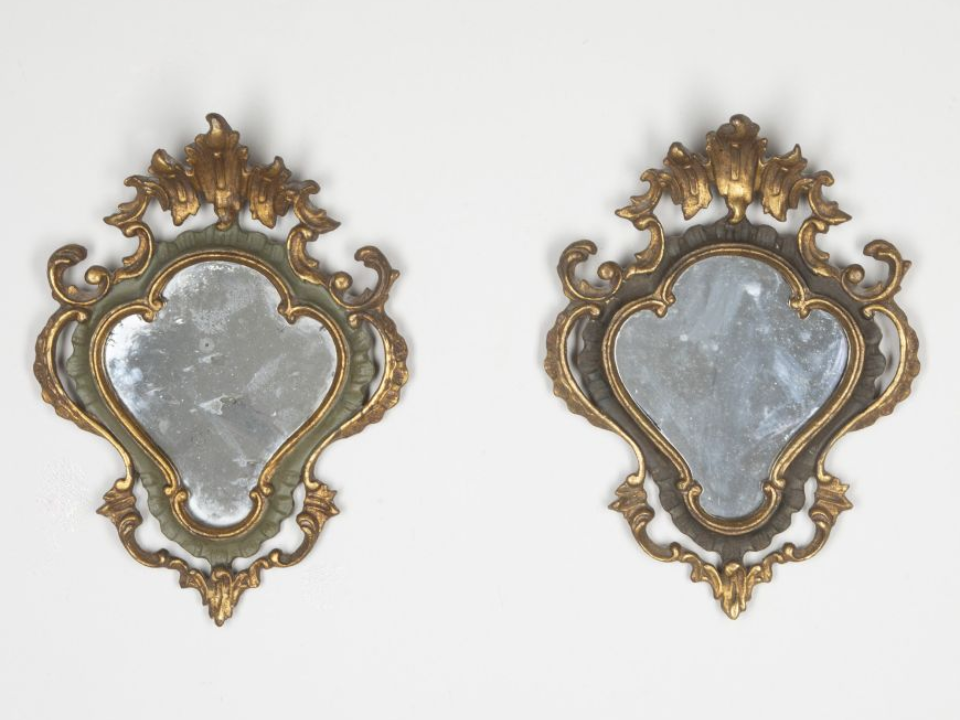
Rococo Revival mirrors, crafted during the 2000s, bring back the ornate designs from the 18th-century Rococo period with an updated twist. These mirrors are often characterized by their asymmetrical frames adorned with carvings of flowers, scrolls, and cherubs. Depending on the intricacy and size, these mirrors are valued between $700 and $2,500.
These mirrors capture the playful and ornate style of the Rococo period, making them a favorite among collectors. Rococo Revival mirrors tend to be larger and more decorative, with a prominent presence in any room. The condition of the carving and the glass is essential to the mirror’s value. Restored examples that retain their original glass are particularly desirable.
17th Century Chippendale Mirrors
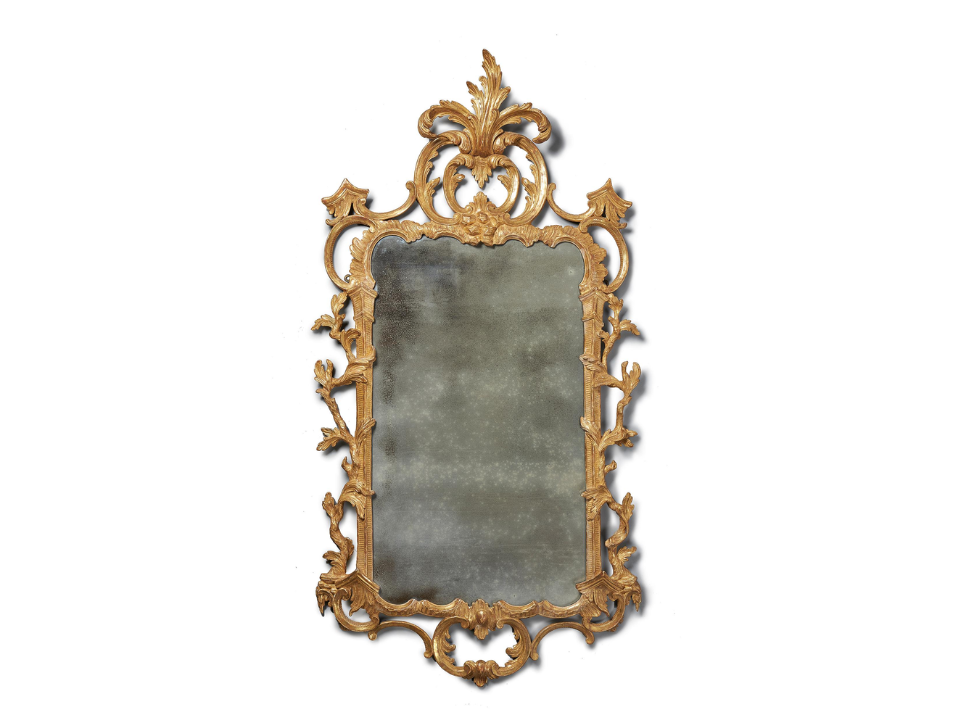
Chippendale mirrors, named after the designer Thomas Chippendale, are known for their elegant and highly detailed craftsmanship. Elements like carved shells, acanthus leaves, and cabriole legs are hallmark features of this style, which was especially popular in the 18th century. Furniture in this style can be worth anywhere from $500 to $50,000, depending on the piece’s rarity and craftsmanship. Authentic Chippendale pieces are highly sought after in antique markets.
This style often features intricate carvings and high-quality materials, including mahogany and walnut. Collectors value Chippendale furniture for both its historical significance and aesthetic appeal. Pieces with original finishes and untouched carvings are especially valuable. Restoration can increase a piece’s market value, but many buyers prefer items in their original state.
This article originally appeared on Avocadu.