
11 Antique Lamps and Lighting Styles That Still Look Beautiful Today
The elegance of antique lamps and lighting styles adds a touch of history to any space. These pieces, with their unique craftsmanship, have the ability to transform a room, blending seamlessly with contemporary decor. The distinct designs of these antique lights stand the test of time, making them favorites for interior enthusiasts.
This post may contain affiliate links, which helps keep this content free. Please read our disclosure for more info.
Tiffany Stained Glass Table Lamp
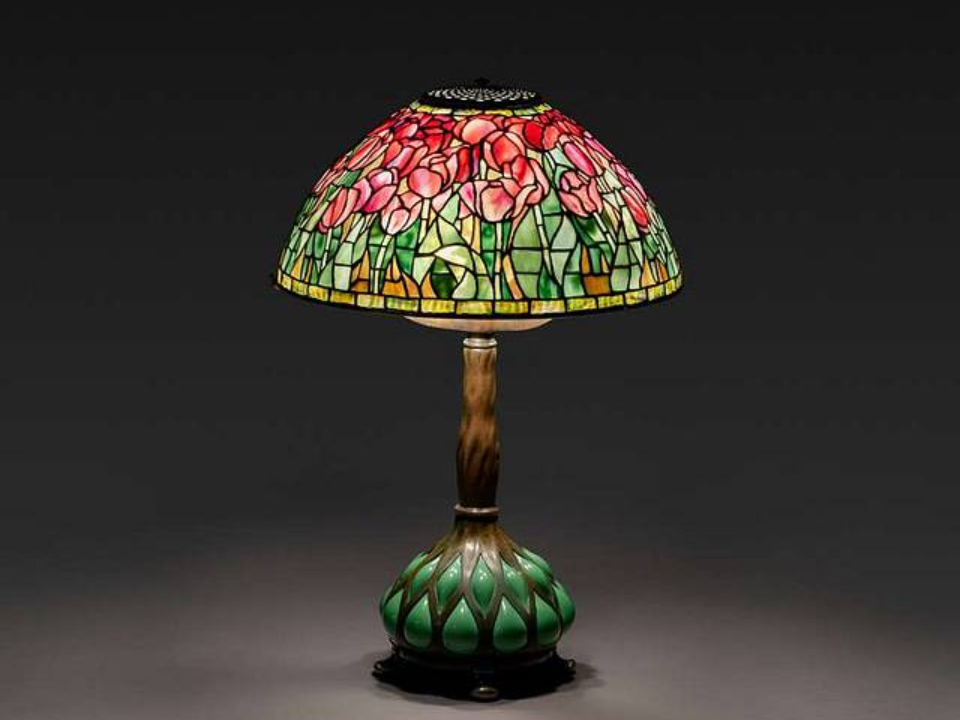
This lamp style first appeared around 1895 and quickly became known for its colorful stained glass panels. The combination of leaded glass and floral or geometric patterns gives each piece visual depth and presence. Original Tiffany lamps can range from $50,000, depending on size and design. Many collectors especially value ones with original shades and signed bases.
The way light passes through the colored glass creates a warm and inviting glow when lit. These lamps were originally made by Louis Comfort Tiffany’s studio in New York. Rare examples with elaborate dragonfly or wisteria motifs are among the most sought-after. Over time, they have remained a striking feature in both classic and modern interiors.
Gasoliers from the Victorian Era
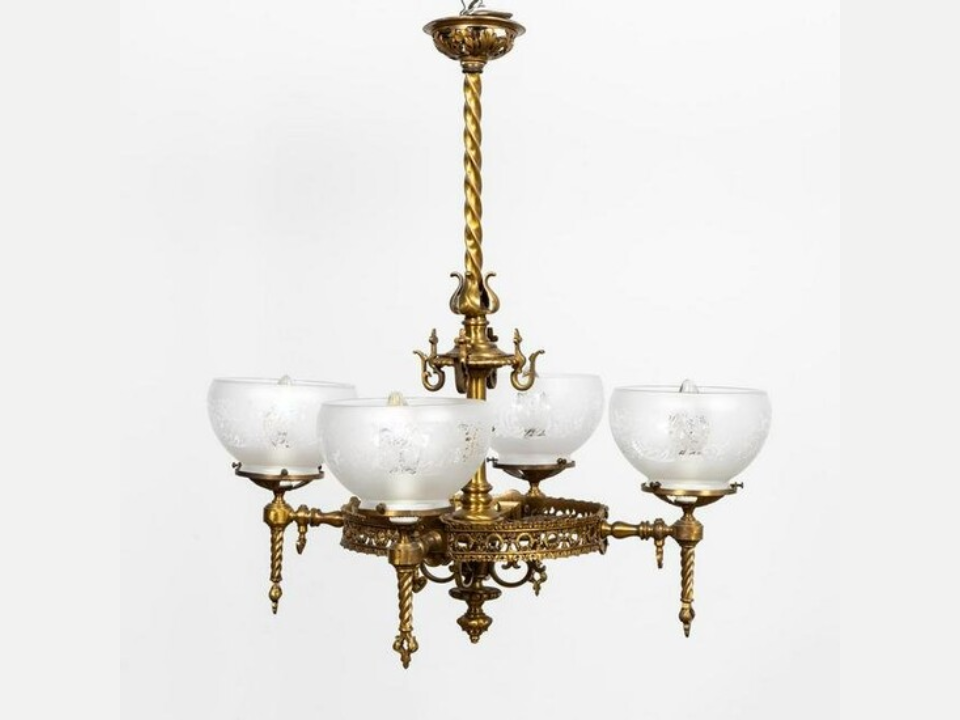
Gasoliers, early chandeliers that used gaslight, became popular in the 1830s and were common in Victorian homes. These fixtures often featured ornate brass arms and decorative cut glass accents. Surviving original gasoliers can be valued between $2,000 to $10,000. Many of them were later converted to use electricity, while still keeping their historic charm.
The sculptural form of gasoliers creates a dramatic focal point in formal rooms. They reflect the era when gaslight was a symbol of modernity and luxury. Collectors and decorators tend to look for pieces with matching crystal drops and minimal damage. A well-preserved specimen adds character to entry halls and dining rooms alike.
Art Deco Chrome Desk Lamp
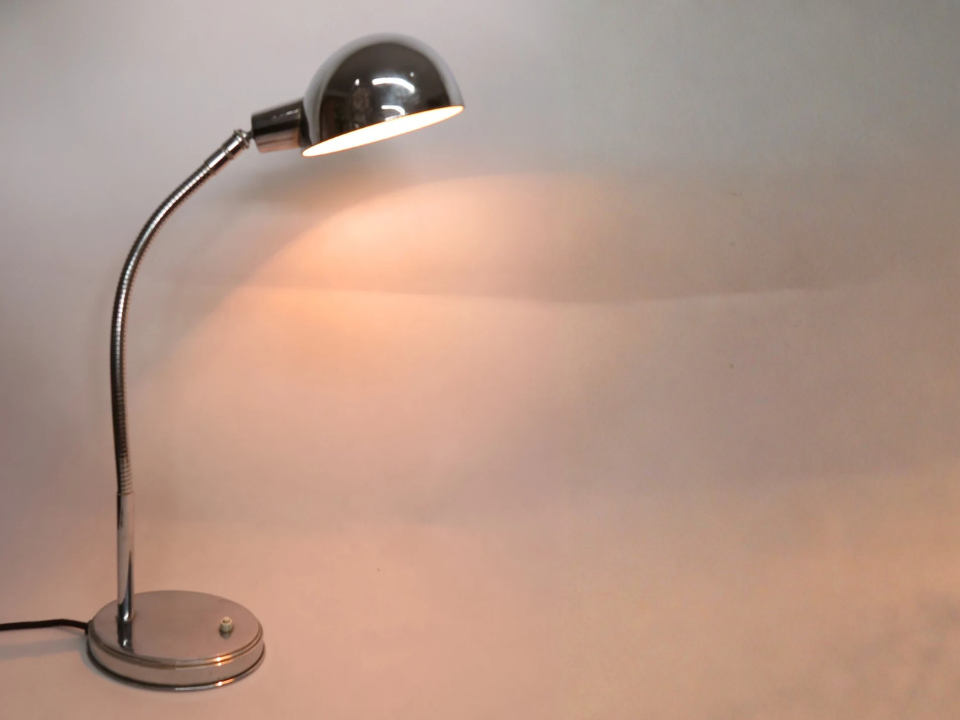
Introduced in the 1920s, Art Deco lamps feature sleek lines and chrome or black enamel finishes. This style mirrored the geometric themes popular in buildings and decorative arts of that decade. Original Art Deco desk lamps often sell for $3000 to $1,500. They remain popular because they mix clean design with a timeless sense of style.
The reflective metal and simple shapes make these lamps stand out without overwhelming a space. Many were made by designers in Europe and the United States. The compact size makes them perfect for desks or bedside tables. Their appeal comes from the blend of form and functionality.
Victorian Brass Oil Lamp
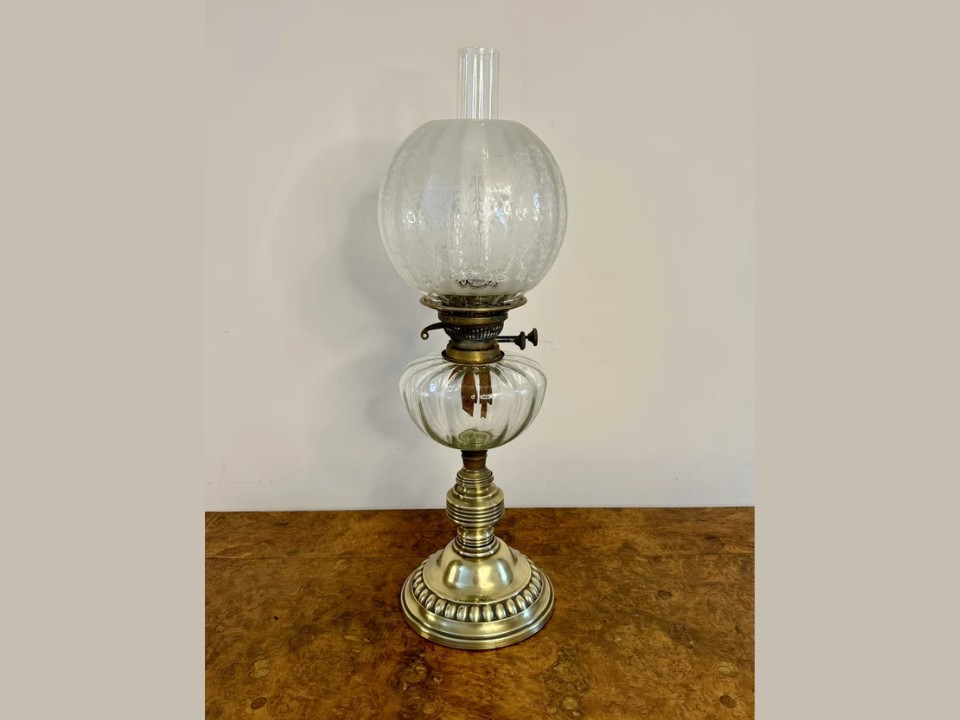
Brass oil lamps became common in the mid 1800s as homes transitioned away from simple candlelight. These lamps often have etched or pierced brass bases with clear glass chimneys. Depending on condition and maker, Victorian oil lamps can be valued from $100 to $800. Collectors look for clean original brass and intact glass parts.
The warm flicker from oil lamps evokes a sense of old homes and quiet evenings. Many were made in England and the United States during the height of industrial metalworking. The decorative base often reflects patterns in Victorian architecture. They can serve as elegant accents in living rooms or studies.
Colonial Revival Lantern Style
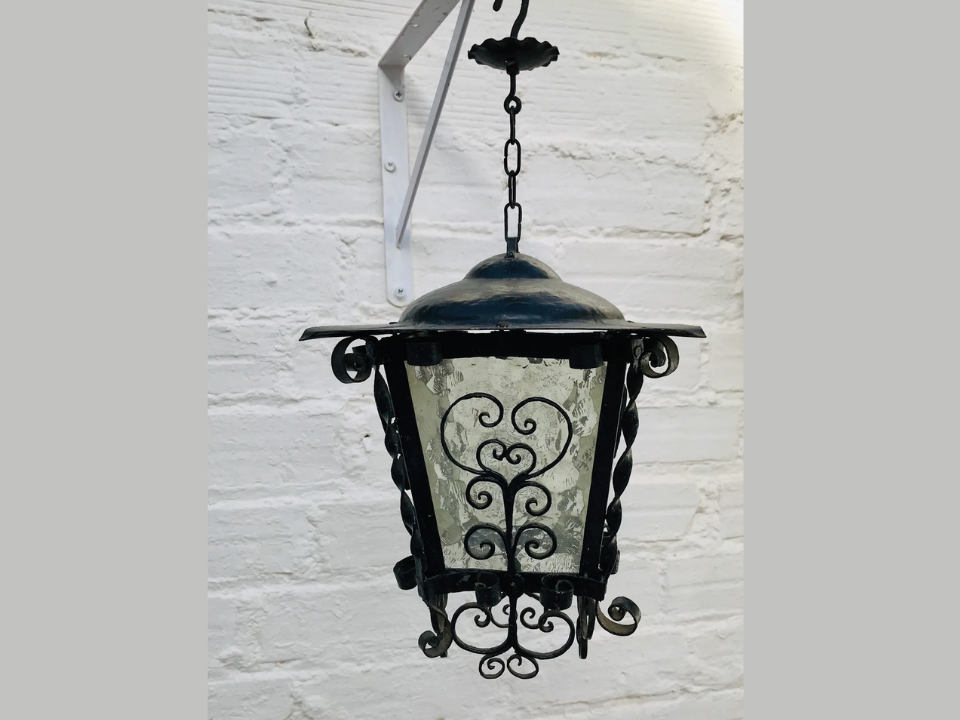
Lantern-style lighting became fashionable in the late 1800s during the Colonial Revival movement. These lamps mimic early American lanterns with metal frames and clear glass panels. Authentic antique lanterns from this movement are usually priced between $200 to $1,000. Their simplicity and symmetry make them versatile for interior or porch lighting.
The straight lines and functional form reflect early American heritage. Many were made by companies focused on traditional lighting forms. They work with wood and neutral palettes in classic spaces. Some pieces also show engraved maker marks on the metalwork.
Empire Crystal Girandole
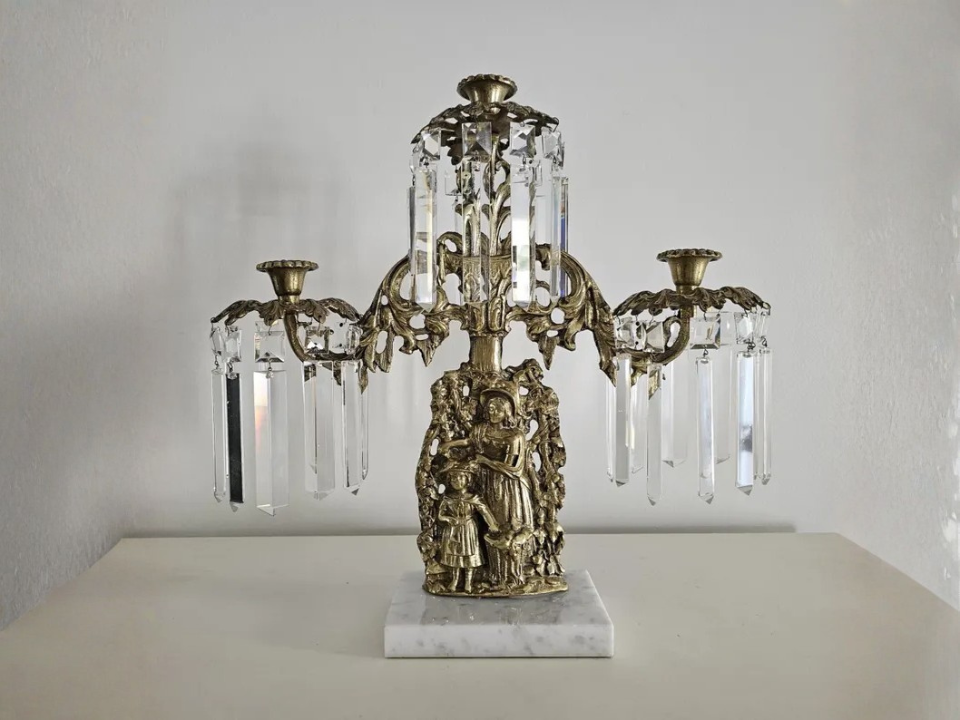
Empire crystal girandoles were introduced in the early 1800s as decorative wall or table lamps with multiple arms and hanging crystal prisms. The combination of metal and cut crystal creates a sparkling display when light hits the surface. Prices for original girandoles range from $1,000 to $5,000. They often have a formal feel that pairs well with rich wood furniture.
The dangling prisms help scatter light, adding a sense of movement. These pieces were popular in grand European homes and brought to America by influential families. Many originals have been rewired for electric bulbs while keeping their old-world look. They add a refined feel to mantels and sideboards.
Mid Century Modern Sputnik Lamp
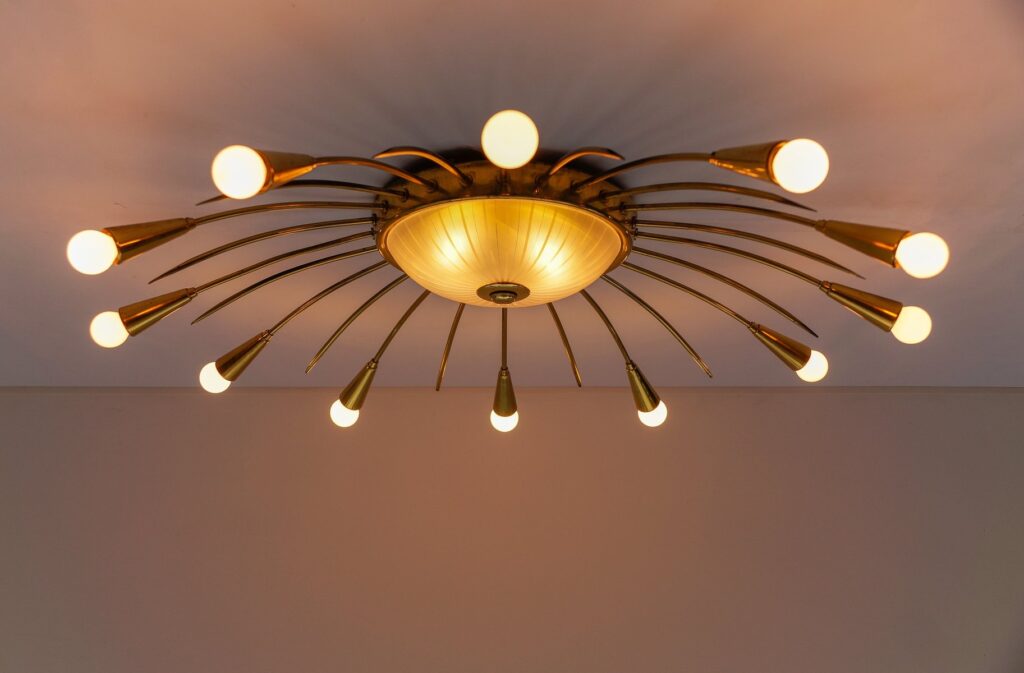
The Sputnik lamp emerged in the 1950s with a design that resembles an exploding star of metal rods and light bulbs. Its atomic age aesthetic reflects the optimism and space age fascination of postwar design. Vintage Sputnik lamps can range from $400 to $2,000. They continue to attract attention for their dynamic form and mood lighting.
The multiple bulbs spread light evenly in all directions. These pieces were often made with brass or steel rods. The design feels playful yet structured and suits living rooms or entry areas. A well-kept example can become a conversation piece in a modern setting.
Arts and Crafts Mission Lamp
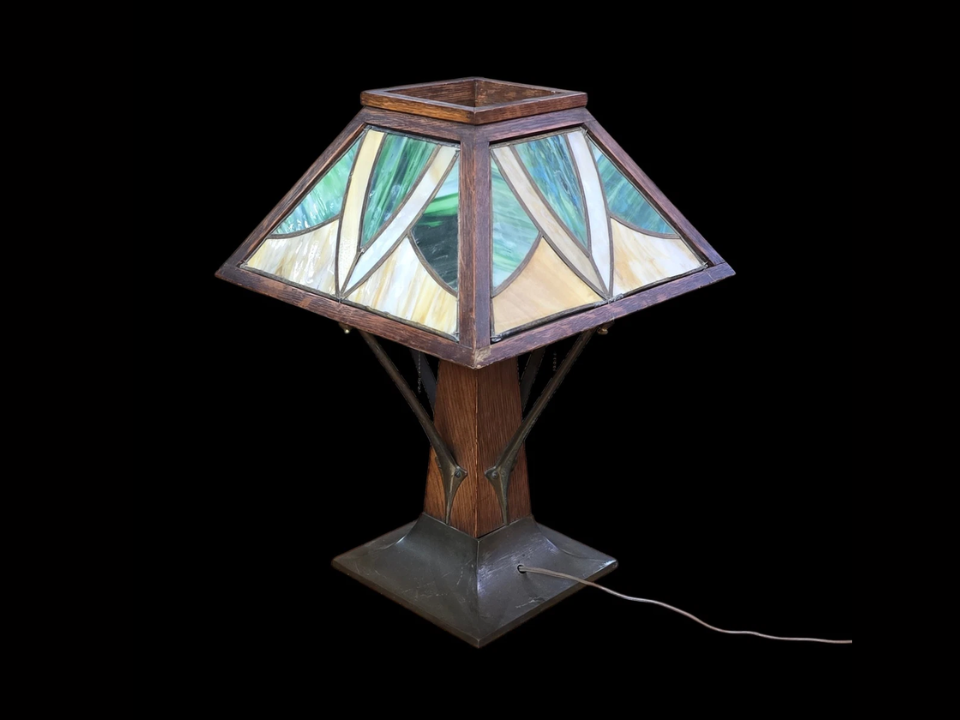
Mission-style lamps came out in the early 1900s alongside furniture and textiles from the Arts and Crafts movement. These pieces typically have simple wood or metal frames with rectangular glass panels. The warm tones and straightforward forms reflect a commitment to honest materials. Original Mission lamps can be priced from $300 to $1,000.
The focus on form and materials gives them a calm, welcoming glow. Many were made by studios in the Midwest of the United States. These lamps fit nicely with natural wood furniture or muted color schemes. Their quiet strength makes them enduring favorites for interior lighting.
Edwardian Cut Glass Table Lamp
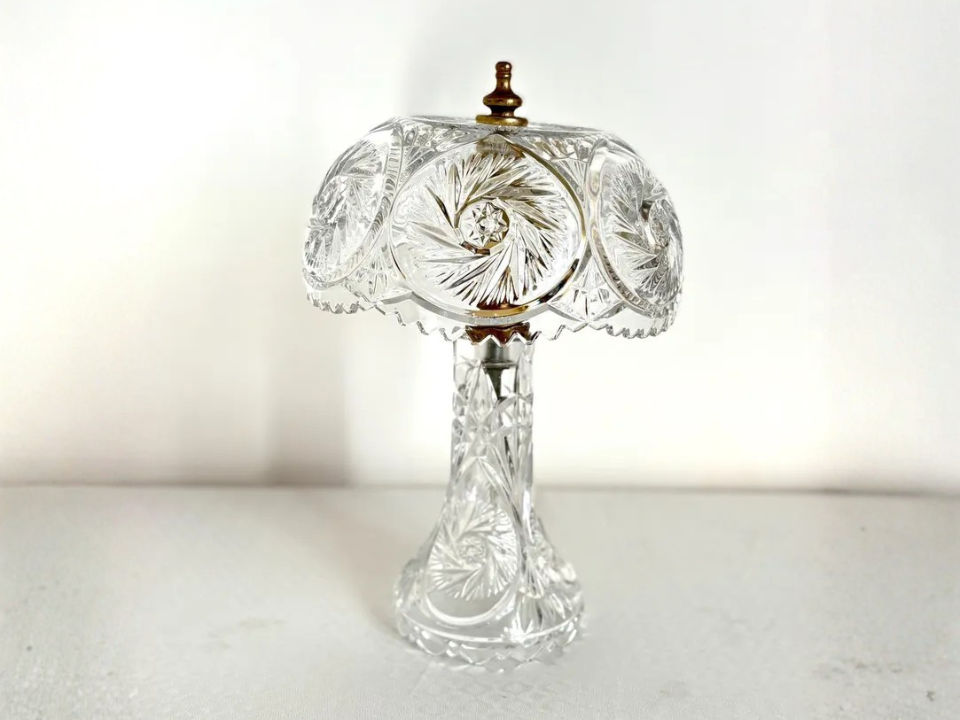
Edwardian lighting from the 1910s often features cut glass bases with shiny brass fittings. The contrast between sparkling glass and metal gives these lamps a touch of refined charm. A well-held example might sell for $200 to $1,000. Collectors appreciate the way light refracts through the glass elements.
The cut patterns often echo floral or geometric motifs of the period. These lamps were common in parlors and bedrooms before the widespread use of overhead lighting. The solid base gives them a substantial feel without heaviness. Their glow works with both traditional and mixed decor.
French Empire Bronze Torchere
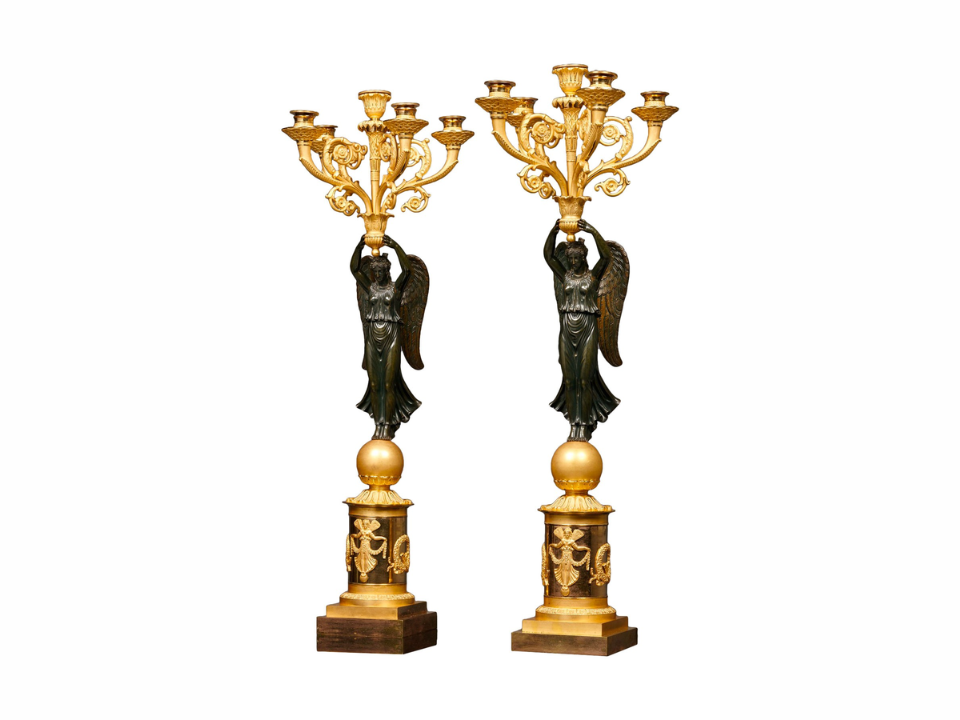
The French Empire torchere was introduced around 1815 as a tall standing lamp with a bronze column and flame-shaped bowl at the top. These pieces often have classical figures or laurel wreath details cast into the bronze. Authentic Empire torcheres can be valued from $2,000 to $10,000 or more. They make statement pieces in high ceilings or formal rooms.
The torchere’s height draws the eye upward, adding dimension to a space. Many were made by noted bronze founders in Paris. The dark patina over time gives each piece a strong visual personality. They pair well with antique furniture in traditional interior settings.
Hollywood Regency Glazed Ceramic Lamp
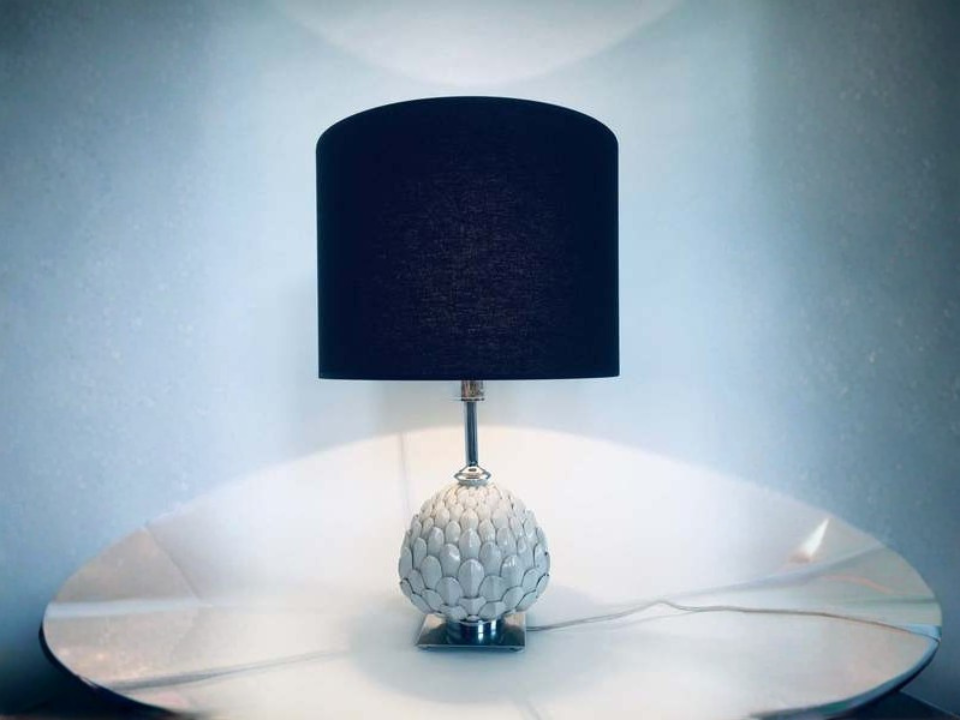
Hollywood Regency lamps from the 1930s and 1940s often have glazed ceramic bases with dramatic shapes. These pieces were part of a style that looked glamorous without heaviness. Known examples can range from $300 to $ 2,000. Collectors value them for their color and presence in living spaces.
The shine of the glaze catches light even when the lamp is off. Many were made in California and sold in the stylish homes of the mid-century. The form tends to feel fun and expressive. These lamps often look great with bold fabrics and mirrored surfaces.
This article originally appeared on Avocadu.