
17 Antique Home Decor Pieces to Look for at Estate Sales
Estate sales can feel like a slow walk through someone else’s memories, and that is where the decorating fun really starts. Each room often holds pieces with real age, solid materials, and details that you rarely see in big box stores today. You might spot a mirror with worn gilding, a sideboard with deep wood grain, or a stack of old rugs that still have rich color left in them. These finds can bring warmth and personality into your home, even if you mix them with newer furniture. Estate sales also give you a chance to see how pieces were actually used, from lamps on bedside tables to china in dining room cabinets.
This post may contain affiliate links, which helps keep this content free. Please read our disclosure for more info.
Antique Giltwood Wall Mirror

An antique giltwood wall mirror is one of the most eye-catching pieces you can bring home from an estate sale. These mirrors usually have carved wooden frames coated in gold leaf, with flourishes, scrolls, and floral details that reflect older European styles. You can often spot age in the slight fading of the gilding and the natural wear along the corners and edges. Older glass may show faint speckles, waves, or a bit of silvering loss at the back, which many collectors actually like because it shows age.
A medium sized giltwood mirror from the late 1800s to early 1900s can often sell in the range of $250 to $800 depending on condition and size. Larger pieces with deep carving and original glass can move into the $1,000 to $2,000 range at auction. When you see one leaning against the wall at an estate sale, it is worth checking for a solid, heavy frame, older hardware on the back, and signs of age that look honest rather than fake.
Hand Knotted Oriental or Persian Rug

Hand knotted oriental or Persian rugs show up often at estate sales, especially in older homes where they were used in living rooms or dining rooms. These rugs are made with thousands of individual knots, which you can see when you flip the rug over and look at the back. Wool pile is common, and you may find silk highlights in more expensive pieces. Patterns can include medallions, repeating geometric shapes, or allover floral designs, and the colors soften nicely as the rug ages.
Smaller room sized antique rugs in good condition can fall in the $400 to $2,000 range, while large high-quality examples can reach $5,000 or more. Wear along the edges and small threadbare patches do affect value, but some buyers like a bit of wear because it gives the rug character. When shopping, feel for a dense, flexible weave, check for strong but not brittle fringes, and look for colors that still feel rich rather than washed out.
Vintage Stained Glass Window Panel
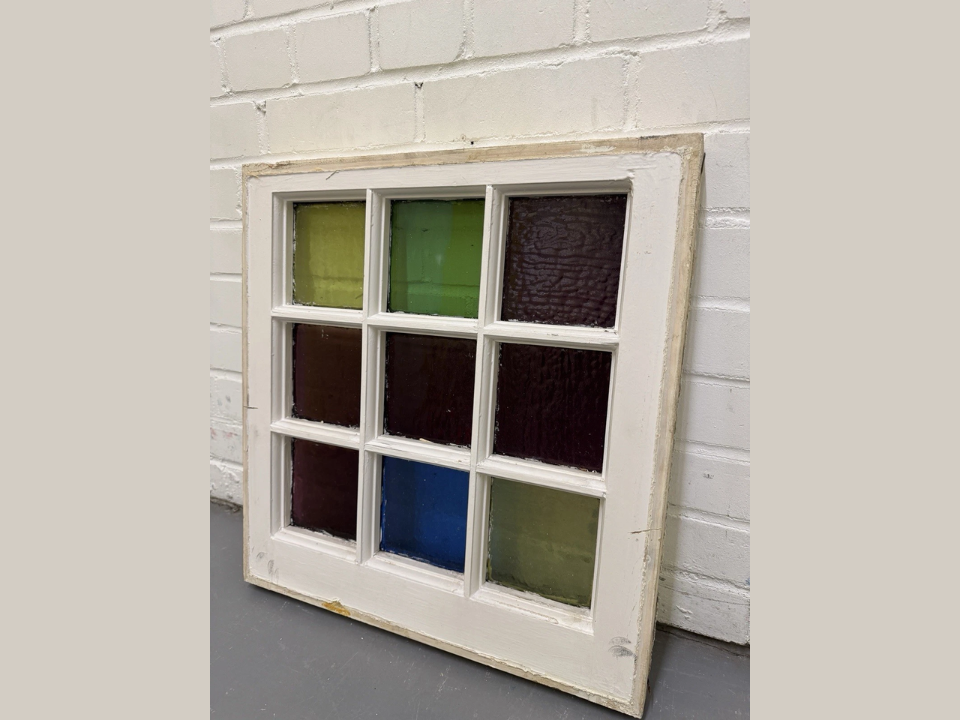
A vintage stained glass window panel brings color and old world charm into a room, whether you hang it in a new window or display it on a wall. These panels often come from churches, old houses, or commercial buildings that have been renovated or demolished. You may see geometric patterns, floral designs, or scenes, all pieced together with lead came holding the glass segments.
Ripples, bubbles, and slight imperfections in the glass are a good sign, since older glass was made differently and usually looks less uniform than modern glass. Simple antique stained glass panels can range from about $150 to $500, while large or very decorative pieces can move into the $800 to $2,000 bracket. Damage to the lead came or missing glass pieces will lower the value, but some collectors still buy them for restoration projects. At an estate sale, look for sturdy framing, firm solder joints, and colors that glow nicely when light passes through.
Art Deco Mantel Clock
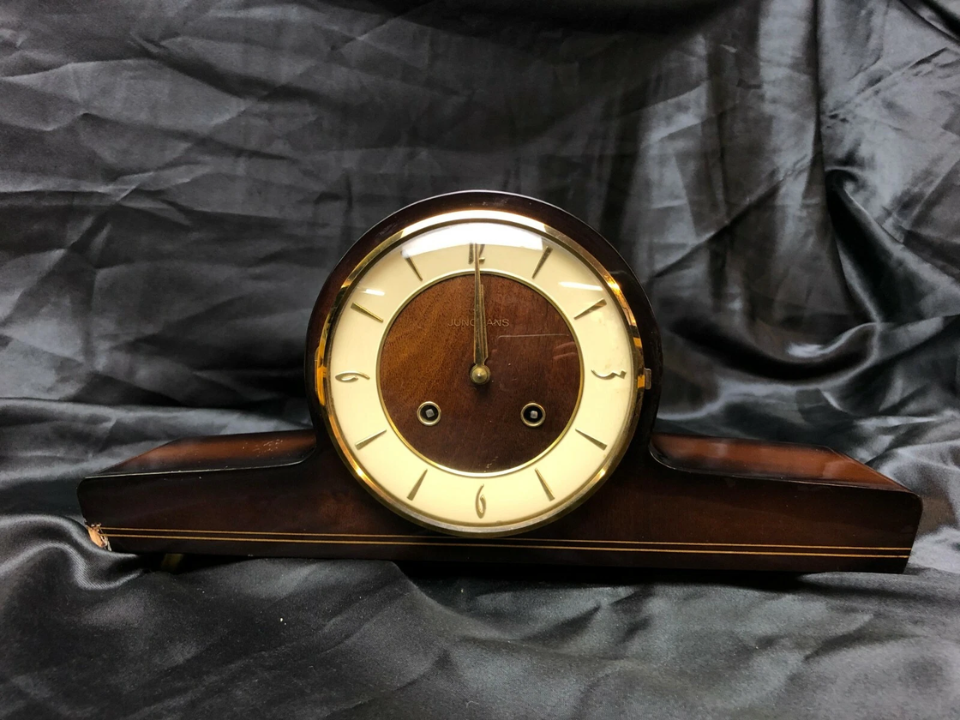
Art Deco mantel clocks from the 1920s and 1930s combine practical function with sculptural design. Many feature stepped bases, geometric shapes, and stylized numerals on the dial, all typical of the era. Cases can be made from marble, onyx, bakelite, wood, or a mix of materials, sometimes with metal accents. Some examples include small figural statues beside the clock, such as dancers or animals, which adds extra appeal for collectors.
Working Art Deco mantel clocks from known makers often sell in the $200 to $800 range, while rare models in fine condition can reach $1,000 to $1,500. Non working clocks are still worth looking at, since some buyers purchase them for parts or display, though the price will be lower. When you find one at an estate sale, check if the clock runs, listen for a steady tick, and look closely at the dial, glass, and case for cracks or chips.
Depression Glass Serving Pieces

Depression glass is a common and very collectible category at estate sales, especially in older family homes. These items were made from the late 1920s through the 1940s and often came as free premiums with groceries or in cereal boxes. You will see many colors such as pink, green, amber, and clear, with patterns pressed into the glass that range from very simple to quite decorative.
Serving pieces such as cake stands, pitchers, large bowls, and covered dishes usually bring higher prices than small plates or cups. A nice Depression glass cake stand or large serving bowl can fall in the $40 to $150 range depending on pattern, color, and condition. Rare patterns or colors, especially in mint condition, can bring several hundred dollars for a single piece. At an estate sale, hold each item up to the light to check for chips, cracks, or cloudy glass, and pay attention to matching sets, which tend to sell well as a group.
Antique Brass Candlesticks
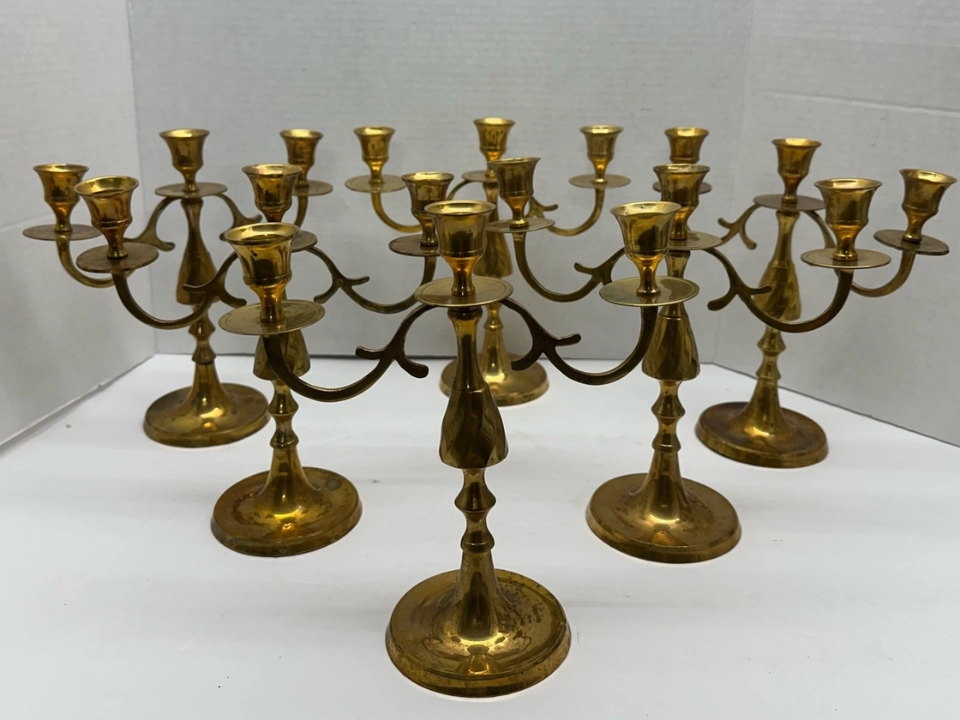
Antique brass candlesticks add weight and warmth to a mantel, dining table, or sideboard. Older examples often have turned stems, square or round bases, and sometimes drip pans that catch wax. You may see English, French, or American styles, and certain shapes can point to specific time periods, such as early push up candlesticks where a rod inside raises the candle as it burns.
A pair of nineteenth century brass candlesticks can range from $60 to $250, while tall or unusual designs can climb into the $300 to $500 range. Very early examples or those with a maker mark can be worth more, especially in pairs with matching details. When looking at estate sale tables, pick them up to feel the weight, flip them over to examine the bases, and watch for signs that they have not been recently lacquered or heavily polished.
Victorian Oil Lamp or Kerosene Lamp

Victorian oil lamps, sometimes called kerosene lamps, can turn into beautiful decor when cleaned up and displayed. These lamps usually have a heavy base made of glass, porcelain, brass, or cast iron, topped with a font that holds the fuel, a burner with a wick, and a glass chimney. Many also include decorative glass shades, sometimes painted or frosted with floral designs.
A complete antique oil lamp in good shape can range from about $75 to $250, though rare colors, elaborate metal bases, or signed makers can move the value into the $300 to $600 range. Lamps that still have their original shade and chimney tend to bring more money than those with replacement parts. When you find one at a sale, check for chips in the glass, dents in the metal, and threads that turn smoothly on the burner.
Carved Wooden Blanket Chest or Hope Chest

A carved wooden blanket chest or hope chest can serve as storage, seating, and a statement piece all at once. These chests are often made from solid oak, pine, cedar, or walnut, sometimes with carved panels, moldings, or inlaid designs on the front. You may see hardware such as iron strap hinges, brass handles, or decorative keyholes, and some older pieces still come with an interior till, a small compartment built inside the chest.
Antique blanket chests can cover a wide range, from about $200 to $800 for simpler pieces, up to $1,000 to $2,500 or more for highly detailed or early examples. Cedar hope chests from the early twentieth century from brands such as Lane often fall somewhere around $150 to $500 depending on condition. When shopping, look for solid construction, older joinery such as dovetails joints, and lids that open and close smoothly without sagging.
Ornate Picture Frames with Original Artwork or Prints
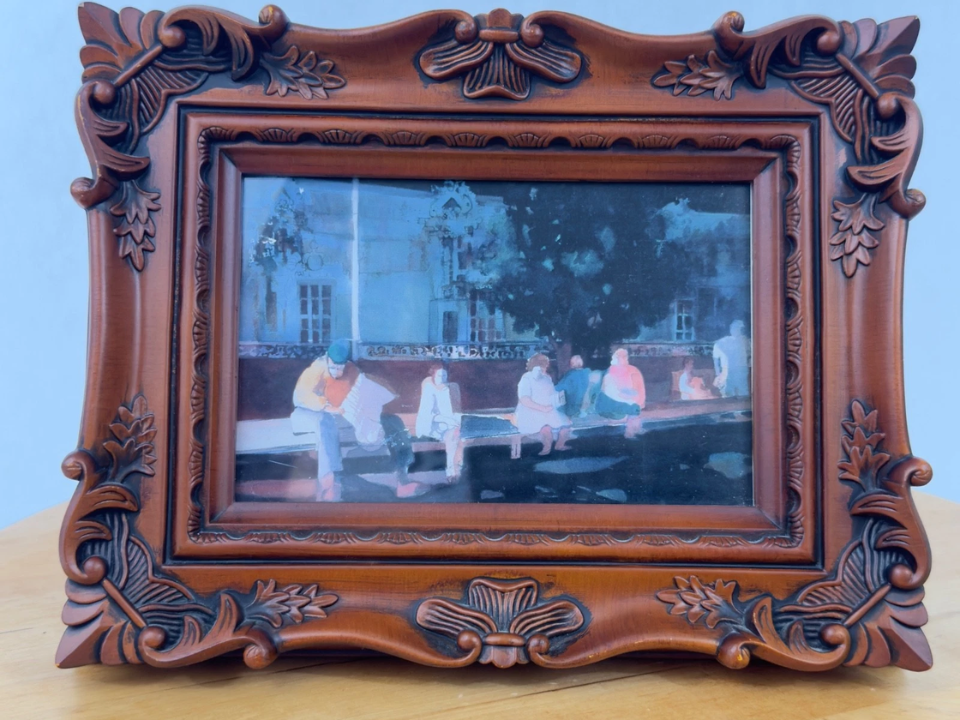
Ornate antique picture frames are worthwhile on their own, and they are even more appealing when they still hold original artwork or prints. You will find frames made from carved wood, plaster over wood, or metal, often with scrolls, leaves, or geometric motifs around the edges. Gilded finishes are common, and some frames show attractive signs of age such as minor chips, small cracks in the gesso, or slightly worn corners.
A good antique frame with decent art can range from $100 to $400, while large or finely made examples can reach $500 to $1,000 or more, especially if the artwork is by a listed artist. Even empty frames have value, since designers use them for gallery walls and mirrors. At an estate sale, look along the back edges for old nails, wooden corner blocks, and older hanging hardware, which all add confidence that the frame is truly old.
Cast Iron Doorstop
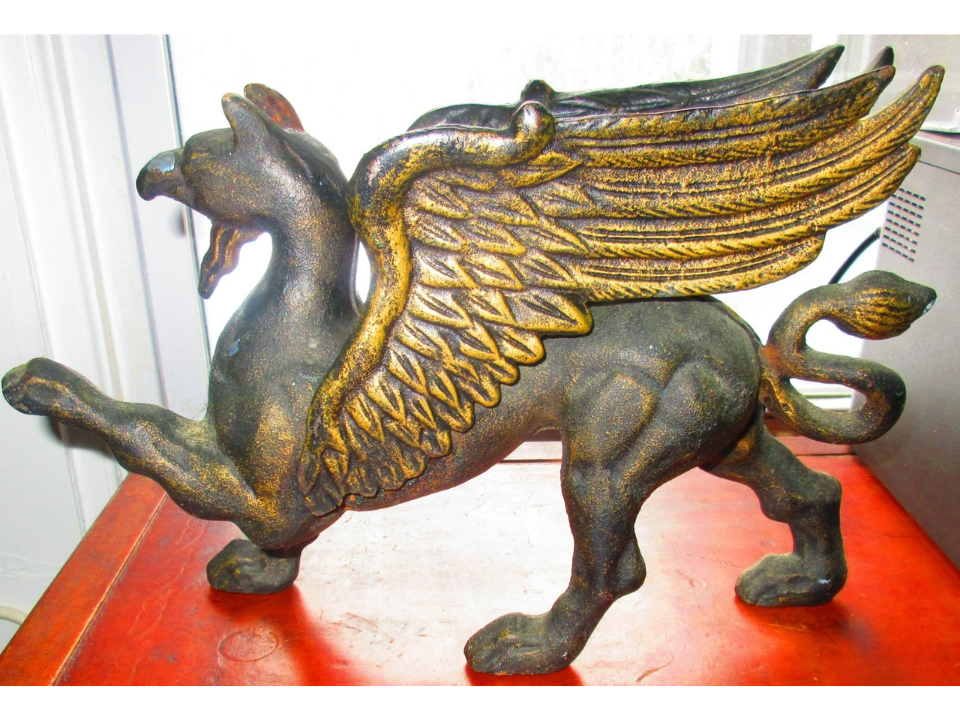
Cast iron doorstops were popular in the late nineteenth and early twentieth centuries, and now they have a strong following among collectors. These pieces often come in fun shapes such as dogs, cats, baskets of flowers, houses, or people, all painted in bright colors that usually show honest wear from real use. The best examples have thick, heavy bodies, fine casting details, and original paint that has aged naturally over time. Some were made by known firms, and you may find maker marks or numbers cast into the back or underside.
Common antique cast iron doorstops in decent condition often sell in the $75 to $200 range, while rare patterns or pieces with strong original paint can bring $300 to $800 or higher. Reproductions exist, so it helps to compare weight, casting quality, and paint surface with reference photos if you collect these seriously. When you spot one by a doorway at an estate sale, feel how heavy it is, inspect the base for age wear, and study the paint to see if it looks gently aged rather than freshly applied.
Antique Iron Bed Frame
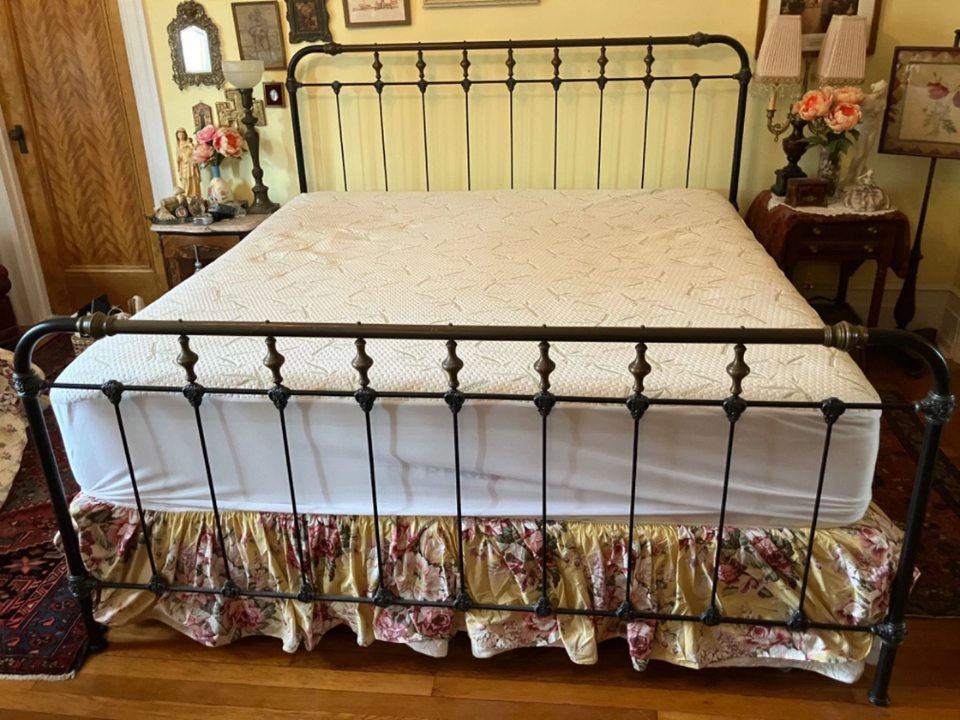
An antique iron bed frame can give a bedroom a strong focal point with very little effort once it is cleaned and set up. Many older frames were made from heavy wrought iron or cast iron, with curved headboards, footboards, and decorative spindles that show their age in a good way. You might see chipped paint, layers of different colors, or a bit of surface rust, which many people leave in place for character as long as the metal remains sound.
Full or queen size antique iron beds usually fall somewhere in the $300 to $800 range, while rare designs or larger sizes can reach $1,000 or more in good condition. Value goes up when all the original rails, bolts, and finials are present and the frame does not wobble. When you spot one at an estate sale, look closely at the joints and side rails to make sure they are not bent or cracked. It helps to measure the frame so you know which modern mattress size will fit, since older beds sometimes run a bit shorter or narrower than current standards.
Marble Top Washstand
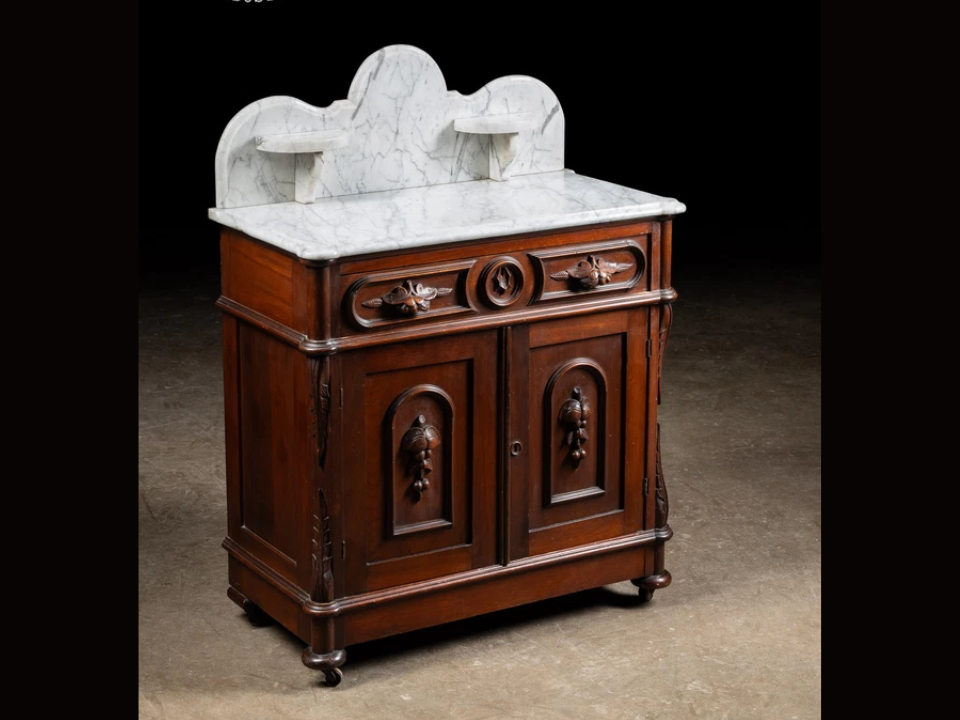
A marble top washstand is a classic bedroom or bathroom piece that often comes from Victorian or early twentieth century homes. These cabinets usually have a wood base with drawers and doors, topped with a slab of marble and sometimes a matching backsplash and small side shelves. You may see styles that range from simple country pine to highly carved walnut, which lets you match the piece to many types of decor. On the antique market, marble washstands often sell from around $500 into the low thousands depending on age, wood type, and carving quality, with high end examples reaching several thousand dollars through dealers and online venues.
At an estate sale, you may find one priced lower because it is heavy to move and fewer people want to haul it away, which gives you room to negotiate. Check the marble surface for cracks, stains, or missing pieces along the edges, and look inside the cabinet for signs of water damage from old plumbing. If the drawers still slide smoothly and the marble only shows gentle wear, you are looking at a strong candidate to bring home.
Milk Glass Vases and Compotes

Milk glass vases, bowls, and compotes can look simple at first glance, yet they add a soft glow to shelves and tables when grouped together. These pieces usually appear in opaque white glass, sometimes in pale colors, with patterns such as hobnail, grape clusters, or paneled designs pressed into the surface. Collectors still chase certain makers and shapes, and design writers often mention milk glass as a classic accent for vintage inspired rooms.
Common small vases might sell for $10 to $30 each, while larger compotes, cake stands, or rare patterns can land anywhere from $40 to $150. Particularly scarce pieces from known makers can climb above $200, especially if the condition is nearly perfect with no chips or discoloration. When you scan a table at an estate sale, flip each piece over and look for maker marks, unusual bases, and consistent color in the glass.
Silver Plated Tea Set

A silver-plated tea set instantly makes a sideboard or dining table feel more formal, even if you never brew tea in it. These sets usually include a teapot, sugar bowl, creamer, and sometimes a coffee pot and serving tray, all with matching handles and feet. While solid sterling brings the highest values, many silver-plated sets from known companies still sell well and show up often on online marketplaces and at estate sales.
Typical vintage silver-plated sets in good condition often range from about $50 to $300, while large sets from respected makers or with ornate details can reach higher figures. Tarnish alone does not hurt value, since it can be polished away, but dents, deep scratches, and broken handles will bring the price down. When you inspect a set, look for hallmarks or company names on the underside, and check that lids hinge correctly and pieces sit flat on the table.
Crystal Chandelier
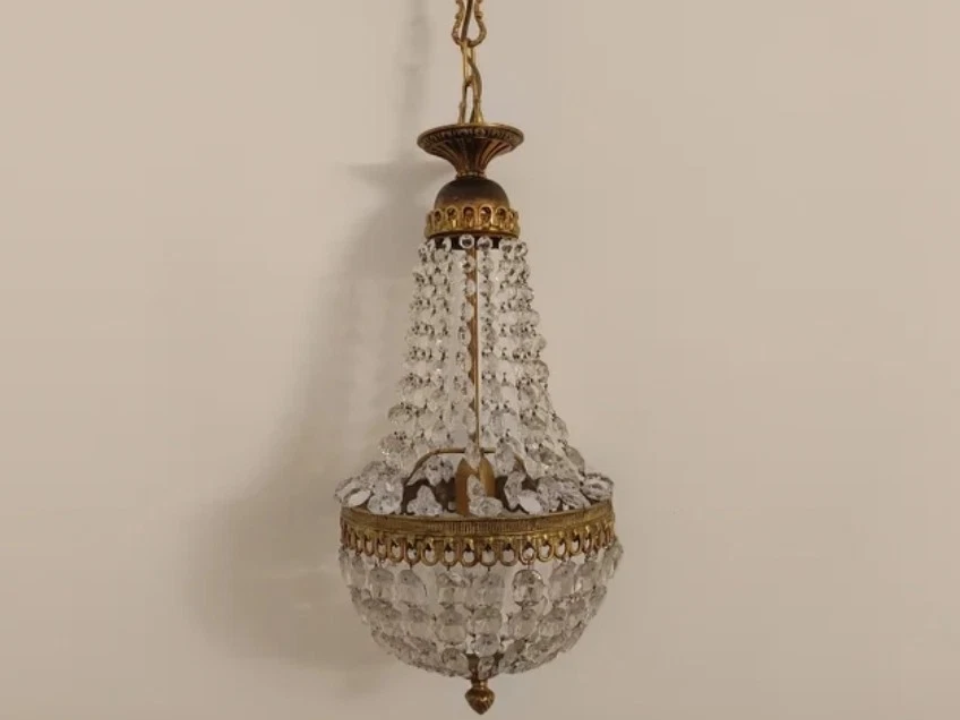
A crystal chandelier can take a room from plain to dramatic as soon as it is wired and hung. Older chandeliers often have brass or bronze frames covered with hanging glass prisms, beads, and drops that catch the light and scatter it across the ceiling. Some were made in classic basket shapes or tiered designs, while others show more delicate arms and candle style sockets.
Crystal lighting remains popular with collectors and decorators, and complete vintage chandeliers in working or restorable condition can range from about $300 to $1,500, with large or designer examples reaching several thousand dollars. Value tends to rise when all the prisms are present, the frame still has its original finish, and the wiring is either safe or easy to update.
Porcelain Figurines from European or Japanese Makers

Porcelain figurines from European or Japanese makers often turn up in curio cabinets and on living room shelves at estate sales. These figures can range from small animals to detailed people in period clothing, and many carry factory marks on the bottom that help identify their origin. Well-known names include German, English, and Japanese firms that produced fine porcelain for export throughout the twentieth century.
Common figurines might sell in the $20 to $80 range, while larger or rarer figures can reach $150 to $400, and exceptional or early pieces from famous factories can go still higher. Condition is critical here, since even a tiny chip to a finger or petal can cut the value dramatically. When you examine a figurine, run your fingers gently along edges to feel for repairs and check for color differences that might indicate repainting.
Antique Tin Ceiling Tiles
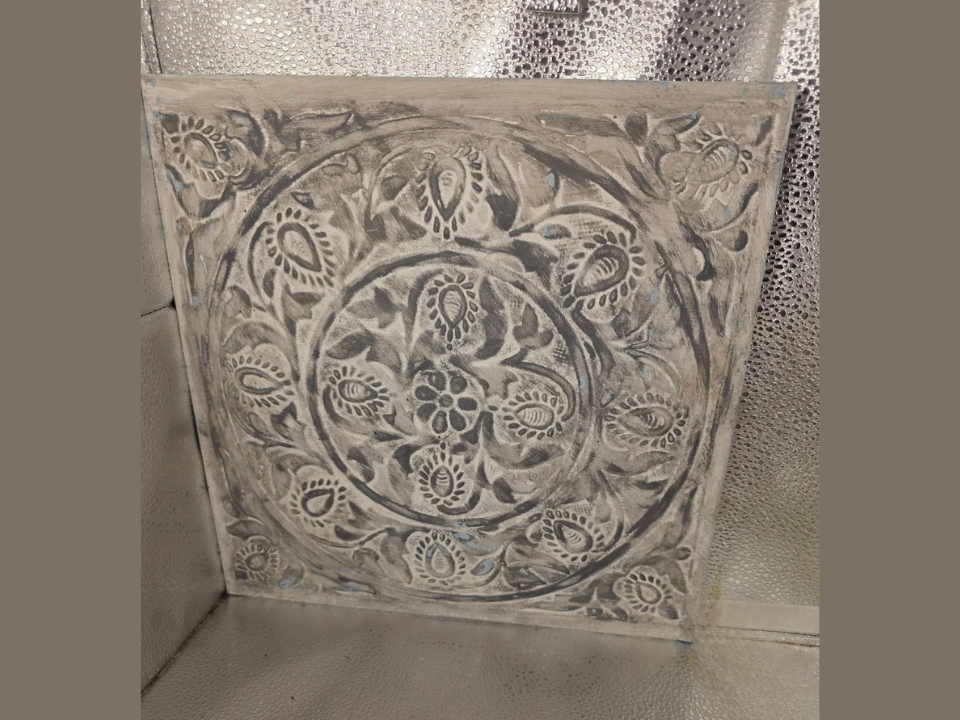
Antique tin ceiling tiles are popular with people who like repurposed decor, and they show up more often than you might expect at estate and barn sales. These tiles were originally nailed to wooden ceilings in late nineteenth and early twentieth century buildings, where they added pattern and helped hide surface flaws. Designs can include repeating floral motifs, geometric grids, and medallions, and the surface may show traces of old paint, rust, or both.
Individual tiles in decent shape often sell for around $20 to $75 each, while large in place ceilings in historic buildings can be worth far more when sold in bulk to salvage buyers. Many people use single tiles as wall art, headboard panels, or table accents, which keeps demand steady. When you shop, look for tiles that remain fairly flat without severe bends, and avoid pieces that crumble when handled.
This article originally appeared on Avocadu.