
14 Antique Home Decor Pieces That Are Popular Because of Patina
If you like antiques, you have probably noticed that some pieces seem to glow with age. Patina is that gentle aging on the surface, created by years of touch, oxidation, and everyday life. It is one reason old frames, mirrors, and hardware can feel more inviting than something brand new. Stick with me, and you will spot the decor details that collectors and decorators tend to chase.
This post may contain affiliate links, which helps keep this content free. Please read our disclosure for more info.
Tiffany Studios Leaded Glass Lamp With Patinated Bronze Base
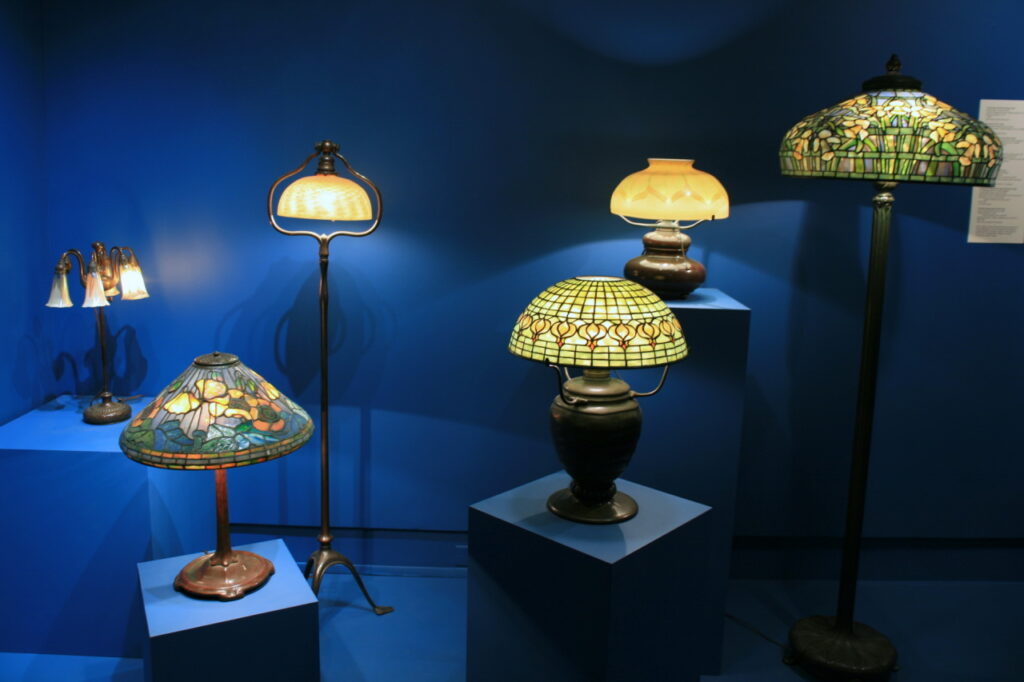
Collectors gravitate toward the deep brown bronze surface because it makes the colored glass look richer and more dimensional. Most examples were produced in the early 1900s by Tiffany Studios in New York, with famous shade designs such as Wisteria produced from 1902 through 1932. Well-documented originals can sell from about $8,000 into the six or seven figures, depending on the model and condition. Look for an original base stamp and period-correct hardware, since later marriages of parts can lower value.
To preserve the patina, avoid metal polish and dust the bronze with a dry microfiber cloth, then apply a thin coat of microcrystalline wax once or twice a year. Keep the shade out of direct sun and away from heat vents so the lead lines and glass remain stable. When cleaning the glass, use a barely damp cloth and dry it right away, since soaking can loosen older cement. For safety and value, have the wiring checked by a specialist who works with antique lamps.
Bradley and Hubbard Slag Glass Table Lamp
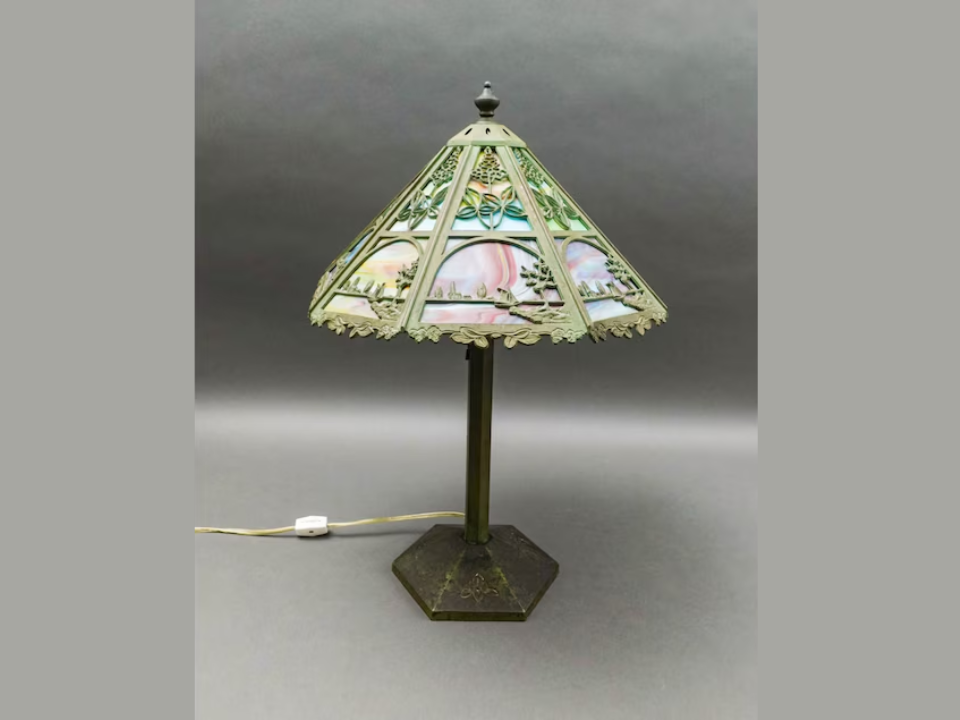
A warm, aged tone on the metal frame is part of the appeal because it pairs naturally with amber and caramel glass panels. Examples were made in the early 20th century by Bradley and Hubbard, with lamps commonly dated around circa 1910 through circa 1920. A typical current value for an authentic lamp in good working condition is $500 to $1,750. Better glass, cleaner originality, and a strong shade fit can push the number higher.
Instead of polishing the frame, wipe it gently with a soft cloth and use a small brush to lift dust from crevices around the overlay. Keep the glass steady by avoiding sudden temperature swings, since older glass can crack from stress. If stored, wrap the shade separately and pad all contact points to prevent the metal from rubbing and leaving bright scratches. Add felt pads under the base to protect both the lamp and the table, and keep moisture low to prevent active corrosion.
Roycroft Hammered Copper Vase
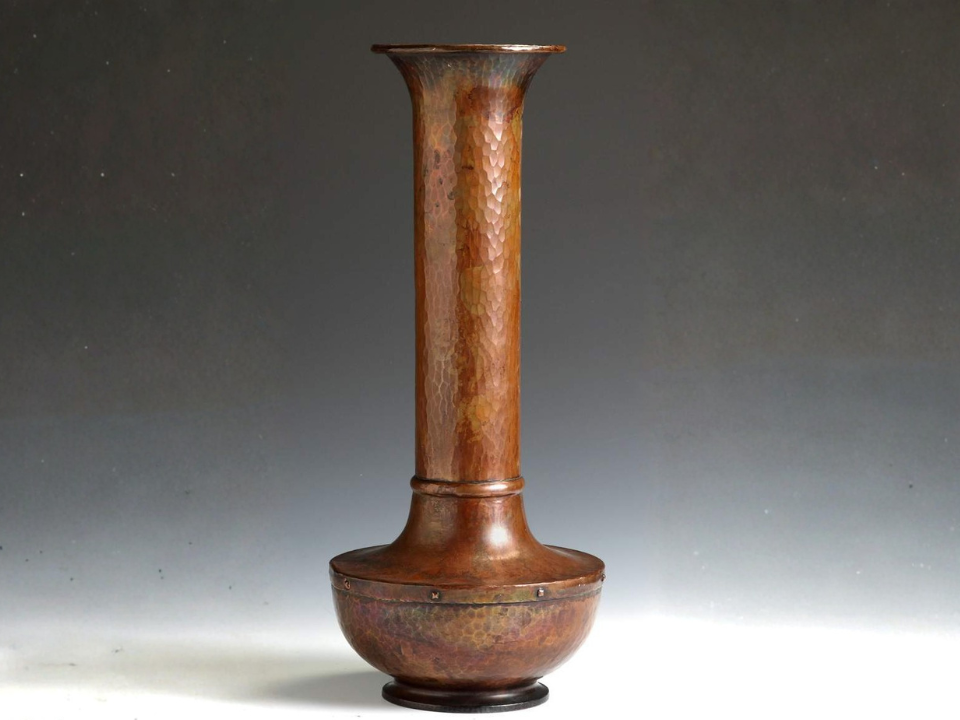
That mellow brown surface is the look people want because the hammer marks show up better as copper darkens with age. Roycroft copper was produced from about 1906 into the 1930s by the Roycroft community in East Aurora, New York, and vases are often dated to the 1910s. A realistic current value for a signed Roycroft vase often falls around $200 to $700, with rare forms and larger sizes going higher. Check for the Roycroft mark and consistent hand-hammered texture, since later copies can look too uniform.
Leave the surface alone and avoid lemon, vinegar, or abrasive cleaners, since they strip patina fast and can leave a raw copper look. Dry dusting is usually enough, and a thin coat of microcrystalline wax can help slow fingerprint staining if the piece is handled. Keep it away from damp windowsills because moisture can trigger green corrosion spots that can spread. If green spots appear, dab gently with a dry cotton swab and stop, then consult a conservator if it keeps returning.
Gustav Stickley Hammered Copper Bookends
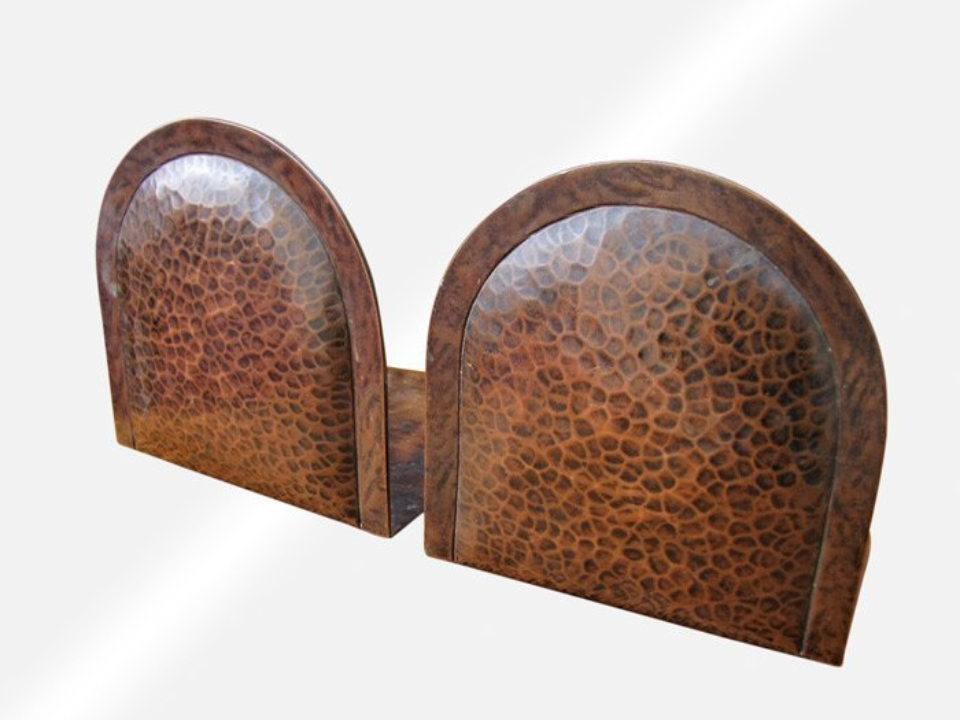
Patina makes these look calmer and more historical, especially when darker tones settle into the low points of the hammered surface. Period examples are commonly dated around circa 1910 and are associated with Gustav Stickley and the Arts and Crafts era. Depending on condition and originality, current values commonly run about $800 to $5,000. Clear markings, consistent wear, and an even tone across the pair are helpful signs of authenticity.
Clean hands matter here because skin oils can create glossy patches that stand out against an even older surface. Put thin felt on the bottom edges so the copper does not scrape shelves and reveal bright streaks. Keep them in a stable room since high humidity can cause spotting and powdery corrosion at the edges. If you must clean, use a dry cloth only, then apply a very light wax layer to slow new oxidation without changing the look.
Teco Pottery Vase
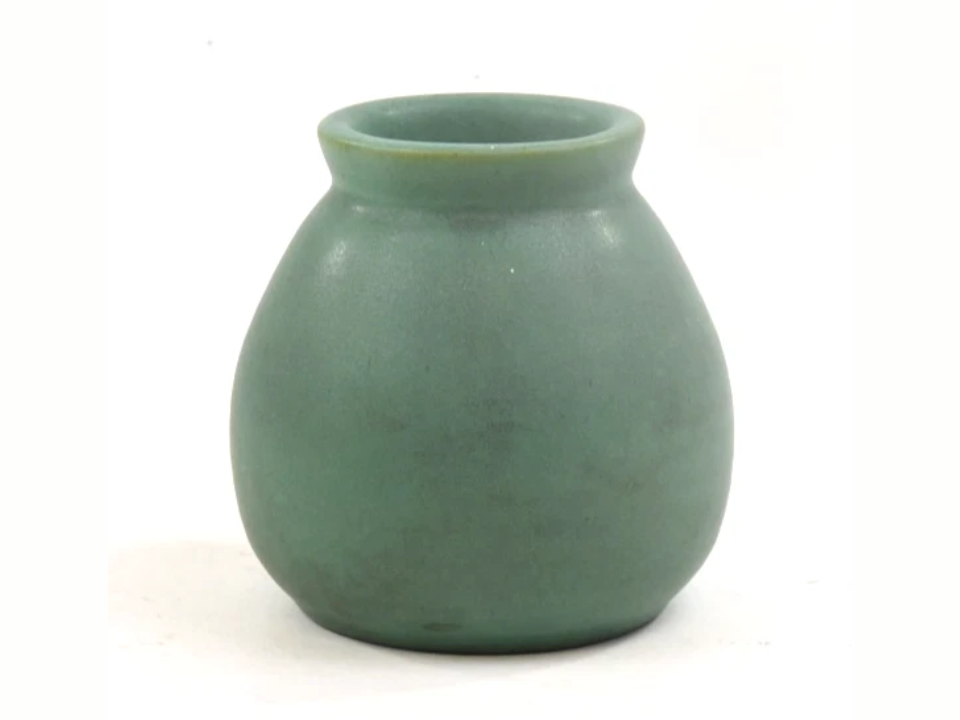
A soft matte surface reads almost like natural stone, and that aged look is why collectors like Teco shapes on open shelving. Documented examples are often dated to the early 1900s, with some vases noted around circa 1905, produced by The Gates Potteries, The American Terra Cotta and Ceramic Company. Values vary widely by form and rarity, and some pieces can range from about $1,500 into the tens of thousands. Look for the proper Teco mark and a surface that shows age without fresh abrasions.
Mild care works best because soaking can seep into older pores and pull discoloration to the surface. Keep it away from gritty shelf liners that can burnish matte areas into shiny streaks. If you display flowers, use a separate inner liner so water does not sit against the ceramic for days. Store it with padding around rims and corners, since small chips can drop the price quickly.
Grueby Faience Matte Green Vase
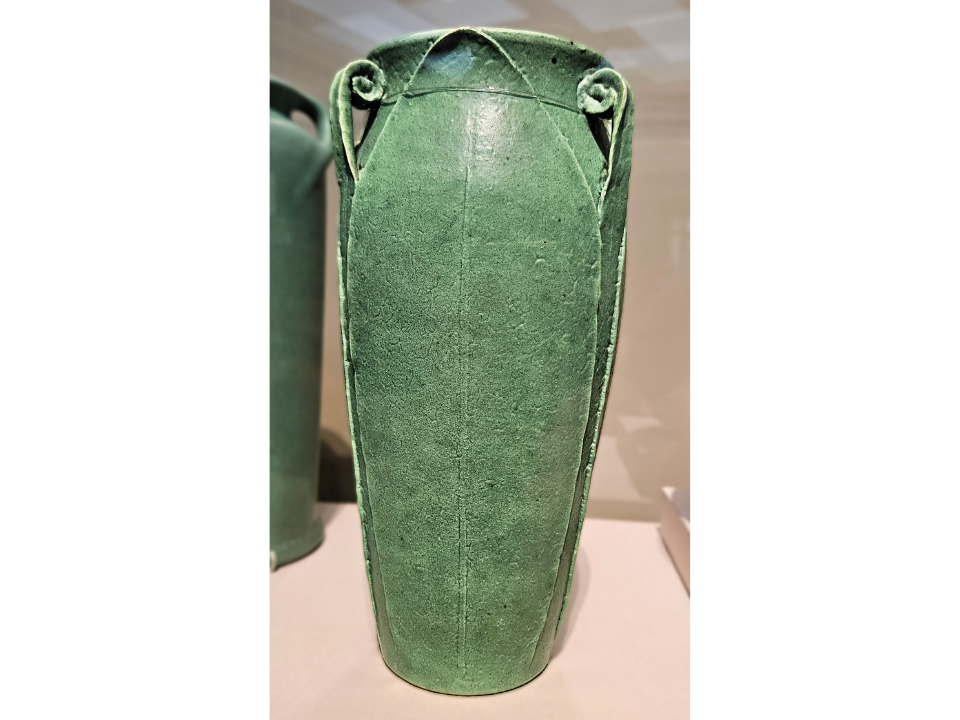
The famous green surface often looks better with age because subtle shifts in tone make the glaze feel deeper and more natural. Grueby pieces were produced around the turn of the 20th century by Grueby Pottery in Boston, and a well-known example is dated circa 1897. A realistic current market range for strong examples often lands around $7,500 to $10,000, with other forms lower or higher. A clear mark, good glaze coverage, and minimal rim wear can matter a lot for value.
Sunlight can change the look over time, so keep it out of direct sunlight and away from hot windows. Wash only with mild soap and lukewarm water, then dry fully, since water trapped under the base can leave staining rings. Avoid abrasive sponges because matte glazes can polish into shiny spots that look out of place. Use a padded display surface since a hard shelf can scratch the foot ring and cause small chips when moved.
Rookwood Pottery Vase With Aged Glaze
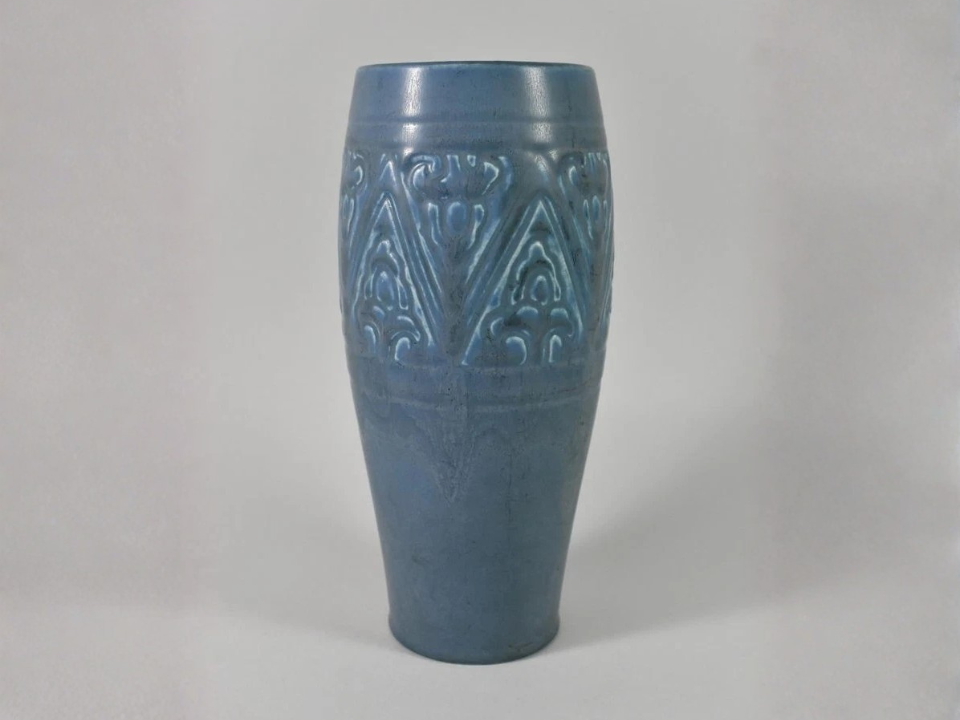
A gently aged glaze is part of the charm because the surface can show soft depth that feels warm in a room. Rookwood pieces are identifiable by the company mark and date codes, and a well-known dated example is from 1905, produced by Rookwood Pottery in Cincinnati. Depending on decoration and artist marks, values can range from about $200 for simpler pieces to $4,000 or more for stronger examples. A clean mark and undisturbed decoration are key, since restored paint can lower interest.
Water can creep into hairlines, so do not soak the piece and avoid leaving water inside for long periods. Dust it regularly so the grit does not grind into the surface when you pick it up. Keep it on a stable surface with a felt pad under the base to prevent tiny chips from vibration. If staining appears inside, use only mild soap and a soft brush, then rinse quickly and dry with good air circulation.
Weller Louwelsa Art Pottery Vase
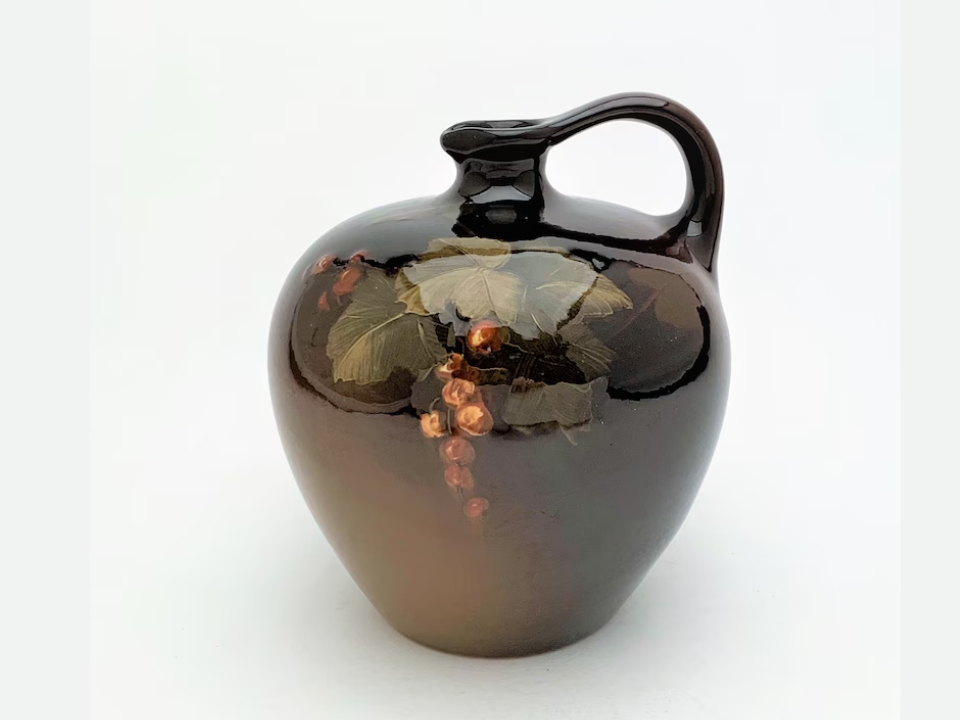
Time softens the look on Louwelsa’s pieces because fine crazing and mellowed color can make the painted motifs feel less sharp. Louwelsa is tied to early Weller production, with marks used from 1896 into the early 1900s by the Weller Pottery Company in Ohio. Current values depend heavily on pattern, size, and damage, but common market ranges often sit around $45 to $400. Clear marks and clean paint edges help, since touch-ups can look too new under light.
Gentle dusting first is best, and only lightly dampen a cloth if grime is stuck, since painted areas can wear faster than the glaze around them. Steam-heavy rooms are risky, so keep them away from kitchens and bathrooms where moisture can deepen crazing and discolor lines. Lift from the base rather than the rim to avoid stress cracks. Give it breathing room on shelves so a small bump does not cause a rim chip that is hard to hide.
J. W. Fiske Cast Iron Urn
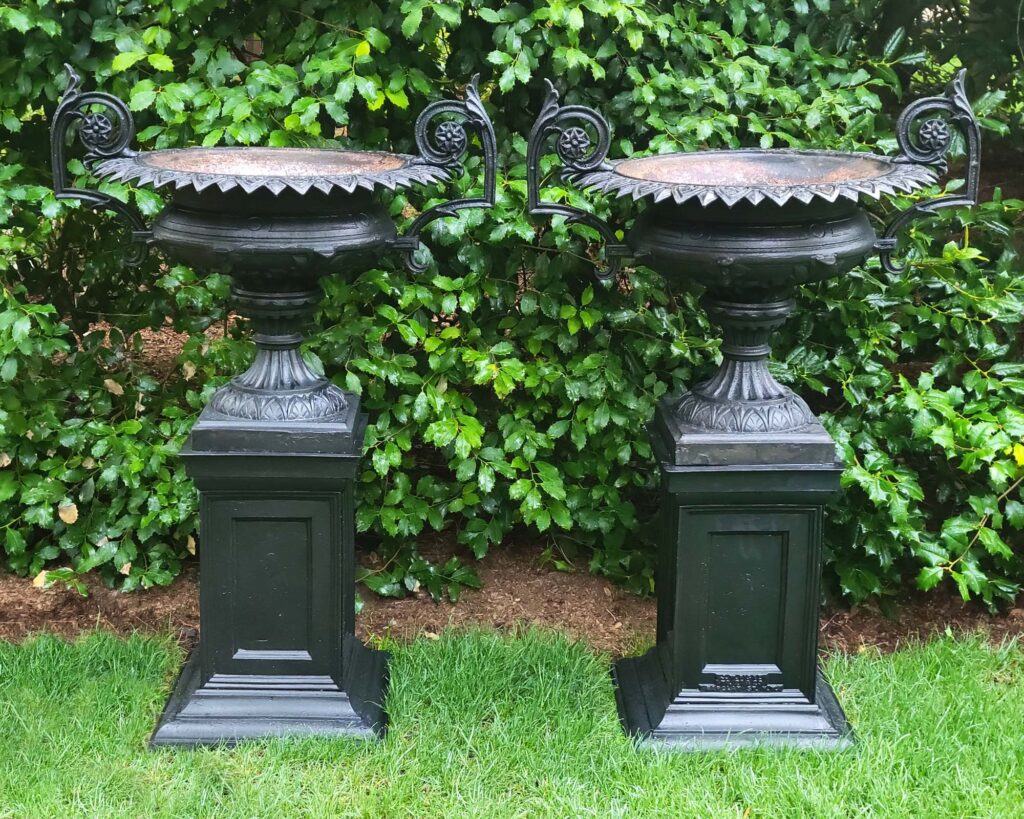
A darker aged surface looks right on these because the relief reads better when low points stay deeper in tone. Signed urns tied to J. W. Fiske are often dated within the late 1800s, with examples listed around 1874 through 1892, produced by J. W. Fiske in New York. Market value can range widely, and a large signed urn can land around $3,900 or more, depending on condition and size. Look for crisp casting detail, steady legs, and an even surface that does not look freshly painted.
Stability matters, so keep it level and secure since wobbles can crack seams and chip old layers. Brush away dirt and leaf debris so moisture does not sit against the iron for weeks. If repainting is needed, use thin breathable exterior paint and avoid thick glossy coats that bury detail and look out of period. For patina lovers, spot treat rust and leave stable dark areas alone so the surface stays believable.
Hubley Cast Iron Dog Doorstop
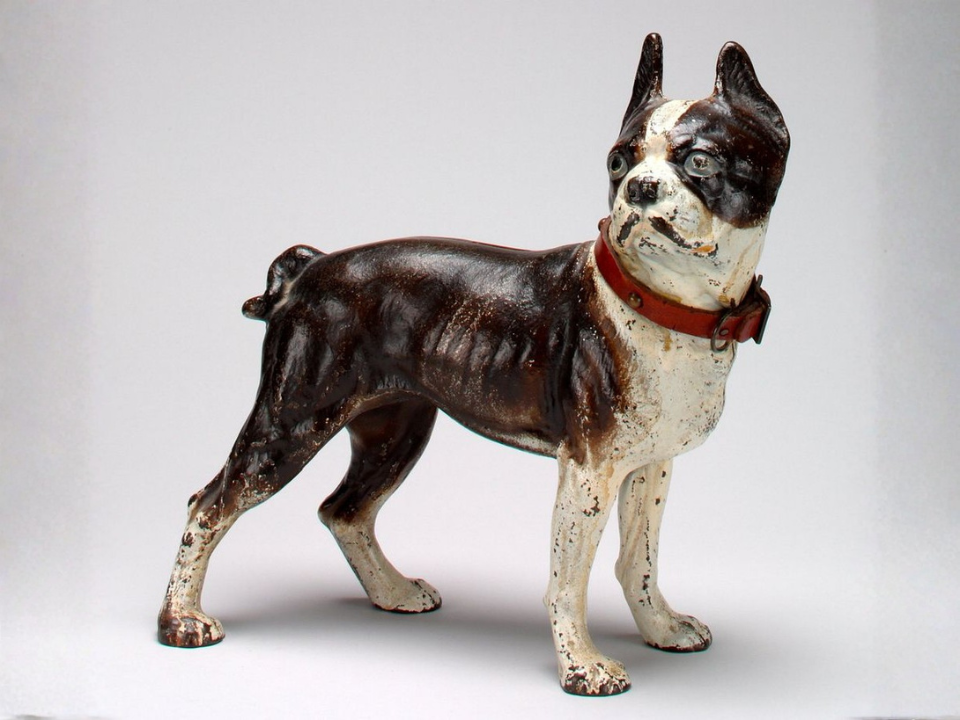
Worn paint and softened edges are part of the charm because the surface tells a story that a fresh repaint cannot match. Hubley doorstops were produced by the Hubley Manufacturing Company in Lancaster, Pennsylvania, with common date ranges around 1910 through 1940. Current prices often fall around $185 to $780, depending on size, model, and original paint. Look for weight, sharp casting lines, and correct old paint layering rather than a single modern coat.
Moisture is the enemy, so keep it off wet floors and avoid placing it where water can sit under the base. Dust with a soft brush, and if grime is heavy, wipe lightly with a barely damp cloth and dry right away. Do not repaint unless the piece is already heavily compromised, since original paint strongly affects value. Add felt to the bottom, so it does not scratch floors, and so the base does not wear down at the corners.
Reed and Barton Silverplate Candelabra
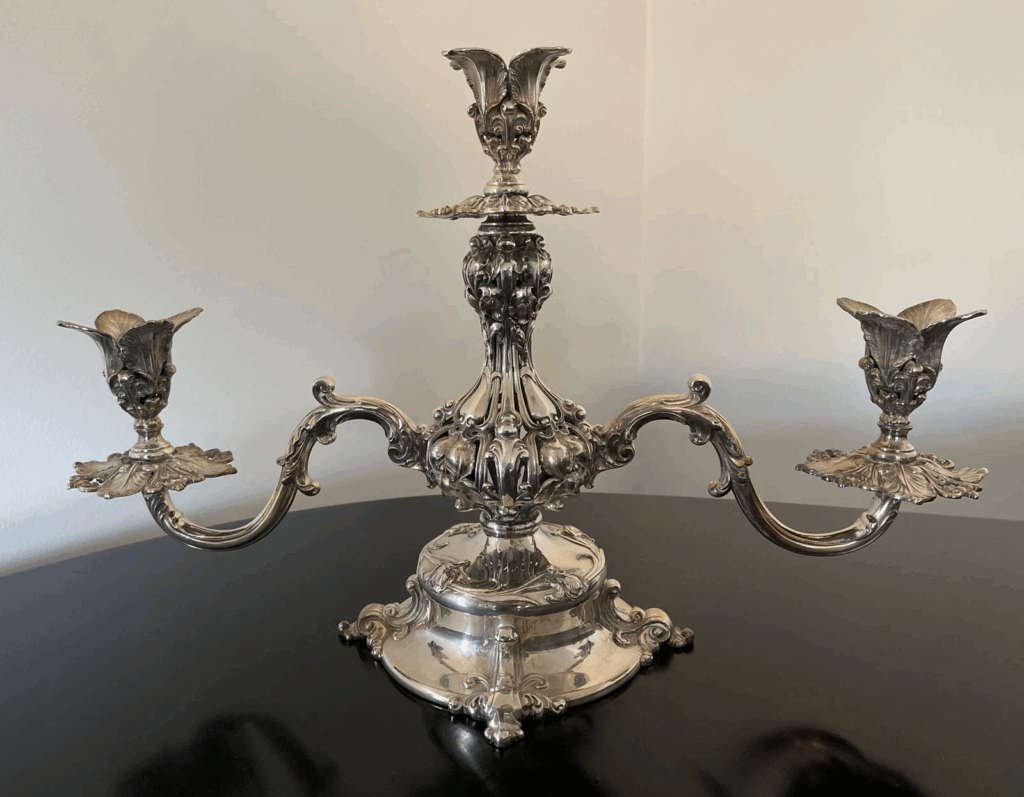
A slightly darkened surface can look elegant because it softens glare and makes the shape feel older and more formal. Reed and Barton produced silverplate pieces in the 1800s and beyond, and Victorian era examples are common under the Reed and Barton name. Depending on size and pattern, current market values often range from $300 to $1,450. The condition of the plating matters, since worn-through areas can show yellow or copper tones that reduce appeal.
Polish rarely, because silverplate is thin and heavy polishing can wear through to the base metal. After use, wipe away wax carefully, then clean with mild soap and water and dry fully so water spots do not bite into the finish. Store it wrapped in soft cloth or anti-tarnish fabric so it darkens slowly and evenly. Keep it away from rubber bands and certain foams, since those materials can cause stubborn stains on older plating.
Heintz Art Metal Shop Sterling On Bronze Vase
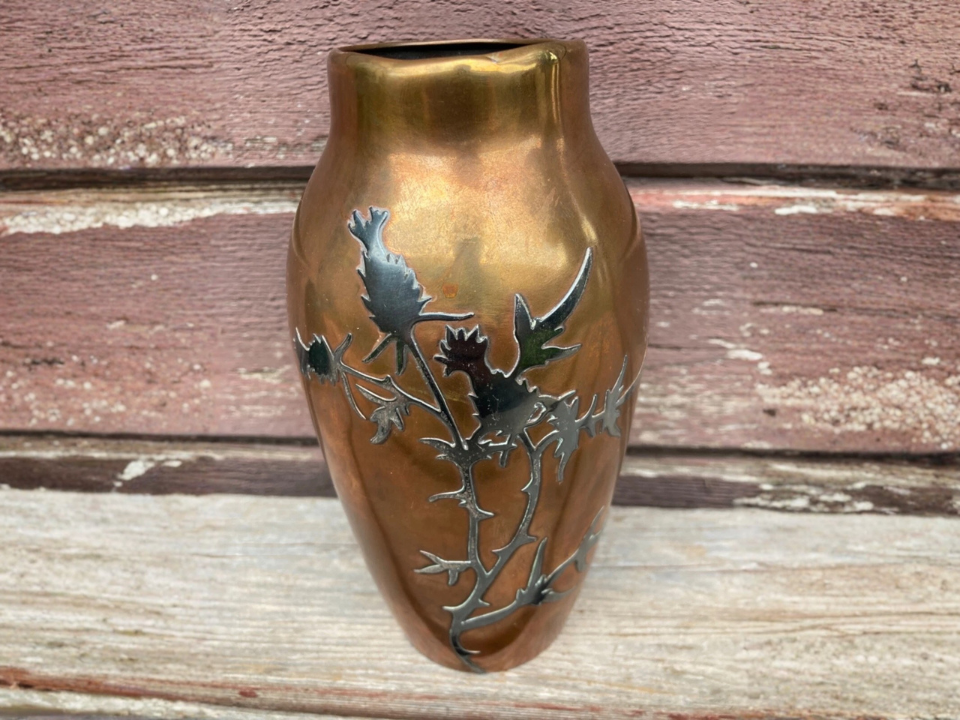
A green bronze surface looks especially good under soft light, and the contrast with silver overlay is a big part of the appeal. Heintz Art Metal Shop produced pieces in the early 1900s in the United States, and sterling on bronze work is tied to that period. Current market value often sits around $995 for comparable vases, with size and pattern changing the number. Check for a clear Heintz mark and clean junctions where the silver overlay meets the bronze.
Metal polish can strip the bronze coloring fast, so skip it and use a soft dry cloth for routine care. If needed, wipe with a slightly damp cloth and dry immediately to prevent water spotting around the overlay edges. Wax can be used lightly on bronze, but keep wax off the silver details so residue does not pack into fine lines. Display it away from kitchens, since airborne grease can stick to textured surfaces and turn the look blotchy.
Dirk Van Erp Hammered Copper Vase
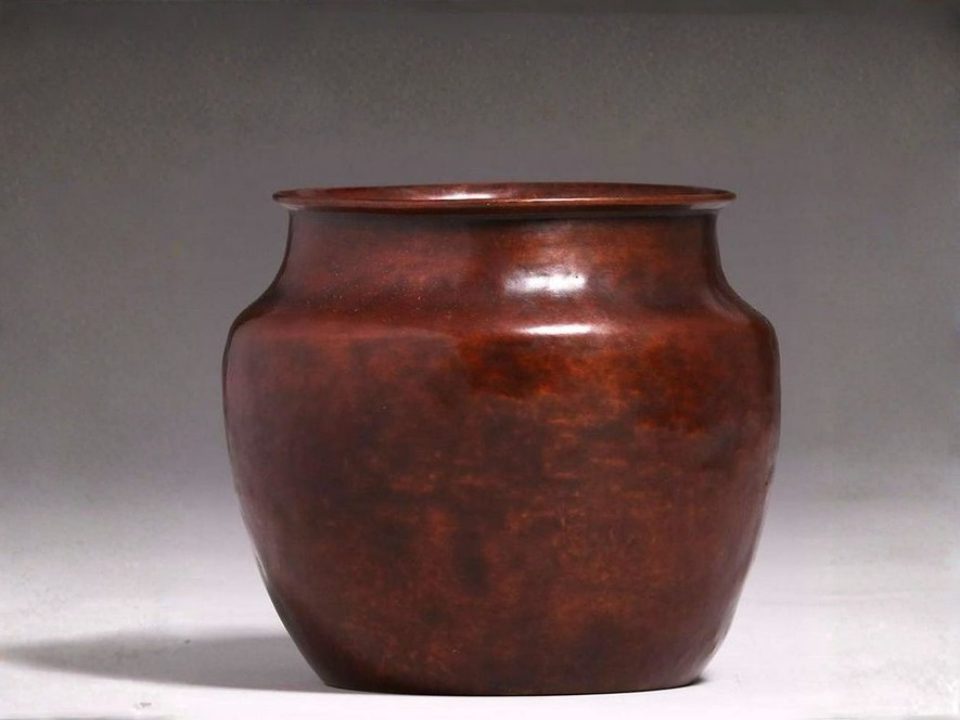
Older copper looks warmer on Van Erp work because the hammering shows through the darker tone without glare. A documented range for some Van Erp vases is circa 1911 through 1912, produced by Dirk Van Erp in San Francisco. Depending on size and marks, current values often land around $1,875 to $3,000. Lamp pieces by the same maker can go much higher, so clear markings and correct construction are important.
Acidic cleaners can strip color and leave streaks, so keep the surface dry and clean with a soft cloth only. If fingerprints appear, buff gently with a dry cloth rather than washing, because water can leave spots on older copper. Use a thin wax coat if the vase is handled frequently, but apply sparingly so it does not turn shiny. Store it wrapped in acid-free tissue and avoid sealed plastic, since trapped moisture can trigger green corrosion.
Tiffany Studios Patinated Bronze Inkwell
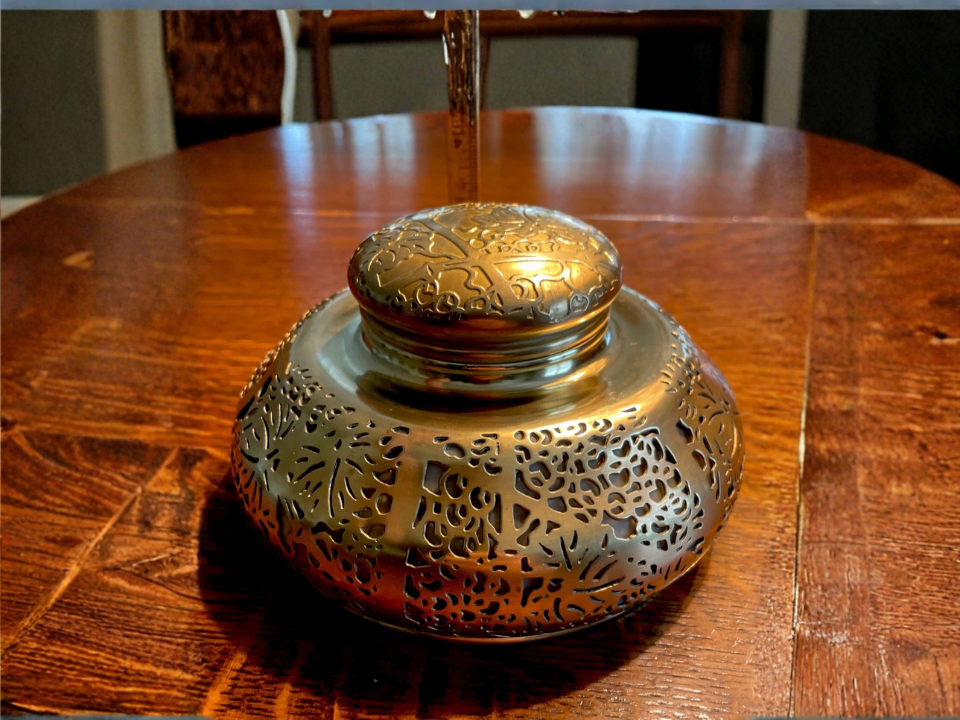
Desk pieces often look best with a dark bronze surface because it suits the period and makes relief patterns pop. A well-known example is dated circa 1910, produced by Tiffany Studios in New York. Current market value for comparable inkwells often falls around $1,090 to $1,300, with rarer patterns higher. Look for crisp casting, a proper stamp, and a lid that sits correctly without wobble.
Keep it dry and avoid soaking around fittings, since moisture trapped under parts can stain and promote corrosion. Dust with a soft brush around fine details, then wipe lightly with a clean cloth, so raised areas do not become overly glossy. Wax works well here because desk pieces get handled, so a thin layer can reduce fingerprint marks while keeping the look consistent. If it has a hinge, open it gently and never force it, since stress can loosen old joints.
This article originally appeared on Avocadu.