
18 Antique Home Decor Finds That Are Easy for Beginners to Identify
Starting an antique home decor collection can feel a little intimidating when you are new, but it becomes much easier when you know what to look for. The good news is that some pieces have clear features and shapes that stand out right away, even on a crowded shop shelf or flea market table. With a bit of practice, you will start spotting familiar patterns, materials, and finishes that signal age and charm. From sturdy stoneware crocks to old mirrors with worn frames, many items are kind to beginners because they are recognizable and forgiving if you make a small mistake. These finds work in real homes, mix well with modern pieces, and tell quiet stories about the people who used them before you.
This post may contain affiliate links, which helps keep this content free. Please read our disclosure for more info.
Blue Willow Transferware Plates
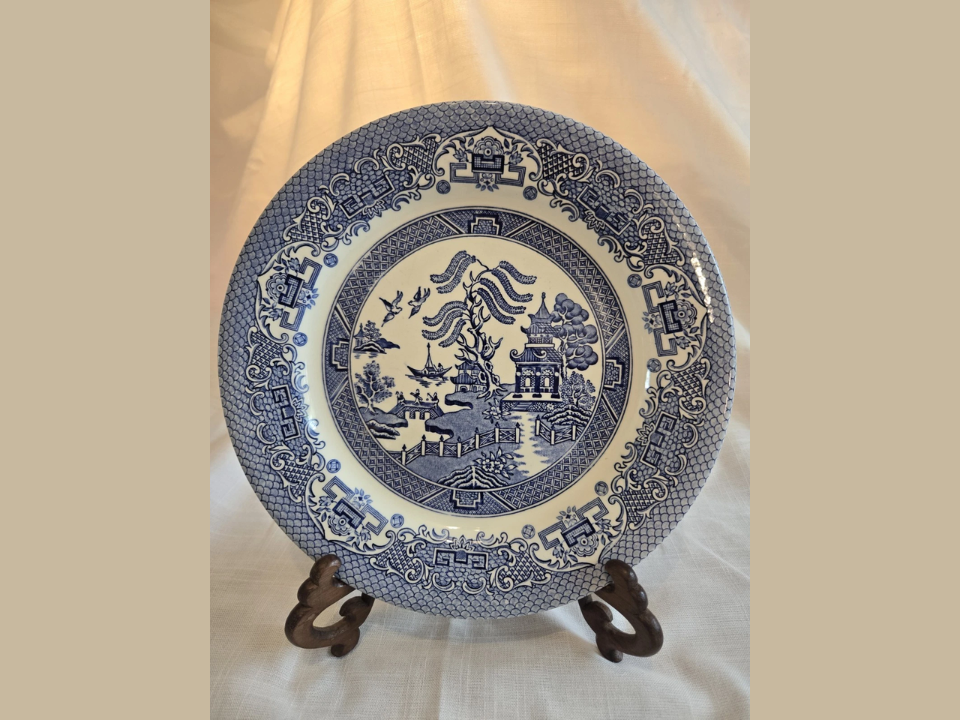
Blue Willow transferware plates are some of the easiest antique dishes for beginners to recognize because the design shows a clear story scene. The blue and white pattern usually includes a pagoda, a curved bridge with tiny figures, a willow tree, and birds in the sky, which makes it stand out on any table or shelf. Most pieces are marked on the bottom with the maker name and sometimes the words Willow or England, which helps you confirm what you found. You will see these plates in different shades of blue, from soft and faded to deep cobalt, and the color can hint at age and quality.
Later versions from the mid twentieth century are very common, while older nineteenth century plates tend to feel heavier and may show slight irregularities in the glaze. Small chips and utensil marks are normal for older dishes, and they lower value a little but do not ruin them for display. Many collectors like to group a set of mismatched Blue Willow plates on a wall or open shelf, which can give a kitchen or dining room a cozy, traditional feel. Most Blue Willow plates in nice shape sell in the range of about $20 to $80 each, depending on age, maker, and condition.
Milk Glass Vases
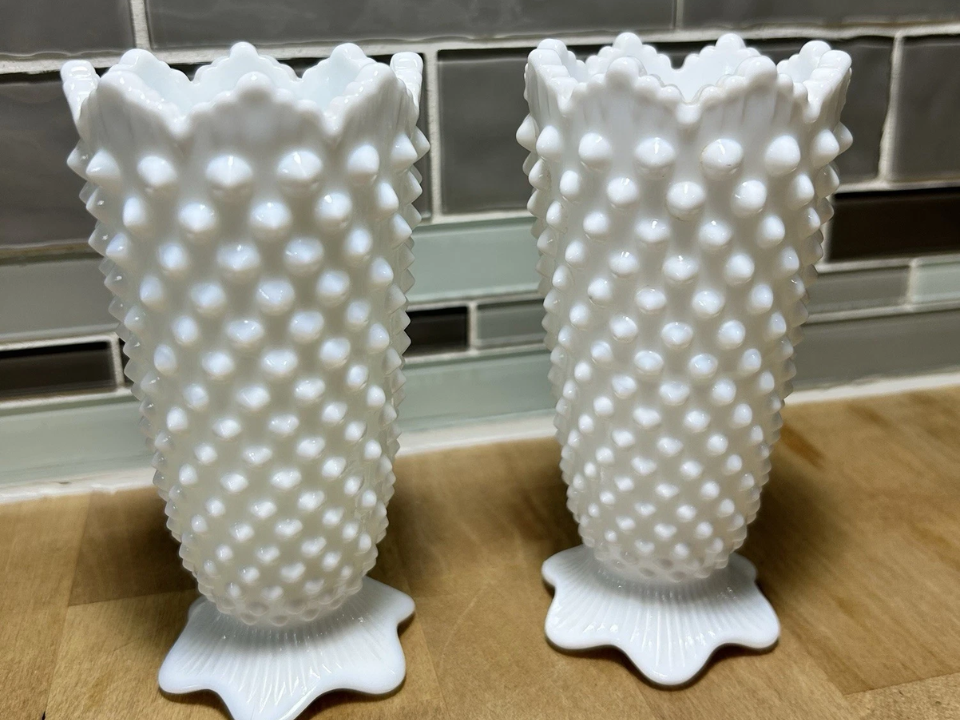
Milk glass vases make a gentle introduction to antique decor because their bright white color and smooth feel are easy to spot on a crowded shelf. These vases were popular from the late nineteenth century through the mid twentieth century, and they come in simple shapes with fluted rims, hobnail bumps, or raised grape and leaf designs. The glass should look opaque and milky, sometimes with a slight glow when you hold it up to strong light. Many pieces were made by companies like Fenton and Westmoreland, and some have tiny marks on the bottom, while others are unmarked but still very collectible.
Beginners can focus on finding vases with clean rims, no cracks, and minimal staining inside from old flowers or water. Because milk glass is sturdy and usually affordable, it works well on mantels, coffee tables, and bathroom shelves where you might worry less about damage. The neutral white color mixes nicely with modern pieces, so you can use one vase on its own or line up a group in different heights for a simple centerpiece. Common milk glass vases often sell for about $10 to $40 each, while larger or marked examples can reach $60 or more.
Depression Glass Bowls
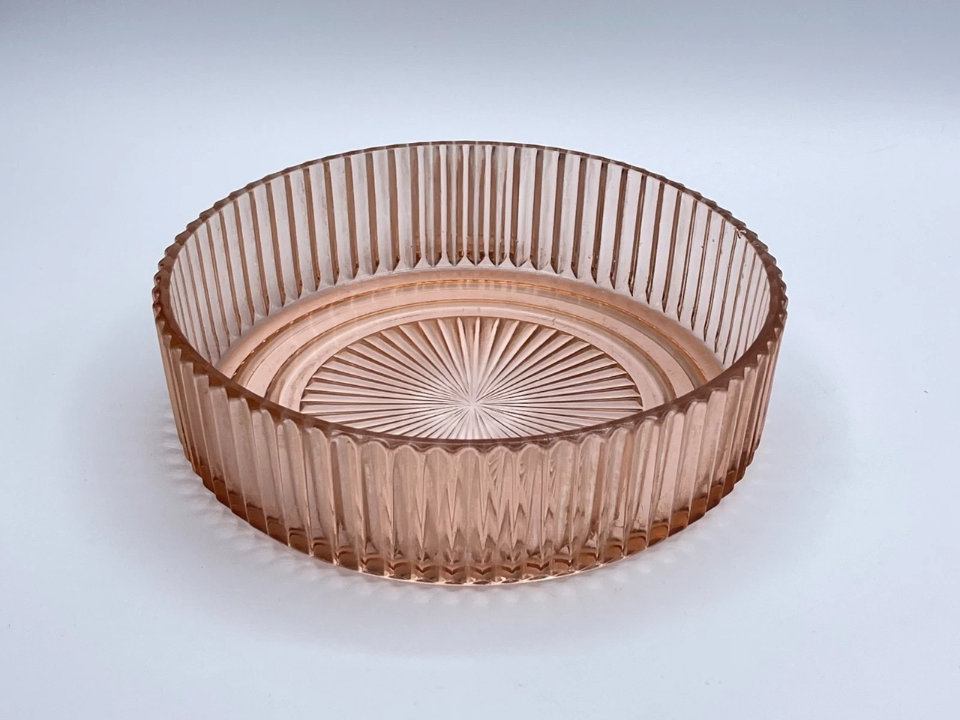
Depression glass bowls bring color and history into a room, and they are relatively easy for beginners to pick out at thrift stores and antique malls. These pieces were made in bright colors such as pink, green, amber, and pale blue during the 1920s and 1930s and were often given away in grocery promotions or inside product boxes. Many bowls show repeating patterns like flowers, fans, or geometric shapes that are pressed into the glass, and those raised or pressed designs help you recognize them quickly.
The glass tends to feel light in the hand and may show small bubbles or mold lines, which remind you that these were budget items when new. Beginners should inspect rims and bases for chips, since sharp edges can affect both safety and value. Depression glass bowls look charming on open shelving, filled with fruit, or used as candy dishes, and they add a soft vintage touch to a room. Most common Depression glass bowls sell in the range of about $15 to $60, with rarer colors or patterns reaching $100 or more.
Vintage Mason Jars with Zinc Lids
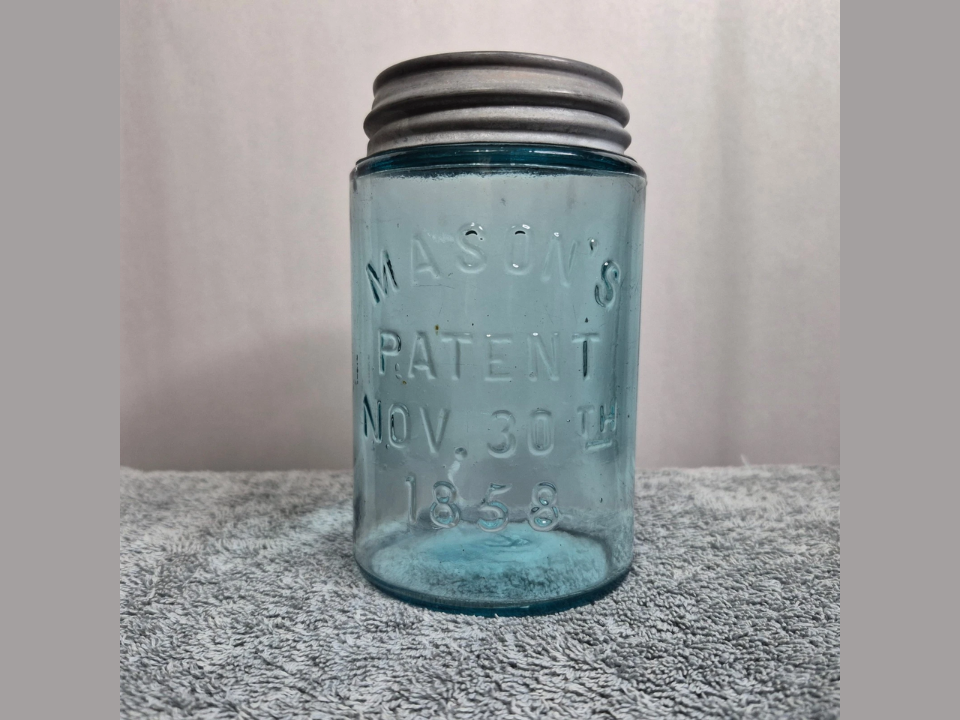
Vintage mason jars with zinc lids are familiar to many people, which makes them a friendly starting point for beginners who want antique style in their home decor. Older jars often come in a soft blue or aqua tint and may have raised lettering such as Ball, Kerr, or Atlas across the front. The zinc lids usually have a dull gray finish and sometimes include a separate milk glass insert inside, which is a nice detail collectors enjoy.
These jars can be used for storage of dry goods, as vases for flowers, or as candle holders, so they pull double duty as both practical and decorative pieces. Beginners should avoid jars with serious cracks, but light cloudiness inside can sometimes be cleaned with a gentle soak and scrub. Grouping several jars of different heights and colors on a windowsill or shelf gives a relaxed farmhouse look without feeling heavy or cluttered. Common blue mason jars with zinc lids usually sell for around $10 to $35 each, while rarer logos, colors, or very early examples can reach $50 or more.
Brass Candlesticks
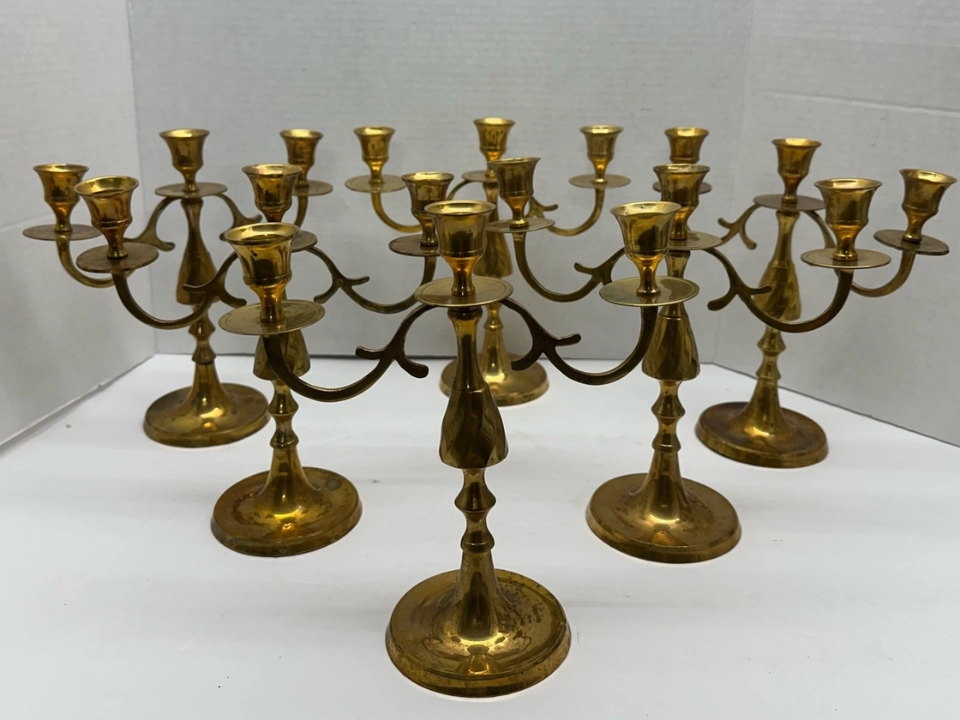
Brass candlesticks are a simple antique decor item that beginners can spot quickly because of their warm metallic shine and classic shapes. Most older candlesticks are made from solid brass rather than being brass plated, so they feel heavy for their size and show a consistent color where small scratches appear. You may find styles with wide round bases, slender stems, or ornate bobeches that catch wax drips, and many pairs were designed to sit symmetrically on a mantel or dining table.
Beginners can use tall tapers in neutral colors to test stability and make sure the holders sit flat without wobbling. Because brass mixes well with wood, glass, and ceramic pieces, a single pair of candlesticks can tie together items from different periods in one room. Vintage brass candlesticks in nice condition often sell in the range of about $25 to $80 for a pair, while very ornate or early examples can go higher.
Enamelware Pitchers
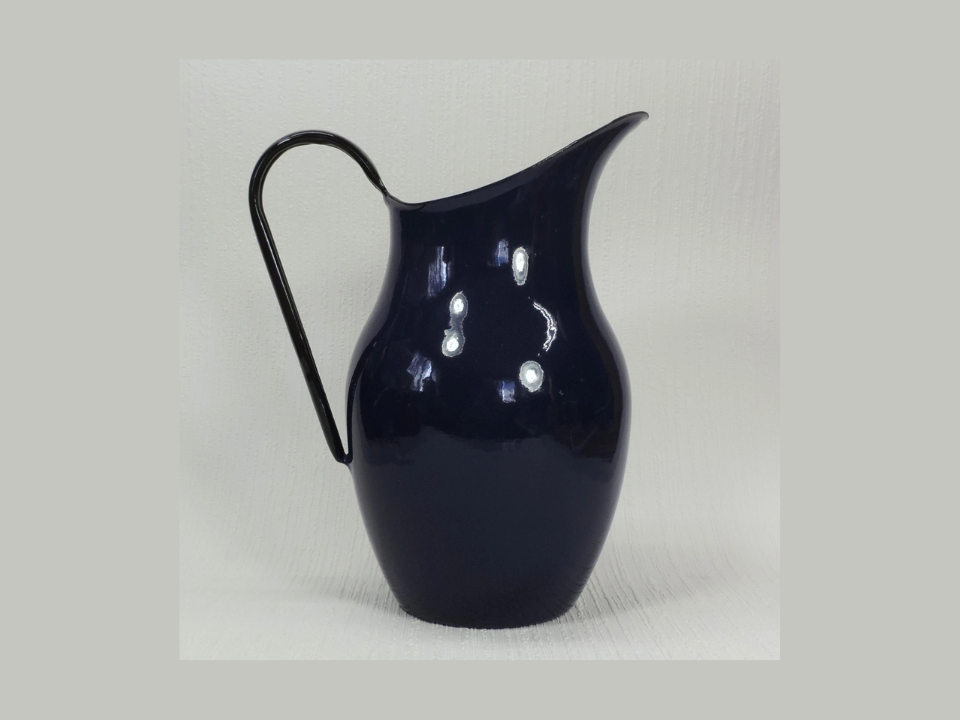
Enamelware pitchers give a kitchen or dining area a cozy, old fashioned feel and are fairly easy for beginners to recognize. These pieces are usually made of metal coated in enamel, with classic color combinations like white with a blue rim, solid blue, or speckled granite patterns. You can often see tiny chips where the enamel has flaked away, revealing dark metal underneath, which is a common sign of age rather than damage to worry about.
Some pitchers are marked on the bottom with names of European or American makers, while others are unmarked but still clearly vintage from their weight and wear. Beginners can use enamelware pitchers as flower vases, utensil holders, or simple decorative pieces on top of cabinets or cupboards. Because enamelware is both sturdy and light, it works well in homes with children or pets where more fragile ceramics might feel risky. Most vintage enamelware pitchers sell in the range of about $30 to $90, with rarer colors or very large sizes sometimes reaching $120 or more.
Framed Botanical Prints
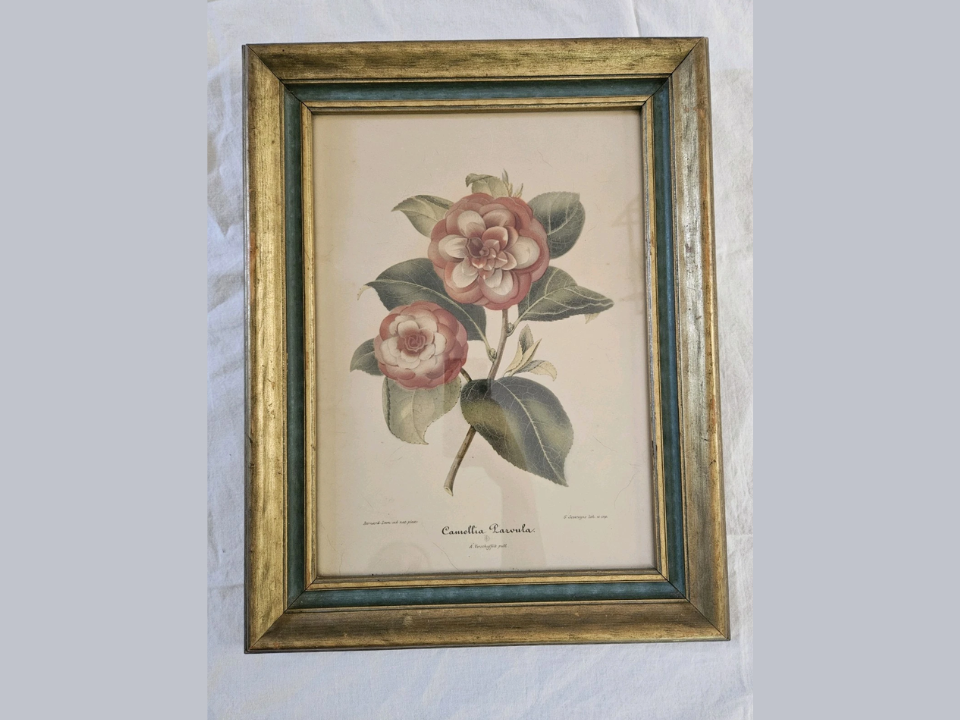
Framed botanical prints are an easy and attractive antique wall decor choice for beginners who like a softer, natural theme in their home. These prints usually show detailed illustrations of flowers, leaves, or herbs, along with small labels for the plant names, sometimes in Latin. Many original prints come from old books or educational charts, and they may be hand colored or printed in muted tones that look gentle behind glass. Frames can range from simple wood to gilded gesso, and slight wear on corners or edges adds charm rather than feeling like serious damage.
Beginners can often find sets of matching or coordinating prints that look beautiful grouped above a sofa, bed, or console table. Even reprints made in the mid twentieth century can look very pleasing and still count as vintage decor worth displaying. Individual vintage botanical prints in attractive frames usually sell for about $25 to $75 each, while sets of four or more can bring $120 to $200, depending on age and quality.
Wooden Dough Bowls
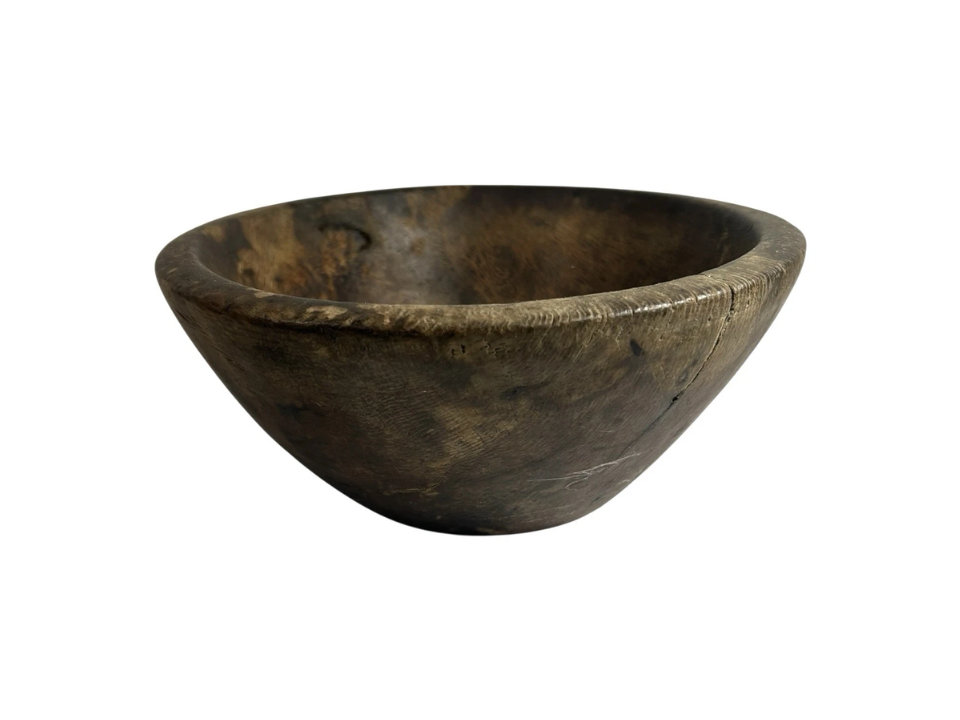
Wooden dough bowls bring warmth and texture to a room, and they are popular among beginners because their shape and wear patterns are easy to recognize. These bowls were once used in kitchens to mix and knead bread dough, so they often have long oval or rectangular shapes carved from a single block of wood. You will usually see tool marks, gentle curves, and uneven edges that remind you of handwork, along with darkened spots from years of use.
The wood may be pine, maple, or another soft species, and the surface can range from smooth and polished to dry and rustic, depending on how it was stored and cleaned. Beginners can use dough bowls as centerpieces filled with seasonal items, as catchalls on entry tables, or as stand-alone objects on shelves. Because they are large, they make a strong statement even without many other antiques in the same space. Most vintage wooden dough bowls sell in the range of about $60 to $180, with very large or especially old examples reaching $250 or more.
Pressed Glass Oil Lamps
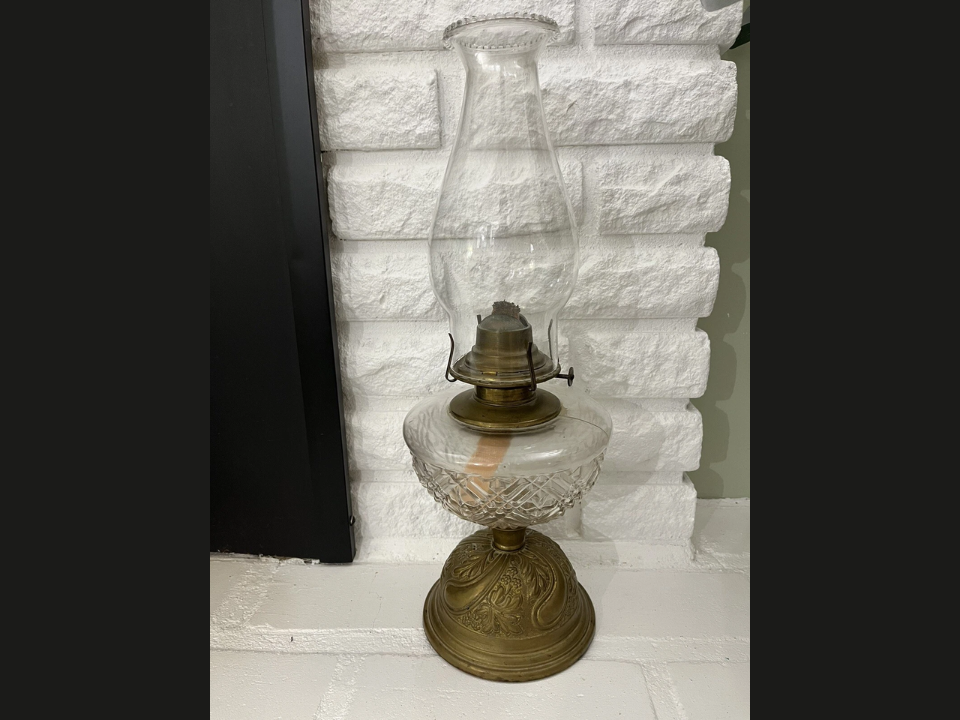
Pressed glass oil lamps are charming and practical antiques that beginners can identify by their clear fuel reservoir and simple chimney design. The base is usually made of clear or colored glass that has been pressed into a mold, creating patterns like rays, swirls, or small geometric blocks. Brass or metal burners screw into the top of the reservoir, holding a wick and supporting the glass chimney that protects the flame.
Some collectors still use these lamps during power outages, while others convert them to electric use with adapter kits, though purists sometimes prefer to keep them original. Beginners should check for cracks in the glass and make sure the chimney fits securely, since replacements can add extra cost. Typical vintage pressed glass oil lamps in good shape usually sell for about $30 to $90, with rarer patterns or colored glass examples sometimes reaching $120 or more.
Ironstone Pitchers and Jugs
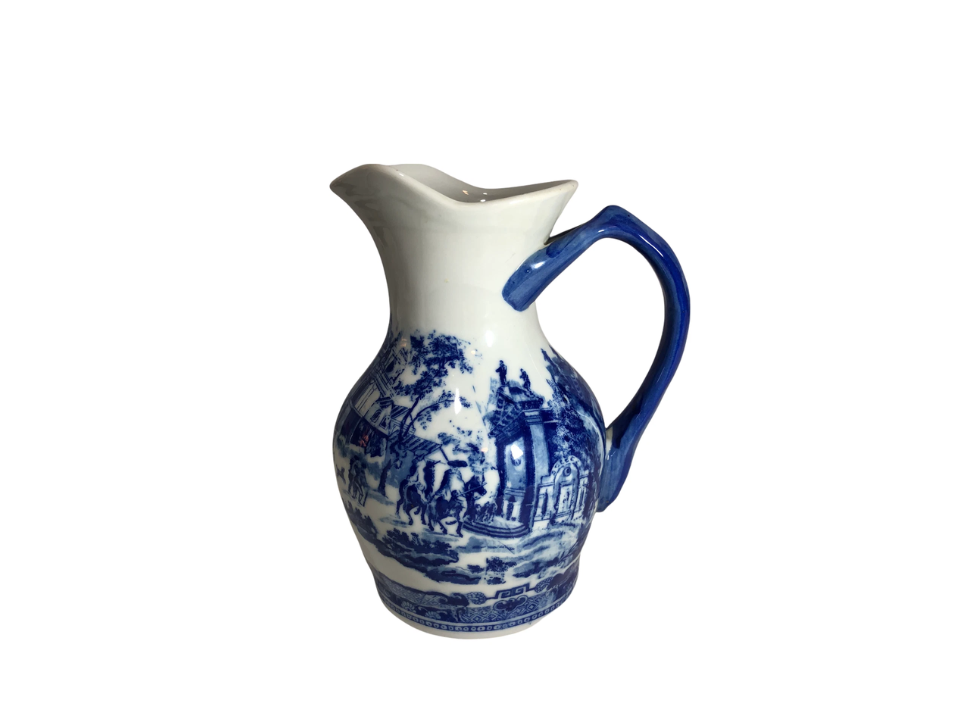
Ironstone pitchers and jugs are sturdy white pottery pieces that beginners can spot easily because of their solid feel and simple, rounded shapes. Made mostly in England and the United States during the nineteenth and early twentieth centuries, these pieces often have a slightly creamy tint and thick handles that feel comfortable in the hand. Many are marked on the bottom with words like Ironstone China, along with maker names such as Johnson Brothers or Mason, which helps confirm authenticity.
The surfaces may show crazing, which looks like fine spiderweb lines in the glaze, and small stains that have settled into those lines over time. Beginners can use ironstone pitchers as vases for flowers, as water pitchers on a buffet, or as decorative pieces in open kitchen shelving. These pitchers blend well with both modern and vintage dishes, so you can start with a single favorite and add more as you find them. Most common ironstone pitchers sell for about $40 to $120, while larger or especially early pieces can bring $150 or more.
Vintage Wall Mirrors with Decorative Frames
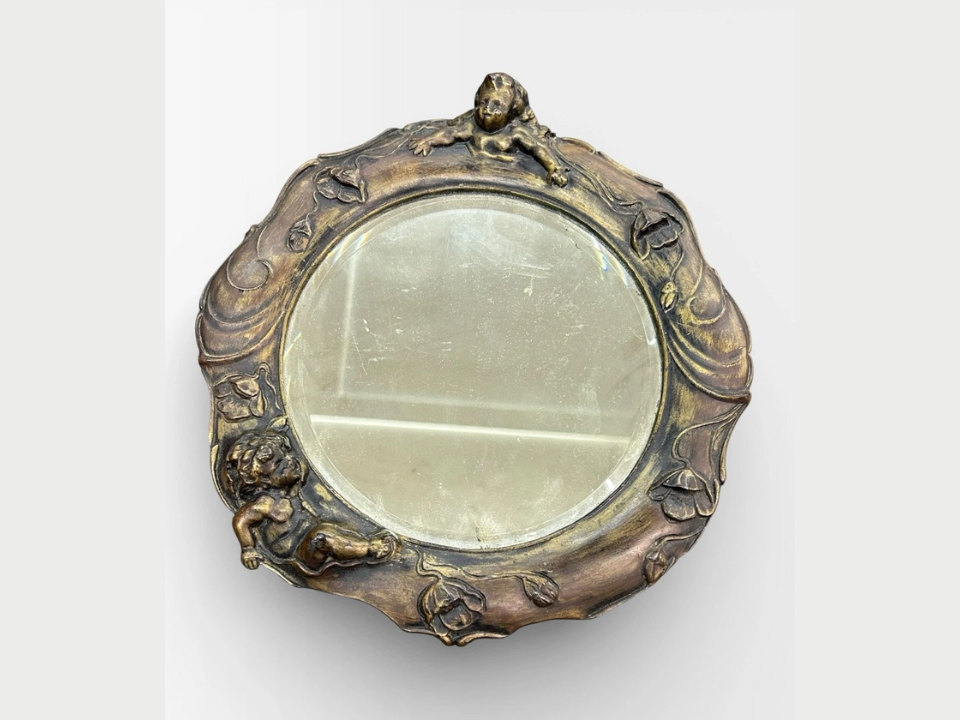
Vintage wall mirrors with decorative frames are easy for beginners to recognize and they quickly become a favorite type of antique decor. Many older mirrors have wood or plaster frames with carved flourishes, scrolls, or floral shapes that feel very different from simple modern frames. The glass itself may show light cloudiness or small dark spots along the edges, which often signal age and give the reflection a softer look.
Beginners can learn a lot by gently checking the weight of the frame, since solid wood and older glass usually feel heavier than newer pieces. These mirrors look great above mantels, consoles, or dressers, where they can reflect light and make a room feel more open. Smaller mirrors can be grouped on a gallery wall for a relaxed, collected look without requiring perfect matches. Most vintage framed mirrors sell in the range of about $60 to $200, while especially large or highly decorative examples can reach $250 or more.
Hand Knotted Wool Area Rugs
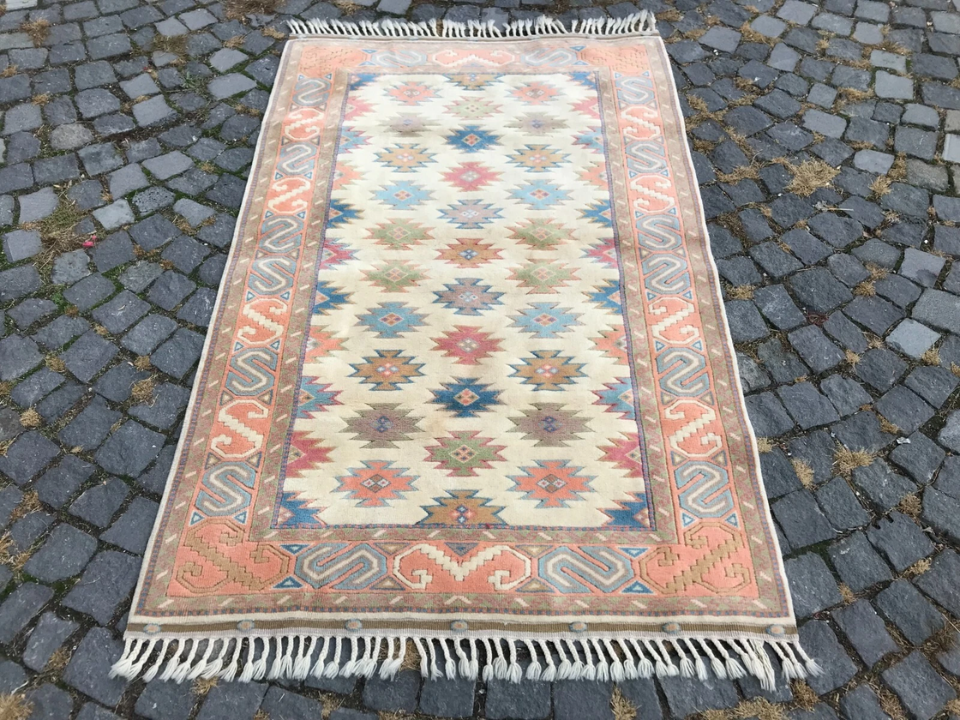
Hand knotted wool area rugs are another antique decor item that beginners can identify with a bit of practice, thanks to their rich patterns and textures. When you flip a rug over, you can usually see the knots on the back, which shows that each section of the design was made by hand rather than by machine. Older rugs often use warm, muted colors such as deep red, navy, cream, and soft gold that have mellowed over time, rather than very bright synthetic shades.
Beginners can start with smaller runners or accent rugs that are easier to afford and move around as they try different placements. These rugs look beautiful layered over plain modern carpets, under coffee tables, or in hallways where their patterns draw the eye. Many hand knotted wool area rugs in moderate sizes sell for around $150 to $600, with larger or finer examples reaching $800 or more.
Porcelain Figurines
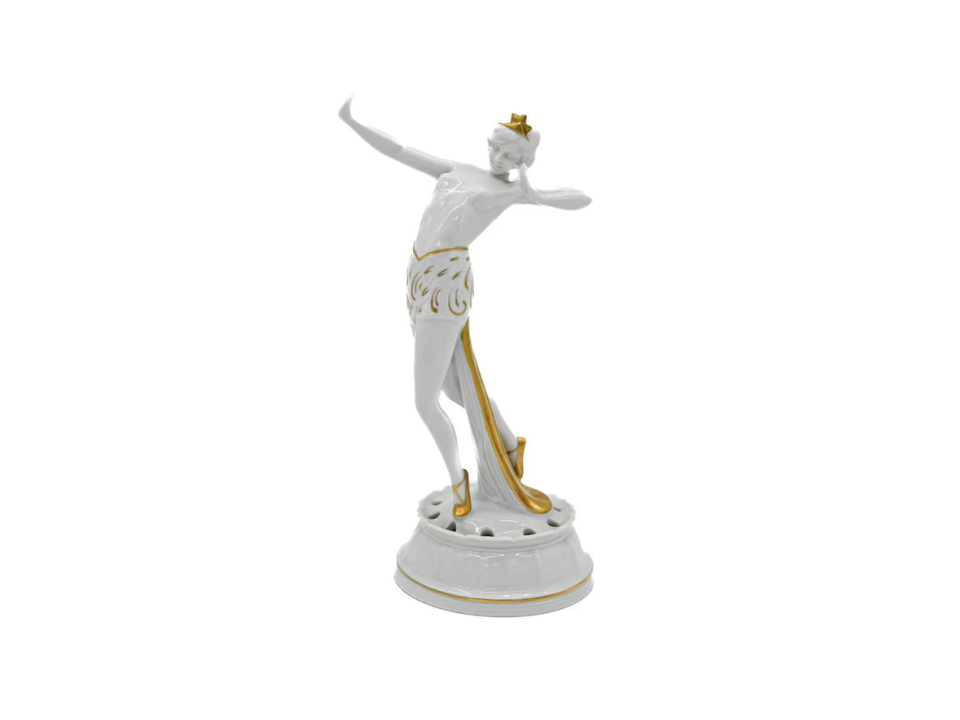
Porcelain figurines are a familiar sight in antique shops and are fairly easy for beginners to recognize on shelves and in cabinets. These small sculptures often show people, animals, or everyday scenes, with delicate features and soft colors that stand out from plastic or resin decor. When you pick one up, you will usually feel a smooth, cool surface and a bit of weight for its size, which comes from the fired porcelain body.
Many figurines have marks on the underside, such as maker logos, numbers, or country names, and these marks can help you learn which companies produced them. Beginners should check for chips on fingers, noses, and edges of clothing, since these small details are easy to damage over time. Even pieces with tiny flaws can still look lovely in a display if the damage is not obvious from a normal viewing distance. Common vintage figurines often sell for about $20 to $70 each, while pieces from famous makers or more detailed examples can reach $100 or more.
Cast Iron Doorstops
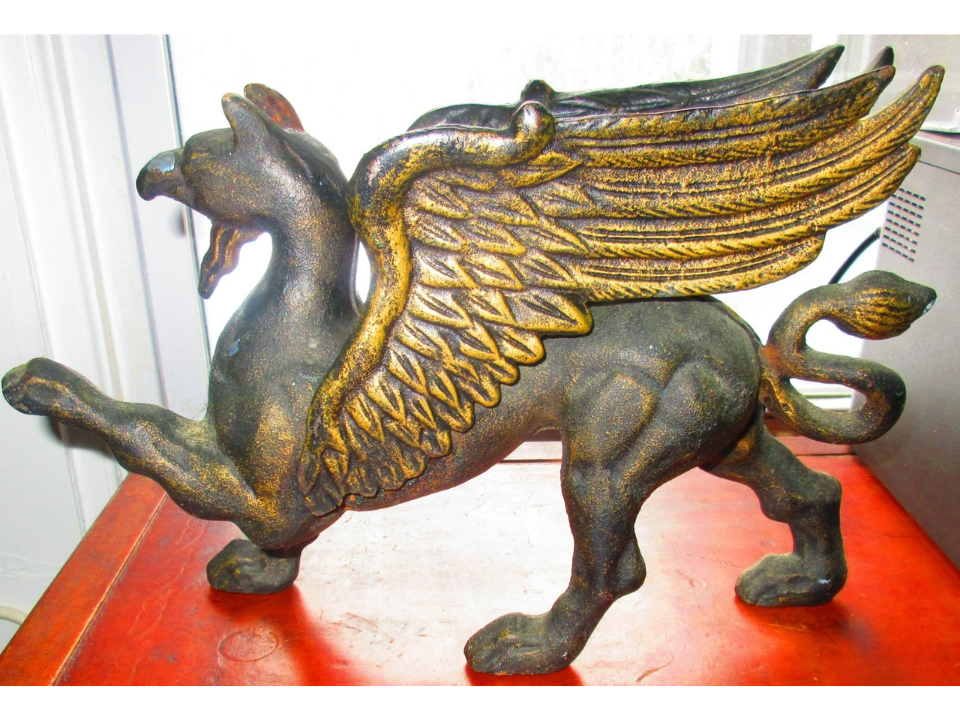
Cast iron doorstops are charming and practical, and they stand out clearly to beginners who are learning to identify antique decor. These heavy pieces often take the shape of animals, baskets of flowers, houses, or simple geometric forms that are easy to recognize from across a room. The paint on older doorstops usually shows wear on raised areas, with soft fading or small chips that reveal the dark metal underneath.
Some doorstops have cast marks or numbers on the back or base, while others are unmarked yet obviously old from their surface wear and style. Beginners can use them in entryways, by porch doors, or even as bookends on shelves, which makes them very flexible decor pieces. The mix of function and decoration means they fit well in both casual and more formal rooms. Many vintage cast iron doorstops sell in the range of about $40 to $150, with rarer designs or famous maker pieces reaching $200 or more.
Silver Plated Serving Trays
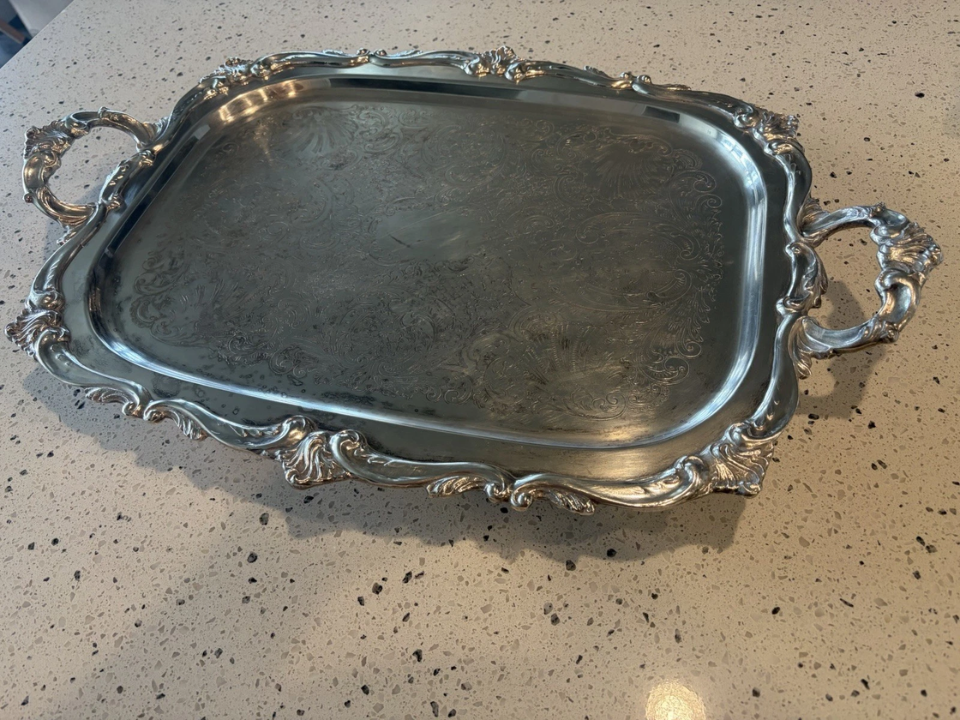
Silver plated serving trays add a touch of shine to a room and they are very approachable for beginners learning to recognize antique metalware. These trays often feature raised rims, decorative handles, and engraved designs in the center that catch the light nicely when polished. Over time, the plating may wear in spots, especially along edges and high points, revealing a slightly different metal color underneath.
On the underside, you will often find hallmarks, maker names, or plating stamps that give clues about age and quality. Beginners can use these trays on coffee tables to hold candles and books, on dressers to gather perfume bottles, or in kitchens as striking serving pieces for guests. Tarnish can be polished away if you like a bright look, or left in place for a softer, more aged feel, so you can match the tray to your preferred style. Many vintage silver-plated serving trays sell in the range of about $30 to $120, with large or heavily decorated examples reaching $150 or more.
Stoneware Crocks
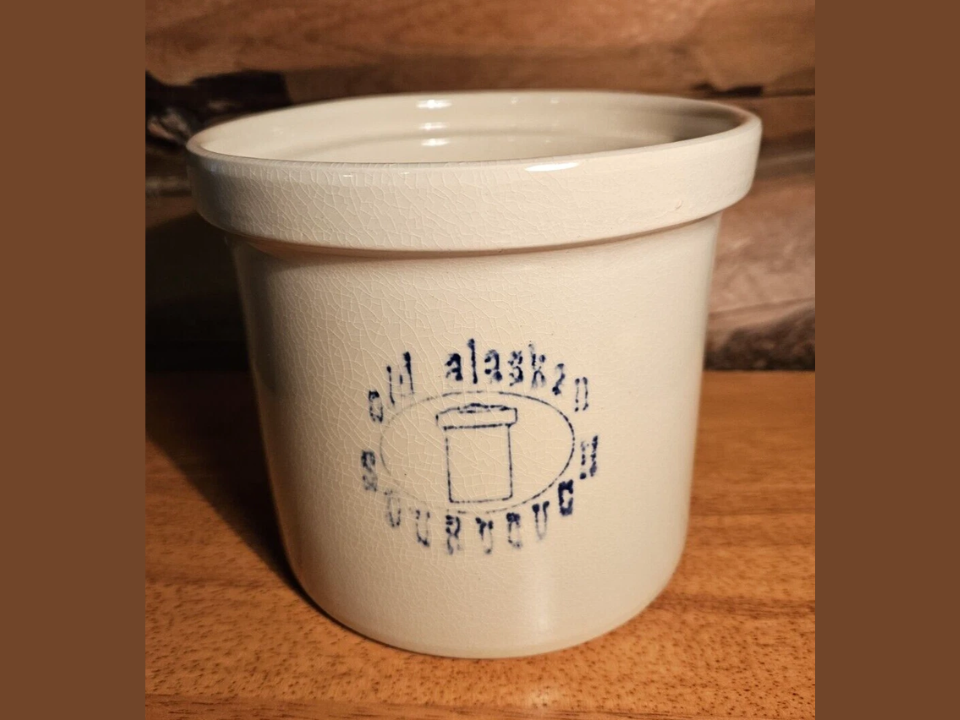
Stoneware crocks are sturdy ceramic containers that beginners can spot easily due to their thick walls and simple shapes. These jars and pots were once used for food storage and pickling, so they often have straight or slightly curved sides, with neutral glazes in shades of gray, brown, or tan. Many crocks feature blue painted numbers or simple decorations on the front that indicate capacity or maker identity.
The weight of a crock is usually quite noticeable when you pick it up, and the base often shows unglazed clay with signs of wear from years of use on shelves and floors. In home decor, crocks work well as planters for indoor plants, kitchen utensil holders, or umbrella stands by the front door. A group of crocks in different sizes can create a relaxed, rustic look in a corner or under a console table. Most vintage stoneware crocks sell for around $40 to $180, with larger, marked, or more decorative examples reaching $250 or more.
Wall Clocks with Pendulums
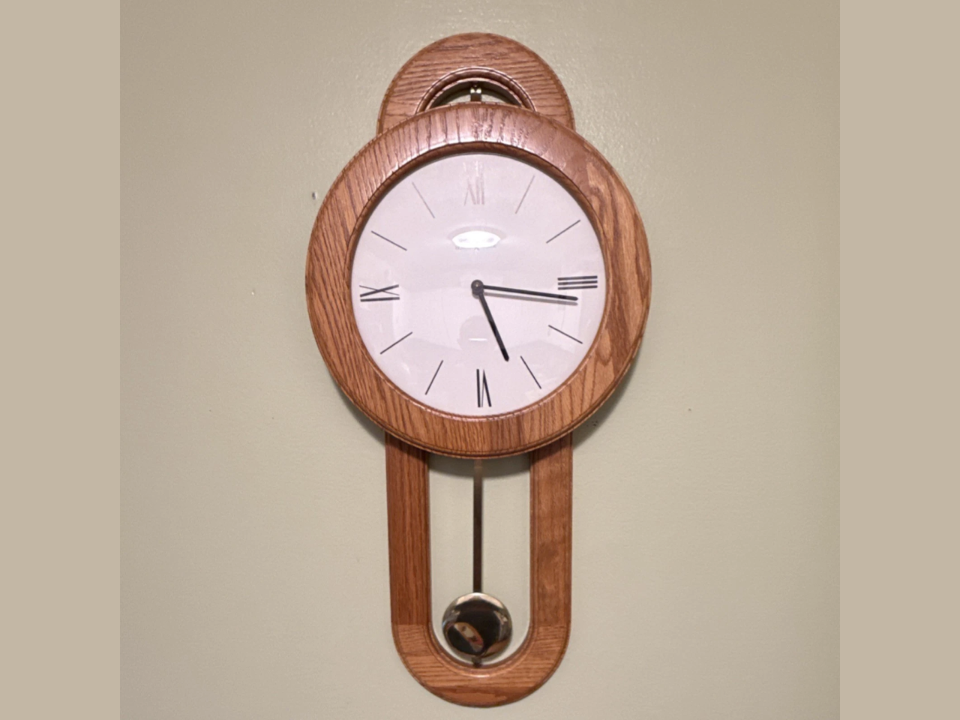
Wall clocks with pendulums are charming antique pieces that beginners can learn to identify quickly, thanks to their swinging movement and often decorative cases. These clocks typically feature wooden boxes with glass doors that reveal the pendulum and sometimes the weights inside. The clock faces show numerals in bold print or Roman style, with hands that may show a bit of tarnish or light rust from age.
Beginners can hang these clocks in kitchens, hallways, or living rooms where the gentle tick and movement create a cozy, lived in feel. Some clocks still run with a bit of care and winding, while others function better as static decor pieces if the mechanisms are worn. Either way, they make a strong visual focal point on a wall, especially when paired with framed art or family photos. Most vintage wall clocks with pendulums sell in the range of about $70 to $220, with clocks from well-known makers or more decorative cases reaching $300 or more.
Stained Glass Window Panels
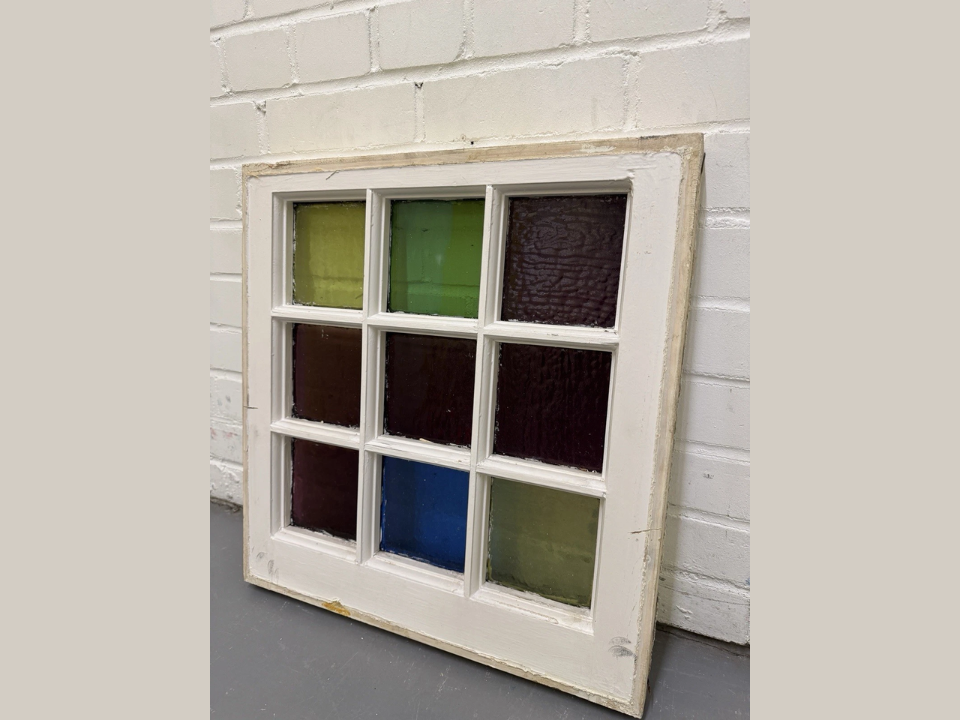
Stained glass window panels bring color and light into a room, and they are very recognizable even for beginners who are new to antique decor. These panels contain sections of colored glass held together by metal channels, forming patterns such as flowers, geometric designs, or simple borders. When sunlight shines through, the glass throws tinted light into the room, which makes these pieces feel special even in simple spaces. Older panels may show waves or bubbles in the glass, along with small cracks or lead lines that have darkened slightly with age.
Many panels come framed in wood or metal, and they can be hung in modern windows, placed in front of plain glass, or mounted on stands as art pieces. Beginners can start with smaller panels that are easier to hang and move as they decide where the colors look best. Even panels that came from old doors or transom windows can find new life as wall hangings in living rooms, bedrooms, or stairwells. Most vintage stained glass window panels sell in the range of about $80 to $300, with larger or more detailed designs reaching $400 or more.
This article originally appeared on Avocadu.