
10 Antique Holiday Decor Pieces Collectors Display Every Year
There is something special about the holiday decorations that come out of storage year after year. Old glass ornaments, chipped figurines, and faded garlands carry memories of family gatherings, childhood excitement, and winter nights by the tree. Collectors love how these pieces show their age in the best way, with worn paint, mellowed colors, and small imperfections that hint at long use. Many spend time browsing flea markets, antique shops, and online listings, hoping to find that one piece that feels like it belongs in their holiday scene. Each item has its own story, whether it once sat in a shop window or hung on a tree in a small living room decades ago.
This post may contain affiliate links, which helps keep this content free. Please read our disclosure for more info.
Shiny Brite Glass Ornaments
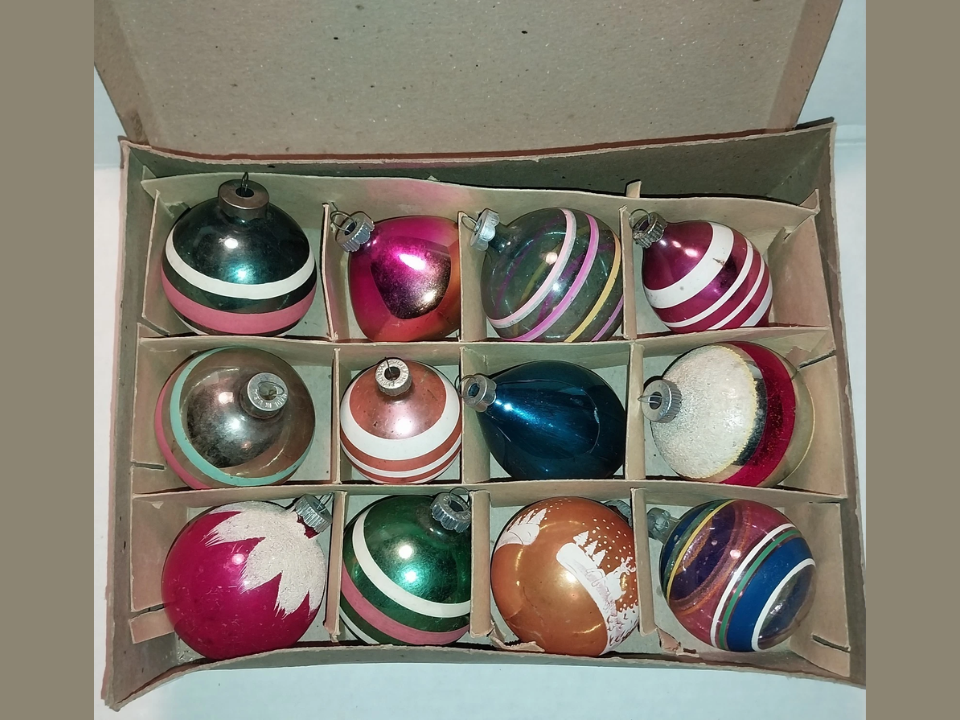
Shiny Brite glass ornaments bring that classic midcentury sparkle that many collectors wait all year to unpack. This American brand became popular in the 1940s and 1950s when families wanted affordable decorations that still looked special. Most pieces are made from thin glass with stenciled designs, stripes, or glitter that catch the tree lights nicely.
Sets that still have their metal caps, hangers, and dividers feel extra nostalgic because they tell a complete story of one household collection. Because Shiny Brite ornaments were used hard and break easily, untouched examples are harder to track down now. A clean boxed set of twelve ornaments in strong condition can sell for around $75 today.
Vintage Ceramic Lighted Christmas Tree
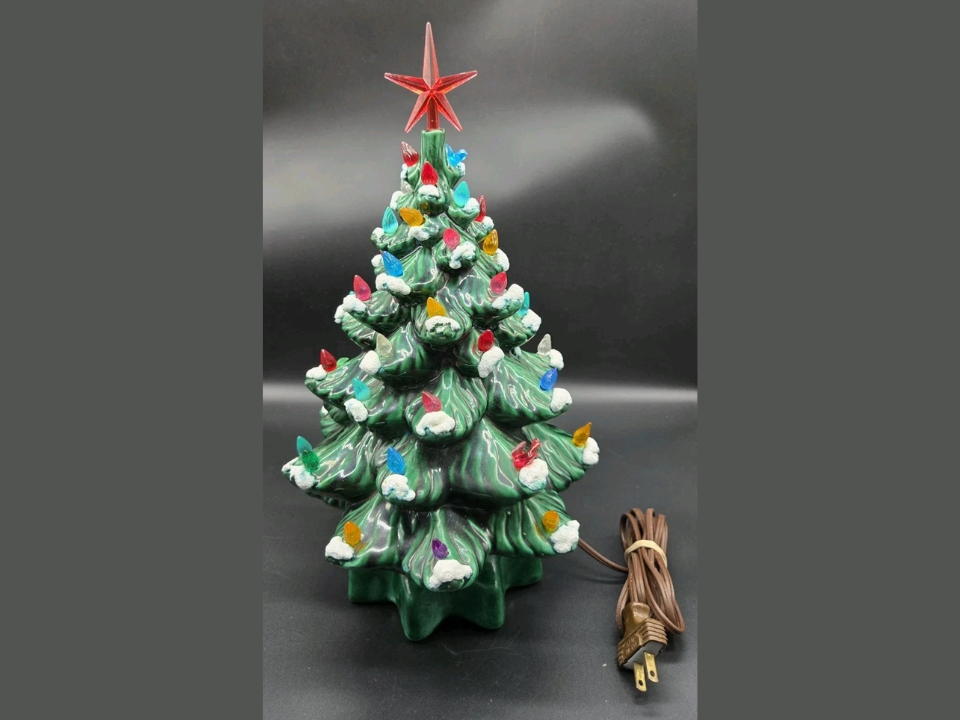
The classic ceramic lighted Christmas tree from the 1960s and 1970s is something many families still plug in as soon as November rolls around. These trees usually have a glossy green glaze, molded branches, and tiny plastic bulbs that glow when a single bulb inside the base lights up. Some versions have snow tipped branches or unusual colors like white or pastel green, which stand out on a mantel or sideboard.
Collectors look for original plastic bulbs, intact stars on top, and working cords, since replacements change the feel a little. Pieces signed by hobby shop artists or dated on the bottom add an extra personal story that buyers enjoy. Large trees, around eighteen to twenty two inches tall, bring stronger prices because they have more presence in a room. A well cared for vintage ceramic tree of that size can reach around $150 today, especially during the holiday season when demand is strongest.
German Goose Feather Christmas Tree
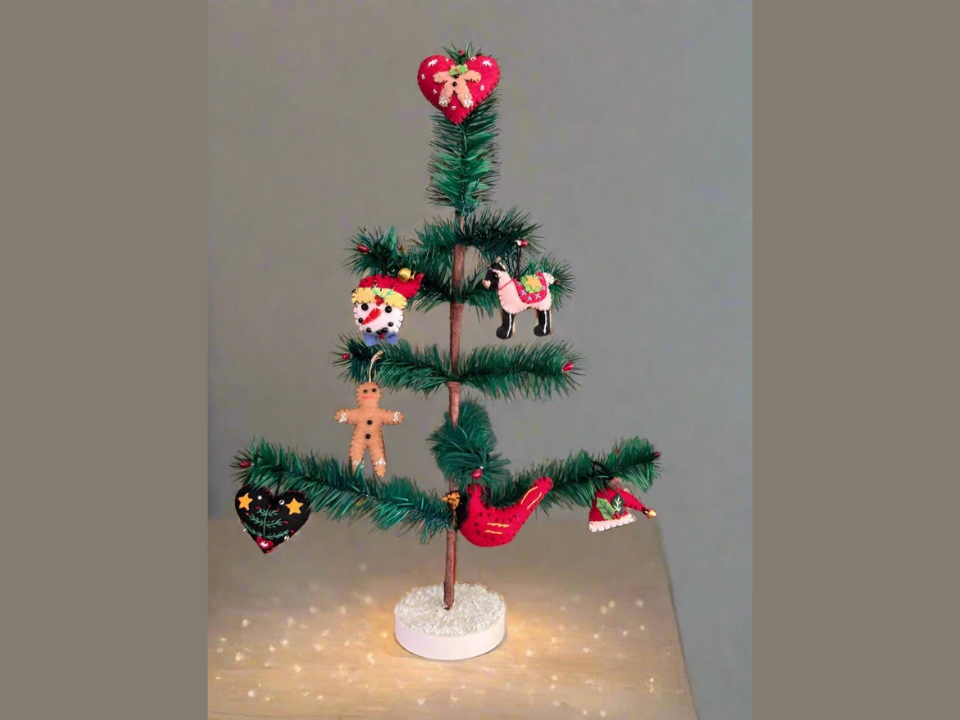
German goose feather Christmas trees are one of the earliest reusable trees, and collectors still love how delicate and unusual they look. These trees first appeared in the late nineteenth and early twentieth century, with real feathers wrapped around wire branches to mimic evergreen boughs. The branches are spaced widely, which makes them perfect for showing off small glass ornaments and candles or clip on birds.
Many have red wooden bases and simple candle holders at the tip of each branch, details that feel very old world. Condition matters a lot because feathers can dry out, break, or discolor after many decades. Trees with original paint on the stand and little wooden fence pieces around the base are especially appealing. A good quality one meter German goose feather tree can reach around $650 in today’s market, and especially nice examples can climb higher than that.
Vintage Santa Blow Mold Yard Figure
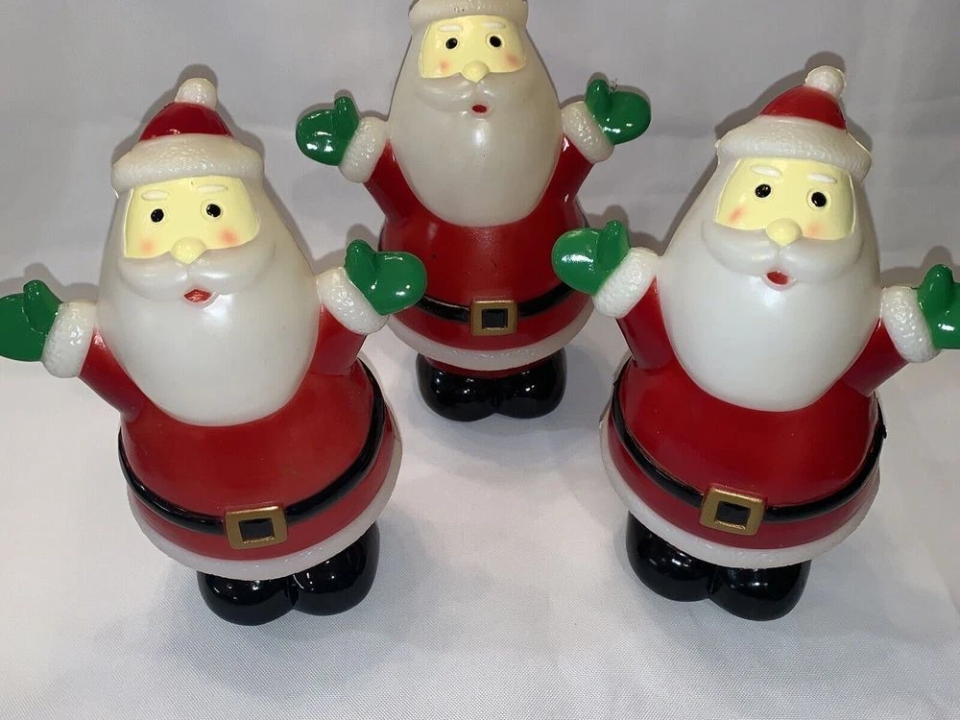
Vintage Santa blow mold figures show up on lawns and porches every December, and collectors often keep a favorite one ready to go. These pieces are made from hollow plastic that lights from within, throwing a warm glow across the yard. Companies like Empire and General Foam produced them from the 1950s through the late twentieth century, often with slightly different poses and face styles.
Collectors like strong paint, clear facial details, and original cords, since faded paint and rewired bases lower the value a bit. Larger Santas that stand three feet tall or more make the biggest statement and can anchor an entire outdoor display. Matching pieces such as reindeer, sleighs, and snowmen build a little village feeling that many families return to year after year. A classic mid sized Santa blow mold in nice condition can sell for about $125 today.
Mercury Glass Bead Garlands
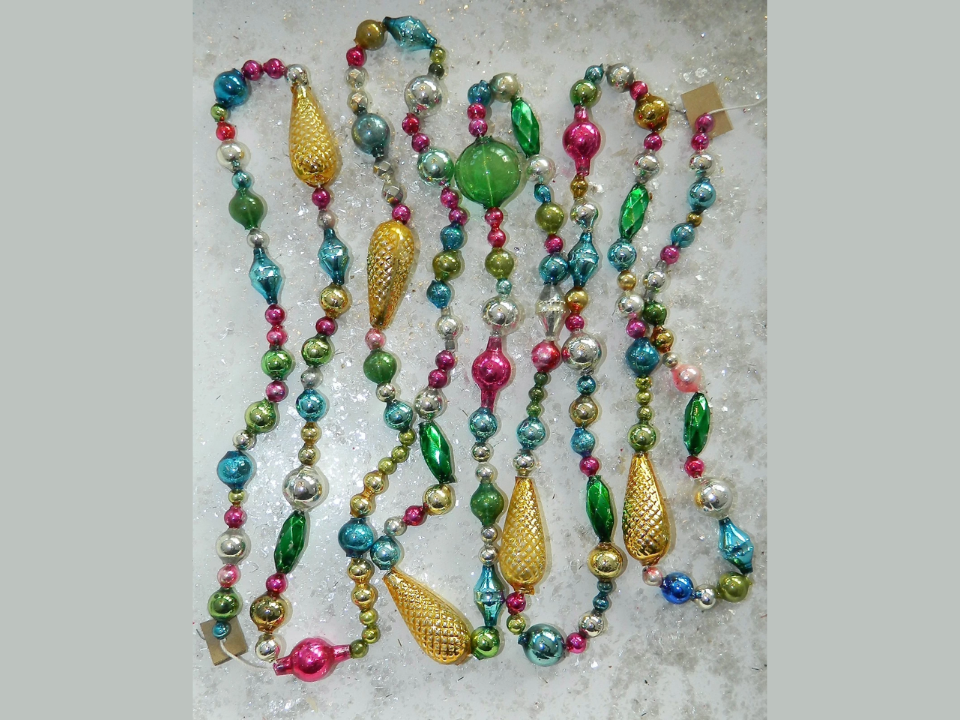
Mercury glass bead garlands drape across trees and mantels with an old-world shimmer that is hard to match with newer tinsel. These strands were popular from the late nineteenth century into the early twentieth century, especially from German makers. The beads can be tiny and uniform or shaped like bells, lanterns, or small fruits threaded along a cotton string. Collectors check for missing or broken beads and for strings that are still strong enough to hang safely.
Color plays a big role in value, with rare combinations such as pinks, teals, and unusual metallic finishes drawing more attention. Displaying them loosely coiled in a glass bowl or wrapped gently around a feather tree keeps them safe while still visible. A long, nearly complete strand of antique mercury glass beads can reach around $190, with especially creative shapes sometimes bringing more.
Vintage Glass Icicle Ornaments

Vintage glass icicle ornaments look simply, but they add a lot of elegance to an old-fashioned tree. These pieces are often hand blown, then twisted into spirals that catch light from every angle. Clear versions glitter softly in front of colored lights, while opaque or tinted examples give subtle color without feeling too loud. Collectors appreciate sets that still match in length and style, since mixed modern replacements change the look.
Because the glass is so thin, many original sets have chipped tips or have lost a few pieces through the decades. Careful storage in tissue and sturdy boxes helps keep surviving sets in good shape, so those examples always bring more attention from buyers. A complete set of vintage glass icicles in strong condition can sell for around $80.
German Papier Mâché Candy Container Santa
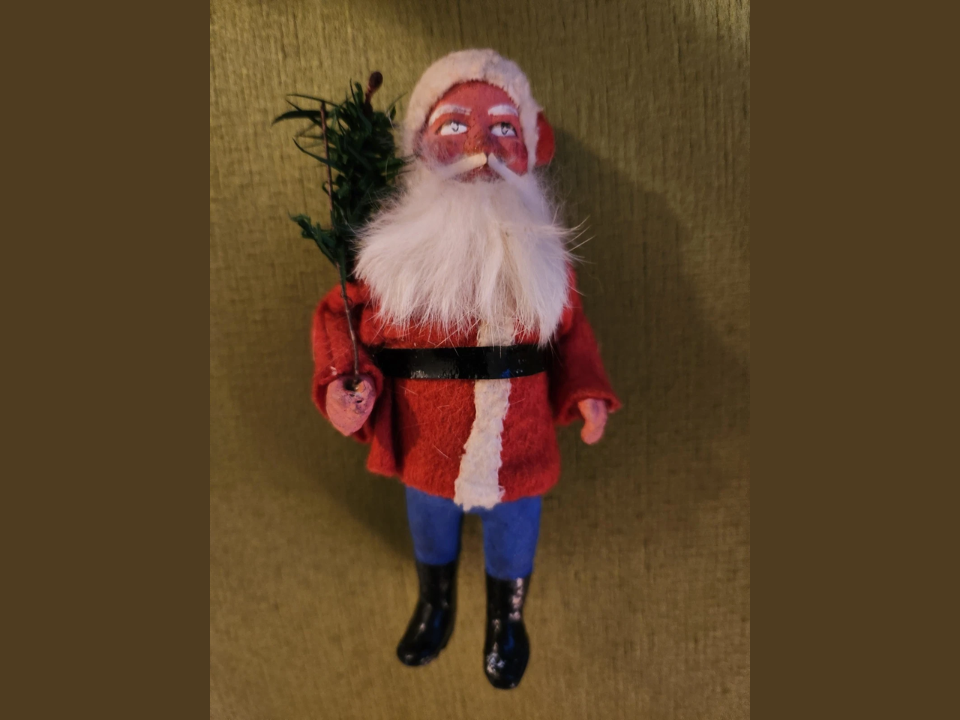
German papier mâché candy container Santas serve as both decor and treat boxes, which makes them charming display pieces today. These figures usually separate at the waist or under the coat so that the bottom half can hold small sweets. Many date from the early twentieth century and feature hand painted faces, cotton beards, and small feather or twig accessories.
Collectors study the details such as eye color, trim on the coat, and whether Santa carries a tree, bag, or toys. Over time, these lightweight figures can sag, fade, or lose little bits of paint, so sturdy examples feel special. People often display them on shelves or within glass cabinets so that the colors and textures stay safe while still visible. A well-preserved German candy container Santa can bring around $200 in today’s market.
Chalkware Nativity Set

Chalkware nativity sets, often displayed under the tree or on a side table, have a soft, hand painted look that feels very homey. Produced through the early and mid twentieth century, these figures were cast from plaster like material and then painted in simple colors. The sets usually include Mary, Joseph, the baby, angels, animals, and the three kings, which allows families to build a complete scene.
Because chalkware chips easily, it is common to see worn edges and paint loss, so collectors appreciate sets with gentle wear rather than heavy damage. Some figures were sold through dime stores, while others came from religious gift shops, so markings under the base can reveal interesting history. People who collect them often like to keep them in the same family for years, adding only occasional replacement animals or angels if one breaks. A mostly complete vintage chalkware nativity with original paint can reach around $250.
Midcentury Aluminum Christmas Tree
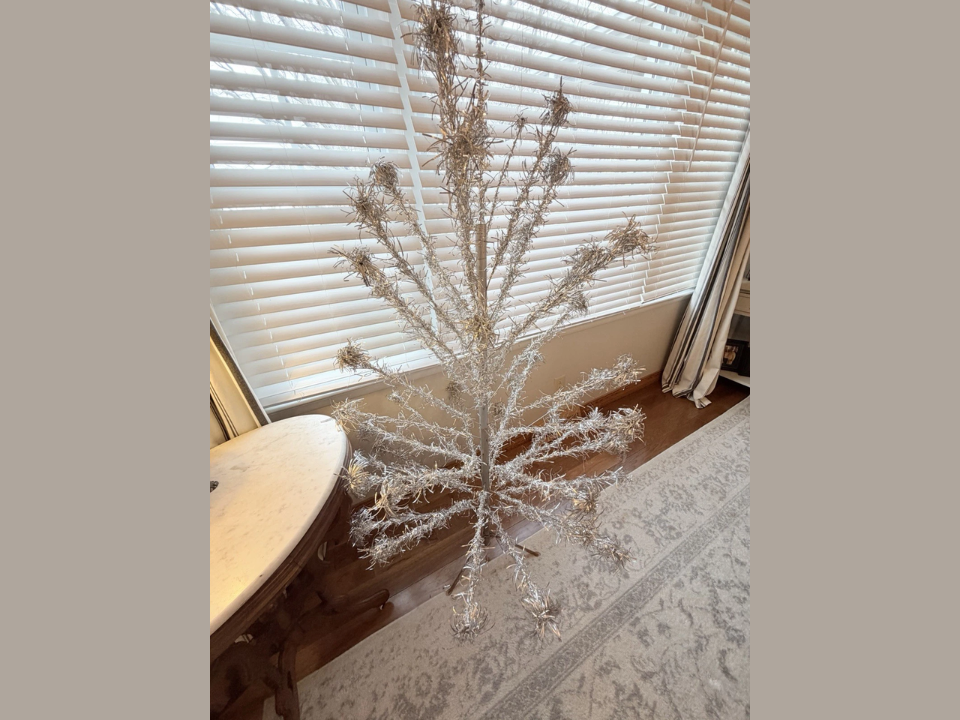
Midcentury aluminum Christmas trees are still a centerpiece in many vintage themed homes during the holidays. These trees became popular in the 1950s and 1960s, with shimmering metal branches that reflect color wheel lights placed on the floor. Because they are metallic, collectors do not hang electric lights directly on them, and instead focus on colorful ornaments and that spinning color wheel.
Brands such as Evergleam and Star Band created different sizes and branch counts, so collectors often look for original boxes and instruction sheets along with the tree. Complete sets with all branches, sleeves, stand, and working color wheel carry the most value. Displayed in a corner or front window, an aluminum tree turns into a nostalgic conversation piece that feels straight out of a vintage postcard. A six foot aluminum Christmas tree in strong condition with its stand often sells around $500 today.
Antique Kugel Glass Ornaments
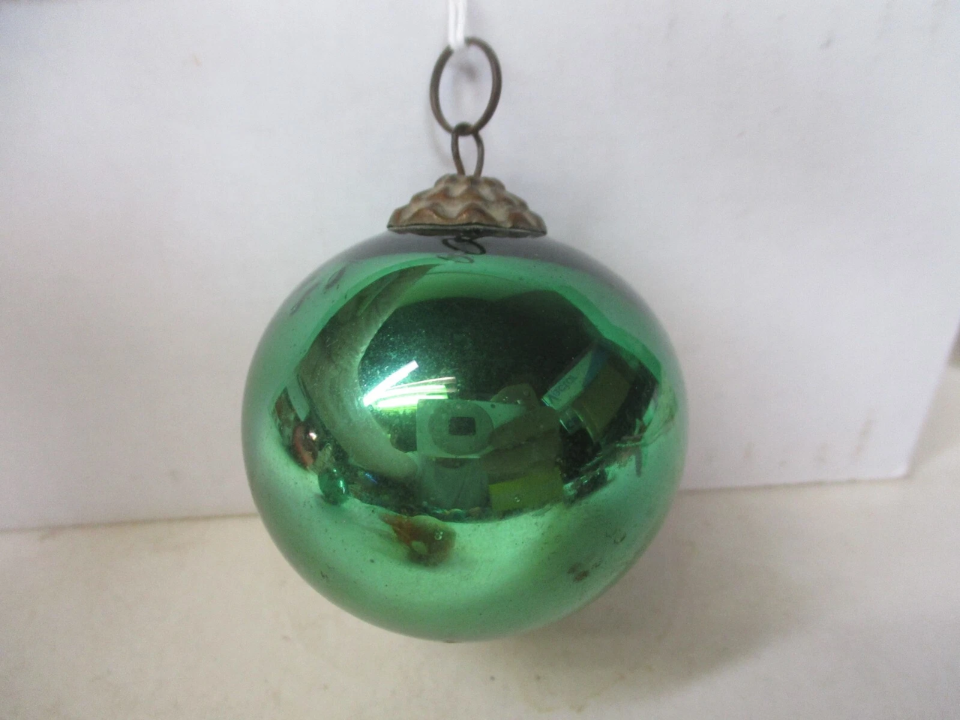
Kugel glass ornaments are heavy, richly colored spheres or shapes that date back to the nineteenth century. They were often made in Germany and are known for thick glass and rich metallic finishes such as cobalt blue, deep red, and gold. Unlike lighter tree ornaments, Kugels were sometimes hung in windows or from ceiling hooks where their weight felt safer. Collectors look for original brass caps, crisp shapes such as grapes or pears, and strong color without heavy spotting.
Reproductions exist, so experienced buyers pay attention to weight, glass quality, and cap construction. These ornaments look impressive grouped together in a bowl or hung in a cluster, and many people keep them on display long past December. A large antique Kugel ornament in a desirable color can bring around $400, and sets of matching pieces can reach higher figures.
This article originally appeared on Avocadu.