
13 Antique Glass Vases and Bowls That Are Popular With Collectors
When it comes to antique glass, vases and bowls often top the list of coveted items. The history behind these pieces adds an extra layer of charm, making them all the more desirable to collectors. Their elegance, combined with artistic detail, speaks to those who appreciate both beauty and craftsmanship. If you’re a collector or simply an admirer, these glass pieces hold a unique appeal worth exploring.
This post may contain affiliate links, which helps keep this content free. Please read our disclosure for more info.
Tiffany Favrile Glass Vase
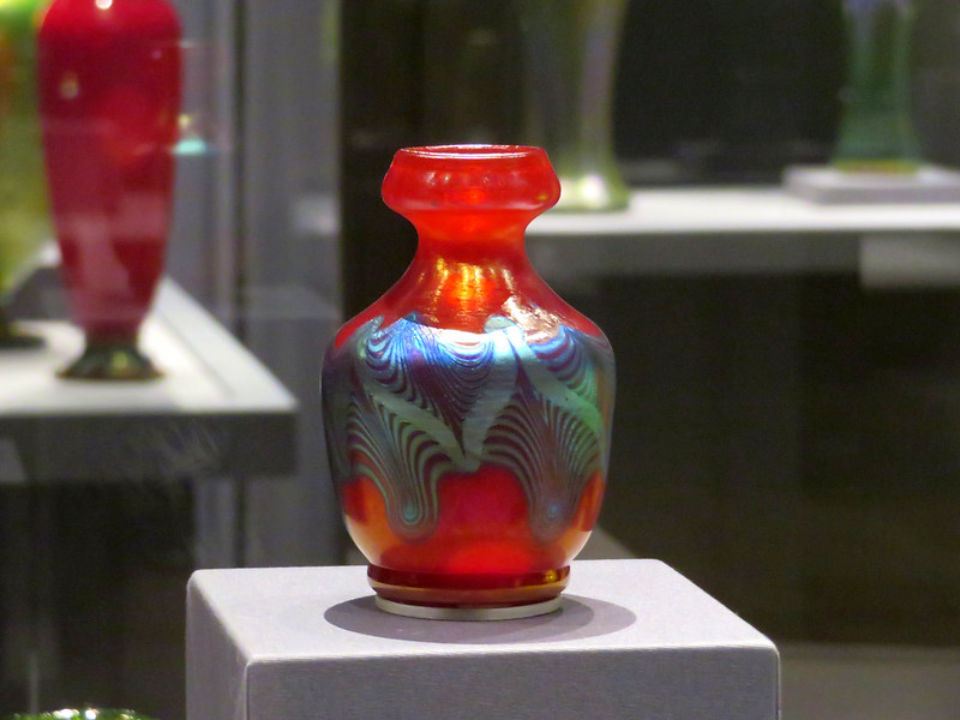
Produced by Tiffany Studios between 1900 and 1920, the Favrile glass vase is highly prized for its iridescent surface, which is a result of Tiffany’s unique glassmaking techniques. The vase’s surface reflects a range of colors, shifting with light and creating an otherworldly glow. Collectors are drawn to this piece because it exemplifies the Art Nouveau movement and Tiffany’s dedication to craftsmanship. The current market value for a well-preserved Favrile vase can range from $10,000 to $50,000, with rare or large pieces commanding even higher prices.
Each vase is hand-blown and often signed by Tiffany, which significantly increases its value. The quality of the iridescence and the rarity of the color and form also play a significant role in determining its price. Even pieces with minor surface imperfections can fetch substantial amounts, thanks to the vase’s historical importance. These vases are considered one of the finest examples of American art glass, making them highly desirable to collectors.
Steuben Aurene Bowl
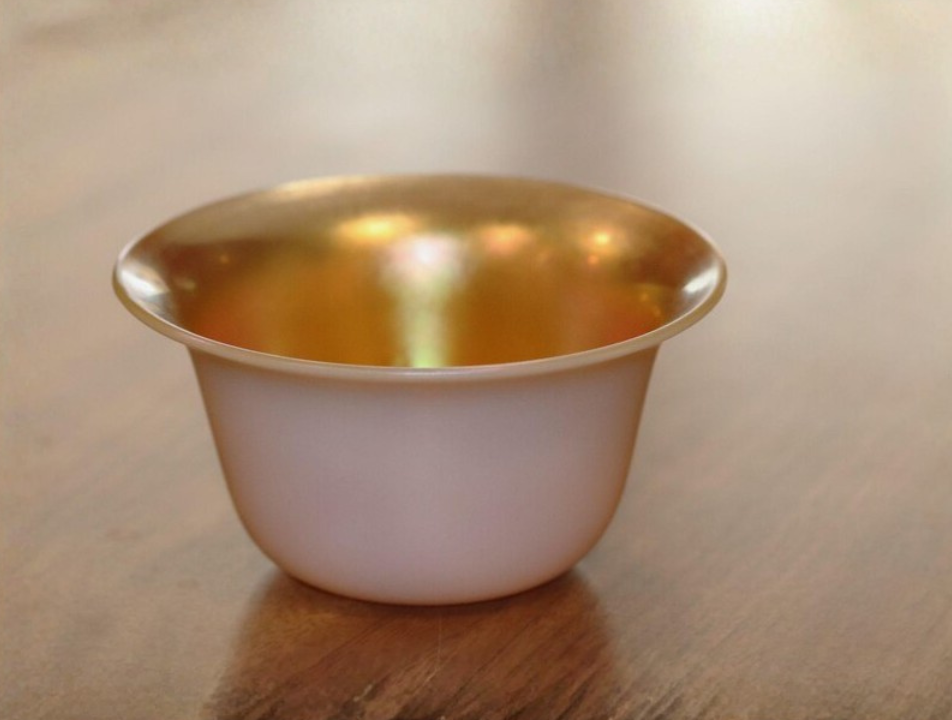
Steuben’s Aurene bowl, crafted between 1910 and 1930, is renowned for its luminous, golden surface that creates an ethereal glow, thanks to the company’s signature iridescent glass technique. The bowl’s shimmering appearance, often resembling the surface of water, makes it a standout piece for any collection. Steuben’s careful craftsmanship and use of rare materials contribute to the bowl’s high demand among antique glass collectors. Depending on the condition and size, an Aurene bowl can sell for anywhere between $8,000 and $30,000, with larger or particularly vibrant examples fetching even more.
The bowl’s subtle but radiant colors are a key feature that draws collectors to it, as it combines form with function in a visually captivating way. Many collectors focus on the clarity of the iridescence and the quality of the glass, which should have minimal wear. The presence of the Steuben signature is a critical factor in verifying authenticity and securing its value. These bowls are often featured in auctions and collections due to their timeless appeal and craftsmanship.
Loetz Papillon Vase
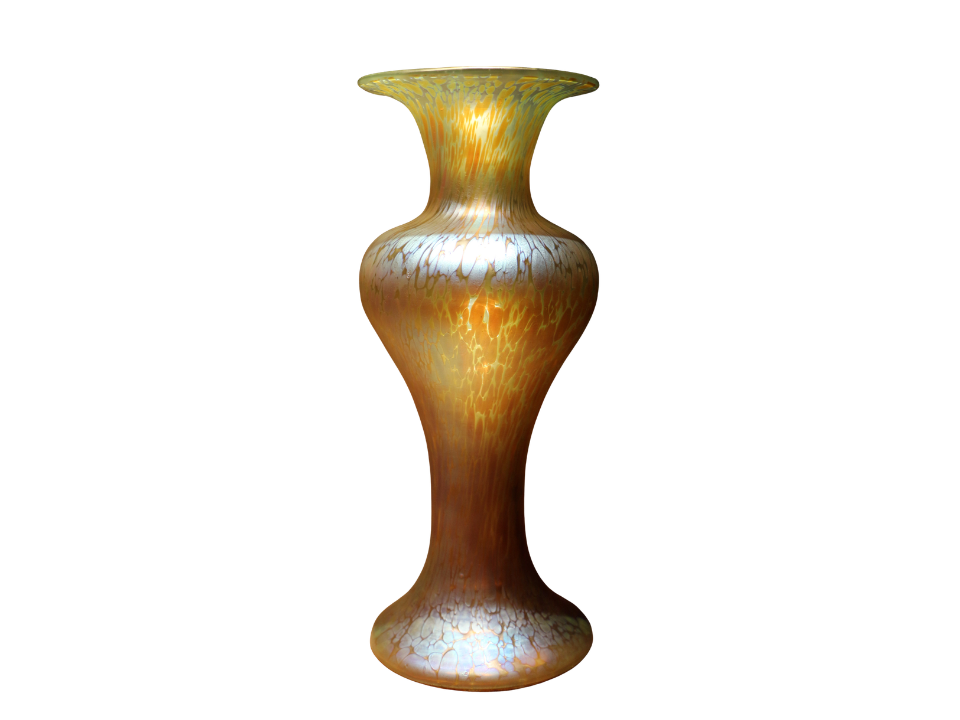
Dating back to 1905, the Loetz Papillon vase is an exceptional example of Bohemian glass artistry, featuring intricate patterns, giving the vase a natural, organic appearance. Known for its combination of vibrant color and finely detailed surface work, this vase captures the essence of the Art Nouveau period. Collectors are particularly fond of the way light interacts with the vase’s surface, enhancing its depth and complexity. The market price for a well-preserved Loetz Papillon vase can range from $5,000 to $20,000, depending on the condition and the intricacy of the design.
The vase’s distinctive iridescent surface is created through a special glassmaking process, and its delicate yet striking design makes it a highly desirable piece. The brand’s use of fine glass and innovative design techniques set the Loetz Papillon vase apart from other glassware of the era. Condition, including the clarity of the colors and the presence of any chips or cracks, heavily influences its value. As a result, these vases continue to be sought after by collectors who appreciate their beauty and historical significance.
Mouth Blown Victorian Glass Bowl
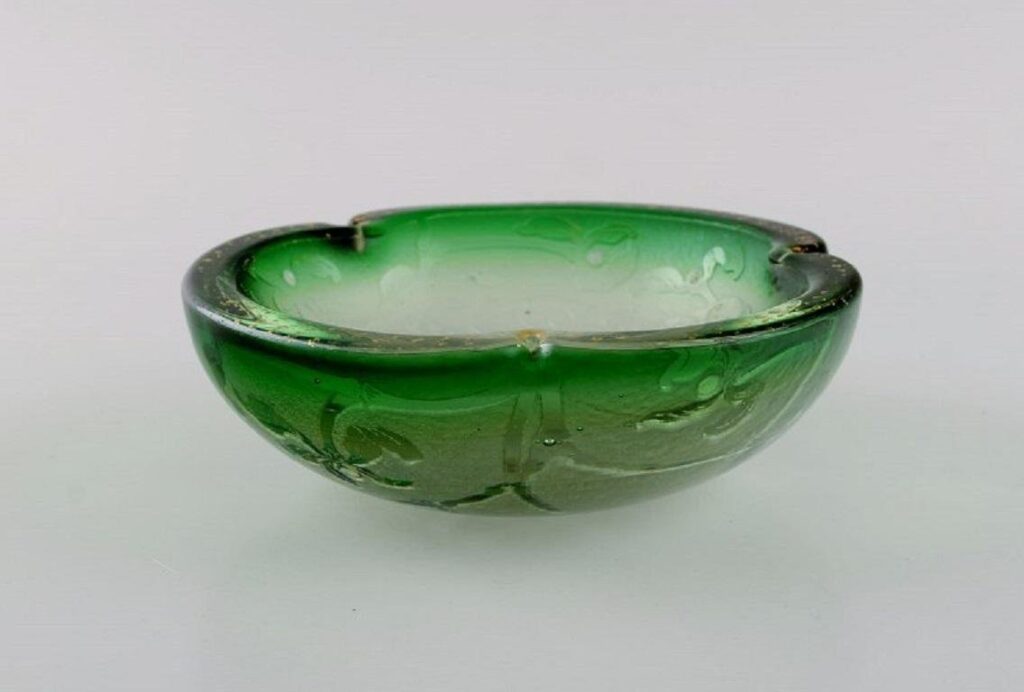
Victorian glass bowls, particularly those produced in the late 1800s, are highly valued for their mouth-blown craftsmanship and intricate designs that reflect the period’s appreciation for detailed artistry. These bowls often feature soft, natural colors such as pinks, blues, and greens, which were characteristic of the Victorian aesthetic. The market for these pieces ranges from $1,000 to $7,000, depending on the bowl’s size, design, and condition. Collectors admire the hand-blown nature of the glass, which makes each piece uniquely different.
A key characteristic of these bowls is their subtle curvature and often delicate floral or geometric patterns etched into the glass. The combination of function and beauty, along with the historical context they represent, contributes to their ongoing popularity. Over time, many Victorian glass bowls have aged gracefully, with only minor signs of wear, which is typical of pieces that were enjoyed in their original era.
Barovier Toso Vase
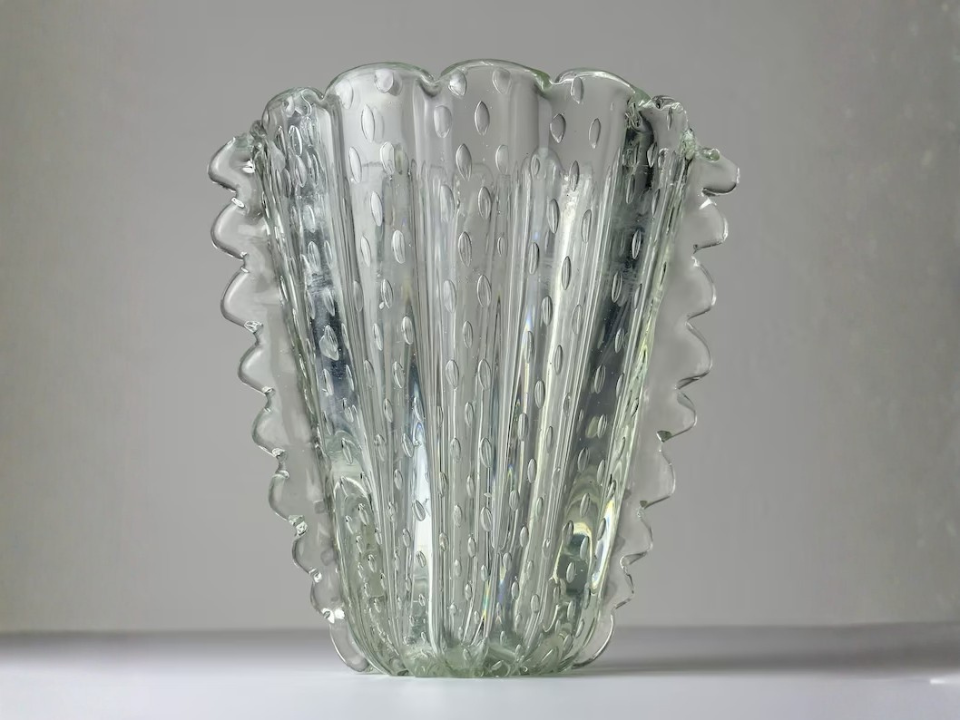
Made on the island of Murano, Italy, between the 1920s and 1940s, Barovier Toso vases are celebrated for their skillfully created glass with vibrant colors and unique, fluid forms. Known for their characteristic twisted canes and complex patterns, these vases represent some of the finest work in Venetian glassmaking. Collectors often seek out Barovier Toso vases for their craftsmanship, with market values ranging from $4,000 to $15,000 depending on the vase’s size and design.
Barovier Toso’s ability to mix artistic glass techniques with functional forms makes these vases highly coveted by collectors. The use of gold and silver leaf in the glass gives these vases a subtle sparkle that catches the light beautifully. Minor imperfections and small surface wear are expected, given their age, but generally do not affect the value. As one of Murano’s most respected glassmakers, Barovier Toso vases remain highly prized in both art glass collections and private homes.
Clichy Overlay Vase
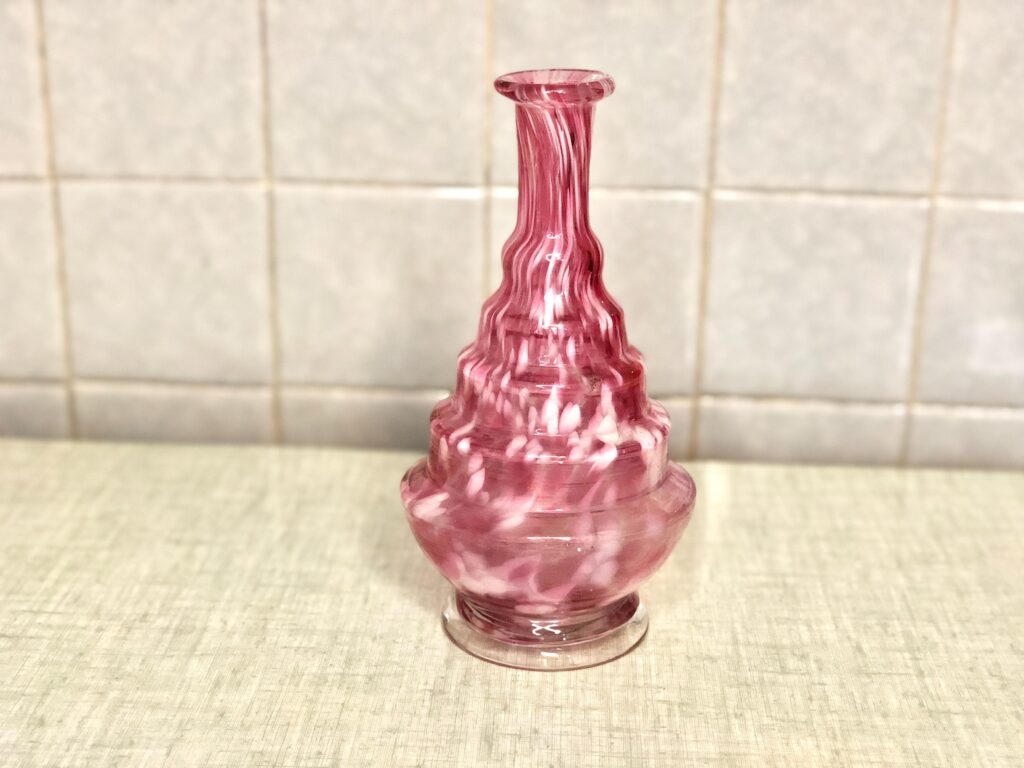
Produced in France during the mid-1800s, the Clichy Overlay Vase is a stunning example of fine French craftsmanship, with its intricate multi-layered glasswork and vibrant colors. The overlay technique, where one layer of glass is fused over another, gives this vase its striking appearance. Collectors of antique glass vases often seek these pieces because of the rarity of the technique and the beauty of the finished product. Depending on its condition, a Clichy Overlay Vase can be valued anywhere from $3,000 to $12,000.
The intricate layering and the fine quality of the glasswork make the Clichy Overlay Vase highly sought after by both collectors and museums. The smoothness of the transition between layers, along with the richness of the colors, contributes to its exceptional value. Any visible imperfections or wear from age may reduce its price but do not diminish the vase’s overall appeal.
Baccarat Crystal Bowl
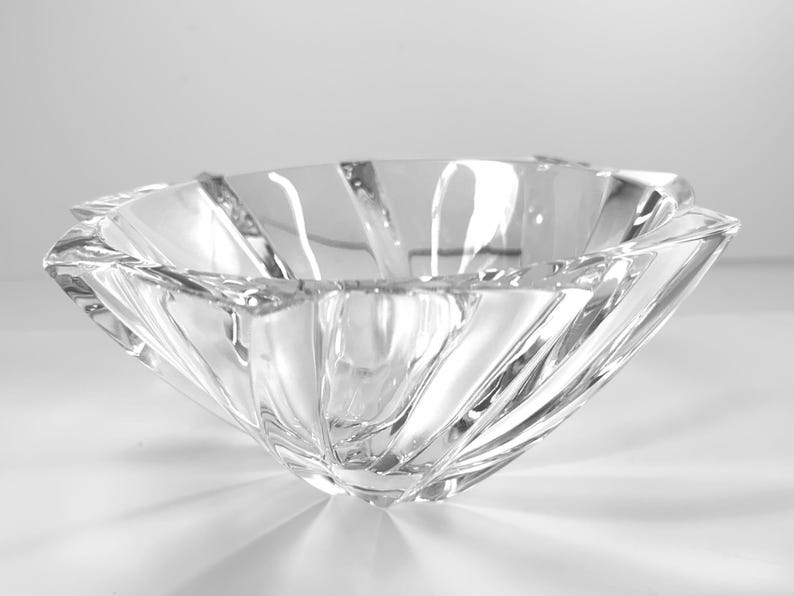
Baccarat crystal bowls, known for their exceptional clarity and craftsmanship, have been produced in France since the 19th century, with some of the finest examples dating back to the late 1800s. These bowls are celebrated for their deep cuts and polished finish, making them a staple of elegant table settings. Depending on the size and condition, Baccarat crystal bowls can be valued from $2,000 to $12,000, with particularly rare designs fetching even higher prices. Baccarat’s long-standing reputation as a premium crystal maker enhances the appeal of these bowls.
Collectors are drawn to Baccarat crystal for its superior quality, with each piece cut to perfection and often signed by the maker. The clarity of the crystal and the fine detail in the cutting are key factors in determining a bowl’s value. Wear is typically minimal on Baccarat pieces, but the presence of chips or scratches can significantly lower the price. These bowls are ideal for collectors who appreciate the timeless elegance of fine French crystal.
Webb Cameo Glass Vase
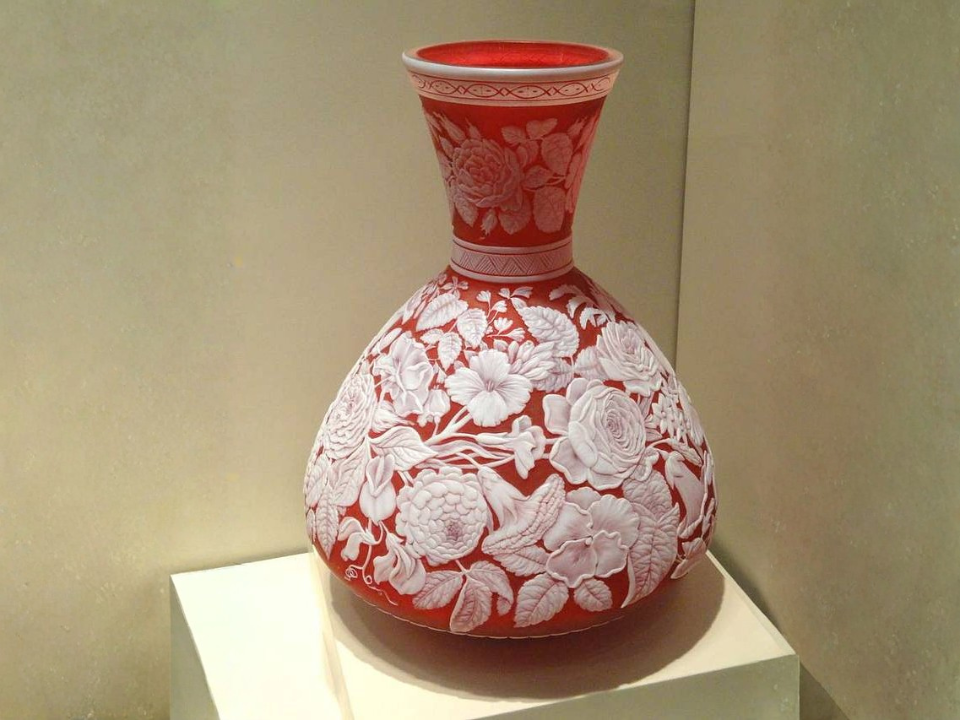
The Webb Cameo Glass Vase, made in England in the late 1800s, features exquisite carved glass scenes that give the impression of figures floating on the surface of the vase. These vases are highly sought after for their delicate yet bold designs, with scenes often depicting nature or mythical motifs. Depending on the condition, these vases can range in price from $5,000 to $20,000. Their rarity and beauty make them standout pieces in any antique glass collection.
Collectors appreciate the fine cameo technique used to carve intricate patterns into the surface of the glass, which requires both skill and artistry. The contrast between the layers of colored glass adds to the visual appeal of these vases. Small imperfections can occur with age, but this typically does not detract from the value of the piece if it remains intact.
Viking Glass Nuclear Bowl
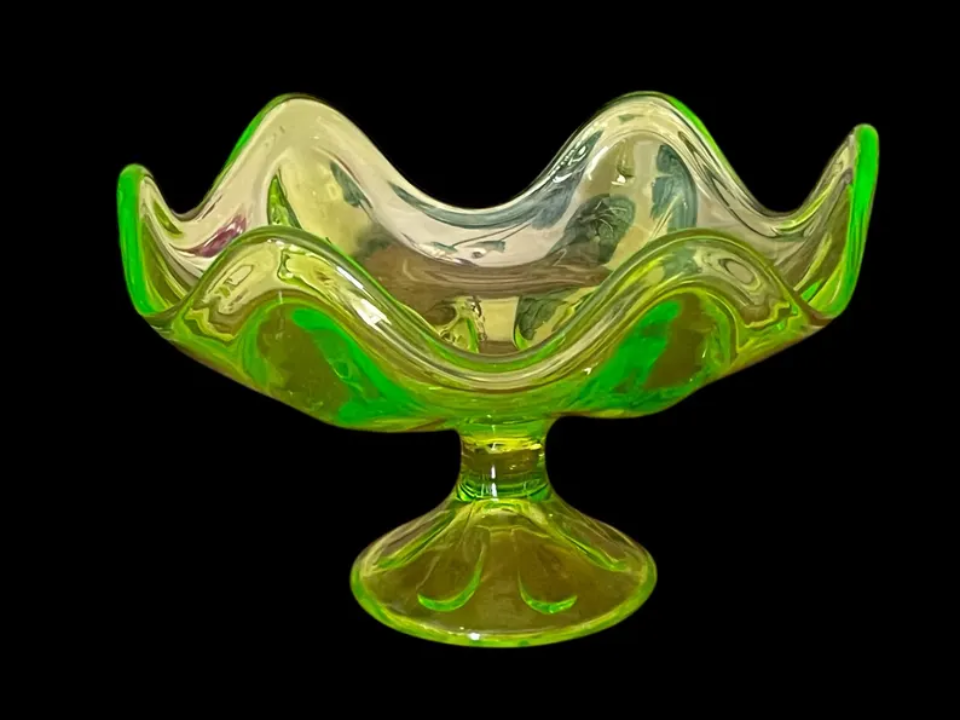
Produced in the United States during the 1930s, the Viking Glass Nuclear Bowl is notable for its vibrant color, often in shades of green, amber, or cobalt. The bowl’s bold, modernist design and heavyweight make it a favorite among collectors of American art glass. Depending on size and condition, these bowls can fetch between $1,000 and $6,000. The striking colors and substantial presence of the bowl make it a statement piece in any collection.
Collectors are particularly interested in the way the colors in the glass seem to glow under light, creating a dramatic effect. The thick, heavy glass also reflects the quality and durability of Viking’s craftsmanship. Even bowls with minor imperfections can remain valuable, as they are still relatively rare. The bowl’s connection to the mid-century modern aesthetic further enhances its appeal to collectors.
Victorian Bristol Glass Vase
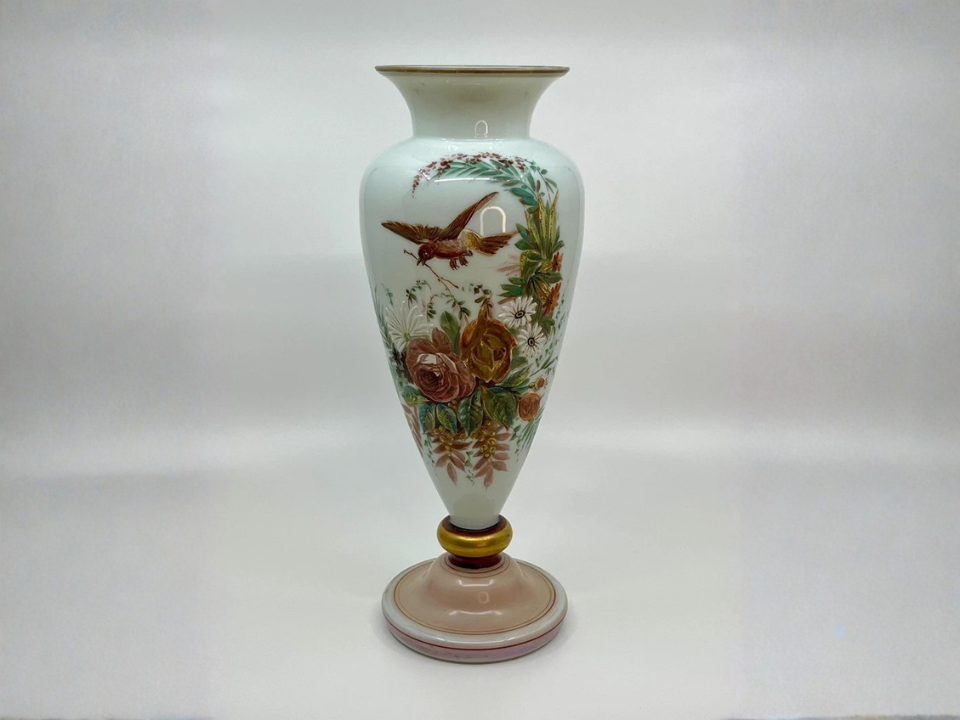
Victorian Bristol Glass Vases, which were made in England during the late 1800s, are known for their delicate milky appearance and soft, satin finish. These vases often feature hand-painted floral designs that were popular during the Victorian era. The market price for these vases can range from $1,000 to $5,000, depending on size and the quality of the design. The soft, ethereal quality of the glass makes these vases highly desirable to collectors.
Collectors tend to look for vases with vivid and detailed hand-painted designs, as these are often considered the finest examples of Victorian glasswork. The satin finish gives these vases a timeless, elegant appearance that blends well with antique decor. Slight signs of age, such as minor discoloration, are common but do not typically lower the vase’s value. These vases are often sought after by those interested in Victorian decorative arts.
Murano Zanfirico Vase
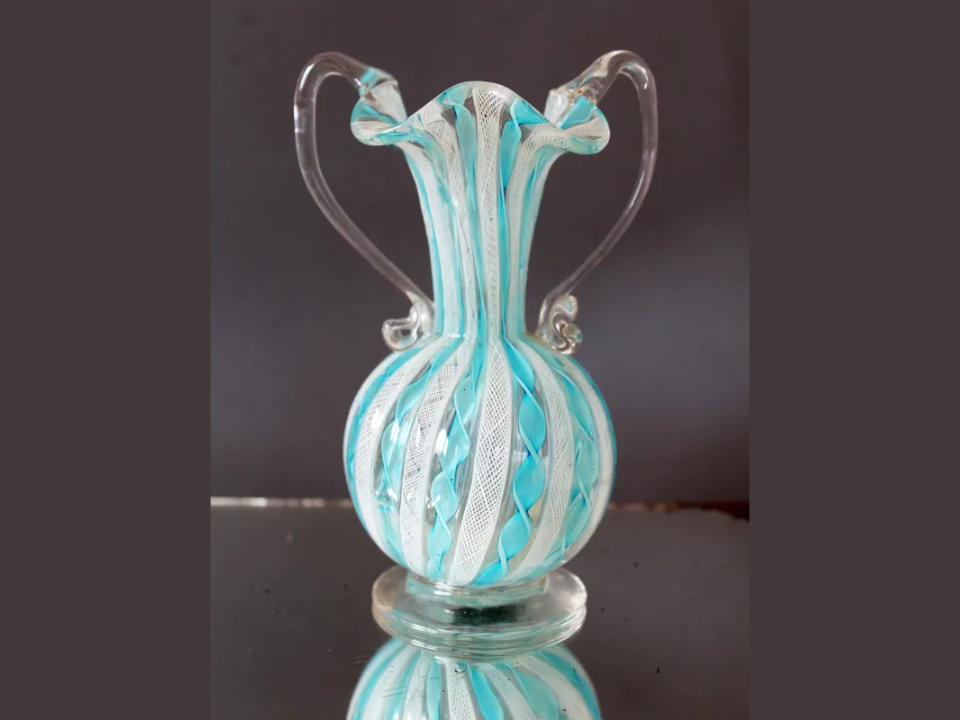
The Murano Zanfirico Vase, created on the island of Murano in Italy, showcases a technique that involves weaving colored glass into intricate, thread-like patterns. Produced in the mid-1900s, these vases are admired for their intricate design and vibrant color combinations. Depending on condition and size, a Murano Zanfirico Vase can sell for $3,000 to $10,000, with some rarer examples fetching even higher prices. The vase’s woven patterns provide a dynamic effect, creating a sense of movement and flow within the glass.
Collectors are drawn to these vases because of the unique weaving technique that requires great skill to achieve. The glass itself is typically clear, allowing the vibrant colors to stand out against the backdrop. Slight imperfections are common due to the hand-crafted nature of the process, but they usually do not diminish the vase’s appeal.
Bohemian Glass Vase
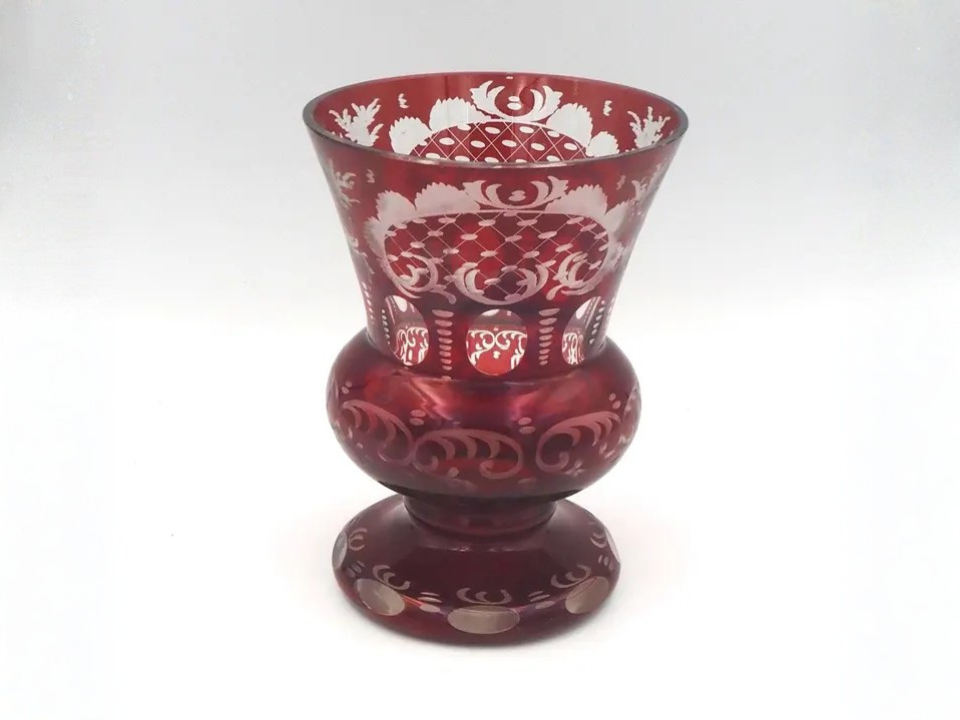
Bohemian Glass Vases, produced in the Czech Republic from the 19th century onwards, are renowned for their rich colors and deep cut patterns. These vases often feature intricate, floral motifs that were popular during the Victorian era, and they remain a significant part of Czech glassmaking history. Depending on the complexity of the design and condition, prices for a Bohemian glass vase can range from $2,000 to $8,000. Collectors admire the sharpness of the cuts and the precision with which the glass has been crafted.
The high demand for these vases stems from both their craftsmanship and their association with European artistic traditions. The cut glass technique, which includes faceting and deep engraving, enhances the play of light on the vase’s surface. Age-related wear, such as slight surface scratches, is expected but does not generally reduce value. Many collectors seek out these vases to complement other European glass in their collections.
Fenton Hobnail Glass Vase
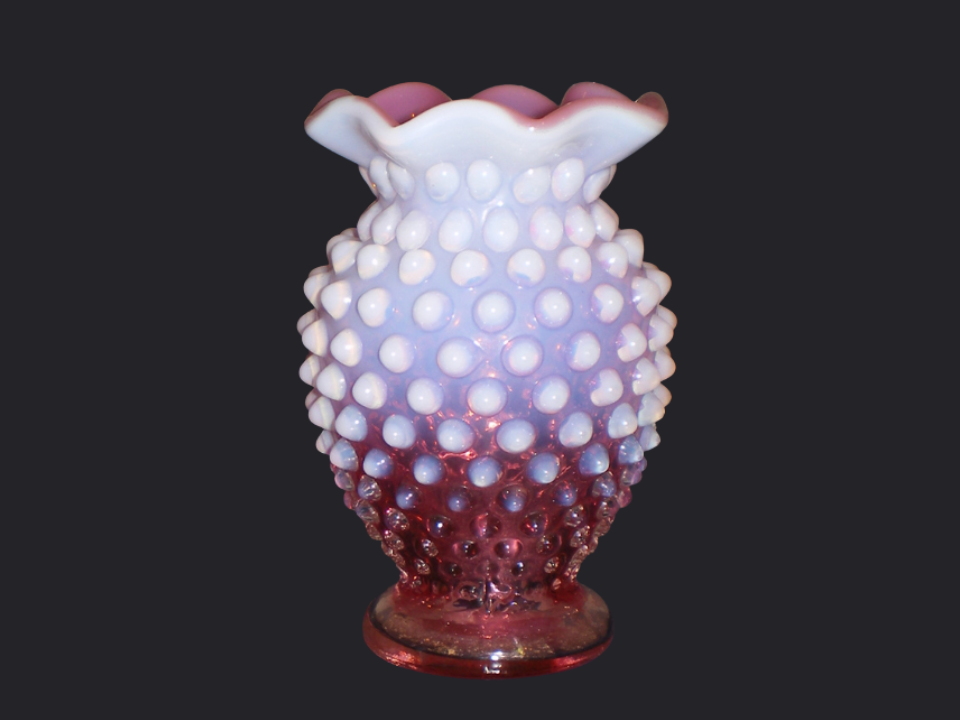
Fenton Hobnail Glass Vases, produced in the United States from the 1930s onwards, are known for their distinctive raised hobnail pattern, which creates a textured surface. These vases are especially popular due to their vibrant colors and the delicate craftsmanship involved in creating the hobnail design. Depending on size, color, and condition, the market value for a Fenton Hobnail Vase can range from $500 to $3,000. The signature hobnail pattern makes these vases a standout in any glass collection.
Collectors are drawn to the wide range of colors in which Fenton produced their hobnail vases, from soft pastels to bold, vibrant hues. The texture created by the hobnail design adds a tactile quality that sets these vases apart from other glassware. While some signs of wear are common due to their age, the unique design ensures these vases remain highly sought after.
This article originally appeared on Avocadu.