
13 Antique Furniture Styles New Collectors Search For First
Antique furniture can add character and history to any home. For new collectors, starting a collection is both exciting and rewarding. Knowing where to begin is key, and understanding which styles are most sought after can make the process easier. Let’s explore the most popular antique furniture styles that are perfect for first-time collectors.
This post may contain affiliate links, which helps keep this content free. Please read our disclosure for more info.
Victorian Furniture
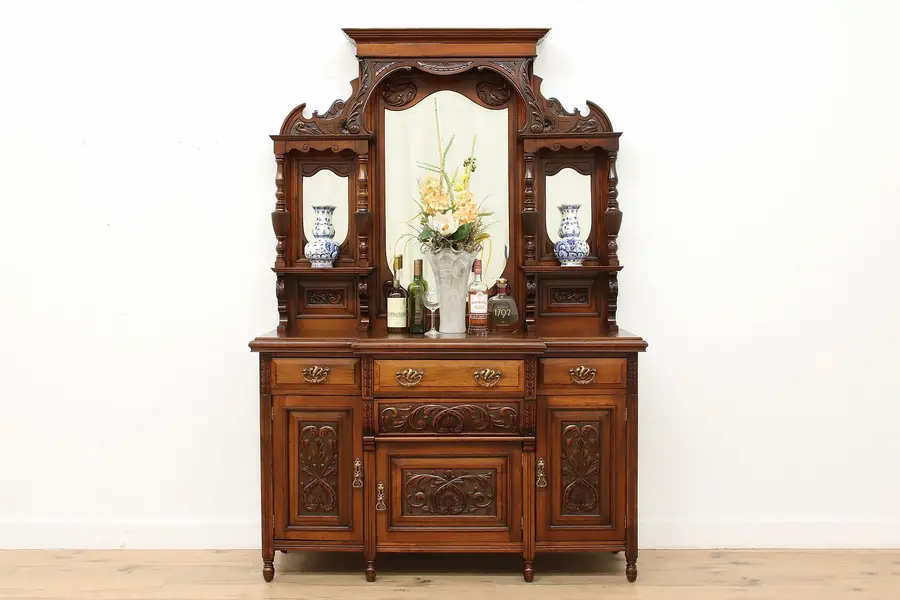
Victorian furniture is a true representation of the lavish design of the 19th century. This style is characterized by intricate carvings, rich dark woods like mahogany, and luxurious fabrics, creating a sense of opulence. The ornate details, such as floral motifs and scrolled patterns, offer a bold, majestic appearance. Due to its historical significance and complex craftsmanship, Victorian furniture continues to captivate collectors.
A Victorian walnut sideboard, for instance, might fetch anywhere between $1,500 and $3,000 depending on its condition and provenance. Makers like Gothic Cabinet Craft and J.R. Chippendale are noted for producing quality Victorian pieces. These highly detailed pieces are perfect for collectors interested in both beauty and history.
Arts and Crafts Movement
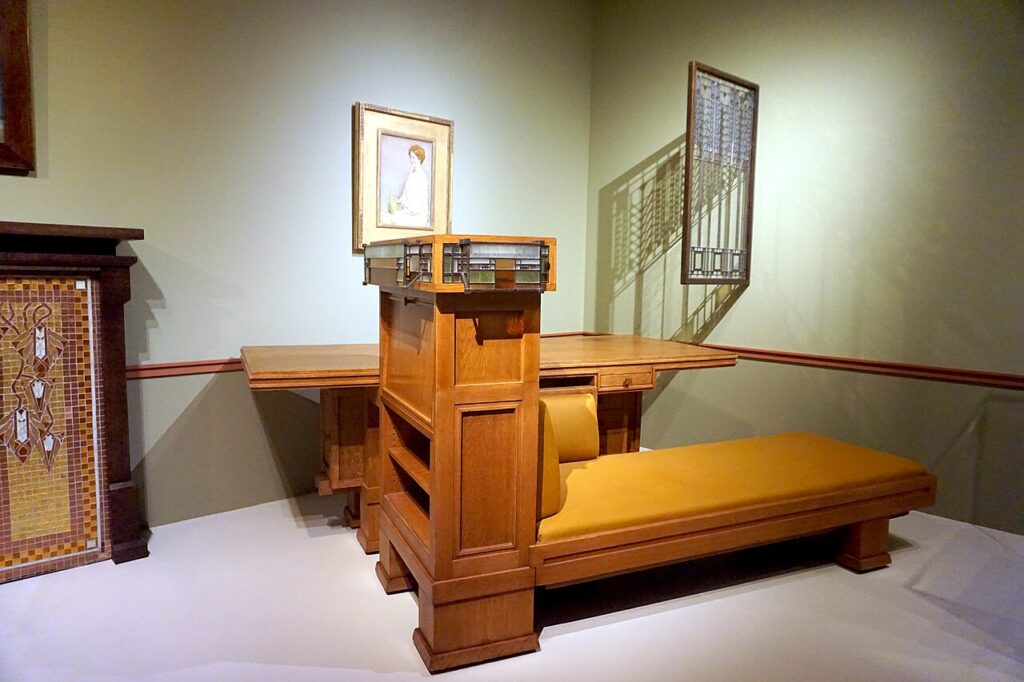
The Arts and Crafts movement emerged as a reaction against industrial mass production, focusing on handcrafted designs and natural materials. Known for its simple yet elegant design, it emphasizes functionality and craftsmanship, with sturdy oak furniture at the forefront. Its focus on handmade artistry and attention to detail makes it a standout choice for collectors. The movement’s appeal lies in the authenticity and uniqueness of each piece, which attracts new collectors.
A Mission-style oak armchair by Stickley can be valued between $1,000 and $2,500, depending on the condition and craftsmanship. Stickley, a leading figure of the movement, is recognized for high-quality designs that embody the values of the Arts and Crafts era. These hand-crafted pieces are highly sought after for their craftsmanship and timeless appeal.
Mid-Century Modern
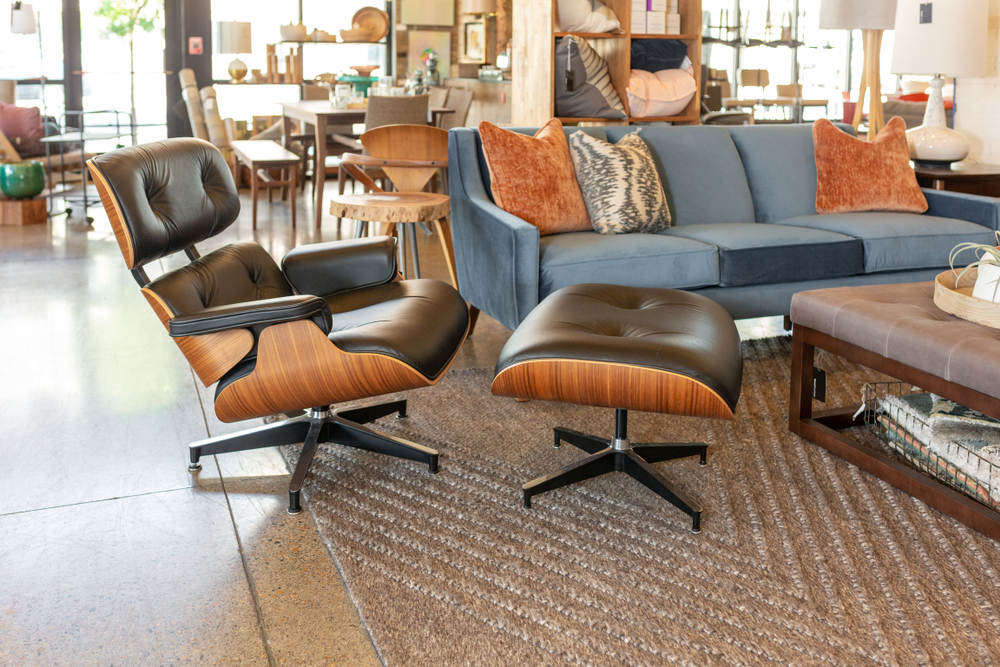
Mid-Century Modern furniture reflects a period of innovative design from the 1940s to the 1960s, focusing on clean lines, minimalism, and the use of new materials. Pieces from this period are known for their functional form and unique aesthetic, often featuring molded plywood, metal, and glass. Mid-Century Modern furniture continues to be in demand due to its versatility and simple yet stylish design. New collectors flock to these pieces for their timeless charm and practicality.
An Eames Lounge Chair and Ottoman by Herman Miller typically ranges from $1,500 to $5,000, depending on its condition and authenticity. Designers like Charles and Ray Eames and George Nelson are synonymous with this movement. These iconic pieces are considered both a design staple and a worthwhile investment for collectors.
Chippendale Furniture
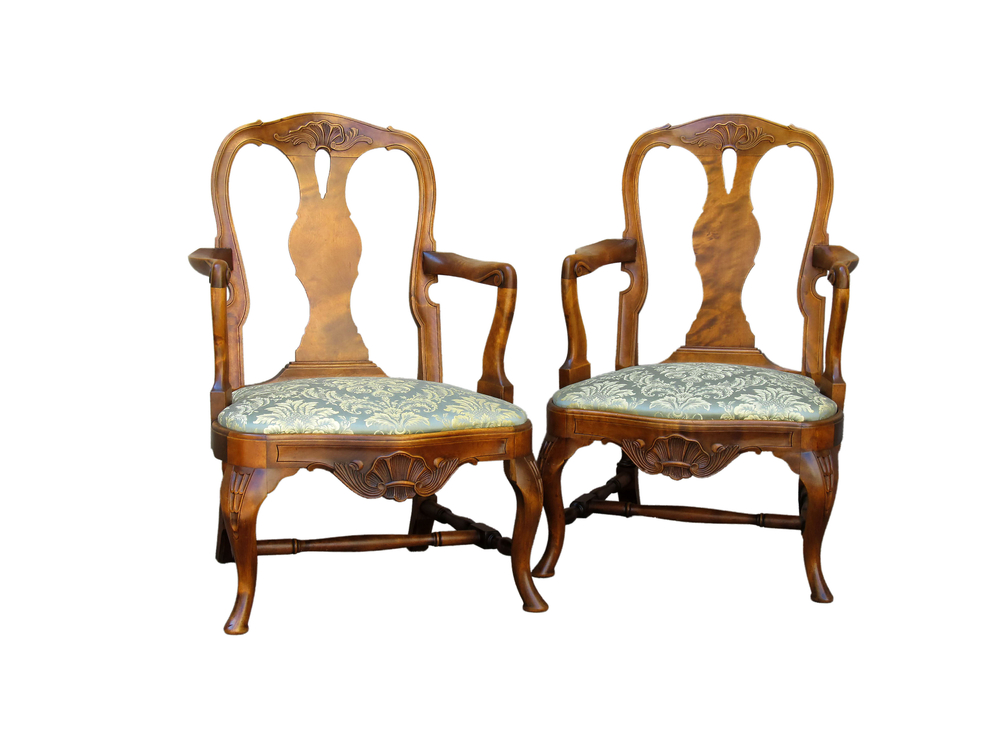
Chippendale furniture is widely recognized for its refined elegance, combining delicate carvings with graceful proportions. Originating in the 18th century, this style features cabriole legs, intricate scrollwork, and often a rich mahogany wood finish. Chippendale pieces reflect neoclassical, Rococo, and Gothic influences, making them versatile and highly collectible. Its timeless appeal and craftsmanship make it a favorite for collectors seeking both historical depth and beauty.
A Chippendale mahogany armchair might be valued at $2,000 to $8,000, depending on its condition and provenance. Makers like Kittinger Furniture are known for producing some of the finest Chippendale-inspired pieces. These pieces are prized for their superior craftsmanship and lasting elegance, making them a top choice for collectors.
Empire Style
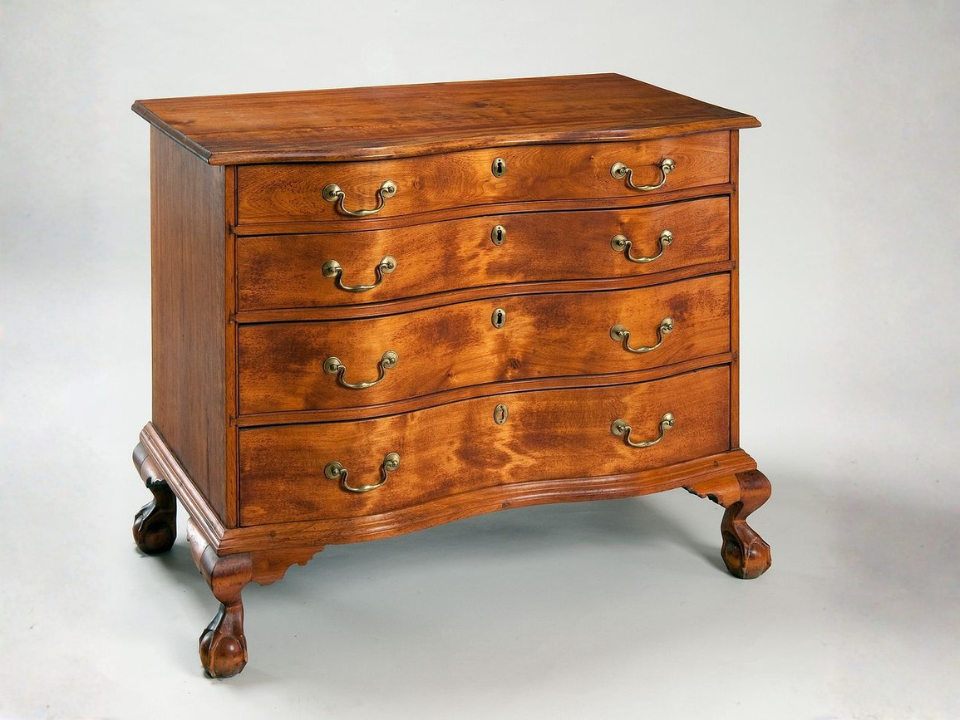
Empire furniture, popular during the reign of Napoleon Bonaparte, is known for its bold, grandiose designs and the use of luxurious materials. The style features strong, geometric lines, along with symbols of imperial power such as eagles and sphinxes, often highlighted by gold and bronze accents. This furniture reflects the opulence of the Napoleonic era, making it highly desirable among collectors. New collectors are drawn to this dramatic style for its historical context and striking appearance.
An Empire-style mahogany dresser with gilded bronze accents might range from $2,500 to $6,000, depending on its craftsmanship and condition. Makers like François-Honore-Georges Jacob were renowned for their Empire designs. These bold, imperial pieces are sought after for their grandeur and strong historical connection.
Queen Anne Furniture
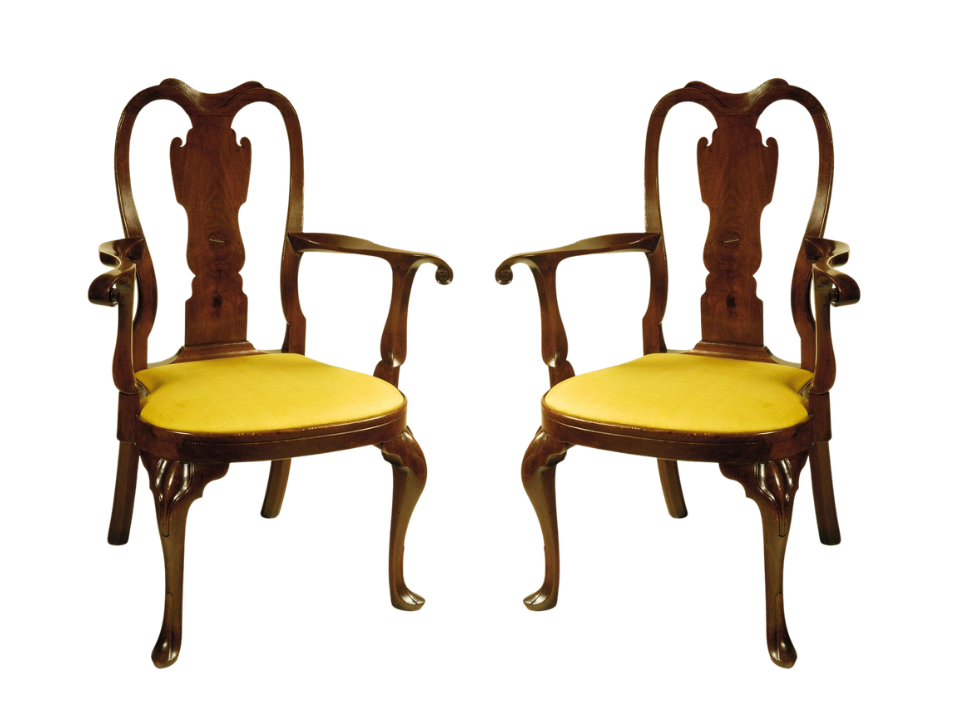
Queen Anne furniture is noted for its delicate, graceful design that reflects the more restrained elegance of the early 18th century. Featuring cabriole legs, soft curves, and understated ornamentation, Queen Anne pieces emphasize proportion and beauty. This style is recognized for its practicality and simple elegance, often made from walnut, maple, and oak. New collectors are drawn to the style’s understated beauty and historical significance.
A Queen Anne walnut armchair could be worth between $1,200 and $4,500, depending on its condition and maker. Renowned cabinetmakers like D.R. Darracott and Gillow and Co. produced some of the most beautiful Queen Anne pieces. These works of art continue to be highly sought after for their elegance and connection to early American and English design.
Federal Furniture
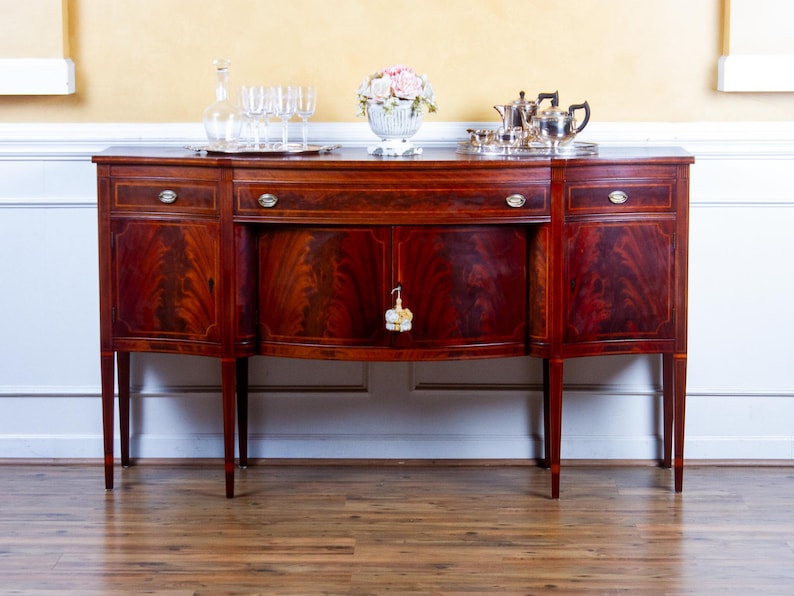
Federal furniture, emerging in the United States during the late 18th century, is known for its neoclassical influences and delicate, symmetrical designs. This style often features fine inlays, thin legs, and clean lines, creating an elegant yet functional piece. Federal furniture is associated with the rise of American craftsmanship and the nation’s growing prosperity. It’s a favorite among collectors for its understated beauty and connection to early American history.
A Federal-style inlaid mahogany sideboard could sell for $3,000 to $8,000, depending on condition and provenance. Makers like Dunlap and Co. are renowned for producing fine examples of Federal pieces. The combination of neoclassical design and historical significance makes Federal furniture a valuable addition to any collector’s inventory.
Sheraton Furniture
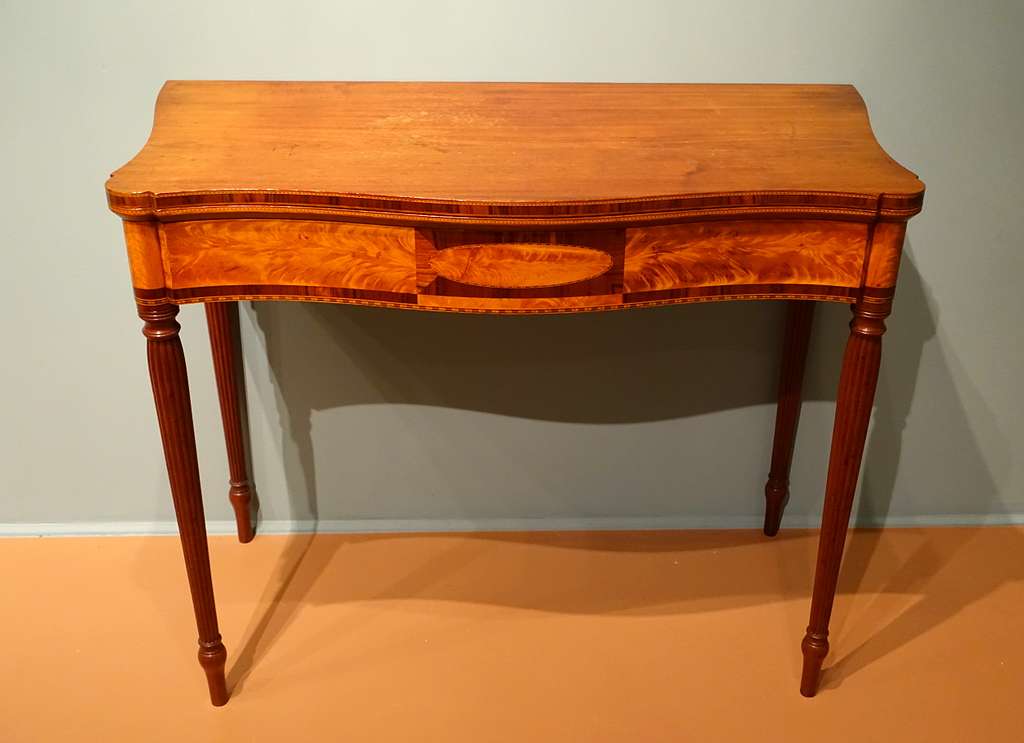
Sheraton furniture, named after Thomas Sheraton in the late 18th century, is distinguished by its clean, geometric lines and light, refined design. The pieces often feature intricate inlays, often in a variety of woods like maple, mahogany, and rosewood, and were designed to bring beauty and functionality to the home. Sheraton’s work blends classical influences with an emphasis on proportion and simplicity. This style remains popular with collectors due to its elegance and its influence on American furniture design.
A Sheraton-style inlaid mahogany card table could range from $1,500 to $4,000, depending on craftsmanship and condition. Companies like Thomas Sheraton and Gillows of Lancaster produced some of the finest pieces in this style. Sheraton pieces are highly collectible due to their elegant simplicity and craftsmanship.
Baroque Furniture
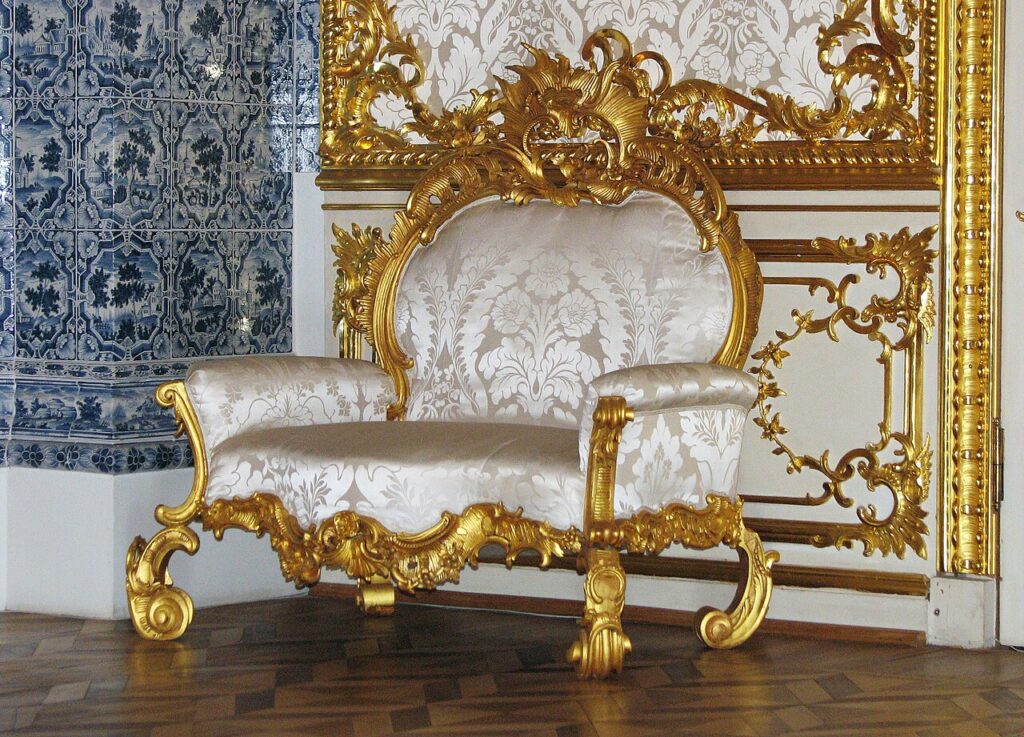
Baroque furniture is known for its dramatic, ornate designs and intricate detailing, which characterized the 17th-century European aristocracy. The style features bold, exaggerated forms, with curving lines and elaborate carvings, often adorned with gold leaf. Baroque furniture reflects the power and wealth of the time, making it highly collectible. New collectors often seek these pieces for their grandeur, opulence, and timeless beauty.
A Baroque-style walnut cabinet could be valued at $4,000 to $10,000, depending on its age and condition. Makers like Johann Michael Fischer are known for producing stunning Baroque furniture that remains highly desirable. Collectors appreciate these pieces for their artistic craftsmanship and their ability to evoke a sense of history and luxury.
Regency Furniture
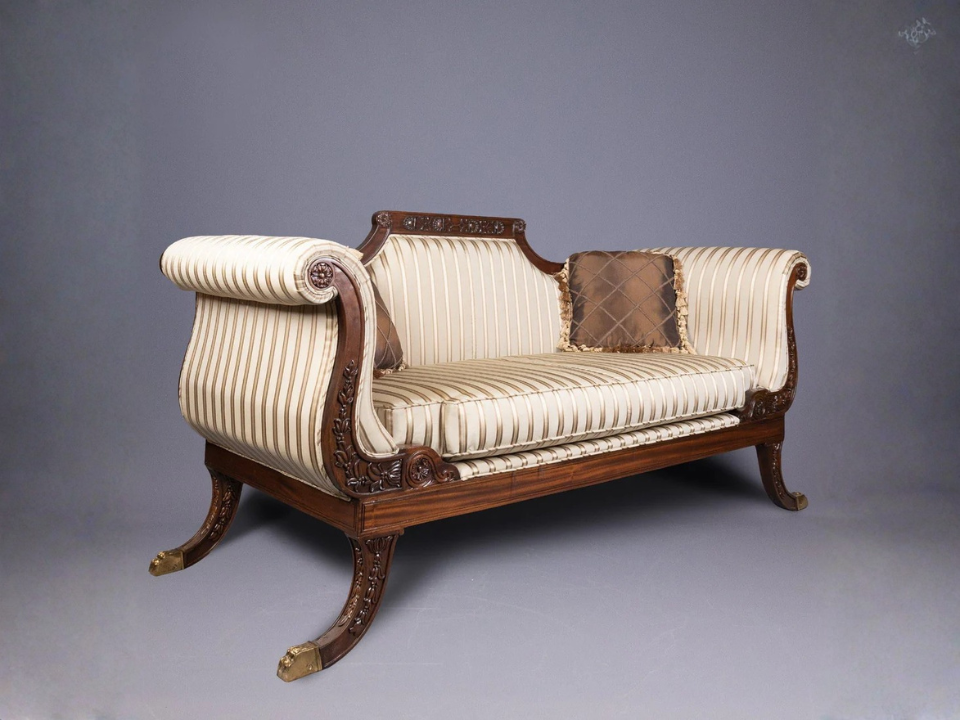
Regency furniture, popular during the early 19th century, is known for its elegant simplicity and classical influences. The style includes straight lines, minimal ornamentation, and the use of luxurious materials like mahogany, rosewood, and leather. Regency pieces are often decorated with subtle gilded accents, providing a sophisticated look. This style is favored by collectors for its graceful, understated elegance and historical context.
A Regency-style rosewood sofa could range from $3,000 to $7,000, depending on craftsmanship and condition. Gillows of Lancaster produced some of the most iconic Regency-style pieces, known for their fine details and elegant design. Regency furniture remains a highly collectible style due to its connection to the English Regency period and its clean, sophisticated design.
Jacobean Furniture
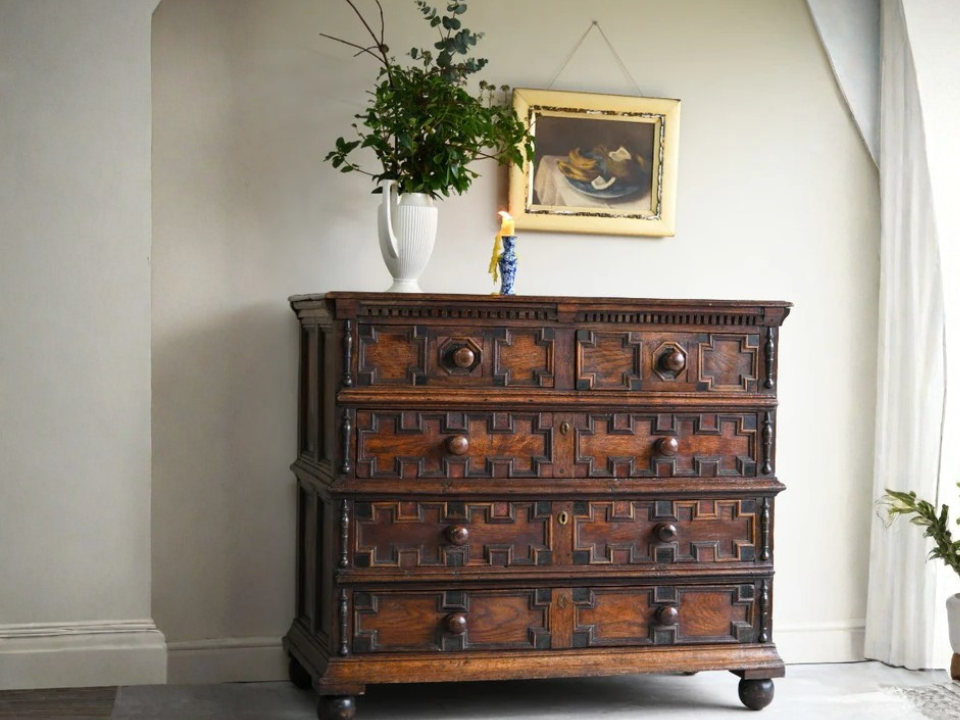
Jacobean furniture, developed during the reign of King James I (1603-1625), features bold, angular designs and heavy, dark wood like oak. The style includes intricate carvings of foliage and animals, creating a rugged yet refined look. Jacobean pieces were designed for durability and strength, with functional beauty at the forefront. New collectors are drawn to Jacobean furniture for its historical relevance and striking design.
A Jacobean oak chest could be worth between $1,500 and $5,000, depending on its condition and craftsmanship. William and John Linnell were known for producing some of the finest Jacobean pieces. These items are valued for their strong craftsmanship and historical connections, making them a top choice for collectors.
Tudor Furniture
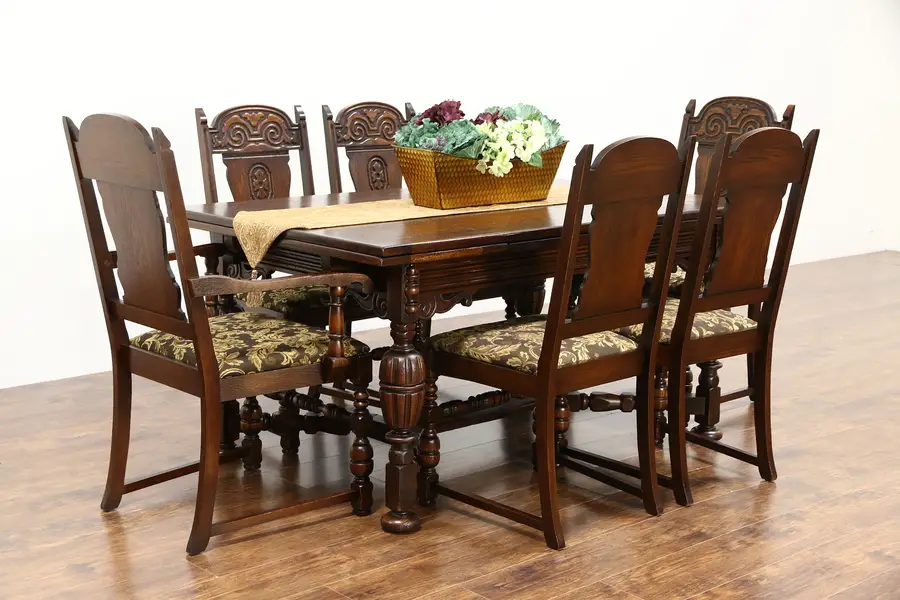
Tudor furniture, originating during the reign of the Tudor dynasty (1485-1603), is characterized by heavy, dark wood and Gothic influences. It often features intricate carvings, pointed arches, and geometric patterns, reflecting the medieval heritage of England. Tudor furniture was designed for strength and durability, which is why it remains a popular choice for collectors today. The rustic yet noble design makes it an ideal style for those seeking furniture with historical depth and rugged beauty.
A Tudor-style carved oak table could be valued at $3,000 to $6,000, depending on its condition and age. Arthur Simpson Ltd. produced some notable Tudor-style pieces, which remain in high demand among collectors. These sturdy, historical pieces are a great addition to any collection, offering both durability and beauty.
French Provincial Furniture
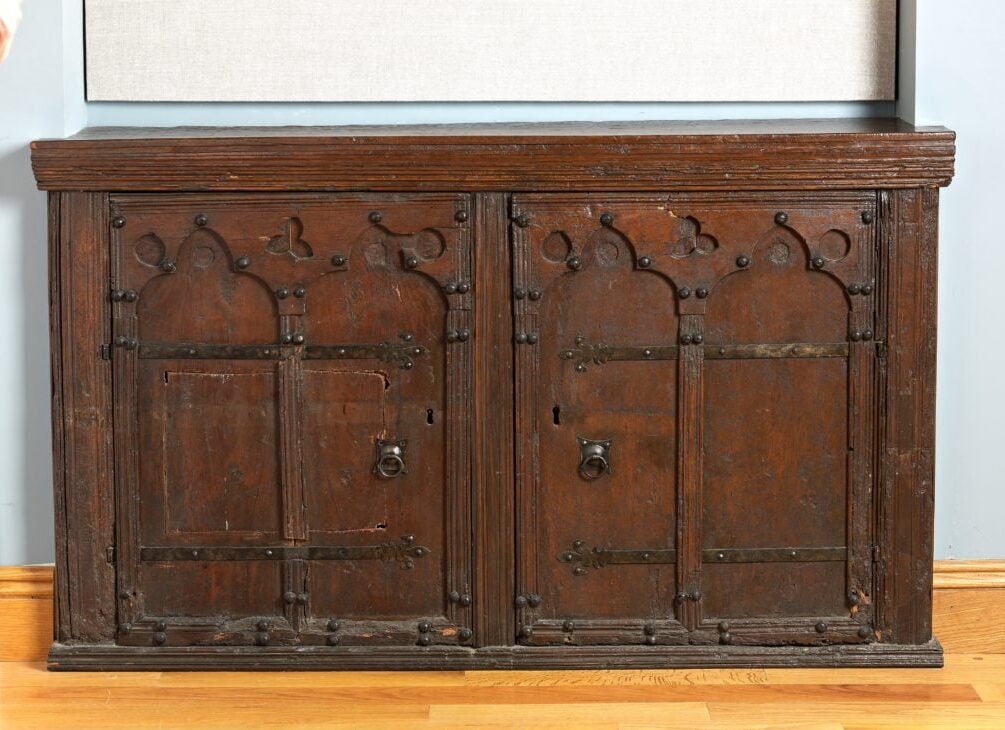
French Provincial furniture is known for its rustic, yet elegant design, inspired by the simple style of rural France. The pieces typically feature natural woods like pine, soft curves, and muted colors. This style is less ornate than its French aristocratic counterparts, offering a more relaxed, comfortable look. New collectors are drawn to French Provincial furniture for its timeless charm and versatile, functional beauty.
A French Provincial walnut sideboard might range from $2,500 to $6,000, depending on condition and craftsmanship. Henri II is a well-regarded maker of French Provincial furniture, producing pieces that are highly valued today. This style continues to be popular due to its blend of rustic charm and elegance.
This article originally appeared on Avocadu.