
13 Antique Furniture Details That Help Identify Older Pieces
When it comes to antique furniture, the smallest details can tell you a lot about a piece’s age and origin. From the type of wood to the style of craftsmanship, these features offer clues to the piece’s history. Being able to spot these details can deepen your appreciation for antiques.
This post may contain affiliate links, which helps keep this content free. Please read our disclosure for more info.
Dovetail Joints
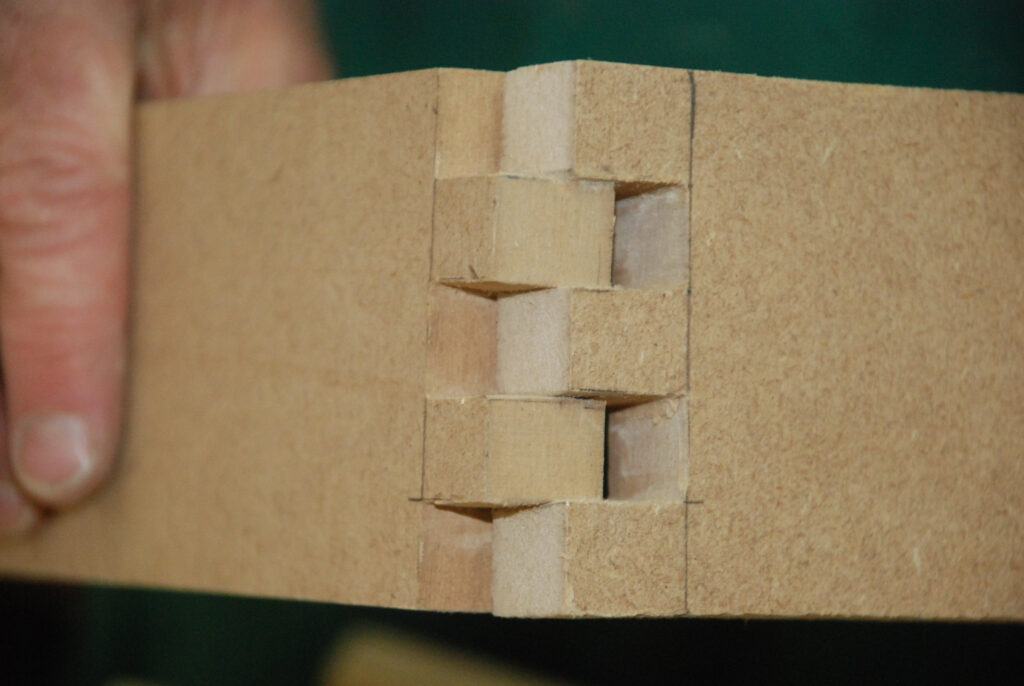
Dovetail joints are one of the most iconic features of antique furniture. These interlocking joints are often a sign of handcraftsmanship, typically seen in pieces from the 18th and early 19th centuries. Well-crafted dovetail joints can increase a piece’s value by 20-30 percent when compared to similar, less detailed items. Pieces with precise dovetail joints are often worth between $200 to $2,000, depending on the style and condition.
The quality of the dovetailing can vary, with older pieces showing more care and skill. A tight, even fit is a sign of expert craftsmanship, while gaps or rough edges may indicate a more modern piece. Dovetail joints are most commonly found on drawer constructions, but they can also appear in cabinet doors. Collectors and restorers highly value furniture with well-preserved dovetail joints.
Carved Wood Details
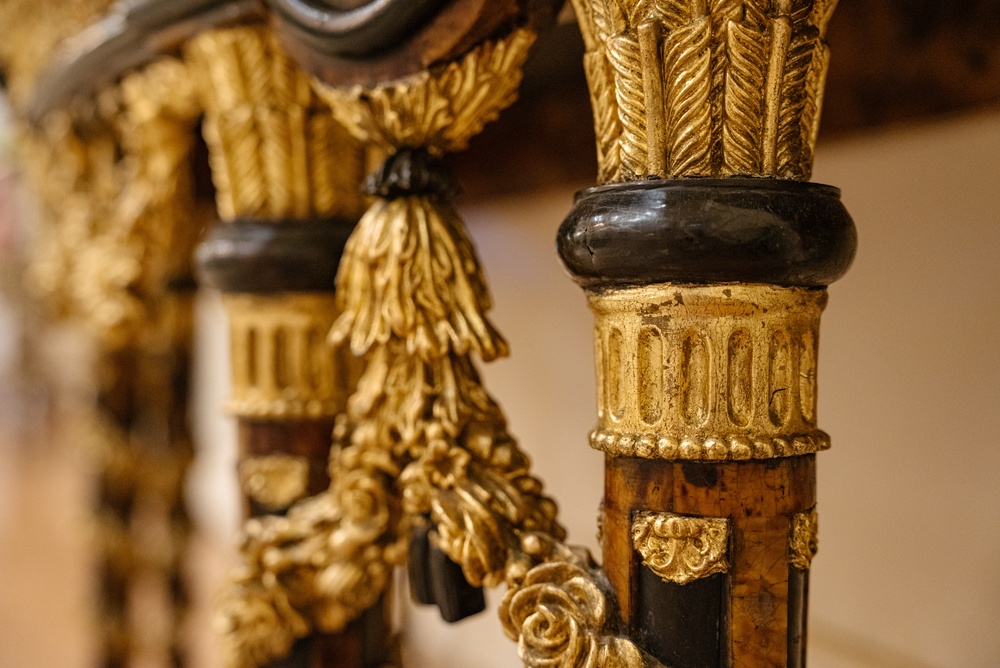
Intricate carvings on furniture often denote pieces made during the Victorian or Baroque periods. The level of detail in wood carving can indicate the skill of the craftsman and the era of the piece. Pieces with elaborate carvings can range from $300 to over $5,000, depending on the design and rarity of the carvings. Items such as chairs or tables with detailed floral, animal, or mythological carvings are often highly prized.
Collectors typically look for sharp, clean lines and depth in the carvings, which show that the work was done by hand rather than machine. Over time, carvings may have worn down or been covered by paint, so finding unaltered examples can significantly raise a piece’s value. The best examples are found in antique armchairs, cabinets, and mantelpieces. Restoration can be expensive, but it may increase the piece’s overall market worth.
Turned Legs
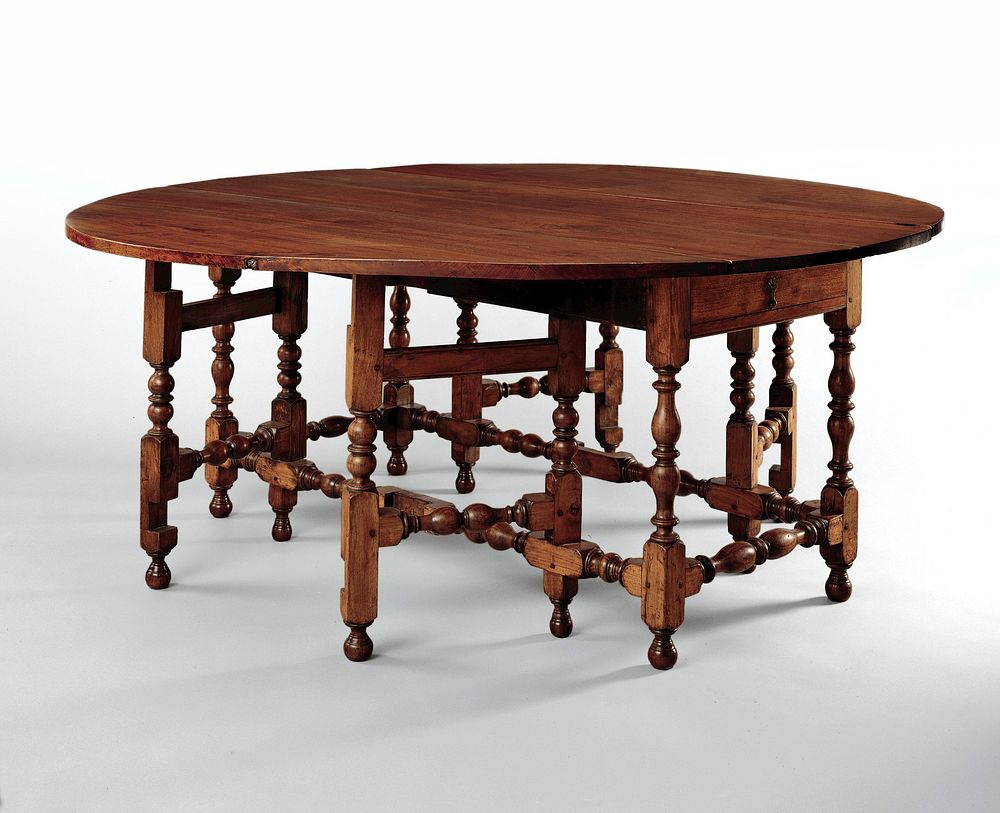
Turned legs are a classic feature of antique furniture, particularly from the 17th to 19th centuries. These legs, which are shaped on a lathe, offer a distinctive look that sets older pieces apart from modern mass-produced furniture. Furniture with turned legs, such as tables and chairs, can fetch anywhere between $150 and $2,000, depending on the quality of the turnings. Pieces with finely crafted, symmetrical legs are more valuable.
The design of the legs can vary greatly, with different eras producing different shapes and proportions. In some cases, turned legs are paired with other decorative elements like stretchers or carvings, adding to the visual appeal. Over time, some turned legs may show signs of wear, but well-maintained examples are highly sought after. They remain a hallmark of craftsmanship that many collectors cherish in antique furniture.
Antique Brass Hardware
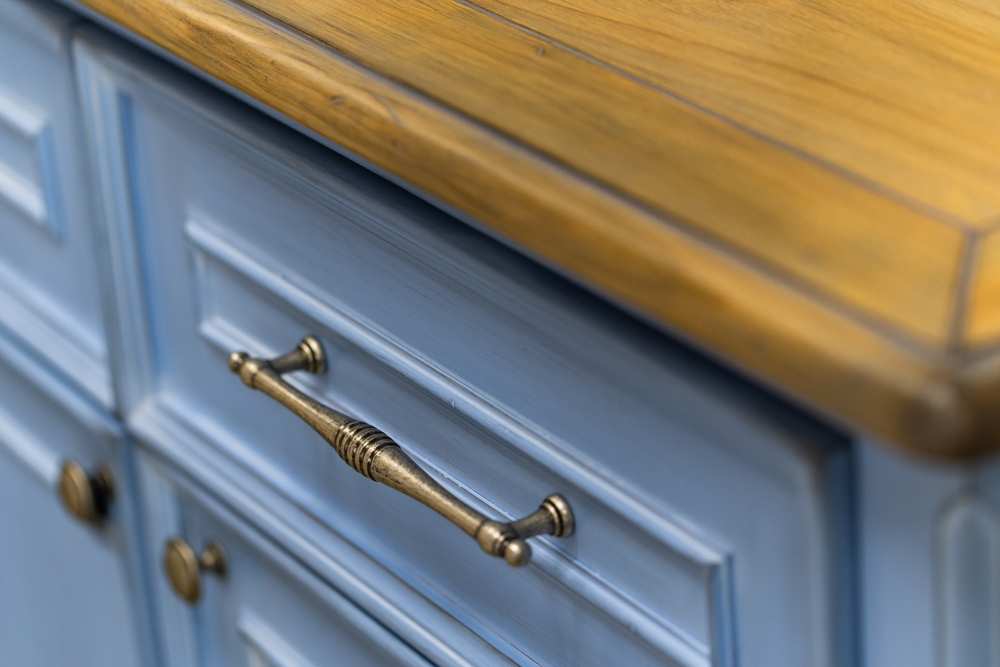
Brass hardware, such as handles and keyholes, is a common feature of furniture from the 18th and 19th centuries. This metal was favored for its durability and aesthetic appeal, often with intricate designs on cabinet pulls, locks, and escutcheons. Furniture featuring high-quality brass hardware can range in value from $300 to $4,000, depending on the piece’s age and craftsmanship. Pieces with original, intact brass hardware tend to fetch higher prices.
Brass hardware can show patina over time, which adds character to the piece. Collectors typically seek out pieces with original hardware, as replacing hardware can detract from the piece’s value. Well-maintained, original hardware on items like chests, dressers, and cabinets is a strong selling point. Some collectors even seek out specific makers or designs of brass fittings to complete their collections.
Inlaid Designs
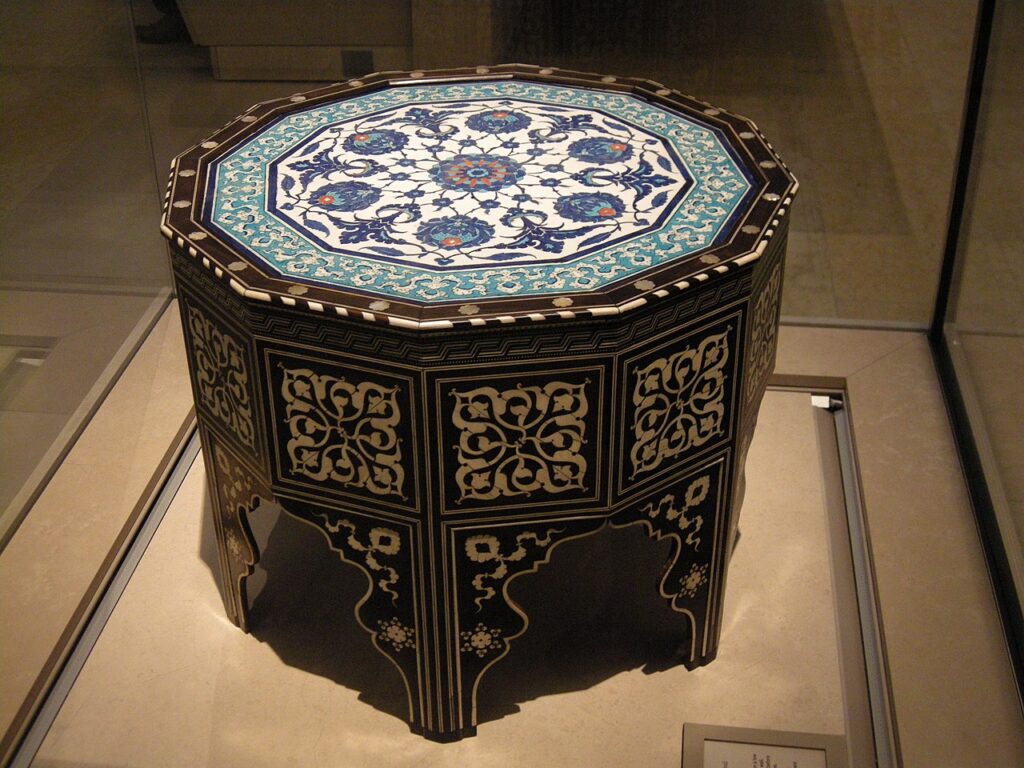
Inlaid furniture, where patterns or pictures are created by embedding different materials into the wood, is a hallmark of fine craftsmanship. This type of detailing was particularly popular during the 18th and 19th centuries in European and American furniture. Pieces with detailed inlaid designs can be worth between $500 and $10,000, depending on the complexity and quality of the work. Common examples include inlaid tables, desks, and cabinets with floral or geometric designs.
The materials used in inlays can vary, including ivory, mother-of-pearl, and wood veneers. Inlaid pieces from renowned furniture makers or those with intricate designs often hold more value. Over time, inlays may become damaged or worn, so finding unaltered examples is crucial to maximizing value. Restoring inlays can be costly but might increase the overall market value of the piece.
Cabriole Legs
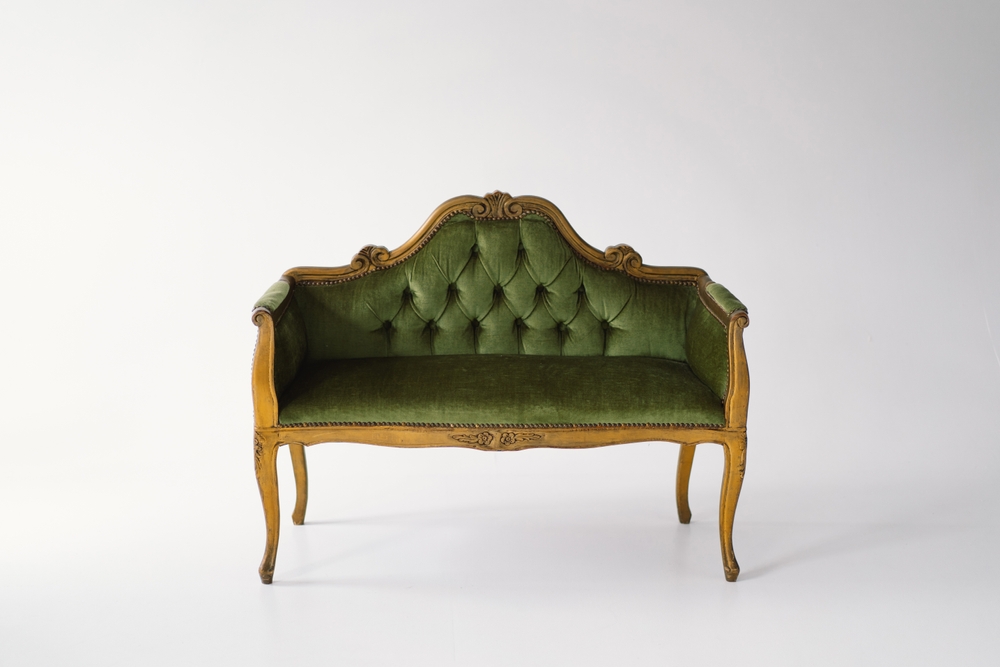
Cabriole legs are characterized by their graceful curve, typically seen in French and English furniture from the 18th century. These legs give furniture a more elegant and refined look, often paired with other Rococo-style features like ornate carvings. Furniture with cabriole legs, such as chairs or tables, can range from $300 to $4,000, depending on the quality and condition. The value of these pieces increases when the legs are in good condition, and the piece has its original finish.
The shape of cabriole legs is a distinctive feature that can help identify older furniture. The best examples show a smooth, flowing curve that gives the furniture a lighter, more delicate appearance. Over time, cabriole legs can be damaged, especially if the furniture was poorly handled. When intact and well-maintained, they make a striking addition to any collection.
Chippendale Style Details
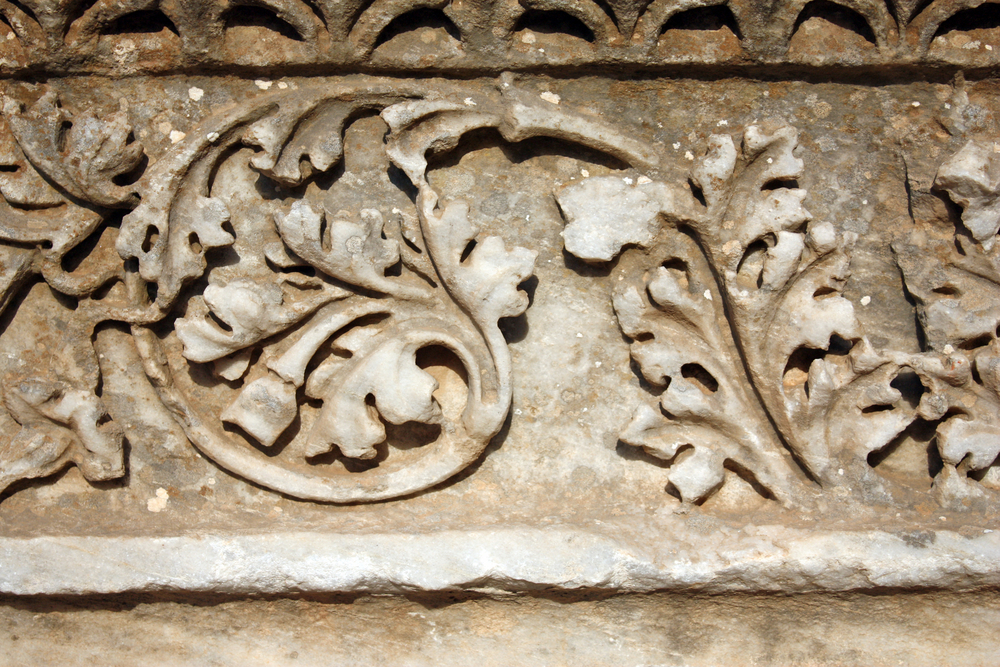
Chippendale furniture, named after designer Thomas Chippendale, is known for its elegant and highly detailed craftsmanship. Elements like carved shells, acanthus leaves, and cabriole legs are hallmark features of this style, which was especially popular in the 18th century. Furniture in this style can be worth anywhere from $500 to $50,000, depending on the piece’s rarity and craftsmanship. Authentic Chippendale pieces are highly sought after in antique markets.
This style often features intricate carvings and high-quality materials, including mahogany and walnut. Collectors value Chippendale furniture for both its historical significance and aesthetic appeal. Pieces with original finishes and untouched carvings are especially valuable. Restoration can increase a piece’s market value, but many buyers prefer items in their original state.
Serpentine Front
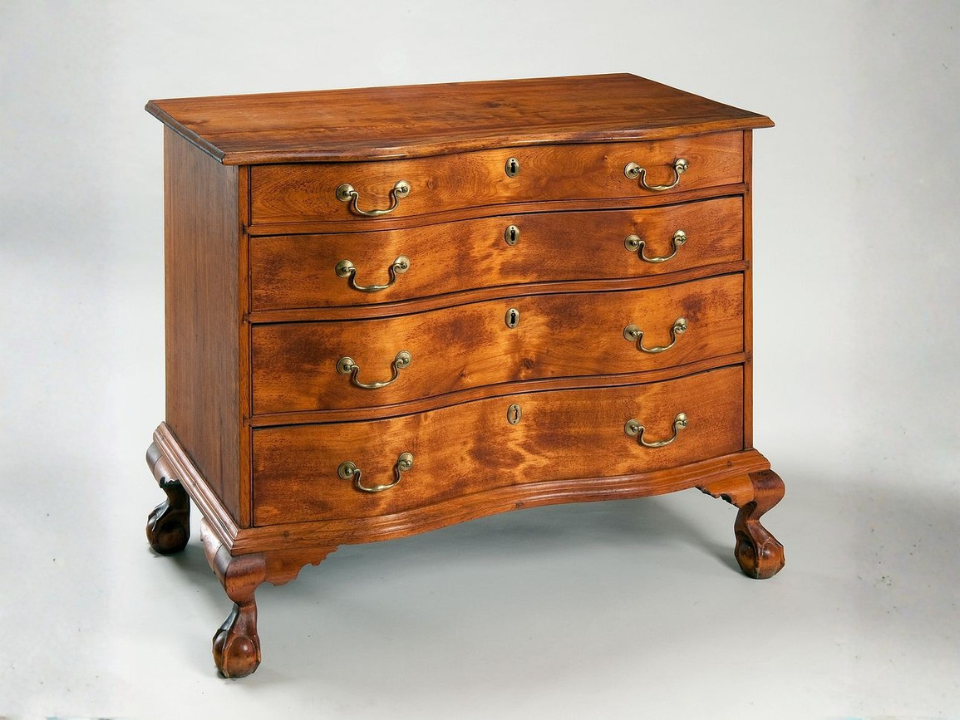
A serpentine front refers to a gently curved, S-shaped front, commonly found in antique dressers, tables, and cabinets from the 18th century. This elegant curve adds a flowing, graceful appearance to the furniture, making it stand out from simpler designs. Pieces with serpentine fronts can be worth between $500 and $10,000, depending on the maker and condition. Well-maintained examples with clear lines and original hardware are especially valuable.
The shape of the serpentine front adds dimension to the piece, making it more visually appealing. The curve also helps balance the proportions of larger furniture, giving it a lighter appearance. While some serpentine pieces have suffered wear, well-preserved ones fetch higher prices at auction. It’s one of the defining characteristics of fine-quality antique furniture.
Scrolled Arms
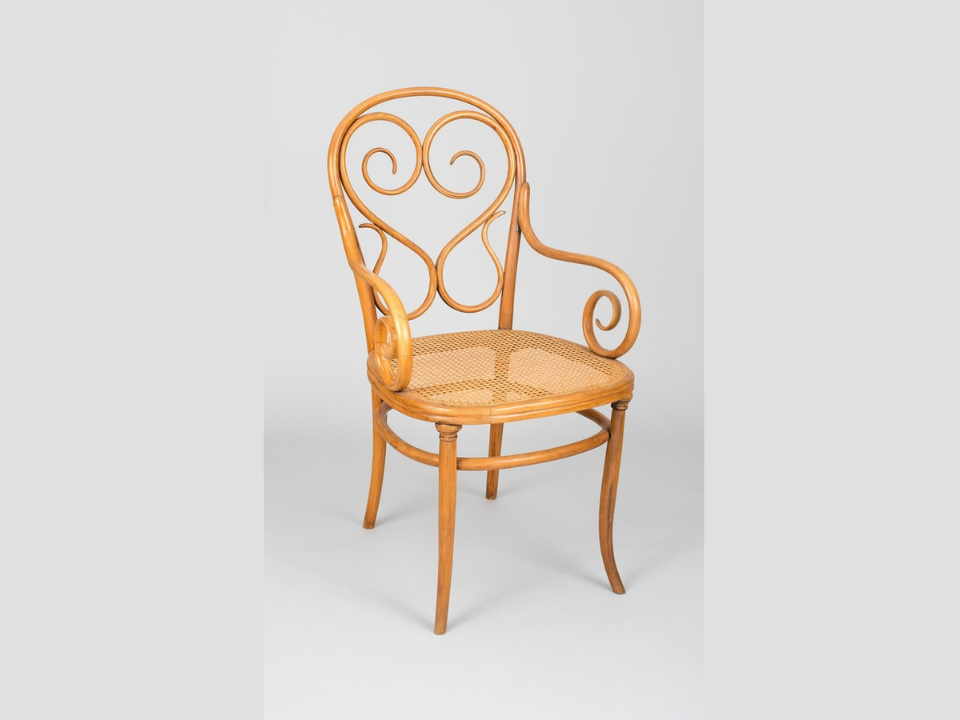
Scrolled arms are a classic detail in antique chairs, particularly in Victorian and Rococo furniture. The arms are usually carved or shaped into intricate scrolls that add elegance and a sense of movement to the piece. Furniture with scrolled arms can range from $150 to $3,000, depending on the piece’s age and craftsmanship. Chairs with deeply carved, symmetrical scrolls are particularly valued by collectors.
The scrolled arm design is often seen in armchairs and settees, where it contributes to both comfort and style. In many cases, scrolled arms are accompanied by other decorative features like carved legs or upholstered backs. Restoring scrolled arms can enhance the piece’s visual appeal, though many collectors prefer them in their original condition. These pieces often have a timeless charm that appeals to collectors and decorators alike.
Pedestal Bases
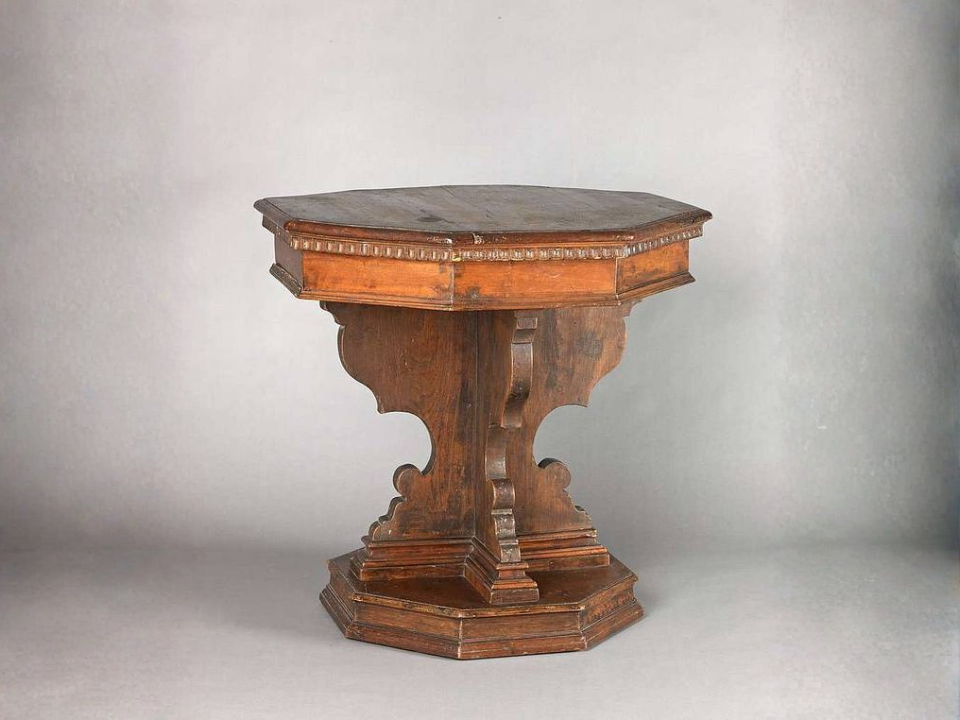
Pedestal bases were a popular feature in tables from the 18th and 19th centuries, particularly in dining tables and writing desks. The design features a central column or pedestal supporting the surface, providing a streamlined and elegant look. These pieces are generally worth between $300 and $6,000, with some rare examples fetching even higher prices. The finer the craftsmanship of the pedestal base, the more valuable the table can be.
Pedestal bases are known for their stability, as the design eliminates the need for traditional legs that might wobble. Many pieces feature carved or fluted pedestals, adding a decorative element to the functional base. Pedestal tables are often more expensive than their four-legged counterparts due to their craftsmanship and rarity. Collectors appreciate them for both their beauty and practicality.
Lion’s Paw Feet
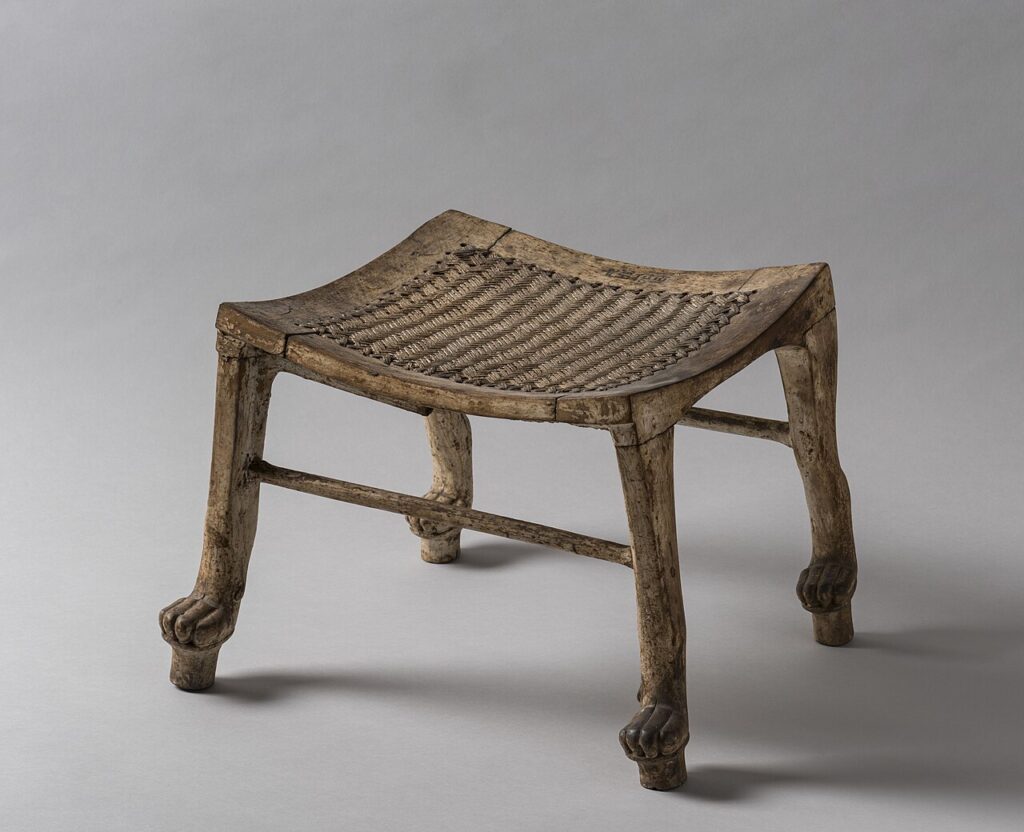
Lion’s paw feet are an ornate feature often seen in furniture from the Rococo and Victorian periods. The feet are typically carved to resemble a lion’s paw, with detailed claws and fur, giving the furniture a bold, dramatic appearance. These pieces can range in price from $500 to $15,000, depending on the furniture type and condition. Items with original lion’s paw feet in good condition are highly sought after by collectors.
These feet were typically found on cabinets, tables, and chairs, adding an element of strength and elegance. The intricate carving makes them a standout feature that sets the furniture apart. The lion’s paw feet are often paired with other dramatic details, such as carved floral motifs or curving edges. Restored pieces with these feet are still considered highly desirable in antique furniture collections.
X-Shaped Stretcher
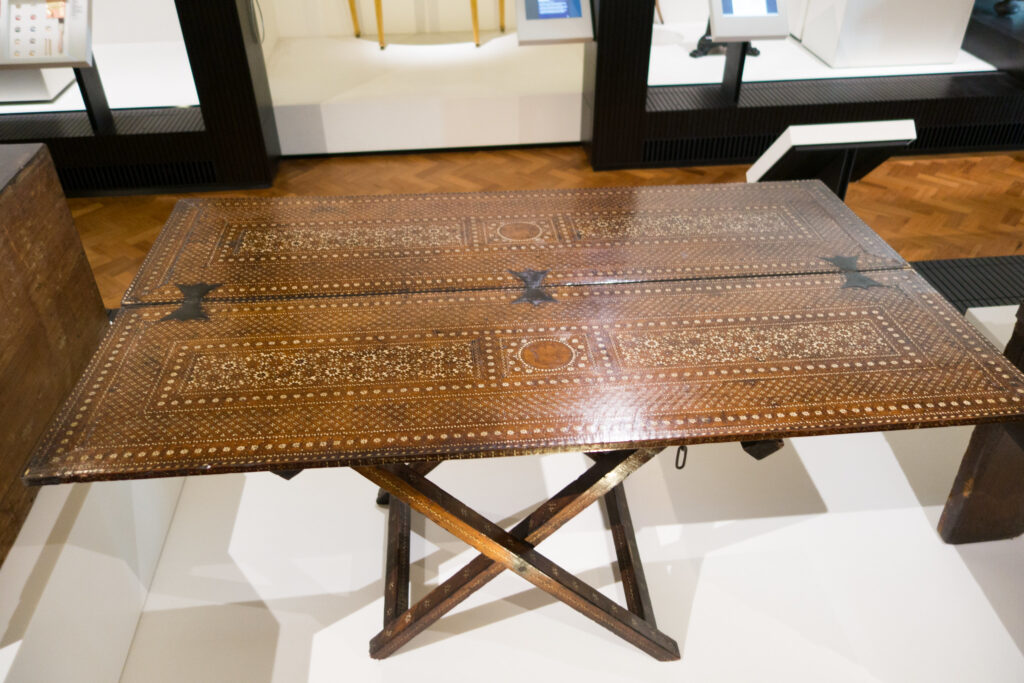
X-shaped stretchers are commonly found in antique chairs, tables, and benches from the 18th century. These stretchers add stability to the furniture while creating a visually interesting design. Items featuring X-shaped stretchers can be worth between $150 and $2,000, depending on the material and craftsmanship. The design is especially prized when the stretcher is well-proportioned and adds to the overall balance of the piece.
The X-shaped stretcher provides support while enhancing the piece’s aesthetic appeal. This feature is commonly found on rustic and colonial-style furniture, though it appears in a variety of styles. Restored pieces with original stretchers intact typically fetch higher prices. The X-shaped stretcher remains a popular feature for those who appreciate detailed woodworking.
Splayed Legs
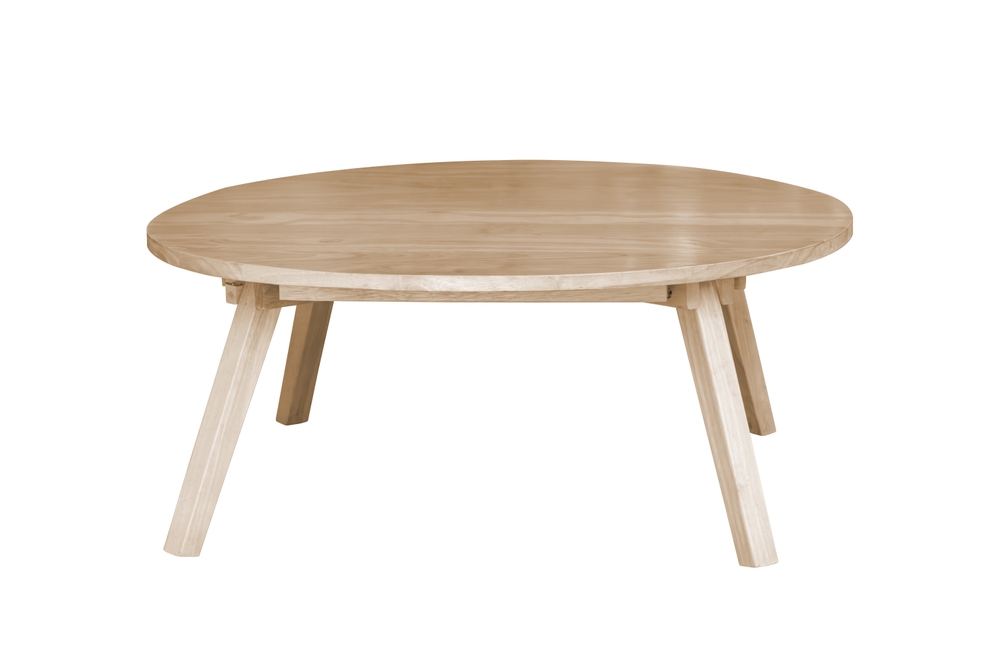
Splayed legs, or legs that extend outward in a slightly angled design, are common in furniture from the 17th and 18th centuries. These legs were often used to give the piece a more elegant and dynamic appearance. Furniture with splayed legs, such as tables and chairs, can range from $200 to $5,000, depending on the style and condition. Clean, well-preserved splayed legs increase the value of the piece significantly.
This leg design helps distribute the weight of the furniture, making it more stable while adding visual interest. Splayed legs are often paired with other features like curved backs or intricate carvings, contributing to the overall aesthetic. Over time, splayed legs may become damaged or worn, so finding well-maintained examples can increase the market value. The style is timeless, adding both beauty and function to antique pieces.
This article originally appeared on Avocadu.