
14 Antique Decor Mistakes New Buyers Make at Flea Markets
Flea markets are full of old mirrors, wood tables, and quirky little treasures that seem to call your name. It is easy to get swept up in the hunt and forget to slow down before handing over cash. Many new buyers walk away with pieces that wobble, smell musty, or do not fit through the front door at all. Some items turn out to be newer reproductions that only look old at first glance, while others hide damage that takes real work and money to fix. With a bit of awareness, you can enjoy the hunt and feel more confident about what you bring home.
This post may contain affiliate links, which helps keep this content free. Please read our disclosure for more info.
Buying Pieces with Serious Damage Because They Look Charming

Many new buyers fall for chipped paint, missing parts, or wobbly legs because the piece looks cute from a distance. At a flea market, it is easy to overlook deep cracks in wood, large gouges, or warping on table tops when your eye is on the style. Repairs for serious damage can cost more than the item itself, especially if a professional needs to work on it. Some damage also hides bigger issues like wood rot or insect activity that weakens the structure.
A chair that looks fine on display may fail once someone actually sits on it at home. It helps to touch every part, press on joints, and check underneath for soft spots or crumbling areas. When damage affects how the item functions or stands, it is often better to walk away and wait for a sturdier find.
Ignoring Signs of Woodworm or Other Pests

One of the easiest mistakes is to fall in love with an old wooden piece and forget to look for tiny holes or sawdust. Those small round holes in chair legs, drawers, or cabinet backs can mean woodworm or past infestation. If the issue is still active, you might bring pests into your home that spread to other wooden furniture. Sometimes the damage is old, but the wood may already be weakened from years of tunnels inside.
New buyers might tap the surface and notice a hollow sound only after they have already paid. It is a good habit to check corners, undersides, and drawer bottoms for fresh powdery dust. If you have any doubt about live pests or extensive internal damage, it is safer to pass and keep your money for another piece.
Overpaying Without Basic Price Research

Many flea market shoppers get caught up in the moment and pay the first price a seller mentions. Without a general sense of what similar items go for, it becomes easy to overspend on something that is common or easy to find elsewhere. New buyers might assume that age alone makes an item rare when it is actually a mass produced piece. A quick habit like checking sold listings on online marketplaces before the trip can give you reference points.
Even a rough mental range can help you know when a quote is simply too high. At the market, some sellers expect a little back and forth, so the first number you hear often has room to move. When you do not have any frame of reference, it is easy to agree and regret it once you get home and start comparing prices.
Confusing Reproductions with True Antiques

Reproduction decor can look very convincing under bright flea market lights. New buyers might see a distressed finish, curvy lines, or old-style hardware and assume the piece is genuinely old. However modern factories can recreate those visual details with paint techniques and cast metal handles. Weight, construction methods, and hardware type reveal more than the outer finish.
For example, machine cut joints and perfectly uniform screws usually point to newer production. Many reproductions still look nice in a home but they should be priced differently compared to true antiques. If a seller charges antique level prices for a reproduction, that becomes a costly mistake for the buyer who did not examine the piece closely enough.
Buying Decor That Does Not Match Your Real Lifestyle
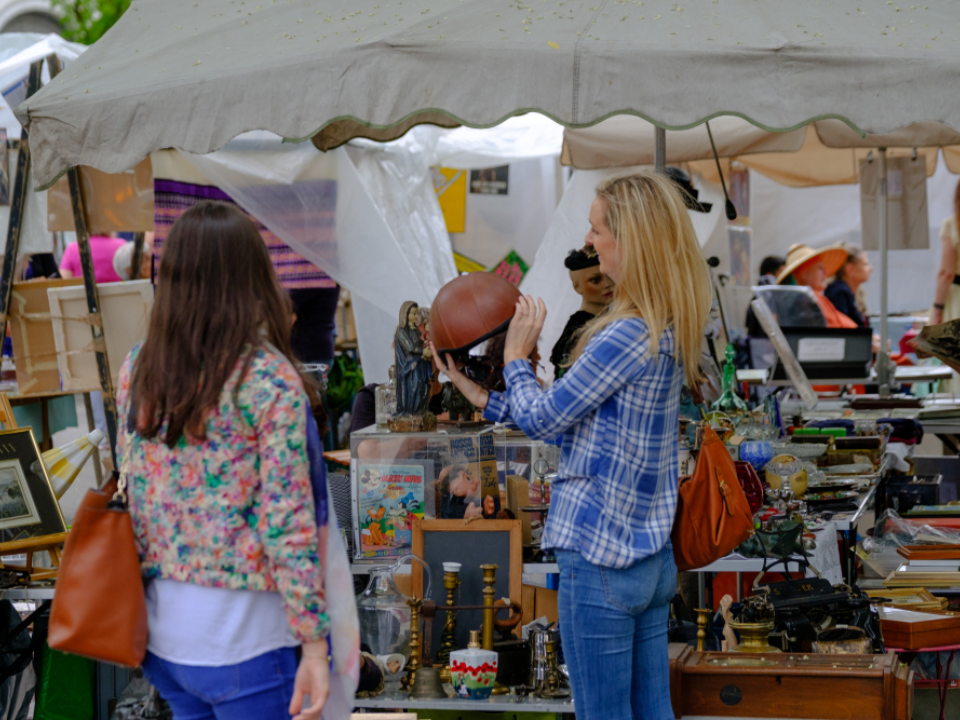
Many people see romantic antique pieces and imagine a different version of their home. They pick up delicate porcelain, tiny tables, or high maintenance silver without thinking about pets, kids, or daily habits. When the item reaches a busy house with little time for polishing or dusting, it ends up on a shelf or in storage. New buyers may feel guilty because the piece looked special at the market, yet it does not suit how they live.
It helps to picture exactly where the item will go and how often you will touch or clean it. If you already find constant polishing or careful handling stressful, fragile decor may lose its charm quickly. Antique shopping feels better when you choose pieces that can actually handle your routine instead of fighting against it.
Ignoring Smells, Stains, And Smoke Damage

Smell is a detail that many new buyers forget to check until they get home. Old textiles, books, and wooden drawers can hold smoke, mold, or heavy perfume scents that are hard to remove. At the flea market, open air and excitement can hide these odors, especially if you do not open drawers or bring items close to your nose.
Stains on fabric, nicotine film on lamps, or a musty scent from trunks may need special cleaning treatments. Some stains never fully come out, and strong smoke smell can linger for months. It is wise to lift lids, open doors, and actually smell the inside of old pieces before paying. If the odor is strong or unpleasant, you may decide that the cleaning effort is not worth the price no matter how charming the piece looks.
Forgetting To Check Structural Stability
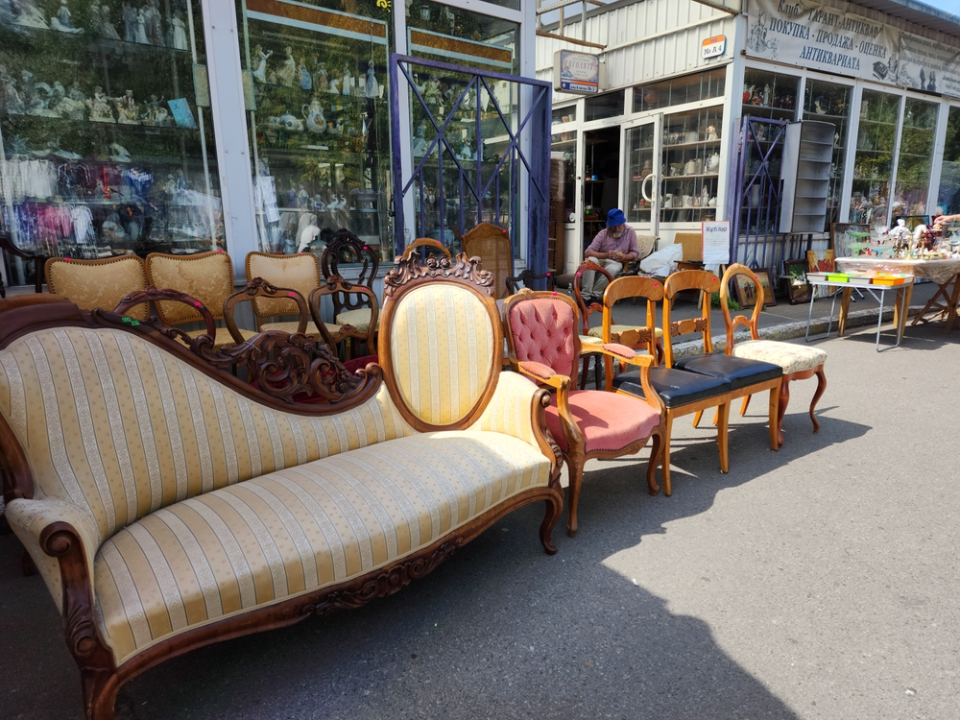
A table or chair can look beautiful and solid while standing still yet feel shaky once touched. New buyers sometimes focus on color and design and forget to push, sit, or test weight on the piece. Loose joints, wobbly legs, and rattling frames can make an item unsafe for regular use.
Repairs may require clamps, glue, new hardware, or professional help which adds to the total cost. At the market, it is completely acceptable to wiggle legs, lean on surfaces, and gently test movement. If a seller discourages you from checking stability, that is an important sign to slow down. A piece that collapses under normal use is rarely a good deal even if the price looks low at first.
Skipping Negotiation or Conversation with Sellers

Many new flea market buyers feel shy about talking to sellers about price or item history. They might treat the price tag as fixed and pay it without asking any questions. However conversation often reveals helpful details such as where the piece came from, how long the seller has had it, or whether repairs were done. Sellers at markets frequently expect some polite bargaining, and a friendly chat can lead to a lower price or a small bundle deal.
When buyers stay silent, they miss the chance to learn and to save money. Asking open questions such as how old the item is or whether the seller can work with your budget usually feels normal at these venues. With practice, that short exchange becomes part of the fun instead of something to fear.
Overlooking How Lighting Hides Flaws
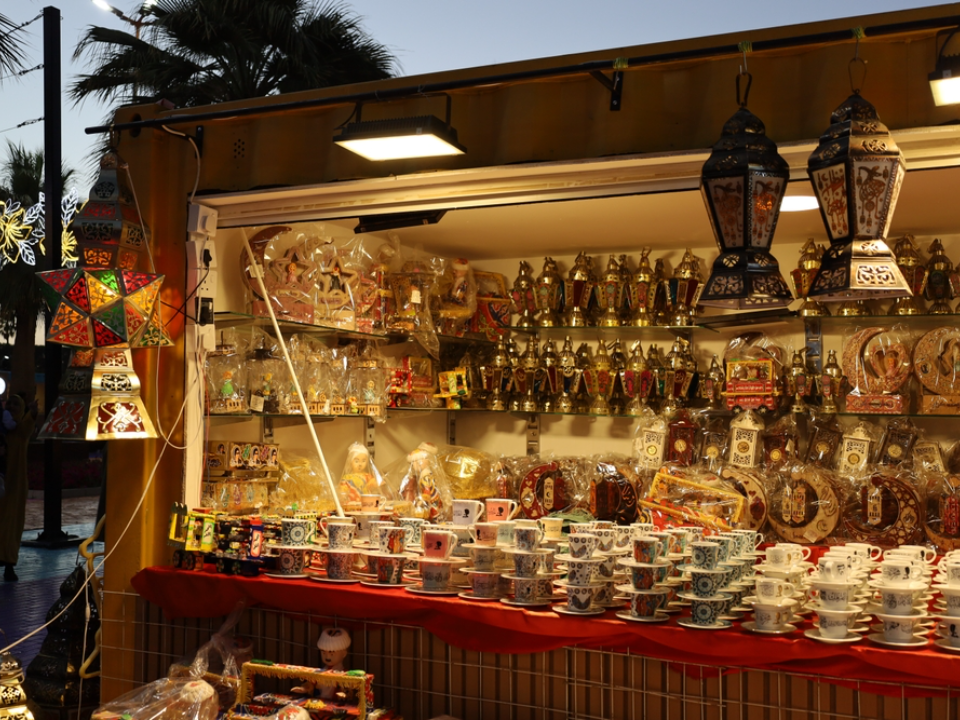
Flea markets often use bright outdoor light or mixed bulbs that can flatter almost anything. In that setting, wood finishes, glass, and metal may look smoother than they really are. Once you bring the piece home into softer room light, scratches, dents, and cloudy finishes can suddenly stand out. New buyers sometimes realize that a mirror has cloudy areas or that a table surface is far more scratched than it looked in the stall.
It helps to tilt items, step to the side, and look at them from different angles instead of one quick glance. You can even use your phone flashlight to check corners and flat surfaces for hidden damage. When you take a little extra time with lighting, you see a closer version of how the piece will appear in your home. That habit keeps you from feeling disappointed when the item comes out of the car and into your room.
Ignoring Maker Marks And Labels
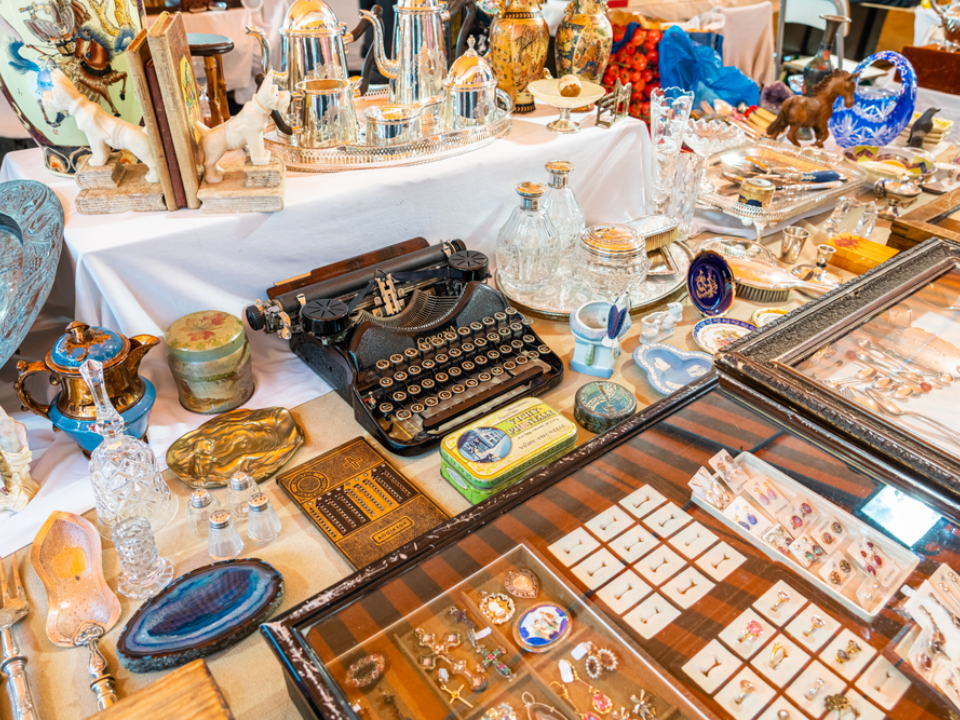
Many antique decor items carry small clues about where they came from and who made them. These can be stamps on the underside, paper labels, signatures, or numbers pressed into the material. New buyers often focus on the top surface and forget to turn pieces over to look for these details. When you miss those marks, you lose information that might explain age, origin, and quality level.
In some cases, a maker label can mean the item has stronger interest among collectors. That knowledge affects both value and how you choose to care for the piece. Taking a moment to flip chairs, examine drawer sides, and check the backs of frames can reveal helpful information. You walk away with a clearer sense of what you are bringing into your home instead of guessing later.
Treating Old Electrical Items as Ready to Plug In
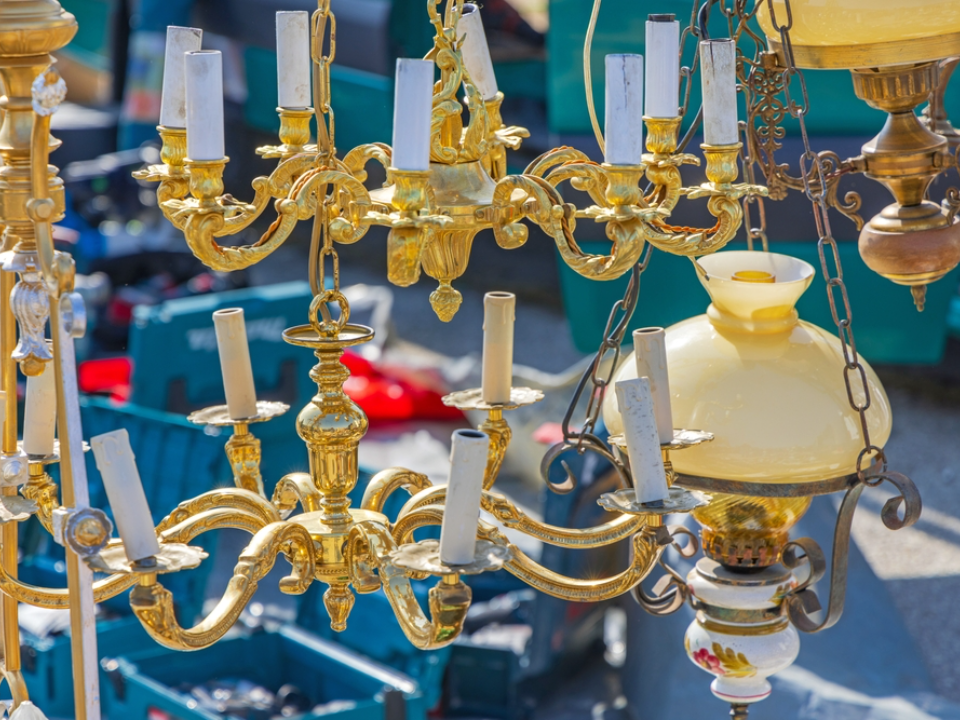
Vintage lamps, fans, and other electrical decor can look charming on a flea market table. New buyers sometimes assume that a quick plug in at home is all they need. Old wiring, cracked insulation, and loose sockets can turn that excitement into a safety problem. Even if the cord looks fine on the outside, internal parts may have worn down over decades.
Before using any old electrical item, it is wise to plan for a checkup by a qualified repair person or to replace the wiring entirely. That added cost and effort should be part of your decision at the market. When you factor in rewiring, you can decide whether the lamp or fixture still makes sense for your budget and comfort level.
Buying Fabric Items Without Checking Wear and Fit
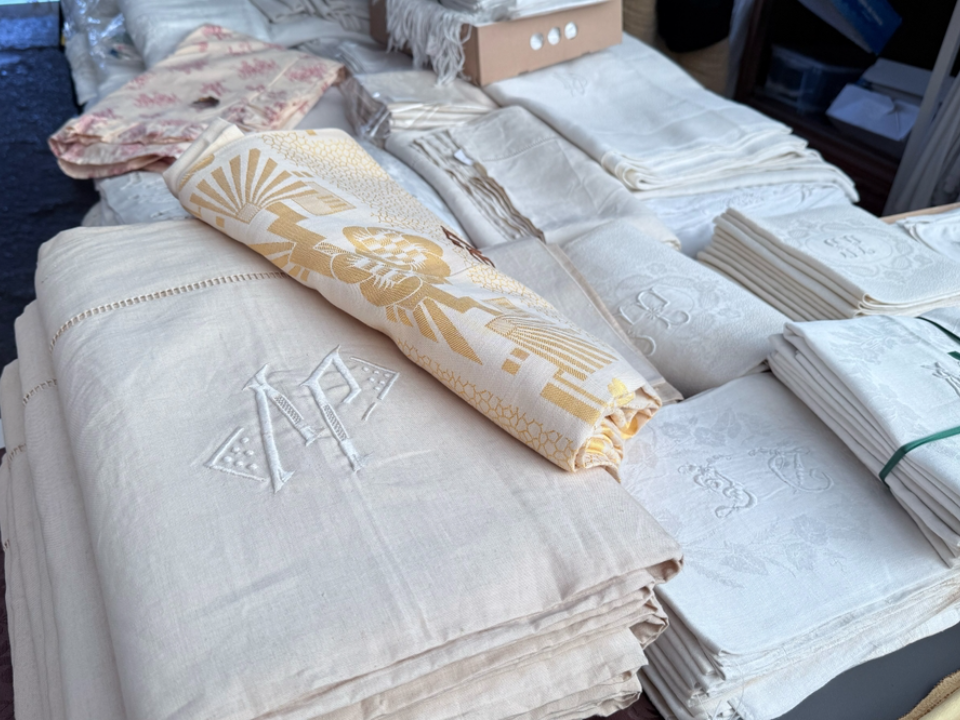
Textile decor like curtains, tablecloths, and cushions often looks charming at first glance. New buyers may fall for a pattern or color and forget to open items fully or check seams. Sun fading, hidden tears, and weak spots can sit along folds or edges where they are not obvious on a crowded table. Size is another issue because vintage linens do not always match modern bed or table measurements.
Without checking, you might bring home curtains that come up short or a tablecloth that does not cover the surface you had in mind. It helps to inspect seams, hold items up to the light, and ask sellers if you can unfold larger pieces. With a little extra care, you avoid bringing home fabric decor that cannot handle regular use or does not fit your space.
Forgetting To Factor in Transport and Storage
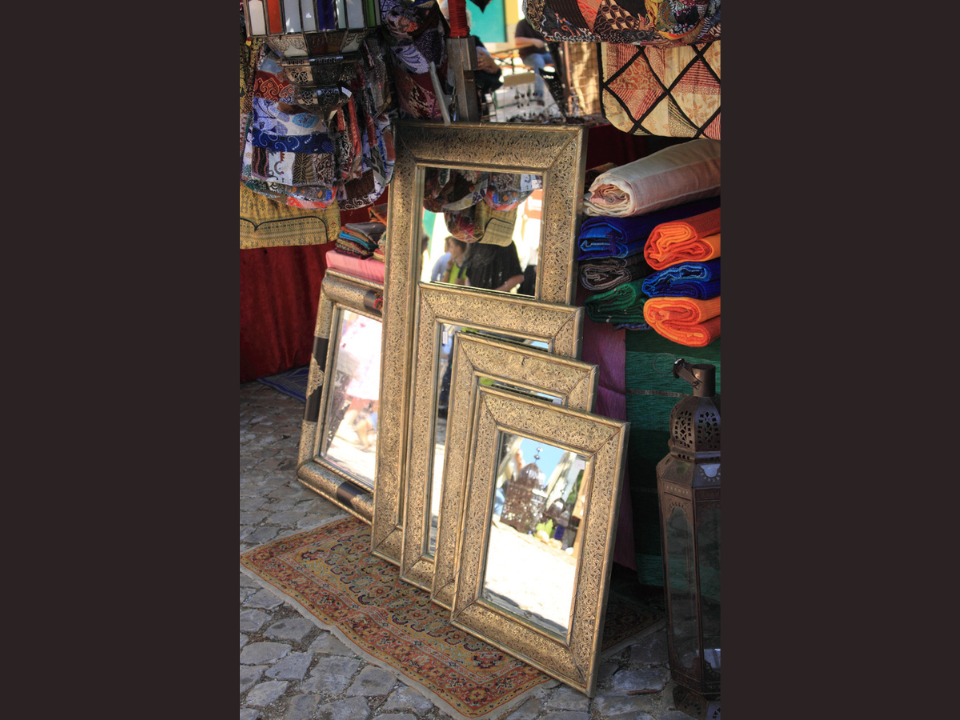
Another frequent mistake comes after paying, when buyers realize they have no safe way to get items home. Large mirrors, glass front cabinets, and fragile ceramics can chip, crack, or shatter during the ride if they are not packed well. New buyers sometimes leave pieces sliding around in the trunk with no padding at all. It helps to bring blankets, towels, or reusable bags specifically for wrapping fragile decor.
You may also need to measure your car opening and seats in advance so you know what can realistically fit. If an item is very large or heavy, it is wise to discuss pickup options with the seller before buying. Thinking about transport and temporary storage prevents damage that would erase the excitement of your find.
Relying On Impulse Instead of Setting a Budget
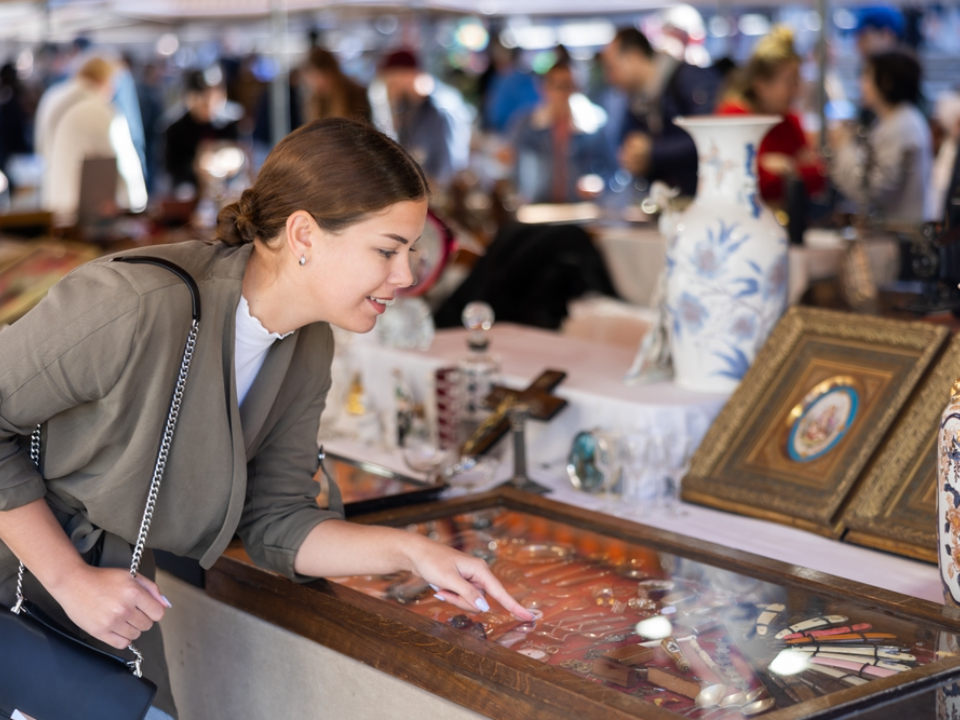
Flea markets can feel exciting and a little chaotic, which makes impulse shopping very common. New buyers walk in without a spending limit and end up buying every small object that catches the eye. The total may only sink in when they reach the car or check their wallet. This habit can lead to regret, especially if several items turn out to be unnecessary or do not fit at home.
Before visiting, it helps to decide on a clear budget and maybe even split it into categories like furniture and small decor. Once you have a limit, you can think more carefully about which pieces deserve a portion of that amount. This simple step keeps your purchases focused on items you truly enjoy instead of things you grabbed in the moment.
This article originally appeared on Avocadu.