
12 Antique Decor Items That Look Expensive but Can Still Be Affordable
It is easy to assume antiques always cost a lot, but plenty of pieces stay affordable if you know what to look for. Items with good shape, nice materials, and a bit of age can make a room feel more polished right away. With that in mind, let us talk about antique decor that gives a high-end look for less.
This post may contain affiliate links, which helps keep this content free. Please read our disclosure for more info.
International Silver Silverplate Serving Tray
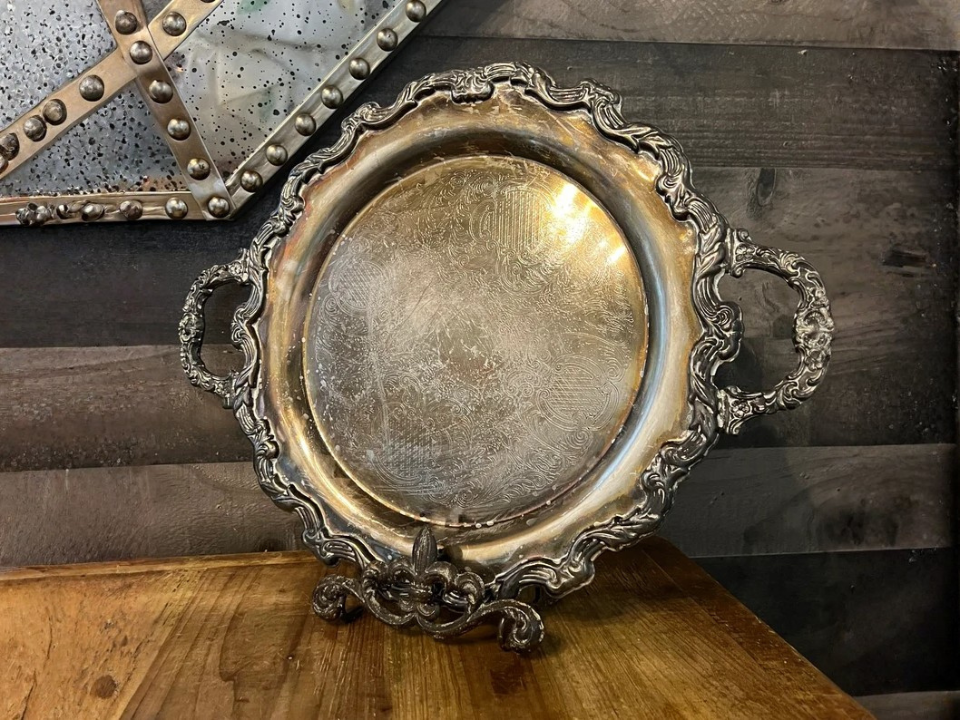
A silverplate tray with a soft shine can make a shelf or coffee table look far more formal than its price suggests. Many International Silver trays you see today were made around the 1940s to the 1960s. The maker is International Silver Company, and a typical current value is about $25 to $120, depending on size and wear. It looks expensive because the bright rim and engraved details catch light like fine tableware.
Instead of polishing it to a mirror finish, a gentle wash often keeps the older look people like. Use mild soap and warm water, then dry right away to avoid water spots. If you do polish, use a small amount of silverplate polish with light pressure and stop once it looks clean. Store it in a dry spot and place a soft pad under it to prevent scratches on wood.
1847 Rogers Bros Silverplate Round Serving Tray
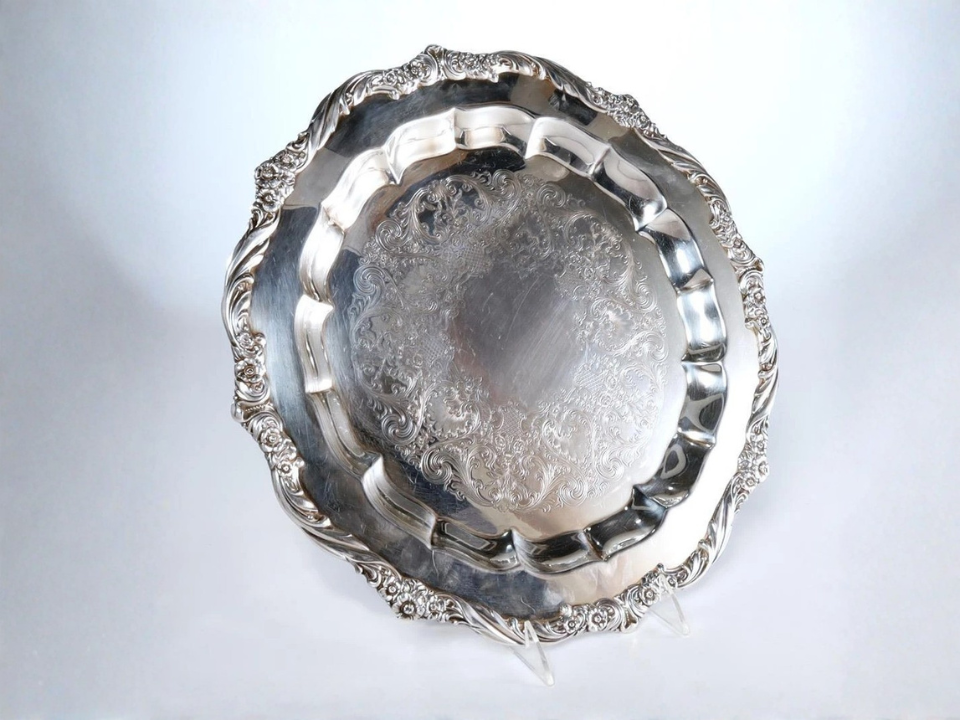
Some trays feel pricey because the border patterns look like banquet service pieces. Many 1847 Rogers Bros trays were produced in the early to mid 1900s, often from the 1910s through the 1950s. The brand to look for is 1847 Rogers Bros, and a typical value is around $30 to $150 based on size and condition. Light wear can still look good because it reads as age rather than damage when styled well.
Minor scratches usually fade into the background once you add candles, books, or glass on top. Wash by hand with mild soap, then dry fully so tarnish does not set in spots. If tarnish is heavy, use a gentle silverplate polish and avoid hard scrubbing. Wrap it in a soft cloth when stored so it does not rub against other metal items.
Anchor Hocking Royal Ruby Glass Bowl or Vase
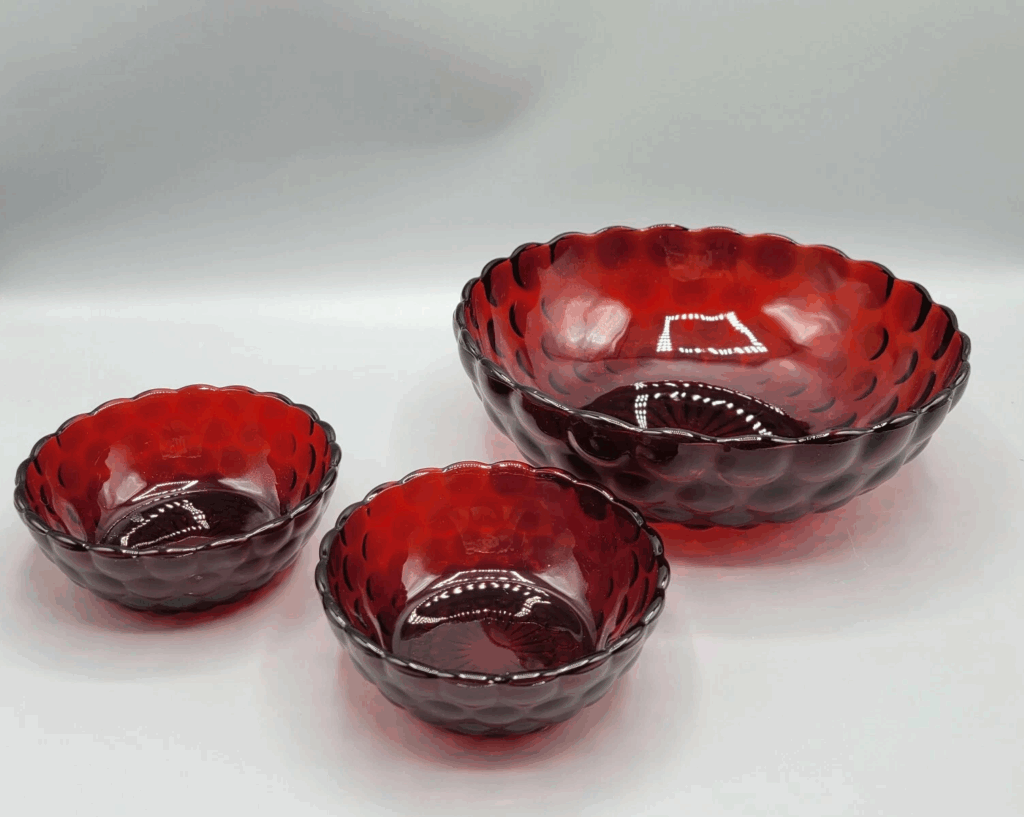
Deep ruby glass looks expensive because the color feels rich and the shine pops under lamp light. Many Royal Ruby pieces were produced from 1938 to 1967. The company is Anchor Hocking, and many small bowls or vases still sell for around $15 to $75 in today’s market. It looks high-end on a shelf because the color reads like specialty glass even in simple shapes.
A quick hand wash usually keeps the surface clear and bright. Use mild soap and warm water, then dry with a soft towel to avoid streaks. Avoid sudden temperature changes since older glass can crack if shocked. Keep it away from the busy edges of shelves because chips show quickly on dark glass.
Fenton Hobnail Milk Glass Vase
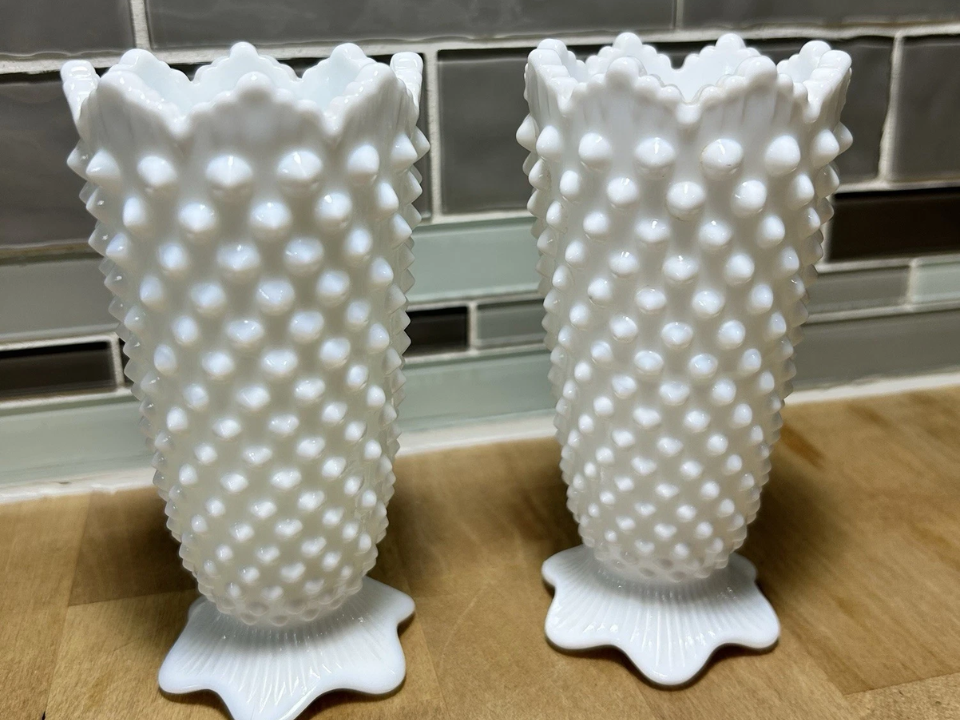
Milk glass can read like porcelain from a distance, which is why it often looks more expensive than it is. Many Fenton hobnail milk glass pieces were produced in the mid 1900s, commonly from the 1940s to the 1970s. The brand is Fenton, and common hobnail vases often sell around $25 to $120, depending on size and condition. The raised hobnail texture gives it depth and makes it stand out next to plain items.
Dust tends to collect between the bumps, so a soft brush works better than a flat cloth. Wash by hand with mild soap, rinse well, and dry fully so no film stays behind. Avoid abrasive pads because they can dull the finish over time. Place it where it will not be bumped since chips on white glass are easy to spot.
Westmoreland Milk Glass Covered Dish
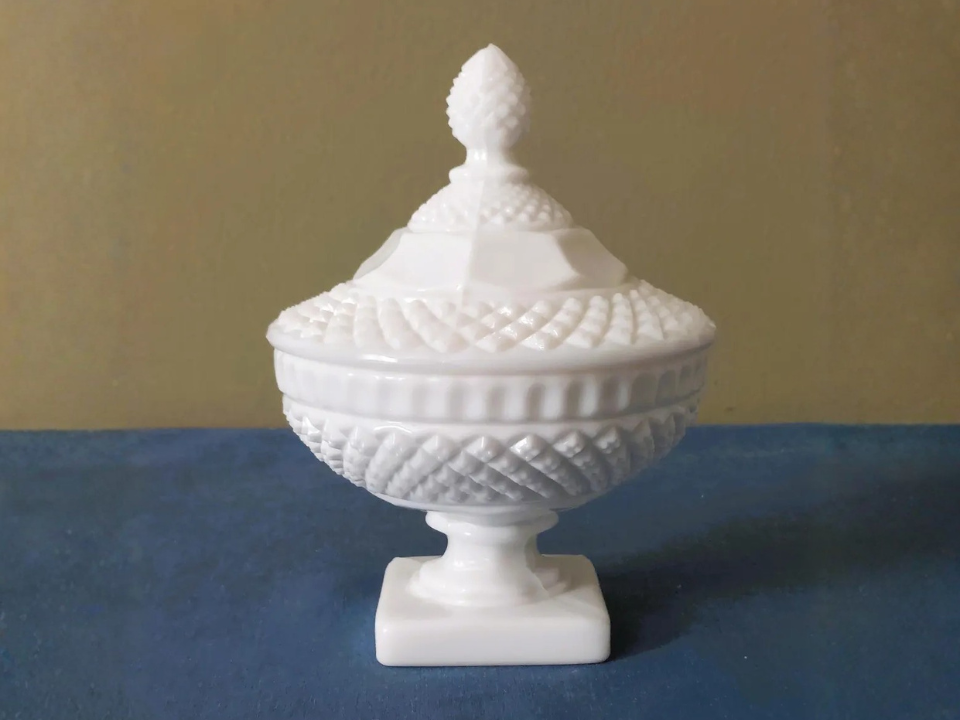
A covered dish looks fancy because the lid makes it feel like a centerpiece. Many Westmoreland milk glass-covered dishes were made around the 1920s through the 1950s. The maker is Westmoreland Glass Company, and many common examples sell for around $20 to $90 today. It looks expensive on display because the white glass and fitted lid feel formal and intentional.
Lids chip easily, so lift straight up instead of sliding the rim. Hand wash gently and dry right away to keep the surface clear. Do not stack the lid on the base during storage unless you add a soft cloth between them. Keep it slightly back from the shelf edge so it does not get clipped during dusting.
Federal Glass Depression Era Footed Bowl
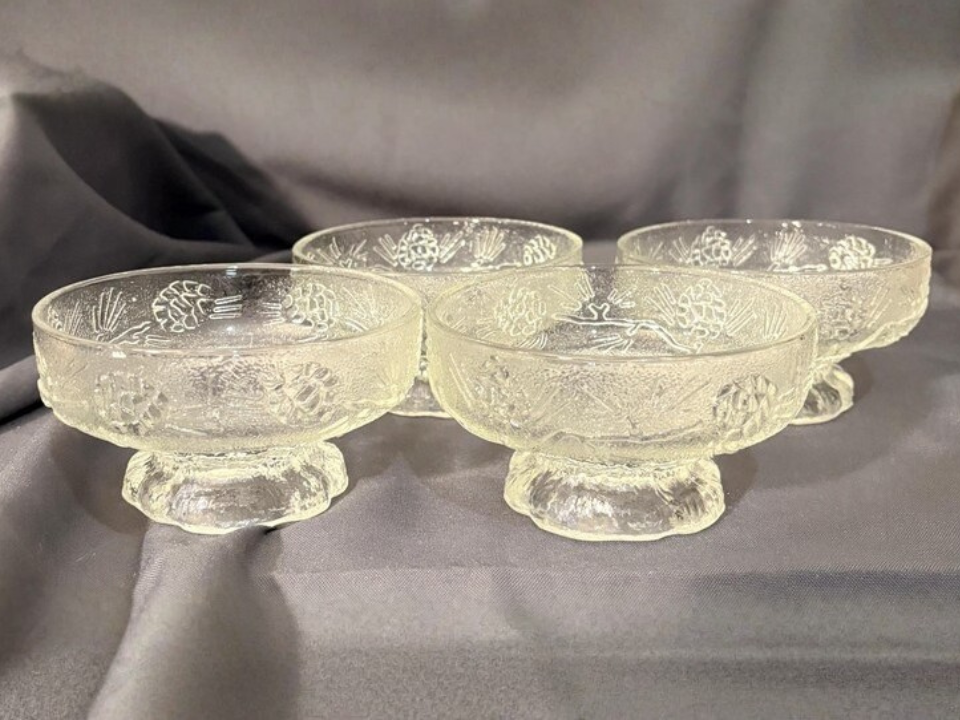
Pressed glass can look like crystal when the pattern catches the window light. Many Depression era glass pieces were produced from about 1929 to 1939, and Federal Glass made a range of patterned items in that period. The company is Federal Glass, and common footed bowls often fall around $15 to $70, depending on color and chips. It looks pricey because the pattern and foot add sparkle and height without needing a large piece.
Chips on the foot and rim matter most, so check those areas before buying. Wash by hand using mild soap and warm water, then dry completely. Avoid stacking without padding because rim wear happens fast on pressed glass. Display it solo or with one small item inside so the pattern stays the focus.
Hazel Atlas Depression Era Pattern Plate
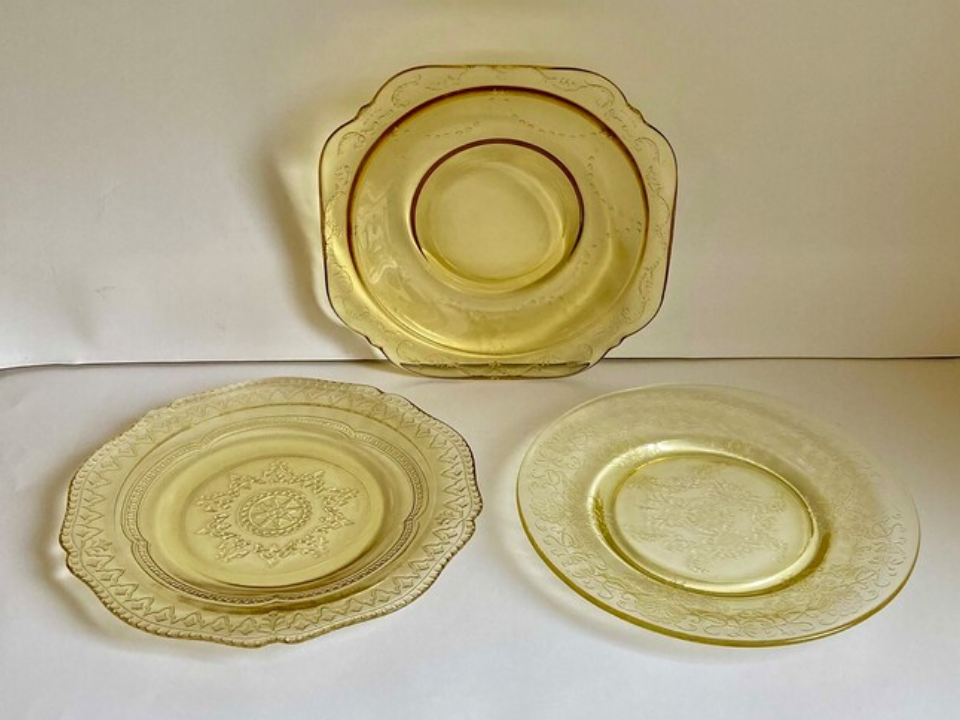
A patterned plate can make a shelf look styled because it reads like a collected table history. Many Hazel Atlas Depression era pieces date to the 1930s, within the broader 1929 to 1939 window. The company is Hazel Atlas, and common plates often sell around $10 to $60, depending on pattern and condition. It looks expensive when placed on a stand since the pattern becomes wall art for your shelf.
Cloudy film is common, so stick to gentle soap and warm water. Dry with a soft towel so water spots do not set into the surface. If you stack plates, place a cloth between each one to protect rims. Keep it out of long daily sun exposure since some colors can fade over time.
Jeannette Glass Depression Era Bowl
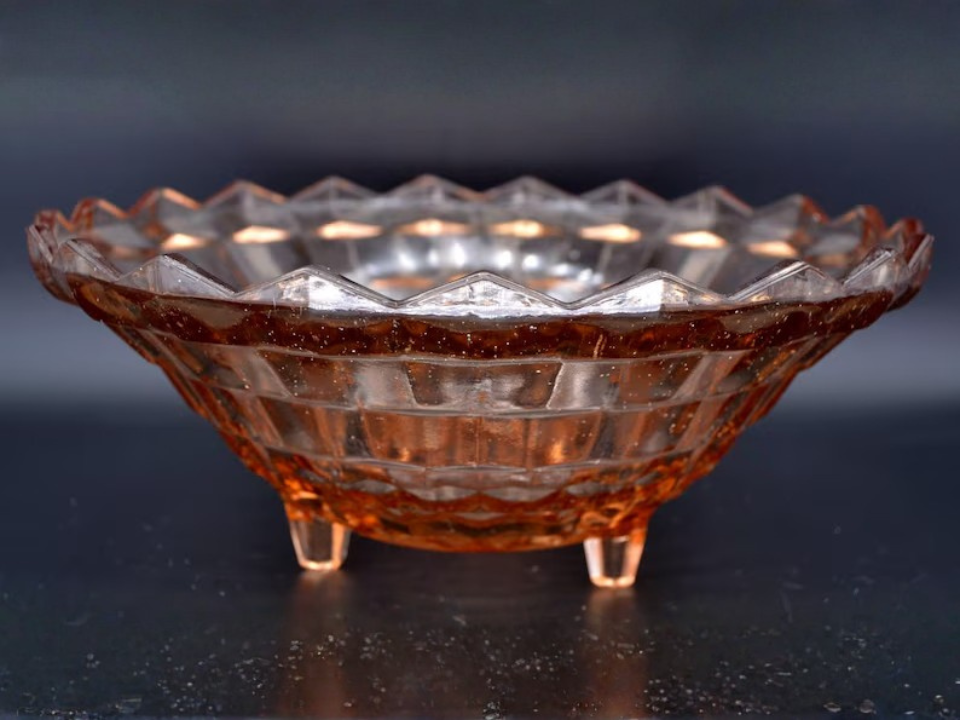
A single bowl with a clean shape and nice color can look far more costly than it was to buy. Many Jeannette Glass Depression era pieces were made in the 1930s. The company is Jeannette Glass, and many common bowls still sell around $15 to $85, depending on pattern and condition. It looks expensive because the patterned surface throws light and shadow across the shelf.
Condition matters more than size, so watch for tiny rim chips and hairlines. Use mild soap and warm water, then dry right away so mineral spots do not linger. Hold it with two hands when moving it because the thin edges can stress over time. Pair it with matte items like wood or books so the glass looks even more special.
Roseville Pottery Vase
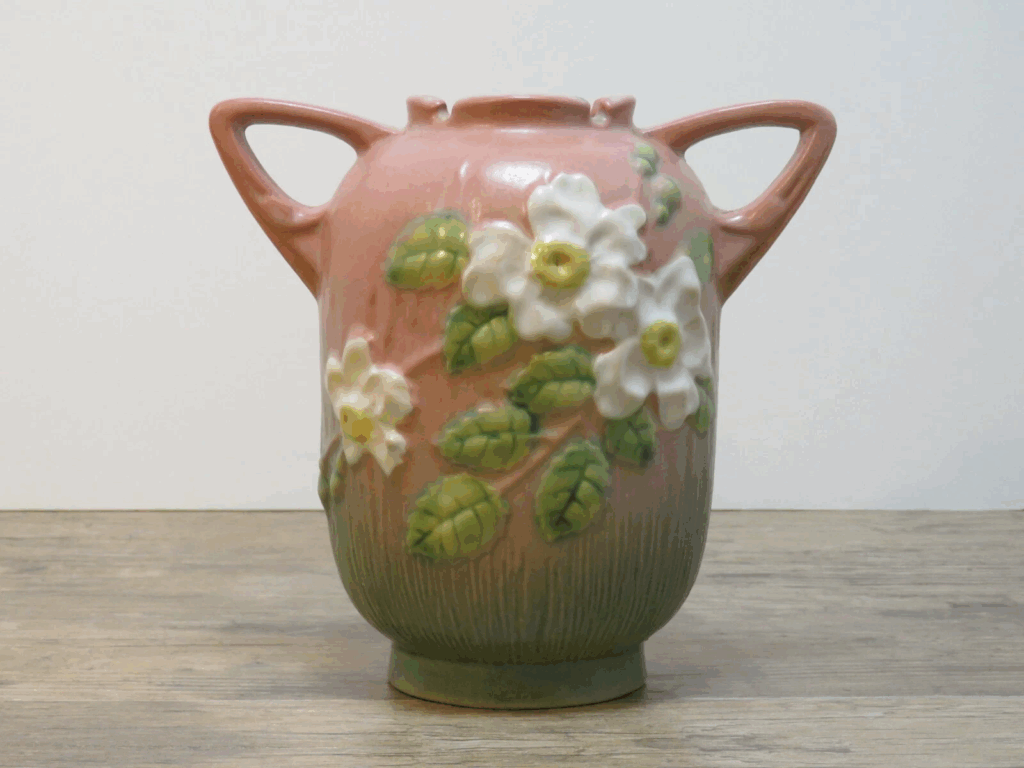
Art pottery often looks expensive because the glaze and shape feel like gallery decor. Roseville Pottery operated from 1890 to 1954, with many well-known lines made in the early 1900s through the 1940s. The brand is Roseville, and smaller vases can sometimes be found for around $75 to $250, depending on the line and condition. It looks high-end because the glaze depth and relief details feel richer than modern mass decor.
Glazed pottery can chip on rims, so keep it centered and away from traffic areas. Dust with a dry cloth and use a slightly damp cloth for grime, then dry it right away. Avoid soaking the base if it is unglazed because it can absorb moisture. Style it with a single branch or leave it empty so the glaze gets attention.
McCoy Pottery Planter
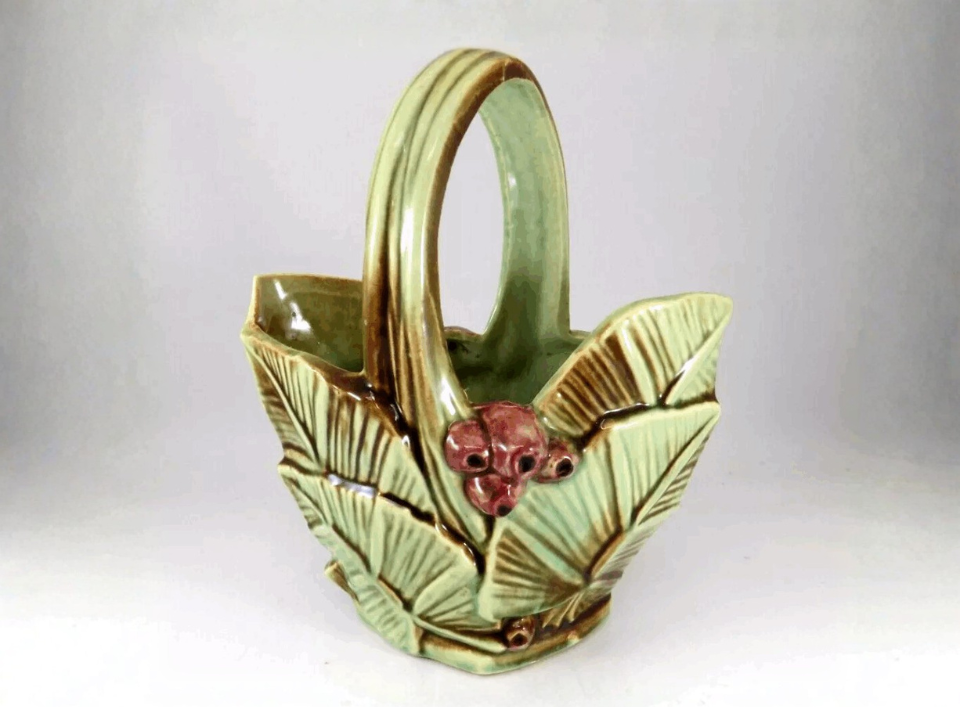
Some planters look costly because the glaze has depth, and the forms feel sculptural. Many McCoy planters were produced across the 1900s, with plenty from the 1940s to the 1960s. The brand is McCoy, and common planters often sell around $25 to $120, depending on size and condition. It looks expensive when the glaze is clean, and the shape has strong lines.
If you use it for a real plant, add a liner or inner pot, so water does not sit against the ceramic. Wipe dust with a dry cloth and clean marks with mild soap on a damp cloth, then dry fully. Avoid leaving it in strong sun for long periods since some glazes can fade or craze from stress. Place a soft pad under it so the base does not scratch wood shelves.
International Silver Silverplate Candlesticks
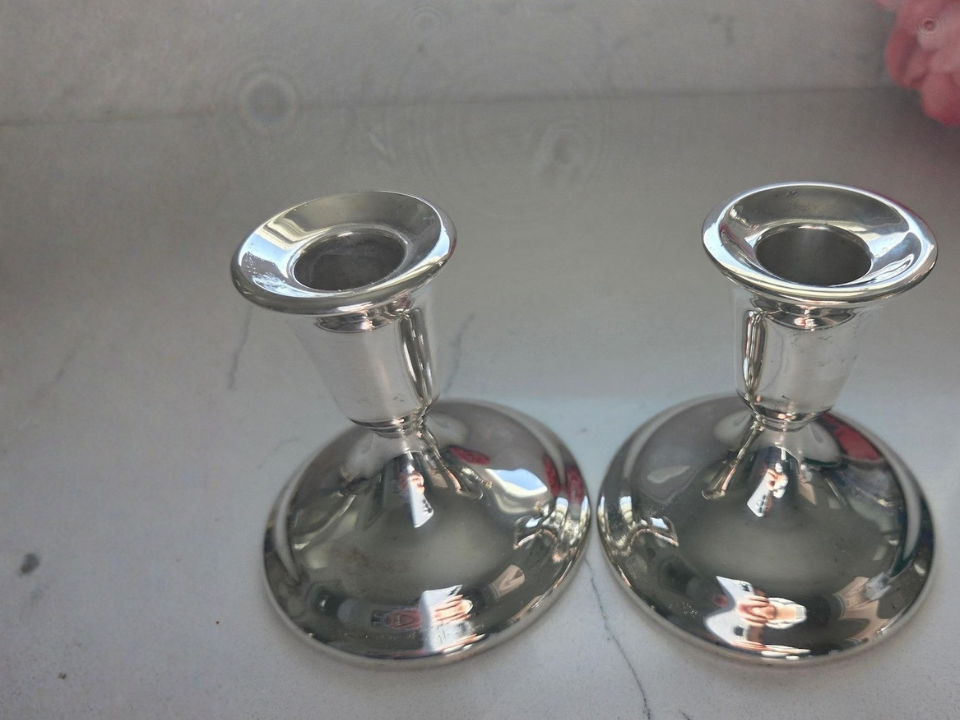
A matching pair of candlesticks can make a shelf look formal right away. Many International Silver candlesticks you find today were made in the mid 1900s, often from the 1930s through the 1960s. The maker is International Silver Company, and many pairs sell around $20 to $90, depending on height and plating wear. They look expensive because the tall silhouette and shine read like dining room pieces from a more formal time.
Wax drips come off easier if you chill the piece briefly, then lift the wax gently. Hand wash with mild soap, dry fully, and keep them stored dry to slow tarnish. If you polish, use a small amount and stop once the surface looks clean, since over-polishing can thin plating. Plain taper candles usually make the shape look more refined than chunky candles.
Depression Era Glass Serving Platter
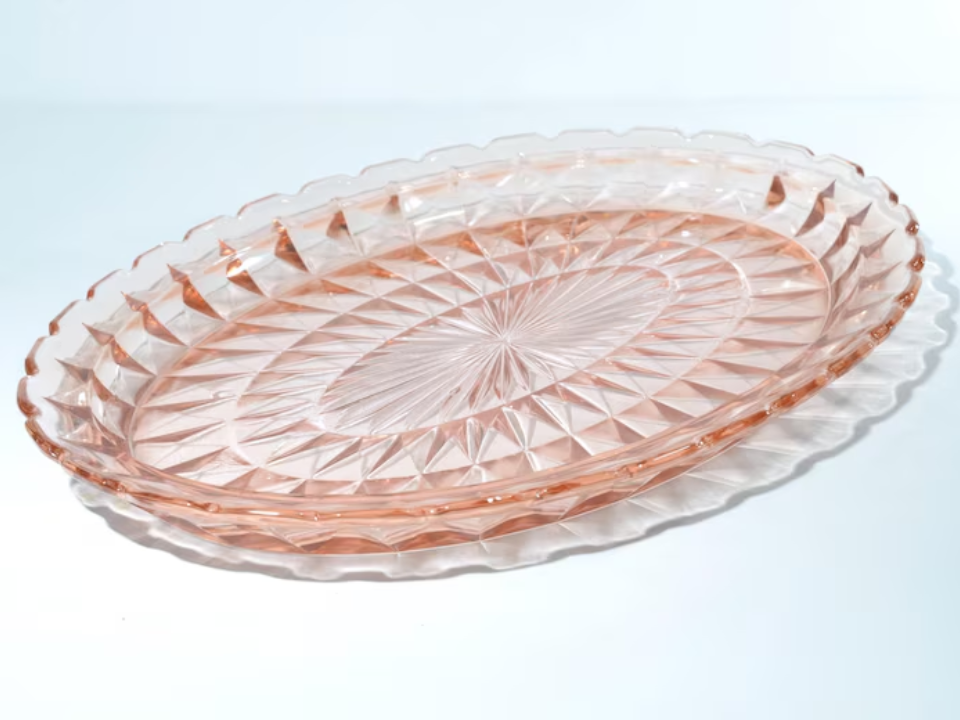
Large platters look expensive because they take up space and catch light across a wide surface. Many Depression-era platters were produced from about 1929 to 1939. The maker varies by pattern, and common platters still show up around $25 to $100, depending on color and condition. It looks high-end when displayed upright since the pattern reads like decorative art.
Check the rim closely since small chips are the most common issue on platters. Hand wash with mild soap, dry fully, and avoid stacking without a cloth barrier. Use a stand so the platter does not slide and the pattern stays visible. Keep it in a low-traffic spot so it does not get bumped during cleaning.
This article originally appeared on Avocadu.