
14 Antique China and Transferware Pieces People Use for Display
Antique china and transferware can make a room feel warm and lived in without much effort. These pieces look great on shelves, cabinets, hutches, and walls, and they add pattern and history at the same time. This list highlights display-friendly picks that collectors and decorators often use because they are easy to notice and easy to mix with other decor.
This post may contain affiliate links, which helps keep this content free. Please read our disclosure for more info.
Blue Willow Transferware Platter
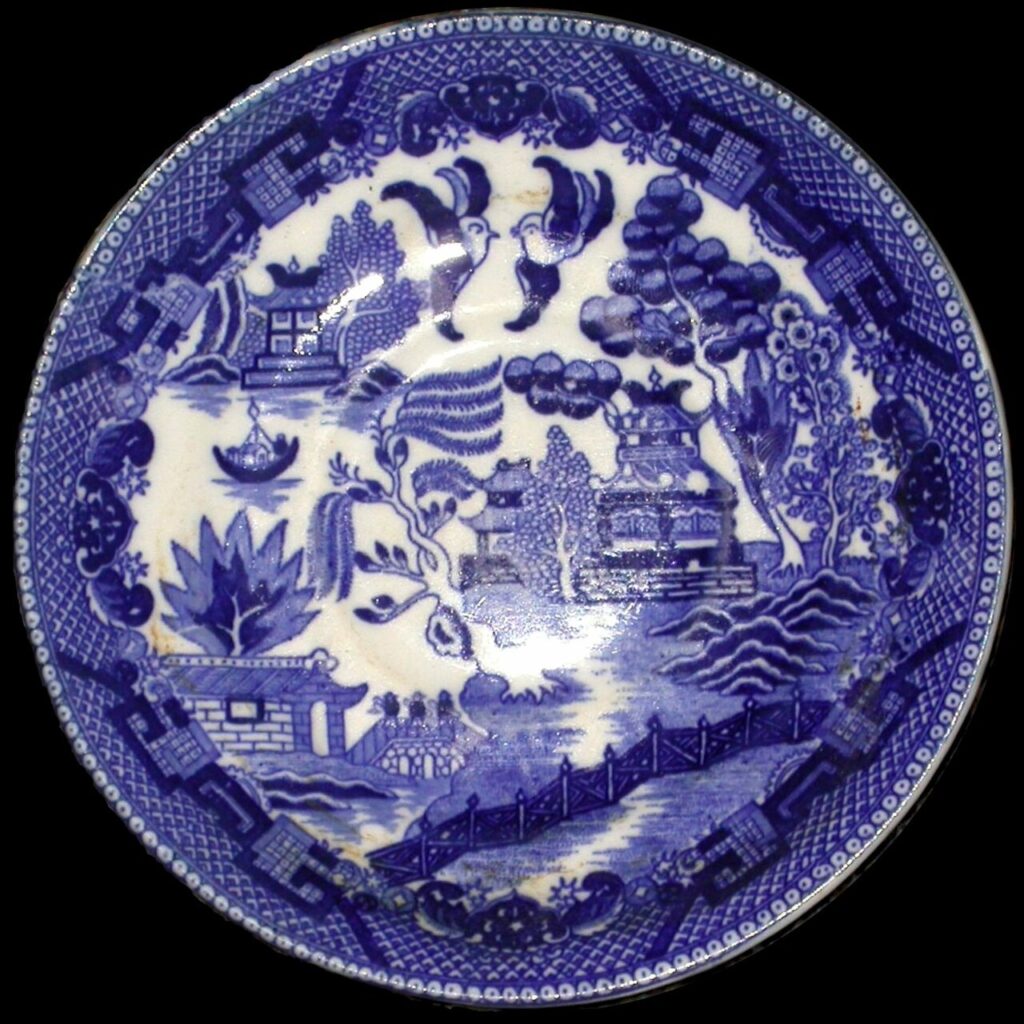
A Blue Willow platter is one of those pieces that reads as antique from across the room, even if someone does not know the pattern name. The blue scene work gives you a lot to look at, so it fills visual space on a shelf without needing much around it. Larger platters are especially good for leaning in the back of a cabinet because they frame smaller pieces in front. If the surface has light wear, that can actually help it feel more relaxed and lived in.
You can stand one upright on a plate stand, hang it on a wall, or layer it behind stacked books and candlesticks. In a dining room hutch, it works nicely with plain white ironstone because the pattern keeps the setup from looking flat. Some people use one on a table as a base under a vase or a bowl of fruit when they want a quiet vintage look. Even a single platter can make a display feel finished when the rest of the pieces are small.
Flow Blue Dinner Plate Stack
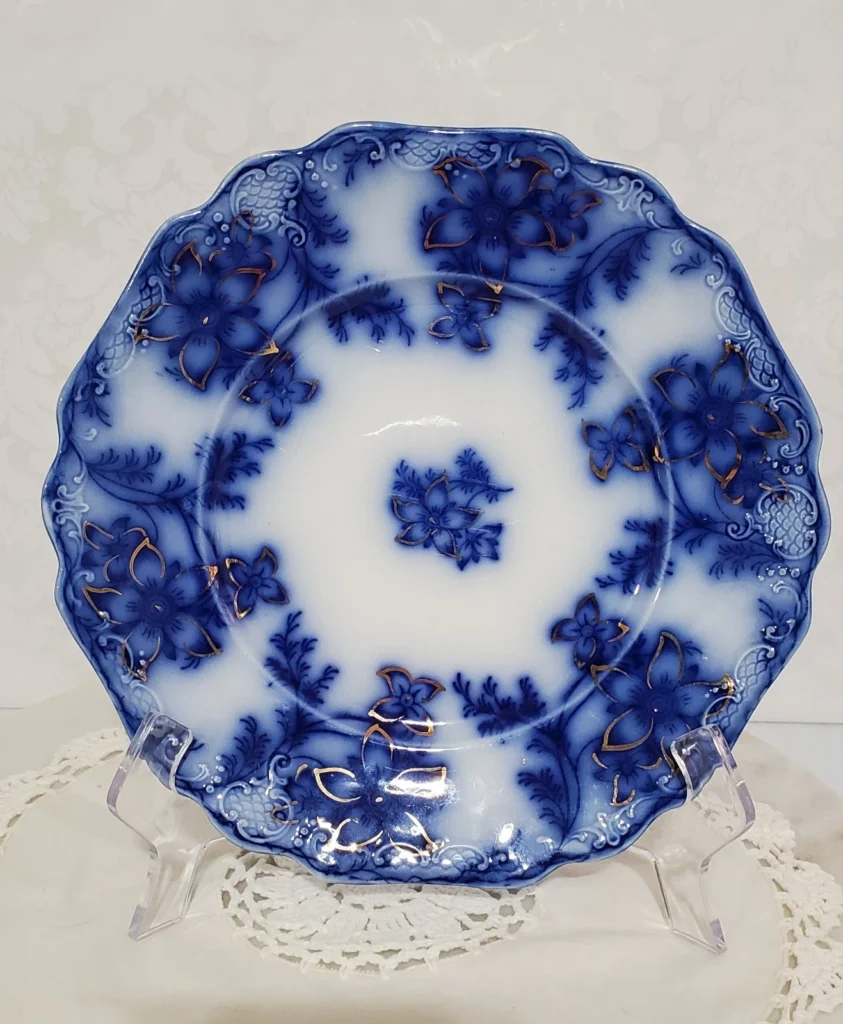
Flow Blue plates are easy to spot because the pattern edges look soft and slightly blurred, which gives them a moody look that feels older right away. A stack of them adds height and color without taking up much room, so they work well on shelves that are not very deep. The worn rims and little marks many old plates have can make the stack look more interesting than a set in perfect condition. Mixed shades of blue in one stack can look better than trying to match every plate exactly.
On open shelving, a short stack can break up rows of cups and pitchers that all sit at the same level. You can place a small bust, brass candlestick, or tiny framed photo on top to keep the arrangement from looking too neat. Some people lean one Flow Blue plate behind the stack so the front pattern still shows while the pile gives weight. It is an easy way to get a collected look with pieces that are usually still easy to find one at a time.
Ironstone Tureen With Lid
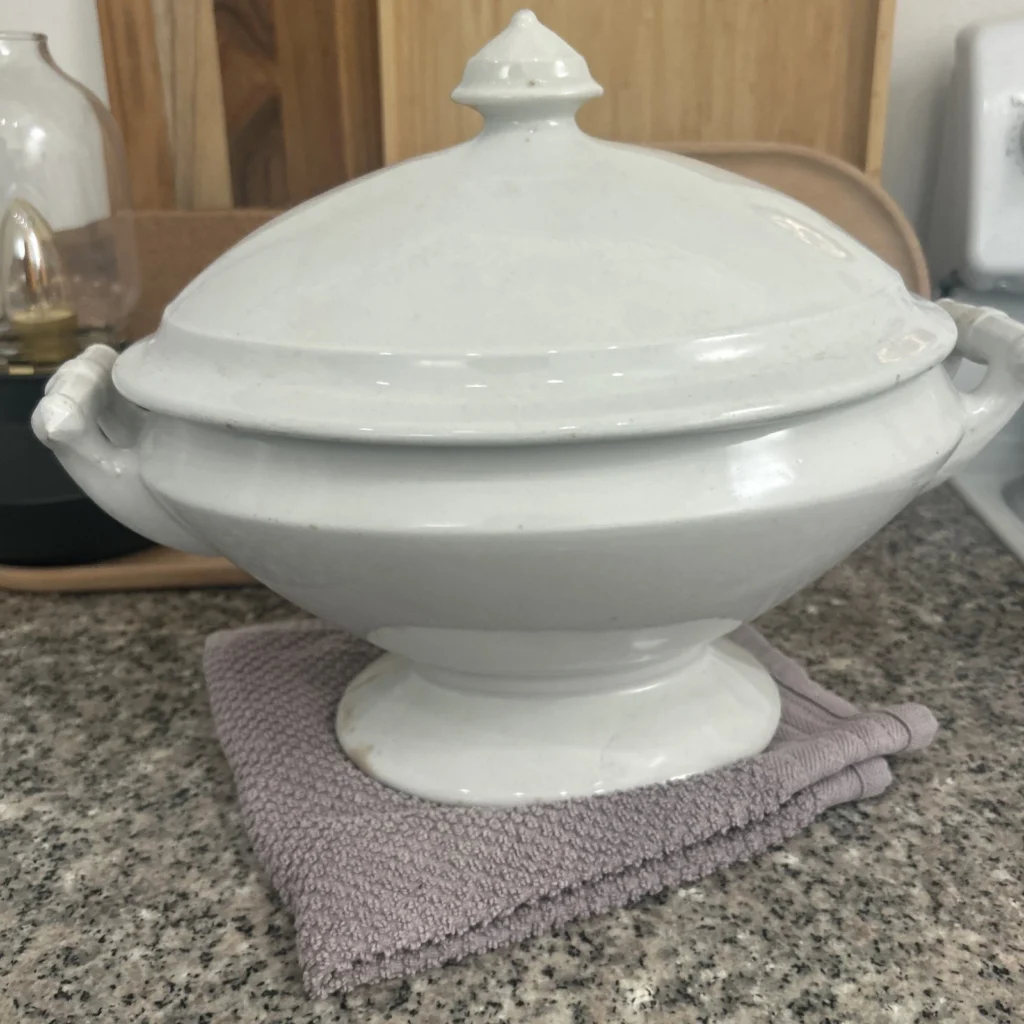
An ironstone tureen with a lid has a lot of shape, which makes it a strong display piece even when the color is plain white or cream. The handles, finial, and rounded body give the eye several places to land, so it does not get lost in a larger cabinet. Because it is usually heavier than regular china, it tends to stay put and feels solid on a shelf. Light crazing or age spots can add character if they are not too distracting.
This kind of piece looks great centered on a sideboard, especially with a few smaller items around it. You can leave the lid on for a clean silhouette, or set the lid beside it to show more detail and make the setup feel less formal. In kitchens, many people use a tureen as a display anchor near cookbooks, cutting boards, and old utensils. It brings a useful old-house feeling without needing a lot of styling.
Transferware Pitcher With Floral Scene
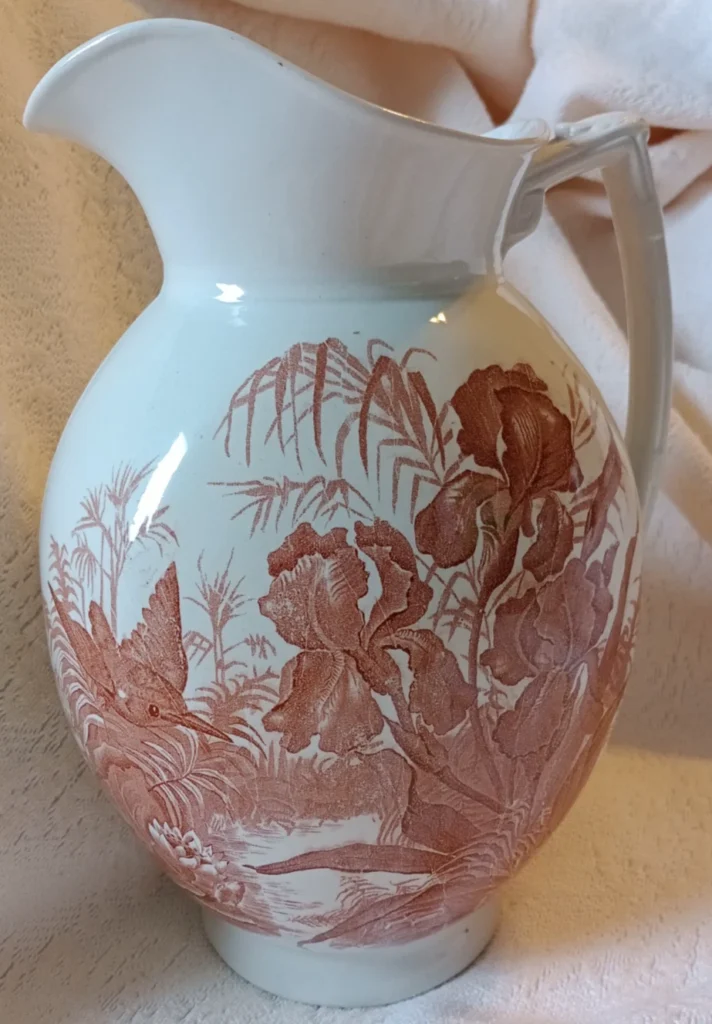
A transferware pitcher with a floral scene adds height fast, which helps when a shelf has too many low bowls and plates. The curved handle and narrow neck give it movement, and the printed pattern adds detail without feeling fussy. Even when it is empty, it still looks complete because the shape does so much work. If you find one with gentle staining inside, it can still be a strong display piece as long as the outside looks good.
People often place these pitchers near stacks of plates or linens so the whole setup has mixed shapes and textures. It can hold dried stems, but it also looks good left plain if you want the printed design to be the focus. On a mantel, one pitcher on each end can help balance framed art in the middle. The piece is useful in almost any room because it reads as both kitchenware and decor.
Antique China Teacup and Saucer Pair
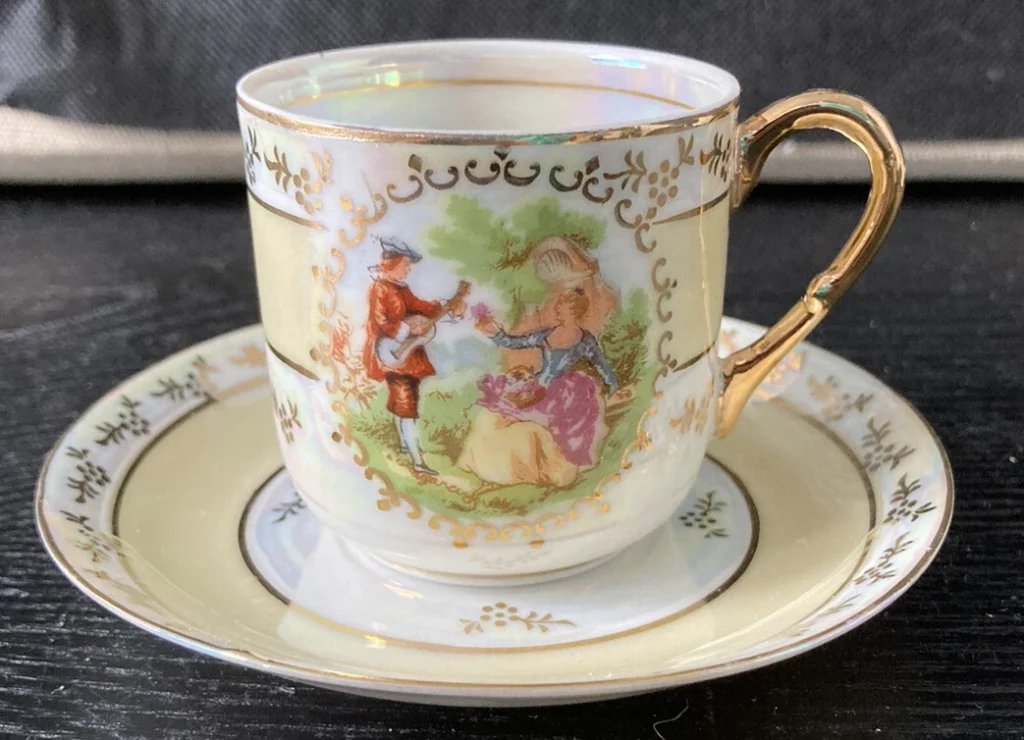
An antique teacup and saucer pair is small, but it can add a lot of charm when you place it where people can see the pattern up close. Gold trim, floral sprays, and tiny painted details give these pieces a softer look than heavier transferware. Since they do not need much room, they work well in little corners that would look empty with a larger item. A single pair can feel special, especially if the cup has a delicate handle or a pretty interior design.
Try setting a cup and saucer on top of a stack of books, inside a glass cabinet, or beside a lamp on a side table. Some people group three or four mismatched pairs together, which looks more natural than a full matching row. If the saucer has a crack and the cup is still nice, you can still use the set for display and place it where it will not be handled much. These pieces are great for adding a softer note among heavier stoneware and wood items.
Hand Painted China Serving Bowl
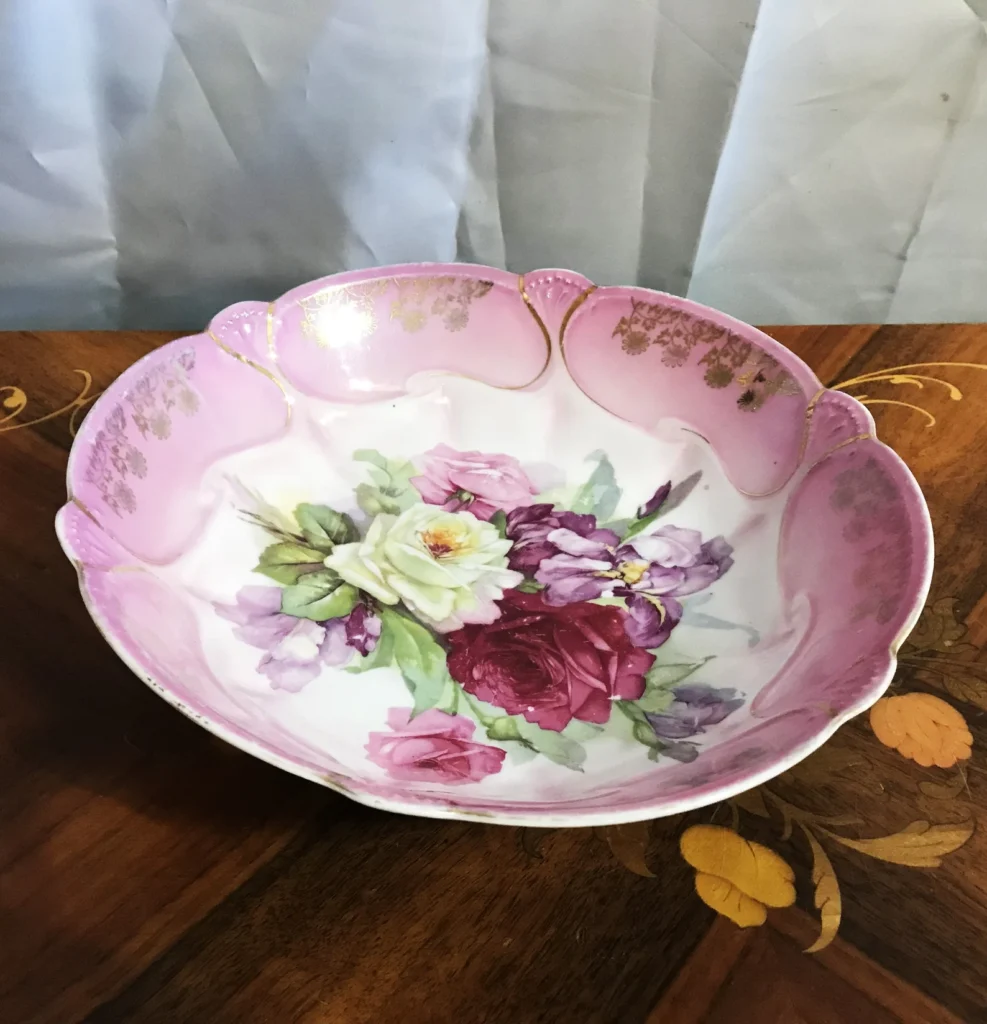
A hand painted china serving bowl can bring color into a display that feels too blue and white or too neutral. Many older bowls have floral work, scalloped rims, or gold accents that catch light in a very gentle way. Because it is open at the top, it can be shown empty or filled with decorative objects depending on the look you want. The bowl shape also helps break up displays that have too many upright pieces.
On a dining table, it looks lovely placed on a folded runner with nothing inside except maybe a few old wooden spools or faux pears. In a cabinet, you can set it on a lower shelf so the painted rim is easy to see from the front. If the bowl has some wear on the inside, that usually matters less when the piece is used for display instead of serving. A painted bowl often gives a room a softer, more personal feel than plain white pieces alone.
Transferware Covered Vegetable Dish
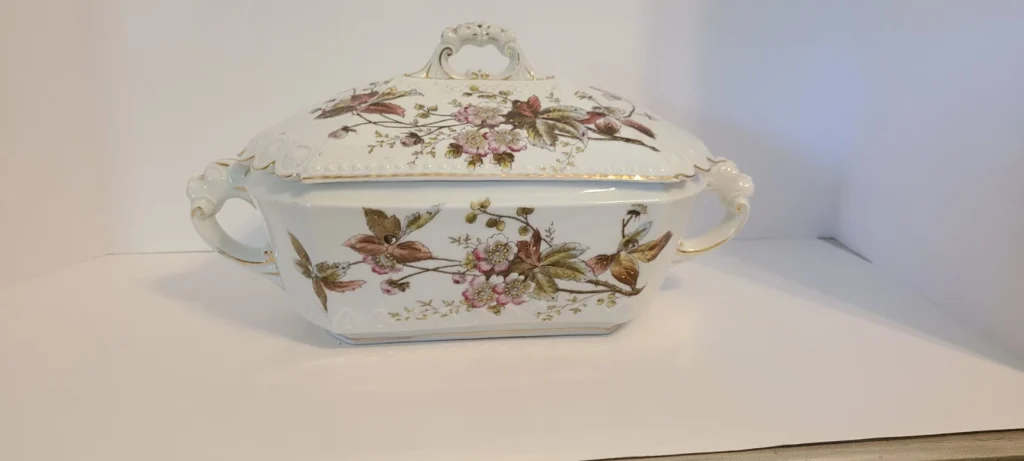
A covered vegetable dish has a useful low shape that sits nicely in the middle of a shelf without blocking everything behind it. Transferware versions are especially nice for display because the lid and base both carry pattern, so you get detail from every angle. The side handles add width and make the piece feel substantial even when it is not very tall. It is one of those antiques that looks good in a dining room but can also work in a kitchen or entry cabinet.
You can keep the lid on for a tidy look, or tilt it slightly open to show the inside and add a more relaxed feel. Paired with plain plates and a pitcher, it helps create a layered setup that does not look too matched. Many decorators like using one near candlesticks because the low profile keeps the arrangement balanced. If you find one with a tiny chip on the underside, it may still be worth using since that part often stays hidden.
Ironstone Chamber Pot Repurposed as Decor
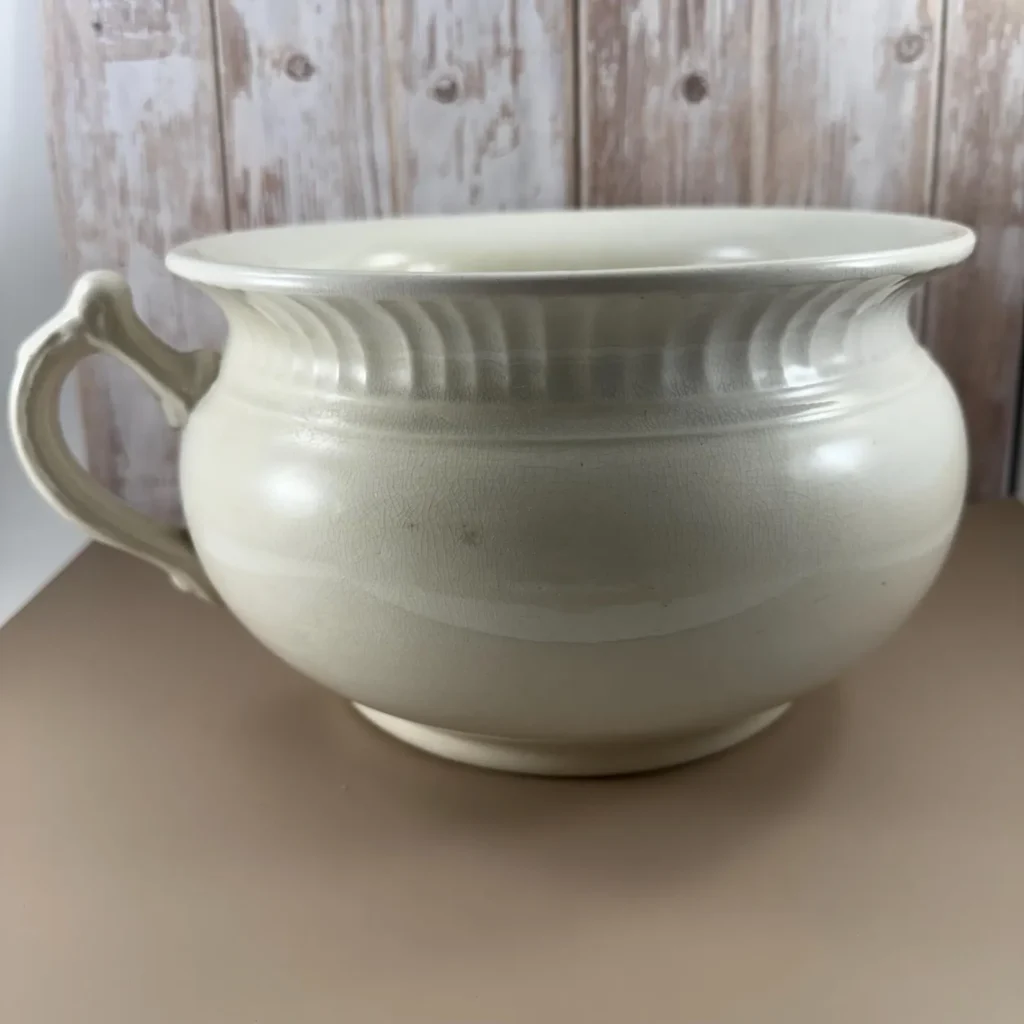
An ironstone chamber pot is a piece people often use in display because the shape is unusual and it starts conversations right away. The handle and round body make it look a bit like a planter or storage crock, so it blends in more easily than people expect. When the glaze has age marks, it often looks even better in casual vintage decor. It is a practical pick too since the opening is wide and easy to use.
Many people repurpose one to hold dried hydrangeas, rolled linens, or kitchen utensils on a shelf. In a bathroom, it can look right at home beside old soap dishes and folded washcloths without feeling too staged. If you prefer a cleaner look, leave it empty and let the shape stand on its own. It adds a little humor and history while still fitting into a polished room.
Antique China Cake Stand or Compote
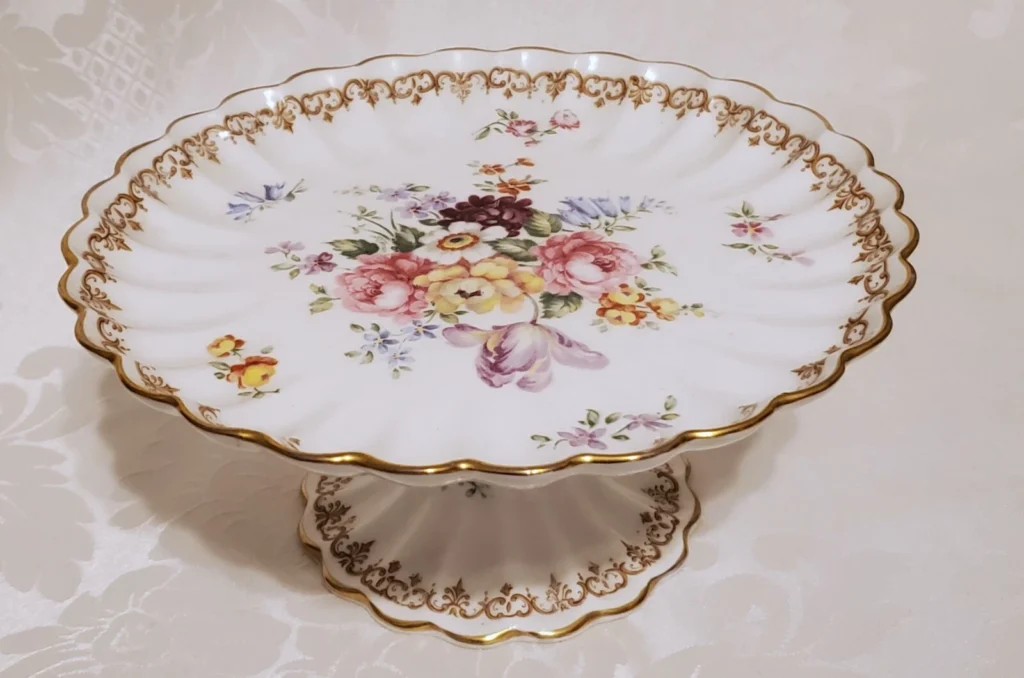
A cake stand or compote made from antique china gives you instant height, which is one of the easiest ways to improve a flat display. The raised base helps smaller pieces around it look more intentional because your eye moves up and down across the arrangement. Decorative rims, painted flowers, and gold trim can make even a simple corner table feel dressed up. It is a nice option when you want something pretty that still feels useful.
On a hutch shelf, a compote can hold a few ornaments, faux fruit, or even nothing at all if the pattern is strong enough. Some people use one on a coffee table under a candle so wax stays off the wood and the setup still looks antique. A stand with minor wear on the top can still look great in display use since that surface is often partly covered. The raised shape brings variety to collections that have too many plates and bowls at one level.
Transferware Soup Tureen Base Used as Tray
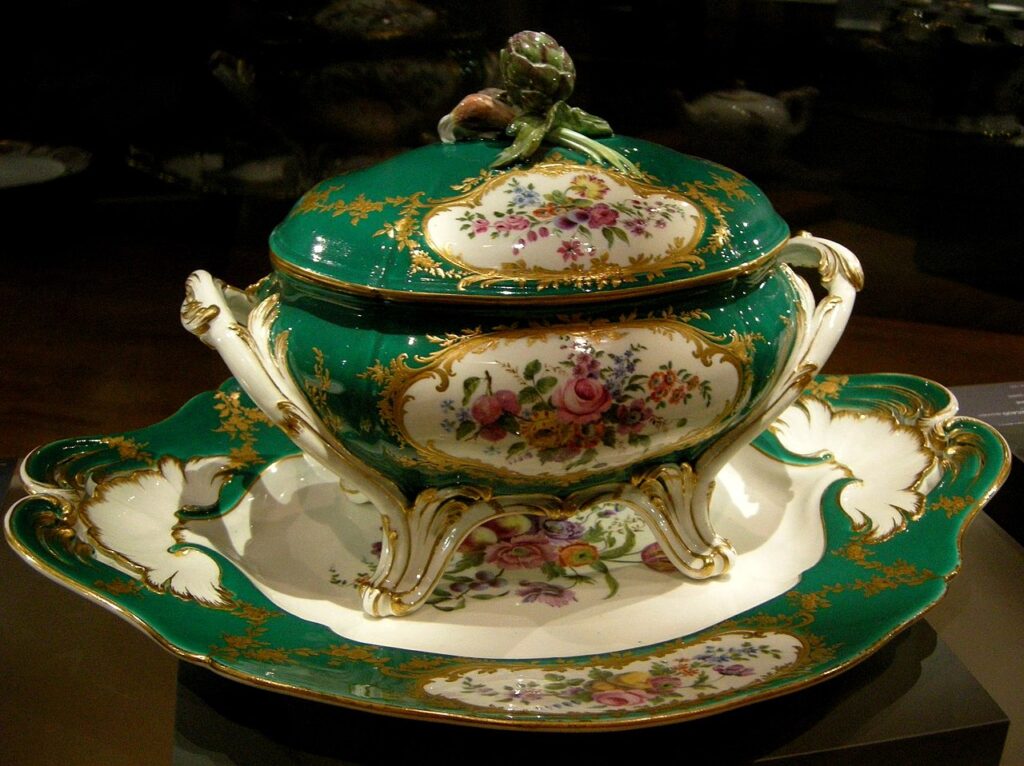
A soup tureen base on its own can be a great display piece, especially when the original lid is missing and the pattern is still pretty. The oval shape reads like a tray, and the low footed form makes it useful for holding smaller antiques together. Transferware designs give it enough detail that it still feels decorative even with no tureen attached. It is a smart way to use a piece that might otherwise get overlooked.
You can place candles, matchbooks, small frames, or a bud vase on it to create a grouped display that feels neat but not stiff. On a dresser, it works well for perfume bottles or jewelry because the raised edge helps keep things in place. If the print is dark blue, it looks especially nice against pale walls or painted furniture. This kind of piece is a good reminder that incomplete sets can still be very useful in decor.
China Gravy Boat With Underplate
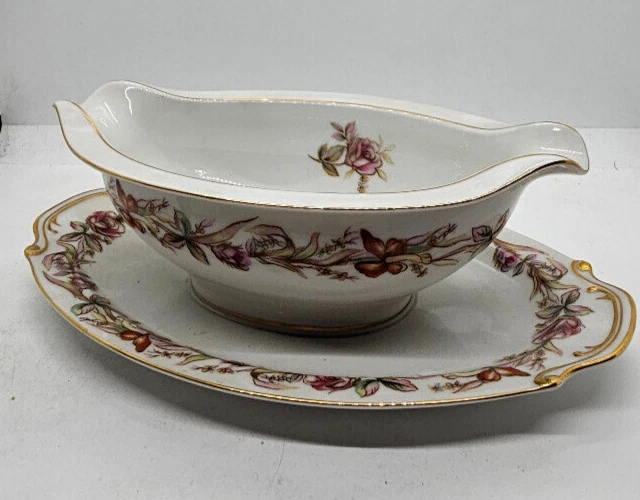
A china gravy boat with its underplate is a smaller antique set that brings shape and detail without needing a lot of space. The curved handle, pointed spout, and matching tray give it a sculptural look that stands out among flatter pieces. Floral china patterns look sweet in this form, while transfer patterns can make it feel more graphic and crisp. It is a fun item to display because many people do not expect to see it outside a dining setup.
Try placing it on a shelf beside stacked linens or old cookbooks where the shape can really stand out. The underplate helps it feel complete, and that makes the pair look more finished than a single loose piece. Some people tuck one into a kitchen vignette with a sugar bowl and creamer for a collected look. Even when it is tiny, it adds personality and a little movement to the shelf line.
Antique China Coffee Pot
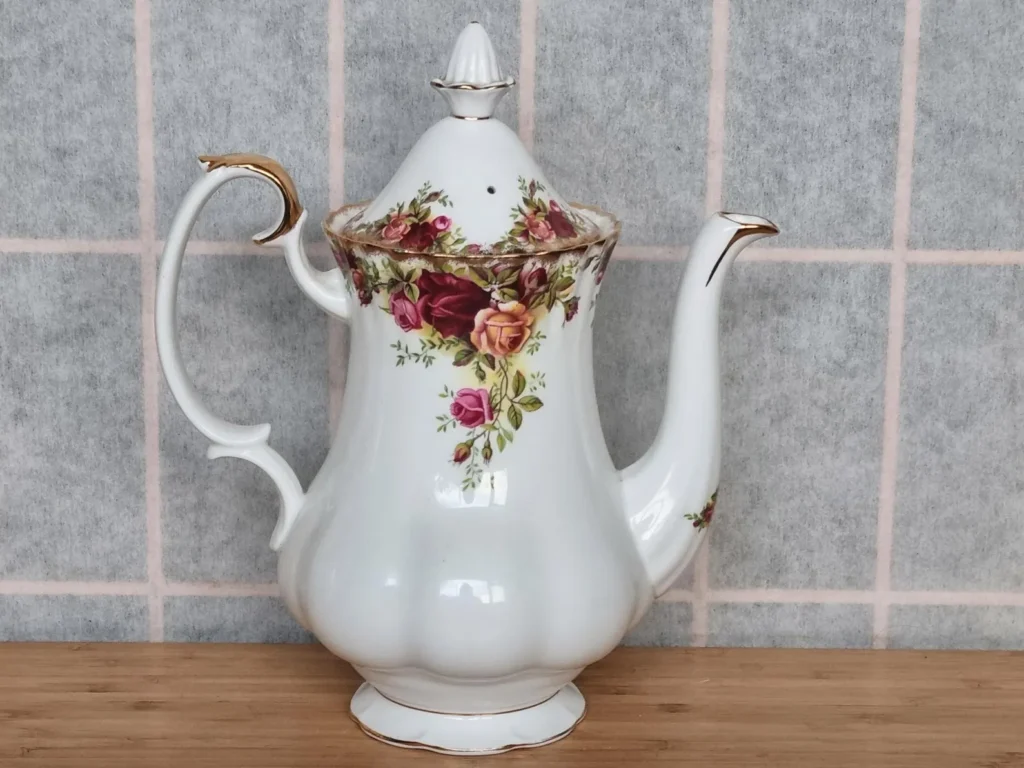
An antique china coffee pot brings height and a graceful shape to any display, especially if it has a curved spout and decorative finial. The tall body makes it useful when you need one piece to fill vertical space between shorter bowls and plates. Painted floral pots feel soft and romantic, while transferware or darker patterns can read more formal. Either way, it tends to draw attention because the silhouette is easy to spot.
You can place a coffee pot at the back of a shelf and let smaller cups or creamers sit in front without hiding it completely. On a dining room sideboard, it pairs nicely with candlesticks and a stack of dessert plates for a simple vintage setup. If the lid is loose, many people still display it by setting the lid beside the pot so nothing gets damaged. It is one of those pieces that looks polished without much effort.
Transferware Wash Basin Bowl
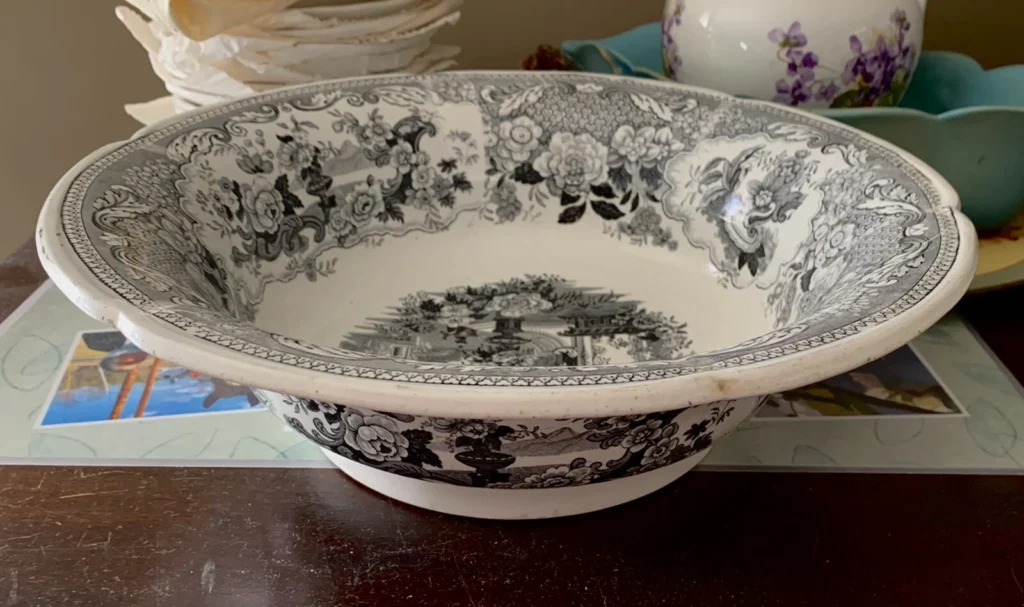
A transferware wash basin bowl is a large piece that can fill a shelf or tabletop in one move, which makes decorating a lot easier. The wide shape shows off border patterns really well, especially when the bowl is displayed at a slight angle. Because these bowls were made for daily use, they often have a sturdy feel that works nicely in casual rooms. Blue transfer prints are common, though brown and red versions can look beautiful too.
Some people use a basin bowl as a center table piece with moss balls, pinecones, or folded linens inside. In a bathroom, it can hold soaps or hand towels and still look true to its original style. If you have a matching pitcher, the pair makes a strong display, though the bowl can stand on its own just as well. It adds scale and pattern in a way that smaller china pieces cannot.
Decorative China Dessert Plates With Mixed Patterns
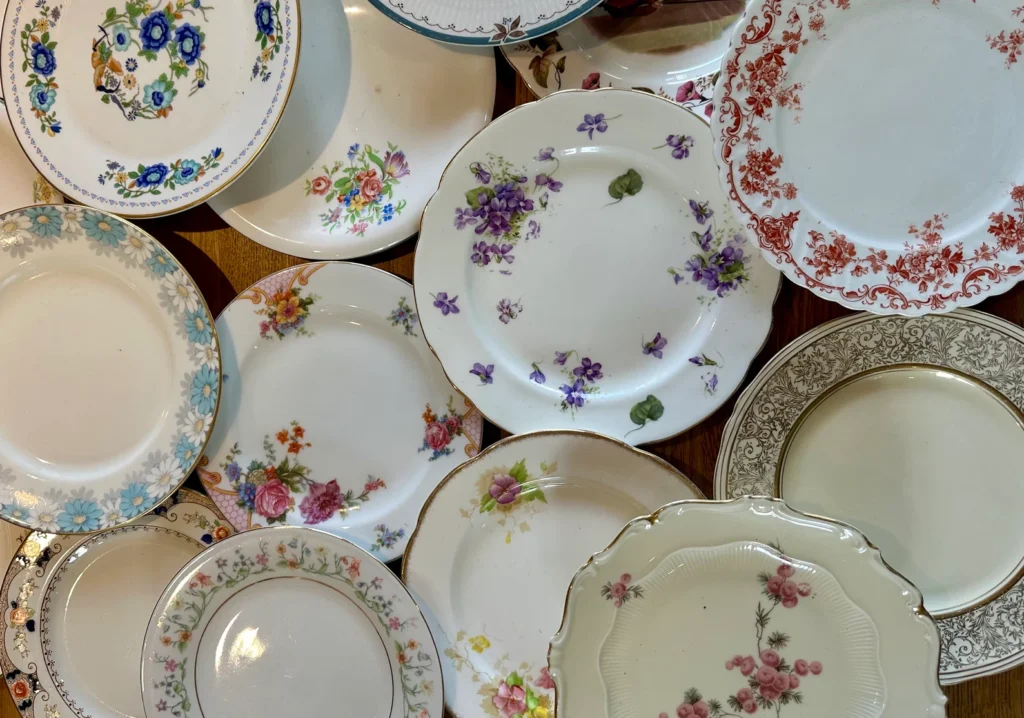
Mixed antique china dessert plates are popular for display because they add pattern right away without the cost of collecting full sets. When the colors relate to each other, the different prints look layered and personal rather than messy. Smaller dessert plates are also easier to hang on a wall than heavy dinner plates, so they are great for gallery-style arrangements. A few worn edges usually blend in once the plates are grouped together.
You can line them up in a plate rack, lean them on open shelves, or create a wall cluster in a dining nook. Pairing florals with transferware and a few plain pieces keeps the mix from looking too busy. Some people rotate plates by season and keep the rest in a cabinet, which makes the display feel fresh without buying more antiques. This is one of the easiest ways to use old china as decor while still keeping the setup relaxed and inviting.
This article originally appeared on Avocadu.