
10 Antique Bisque Dolls That Serious Collectors Still Want
Serious collectors often focus on antique bisque dolls that reflect the style and care of their time. A smooth bisque surface, balanced proportions, and expressive faces tend to matter most. Dolls that remain close to their original state usually draw more attention. Signs of age are expected, though heavy damage can lower interest.
This post may contain affiliate links, which helps keep this content free. Please read our disclosure for more info.
1900 Simon and Halbig German Character Bisque Doll
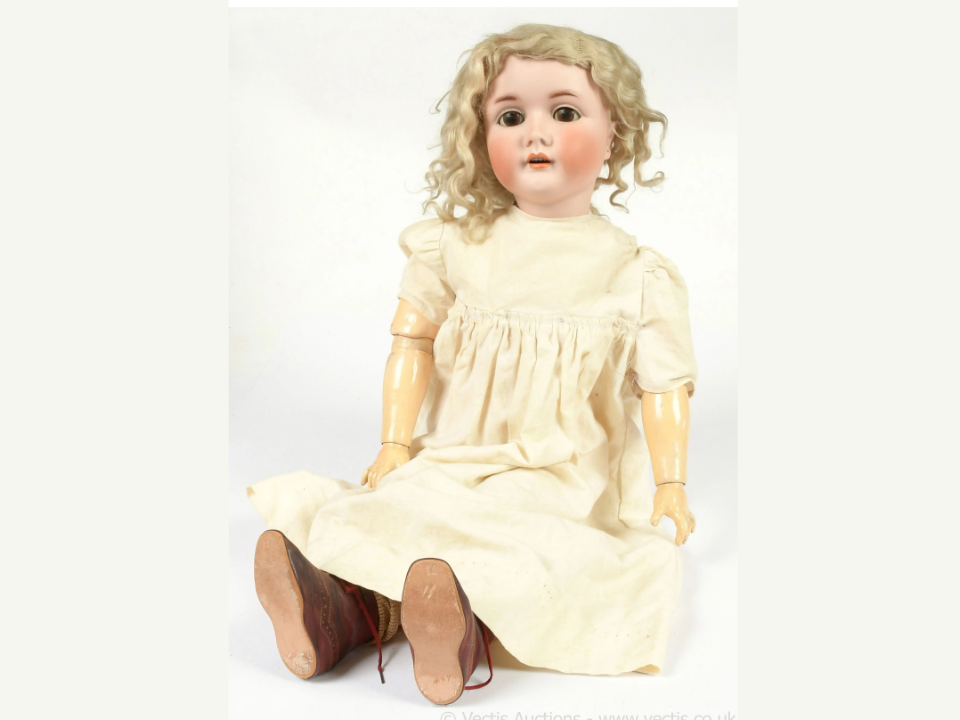
Around 1900, Simon and Halbig released this German character bisque doll with an expressive face and lively glass eyes. The facial painting shows careful shading that gives the doll a thoughtful look. Many original examples measure between 18 and 24 inches tall. Current market values often range from $500 to $1,200 depending on condition. A clear maker mark on the head helps confirm origin.
Collectors often judge this doll by the realism of its expression rather than size alone. Smooth bisque without cracks plays a major role in long term interest. Original wigs and period clothing can raise value noticeably. Most examples feature jointed cloth or composition bodies. These qualities explain why demand remains steady.
1905 German Character Girl and Boy Bisque Doll Pair
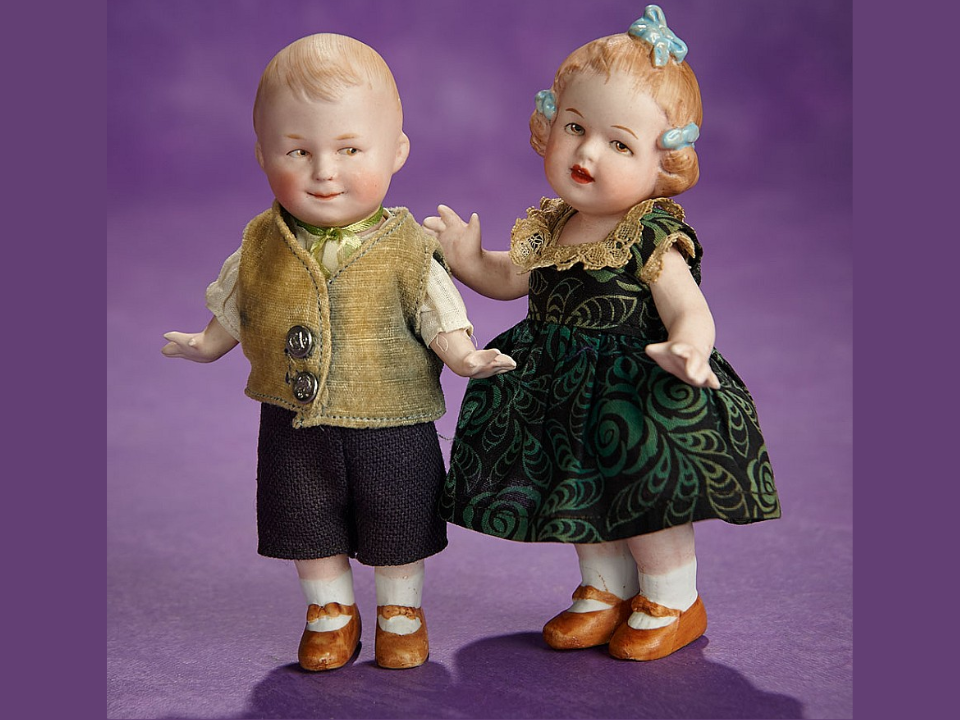
During the early 1900s, German workshops created character doll pairs showing expressive children. These dolls often feature painted or glass eyes with lively faces. Sizes tend to be smaller than formal bebe dolls. Market values for pairs usually range from $500 to $1,500. Displaying them together adds visual interest.
Collectors enjoy the personality shown through facial details. Jointed bodies allow gentle posing. Original wigs and outfits add value. These dolls reflect varied German production styles. They remain favorites among character collectors.
1910 German Googly Eyed Bisque Doll
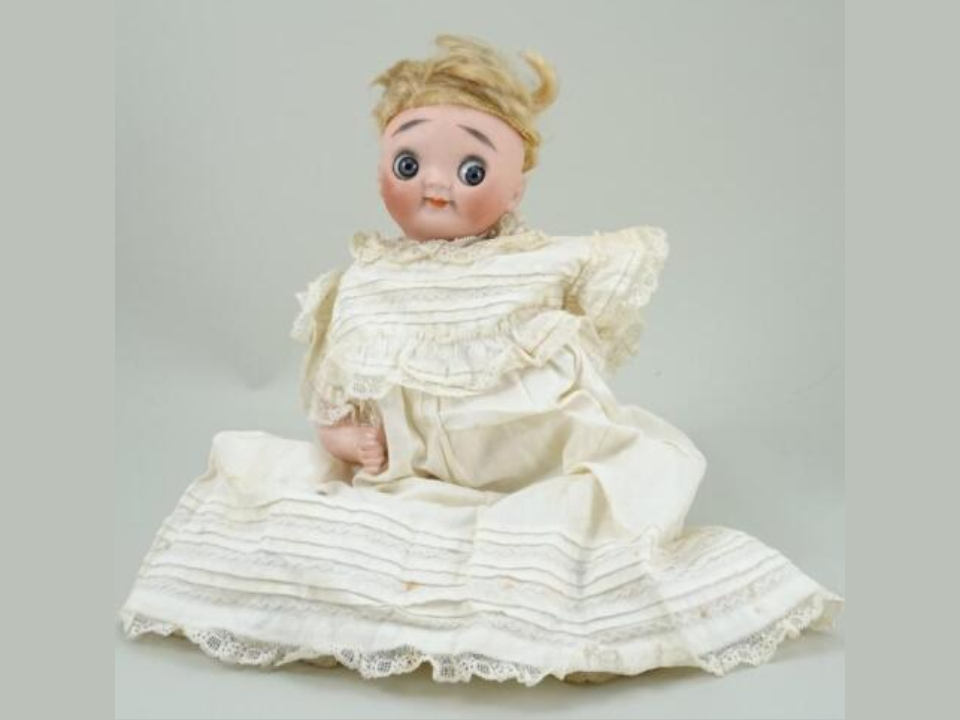
During the 1910s, German workshops introduced this playful googly eyed bisque doll with exaggerated glass eyes. The wide eye placement gives the doll a lively and unusual look. Most examples are under 18 inches tall. Values often range from $400 to $1,000. Condition of the eyes plays a major role in pricing.
Collectors usually examine the eye rims and bisque surface first. Chips near the eyes can lower interest. Original clothing adds appeal when present. Bodies are often cloth or composition. These dolls bring visual contrast to more traditional styles.
1885 French Jumeau Bebe Bisque Doll
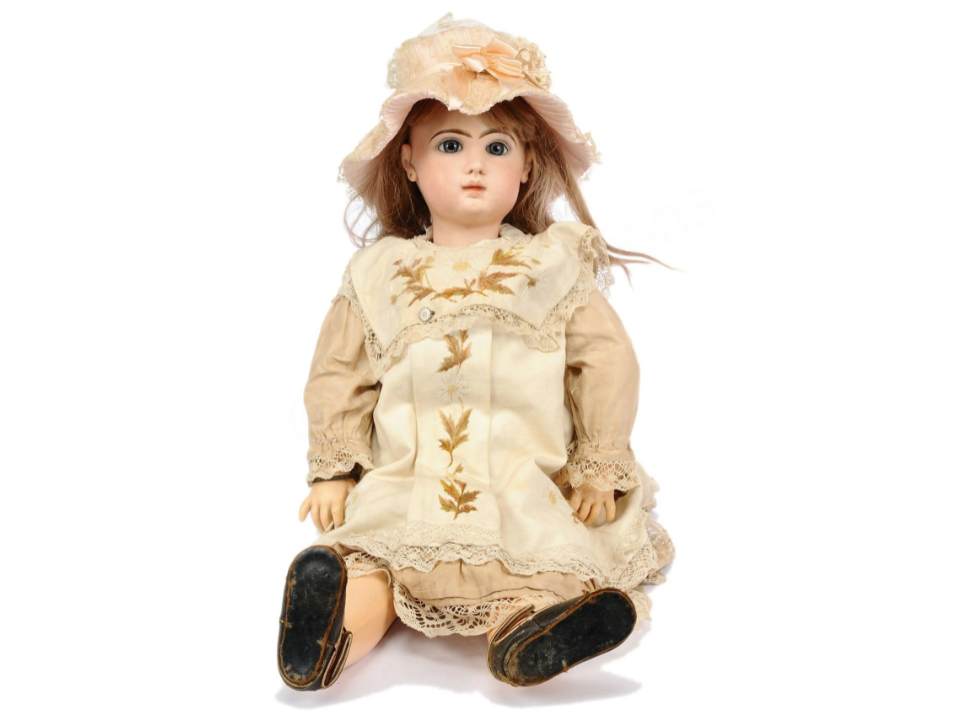
By the late 1880s, French makers like Jumeau were producing refined bisque bebe dolls admired for their elegance. The smooth facial modeling and gentle skin tones set these dolls apart. Many were dressed in detailed period outfits. Market values often range from $2,000 to $10,000. Larger examples tend to sell for higher amounts.
Collectors value these dolls for their artistry and historical role. Original costumes greatly affect worth. Bodies are often jointed and well made. Clear Jumeau markings confirm authenticity. These dolls often serve as centerpiece items.
1875 French Bru Bebe Bisque Doll
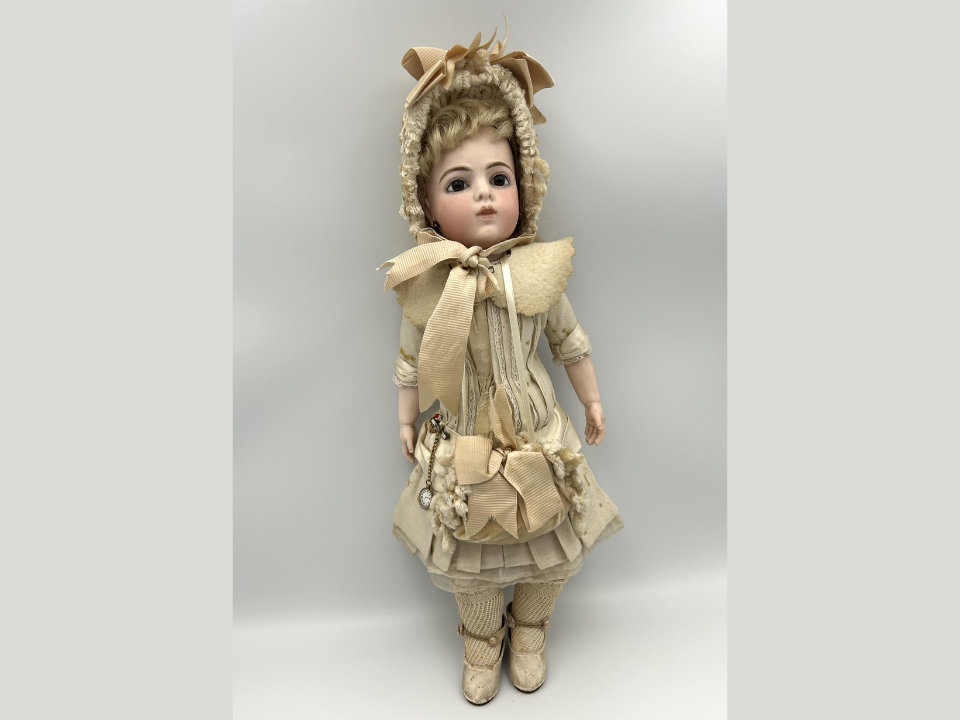
Dating to the mid 1870s, the French Bru bebe doll stands out for its detailed facial painting and strong expression. The eyes and brows show careful attention that collectors admire. These dolls often wear finely tailored clothing from the period. Market values commonly range from $5,000 to $20,000 or more. Size and originality strongly influence price.
Many collectors closely study costume details when evaluating Bru dolls. Minor repairs are common but affect value. Original shoes and accessories add appeal. Bru dolls often appear in advanced collections. Their reputation remains strong.
1905 Kestner Alphabet Series German Bisque Doll
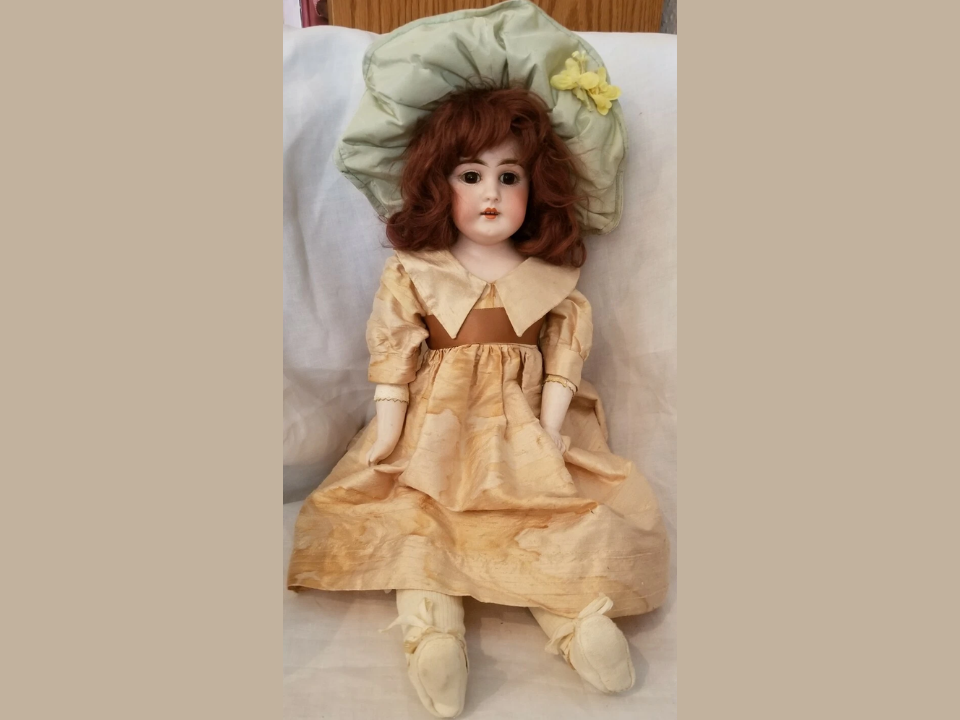
Released around 1905, the Kestner Alphabet Series doll is known for its letter marking on the shoulder plate. The face shows gentle features with bright glass eyes. Sizes vary widely across this series. Market values usually fall between $400 and $1,000. Clear markings help with identification.
Collectors appreciate the consistency seen across these dolls. Original bodies and wigs raise interest. Clothing from the correct era adds balance. The bisque often remains smooth despite age. These dolls fit well in themed displays.
1900 German Child Style Closed Mouth Bisque Doll
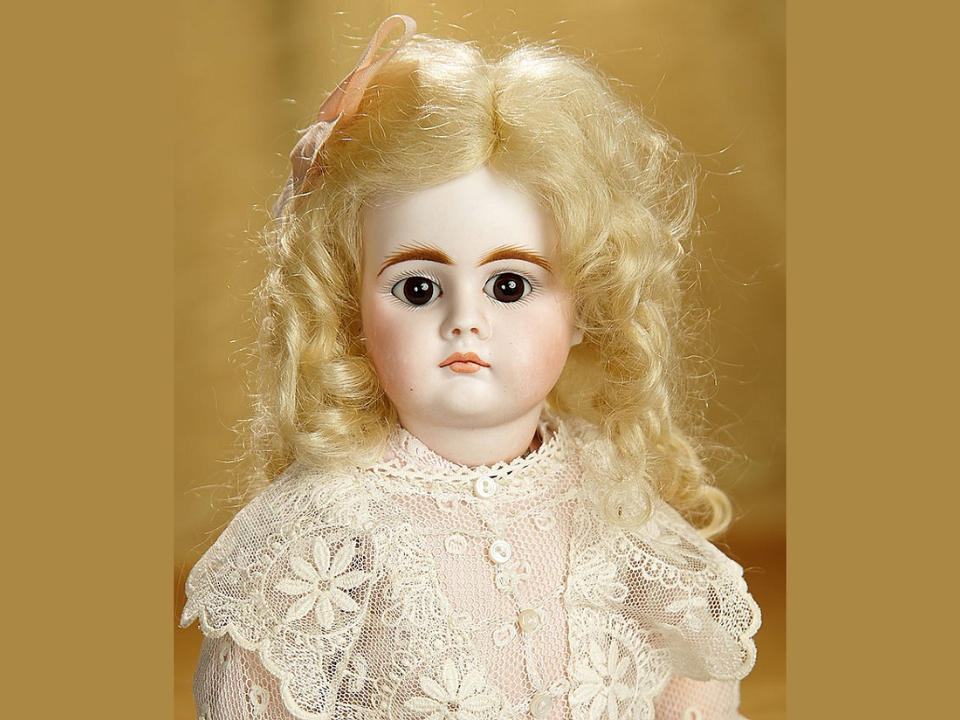
In the early 1900s, German makers produced child style bisque dolls meant to reflect everyday youth. The closed mouth face shows a calm and natural expression. Most examples stand between 18 and 24 inches tall. Market values often range from $300 to $900. The design feels approachable rather than formal.
Collectors usually inspect the bisque surface for cracks or repairs. Original wigs help maintain visual balance. Period clothing adds charm. Signs of age are common and expected. These dolls help show daily life themes of the time.
1910 Armand Marseille German Baby Bisque Doll
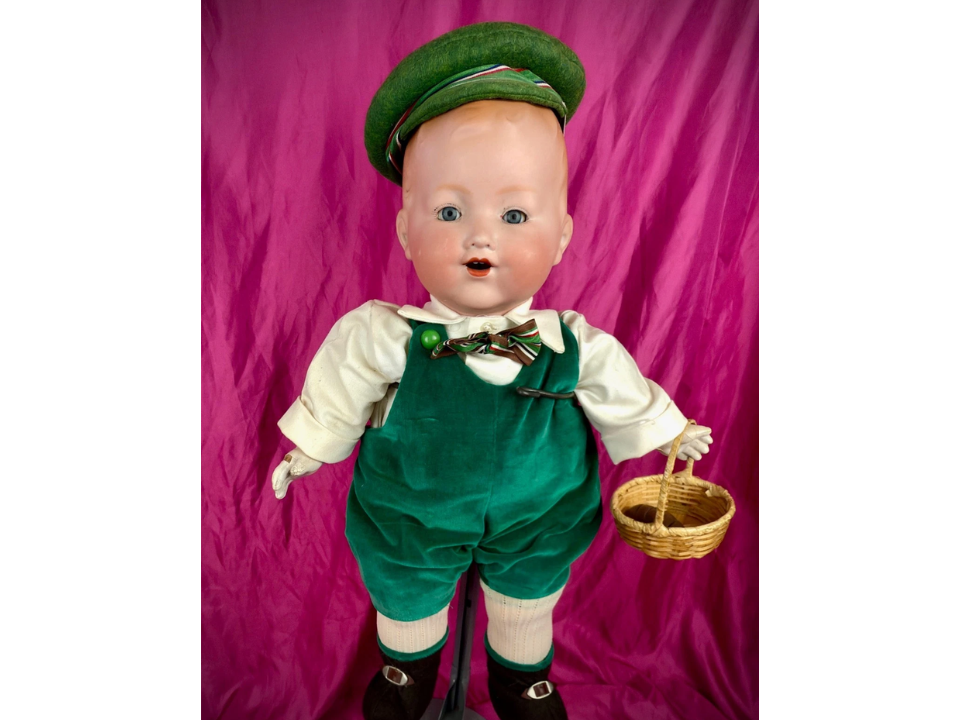
Around 1910, Armand Marseille released this baby style bisque doll with a rounded face and gentle look. The head is paired with a cloth or composition body. Sizes typically range from 12 to 18 inches. Market prices often fall between $250 and $800. The soft expression appeals to many collectors.
Attention often centers on facial clarity and body condition. Original clothing can raise interest. Chips or cracks reduce value quickly. Many examples survived due to careful family handling. These dolls add warmth to displays.
1912 German Bisque Kewpie Doll
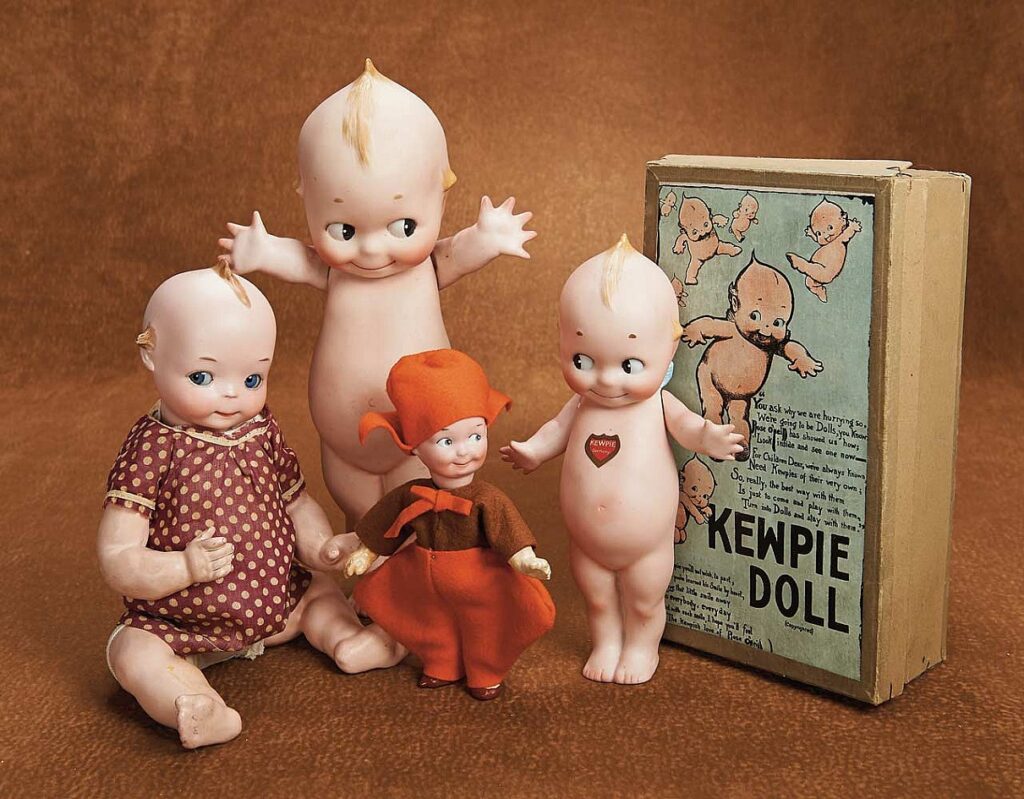
First appearing in 1912, this German bisque Kewpie doll was based on a popular illustrated character. Early bisque versions differ greatly from later materials. Sizes range from small figures to larger display dolls. Market values usually run from $200 to $600. Scarcer examples can sell higher.
Collectors often look for early production details. Smooth bisque and clear markings matter most. Painted eyes should remain bright and intact. These dolls reflect early character culture. Their charm remains strong.
1905 French SFBJ Bebe Bisque Doll
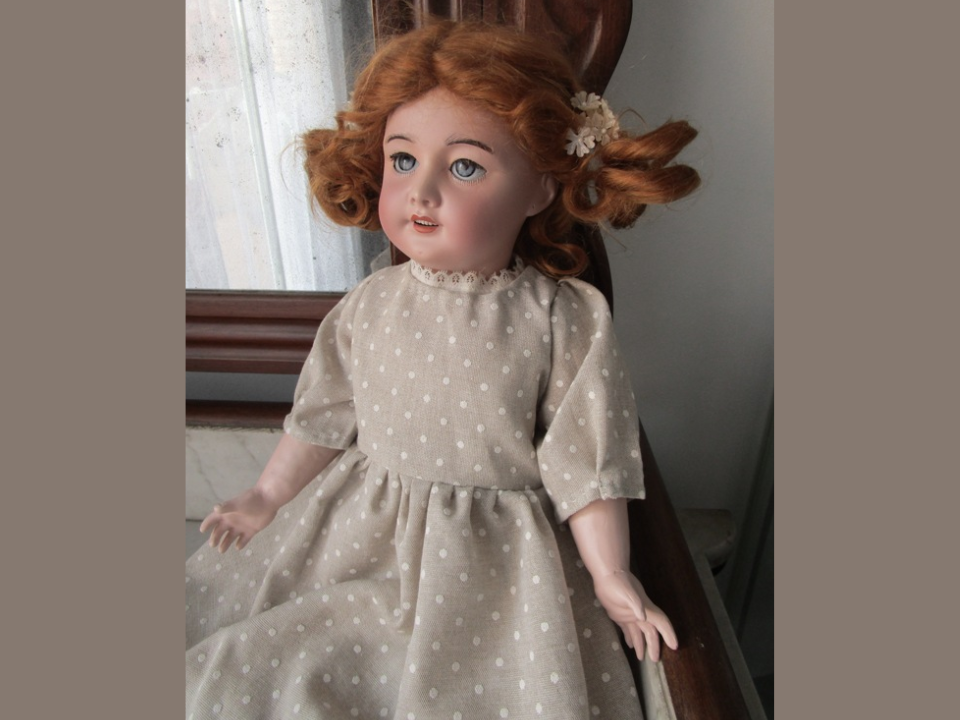
Around 1905, French makers under the SFBJ name produced bebe bisque dolls for a wide audience. The faces show smooth modeling with large glass eyes. Many examples wear period inspired outfits. Market values often range from $800 to $2,500. Larger dolls may sell for higher amounts.
Collectors value clear markings and clean bisque surfaces. Original clothing improves presentation. Bodies are often cloth or composition. These dolls balance style and accessibility. They remain popular today.
This article originally appeared on Avocadu.