
13 Animated Scenes That Redefined What Kids Entertainment Could Do
Animated films and shows have long held a special place in the hearts of children. Over the years, some scenes have gone beyond simple entertainment to change how we see animation. These moments have pushed boundaries, offering deeper storytelling and impressive visuals. From emotional roller coasters to groundbreaking animation techniques, these scenes set a new standard for kids’ entertainment.
This post may contain affiliate links, which helps keep this content free. Please read our disclosure for more info.
The Opening Sequence of The Lion King (1994)
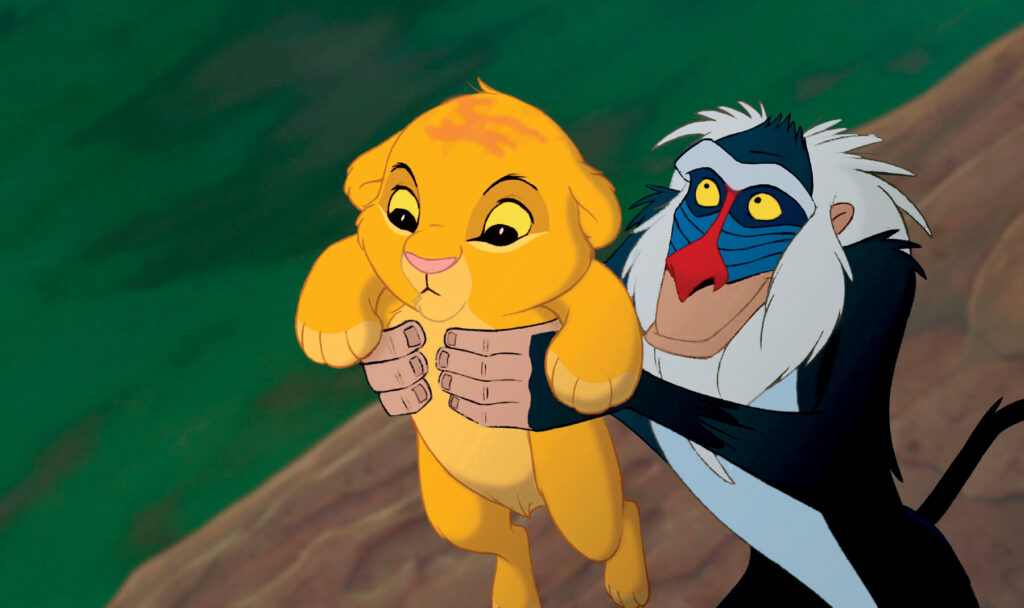
The opening scene of The Lion King is unforgettable for many reasons. From the first notes of “Circle of Life,” the sequence captures the awe of nature in stunning detail. The animation showcases a vast African landscape, introducing a powerful narrative about life and death. It set the tone for the entire film, establishing Disney’s ability to blend breathtaking visuals with profound themes.
Beyond its stunning visuals, this scene redefined animation with its emotional depth. The imagery of animals gathering around Simba as he is presented to the kingdom felt both epic and intimate. The use of color and light in the sunrise scene still stands as one of the most iconic visual moments in animated history. It proved that animation could convey emotional gravitas, moving beyond simple entertainment.
Toy Story 2 – Jessie’s Flashback Song (“When She Loved Me”)
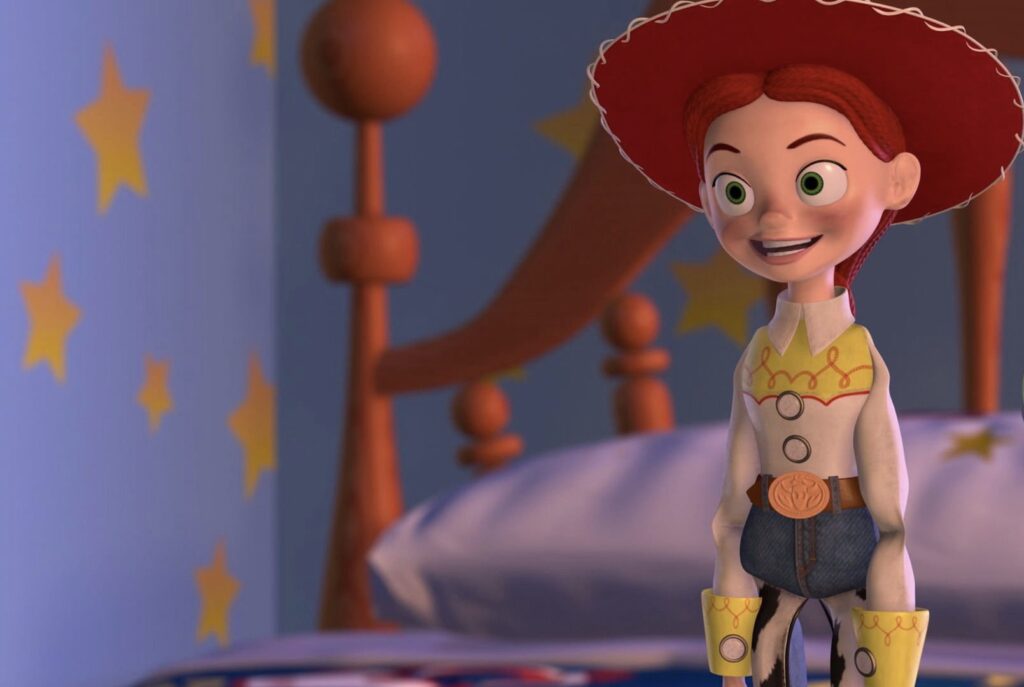
In Toy Story 2, Jessie’s flashback to her past with her previous owner is one of the most powerful emotional moments in animated history. The scene features a heartfelt song, “When She Loved Me,” which conveys Jessie’s deep sense of abandonment. The song’s simple yet profound lyrics highlight the themes of love and loss, presenting an emotional experience unlike any other in kids’ films.
This scene took animation to a new level by exploring complex emotions in a way that resonated with all ages. It shows how animated films could tackle real-life struggles, such as abandonment and the passage of time. The animation is subtle yet effective, using soft lighting and poignant imagery to enhance Jessie’s sadness. It set a precedent for how animated films could explore mature themes while still connecting with younger audiences.
The Transformation of Beast in Beauty and the Beast (1991)
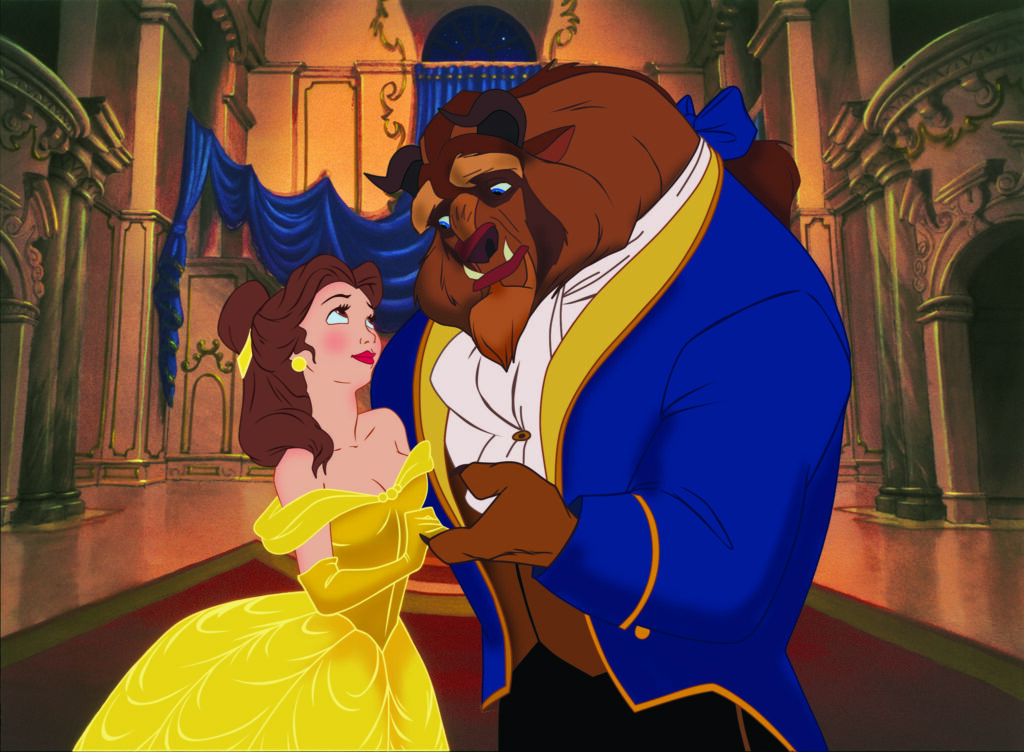
One of the most iconic transformations in animated film history happens in Beauty and the Beast during the “Human Again” sequence. The moment when Beast transforms back into a human was groundbreaking in its animation. The smooth, detailed transition captured the essence of change, both physically and emotionally, making it a memorable part of the film.
This scene also redefined how animation could serve as a storytelling tool, blending fantastical elements with character development. The transformation is not just a visual spectacle, as it mirrors Beast’s internal growth and acceptance of love. It showed that animated films could go beyond surface-level magic and delve into themes of redemption. This transformation scene remains a benchmark in how animation can express personal change.
The Tragic Death of Bambi’s Mother (1942)
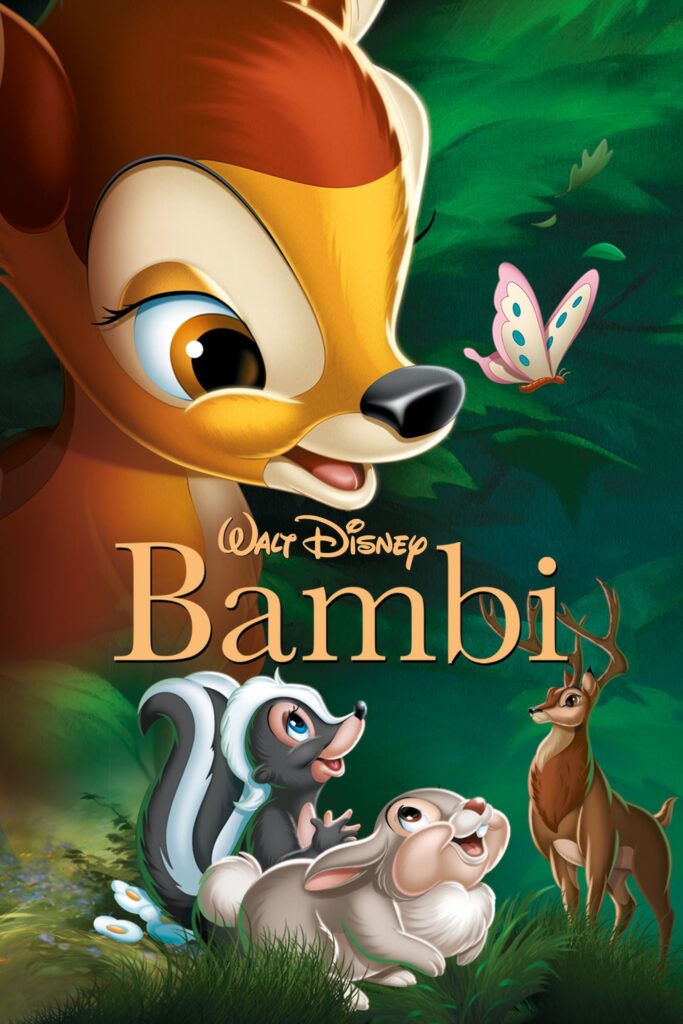
The death of Bambi’s mother in Bambi is a heartbreaking moment that altered the way kids’ films approached sensitive topics. The scene is depicted without unnecessary violence, relying on atmosphere and emotional resonance to deliver the gravity of the moment. The soft sound of the forest, paired with Bambi’s confusion and grief, presents loss in a way that children can process.
The animation of the scene, with its detailed backgrounds and minimalistic character movement, heightens the sense of isolation. It was one of the first animated films to deal with the theme of loss so openly, offering a somber lesson about the cycles of nature. This moment set a new precedent for children’s films, showing that animation could tackle difficult topics with care and respect.
Spirited Away – Chihiro’s Journey to the Bathhouse (2001)
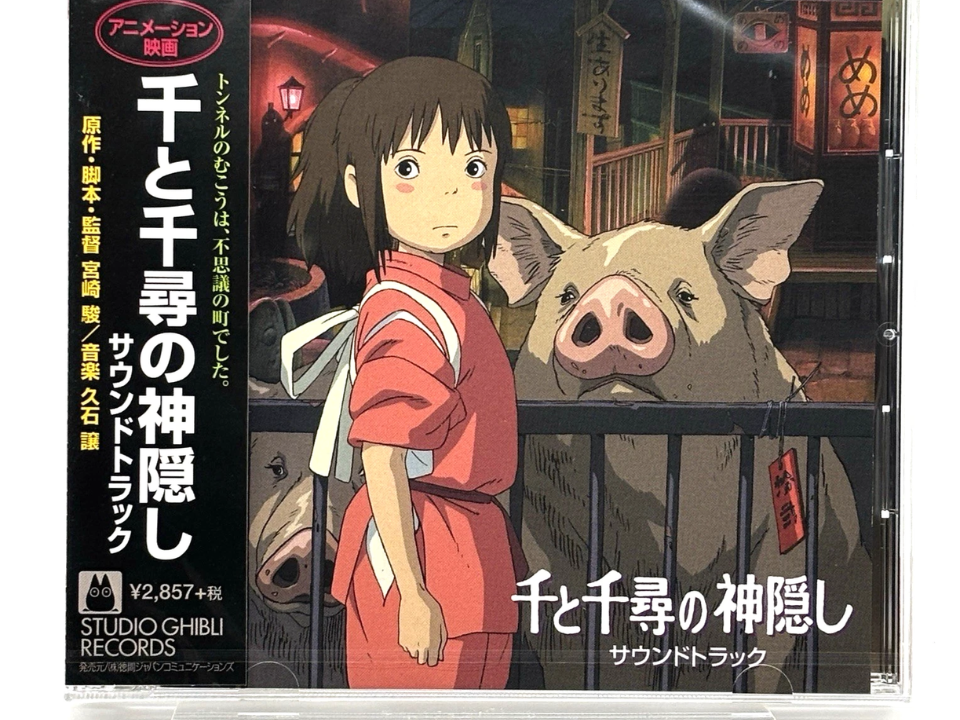
In Spirited Away, the moment when Chihiro enters the bathhouse for the first time is a visual and narrative turning point. The sweeping camera angles and vibrant colors immediately draw viewers into the fantastical world. The bathhouse, with its towering size and intricate design, symbolizes both the strange and the beautiful elements of Chihiro’s journey.
This scene redefined how animated films could blend the fantastical with the personal. The detailed animation invites audiences into a world full of magic and mystery, but it also mirrors Chihiro’s internal struggle to adapt. The way the bathhouse feels both overwhelming and welcoming reflects her growth. It set a new standard for animated films by showing how animation can create worlds that are both otherworldly and deeply personal.
The Opening Sequence of Up (2009)
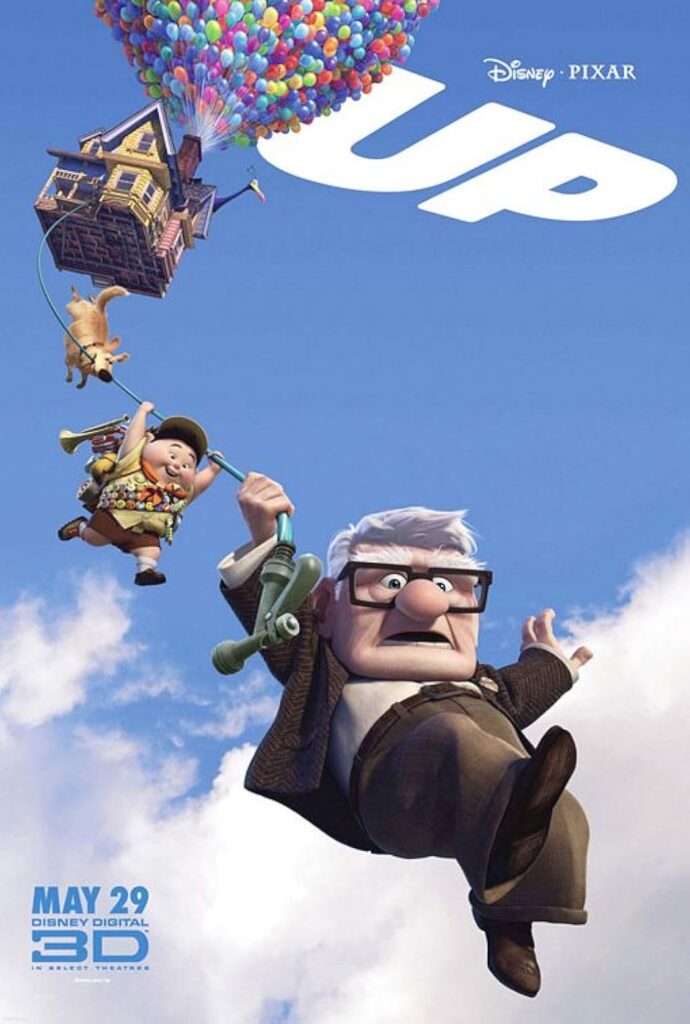
The opening sequence of Up quickly became one of the most talked-about animated moments. It tells the story of Carl and Ellie’s life together in a few minutes, using no dialogue. Instead, it relies solely on visual storytelling, demonstrating the joys and hardships of their relationship. This brief yet powerful scene captures the beauty of love and loss in a way few films do.
This sequence is an excellent example of how animation can convey complex emotions without saying a word. It redefined how animated films could explore deep emotional arcs, using every frame to build a connection with the audience. The absence of dialogue in the sequence allows viewers to feel every moment, from the excitement of new adventures to the sorrow of lost dreams. Up showed that animation could be a poignant medium for exploring the full spectrum of human experience.
The Iron Giant – The Giant’s Sacrifice (1999)
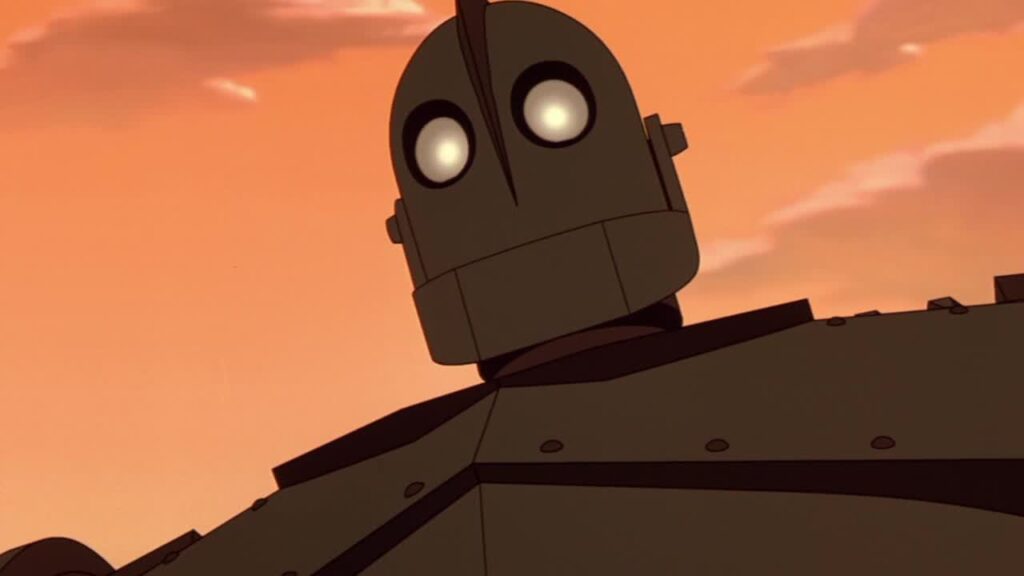
In The Iron Giant, the moment when the Giant sacrifices himself to save the town is both heroic and heartbreaking. The sequence features the Giant choosing to embrace his true nature, which is not of destruction, but of selflessness. The final scene, with the words “You are who you choose to be,” emphasizes the film’s theme of identity and self-worth.
This scene redefined animated film by showing that animated characters could experience real-world dilemmas, like sacrifice and self-identity. The Giant’s sacrifice carries weight, not only because of his actions but also because of his previous internal conflict. The animation captures the emotional depth of the moment, with the Giant’s final flight symbolizing his journey toward understanding. It was a rare instance of a children’s animated film dealing with such a heavy topic in a way that felt true to the medium.
The “Let It Go” Scene in Frozen (2013)
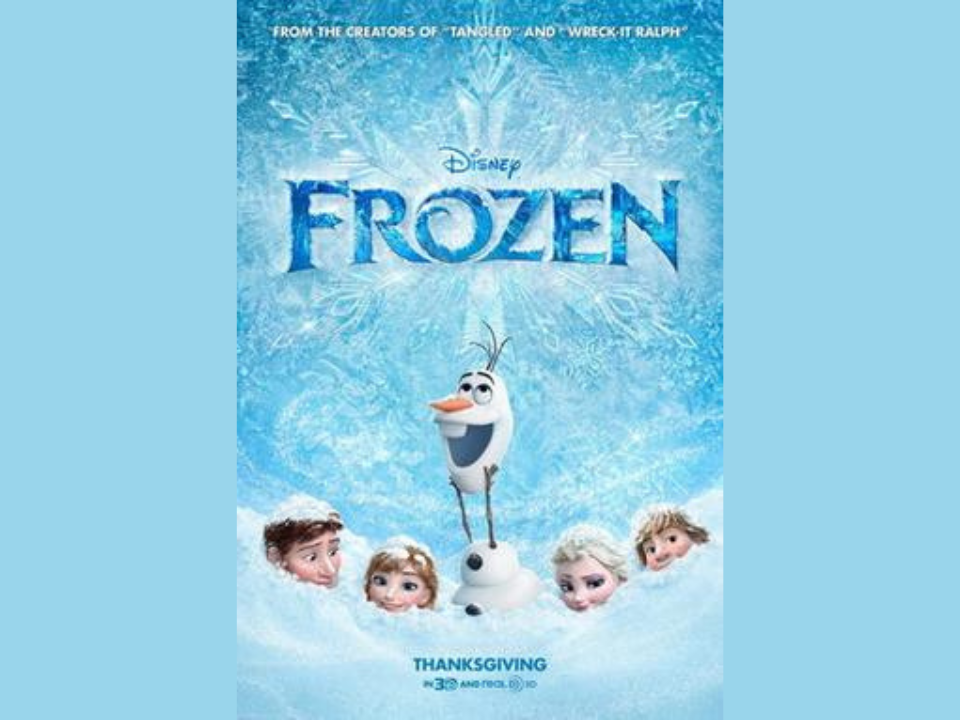
One of the most iconic animated scenes of the 21st century is Elsa’s “Let It Go” performance in Frozen. This scene is filled with dynamic animation as Elsa embraces her powers, creating a visually stunning ice palace. The imagery of Elsa letting go of her fears and responsibilities is reinforced through her powerful song, which resonates deeply with audiences.
The animation in this scene was groundbreaking, using fluid movements and vivid colors to create a world that felt completely new. The scene represents a moment of personal freedom and self-acceptance, showing how animation can express complex emotions through music and visuals. It redefined what animated musicals could accomplish, not just through catchy songs, but also through narrative and character development. This sequence set a new standard for musical sequences in animated films, combining visuals and storytelling in a truly memorable way.
Shrek – The “Happily Ever After” Parody (2001)
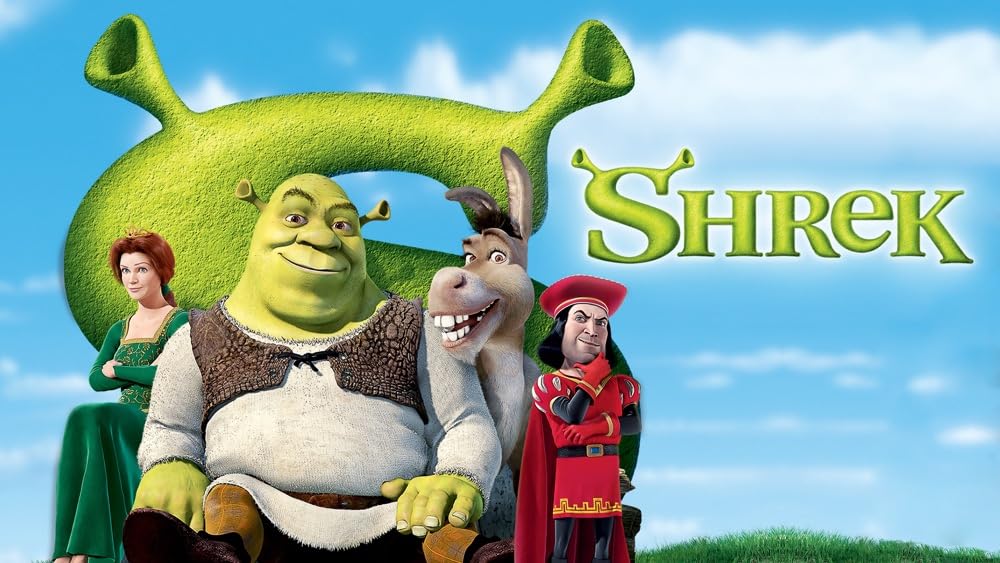
Shrek was a turning point for animated films with its playful take on fairy tale tropes. The “Happily Ever After” scene, in which Shrek and Fiona break traditional fairy tale norms, redefined animated comedy. The moment parodies the typical ending of many fairy tales, showing Shrek and Fiona accepting their imperfections. It was a bold move in kids’ entertainment, as it challenged traditional narrative structures.
This scene altered the landscape of animated films by showing that not all fairy tales need a perfect conclusion. It highlighted the importance of authenticity and self-acceptance, making a strong statement about loving who you are. The humor was sharp, and the animation was top-notch, creating a memorable moment that resonated with both kids and adults. The scene paved the way for more animated films to embrace irreverent humor and subvert expectations.
Finding Nemo – The “Just Keep Swimming” Moment (2003)
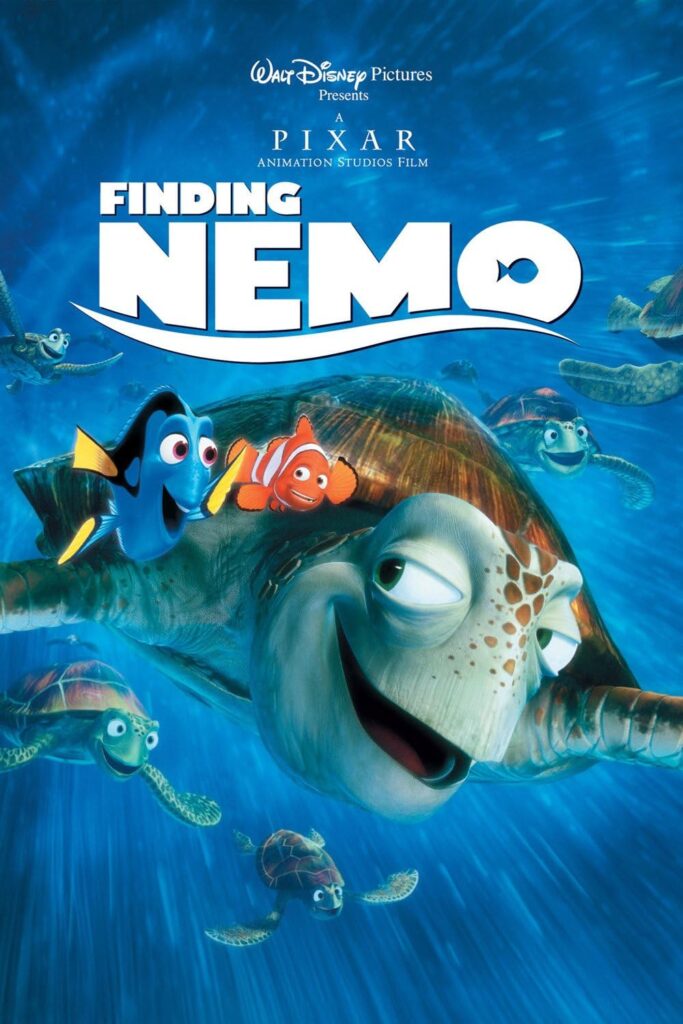
In Finding Nemo, the moment when Dory encourages Marlin to “just keep swimming” becomes an anthem for perseverance. This simple yet profound moment uses Dory’s upbeat personality to contrast Marlin’s fear and uncertainty. It reflects the central theme of the film, which is perseverance in the face of adversity. The animation allows the ocean’s vastness to feel both daunting and hopeful.
This scene stood out because of its ability to inspire while remaining lighthearted. It showed how animated films could address serious themes like overcoming fear without losing their sense of joy and fun. The visuals of the ocean, combined with Dory’s cheerful attitude, reinforce the message that persistence is key. Finding Nemo showcased how animation could be both entertaining and motivational, blending adventure with life lessons.
The Incredibles – The Family Working Together (2004)
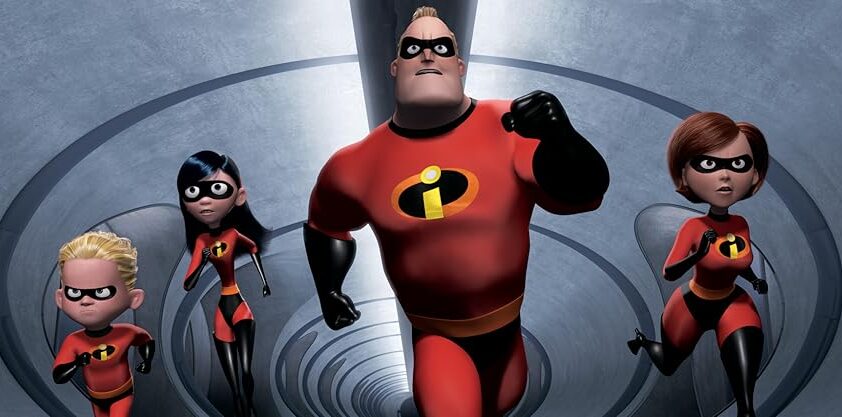
In The Incredibles, the scene where the family works together to fight the villain Syndrome is a key moment that showcases the power of teamwork. Each family member brings their unique skills to the table, creating a dynamic action sequence. The animation of their powers working in sync was groundbreaking at the time, blending action with heartfelt family dynamics.
This scene showed that animated films could portray family relationships with depth and humor. It also redefined how action sequences could be portrayed in animation, with fast-paced movements and clear character interaction. The scene proved that animation could successfully combine superhero action with a narrative about the importance of family. The moment remains one of the most memorable in Pixar’s catalog, setting a new bar for family-oriented animated films.
Coco – The Land of the Dead (2017)
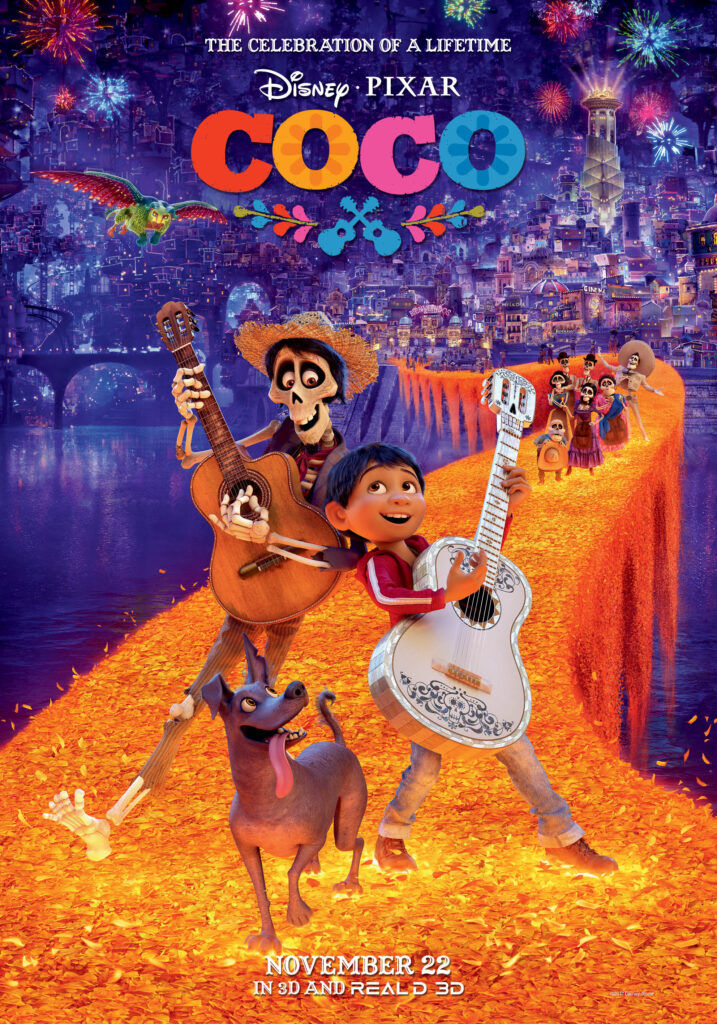
The Land of the Dead scene in Coco redefined what animated worlds could look like. The vibrant, colorful cityscape, with its elaborate designs and thoughtful attention to cultural detail, transports viewers into a stunning afterlife. The way the animation brings the world to life with glowing lights and vibrant hues is a visual feast.
This sequence was a breakthrough in animated storytelling, as it not only captivated with its visual richness but also with its exploration of family and heritage. The world of the dead was crafted with care, reflecting Mexican traditions and the importance of honoring ancestors. The animation helped viewers connect with the story’s themes on a personal level, showing that animated films could carry deep cultural meaning. Coco set a new standard for how animation can be used to reflect real-world traditions and emotions.
Ratatouille – The Kitchen Chase Scene (2007)
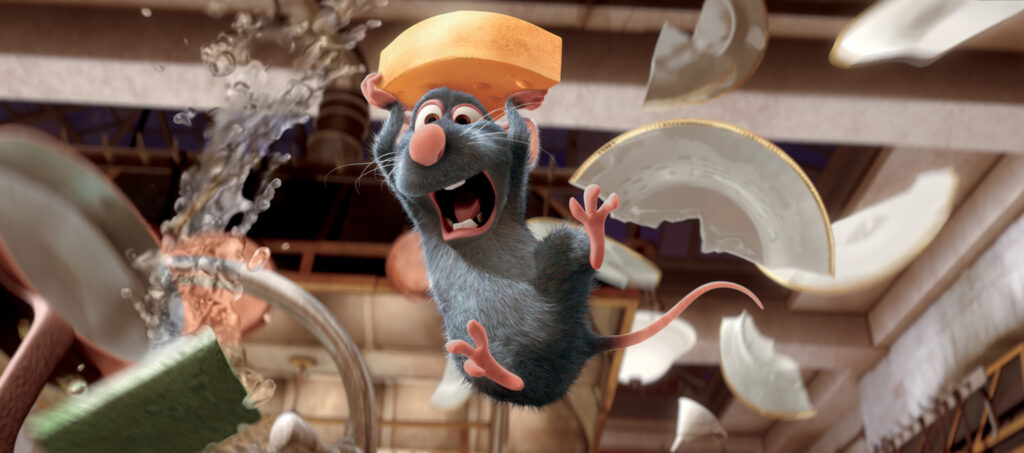
In Ratatouille, the kitchen chase scene stands out for its fast-paced animation and precision. The moment when Remy the rat races through the kitchen, avoiding detection while preparing the perfect dish, redefined action sequences in animated films. The fluid motion of the characters and the detailed background work made the kitchen feel alive, intensifying the stakes.
This sequence demonstrated how animation could capture the tension of a high-speed chase while remaining grounded in the film’s narrative about creativity and passion. The kitchen’s chaotic energy matched Remy’s determination, emphasizing the importance of following one’s dreams despite the odds. The scene’s technical animation was groundbreaking, setting new standards for how movement and action could be portrayed in animation. It made the animated film feel more immersive and realistic.
This article originally appeared on Avocadu.