
14 Animated Films That Broke All the Usual Rules
Animated films have always followed certain rules, but some movies take a different approach. They break away from conventions and create something truly unique. These films challenge the usual expectations and offer fresh, new perspectives. If you are a fan of animation, you will enjoy seeing how these films push the boundaries. Let us explore some of the most creative and unconventional animated movies ever made.
This post may contain affiliate links, which helps keep this content free. Please read our disclosure for more info.
The Nightmare Before Christmas (1993)

The Nightmare Before Christmas is a stop-motion animated film directed by Henry Selick and produced by Tim Burton. It combines Halloween and Christmas in a way that had never been seen before in animation. The film’s unique visual style, dark tone, and memorable characters set it apart from traditional holiday films. It is both whimsical and eerie, showing that animation can be as unconventional and creative as it wants to be.
The movie’s groundbreaking use of stop-motion animation was a huge risk at the time, and it paid off. It became a cult classic with its original blend of dark and light themes. The film’s ability to blend music, fantasy, and horror in a family-friendly way helped redefine animated films. Its success opened doors for other unconventional animated features to find mainstream success.
Persepolis (2007)
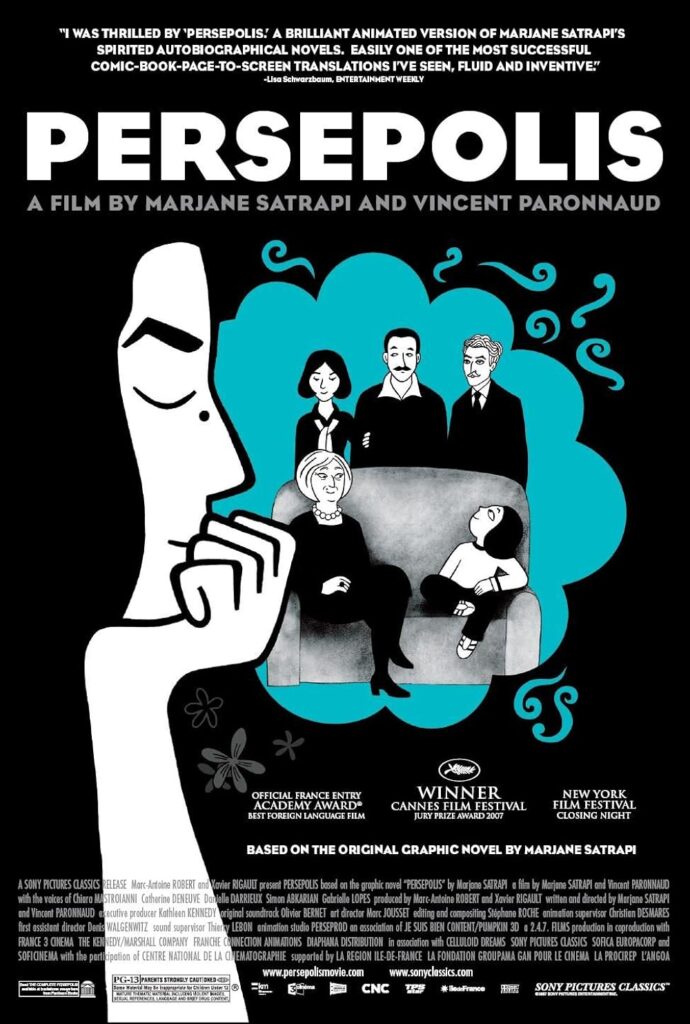
Persepolis is a French animated film that adapts Marjane Satrapi’s graphic novel about growing up in Iran during and after the Islamic Revolution. The animation style is minimalist, using black-and-white art that adds to the emotional weight of the story. Unlike most animated films, it is deeply rooted in political and historical themes, dealing with war, identity, and personal growth. It proves that animation can be a powerful medium for telling serious, thought-provoking stories.
The film’s honesty and rawness set it apart from typical animated fare, especially for an adult audience. It shows the potential for animation to explore complex cultural and political issues. Persepolis challenges the notion that animated films are only for children or lighthearted topics. Its critical success shows how animation can break from the norm to explore deeper, more personal narratives.
Waking Life (2001)
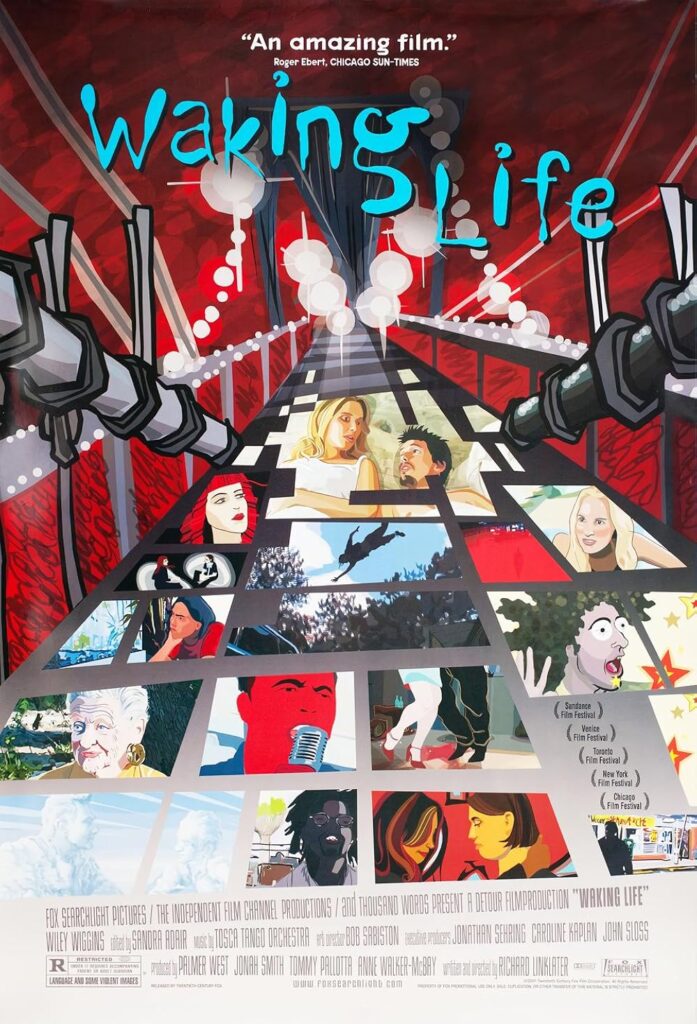
Waking Life is a philosophical animated film directed by Richard Linklater, known for its innovative rotoscope animation technique. The film focuses on a young man’s journey through a dream-like state, exploring existential themes like reality, consciousness, and free will. The visual style, which was created by animating over live-action footage, gives the film an otherworldly feel. Its dream logic and profound conversations break from the traditional narrative structure of most animated films.
What makes Waking Life unique is its emphasis on dialogue and philosophy rather than plot. The film’s use of animation allows for a fluid and surreal experience that complements its themes. It shows that animation can be a tool for tackling abstract, intellectual subjects that go far beyond typical animated storytelling. This film proves that animation can be an art form for serious, intellectual exploration.
Spider-Man: Into the Spider-Verse (2018)
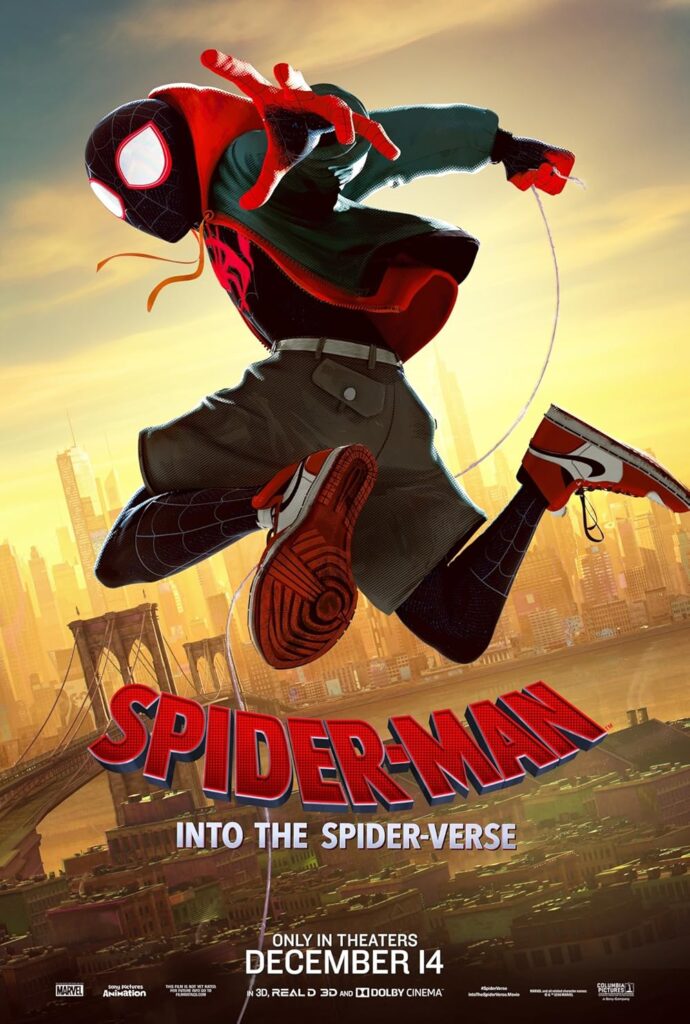
Spider-Man: Into the Spider-Verse is an animated film that redefines superhero storytelling. It combines multiple animation styles, including comic book art, CGI, and hand-drawn animation. The film’s vibrant visuals and unique style not only push the boundaries of animation but also break typical superhero tropes. It introduces Miles Morales as Spider-Man, showing how animation can challenge established narratives and create something fresh.
The film’s innovative approach to both animation and storytelling earned it widespread acclaim. It emphasizes diversity by featuring a young Afro-Latino protagonist and showcases a range of Spider-Man characters from different dimensions. This film’s bold style and creative narrative make it a standout in the superhero genre, proving that animation can offer a fresh perspective even within well-known franchises. It received numerous awards, including the Academy Award for Best Animated Feature.
A Scanner Darkly (2006)
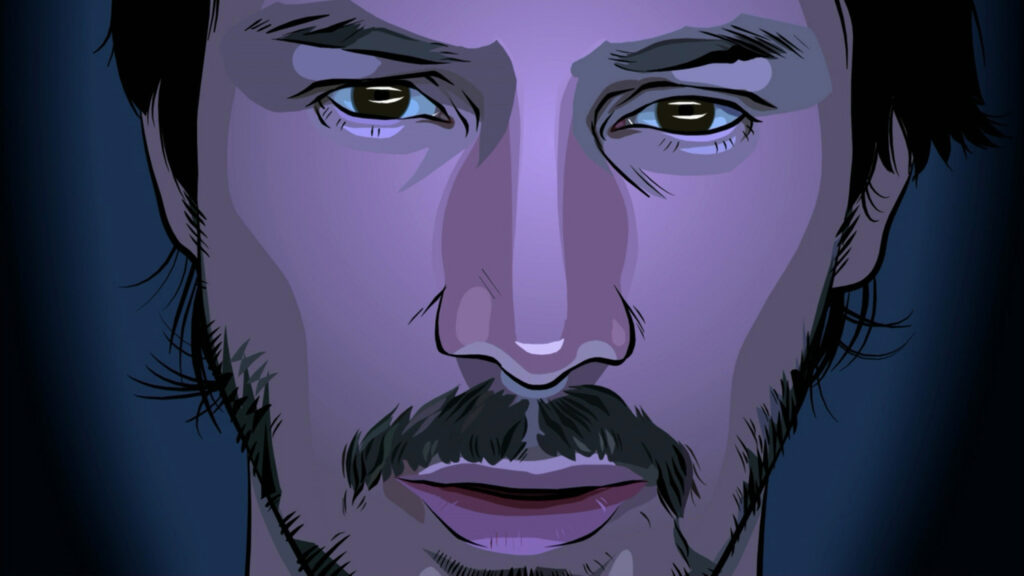
Based on the Philip K. Dick novel, A Scanner Darkly is a rotoscoped animated film directed by Richard Linklater. The film’s style is unusual and unsettling, blending real human performances with animation to create a dreamlike, disorienting experience. Set in a near-future dystopia, it explores the themes of identity, surveillance, and addiction. Its rotoscoped animation gives it a unique visual aesthetic that complements the film’s themes of paranoia and instability.
The film’s exploration of drug addiction and the identity crisis that accompanies it is far from typical animated content. It challenges the norms by using animation as a way to enhance the psychological depth of its narrative. Unlike most animated films, A Scanner Darkly is not designed for children but rather aimed at an adult audience with mature themes. Its visual style and story are groundbreaking, showing that animation can handle complex adult subject matter.
Fantasia (1940)
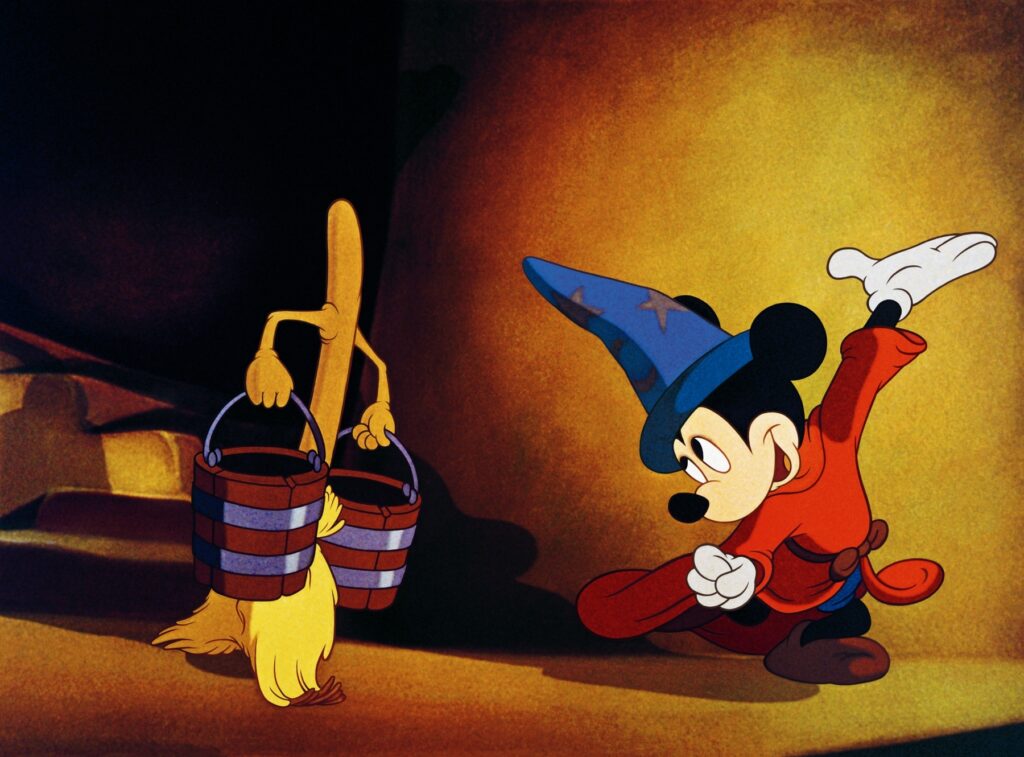
Fantasia is one of Disney’s most experimental films, breaking away from the traditional narrative structure to create an anthology of animated shorts set to classical music. The film eschews dialogue entirely and instead relies on music to guide the story, pushing the boundaries of what animated films could do. Each segment is unique in both its animation style and its interpretation of the music, making the film a visual and auditory experience. It is a true blend of high art and animation, showing that animated films can be a sophisticated medium for storytelling.
The film was groundbreaking in its use of sound and animation, creating a new form of cinematic experience. While it was initially a box office failure, Fantasia has since become a beloved classic. It challenges the idea that animated films must have a clear plot or characters to be meaningful. Instead, Fantasia is an artistic expression that allows animation to be experienced in a new and more abstract way.
Anomalisa (2015)

Anomalisa is a stop-motion animated film directed by Charlie Kaufman and Duke Johnson. It is known for its mature themes, dealing with existential crises, depression, and loneliness. The film follows a middle-aged man who struggles with the monotony of his life, which is depicted through a strange animation style where everyone’s faces look identical, except for the protagonist. The use of stop-motion allows for a raw, intimate portrayal of human emotion, making it unlike any other animated film.
What sets Anomalisa apart is its honest exploration of personal struggles and isolation, topics not typically associated with animation. The film’s use of puppets rather than human characters adds to its surreal atmosphere, making the emotions feel even more intense. Anomalisa challenges the idea that animation is only for children, proving that it can be used to explore deeply human experiences. Its unique style and thought-provoking content earned it widespread praise.
The Incredibles (2004)
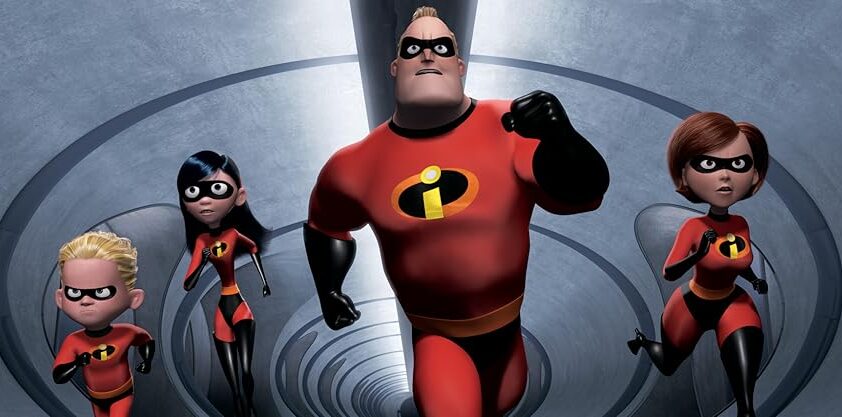
The Incredibles broke the mold of traditional animated superhero films by focusing on family dynamics alongside high-action sequences. Directed by Brad Bird, it offers a fresh take on the superhero genre, combining typical action-packed moments with relatable themes of family and identity. The animation was groundbreaking at the time, with its realistic rendering of characters’ movements and the detailed world they inhabit. It set the standard for future animated films in terms of visual quality and storytelling.
Unlike most superhero movies, The Incredibles explores the lives of ordinary people with extraordinary abilities. It shows how the family must balance their heroic duties with personal struggles. The film was praised for its ability to appeal to both children and adults, making it a timeless classic. Its success showed that animation could handle complex, layered narratives without relying on a traditional villain-centered plot.
Ghost in the Shell (1995)
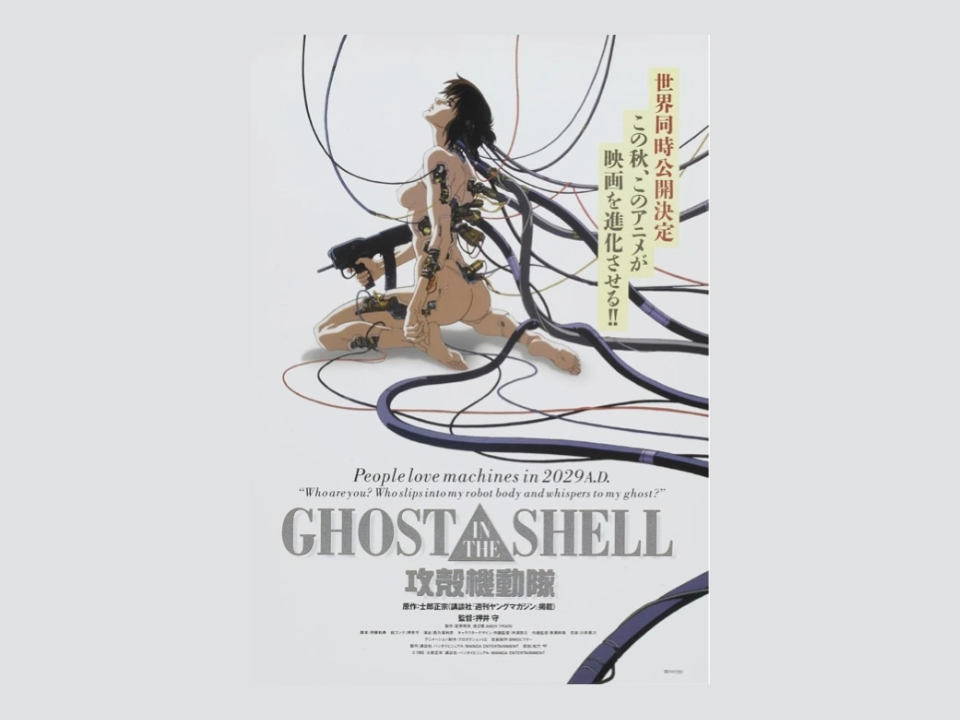
Ghost in the Shell is a Japanese animated film that blends cyberpunk aesthetics with philosophical questions about artificial intelligence, consciousness, and the nature of humanity. Based on Masamune Shirow’s manga, the film features a futuristic world where technology and humanity are intertwined in complex and often unsettling ways. The animation itself is a blend of hand-drawn art and early computer-generated imagery, giving it a unique, futuristic look. Its mature themes and dark tone make it a departure from traditional animated films.
The film is a hallmark of the cyberpunk genre, influencing not only anime but also Western science fiction films. Its deep philosophical questions about the mind and technology set it apart from most other animated features. Ghost in the Shell has inspired countless films, including The Matrix, which took heavy inspiration from the anime. It shows how animation can be used to explore complex ideas in a visually striking way.
Shrek (2001)
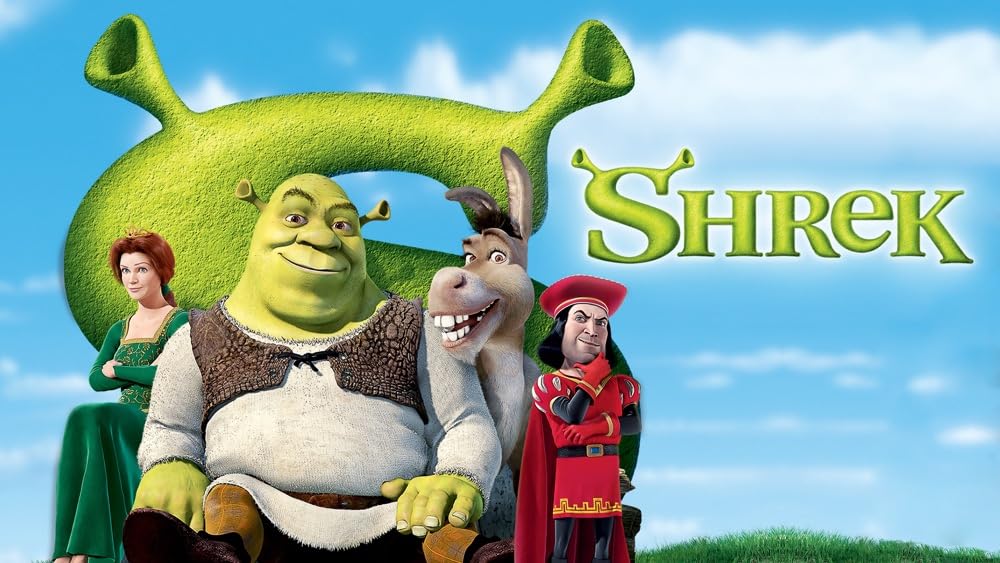
Shrek revolutionized animated films by subverting classic fairy tale tropes and offering a fresh, irreverent take on the genre. The film, directed by Andrew Adamson and Vicky Jenson, followed the story of an ogre who embarks on a journey to rescue a princess. What set Shrek apart was its humor, which appealed to both children and adults with its references to pop culture, fairy tale clichés, and adult jokes. Its animation style, which was less stylized and more realistic compared to traditional animated films, gave it a unique charm.
The film’s success led to several sequels and established Shrek as one of the most iconic animated franchises. Its humor and unconventional take on fairy tales made it a favorite for audiences looking for something different. Shrek proved that animated films could break the mold of traditional family movies, introducing a more mature, satirical approach to animation. It was a major success, both critically and commercially, and paved the way for more animated films that push the boundaries of conventional storytelling.
The Lego Movie (2014)
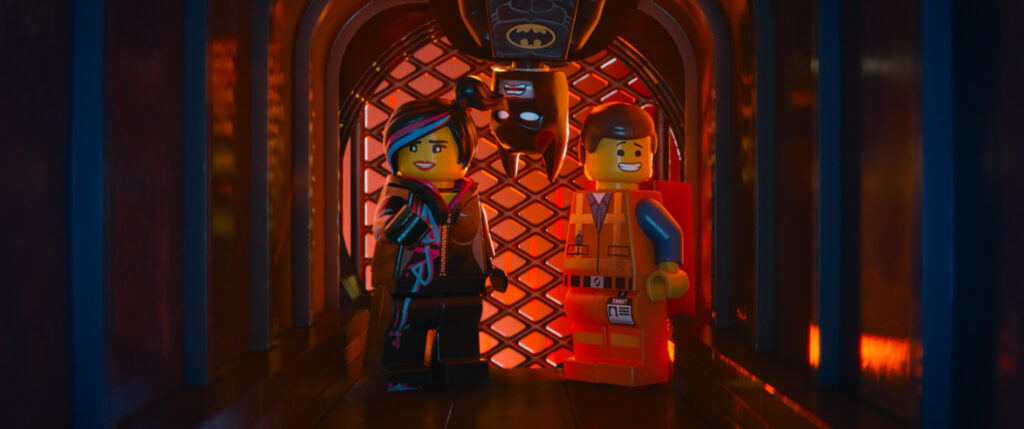
The Lego Movie broke new ground by turning a popular toy brand into a feature-length animated film. The film’s innovative animation style and humorous script made it a standout in the crowded field of animated films. It tells the story of Emmet, an ordinary Lego figure who is mistaken for the “Special,” the key to saving the Lego universe. The film’s use of Lego blocks as the medium for animation allowed for a visually unique experience that hadn’t been seen before.
The film’s success was a testament to the creativity of the animation team, who made the Lego world feel both dynamic and real. It cleverly blends themes of creativity, conformity, and self-discovery in a way that appeals to both children and adults. The Lego Movie proved that animated films could be more than just a visual treat, as they could be an entertaining and thought-provoking experience. It remains a beloved film that has continued to inspire sequels and spin-offs.
The Secret of Kells (2009)
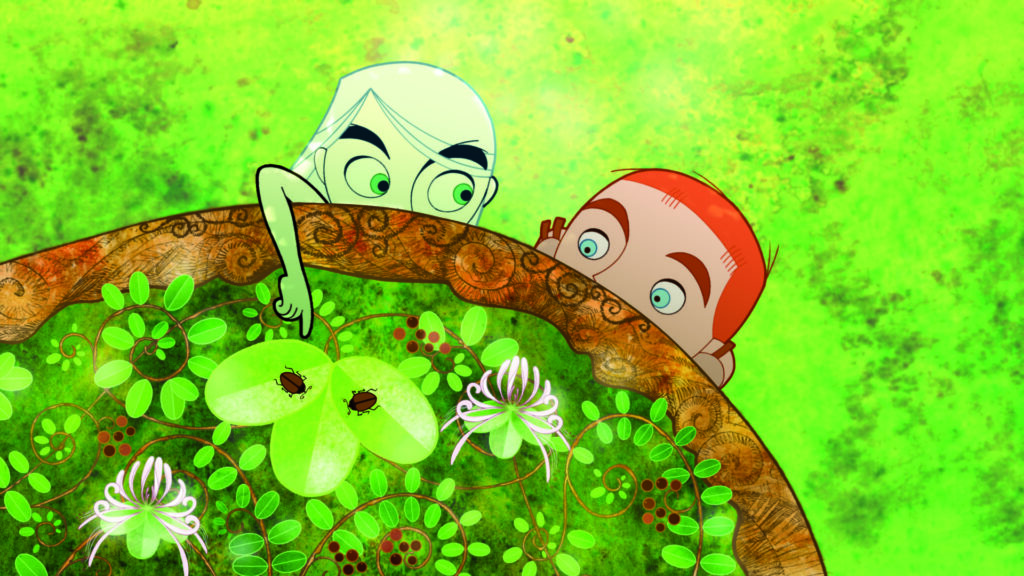
The Secret of Kells is a stunning animated film that blends Celtic mythology with the visual style of illuminated manuscripts. Directed by Tomm Moore and Nora Twomey, it tells the story of a young boy named Brendan, who embarks on a journey to help finish the Book of Kells. The film’s unique art style, which draws from medieval art and religious texts, creates a visual experience that is unlike any other. It combines traditional 2D animation with intricate design work that highlights its cultural significance.
The film’s exploration of Irish mythology and history sets it apart from other animated films. It doesn’t rely on fast-paced action or comedic moments but instead focuses on the beauty of its world and the quiet, introspective journey of its protagonist. The Secret of Kells is a work of art, using animation to tell a story that is steeped in culture and tradition. It shows how animation can be a vehicle for storytelling that is both visually stunning and culturally enriching.
Akira (1988)
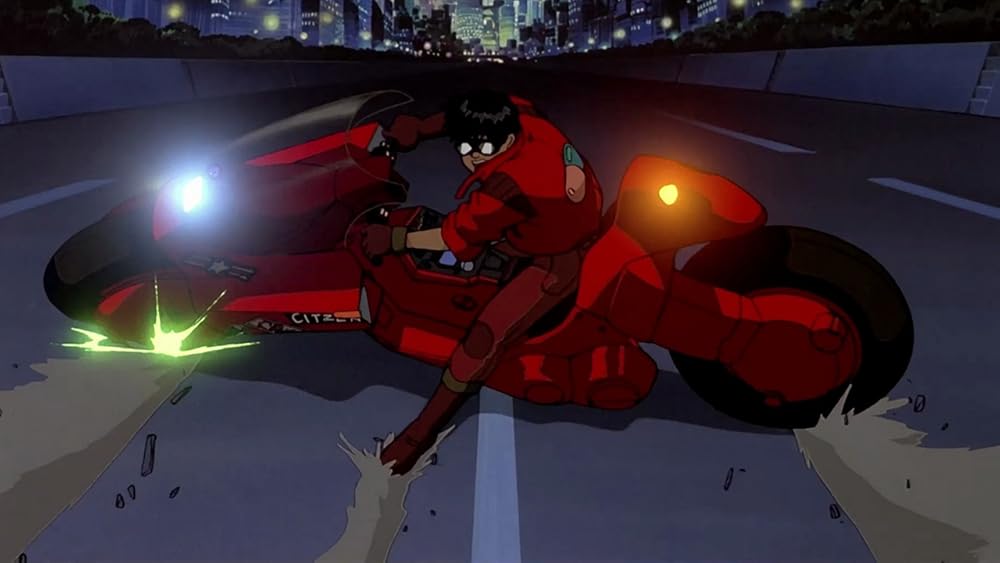
Akira is a Japanese animated film that broke new ground in both animation and storytelling. Directed by Katsuhiro Otomo, the film is set in a post-apocalyptic Tokyo and follows the story of a young man with telekinetic powers who threatens to destroy the world. Its animation was groundbreaking at the time, with fluid action sequences and highly detailed backgrounds. The film’s complex narrative and mature themes, such as government corruption and the human desire for power, set it apart from typical animated fare.
Akira was one of the first anime films to gain international recognition, helping to popularize anime outside Japan. Its influence can still be seen in films and television shows today, as it pushed the boundaries of what animation could achieve. The film’s unique blend of sci-fi, action, and political commentary made it a cult classic and a pioneering work in the genre. It remains one of the most important and influential animated films of all time.
The Triplets of Belleville (2003)
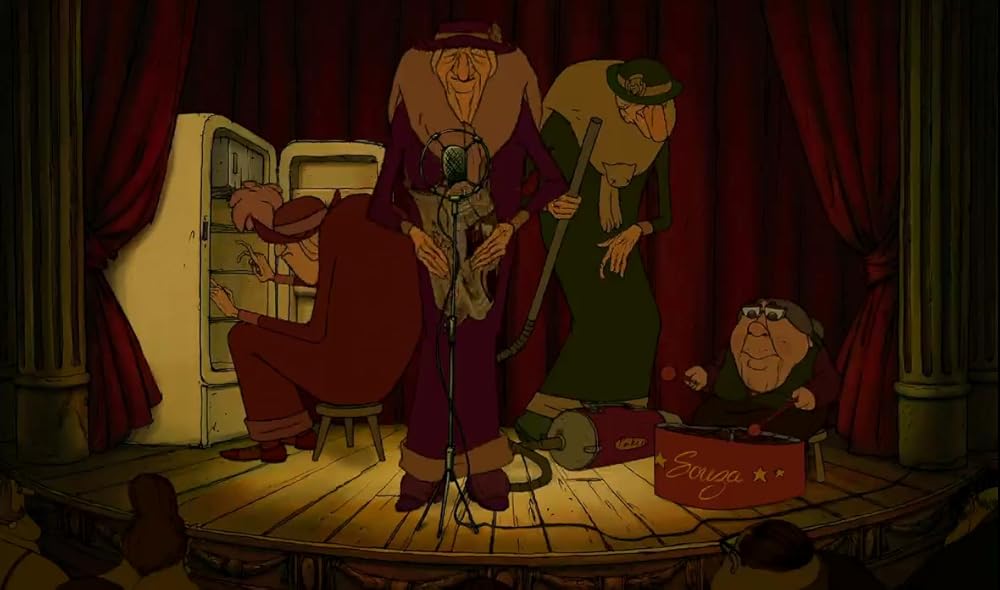
The Triplets of Belleville is a French animated film directed by Sylvain Chomet. Its distinctive animation style, heavily influenced by 1930s cartoons, stands out for its lack of dialogue and emphasis on visual storytelling. The film follows a grandmother as she embarks on a journey to rescue her kidnapped grandson, a cyclist in the Tour de France. The quirky, exaggerated character designs and surreal landscapes make it a visually unique experience.
The film’s minimalist dialogue and reliance on visual humor set it apart from most animated films. It uses a mixture of traditional animation and stylized art to create a world that feels both nostalgic and strange. The Triplets of Belleville was a critical success, praised for its charm, wit, and unique animation. Its unconventional approach to animation, storytelling, and humor broke away from the norms and made it an unforgettable experience.
This article originally appeared on Avocadu.