
13 Ancient Wetland Plants That Still Rule Their Ecosystems
Wetland plants are found in environments where water is always present or frequently changes. These plants have evolved over thousands of years to thrive in challenging conditions, like standing water or waterlogged soil. Wetlands are vital for many reasons, from filtering pollutants to providing habitats for wildlife. Ancient wetland plants, some of which date back millions of years, still play an essential role in these habitats.
This post may contain affiliate links, which helps keep this content free. Please read our disclosure for more info.
Cypress Trees (Taxodium distichum)
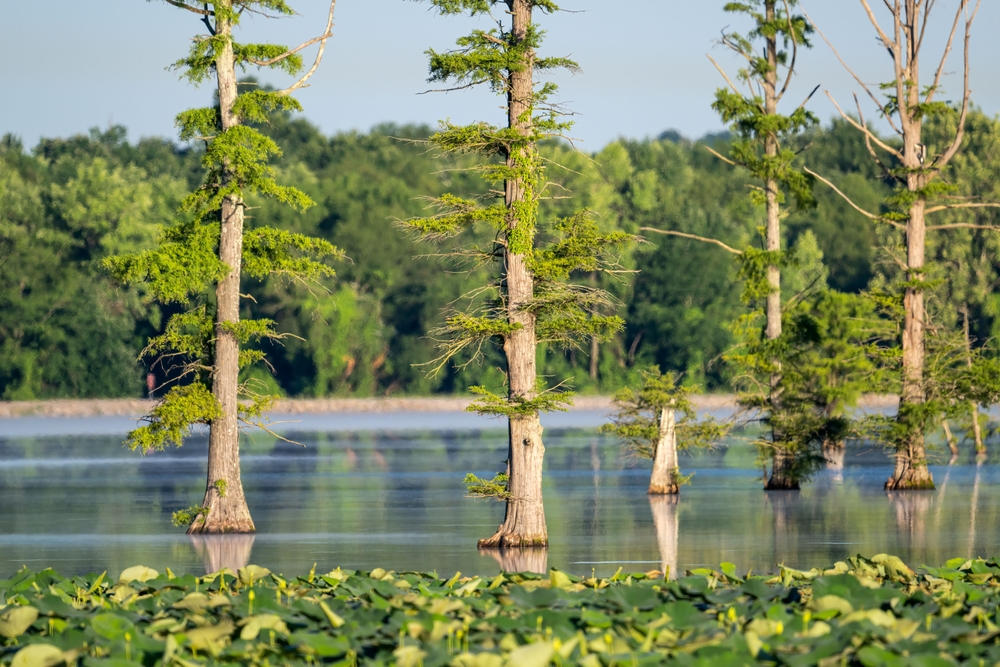
Cypress trees have been around for millions of years, thriving in swampy, wetland areas across the southeastern United States. These trees are often considered ancient because their evolutionary origins date back to the time of the dinosaurs. Known for their unique knees, or roots that rise above the water, cypress trees help stabilize the wetland environment by reducing erosion. Their deep roots also help prevent soil erosion and provide a stable habitat for various species of wildlife. These trees have long been a staple in wetland ecosystems, continuing to provide critical support for local flora and fauna.
Cypress trees grow well in swamps and marshes where the water levels fluctuate. They play a crucial role in the wetlands by providing habitat for birds, mammals, and insects, and also help to filter water. The cypress tree’s bark can develop a rough texture that aids in water retention around the root system. This ancient tree’s adaptability and vital role in the ecosystem make it an essential part of wetland environments today.
Papyrus (Cyperus papyrus)
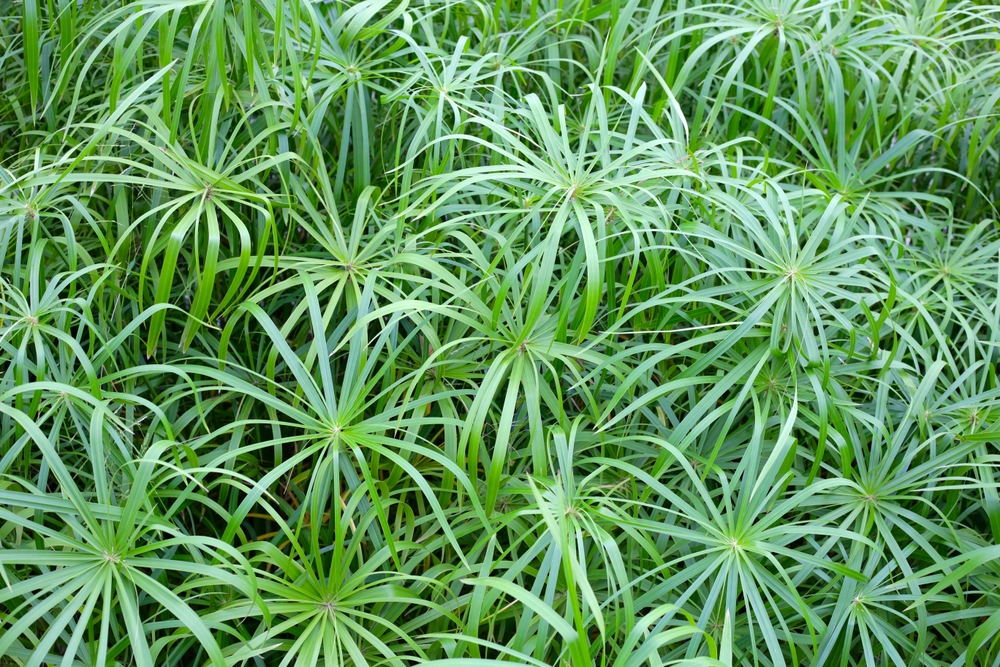
Native to ancient Egypt and other parts of Africa, papyrus plants have been growing in wetlands for thousands of years. These tall, reed-like plants are often considered ancient due to their role in the birth of written communication, as the plant’s stalks were used to make papyrus paper. In wetland ecosystems, papyrus plays a critical role in preventing soil erosion and filtering water. Their dense growth along riverbanks and marshes creates shelter for fish and birds, making them a central part of the ecosystem.
Papyrus thrives in shallow waters where it can spread easily, helping stabilize the banks of waterways. It is a hardy plant that can grow in both flooded and dry conditions, making it incredibly adaptable. Throughout history, papyrus has contributed to the development of human culture, while also maintaining its ecological importance. Today, this ancient plant continues to grow in wetland regions, supporting wildlife and maintaining healthy water systems.
Mangroves (Rhizophora spp.)
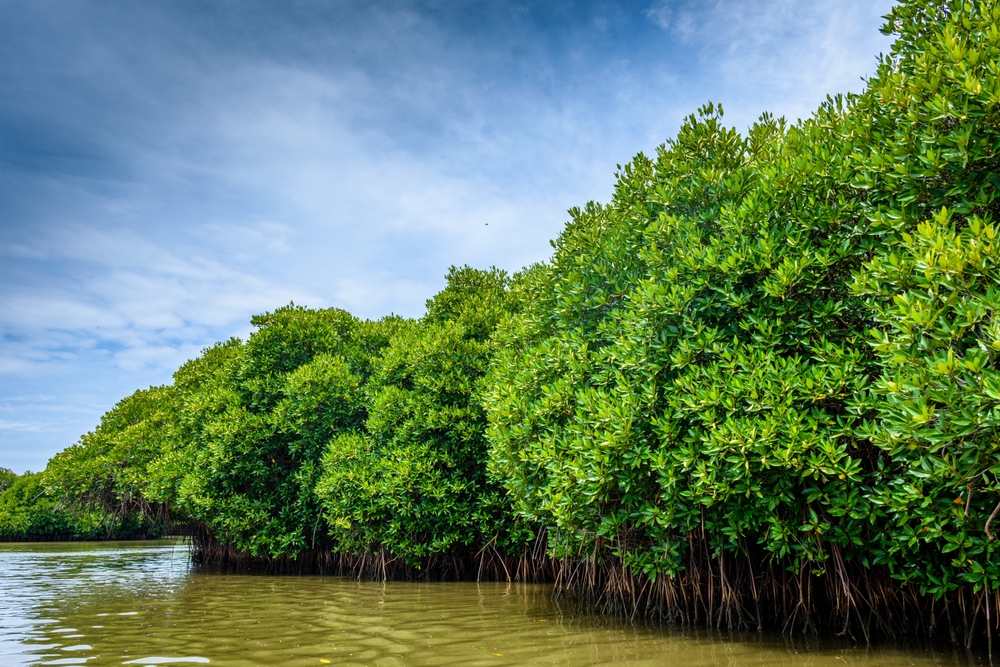
Mangroves have been growing in coastal wetlands for over 100 million years. These trees are considered ancient because they have adapted to survive in the challenging conditions of salty, tidal waters. With their specialized root systems that extend above the surface of the water, mangroves help protect coastlines from erosion and provide critical habitats for marine life. Their ability to filter out salt from seawater and trap sediment makes them invaluable to both aquatic and terrestrial ecosystems.
Mangrove forests provide essential protection from storms, acting as natural barriers to flooding and storm surges. The trees are well-suited for growing in intertidal zones, where they play a significant role in stabilizing the shoreline. These plants also serve as nursery grounds for fish and other marine species. Despite their ancient roots, mangroves continue to be one of the most vital components of coastal wetland ecosystems.
Sedges (Carex spp.)
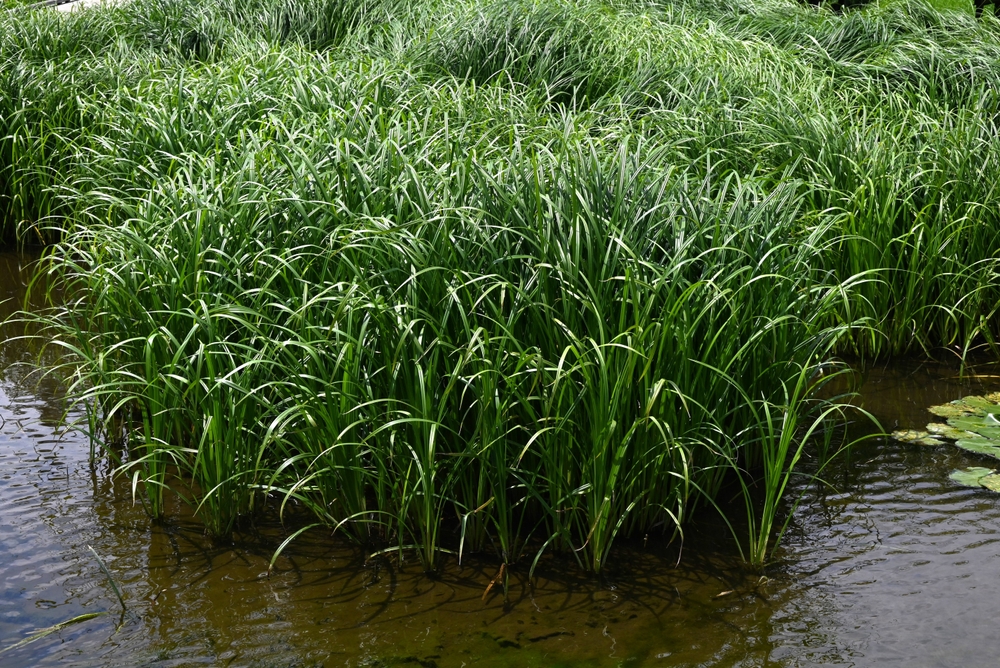
Sedges are one of the oldest plant families, with ancestors that date back over 50 million years. These grass-like plants are common in wetlands, thriving in damp, marshy areas. Sedges are important in wetland ecosystems because their dense growth helps to stabilize the soil and slow down water movement. They also filter water, absorbing nutrients and helping to prevent the growth of algae that could harm aquatic life.
Sedges provide essential shelter for wildlife, including small mammals and insects. Their ability to grow in a variety of wetland habitats, from bogs to marshes, makes them a versatile and resilient plant. These plants’ deep root systems help reduce erosion while also improving water quality. Sedges continue to play an essential role in wetland ecosystems, offering ecological benefits that have remained unchanged over millions of years.
Water Lilies (Nymphaea spp.)
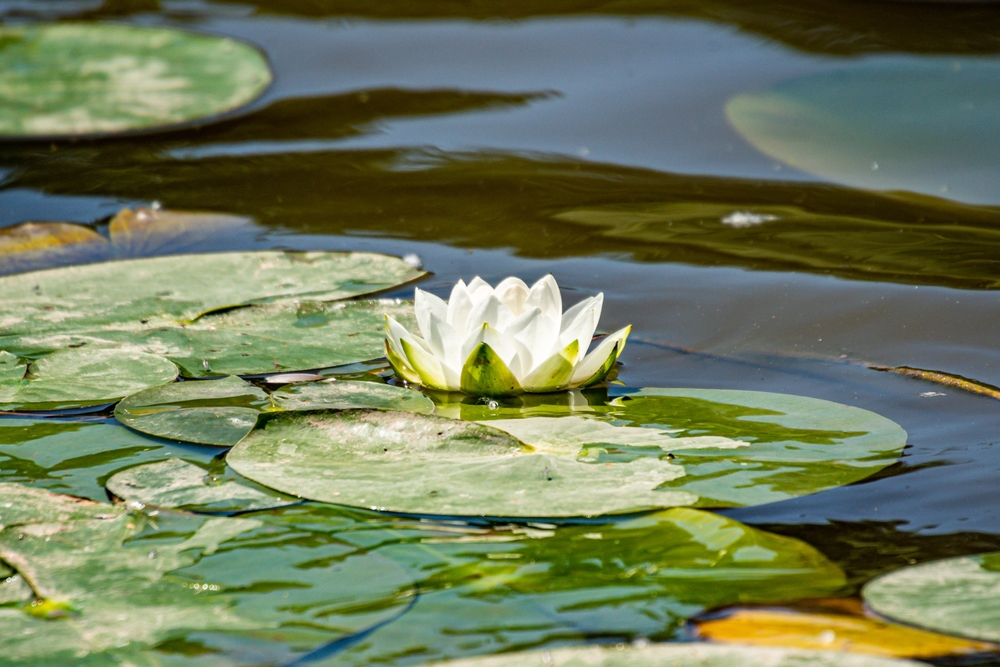
Water lilies have been growing in wetlands for over 100 million years, making them one of the oldest aquatic plants. These plants are often considered ancient due to their long-standing presence in freshwater environments, dating back to the time of the dinosaurs. Water lilies provide a vital service to wetlands by offering shade to the water below, which helps keep water temperatures stable and oxygen levels balanced. The large, flat leaves float on the surface, preventing excessive evaporation and creating a calm environment for aquatic life.
In addition to their beauty, water lilies play an essential role in supporting biodiversity. Their flowers attract pollinators like bees and insects, while their leaves serve as shelter for fish and amphibians. These plants also help prevent algae overgrowth by shading the water and reducing sunlight penetration. Water lilies are crucial for maintaining the health of freshwater wetland ecosystems.
Lotus (Nelumbo nucifera)

The Lotus, known for its striking flowers, has been a significant wetland plant for more than 130 million years. These ancient plants are celebrated not only for their beauty but also for their ability to thrive in shallow, muddy waters. The large, rounded leaves of the lotus float on the water’s surface, while the flowers rise above, creating a stunning visual contrast. The plant’s roots, which anchor in the mud, help prevent erosion and provide support to the wetland environment.
Lotus plants are well-suited to a variety of wetland habitats, from ponds to marshes, and are highly adaptable to different water levels. The seeds of the lotus are known for their long shelf life and can remain viable for centuries, adding to the plant’s ancient nature. Lotus flowers are also highly valued in many cultures for their symbolism and medicinal properties. This beautiful, ancient plant continues to thrive in wetland ecosystems worldwide.
Clubmoss (Lycopodium spp.)
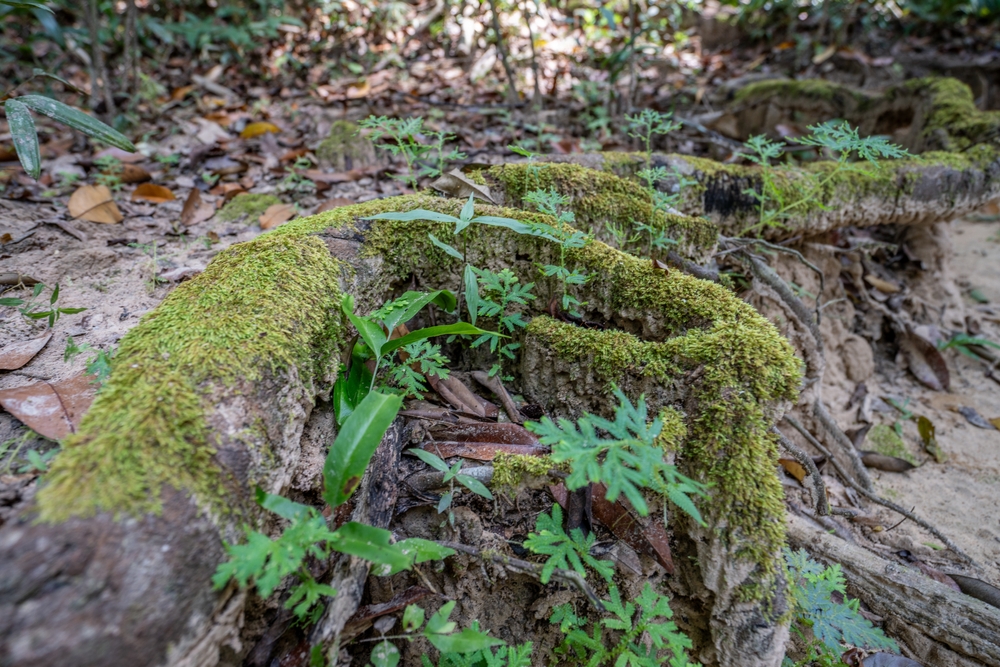
Clubmoss is an ancient plant that has existed for over 300 million years, predating even the dinosaurs. Though it resembles moss, it is actually a type of vascular plant. Found in wetland environments, clubmoss grows in dense mats on the forest floor or in marshy areas. It plays an important role in these ecosystems by providing ground cover and helping to prevent soil erosion.
Clubmoss plants are slow-growing but can survive in a range of wetland habitats, from bogs to wet forests. Their small, scale-like leaves create a thick carpet of greenery that supports small animals and insects. These plants are important in the history of plant evolution and continue to thrive in wetlands. Despite their ancient origins, clubmoss plants remain a key part of wetland ecosystems today.
Swamp Oak (Quercus bicolor)

The Swamp Oak, also known as the Water Oak, has been a prominent wetland tree for thousands of years. It thrives in moist, poorly drained soils, often growing in marshes and floodplains. The tree’s bark is thick and deeply furrowed, providing a textured appearance that helps it survive in wet conditions. Swamp Oaks support a wide range of wildlife by offering shelter and food sources like acorns.
This tree grows best in areas with abundant moisture, particularly in wetlands where other trees may struggle. Swamp Oaks are hardy and can tolerate standing water, making them a key species in flood-prone areas. Their bark, roots, and branches provide essential habitat for birds, mammals, and insects. The Swamp Oak’s adaptability and longevity make it an important part of many wetland ecosystems.
Marsh Marigold (Caltha palustris)
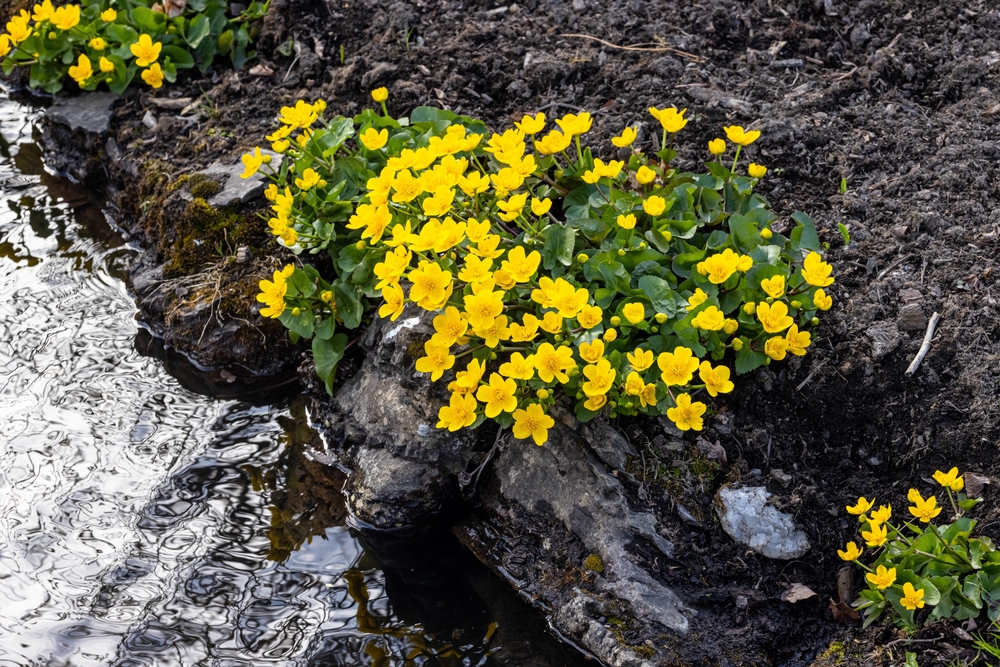
The Marsh Marigold is a perennial herb that thrives in wetland environments, particularly in northern climates. Known for its bright yellow flowers, this plant has been an essential part of wetlands for centuries. The marsh marigold’s ability to grow in damp, nutrient-rich soils makes it a key component of marsh ecosystems. Its vibrant flowers attract pollinators, while its leaves help shade the ground and prevent excessive evaporation.
These plants are commonly found in marshes, bogs, and other wetland areas, where they grow in shallow water or moist soil. Marsh Marigolds are an important early-blooming flower, providing nectar for bees and butterflies. They also help maintain the water balance in wetlands by absorbing excess nutrients and reducing water turbidity. This plant’s beauty and ecological benefits make it a vital part of wetland landscapes.
Pickerel Weed (Pontederia cordata)
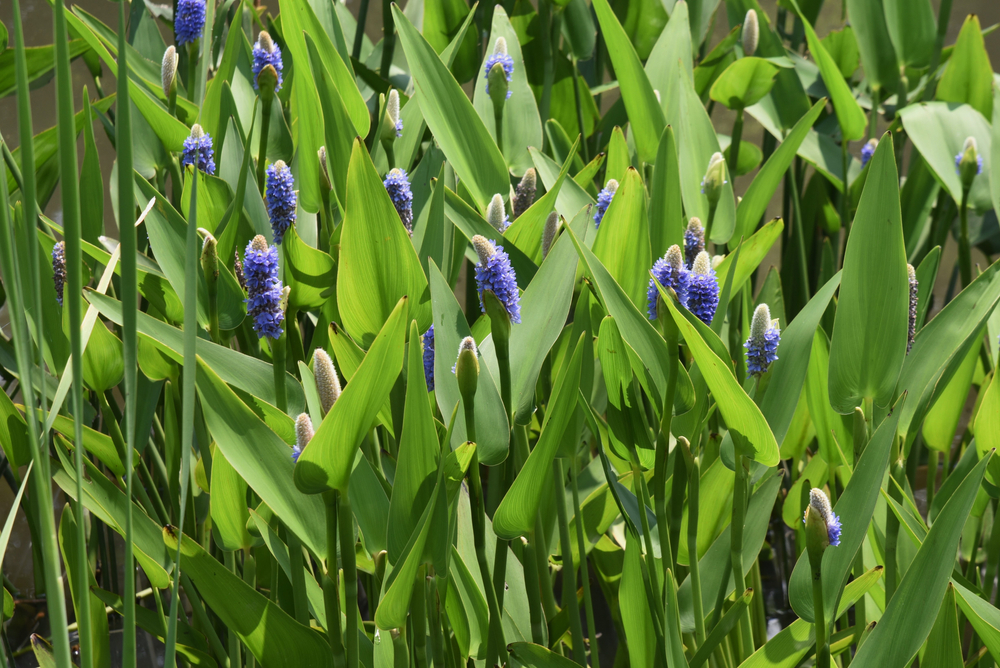
Pickerel Weed is an aquatic plant that has been a part of wetland ecosystems for centuries. Its striking purple flowers bloom in the summer, creating a visual spectacle on the surface of ponds and marshes. The plant thrives in shallow waters, where it can spread quickly, helping to stabilize the soil and prevent erosion. Pickerel Weed’s roots filter the water, improving its quality by absorbing excess nutrients.
This plant grows best in warm, shallow water, and is commonly found along the edges of lakes, rivers, and ponds. Its floating leaves provide shelter for various aquatic species, including fish and insects. Pickerel Weed is a favorite among wildlife due to its ability to provide both food and shelter. As a native plant, it has played an essential role in wetland ecosystems for thousands of years.
Sphagnum Moss (Sphagnum spp.)
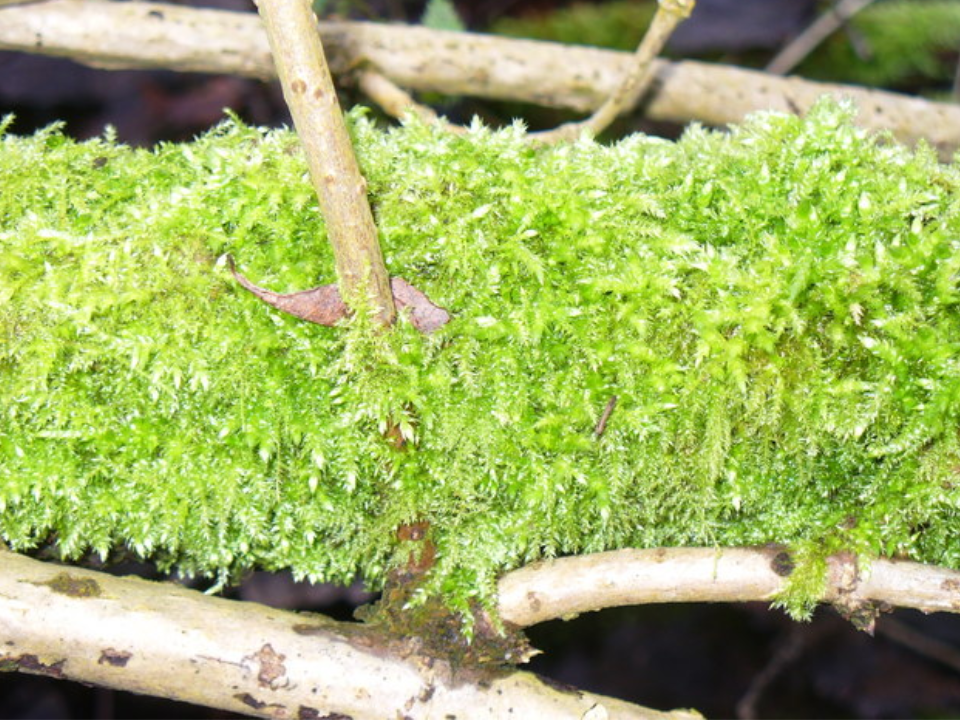
Sphagnum Moss has been growing in wetland environments for over 400 million years, making it one of the oldest plants in the world. This moss forms dense, water-retaining mats in bogs and marshes, helping to maintain moisture levels and regulate the water cycle in wetland habitats. It’s essential for the formation of peat bogs, where layers of moss slowly accumulate to form peat over centuries. The moss’s ability to absorb large amounts of water helps prevent flooding and supports the wetland ecosystem.
Sphagnum Moss is commonly found in acidic, nutrient-poor environments and thrives in areas with high moisture. Its presence in wetlands helps stabilize the ecosystem by reducing the loss of water and preventing soil erosion. The moss also provides a habitat for small organisms, including insects and amphibians. Despite its ancient origins, Sphagnum Moss continues to play a vital role in maintaining healthy wetland ecosystems.
Common Reed (Phragmites australis)
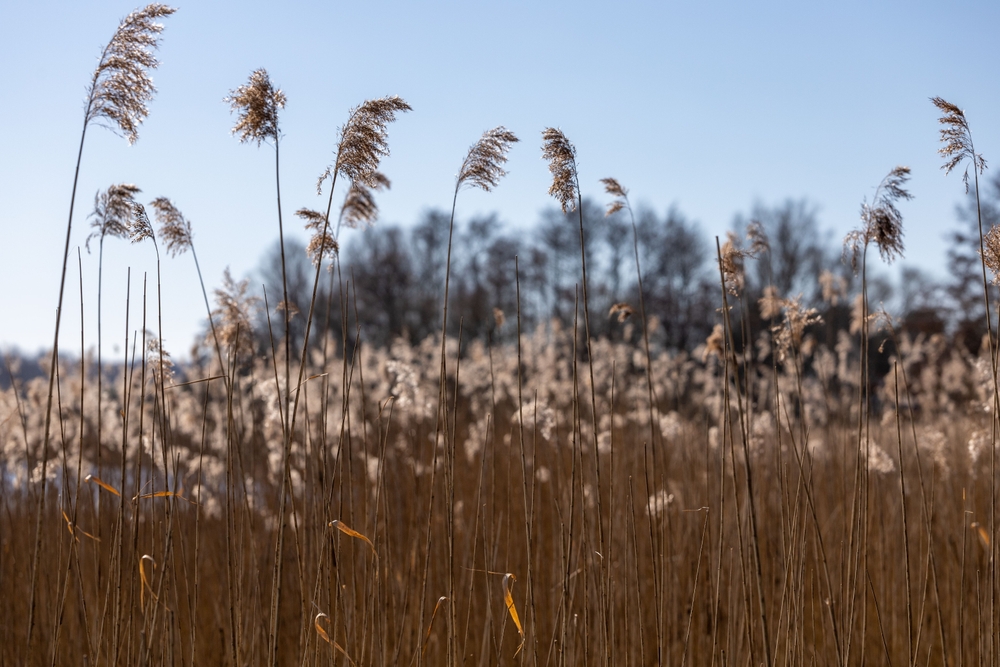
The Common Reed is a tall, perennial grass that has been growing in wetlands for thousands of years. This plant is known for its tall, feathery flower heads and dense growth, which creates dense stands along riverbanks and coastal wetlands. The Common Reed plays a key role in filtering water, absorbing nutrients, and preventing soil erosion. Its deep root system helps to stabilize the wetland, making it an important plant in maintaining the integrity of these ecosystems.
Common Reed thrives in a wide range of wetland habitats, from freshwater marshes to brackish tidal zones. It is highly adaptable, able to grow in both flooded and drier conditions. Despite its ability to spread aggressively, it provides essential shelter and food for many species of birds, fish, and insects. This ancient plant continues to be an integral part of wetland ecosystems around the world.
Arrowhead (Sagittaria spp.)
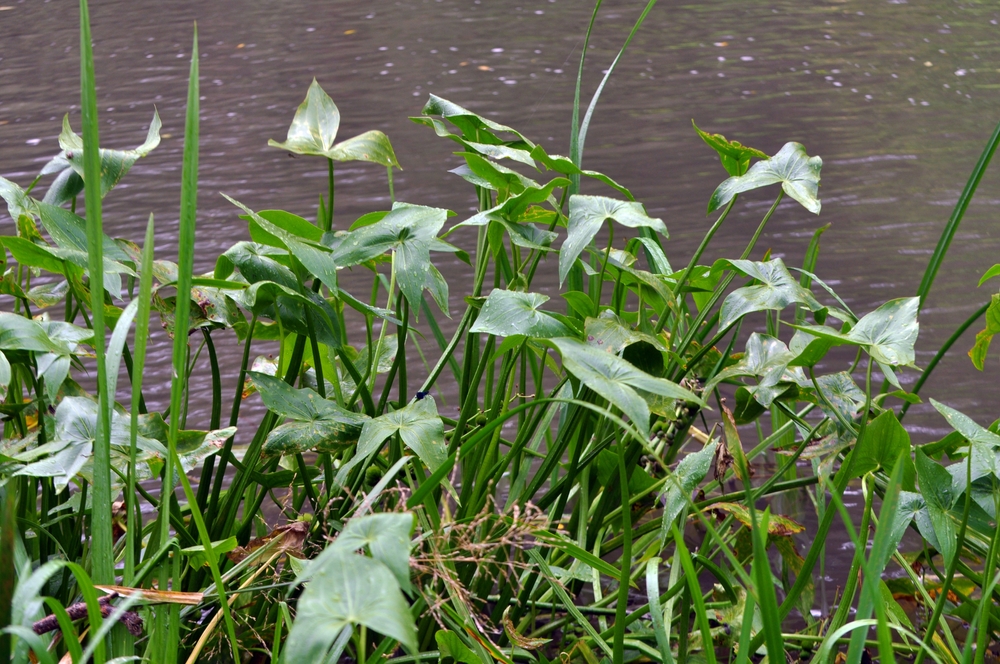
Arrowhead plants, known for their distinct arrow-shaped leaves, have been a part of wetland ecosystems for centuries. These aquatic plants grow in shallow waters, often forming dense colonies along the edges of marshes, ponds, and lakes. Arrowhead plants help stabilize the soil and reduce erosion while their leaves provide shelter for various aquatic species. The flowers, which bloom in late summer, attract pollinators like bees and butterflies.
Arrowhead plants thrive in wetland habitats with still or slow-moving water. Their leaves and flowers create a rich habitat for fish and amphibians, while their roots help filter water and improve its quality. Arrowhead plants are also used in wetland restoration projects due to their ability to improve water clarity and reduce sedimentation. Despite their simple appearance, they play a crucial role in the health of wetland ecosystems.
This article originally appeared on Avocadu.