
15 Ancient Mosses and Lichens That Tell the Story of Old Forests
Mosses and lichens are often overlooked in the forest, but they play a vital role in the ecosystem. These ancient organisms have been growing in forests for millions of years, helping to shape the environment. They contribute to the health of the forest by acting as natural filters and creating habitats for tiny creatures. By absorbing moisture from the air, mosses and lichens help to regulate humidity levels in their surroundings.
This post may contain affiliate links, which helps keep this content free. Please read our disclosure for more info.
Big Haircap Moss (Polytrichum commune)
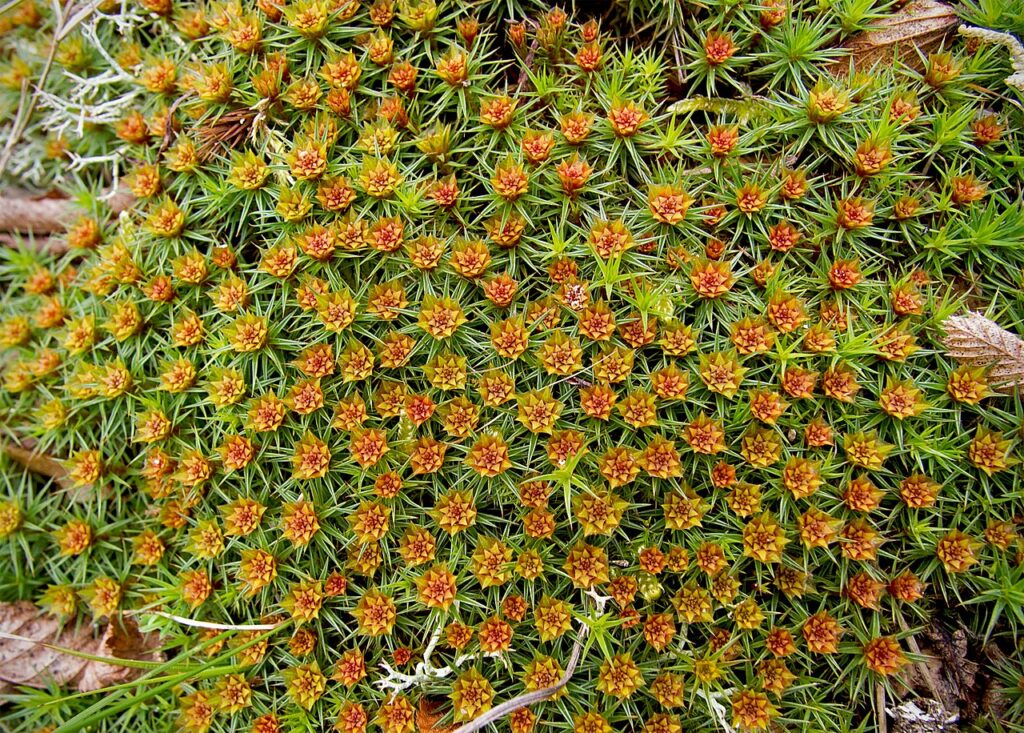
Polytrichum commune is a moss commonly found in old forests, known for its distinctive tall, hair-like structures. This moss plays a crucial role in maintaining moisture levels in the soil, which is vital for the surrounding plant life. It also provides a habitat for small insects and other microfauna, helping to sustain the forest’s biodiversity. As one of the largest moss species, it is easily identifiable by its bushy appearance, and its presence is often a sign of an ancient forest ecosystem.
Its ability to retain moisture makes it an essential player in the forest’s water cycle. In addition, Polytrichum commune can be used as an indicator of forest health, thriving in environments with good air quality and healthy soil. Due to its size and persistence, this moss can survive for many years, allowing it to tell the story of long-standing ecosystems. It’s a living link to the ancient forests where it grows, offering insights into the environment’s past.
Reindeer Lichen (Cladonia rangiferina)
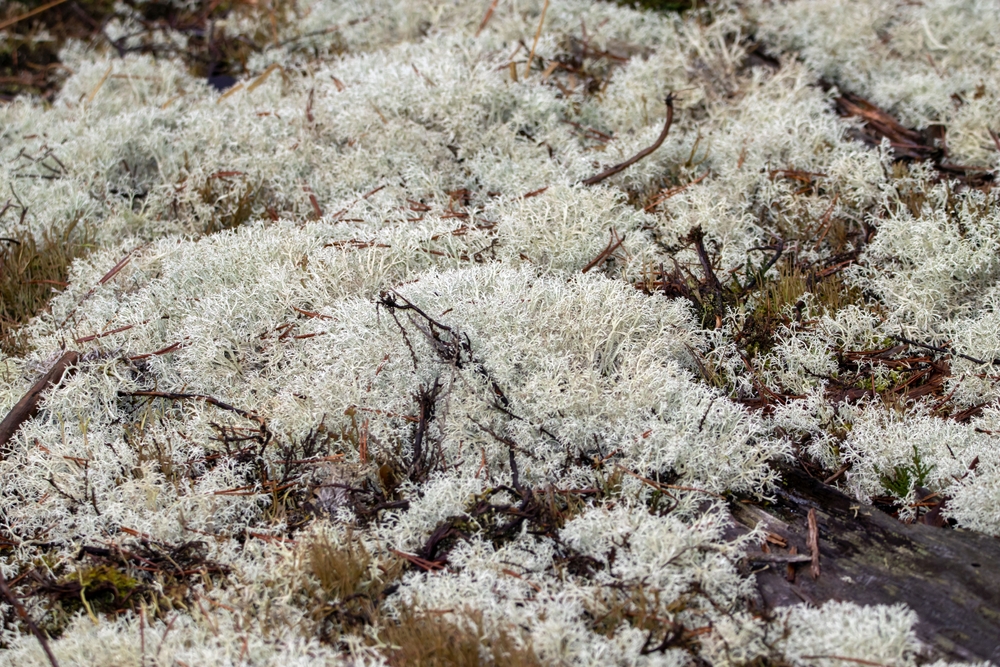
Cladonia rangiferina, commonly known as reindeer lichen, is a lichen that thrives in cooler, older forests with acidic soil. This lichen is an important part of the forest floor ecosystem, providing food for herbivores like reindeer, hence its name. The pale, branching structure of reindeer lichen is both striking and adaptable to the harsh conditions of ancient forests, where it often grows in the shadow of tall trees and thick canopies. Reindeer lichen is also known for its ability to tolerate drought and nutrient-poor conditions, making it a survivor in many environments.
In old forests, this lichen contributes to the nutrient cycle by breaking down organic matter on the forest floor. It’s an indicator of healthy, undisturbed ecosystems and plays a significant role in supporting the forest’s wildlife. Reindeer lichen has been around for centuries, with some specimens estimated to be hundreds of years old. As a result, it serves as a living relic, offering a glimpse into the ancient forest landscapes that have shaped the modern environment.
Wolf Lichen (Letharia vulpina)
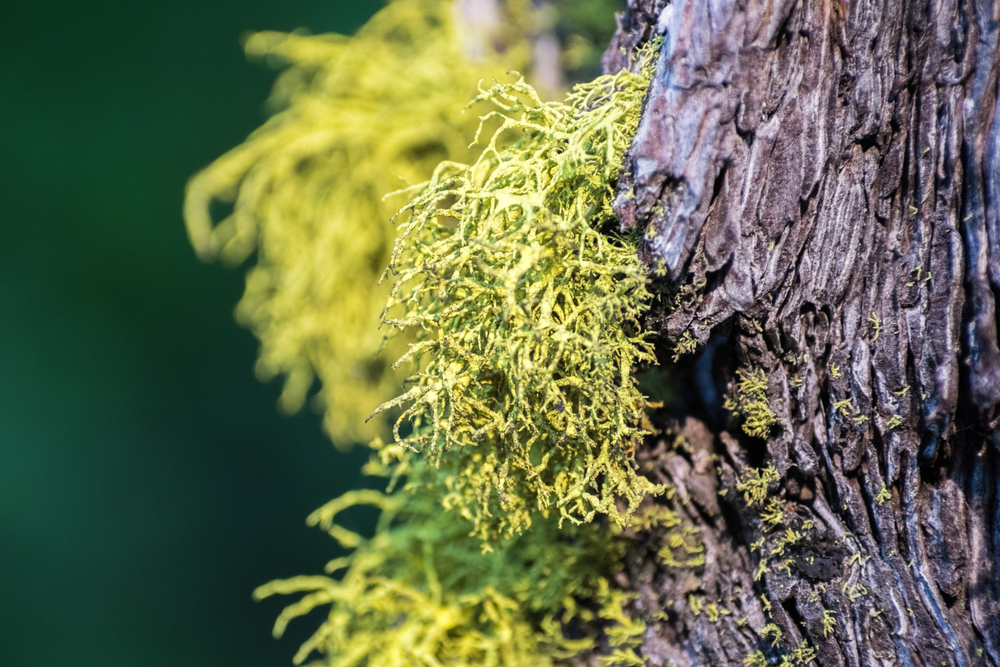
Letharia vulpina, or wolf lichen, is a striking yellow-green lichen that grows on the bark of old trees in northern forests. This lichen has a unique ability to withstand extreme weather conditions, thriving in areas where many other species would not survive. Historically, it was believed to be toxic to wolves, as it contains compounds that are harmful when consumed, hence the name wolf lichen. Today, it’s better understood as an important part of the forest’s biodiversity, contributing to the breakdown of organic matter and supporting various small organisms.
The presence of wolf lichen in old forests often signals that the forest has remained largely undisturbed for long periods. Its slow growth and resilience to environmental changes make it an important indicator of a healthy ecosystem. It’s also known for its role in the nitrogen cycle, helping to enrich the soil with nutrients over time. Wolf lichen’s unusual color and texture make it an easy-to-spot species in forests, providing a visual connection to the past.
Old Man’s Beard Lichen (Usnea longissima)
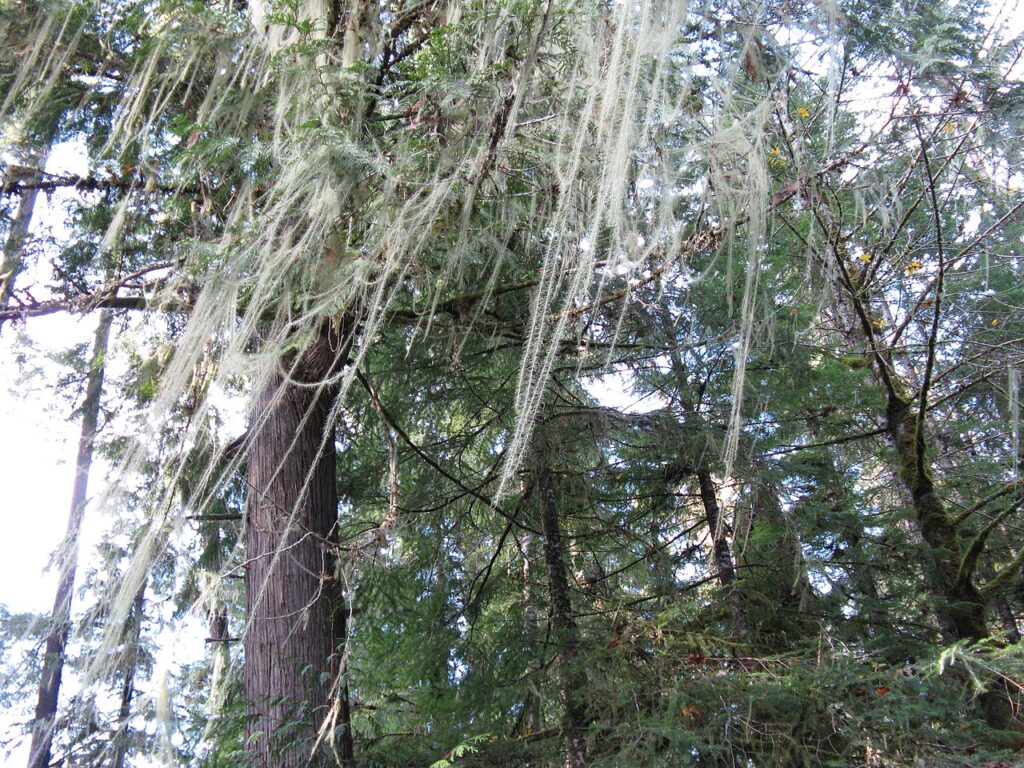
Usnea longissima, commonly known as old man’s beard, is a lichen that hangs from the branches of ancient trees, giving it a beard-like appearance. This lichen is sensitive to air pollution, thriving in clean, unpolluted forests where it can form large, hanging clumps. It grows slowly, which means that its presence is often an indicator of old, undisturbed forests with stable ecosystems. Old man’s beard is an essential part of the forest canopy, providing habitat for birds and insects, while also contributing to the forest’s moisture regulation.
Due to its long, stringy appearance, Usnea longissima is often used in herbal medicine, though it is more valuable for its ecological role. The lichen absorbs moisture from the air, which helps maintain humidity levels in the forest, benefiting other plants and animals. Its unique ability to thrive in ancient forests with little human interference makes it a valuable piece of natural history. Today, it serves as a reminder of the health and longevity of forest ecosystems.
Fremont’s Lichen (Bryoria fremontii)
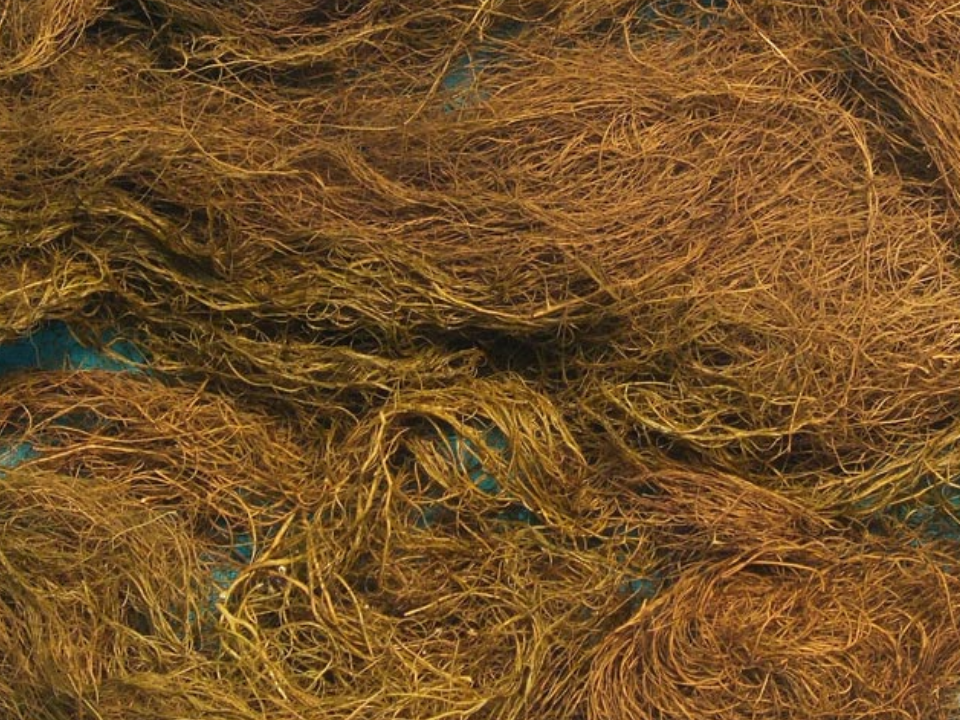
Bryoria fremontii, or Fremont’s lichen, is a long, hanging lichen that thrives in high-altitude forests. It is particularly common in the forests of the western U.S., where it grows on the branches of large trees. Fremont’s lichen plays an important role in the forest ecosystem by absorbing moisture from the air, helping to maintain humidity levels. Its presence is often a sign of a healthy, undisturbed forest, as it thrives in clean, unpolluted environments.
This lichen’s distinctive appearance and ability to survive in harsh conditions make it a unique feature of old forests. It provides food for various animals and is a key player in the forest’s nutrient cycle. Bryoria fremontii’s resilience in high-altitude forests makes it a symbol of the endurance of ancient forest ecosystems. As a living organism, it offers insights into the long-term stability and health of forest environments.
Silvery Bryum Moss (Bryum argenteum)
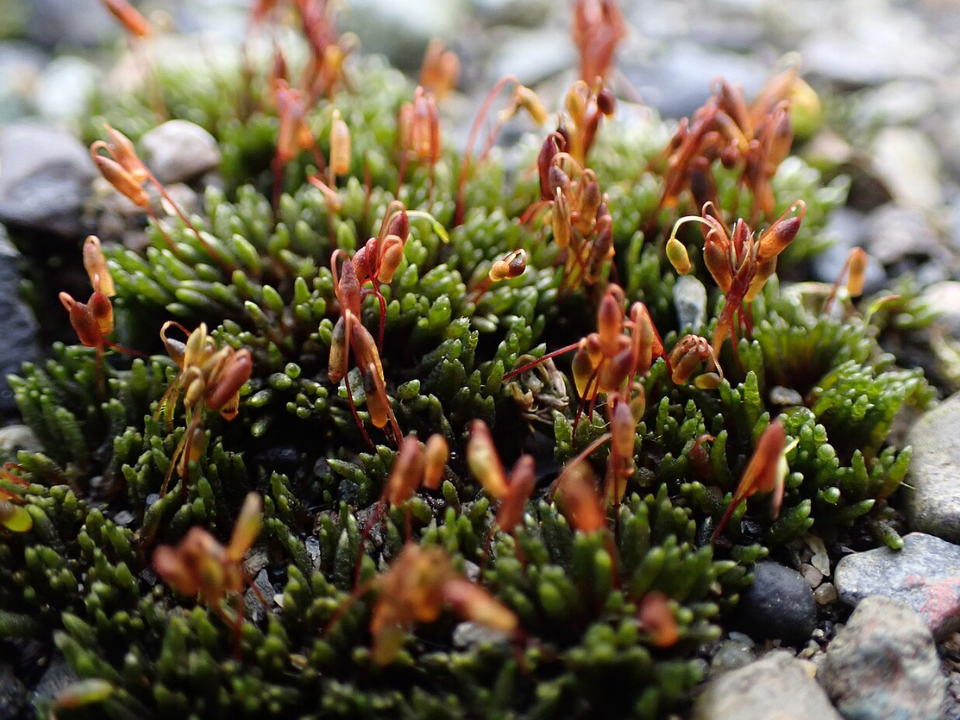
Bryum argenteum, also known as silvery bryum, is a moss that thrives in old, shaded forests with a steady supply of moisture. This moss is distinctive for its silvery-green appearance, which stands out against the dark forest floor. It is a pioneering species, often one of the first to colonize disturbed areas, but it also thrives in older, undisturbed forests. Silvery bryum is important for its ability to retain moisture and prevent soil erosion, contributing to the stability of the forest ecosystem.
The moss’s adaptability allows it to survive in a variety of environments, though it flourishes in the cool, moist conditions found in older forests. It plays a key role in maintaining the forest floor’s moisture balance, supporting other plant life in the process. Silvery bryum’s delicate appearance belies its important function in the ecosystem, as it contributes to nutrient cycling and soil enrichment. It is also an important food source for small insects, which further supports the food web within the forest.
Cypress-leaved Plait-moss (Hypnum cupressiforme)
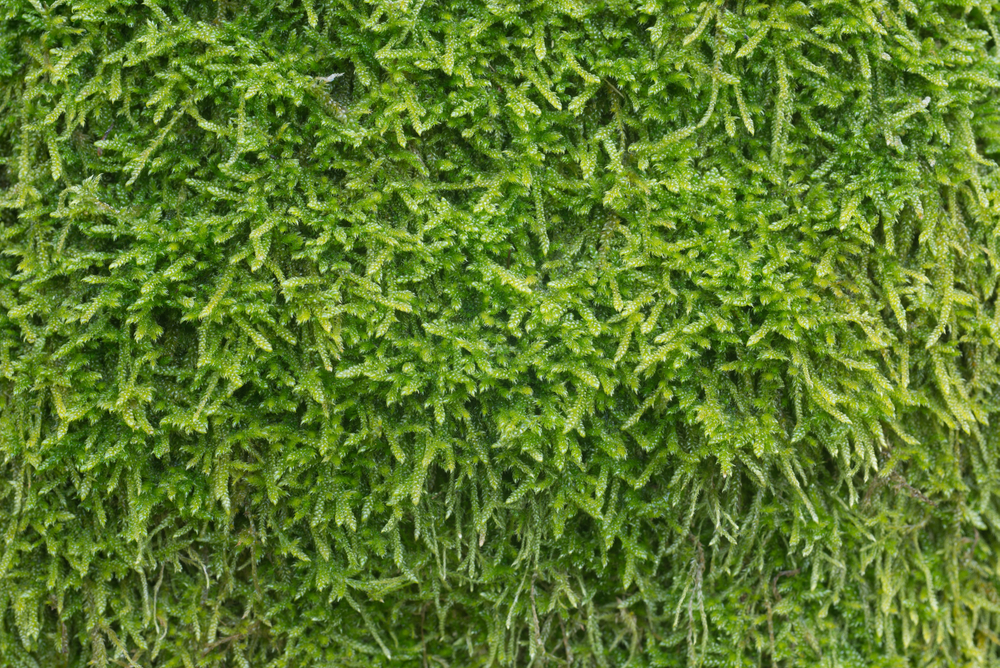
Hypnum cupressiforme, commonly known as cypress-leaved plait-moss, is a moss that thrives in the moist, shaded environments of ancient forests. With its finely branched, dense growth, it forms lush carpets on the forest floor and tree trunks. This moss is known for its ability to retain moisture, helping to regulate the forest’s humidity and support the plants around it. It also provides a home for a variety of small organisms, contributing to the biodiversity of the forest.
Cypress-leaved plait-moss is a long-lived species that plays a vital role in maintaining the forest’s ecosystem by preventing soil erosion and enriching the soil. Its dense, mat-like growth also helps reduce the impact of heavy rainfall, making it an essential component of the forest’s water cycle. It is often found in older forests with minimal human disturbance, where it can grow undisturbed for many years. Its beauty and ecological importance make it a significant part of the forest’s story.
Pixie Cup Lichen (Cladonia pyxidata)
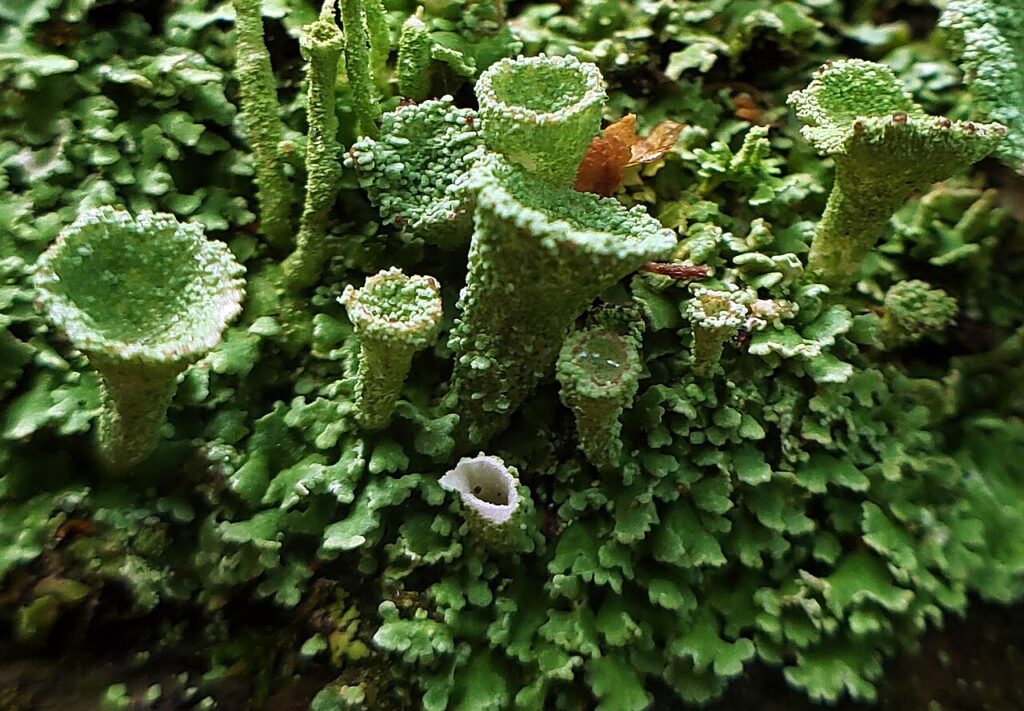
Cladonia pyxidata, or pixie cup lichen, is a small, cup-shaped lichen that thrives in the moist, cool environments of old forests. This lichen grows in colonies, forming a unique structure with tiny cup-like formations that are easily recognizable. Pixie cup lichen is an important part of the forest floor ecosystem, breaking down organic matter and helping to enrich the soil. It’s also a food source for small herbivores and a shelter for tiny creatures like insects and spiders.
The delicate nature of Cladonia pyxidata makes it a symbol of forest health, as it requires specific environmental conditions to grow. It’s commonly found in the shaded, acidic soil of ancient forests, where it contributes to nutrient cycling and moisture retention. Its ability to thrive in these conditions makes it an important species for monitoring the overall health of the forest ecosystem. Today, pixie cup lichen stands out as both a beautiful and functional component of ancient forests.
Tree Moss (Evernia prunastri)
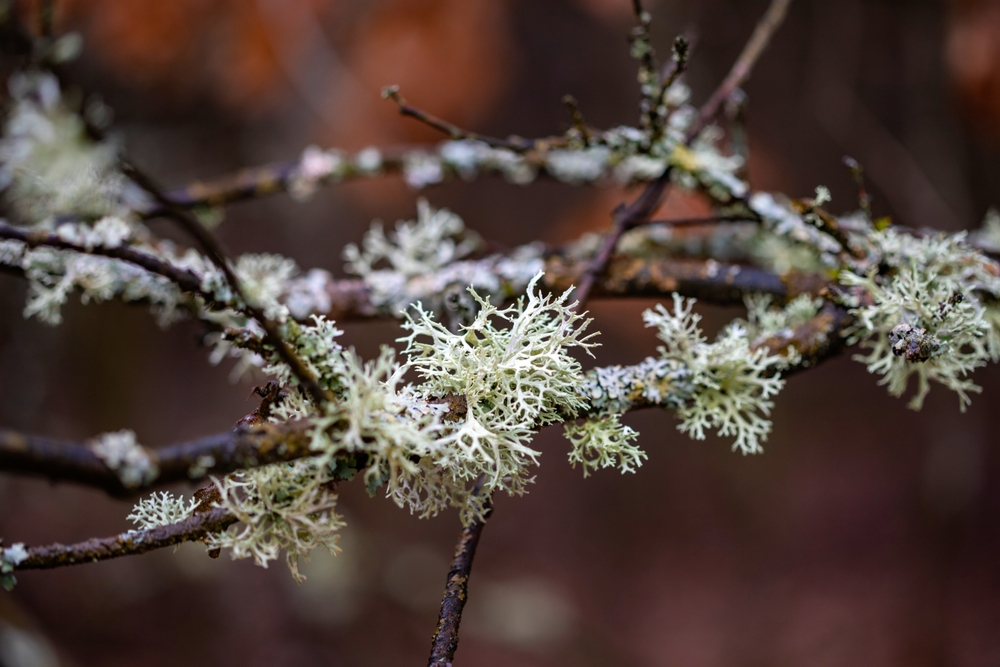
Evernia prunastri, or tree moss, is a lichen commonly found hanging from the branches of ancient trees in temperate forests. This lichen plays an essential role in the forest by absorbing moisture from the air and helping to maintain the humidity levels in the environment. Its ability to thrive in shaded, humid conditions makes it an indicator of a healthy, undisturbed forest. The presence of tree moss in a forest often signifies a stable, long-established ecosystem.
Tree moss is an important source of food and shelter for a variety of small forest creatures. It also contributes to the nutrient cycle by breaking down organic matter in the forest canopy. Its slow growth and long lifespan make it a valuable species for understanding the age and stability of a forest. As a resilient and adaptable lichen, Evernia prunastri continues to thrive in ancient forests, telling the story of the ecosystems it supports.
Common Tree Liverwort (Frullania tamarisci)
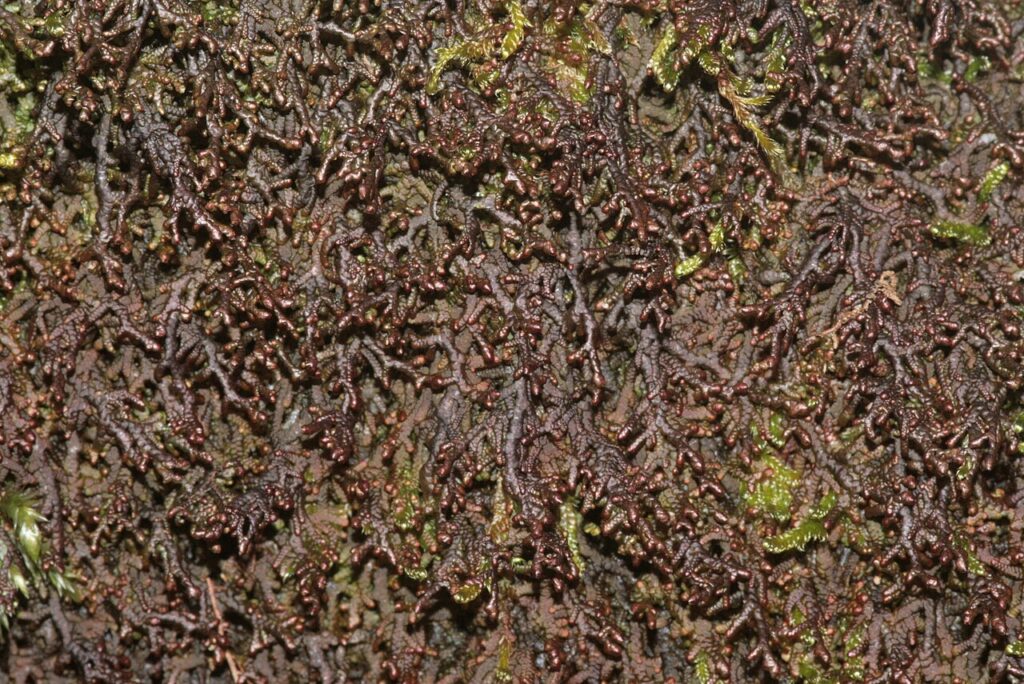
Frullania tamarisci, known as the common tree liverwort, is a moss-like plant that grows on tree trunks and rocks in humid, old forests. This liverwort is distinguished by its flat, scale-like leaves that overlap each other, creating a dense covering on its host surface. It is an important part of the forest ecosystem, helping to regulate moisture levels and providing shelter for small organisms. As a pioneer species, it can colonize disturbed areas, though it thrives best in undisturbed, ancient forests.
The presence of Frullania tamarisci in a forest is an indicator of forest health, as it thrives in environments with high moisture and minimal pollution. It helps in the breakdown of organic matter, contributing to the forest’s nutrient cycle. Its ability to adapt to various conditions has allowed it to survive for centuries, making it a valuable component of ancient forests. As a living organism, it plays a key role in the story of old-growth forests, offering insights into the stability and history of these ecosystems.
Menzies’ Ramalina (Ramalina menziesii)
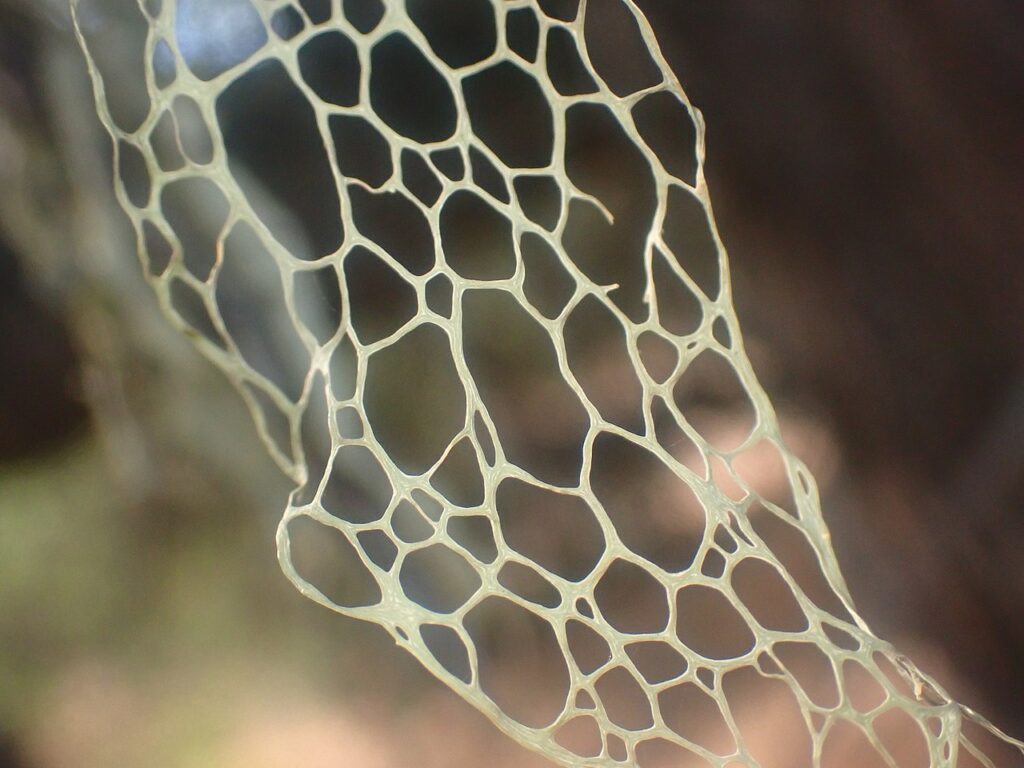
Ramalina menziesii is a distinctive, branching lichen often found hanging from trees in old forests. This lichen thrives in humid, shaded areas and is often found in the coastal forests of the Pacific Northwest. Menzies’ Ramalina helps regulate the forest’s moisture balance by absorbing water from the air, making it a vital part of the ecosystem. Its long, string-like branches are easily recognizable, making it a unique presence in forest canopies.
The lichen’s ability to absorb water and nutrients from the air makes it an essential part of the forest’s water cycle. It also provides shelter for various insects and small creatures, supporting the broader forest food web. Menzies’ Ramalina is an indicator of forest health, thriving in areas that have remained undisturbed for centuries. Its resilience and striking appearance make it a valuable part of the forest’s natural history.
Paschal Lichen (Stereocaulon paschale)
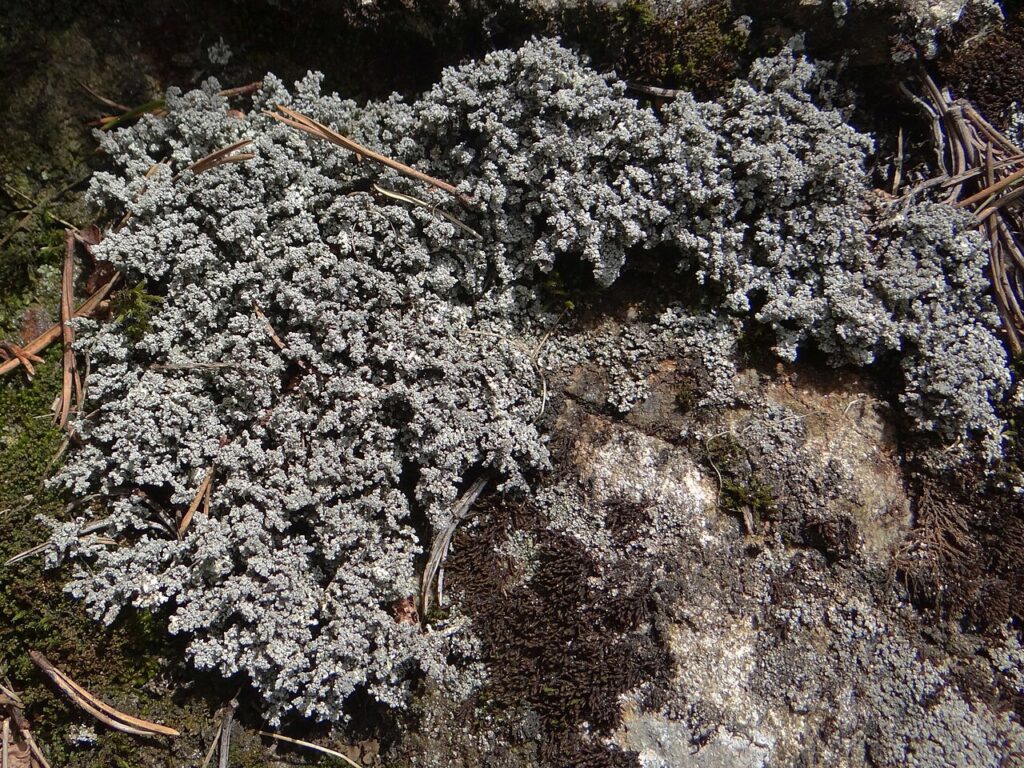
Stereocaulon paschale, or paschal lichen, is a small, branching lichen that grows in old, temperate forests. This lichen often grows on rocks or tree trunks, forming small, intricate patterns that add beauty to the forest floor. It plays a role in the breakdown of organic material, contributing to soil health. The presence of paschal lichen is a sign of a well-established, stable ecosystem.
Though small in size, Stereocaulon paschale is an important part of the nutrient cycle in ancient forests. It is sensitive to changes in air quality, making it a valuable indicator of environmental conditions. As a slow-growing species, it offers insights into the long-term health and stability of forest ecosystems. Today, paschal lichen remains a symbol of the resilience and continuity of old-growth forests.
Fringed Dog Lichen (Peltigera praetextata)
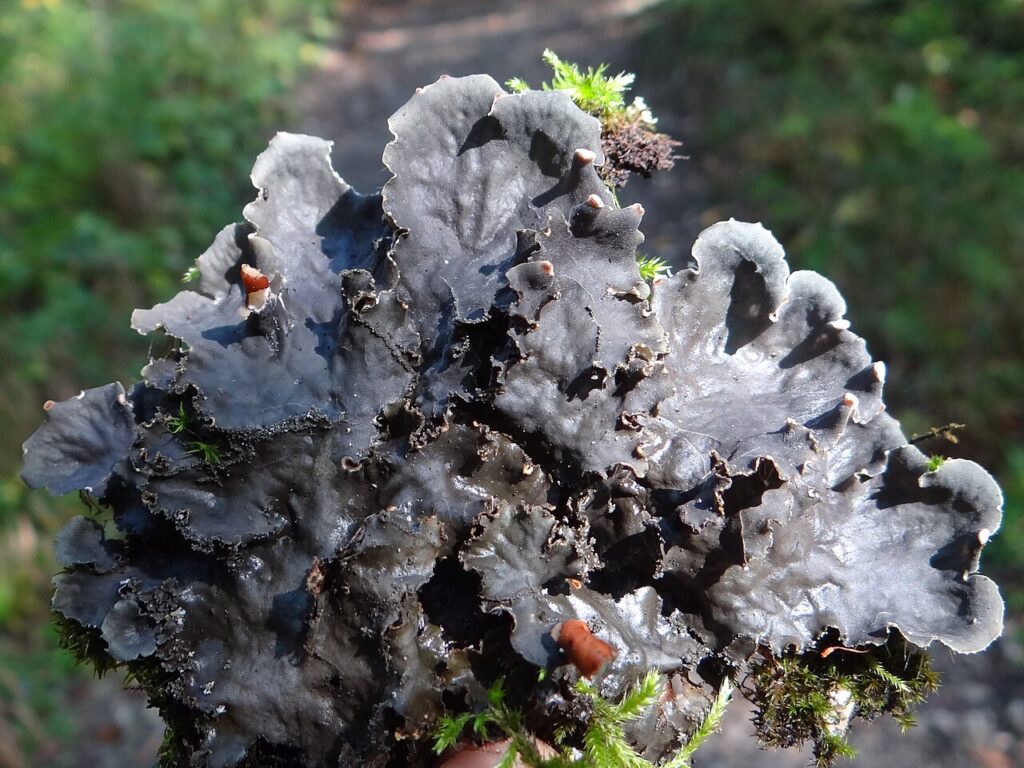
Peltigera praetextata, or fringed dog lichen, is a lichen commonly found in the damp, shaded environments of old forests. This lichen’s large, leathery lobes give it a distinct appearance, making it easy to spot on tree trunks or rocks. It is an important contributor to the forest’s nutrient cycle, breaking down organic matter and helping to enrich the soil. Its resilience and ability to thrive in shaded, nutrient-poor environments make it an essential species in ancient forests.
Fringed dog lichen plays a key role in the forest’s water regulation by absorbing moisture from the air and releasing it slowly. It also provides a habitat for various small organisms, making it an important part of the food web. The lichen’s slow growth and long lifespan contribute to the stability of the ecosystem. In ancient forests, Peltigera praetextata stands as a living testament to the continuity of the forest’s natural processes.
Thread Lichen (Alectoria sarmentosa)
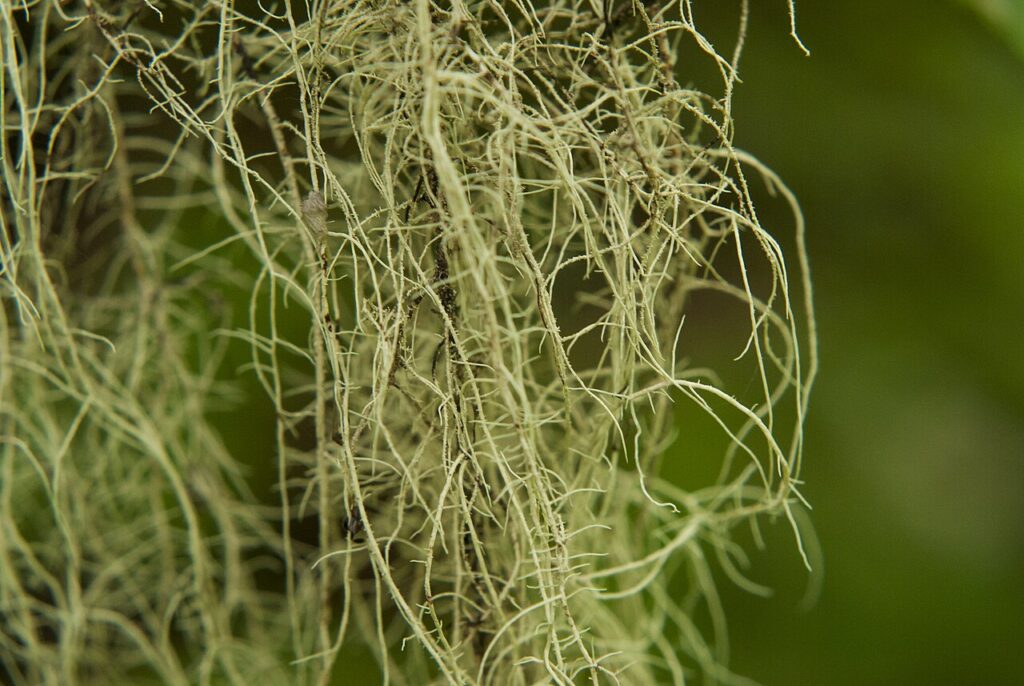
Alectoria sarmentosa, or thread lichen, is a long, thread-like lichen that grows in old forests with high humidity. It is typically found hanging from tree branches, where it absorbs moisture from the air. This lichen is a crucial component of the forest’s moisture regulation, helping to maintain the environment’s balance. It thrives in areas where other plants might struggle, making it an important species in ancient forests.
Thread lichen contributes to the forest’s biodiversity by providing shelter for various insects and small organisms. Its ability to survive in shaded, humid conditions makes it an indicator of a healthy, undisturbed forest ecosystem. The lichen’s long, delicate threads add a unique visual element to the forest canopy. As a species that has withstood the test of time, it tells the story of the resilience of old-growth forests.
Powdered Bear Lichen (Pseudevernia furfuracea)
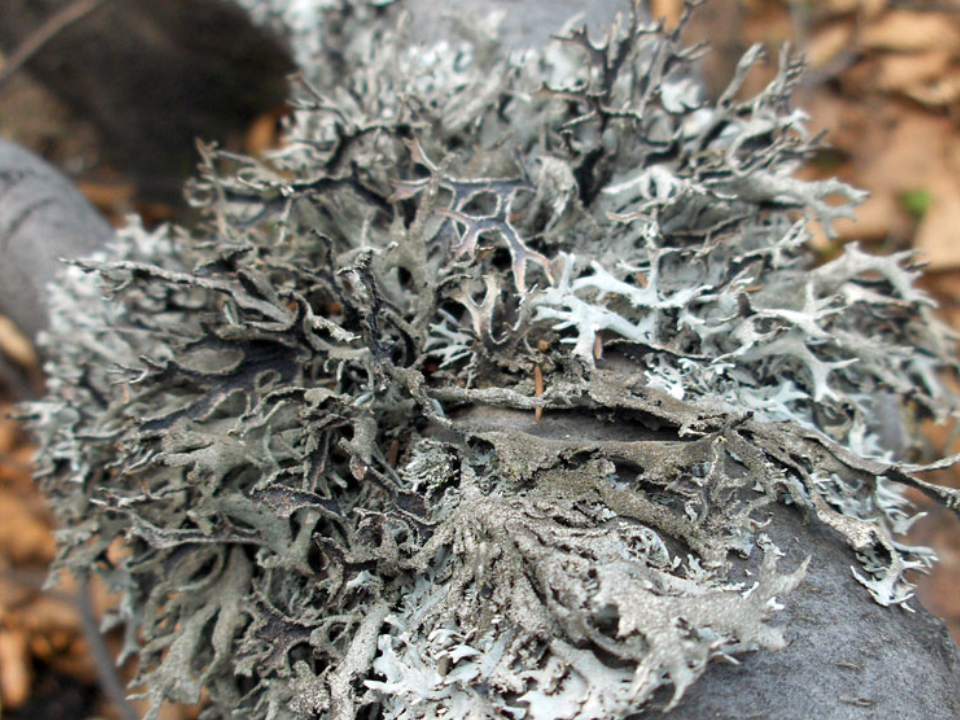
Pseudevernia furfuracea, known as powdered bear lichen, is a grayish-green lichen found in old-growth forests. This lichen is often seen growing on tree branches, where it absorbs moisture from the air and helps to maintain the humidity of the forest. It is a slow-growing species, which makes it an excellent indicator of forest age and health. The powdered texture of this lichen makes it easily distinguishable in the forest.
This lichen plays a role in the forest’s nutrient cycle by breaking down organic material, enriching the soil in the process. It also provides shelter for various small creatures and insects, supporting the broader food web. Pseudevernia furfuracea thrives in areas that have remained undisturbed for long periods, making it a symbol of ancient forest ecosystems. Its resilience and slow growth make it a valuable piece of the natural history of these forests.
This article originally appeared on Avocadu.