
17 Ancient Insects That Still Look Almost the Same
Insects have been around for millions of years, surviving through dramatic shifts in the environment and climate. Despite these changes, some species have remained remarkably similar to their ancient ancestors. These creatures have evolved in ways that allow them to thrive in their environments, maintaining the same basic body structures and behaviors. From the predatory mantis to the resilient cockroach, these ancient insects still look almost the same as they did long ago. Their enduring appearances are a testament to their ability to adapt and survive through countless generations. It’s fascinating to think about how these insects have stood the test of time, offering us a glimpse into Earth’s distant past.
This post may contain affiliate links, which helps keep this content free. Please read our disclosure for more info.
Praying Mantis
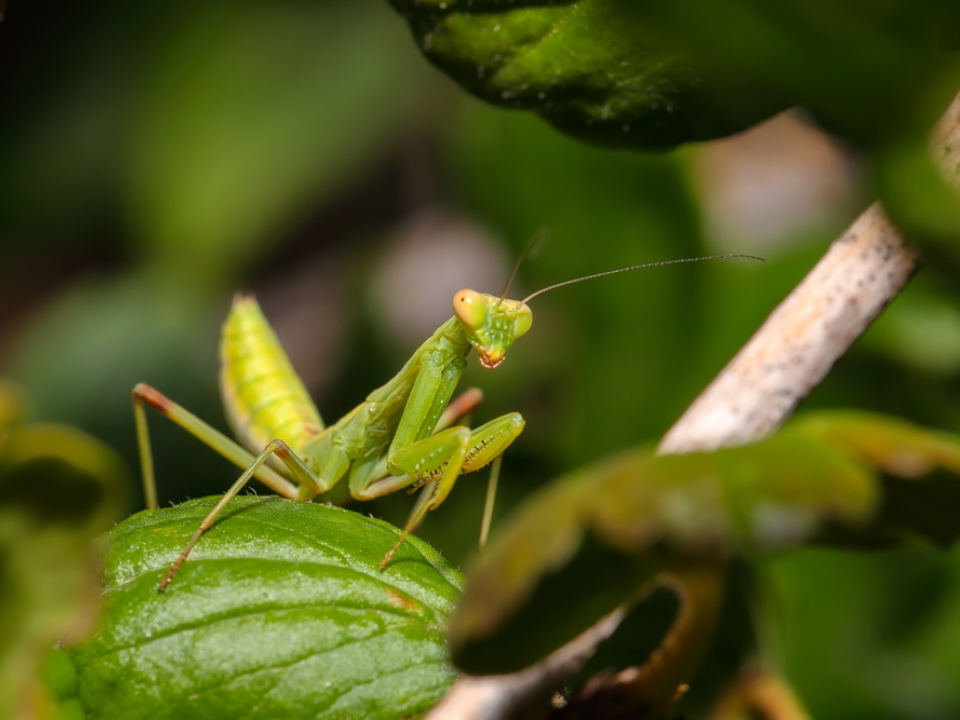
The praying mantis has a history that dates back over 100 million years. Despite the significant changes in the world’s ecosystems, these insects have largely maintained their appearance. Their long, triangular heads and the characteristic “praying” posture they adopt are features that remain largely unchanged. Their forelegs are adapted for grasping prey, giving them an efficient hunting mechanism.
The mantis is also known for its ability to turn its head 180 degrees, an impressive feature that enhances its field of vision. These insects are solitary and often found in gardens and forests, where they play a crucial role in pest control. The praying mantis’s green or brown coloration helps it blend into its surroundings, which makes it an effective predator. Their diet primarily consists of other insects, making them beneficial to human agriculture by controlling pest populations.
Dragonflies
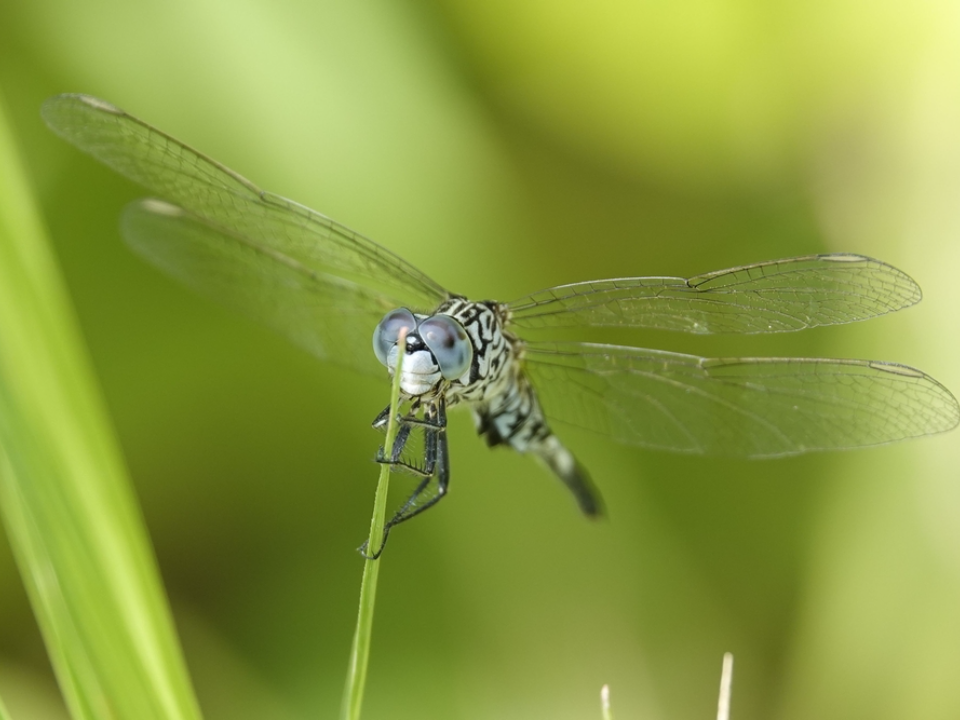
Dragonflies are among the most ancient flying insects, with their ancestors emerging around 300 million years ago during the Carboniferous period. These remarkable insects have retained their wing structure and body shape over millennia. Their long, slender bodies and large, multifaceted eyes are distinct features that allow them to hunt efficiently. With wingspans that can reach up to 6 inches, dragonflies are adept at catching prey mid-flight.
Their wings are held outstretched when at rest, a characteristic that differentiates them from other insects. Dragonflies are voracious predators, feeding on mosquitoes, flies, and other small insects. They are often seen around bodies of water, where their larvae, known as nymphs, live until they metamorphose into adults. The evolutionary success of dragonflies is largely due to their agility and predatory skills.
Cockroaches
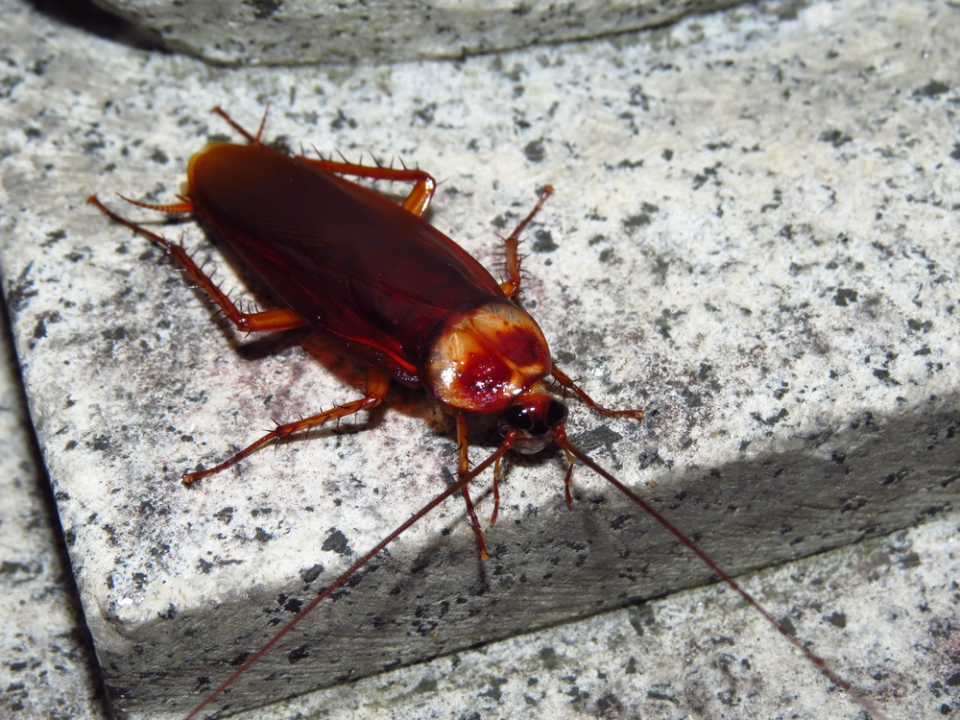
Cockroaches have been around for approximately 350 million years, making them one of the oldest surviving insect species. Despite the many environmental shifts over the millennia, their general body structure has remained consistent. With their flat, oval bodies, long antennae, and quick movements, cockroaches are easily recognizable. These nocturnal insects are known for their ability to adapt to various environments, from tropical regions to urban spaces.
Their resilience is legendary, as they can survive in extreme conditions and even go without food for weeks. Cockroaches have evolved a unique mechanism to protect themselves from predators by scurrying into cracks and crevices. They play a role in decomposing organic matter, which helps recycle nutrients back into ecosystems. However, they are often viewed as pests due to their tendency to infest homes and carry disease.
Termites
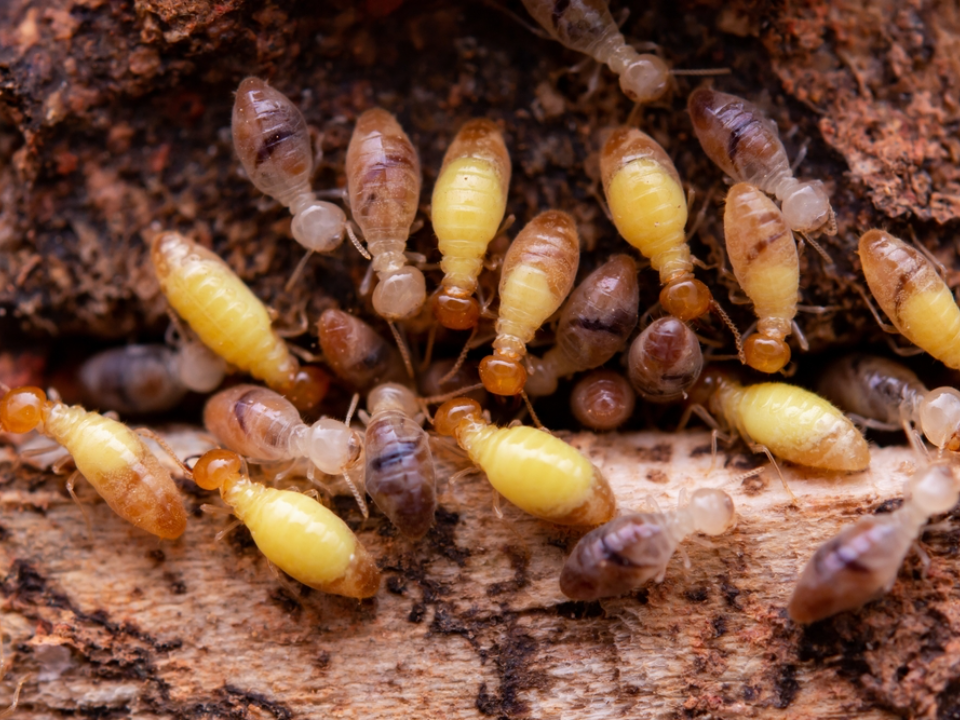
Termites are another ancient insect group, with a history dating back around 250 million years. Their appearance and social structure have remained remarkably similar over the ages. They are best known for their role in breaking down wood, but they are also found in many other environments, such as grasslands and rainforests. The most distinctive feature of termites is their ability to live in large colonies, often organized by a single queen, king, and workers.
Worker termites are responsible for feeding and caring for the colony, while soldier termites protect it. Their diet mainly consists of cellulose, which they obtain by consuming wood and plant material. This ability to decompose plant material is vital for maintaining the health of ecosystems. Despite their ecological importance, termites are considered pests due to their tendency to damage wooden structures.
Beetles
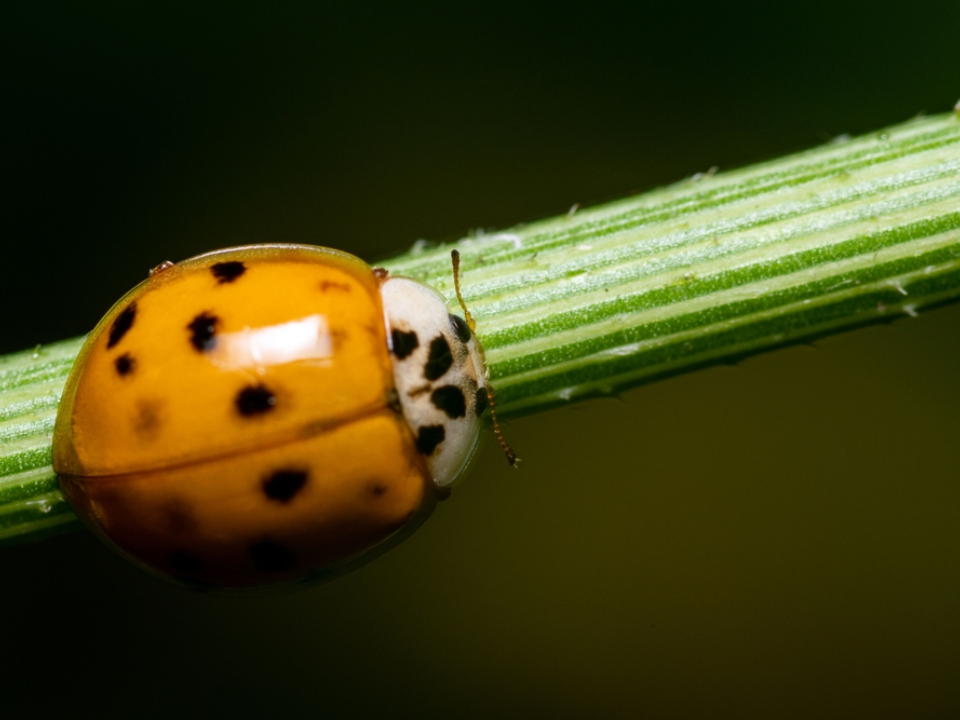
Beetles are one of the most diverse groups of insects on Earth, with over 350,000 known species. They have remained relatively unchanged in appearance for millions of years, especially in terms of their hard exoskeleton and distinctive forewings. The evolutionary success of beetles is largely attributed to their ability to adapt to a wide range of environments. Beetles possess a pair of hard forewings that protect their delicate hind wings, a feature that is essential for their survival. They have been found in nearly every habitat, from tropical forests to deserts.
Beetles are a significant part of the food web, acting as both predators and decomposers. Their diet varies widely, with some feeding on plants, while others are scavengers or hunters. The adaptability of beetles has helped them survive and thrive throughout history, making them one of the most enduring insect groups.
Millipedes
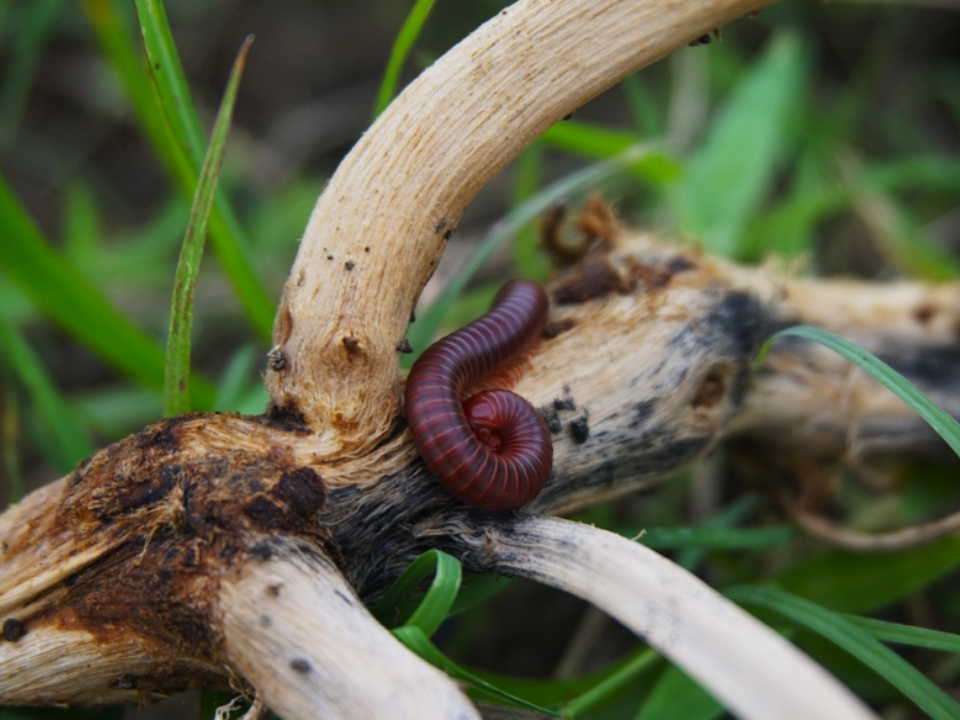
Millipedes are ancient creatures, with their ancestors first appearing around 400 million years ago. These segmented arthropods are known for their cylindrical bodies and numerous legs, which give them a distinctive, worm-like appearance. The name “millipede” comes from the belief that these creatures have a thousand legs, though most species actually have far fewer. Millipedes play a crucial role in ecosystems by decomposing organic material, such as decaying leaves and wood.
They can be found in a variety of habitats, from forests to grasslands, where they burrow into the soil to escape predators. While they are slow-moving and harmless to humans, millipedes are equipped with defensive mechanisms, such as the ability to secrete a foul-smelling liquid to deter predators. The evolution of millipedes has allowed them to survive in environments that other creatures cannot tolerate, making them one of the longest-living insect species.
Cicadas
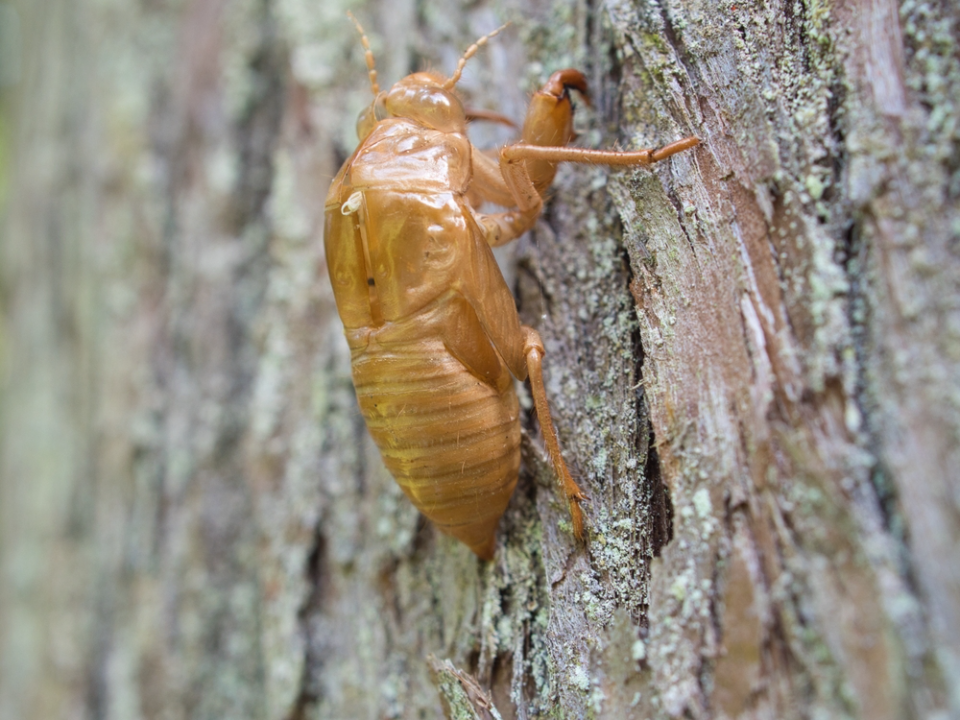
Cicadas are known for their distinct, loud songs, which they produce using specialized structures called tymbals. These insects have been around for millions of years, with some species dating back over 200 million years. Their appearance has remained largely unchanged, with their large, membranous wings and distinctive eyes being signature features. Cicadas are best known for their life cycles, which can last from a few years to up to 17 years for certain species.
They spend most of their lives as nymphs underground, feeding on the sap of tree roots, before emerging as adults to mate. Cicadas are found in a wide range of habitats, from temperate forests to tropical regions. Their periodic emergence in massive swarms is one of the most fascinating phenomena in the insect world. While their loud calls can be overwhelming, cicadas are harmless to plants and humans.
Grasshoppers
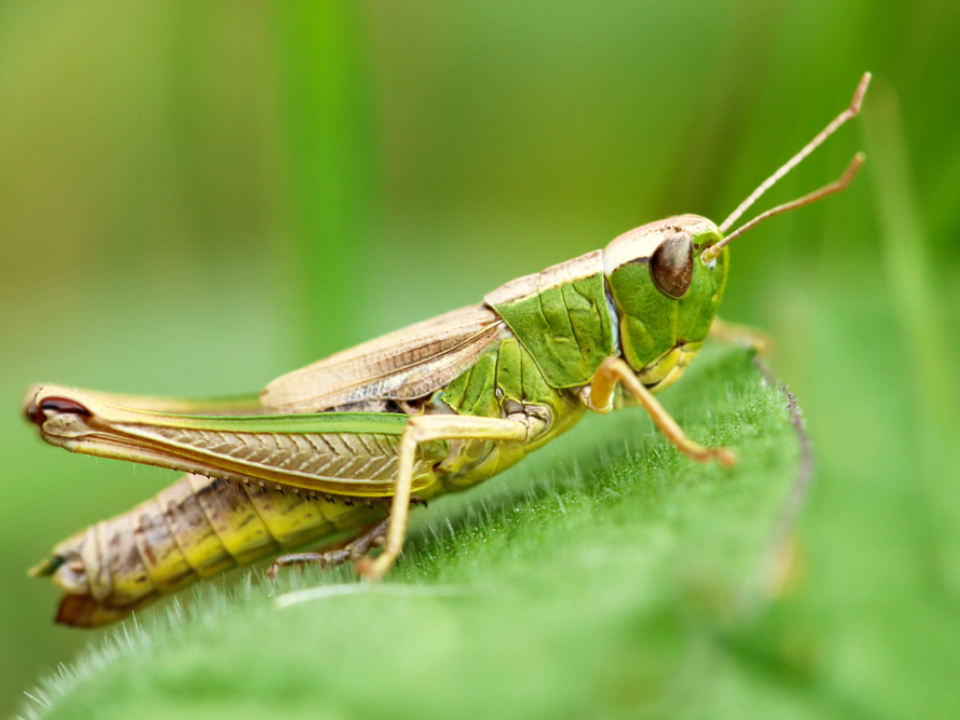
Grasshoppers are another ancient insect, with their evolutionary roots stretching back around 250 million years. These insects have retained their long hind legs, which allow them to jump great distances. Their green or brown coloration helps them blend into grass and vegetation, providing camouflage from predators.
Grasshoppers are herbivores and primarily feed on grass, leaves, and crops. Their powerful hind legs not only aid in jumping but also help them evade predators. Grasshoppers are found in a variety of habitats, from fields to meadows, and they are especially abundant in temperate regions. While they can sometimes become pests when their populations explode, grasshoppers are an important food source for many animals. Their ability to adapt to changing environments has allowed them to thrive for millions of years.
Silverfish
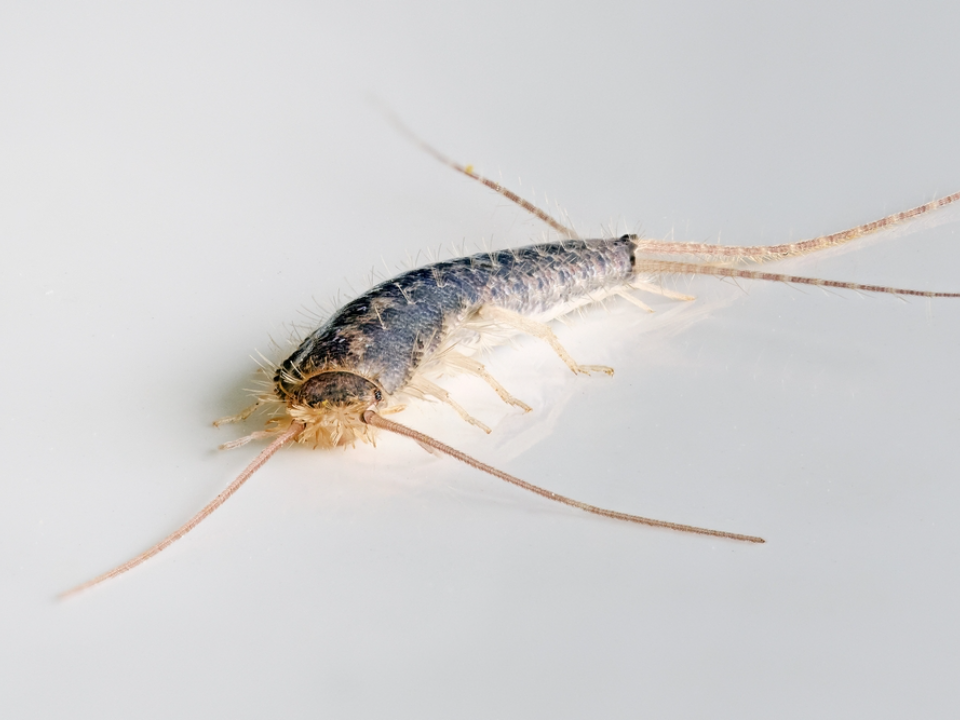
Silverfish are among the oldest insects on Earth, with their lineage dating back over 400 million years. They are easily identified by their long, slender bodies and silvery scales that give them a fish-like appearance. Despite their name, silverfish are not related to fish at all. These nocturnal insects are primarily found in damp environments, such as basements and bathrooms, where they feed on starchy substances like paper, glue, and clothing.
Silverfish are known for their ability to move quickly and erratically, often darting away when disturbed. Their diet consists mainly of carbohydrates and proteins, and they are considered pests in homes due to their tendency to damage paper and fabrics. Despite being unwelcome in many households, silverfish are harmless to humans and play a role in breaking down organic matter in ecosystems.
Tarantulas
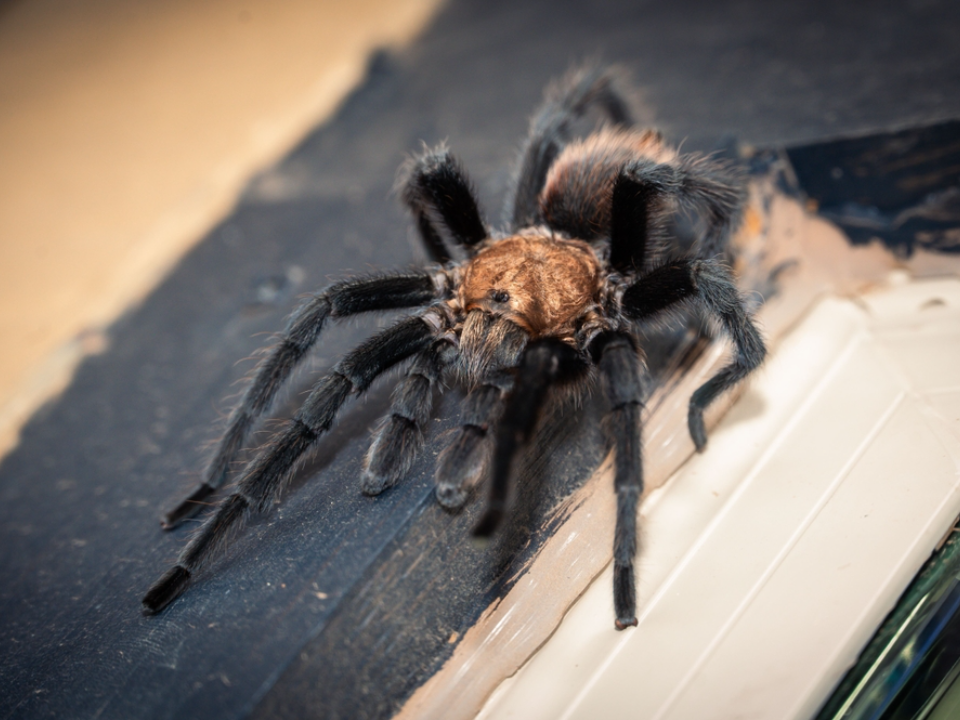
Tarantulas are among the oldest and most well-known spiders, with a lineage that goes back around 300 million years. Their appearance has changed little over time, retaining their large, hairy bodies and powerful fangs. Tarantulas are typically found in tropical and subtropical regions, where they create burrows or hide in trees. These spiders are known for their slow, deliberate movements, and they rely on their venom to subdue prey.
They are carnivorous and primarily hunt insects, although some larger species have been known to capture small vertebrates like frogs and lizards. Despite their intimidating size, tarantulas are not aggressive toward humans and only bite in self-defense. Their unique ability to regenerate lost limbs and their long lifespan make them fascinating examples of evolutionary resilience. Tarantulas are also commonly kept as exotic pets due to their low-maintenance care requirements.
Ants
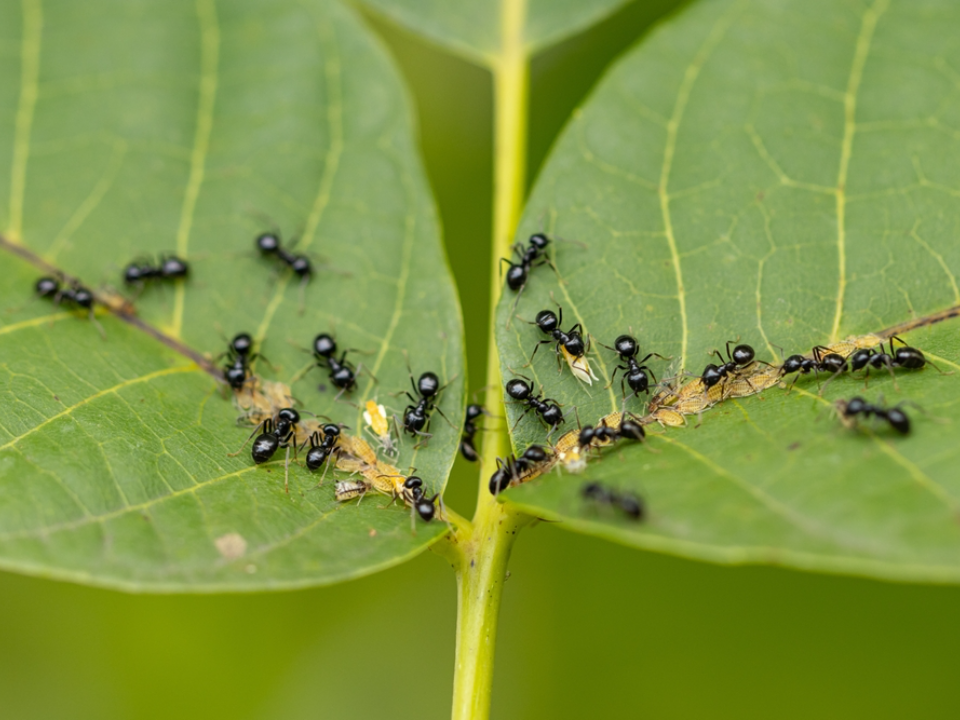
Ants have been around for approximately 100 million years, with their social structure and appearance remaining consistent over time. They are highly organized insects that live in colonies, with each ant having a specific role, from workers to queens. Ants have large mandibles that they use for defending their colony, carrying food, and building their nests. They communicate with each other through the release of pheromones, which helps them organize and coordinate their actions.
Their ability to work together as a collective makes ants one of the most successful insect groups on Earth. Ants can be found in nearly every habitat, from forests to urban environments, where they play a significant role in ecosystems by breaking down organic matter and helping with pollination. While some species are beneficial, others, such as fire ants, are considered pests due to their aggressive behavior and painful stings.
Mayflies
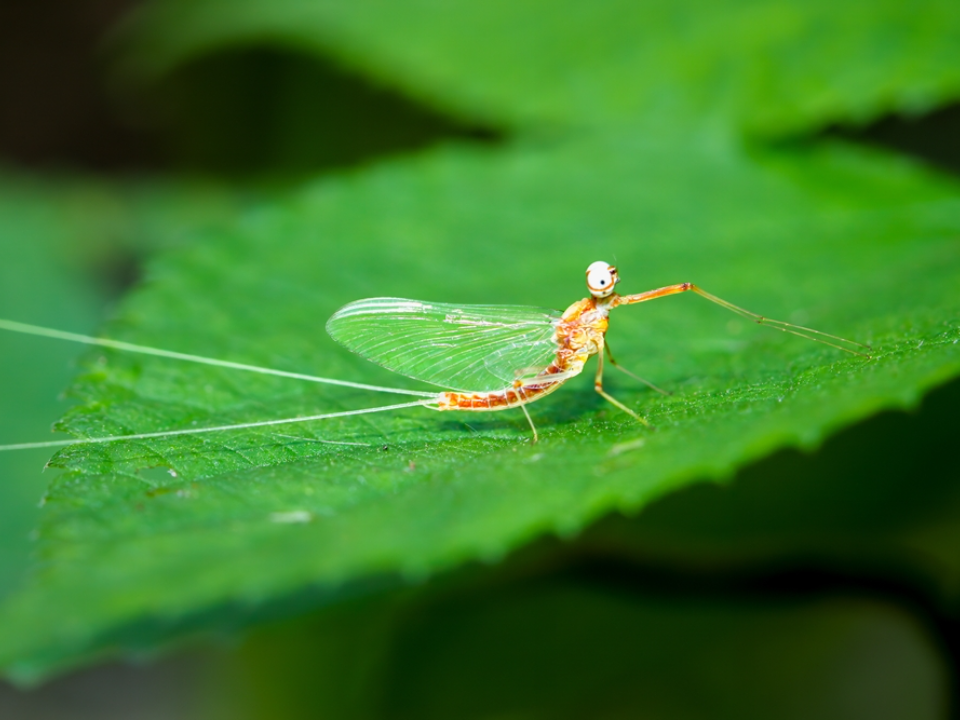
Mayflies are known for their brief lifespan, as their adult form typically lives for only a few hours to a few days. Despite this short existence, they are one of the oldest groups of insects, with a history stretching back around 300 million years. Mayflies are easily recognized by their delicate wings, which are held upright when they rest. They have a distinct, upward-curved abdomen and long, thread-like tails, which make them appear almost ethereal as they flutter about.
The aquatic nymphs of mayflies live in streams and rivers, where they undergo multiple molts before emerging as adults. The adults’ primary purpose is to reproduce, and they do so in large swarms, making their emergence an awe-inspiring natural event. Mayflies are not only important in the food chain, serving as prey for fish and other animals, but they also help indicate the health of freshwater ecosystems.
Stick Insects
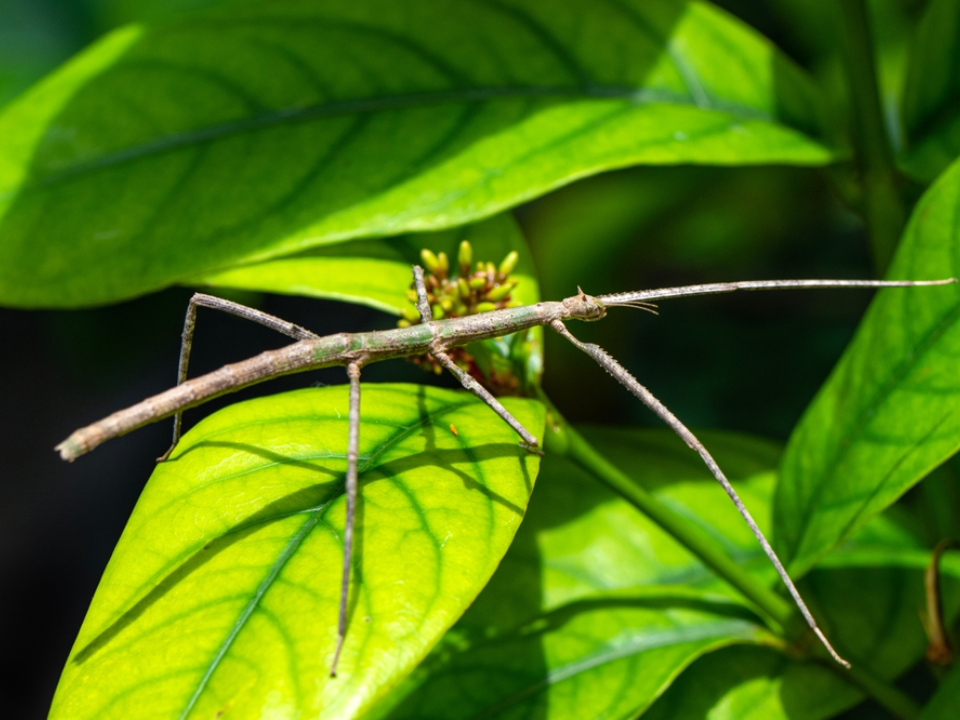
Stick insects are an ancient group of insects that have evolved to look like twigs or branches. Their primary defense mechanism is camouflage, as they remain motionless for long periods, blending perfectly into their environment. Stick insects can be found in tropical and subtropical regions, where they feed primarily on leaves.
They have long, slender bodies that help them resemble sticks, and many species have even developed the ability to mimic the movements of branches in the wind. Stick insects are herbivores and tend to feed on plants like eucalyptus and oak. Some species can grow quite large, with certain varieties reaching lengths of over a foot. Despite their size and appearance, they are harmless to humans and rely on their stealth to avoid predators.
Caterpillars
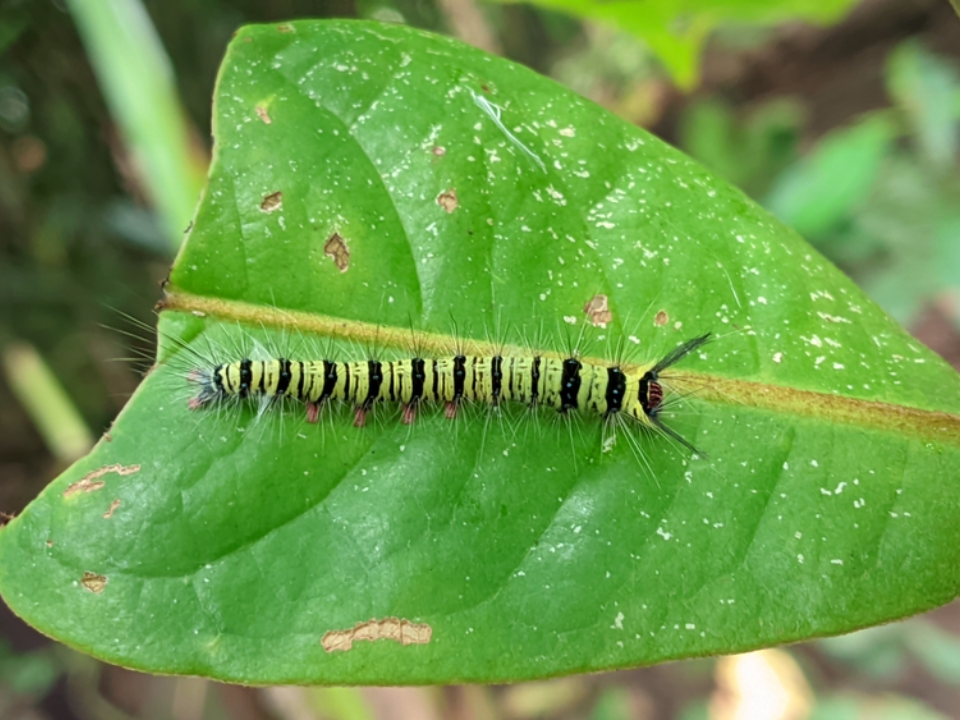
Caterpillars are the larvae of moths and butterflies and have existed in a similar form for over 200 million years. These insects are known for their distinct, segmented bodies and numerous legs, which help them move efficiently as they feed on plants. Caterpillars can be found in a wide range of habitats, from forests to gardens, where they are often considered pests due to their voracious appetite. As they grow, caterpillars shed their skin multiple times before entering the pupal stage, where they undergo metamorphosis.
The process of metamorphosis allows them to emerge as adult butterflies or moths, completing their life cycle. Their primary role in ecosystems is to provide food for other animals, such as birds and reptiles, while also helping to regulate plant populations. The evolutionary success of caterpillars lies in their ability to adapt to different plants and environments, allowing them to thrive across many regions.
Bees
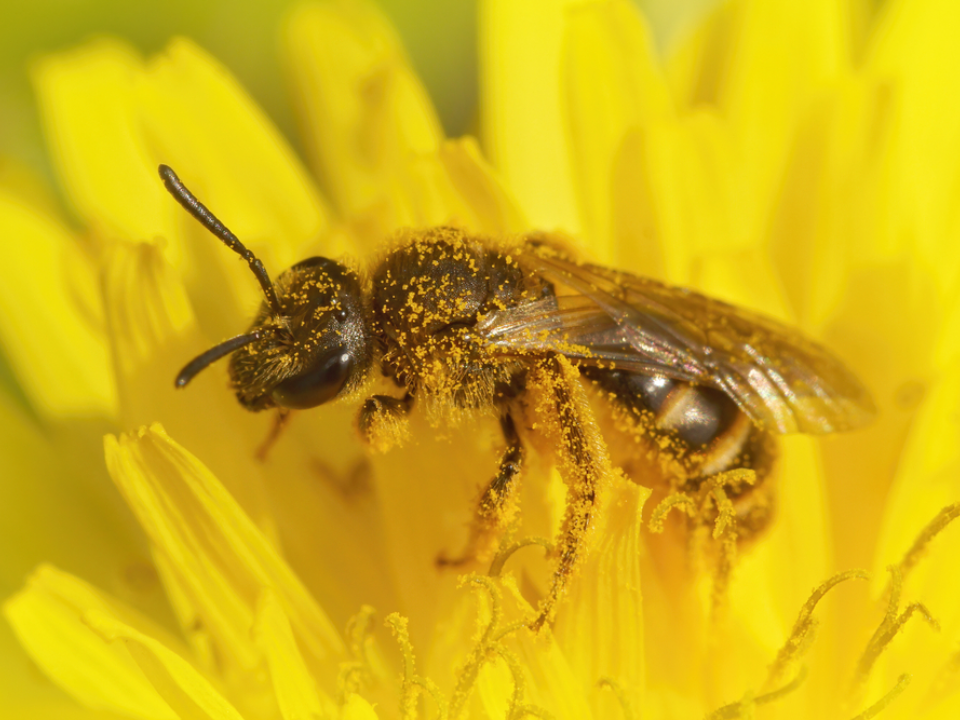
Bees are ancient insects, with their ancestors appearing over 100 million years ago during the Cretaceous period. Known for their crucial role in pollination, bees have a body structure that has changed little over time. Their furry bodies and specialized mouthparts for extracting nectar have made them essential in maintaining biodiversity.
Bees are social insects, living in colonies with a well-organized structure that includes workers, drones, and a queen. They communicate through complex dances to indicate the location of flowers and food sources. Honeybees, in particular, are known for their ability to produce honey, which is stored in the hive for winter months. While they are often associated with flowers, bees also contribute to the food chain by providing sustenance for various predators.
Water Striders
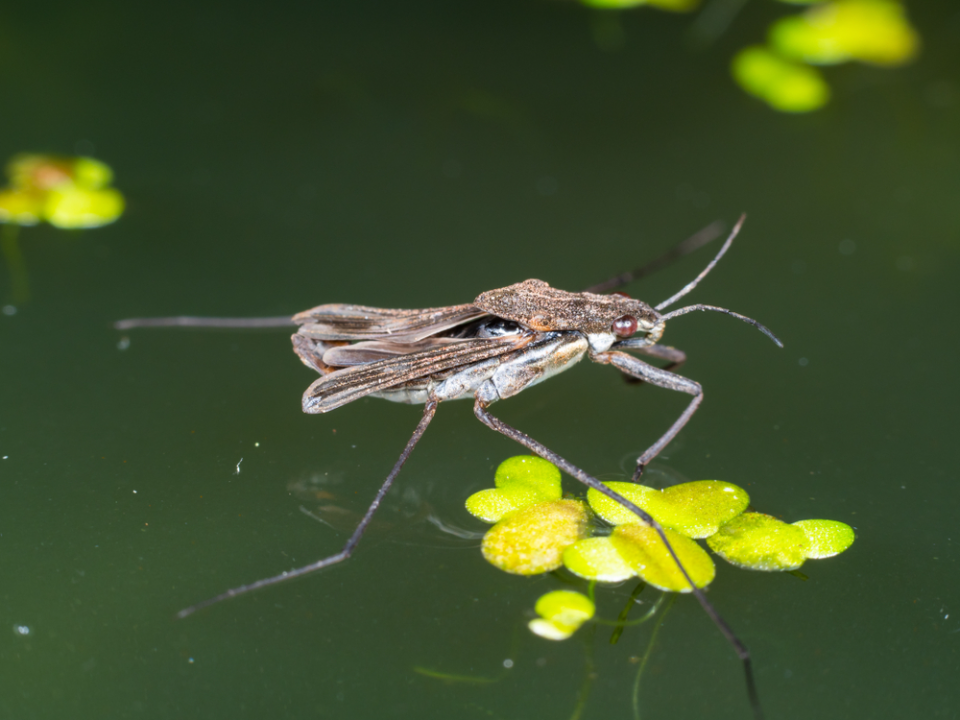
Water striders are fascinating insects that have evolved to live on the surface of water. With their long, slender bodies and hydrophobic legs, they are able to walk across water without sinking. Water striders are found in ponds, lakes, and slow-moving streams, where they hunt insects that fall onto the water’s surface. They use their powerful legs to move quickly across the water, often appearing to glide with ease.
Despite their delicate appearance, water striders are agile predators that capture prey with quick strikes. Their ability to stay on the water’s surface is a result of their legs’ ability to trap air, which helps them distribute their weight. These insects have been around for millions of years, adapting to aquatic environments and evolving into one of nature’s most unique insect species.
Wasp
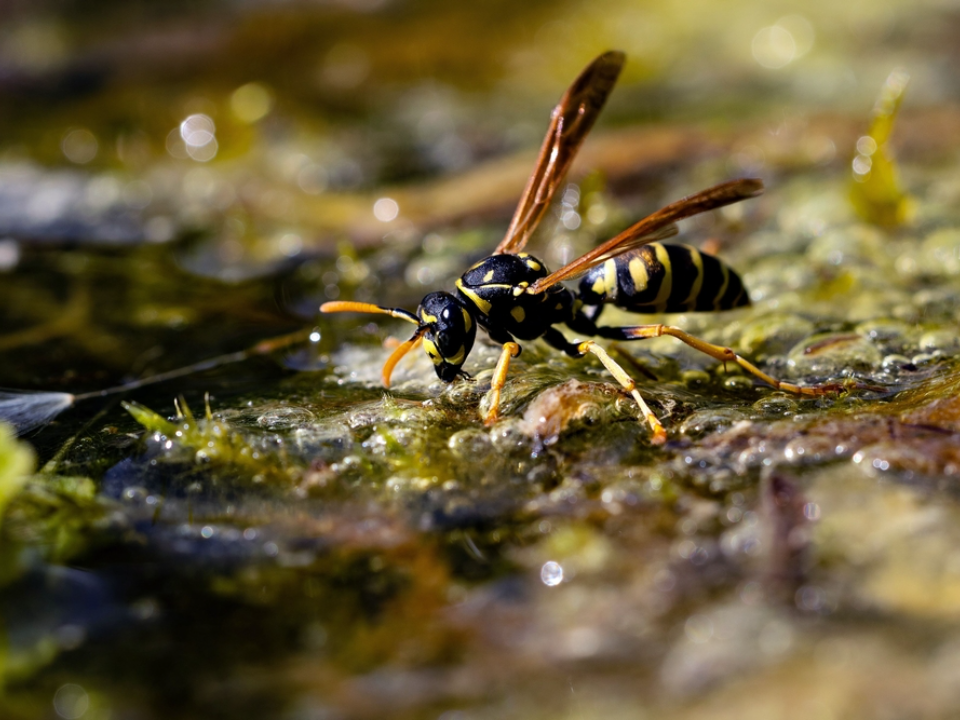
Wasps have existed for millions of years, with some species appearing around 150 million years ago. They are closely related to bees but differ in several ways, including their ability to sting multiple times. Wasps have long, slender bodies and are often brightly colored with black and yellow patterns, which serve as warning signals to predators. Unlike bees, which collect nectar, wasps are carnivorous and often feed on other insects.
Many species also scavenge food from human sources, such as sugary drinks and meats. Wasps are known for building nests made of paper-like material, which they create by chewing wood fibers mixed with their saliva. Their nests can be found in trees, under eaves, or even underground, where they live in large colonies. While some wasp species are beneficial by controlling pest populations, others can be aggressive and pose a threat to humans.
This article originally appeared on Avocadu.