
15 Ancient Conifers with Twisted Trunks That Can Live for Centuries
Some of the oldest living trees on Earth are ancient conifers with twisted trunks, standing as silent witnesses to centuries of change. These trees have adapted to some of the harshest environments, thriving in places where few other species could survive. Their gnarled forms tell stories of resilience, bending and twisting in response to the elements over hundreds of years. From the wind-swept coasts to the rugged mountain ranges, these conifers have endured extreme weather, poor soil, and the test of time. Their twisted trunks, often shaped by the harsh conditions they face, are a testament to their ability to survive and adapt.
This post may contain affiliate links, which helps keep this content free. Please read our disclosure for more info.
Bristlecone Pine (Pinus longaeva)
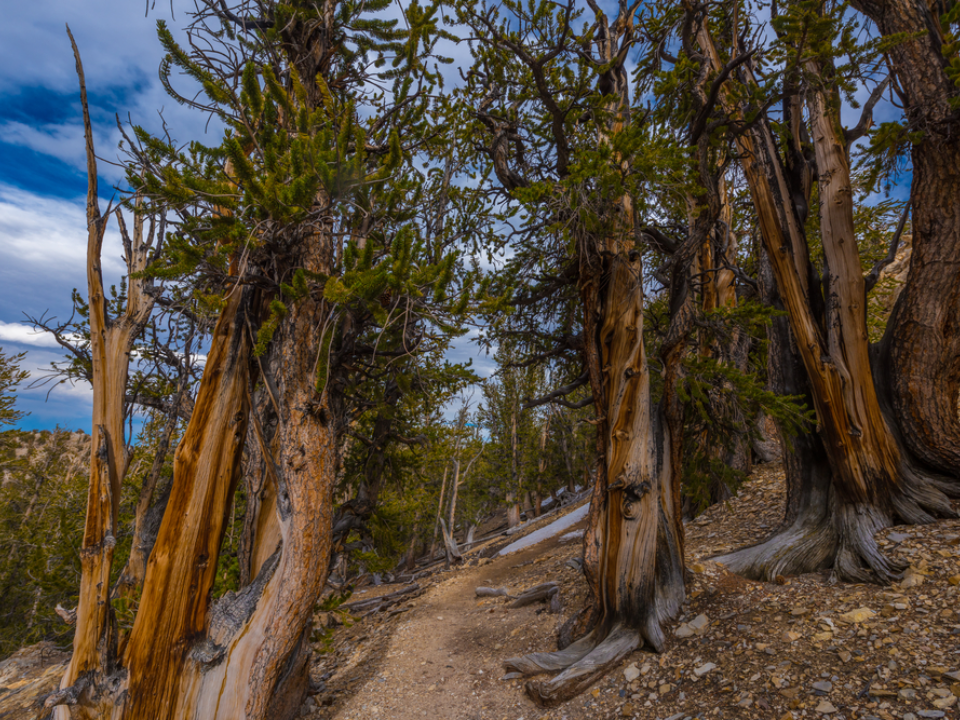
The Bristlecone Pine is one of the oldest living trees on Earth. Found primarily in the White Mountains of California, this species has some individuals that are over 5,000 years old. Its twisted, gnarled trunk is a testament to the harsh conditions these trees endure, as they grow in high-altitude, rocky environments.
The bark of the Bristlecone Pine is often a reddish-brown color, peeling off in thin strips. Despite their ancient age, these trees are resilient, able to survive in nutrient-poor soil and extreme weather conditions. The wood of the Bristlecone Pine is dense and slow-growing, which contributes to its longevity. The twisted forms of these trees are often used to illustrate the beauty and endurance of nature.
Ponderosa Pine (Pinus ponderosa)
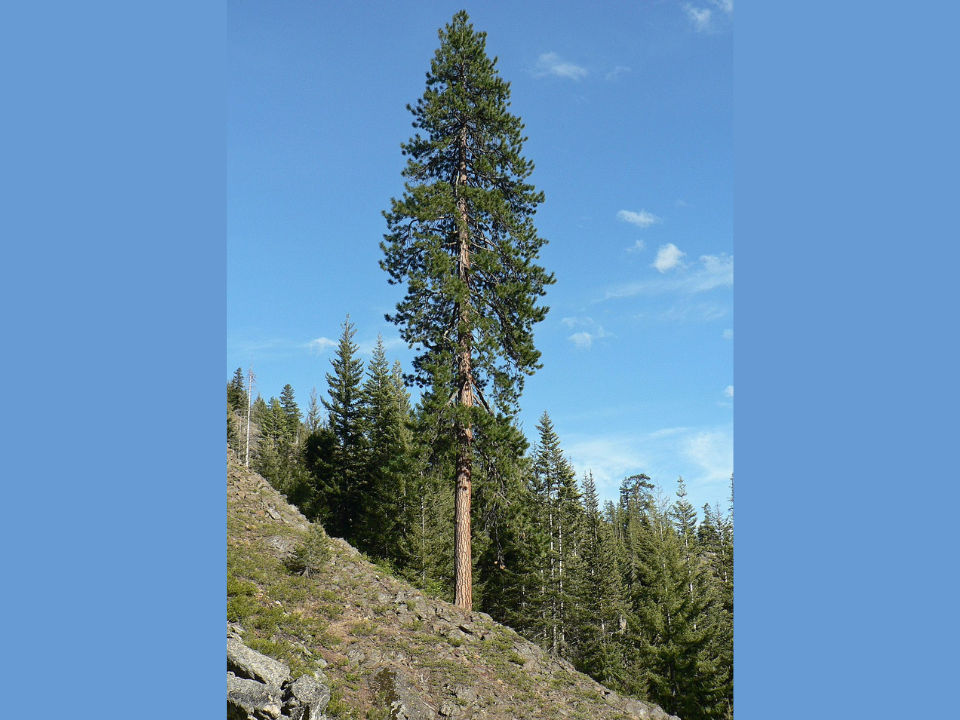
The Ponderosa Pine is another example of a conifer that can survive for centuries. This species is commonly found in the western United States, particularly in the Rocky Mountains. Ponderosa Pines have large, straight trunks, but their twisted branches and bark are what make them stand out.
The bark itself is orange-yellow, deeply furrowed, and smells like vanilla when warmed by the sun. These trees can live for hundreds of years, and some older specimens have survived forest fires due to their thick bark, which insulates them from the flames. Their twisted, crooked trunks are an iconic part of the landscapes they inhabit, adding to their timeless appeal. The Ponderosa Pine’s resistance to harsh climates and fires makes it a symbol of endurance in the natural world.
Western Red Cedar (Thuja plicata)

The Western Red Cedar is a conifer that can grow for hundreds of years, often taking on a twisted, wind-bent shape as it matures. This tree is native to the Pacific Northwest and thrives in moist, cool climates. It is known for its large, reddish-brown trunk and its ability to resist decay, which has made it valuable in construction and woodworking for centuries.
The twisted appearance of its trunk is often a result of the tree’s exposure to strong winds and heavy snowfall. The Western Red Cedar is a symbol of resilience and longevity, able to grow in various environmental conditions while maintaining its distinctive shape. The wood of this tree is prized for its pleasant aroma and natural resistance to rot. Its unique twisted form adds character to the forests and landscapes in which it grows.
Sitka Spruce (Picea sitchensis)
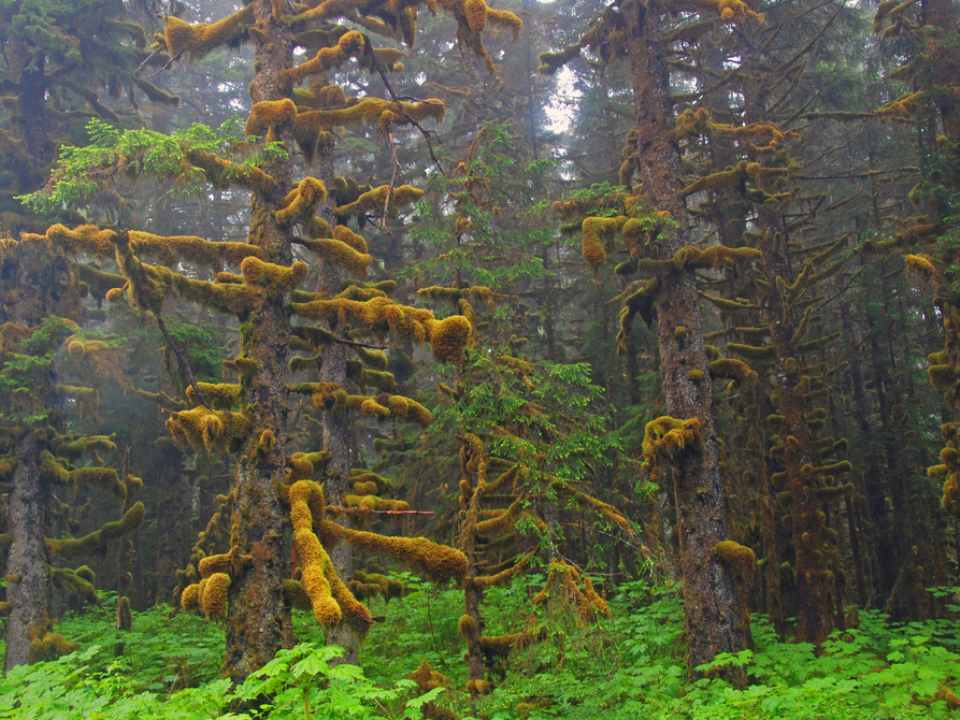
The Sitka Spruce is another long-lived conifer, known for its height and twisted trunk. Found primarily along the coastal regions of Alaska and the Pacific Northwest, this tree is often subjected to strong coastal winds, which shape its appearance over time. Sitka Spruces can live for several hundred years, with some individuals reaching impressive sizes.
The tree’s branches tend to twist and bend as they grow, creating a unique and striking silhouette. Its bark is thin and scaly, often peeling off in strips, revealing the lighter wood beneath. The Sitka Spruce’s ability to withstand harsh coastal conditions and thrive in moist environments makes it an enduring symbol of the region’s rugged natural beauty. Despite its twisted form, this tree remains a valuable resource for both wildlife and human use.
Lodgepole Pine (Pinus contorta)
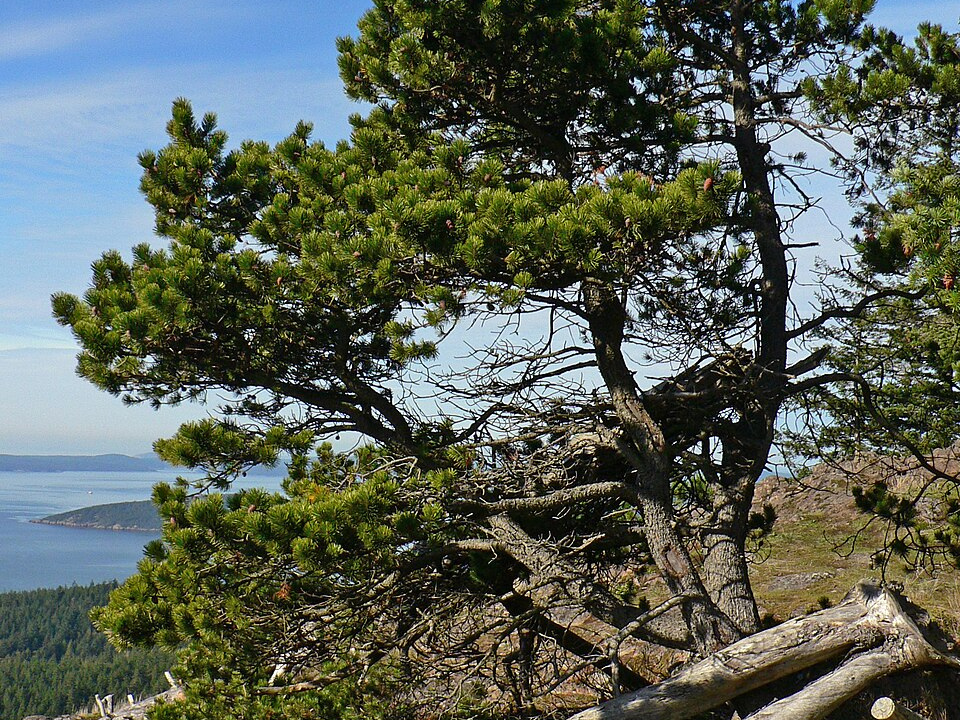
The Lodgepole Pine is another conifer that has a reputation for resilience and endurance, with twisted trunks and branches that can last for centuries. This species is native to the western United States and Canada, where it often grows in high-altitude forests. The twisted form of the Lodgepole Pine is often a result of environmental stress, including wind and snow. These trees can live for several hundred years, and their ability to thrive in poor soil conditions is one of the reasons they are so enduring.
The Lodgepole Pine’s bark is smooth when young but becomes thick and scaly with age. Despite the challenges they face, these trees continue to grow and evolve, adapting to the ever-changing environment around them. The twisted nature of the Lodgepole Pine’s trunk makes it a distinct and memorable tree in the landscapes it occupies.
Mountain Pine (Pinus mugo)
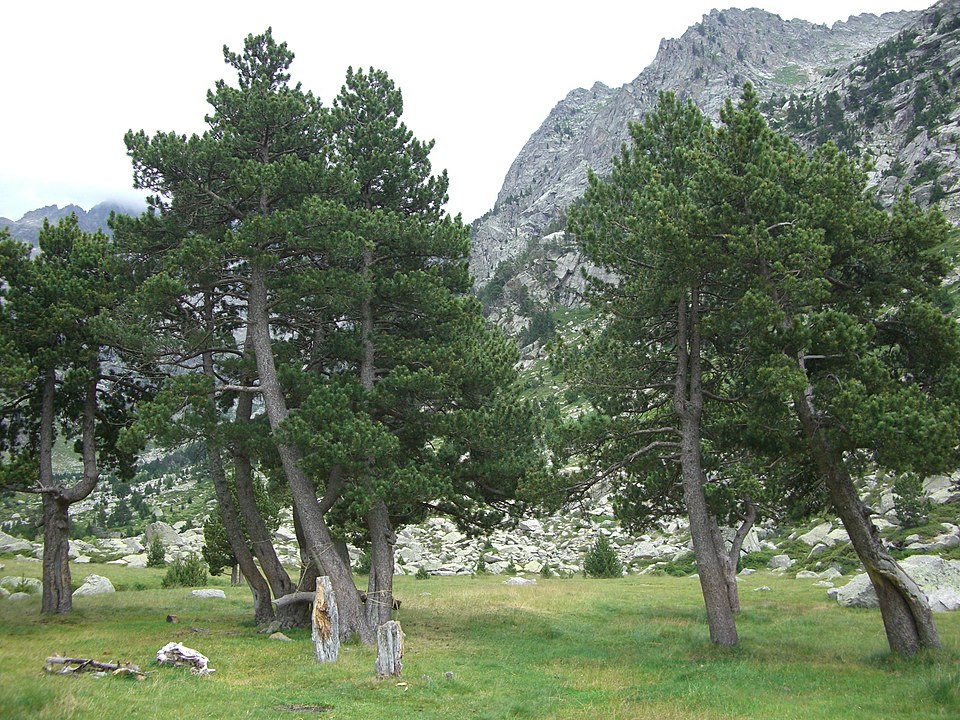
The Mountain Pine is a small, hardy conifer that thrives in the mountainous regions of Europe and Asia. It is known for its twisted, compact form, often growing in rocky, high-altitude environments. The tree’s branches tend to twist and curve in response to the harsh winds that it faces at high elevations.
Mountain Pines can live for several hundred years, though they are typically shorter than other conifers. Their twisted appearance is an adaptation to the challenging climate in which they grow. The tree’s dense, dark green needles and rough, scaly bark contribute to its rugged appearance. The Mountain Pine is a symbol of survival and strength, thriving in conditions that would challenge many other species.
Whitebark Pine (Pinus albicaulis)
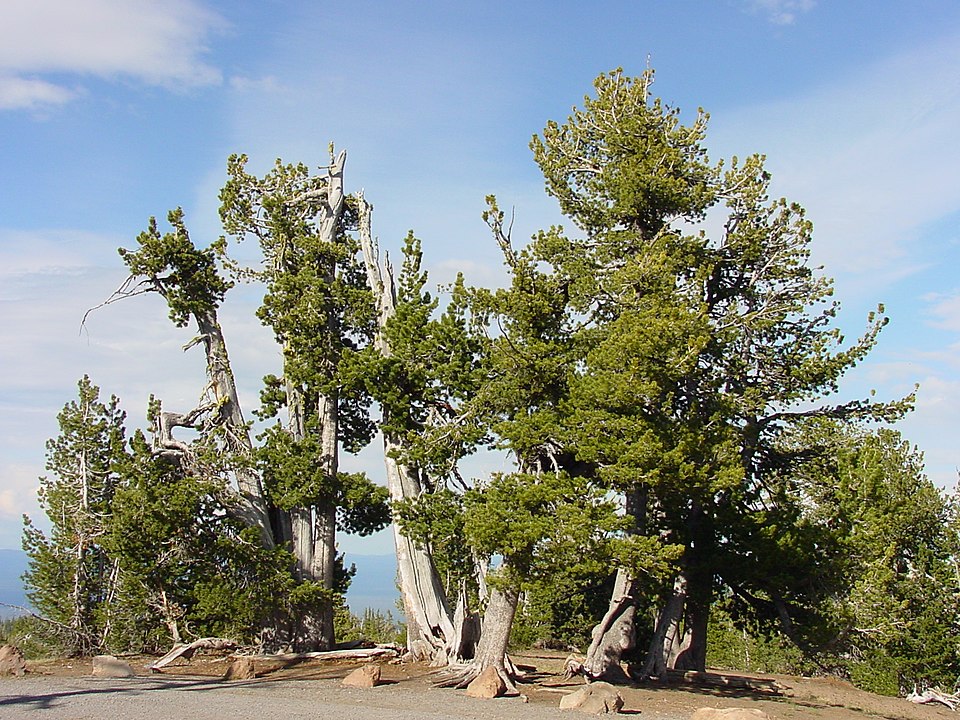
The Whitebark Pine is a conifer that is well-suited to life in high-altitude environments, where it can live for centuries. This tree is often found in the mountainous regions of the western United States and Canada, where it faces cold, snowy winters and short growing seasons. The twisted trunks of the Whitebark Pine are a common feature, often caused by exposure to high winds and the tree’s struggle for sunlight.
Despite these challenges, the Whitebark Pine is a vital part of the ecosystem, providing food and shelter for various wildlife species. The tree’s bark is light in color, often appearing silver or gray, which contrasts with its dark green needles. Over time, the tree’s twisted trunk and branches become more pronounced, giving it a distinctive appearance that reflects its ability to survive in such harsh conditions.
Eastern Hemlock (Tsuga canadensis)
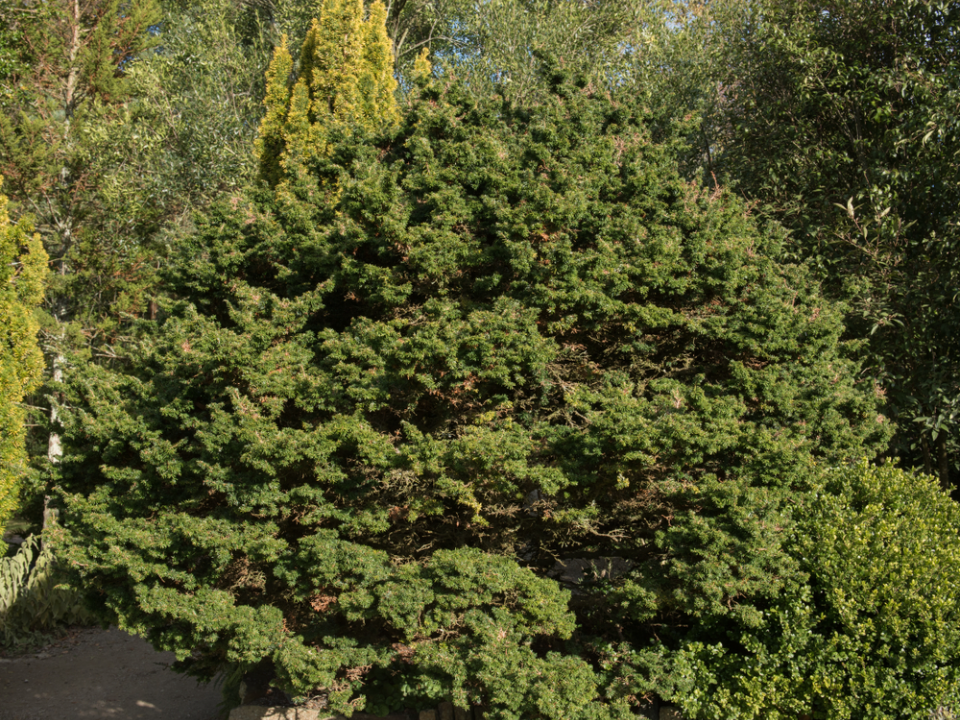
The Eastern Hemlock is a long-lived conifer that can thrive in the cool, moist forests of the northeastern United States and parts of Canada. It is known for its twisted, weeping branches that hang down toward the ground. The Eastern Hemlock’s trunk is often straight, but its branches can twist and bend as the tree matures.
This species can live for hundreds of years, with some individuals reaching impressive heights. The tree’s bark is thick and dark, providing protection against the harsh winters and hot summers of its native range. The Eastern Hemlock is an important part of the forest ecosystem, offering shelter and food for many species of birds and mammals. The twisted nature of its branches only adds to its charm, making it a beloved tree in its native habitats.
Colorado Blue Spruce (Picea pungens)
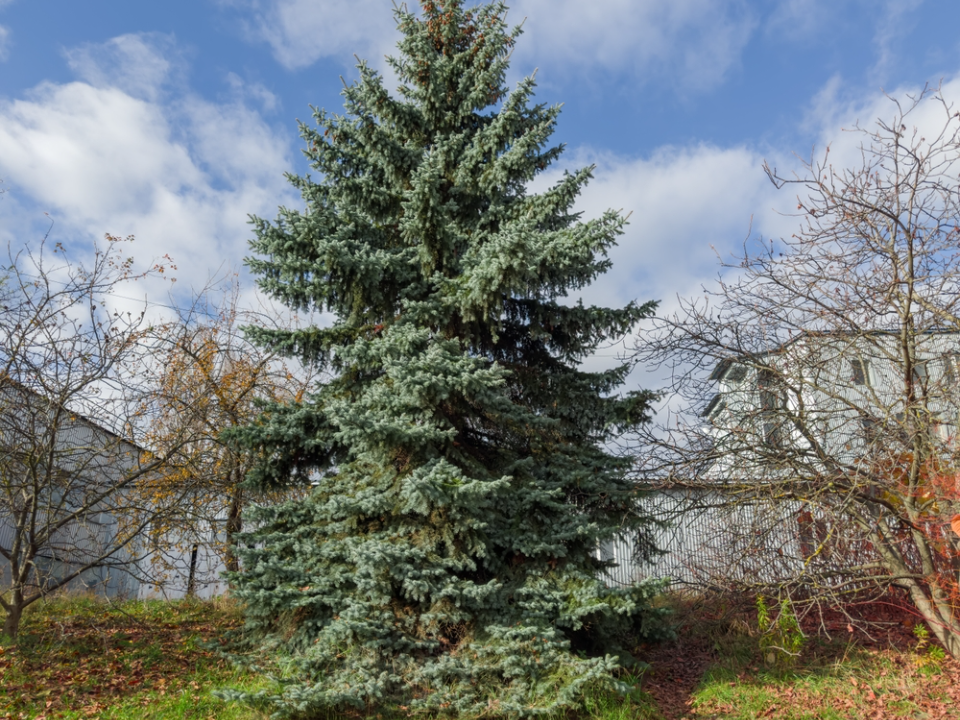
The Colorado Blue Spruce is a conifer known for its striking blue-gray needles and its twisted, elegant form. Native to the Rocky Mountains, this tree thrives in the harsh conditions of high-altitude environments. The twisted branches and upright form of the Colorado Blue Spruce make it a standout in the landscape.
This species can live for several centuries, with some individuals growing to over 100 feet tall. The tree’s dense, blue-green foliage is both visually appealing and functional, providing shelter for a variety of wildlife. The Colorado Blue Spruce is highly valued for its aesthetic qualities, making it a popular choice for landscaping. Its twisted form, combined with its striking color, adds character to any landscape.
Monterey Pine (Pinus radiata)

The Monterey Pine is a conifer native to the central coast of California, known for its twisted, irregular trunk and its ability to adapt to a variety of growing conditions. This tree can live for several hundred years, though it is often shorter-lived in urban settings. The Monterey Pine’s bark is thick and deeply furrowed, providing protection from both fire and pests.
The twisted trunk and branches of the tree give it a unique, sculptural appearance, making it a distinctive feature in the forests of California. These trees are able to thrive in sandy soils and coastal environments, making them an important part of the local ecosystem. The Monterey Pine’s resilience to fire, pests, and droughts makes it a symbol of endurance in the natural world.
Giant Sequoia (Sequoiadendron giganteum)
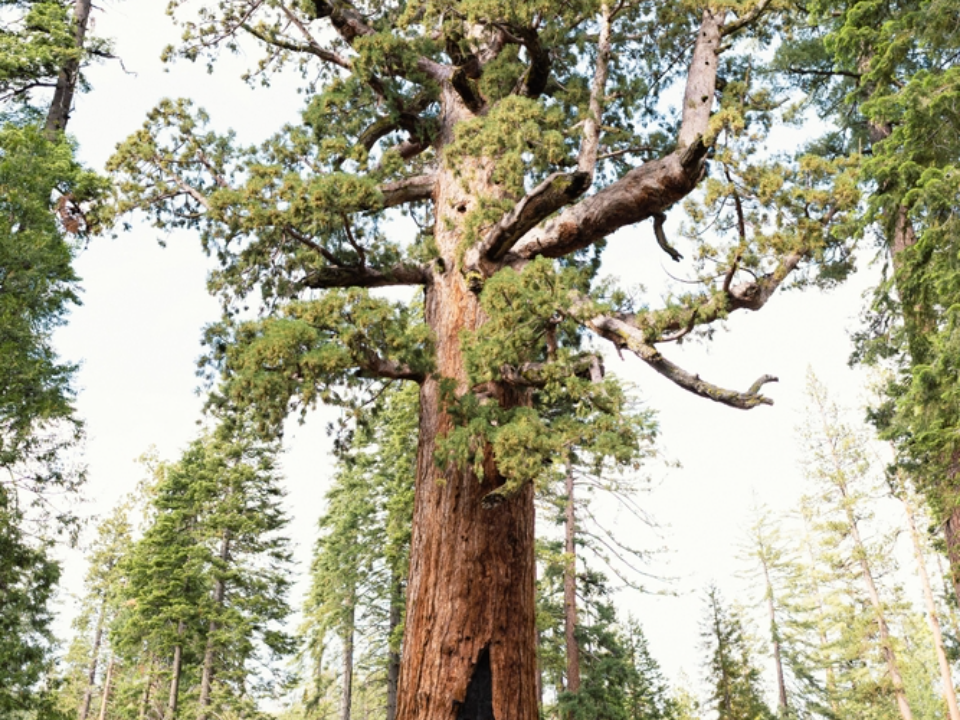
The Giant Sequoia is one of the largest and oldest tree species on Earth. Found primarily in the Sierra Nevada Mountains of California, these trees can live for thousands of years. Their trunks are massive, and their twisted, knotted bark helps protect them from the elements. The Giant Sequoia’s bark is thick and fibrous, providing insulation from both fire and cold temperatures.
These trees are incredibly resilient, able to withstand harsh winters and drought conditions. While their trunks may not twist as dramatically as some other conifers, their overall size and rugged appearance make them an iconic symbol of longevity and strength. The twisted roots of these trees anchor them firmly into the ground, allowing them to remain standing for centuries.
Yew (Taxus baccata)
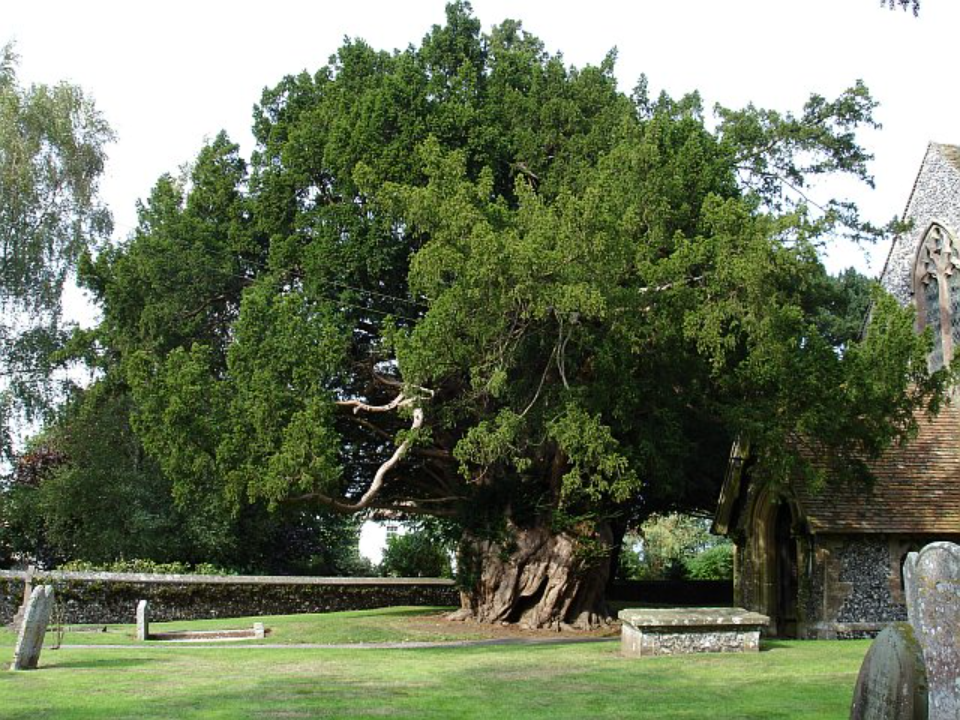
The Yew is a conifer known for its ability to live for thousands of years, with some specimens reaching an age of over 5,000 years. Native to Europe, the Yew has a twisting, gnarled trunk that often forms intricate shapes over time. The Yew’s bark is smooth and reddish-brown, while its needles are dark green and produce a bright red berry-like fruit.
Yews are slow-growing, which contributes to their impressive lifespan. These trees are often found in churchyards and ancient woodlands, where they have survived for generations. The twisted form of the Yew is a result of its response to wind, soil conditions, and other environmental factors. The Yew is also known for its medicinal properties, adding to its cultural and historical significance.
Black Pine (Pinus thunbergii)
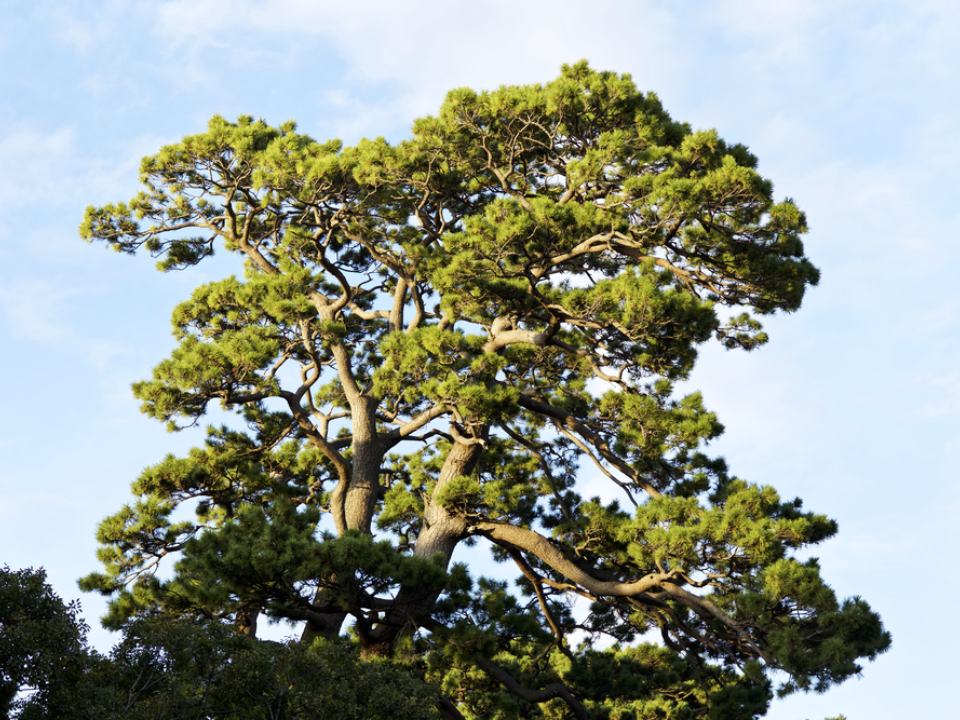
The Black Pine, also known as the Japanese Black Pine, is native to Japan and has a distinct twisted appearance. These trees are often shaped by the winds and coastal environments in which they grow. The Black Pine’s twisted branches and dark, dense needles give it a rugged and windswept look. This species can live for several hundred years, and it is commonly used in traditional Japanese gardens.
The Black Pine’s bark is thick and deeply furrowed, which helps protect the tree from fire and pests. Its unique form makes it a favorite for bonsai cultivation, where it is carefully pruned to emphasize its natural, twisted shape. The Black Pine is a symbol of endurance and beauty, thriving in harsh coastal conditions.
Aleppo Pine (Pinus halepensis)

The Aleppo Pine is a resilient conifer native to the Mediterranean region, known for its twisted and contorted trunk. These trees are able to thrive in hot, dry climates, and they are often found in areas with little rainfall. The twisted form of the Aleppo Pine is a result of its adaptation to the harsh winds and droughts of its native environment.
The tree’s bark is rough and reddish-brown, and its long, slender needles provide the tree with a unique silhouette. Aleppo Pines can live for several hundred years, and their wood is highly valued for its strength and durability. The twisted trunks of these trees are often seen as a reflection of the challenging conditions they endure. Despite the harsh conditions, the Aleppo Pine remains a symbol of resilience and endurance in Mediterranean landscapes.
Scots Pine (Pinus sylvestris)
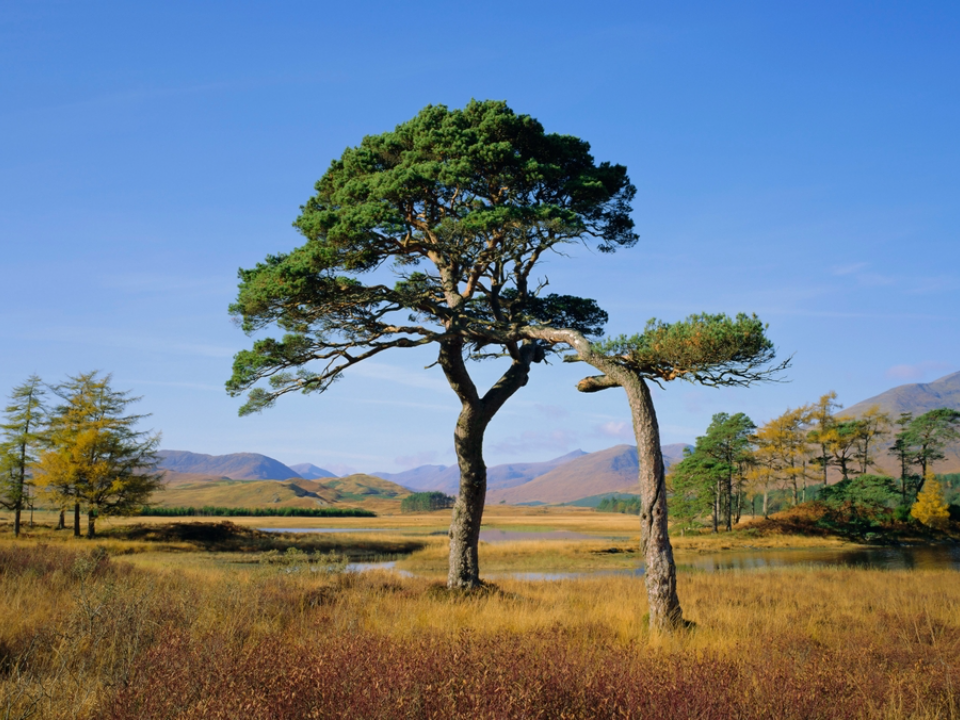
The Scots Pine is a long-lived conifer that grows in northern Europe and parts of Asia. These trees are known for their twisted trunks, which develop as the trees grow in response to strong winds and challenging weather conditions. The Scots Pine has a distinctive reddish-brown bark that becomes scaly as the tree matures. This species can live for several hundred years, and it thrives in a variety of climates, from cold northern regions to more temperate zones.
The twisted trunks and branches of the Scots Pine make it a standout tree in the forests of Europe and Asia. Its wood is highly valued for its strength and is used in construction, furniture making, and other industries. The Scots Pine is a symbol of endurance and adaptability, able to survive in harsh climates and withstand strong winds.
This article originally appeared on Avocadu.