
14 Air Purifying Houseplants People Still Love to Own
Adding houseplants to your living space can do wonders for both your mood and the air you breathe. Some plants are particularly good at filtering out harmful toxins from indoor air. Many homeowners have discovered the benefits of air-purifying plants over the years. Not only are they easy on the eyes, but they also promote a cleaner atmosphere.
This post may contain affiliate links, which helps keep this content free. Please read our disclosure for more info.
Spider Plant
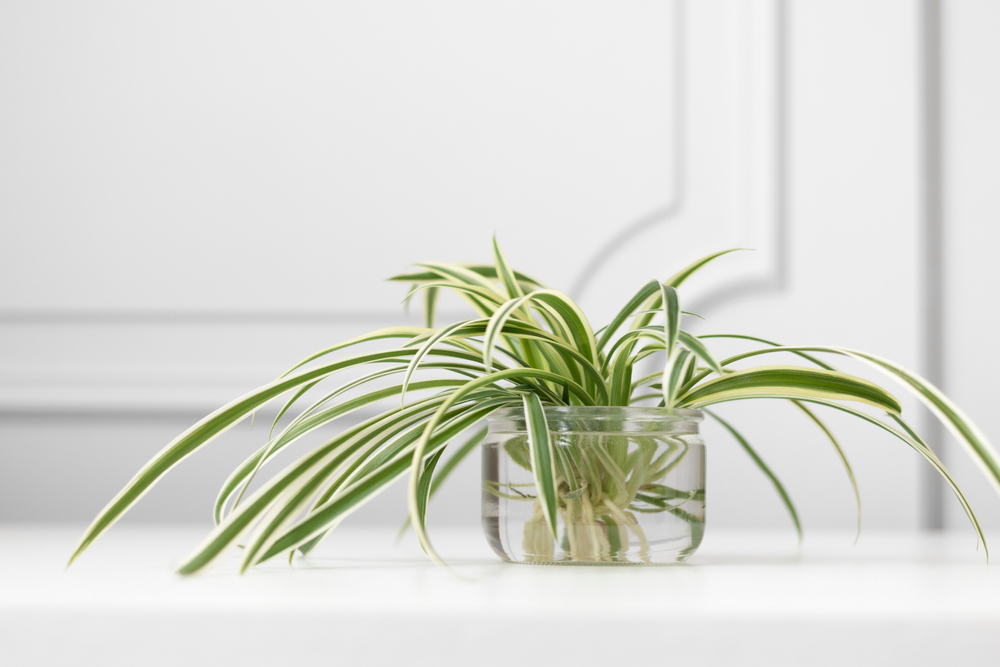
The spider plant is known for its easy care and air-purifying properties. This plant effectively removes carbon monoxide and formaldehyde from the air. It thrives in indirect light and requires only occasional watering, making it perfect for busy or beginner plant owners. Spider plants are also excellent for adding greenery to both homes and offices, as they can grow in hanging baskets or pots.
Aside from purifying the air, spider plants are non-toxic to pets, making them a great choice for households with animals. Their long, arching leaves give them a unique appearance that can complement various types of home décor. This low-maintenance plant can produce small white flowers in the right conditions, adding a touch of beauty to any room. It continues to be a popular choice due to its air-purifying qualities and versatility.
Peace Lily
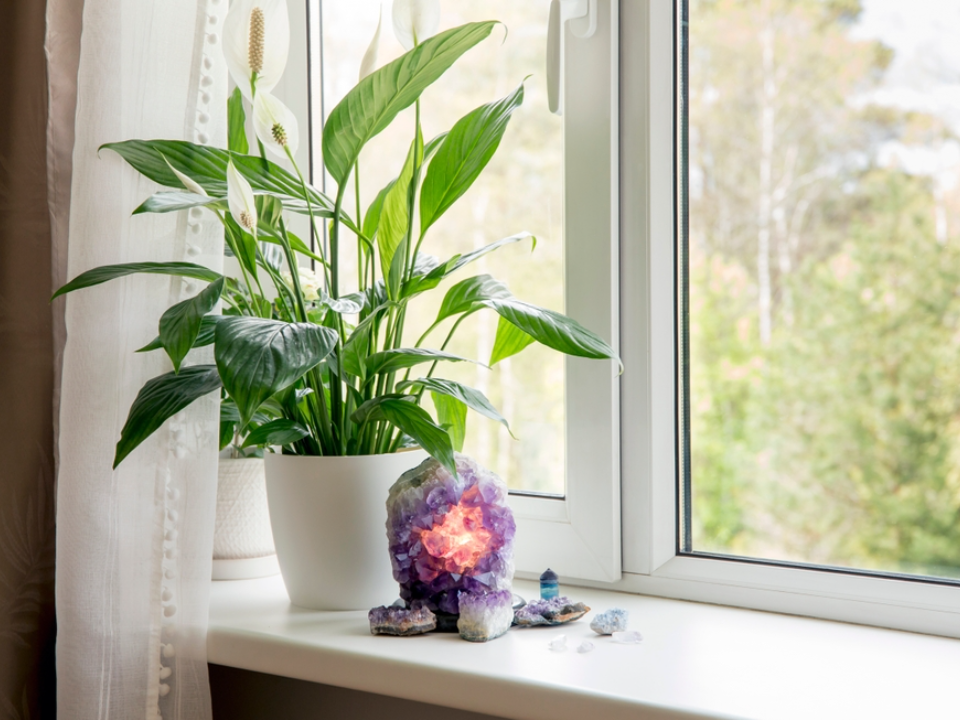
The peace lily is not only beautiful but also incredibly effective at purifying the air. It can remove harmful toxins such as ammonia, benzene, and formaldehyde. With its elegant white blooms and glossy green leaves, the peace lily is a striking addition to any indoor space. It thrives in low to medium light and requires only a moderate amount of water, making it an easy plant to care for.
In addition to being a great air purifier, the peace lily also helps to maintain humidity levels, which is especially beneficial during dry months. This plant is non-toxic to humans and pets, making it a safe option for households with young children or animals. Its ability to tolerate different lighting conditions makes it a versatile choice for various spaces. Over the years, the peace lily has become a staple in many homes for both its air-purifying properties and its aesthetic appeal.
Snake Plant
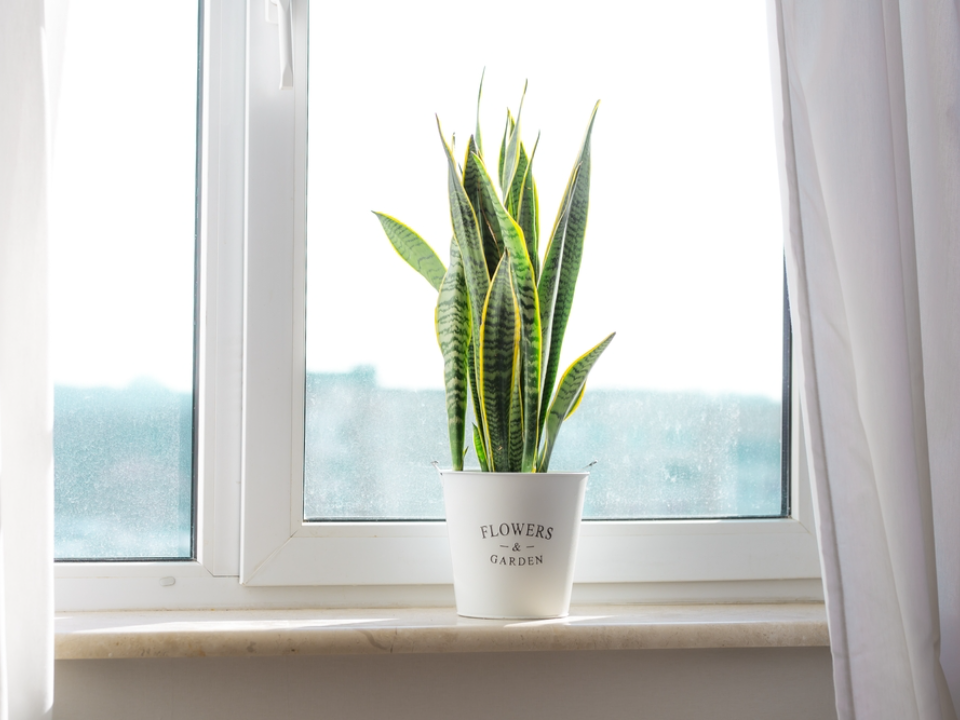
Snake plants are often praised for their resilience and air-purifying abilities. They are effective at removing toxins such as formaldehyde, benzene, and xylene, making them ideal for improving indoor air quality. These plants are well-suited for a range of environments, as they can thrive in low light and require minimal watering. Snake plants are often placed in bedrooms, living rooms, or offices, where they help to maintain a cleaner atmosphere.
One of the unique features of the snake plant is its ability to release oxygen at night, making it beneficial for sleep. This makes it an excellent choice for bedrooms or areas where air circulation is important. Snake plants are also quite low-maintenance, needing only occasional watering and well-draining soil. They continue to be a favorite for anyone looking to improve air quality with minimal effort.
Aloe Vera
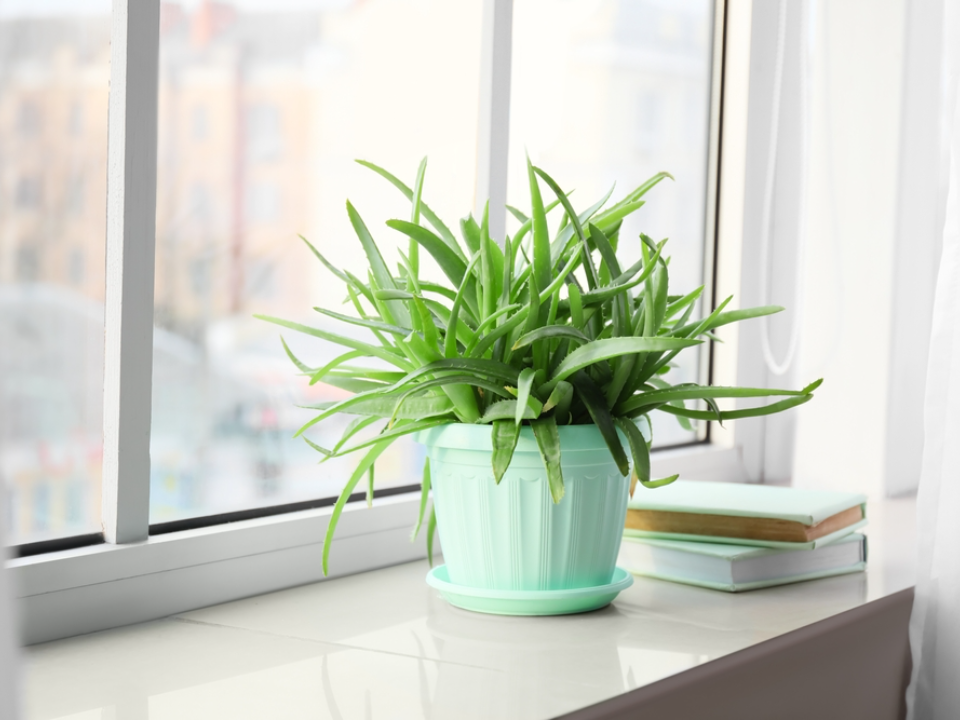
Aloe vera is known for its healing properties, but it also serves as an effective air purifier. It is particularly good at removing formaldehyde and benzene from the air. Aloe vera thrives in bright, indirect sunlight and requires little care, making it an ideal choice for people who are new to gardening or do not have a lot of time to dedicate to plant care. It is also a great addition to any home or office due to its clean and simple look.
In addition to purifying the air, aloe vera’s gel can be used for treating burns and skin irritations. This makes it a dual-purpose plant, offering both aesthetic value and practical benefits. Aloe vera also thrives in dry environments, as it is a succulent and does not require frequent watering. Over time, it has become a popular plant for those seeking both health benefits and a natural way to improve air quality.
English Ivy
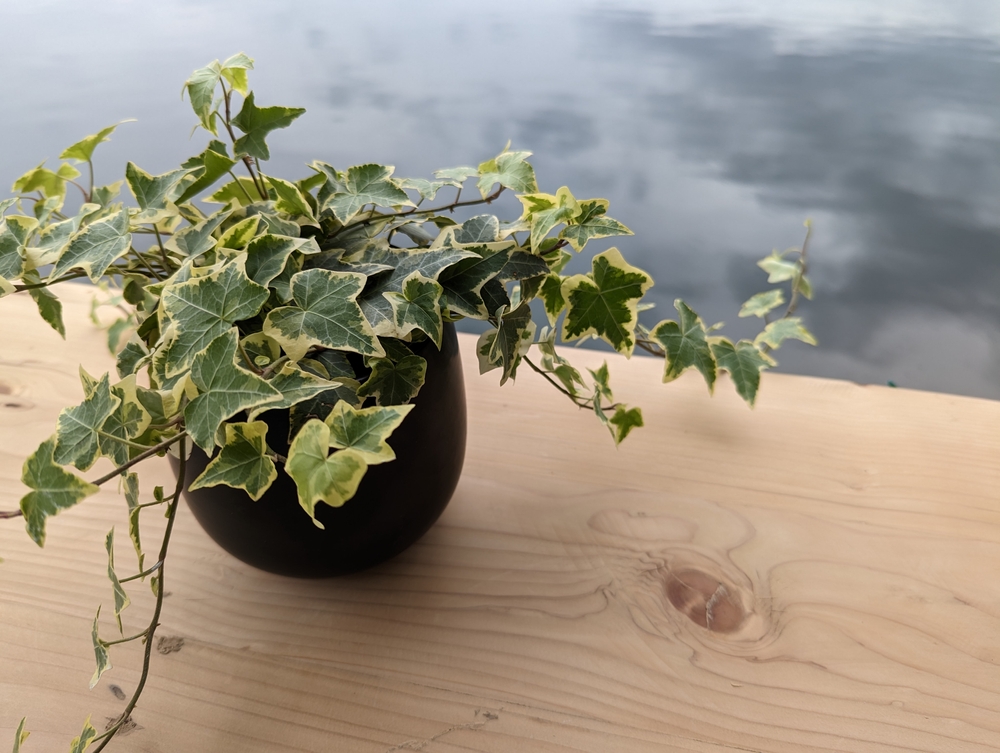
English ivy is a versatile plant that excels at removing toxins like benzene, formaldehyde, and xylene. This vining plant is often used as a hanging plant or ground cover, adding a touch of elegance and greenery to any room. It is particularly effective at purifying the air in areas where ventilation is poor. English ivy can be grown in bright or medium light conditions and only requires occasional watering to thrive.
One of the most attractive features of English ivy is its ability to grow quickly and spread, making it an excellent choice for those looking to fill empty spaces with natural beauty. It is also great for hanging baskets or pots, where its trailing vines can cascade down. Although it can be a bit of a challenge to keep indoors during the colder months, it remains a favorite for air purification. The ivy’s ability to improve air quality while adding visual appeal makes it a valuable plant in many homes.
Areca Palm
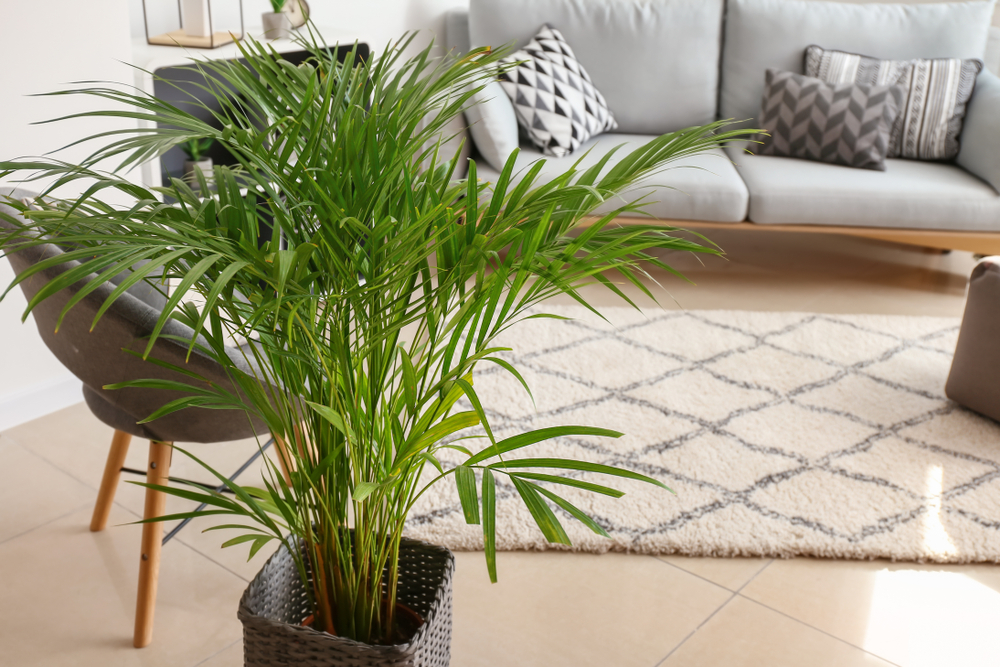
The areca palm is known for its ability to remove toxins from the air, including formaldehyde and xylene. Its feathery fronds and tropical look make it an appealing addition to any indoor space. This palm thrives in bright, indirect light and requires regular watering to keep the soil moist. It is often used to decorate living rooms, offices, and other spaces where a touch of greenery is desired.
Aside from being an air purifier, the areca palm is also beneficial for maintaining humidity levels, making it a great plant to have during dry months. Its graceful, arching fronds add a tropical vibe to the room, complementing both modern and traditional décor. The plant is non-toxic to pets, making it a good choice for households with animals. Its low-maintenance nature and air-purifying properties ensure that the areca palm remains a popular option for plant lovers.
Rubber Plant
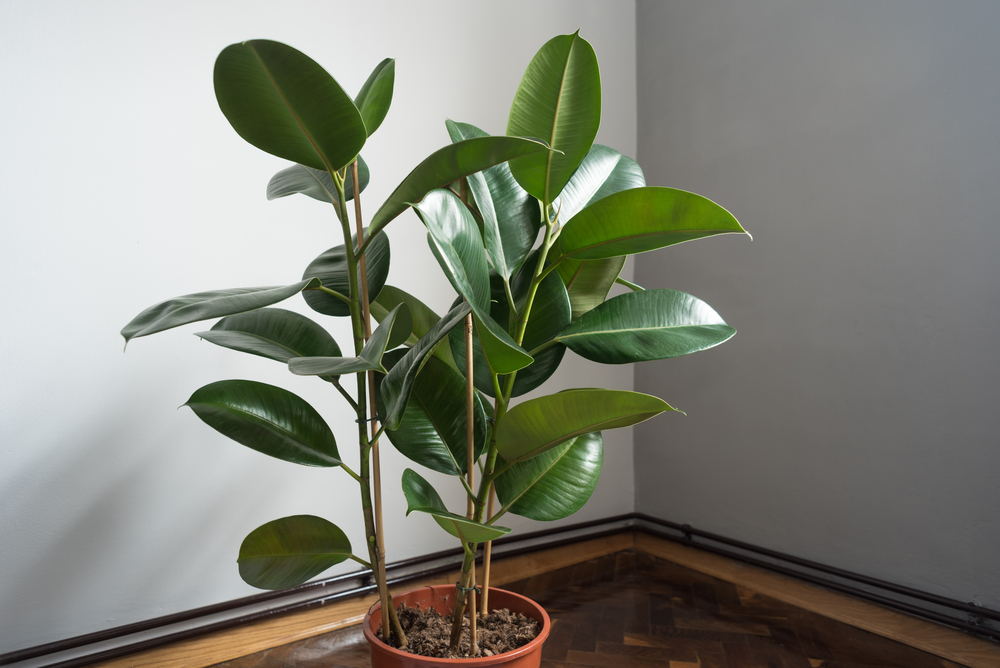
Rubber plants are known for their ability to remove toxins like formaldehyde from the air, making them excellent natural air purifiers. With their large, glossy leaves, rubber plants make a bold statement in any room. They thrive in bright, indirect light and can tolerate some shade, making them suitable for various locations around the home. Rubber plants only need to be watered when the top layer of soil dries out, making them relatively low-maintenance.
This plant is often used as a focal point in living rooms, offices, or hallways, where its large size and dramatic foliage can really stand out. The rubber plant’s ability to purify the air while adding beauty to a space has made it a staple in many households. Over time, it has become a popular choice for both experienced gardeners and beginners. Its combination of aesthetic appeal and air-purifying benefits ensures that it remains a beloved plant for many.
Philodendron
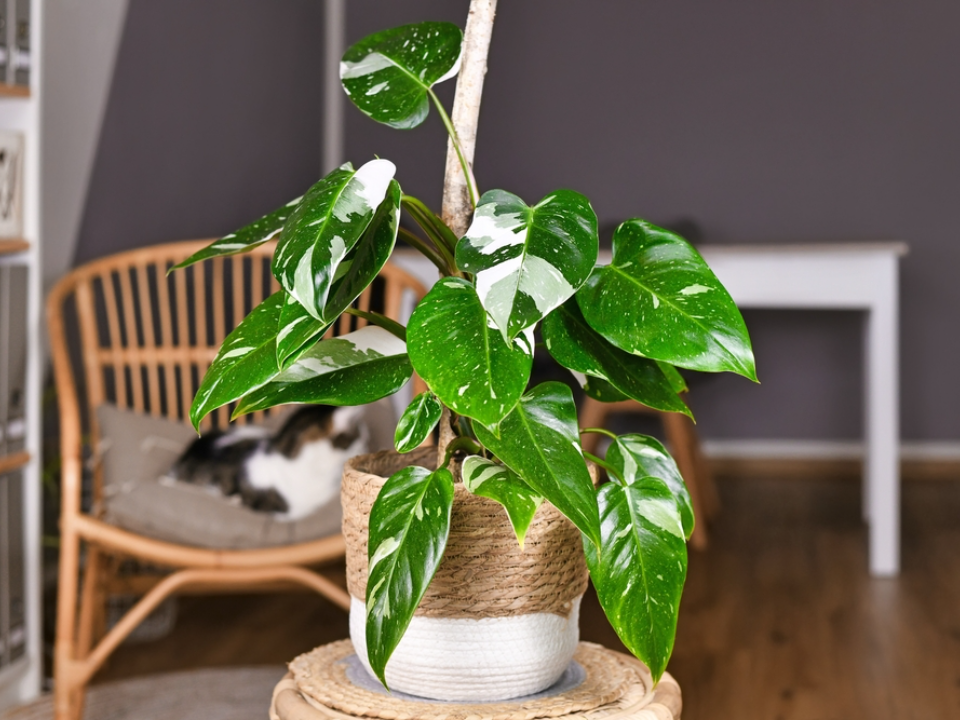
Philodendrons are widely recognized for their air-purifying abilities and their easy-going nature. They are particularly good at filtering out formaldehyde and other harmful chemicals from the air. Philodendrons come in a variety of shapes and sizes, with heart-shaped leaves being the most common. These plants thrive in moderate to low light conditions, making them perfect for areas with less natural sunlight.
This plant is also known for their rapid growth and ability to adapt to different environments. They can be grown as trailing plants or in pots, depending on the variety. Philodendrons are also non-toxic to pets, which makes them a safe option for households with animals. Their easy care and air-purifying qualities make them a favorite among plant enthusiasts.
Pothos
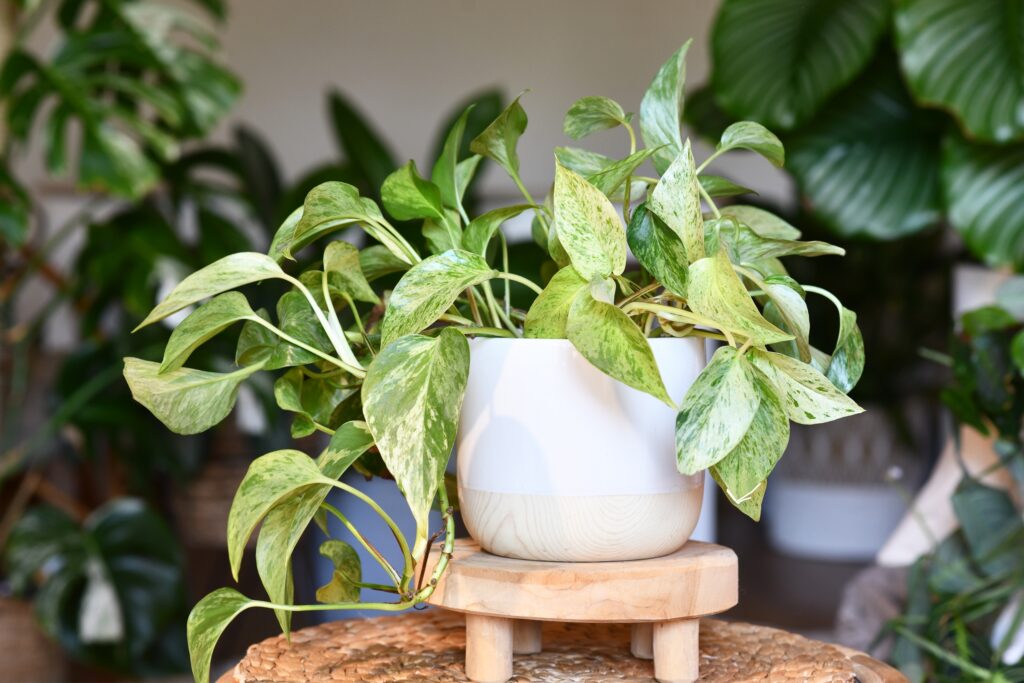
Pothos is a low-maintenance plant that excels at purifying the air by removing toxins such as formaldehyde, benzene, and xylene. Its trailing vines make it a great addition to any room, whether placed on a shelf or hung in a basket. Pothos is well-suited for a range of lighting conditions, from low to bright indirect light, and it requires minimal watering. This makes it an ideal plant for beginners or those with busy schedules.
Pothos is also one of the most adaptable plants, thriving in a variety of environments. Its ability to filter out harmful chemicals while adding a lush, green look to any space has made it a popular choice for homes and offices. Pothos can also grow rapidly, making it a favorite for those looking to quickly fill a space with greenery. Whether you are new to plant care or an experienced gardener, pothos is a plant that will meet your needs.
Bamboo Palm
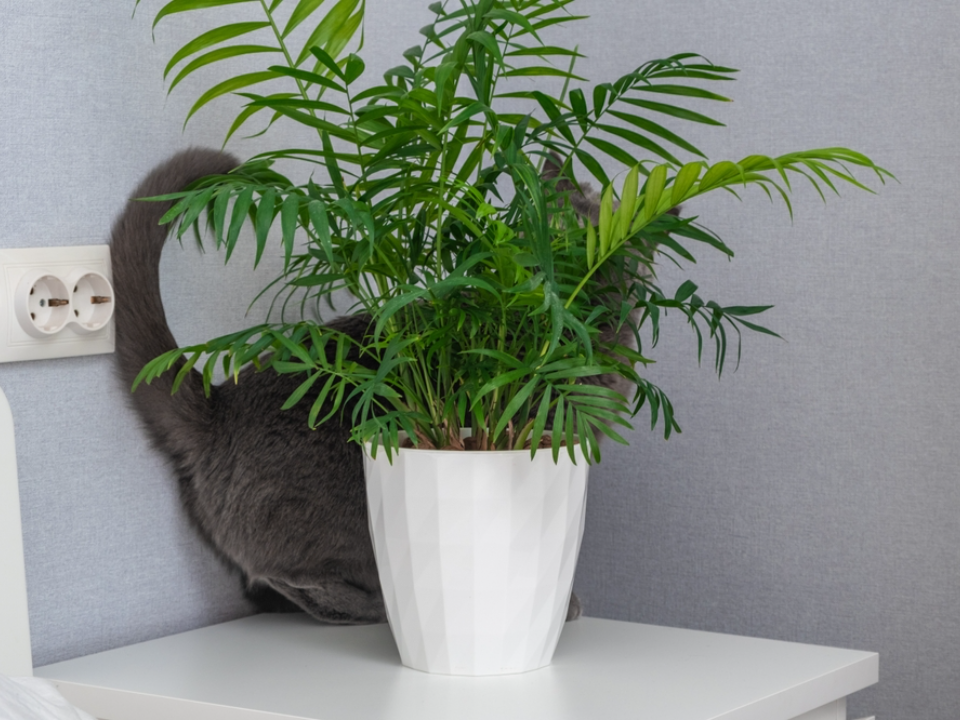
The bamboo palm is a popular choice for purifying the air, as it effectively removes toxins like formaldehyde and benzene. It has slender, bamboo-like stems with lush, feathery fronds that bring a touch of tropical elegance to any indoor space. This palm thrives in moderate to low light conditions, making it ideal for areas that do not receive a lot of natural sunlight. Bamboo palms are also known for their ability to add moisture to the air, which is especially beneficial during the winter months.
Bamboo palms are relatively low-maintenance, requiring only occasional watering when the soil feels dry. Their compact size makes them perfect for apartments or smaller homes, while their air-purifying qualities ensure that they provide a healthier environment. These palms are non-toxic to pets, which makes them a great choice for households with animals. Over time, bamboo palms have become a beloved plant for anyone seeking both aesthetic beauty and cleaner air.
Chinese Evergreen
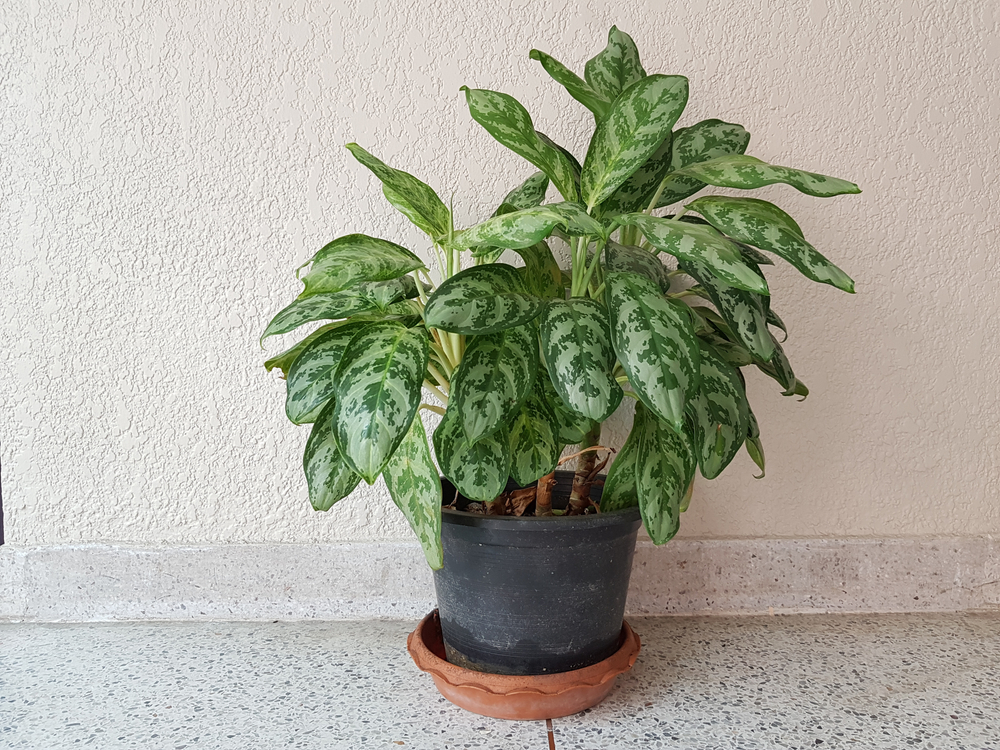
The Chinese evergreen is an excellent air-purifying plant that can thrive in low-light environments. It is known for removing toxins such as formaldehyde and benzene from the air. Its broad, variegated leaves add a vibrant touch of green to any space, and it requires minimal care to thrive. Chinese evergreens are often placed in homes or offices where they can improve air quality with little effort.
This plant is particularly well-suited for beginners or those with busy schedules, as it tolerates neglect and does not require frequent watering. Chinese evergreens also do well in areas with low humidity, making them ideal for rooms with dry indoor air. Their low-maintenance nature and ability to purify the air have made them a staple in many households. Whether placed on a desk or as part of a larger plant collection, the Chinese evergreen remains a favorite among plant owners.
Dracaena
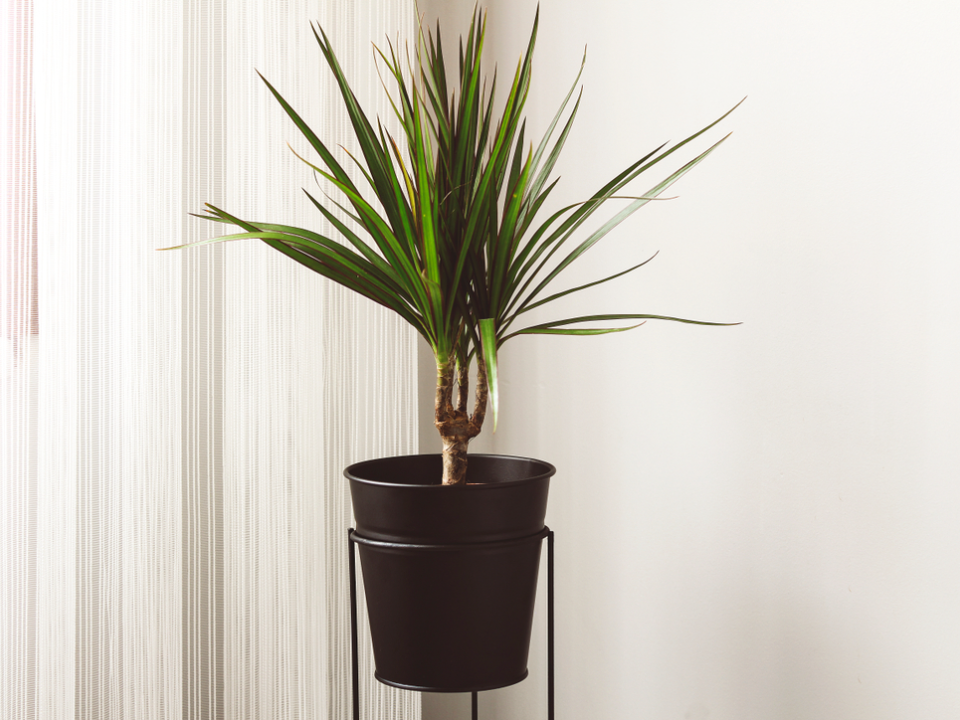
Dracaenas are known for their ability to filter out toxins like formaldehyde, benzene, and xylene. Their tall, sleek appearance and elegant leaves make them a popular choice for adding a touch of sophistication to any room. Dracaenas thrive in indirect light and require only moderate watering, making them easy to care for. Their striking appearance makes them an excellent focal point in both homes and offices.
They are also known for their ability to adapt to different indoor environments. They can tolerate lower light conditions, making them suitable for a range of spaces. Dracaenas are also non-toxic to pets, which makes them a safe option for households with animals. Their combination of beauty and air-purifying properties ensures that dracaenas continue to be a sought-after plant.
Gerbera Daisy
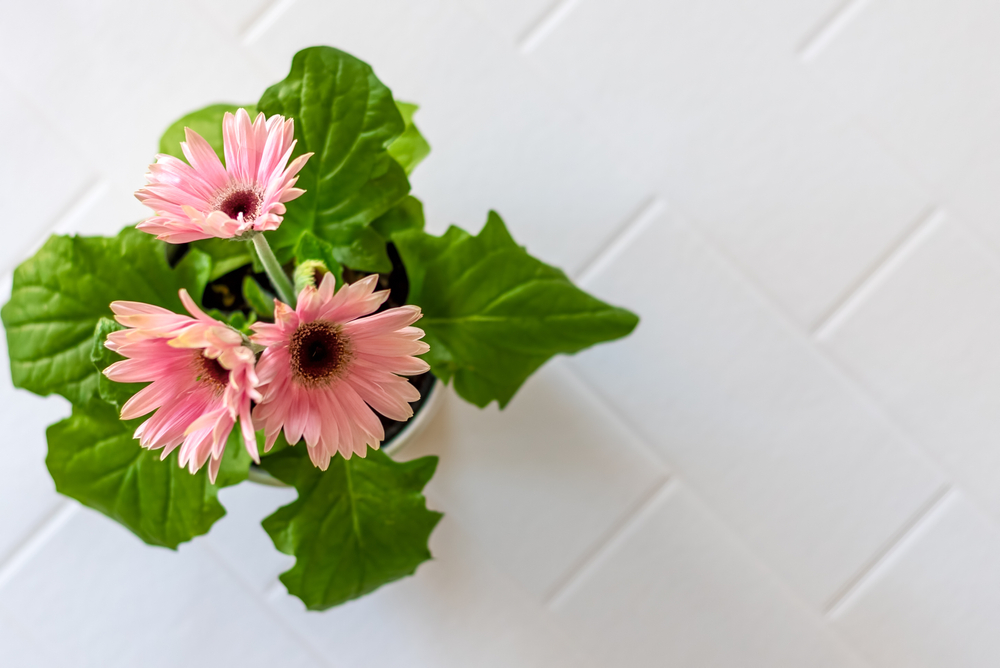
Gerbera daisies are not only stunning flowers but also effective air purifiers. They are particularly good at removing toxins like formaldehyde and benzene from indoor air. These bright, cheerful plants bring a burst of color to any room with their vibrant blooms in shades of red, pink, orange, and yellow. Gerbera daisies require plenty of sunlight, making them ideal for windowsills or other bright spots in your home.
In addition to purifying the air, gerbera daisies can also improve the atmosphere by adding a touch of nature’s beauty. These plants need regular watering and well-draining soil to thrive. Though they can be a little more demanding in terms of care compared to some other air-purifying plants, their striking appearance and air-quality benefits make them a favorite for many plant enthusiasts. Over time, they have become a symbol of positivity and joy in home décor.
ZZ Plant
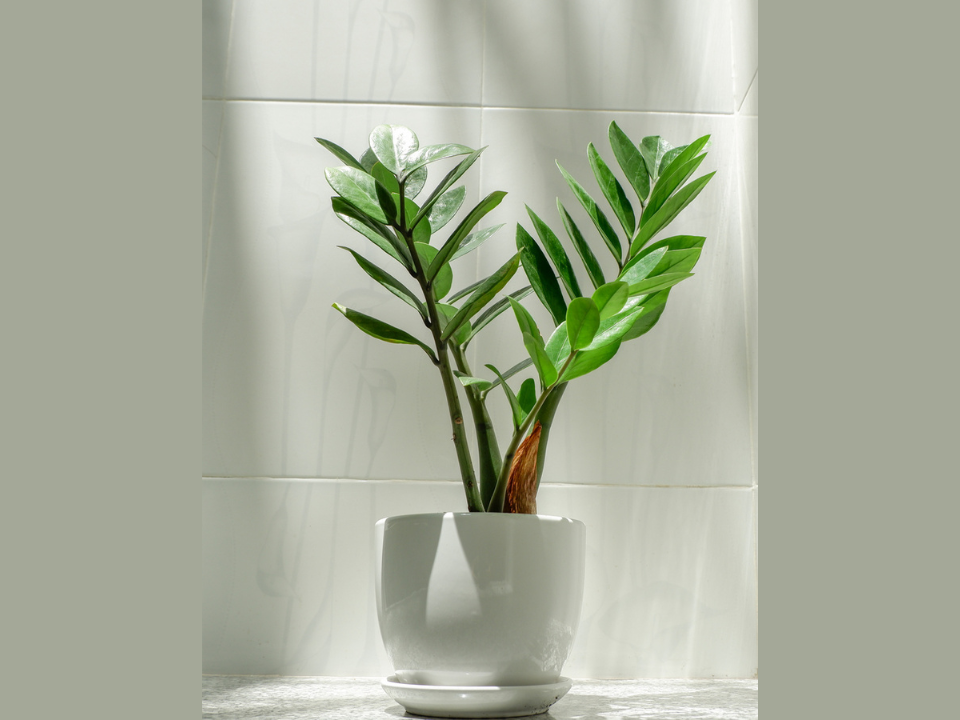
The ZZ plant is known for its resilience and ability to purify the air by removing toxins like xylene, toluene, and benzene. Its glossy, dark green leaves and upright growth make it a great choice for adding elegance to any room. ZZ plants can tolerate low light and require minimal watering, making them perfect for areas with less natural sunlight or for plant owners who may forget to water frequently. They can thrive in a range of conditions, from homes to offices, and require little maintenance.
ZZ plants are also beneficial for air purification, as they remove harmful chemicals from indoor environments. This hardy plant is non-toxic to pets, making it a safe option for households with animals. ZZ plants have become increasingly popular due to their low-maintenance nature and air-purifying qualities. With their ability to adapt to a variety of indoor conditions, they remain a popular choice for anyone looking to improve air quality effortlessly.
This article originally appeared on Avocadu.