
16 After School Activities That Kids Love and Parents Do Not Hate
After a long day of school, finding an after-school activity that both kids and parents can enjoy can be a bit of a challenge. It’s important to choose activities that keep children engaged and active, but also those that don’t add extra stress for parents. Whether it’s something creative, physical, or educational, the right activity can be a fun way for kids to unwind while learning new skills. The key is to find a balance between having fun and making sure the activity is meaningful and manageable. Parents appreciate activities that encourage kids to get out of the house and stay off screens, while still providing opportunities for growth and relaxation. These activities can also offer kids the chance to socialize and develop new friendships.
This post may contain affiliate links, which helps keep this content free. Please read our disclosure for more info.
Art Classes
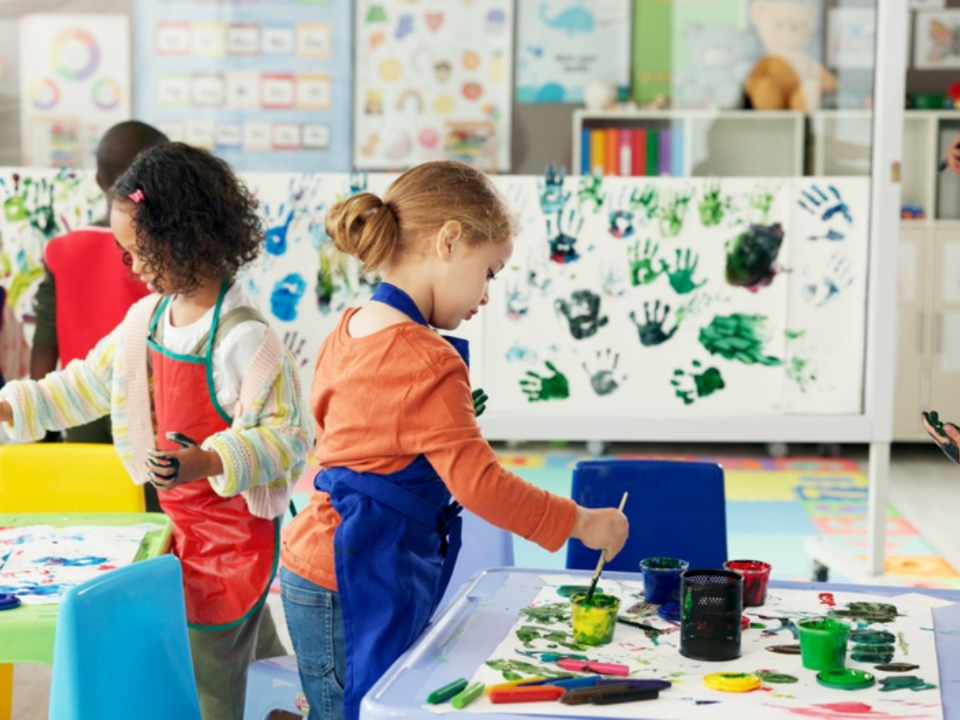
Art classes are a fantastic after-school activity for kids. They allow children to express themselves creatively and develop skills in drawing, painting, and sculpting. Not only does this foster creativity, but it also helps improve fine motor skills and problem-solving abilities. Children often gain a sense of accomplishment when completing an artwork, which boosts their confidence.
Parents appreciate the calm nature of art classes, as they are less demanding and give kids a chance to unwind. It is also a great way for children to relax after a busy school day. These classes tend to encourage children to think outside the box, an essential skill they can apply in many aspects of life. Plus, the supplies for art classes are relatively affordable, making them a cost-effective option for many families.
Soccer

Soccer is a classic after-school activity that provides numerous physical benefits. It helps children improve their coordination, balance, and teamwork skills. The game is fast-paced and exciting, keeping kids engaged while encouraging them to stay active. Parents love soccer because it is a highly social activity, helping children build friendships and learn about collaboration.
It also teaches discipline, as players need to follow rules and work together to achieve common goals. Soccer is a great outlet for pent-up energy and helps kids develop healthy habits early on. The sport is accessible, and many schools or community centers offer low-cost leagues, making it an affordable activity for families.
Swimming Lessons
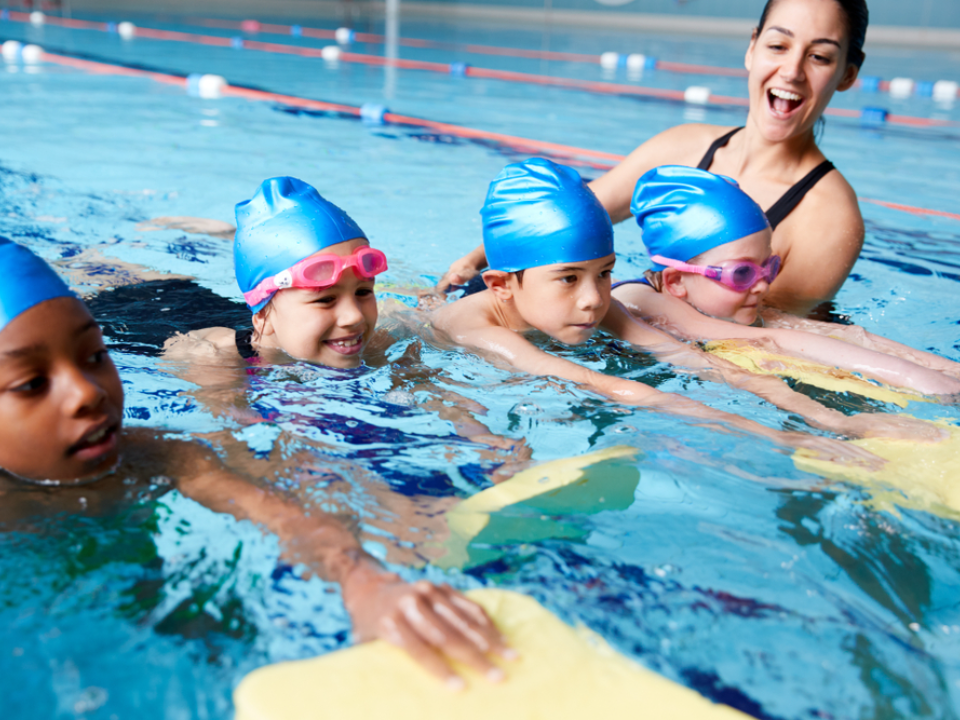
Swimming lessons are another great way for kids to stay active after school. These lessons help improve coordination, strength, and cardiovascular health. Additionally, swimming is a life skill that can save lives and provide children with confidence in the water. Parents value swimming lessons because they are both fun and practical. Many kids enjoy swimming because it feels like play, yet they are working on their physical fitness at the same time.
Swimming is a low-impact activity, making it suitable for kids of all ages and abilities. Plus, it is a great year-round activity, as most community pools offer indoor facilities during the colder months. The lessons also teach discipline and personal responsibility as kids need to practice regularly to improve their skills.
Dance Classes
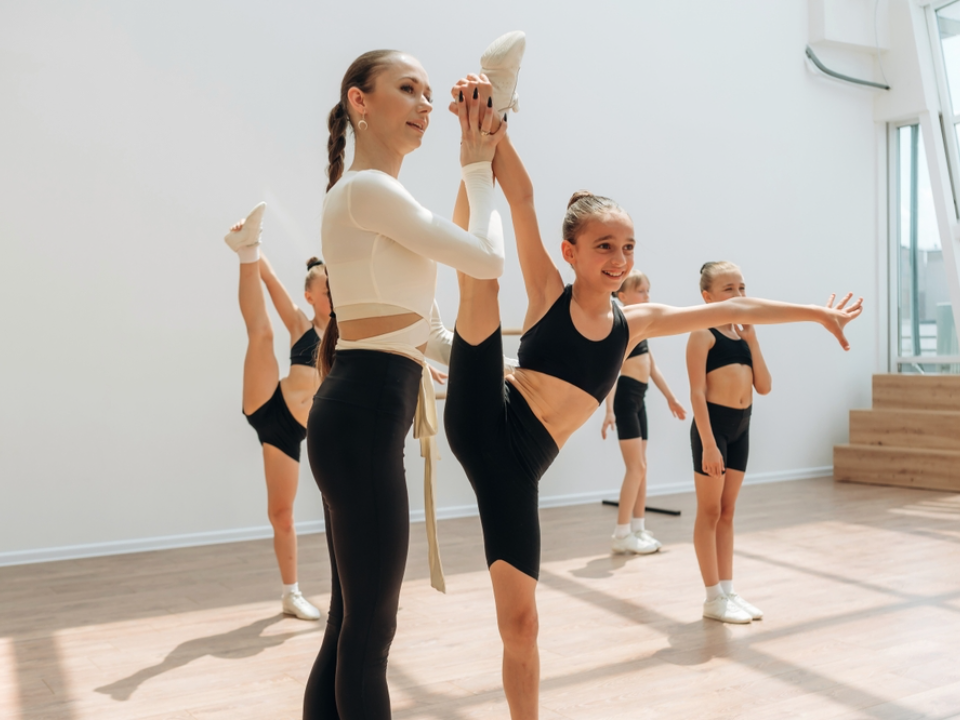
Dance classes are a popular after-school activity for children who love to move to the music. From ballet to hip-hop, dance offers a wide range of styles to suit different interests and energy levels. Dance is a fantastic way for children to improve their flexibility, coordination, and posture. It also helps boost self-confidence, as kids can perform in front of others and develop their own unique style.
Parents enjoy dance classes because they encourage kids to stay active while having fun. Additionally, the structure of the class teaches kids to follow directions and focus on a task. The social aspect of dance also allows children to bond with their peers, making it a well-rounded activity for both physical and emotional growth.
Martial Arts
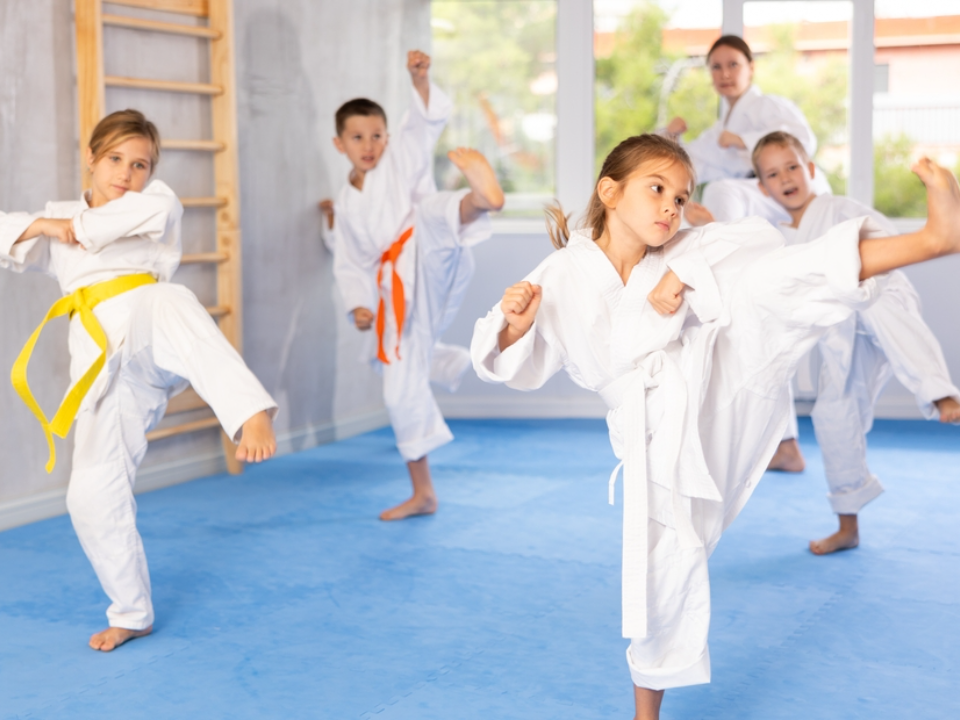
Martial arts provide kids with the opportunity to learn self-discipline, respect, and focus. From karate to taekwondo, there are many different styles to choose from, each offering its own set of benefits. Martial arts classes emphasize respect for others, including instructors and fellow students, which can help children develop strong character.
The physical benefits include improved strength, flexibility, and coordination. Parents like martial arts because they combine physical exercise with important life lessons such as perseverance and respect for authority. Martial arts also allow children to set personal goals, such as earning higher belts, which can give them a sense of accomplishment. Many martial arts schools offer flexible class schedules, making it easier for families to fit it into their routines.
Drama Club
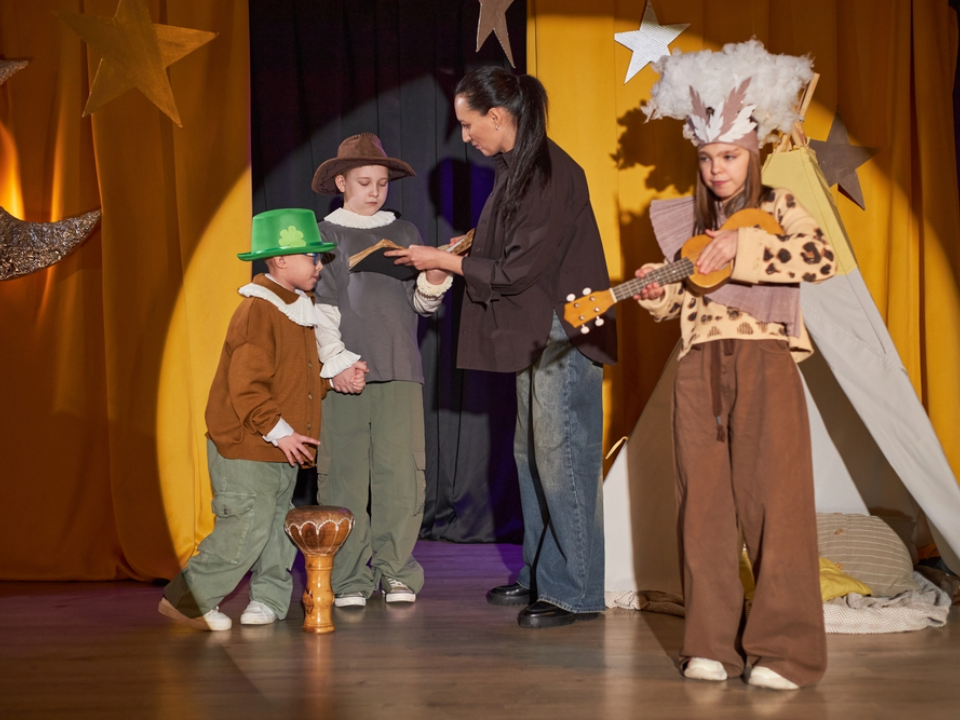
Drama club offers kids the chance to act, express emotions, and participate in creative storytelling. Acting helps children develop public speaking skills, boost their confidence, and improve their imagination. It also encourages teamwork as children work together to put on a performance.
Drama is great for children who enjoy being the center of attention, but it also offers quieter kids a chance to shine in a different way. Parents value drama clubs because they help children build empathy, as they must understand and portray different characters. These activities also promote creativity and can be a fun way to introduce kids to various forms of art, including theater, film, and literature. Drama clubs typically work on a performance each season, giving children a tangible goal to work towards.
Gardening

Gardening is a peaceful and educational after-school activity that connects kids to nature. It teaches responsibility, as children must care for their plants daily by watering them and making sure they get enough sunlight. Gardening also allows kids to learn about different plants and how they grow. Parents love this activity because it encourages kids to spend time outdoors, away from screens.
It is also an excellent way for children to develop patience, as they must wait for their plants to grow. Gardening provides a sense of accomplishment, especially when children see the results of their hard work. This activity is not only beneficial for kids, but it can also provide fresh fruits and vegetables for families to enjoy.
Coding Clubs

In today’s technology-driven world, coding is an essential skill for children to develop. Coding clubs teach kids how to create websites, build games, and program computers. It fosters logical thinking and problem-solving skills as children work through challenges. Coding can also be a fun and interactive way to introduce kids to the world of technology. Parents appreciate coding clubs because they combine learning with entertainment.
Children often feel empowered when they see the results of their coding projects, such as a video game they built themselves. These clubs are becoming more popular in schools and community centers, and many are available at little or no cost. By learning coding, children gain valuable skills that will help them in future careers.
Chess Club
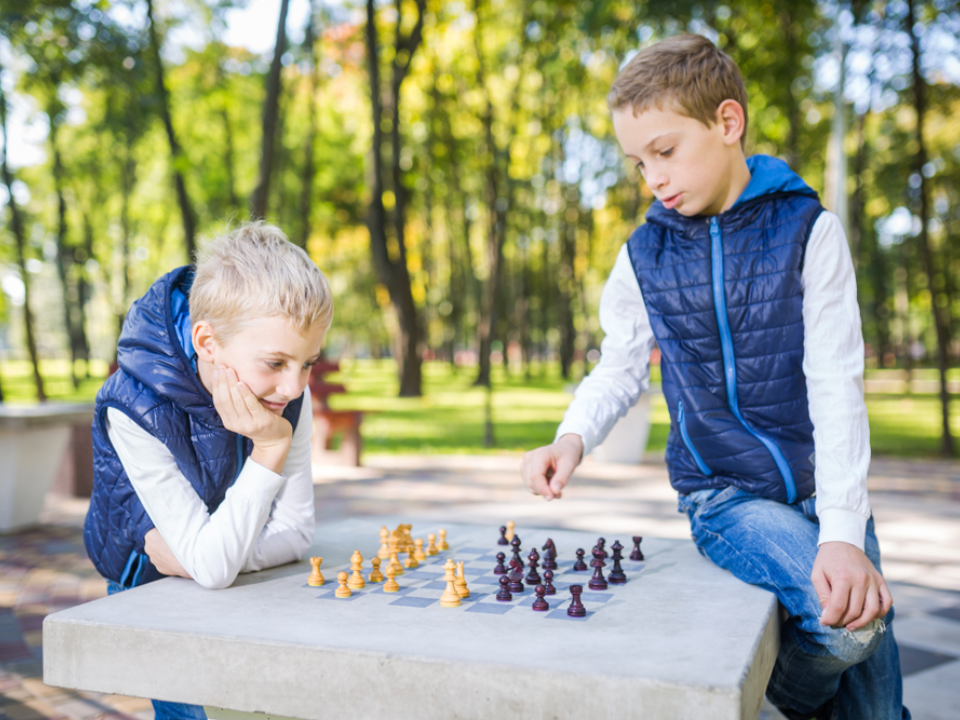
Chess is an excellent activity for kids who enjoy strategy and problem-solving. It challenges the mind and helps develop critical thinking skills, as players must plan ahead and anticipate their opponent’s moves. Chess also teaches patience and discipline, as games can be long and require careful thought. Parents like chess because it is an intellectual game that can improve children’s focus and memory.
It is an activity that can be played anywhere, requiring just a chessboard and pieces. Chess clubs often foster a sense of community as children compete in friendly tournaments or practice with peers. Many schools offer chess clubs, and the game is a low-cost activity that can be enjoyed by kids of all ages.
Cooking Classes

Cooking classes provide kids with the opportunity to learn valuable life skills. By learning how to prepare simple meals, kids gain independence and feel proud of their creations. Cooking also teaches kids about nutrition and the importance of healthy eating. Parents enjoy cooking classes because they can help children develop a better relationship with food, teaching them how to make informed decisions about what they eat.
It is also a great way for children to practice following directions and paying attention to detail. Cooking classes are interactive and fun, making them an enjoyable way for kids to learn. Many cooking classes cater to children’s tastes, offering age-appropriate recipes that kids can help prepare and enjoy with family members.
Hiking Clubs
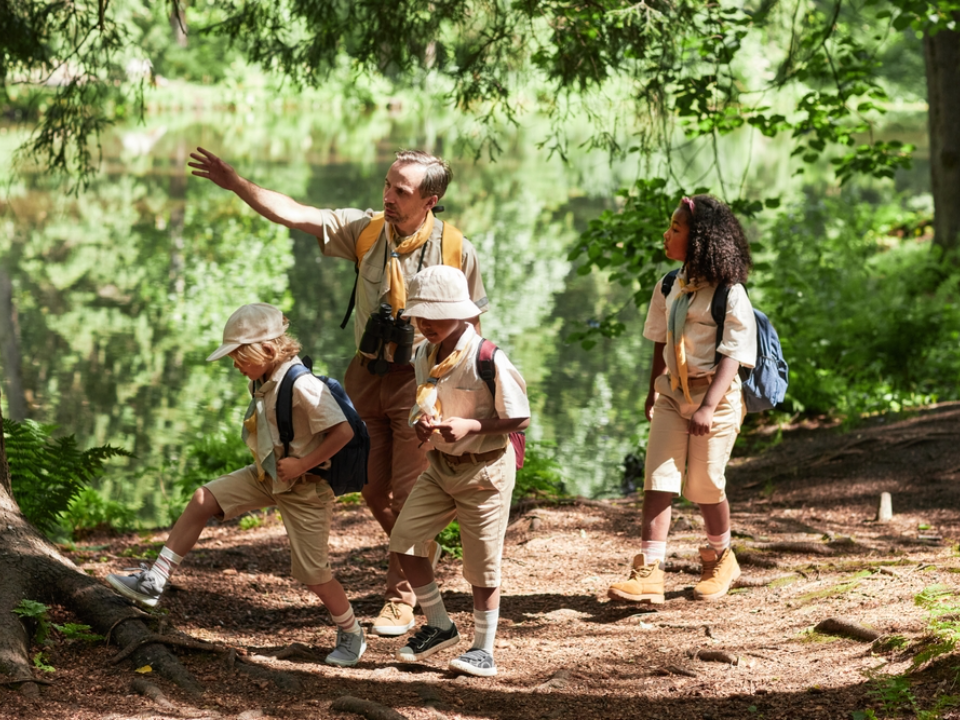
Hiking clubs are a wonderful way for kids to connect with nature and stay active after school. These clubs allow children to explore various trails, learn about wildlife, and enjoy the outdoors. Hiking promotes physical fitness, as it helps improve cardiovascular health, balance, and coordination. Parents appreciate hiking because it offers a great opportunity for family bonding and screen-free time.
It also teaches kids about environmental conservation and the importance of respecting nature. Many hiking clubs provide opportunities to join group hikes, making it a social activity that encourages teamwork. For families who love spending time outside, hiking is an ideal way to introduce kids to outdoor adventure.
Science Clubs

Science clubs provide a fun and educational space for kids to explore the wonders of the world around them. These clubs focus on hands-on activities that encourage curiosity and foster a love for discovery. Children may engage in experiments, learn about physics, chemistry, or biology, and gain a better understanding of the scientific method. Parents value science clubs because they help children think critically and develop problem-solving skills.
These clubs often host science fairs or presentations, giving kids a chance to showcase their projects and feel a sense of achievement. Science clubs are perfect for children with a strong interest in technology, engineering, or natural sciences. They offer a creative and interactive way to apply classroom knowledge in real-world situations.
Bicycle Riding
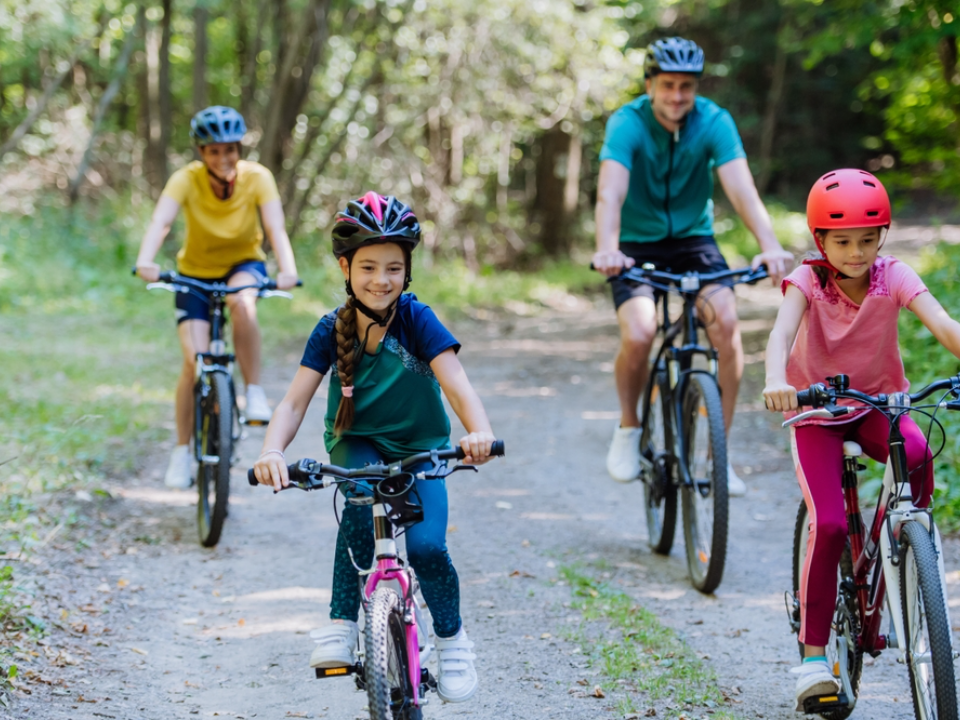
Bicycle riding is a fun, low-cost activity that helps kids stay active and improve their coordination. Many neighborhoods offer bike trails, parks, or community rides where kids can explore their surroundings while cycling. Biking also strengthens muscles and improves cardiovascular health, making it an excellent form of exercise. Parents love this activity because it is a great way to get kids outdoors and encourage physical fitness.
It is a social activity that families can enjoy together, whether on a weekend bike ride or joining a local cycling group. Bicycle riding is accessible, as most children already own a bike, and it can be done in many local areas. It also teaches kids about safety, as they need to wear helmets and follow traffic rules while riding.
Creative Writing Workshops

Creative writing workshops are perfect for children who enjoy storytelling and expressing themselves through words. These workshops teach kids how to structure their thoughts, develop characters, and build exciting plots. Writing helps children improve their communication skills and enhances their creativity. Parents value creative writing workshops because they encourage children to think deeply and develop their literacy skills.
Writing can also be therapeutic for kids, helping them process their emotions and experiences in a safe space. These workshops may also include readings or story-sharing sessions, giving kids a chance to showcase their work and gain confidence. Creative writing is a fantastic way for kids to hone their writing abilities while having fun with their imaginations.
Book Clubs

Book clubs offer children a great way to develop a love for reading and engage in discussions about their favorite books. These clubs provide an opportunity for kids to explore new genres and authors, broadening their reading interests.
Book clubs encourage children to think critically about the stories they read and share their thoughts with others. Parents appreciate book clubs because they help improve literacy and foster a lifelong habit of reading. It is also a social activity, allowing kids to meet new friends with similar interests. Many book clubs offer themed readings or activities that bring books to life. They are a low-cost, enriching after-school activity that supports kids’ academic growth.
Lego Clubs
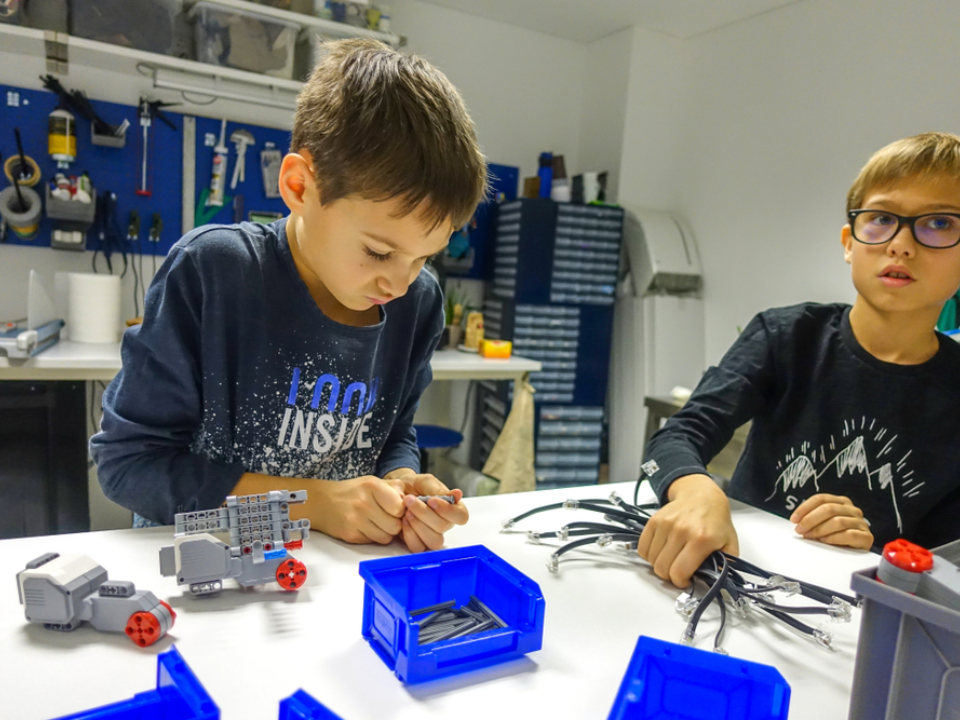
Lego clubs are perfect for children who love building and creating. These clubs focus on hands-on activities where kids can use Lego bricks to build structures, vehicles, and even robots. It promotes creativity, problem-solving, and spatial awareness as children figure out how to assemble complex designs. Parents enjoy Lego clubs because they foster imagination while being a quiet and engaging activity.
These clubs often encourage teamwork, as children work together to build larger projects. The skills gained from Lego play, such as attention to detail and perseverance, are valuable in many areas of life. Lego clubs can be found at schools or local community centers, and the cost is low, making it an affordable option for families.
This article originally appeared on Avocadu.