
12 Adventure Movies That Still Feel Like a Real Escape
Some movies have a way of pulling you out of your daily routine and dropping you into another place. The best adventure films make that feeling last long after the credits roll. They rely on strong settings, memorable characters, and stories that feel timeless. These are the kinds of movies people return to when they want a true break from everyday life.
This post may contain affiliate links, which helps keep this content free. Please read our disclosure for more info.
Raiders of the Lost Ark
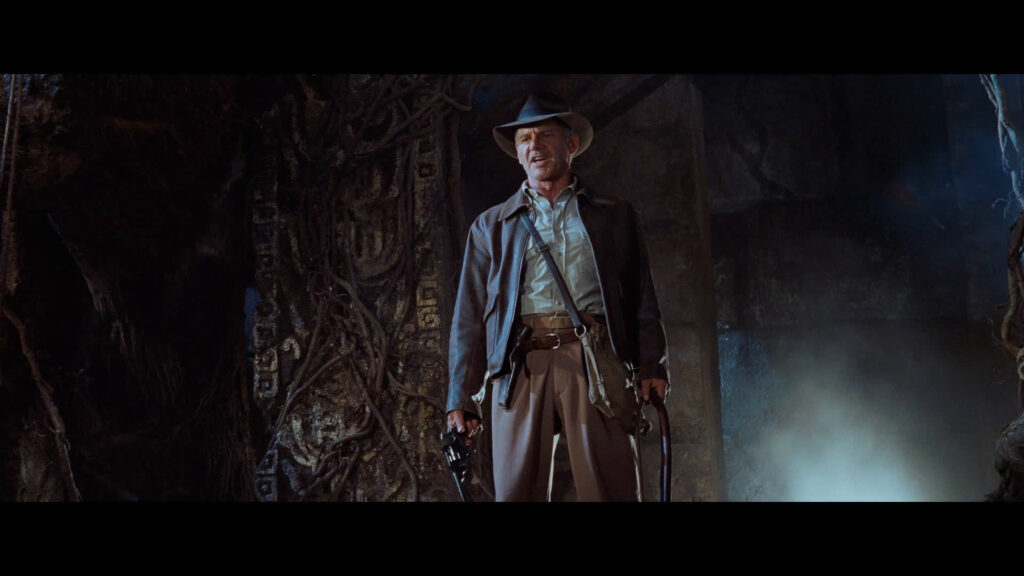
The film follows archaeologist Indiana Jones as he races across continents in search of a legendary artifact. Deserts, hidden temples, and remote villages feel grounded because the movie relies on physical locations and practical action. Each sequence moves the story forward while allowing the setting to matter. The sense of danger never feels staged or artificial.
Released in 1981, the movie set a lasting standard for adventure storytelling. Harrison Ford brings charm and vulnerability that make the journey believable. The score and pacing support the movement from one location to the next. Viewers still return to it because it feels like a complete and satisfying trip.
The Lord of the Rings: The Fellowship of the Ring
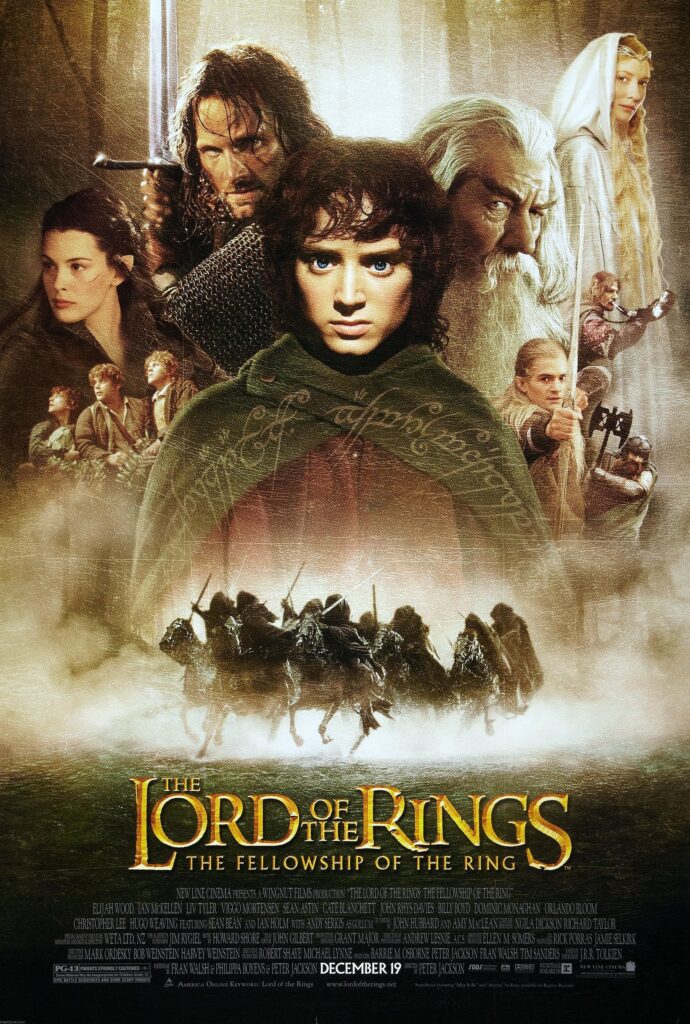
This film opens in peaceful countryside before slowly expanding into a much larger journey. Forests, mountains, and ancient cities are treated as real places rather than background scenery. Travel feels difficult and meaningful, which adds weight to every decision. The focus on companionship helps ground the fantasy.
Released in 2001, the movie was filmed across New Zealand using real landscapes. Costumes and architecture were designed to reflect long histories. The story allows time for quiet moments between major events. That patience helps the world feel lived in and believable.
Jurassic Park
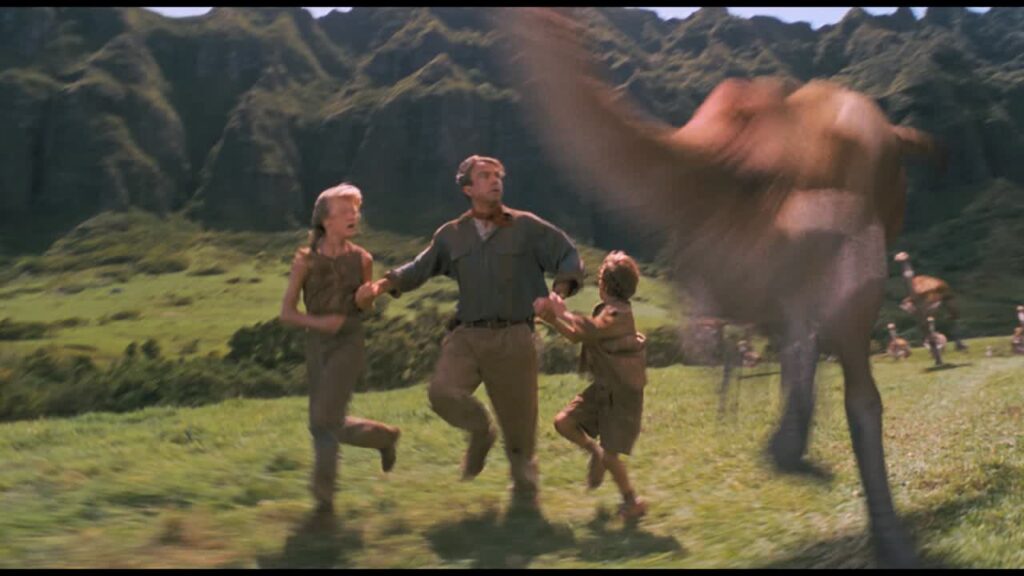
The story places its characters on a remote island where control quickly slips away. Thick jungles and limited escape routes heighten tension from the start. The film builds suspense through atmosphere rather than constant action. Every encounter feels unpredictable and dangerous.
Released in 1993, the movie combined animatronics with early computer imagery. That mix gives the creatures weight and presence. The focus stays on human fear and survival. This approach keeps the experience gripping even years later.
The Mummy
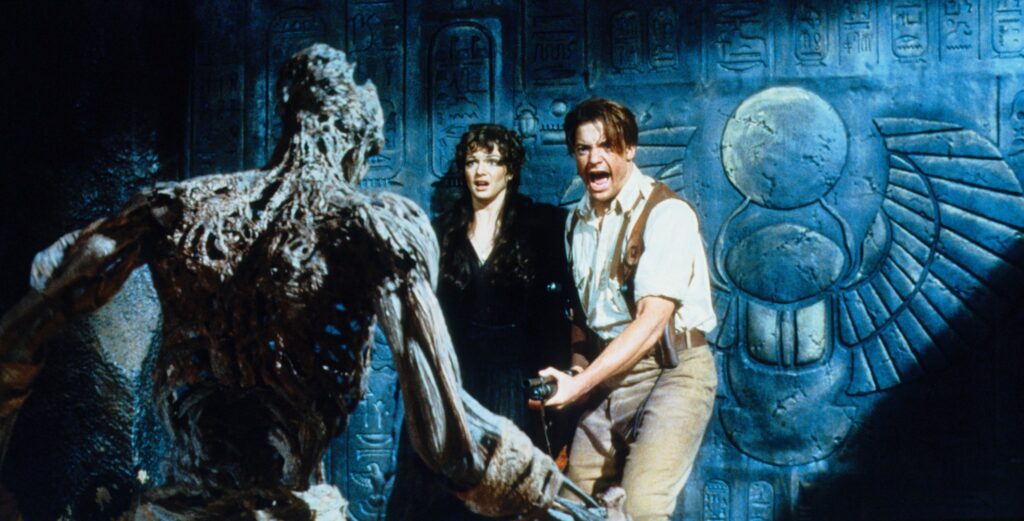
The movie unfolds across deserts and ancient ruins tied to Egyptian legend. Wide open spaces contrast with dark underground chambers. Humor and danger exist side by side without clashing. The setting plays a central role in shaping the story.
Released in 1999, the film relied on large sets and location work. Brendan Fraser brings energy that keeps the pace steady. Visual effects support the action without overwhelming it. The result feels like a throwback to classic adventure films.
Lawrence of Arabia
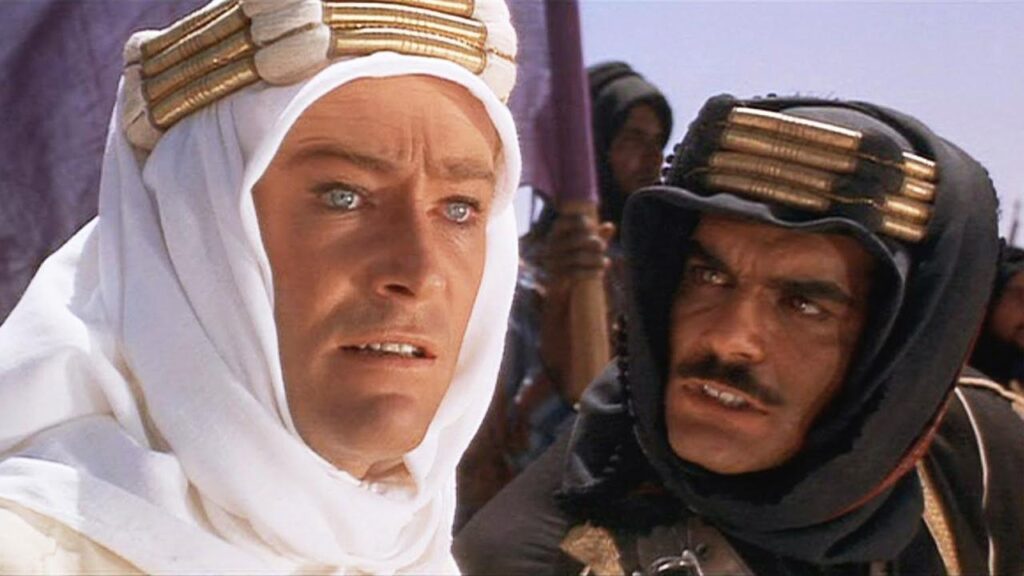
This film treats the desert as both a setting and a character. Vast stretches of sand emphasize isolation and endurance. The slow pace allows the environment to shape the emotional journey. Silence and distance become part of the story.
Released in 1962, the movie was shot in harsh real world conditions. Practical filming adds scale that cannot be replicated easily. Peter O’Toole delivers a performance shaped by ambition and conflict. The film still feels transporting because it respects time and place.
Pirates of the Caribbean: The Curse of the Black Pearl

The story follows rival crews across open seas and hidden ports. Ships, coastal towns, and moonlit waters give the film a strong sense of movement. Action scenes are balanced with character driven moments. The world feels playful yet dangerous.
Released in 2003, the movie brought pirate stories back into popular cinema. Practical ship sets add realism to the sailing sequences. Johnny Depp delivers an unpredictable lead performance. The film remains enjoyable because it fully commits to its setting.
King Kong
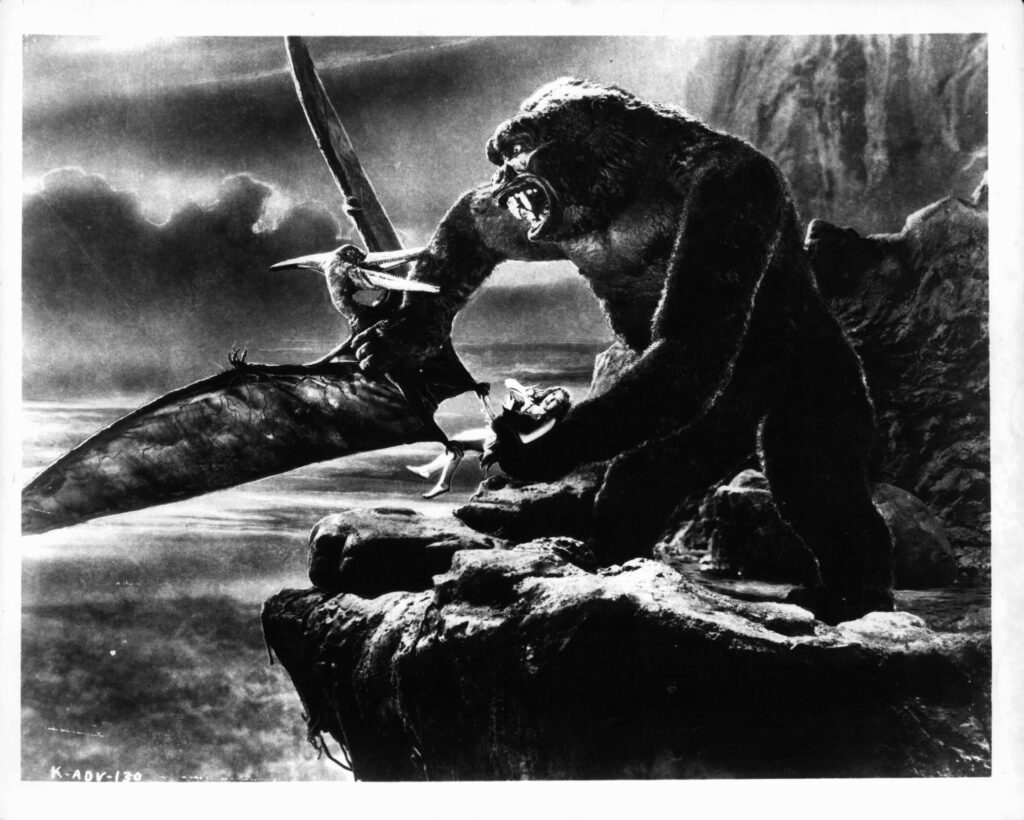
This story takes viewers from New York to a mysterious island. Dense jungles and strange creatures create a sense of discovery. The adventure unfolds with danger at every step. The island feels separate from the modern world.
Released in 1933, the film pushed technical boundaries for its time. Stop motion effects gave Kong personality and presence. The sense of scale was unmatched during its release. It remains memorable because of its ambition and atmosphere.
The Princess Bride

The film blends adventure with humor and romance in a storybook setting. Forests, cliffs, and castles feel timeless rather than specific. The journey moves through many small challenges instead of one large threat. Each setting adds something unique.
Released in 1987, the movie became a long-term favorite through word of mouth. Practical locations keep the fantasy grounded. Dialogue carries much of the charm. The film remains rewatchable because it never takes itself too seriously.
National Treasure
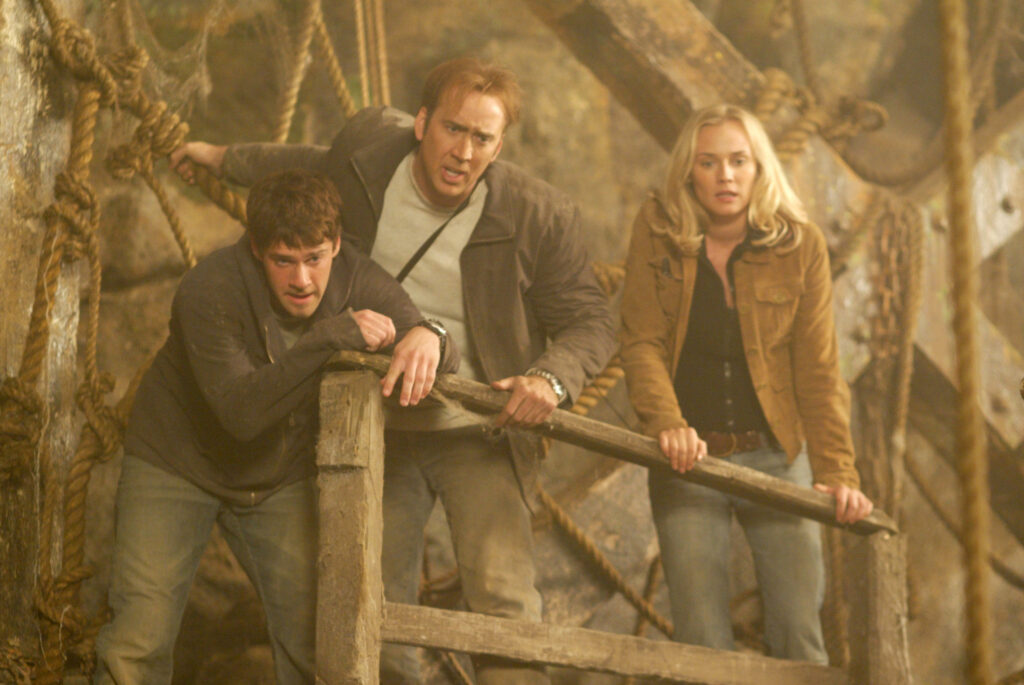
The story follows a treasure hunt tied to American history. Landmarks and historical clues guide the journey forward. Each location adds new information rather than filler. The pace stays steady without losing clarity.
Released in 2004, the movie sparked interest in historical mysteries. Real-world sites ground the fictional elements. Nicolas Cage plays the lead with enthusiasm and focus. The film still works because the puzzle feels connected to the place.
The Goonies
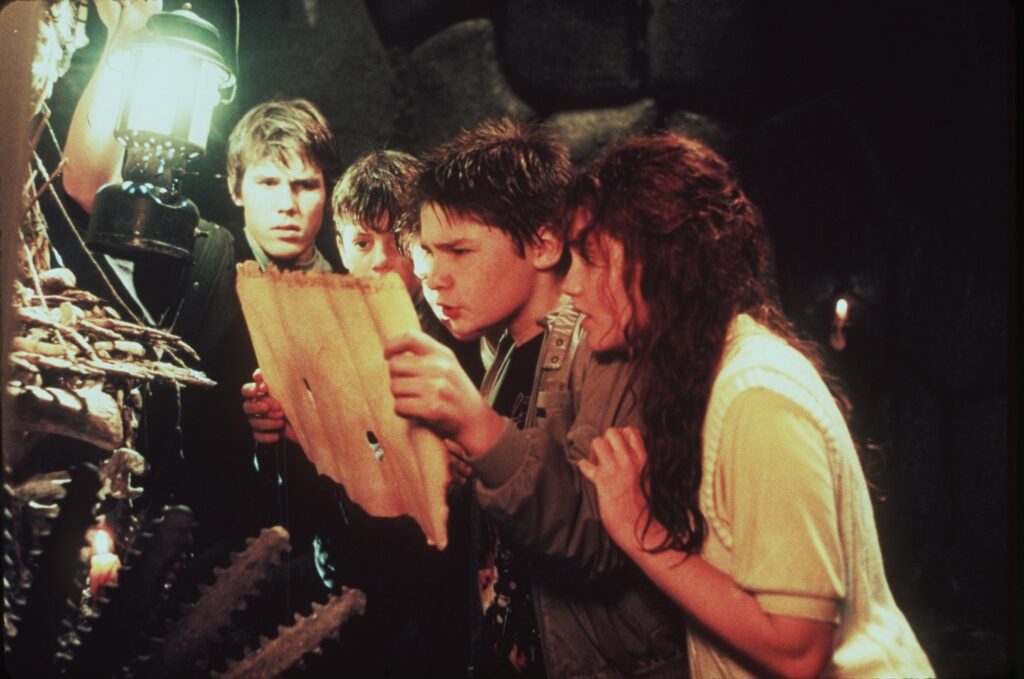
The movie follows a group of kids searching for hidden treasure. Coastal caves and underground tunnels give the story momentum. The adventure feels messy and unpredictable. Friendship drives the story as much as danger.
Released in 1985, the film became a defining youth adventure. Practical sets allow the cast to interact naturally. The tone balances excitement with humor. It still feels genuine because it reflects childhood curiosity.
Apocalypto
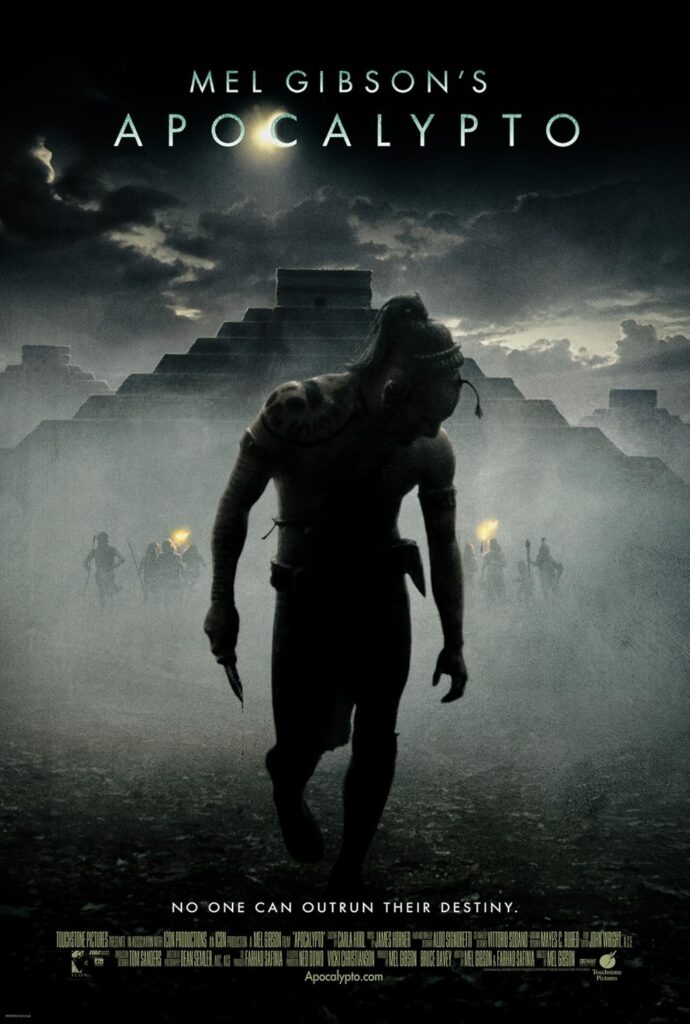
The film takes place during the decline of the Maya civilization. Dense jungles and ancient cities dominate the visuals. Survival becomes the central focus from early on. The story unfolds with relentless forward movement.
Released in 2006, the movie was filmed using indigenous languages. Practical locations add realism to every chase. The physical demands placed on the cast are evident. The setting drives the intensity rather than spectacle alone.
Life of Pi
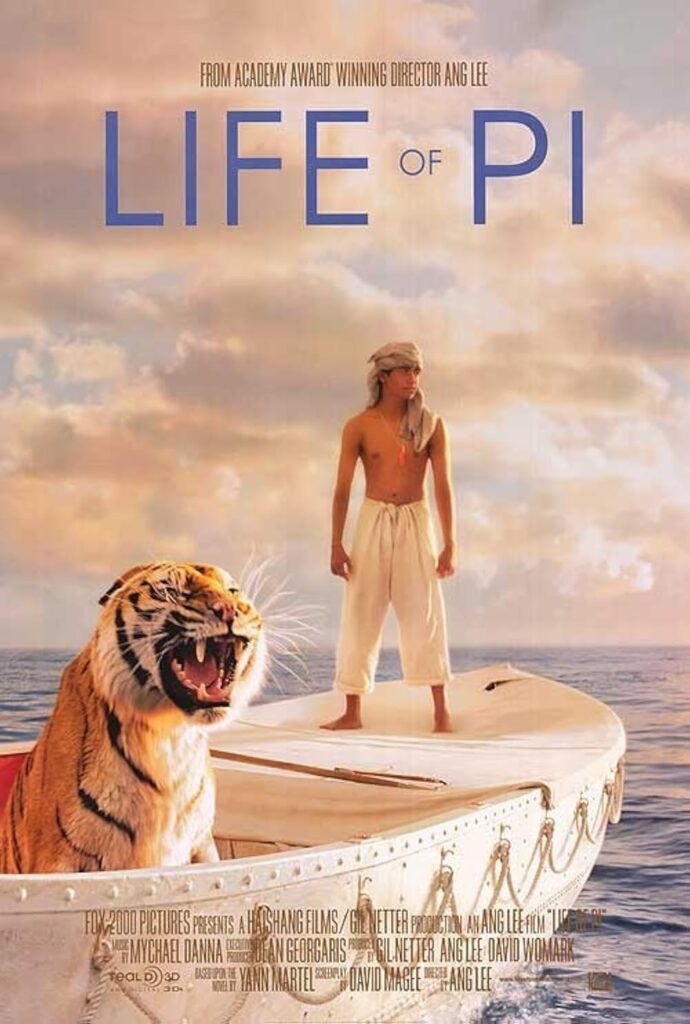
The story follows a young boy stranded at sea with a wild animal. Open ocean scenes emphasize isolation and vulnerability. The journey relies on patience and observation. Nature becomes both threat and companion.
Released in 2012, the film blended real water work with visual effects. The focus stays on emotional survival rather than action. The pacing allows reflection alongside danger. The experience feels meditative and immersive.
This article originally appeared on Avocadu.