
13 Types of Art Deco Lamps That Defined the Era
Art Deco lamps brought glamour and imagination into homes during the 1920s and 1930s. Their clean lines, shimmering metals, and geometric glass turned lighting into art. Each design reflected the optimism and modern taste of the time, from skyscraper shapes to frosted glass shades. These lamps remain prized pieces that show how design and technology once came together to define an unforgettable era.
This post may contain affiliate links, which helps keep this content free. Please read our disclosure for more info.
Skyscraper Lamps
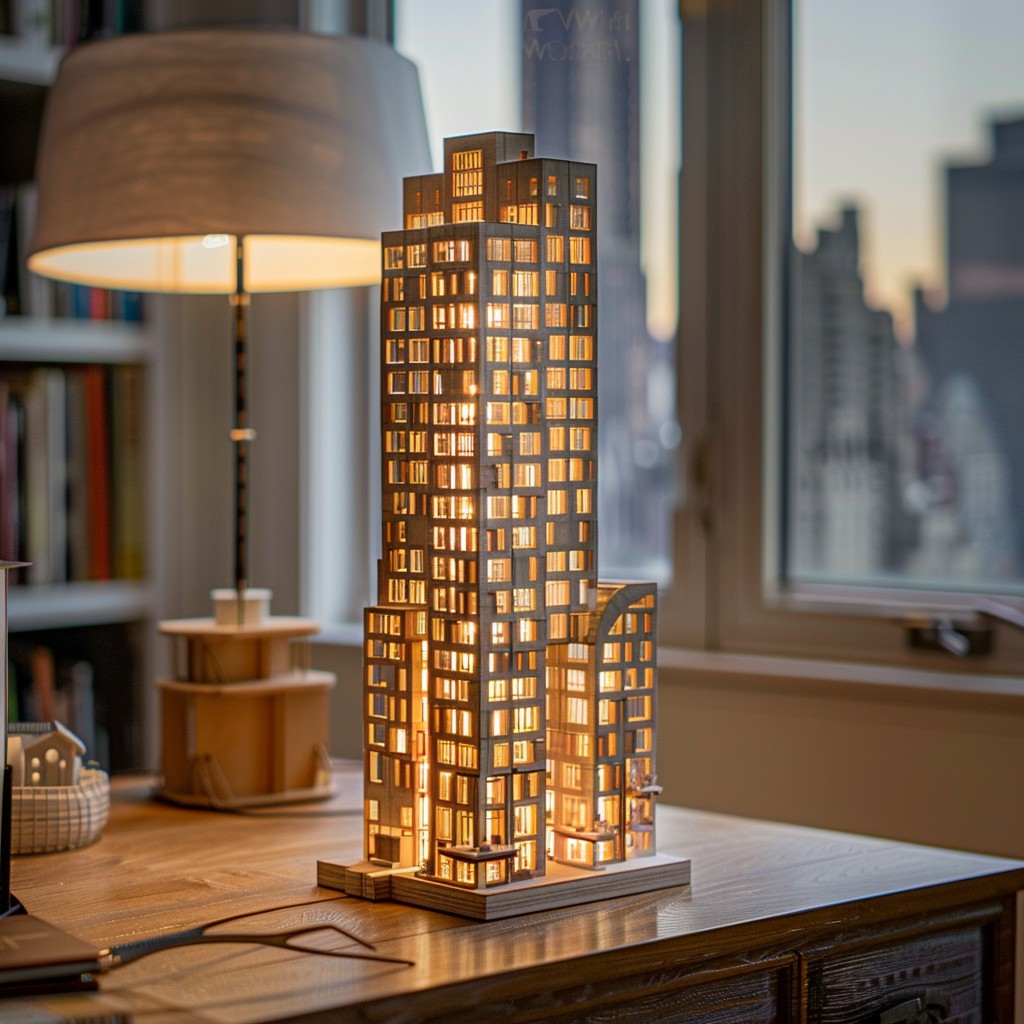
Skyscraper lamps took their shape from the towering buildings that filled city skylines in the 1930s. With tiered glass shades and stepped metal bases, they reflected the era’s fascination with height and modern progress. Many were made of frosted glass or colored panels that glowed warmly when lit, creating a sense of elegance and sophistication. These lamps often stood in hotel lobbies and theaters, symbolizing progress and urban glamour.
Collectors love skyscraper lamps for their striking presence and architectural lines. Reproductions are common today, but original examples with intact glass shades are highly valued. Their layered designs make them perfect centerpieces in Art Deco-inspired interiors. Owning one feels like holding a small piece of the skyline at home.
Chrome Torchiere Lamps
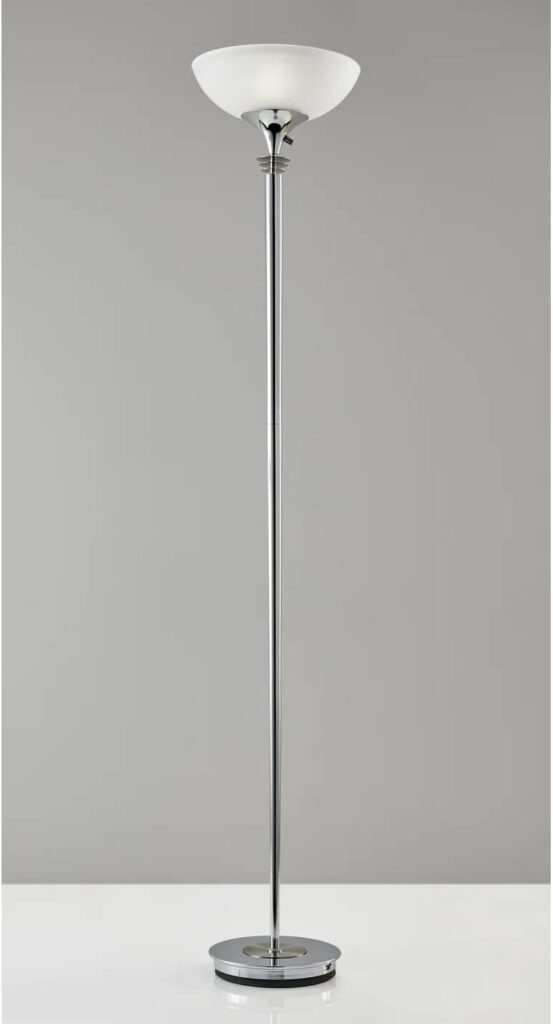
Chrome torchiere lamps brought sleek style into living rooms and offices. Their tall, slender stems and bowl-shaped tops reflected light upward, brightening spaces with a soft glow. Chrome was the metal of choice, polished to a mirror finish that fit perfectly with the modern aesthetic. Many included glass or enameled shades that added a subtle touch of color.
These lamps symbolized luxury during the Depression era, when people sought affordable elegance. Their reflective surfaces paired well with mirrored furniture and lacquered finishes popular at the time. Today, collectors prize original chrome torchieres for their timeless look and versatility. They remain a striking accent in both vintage and modern spaces.
Glass Globe Table Lamps
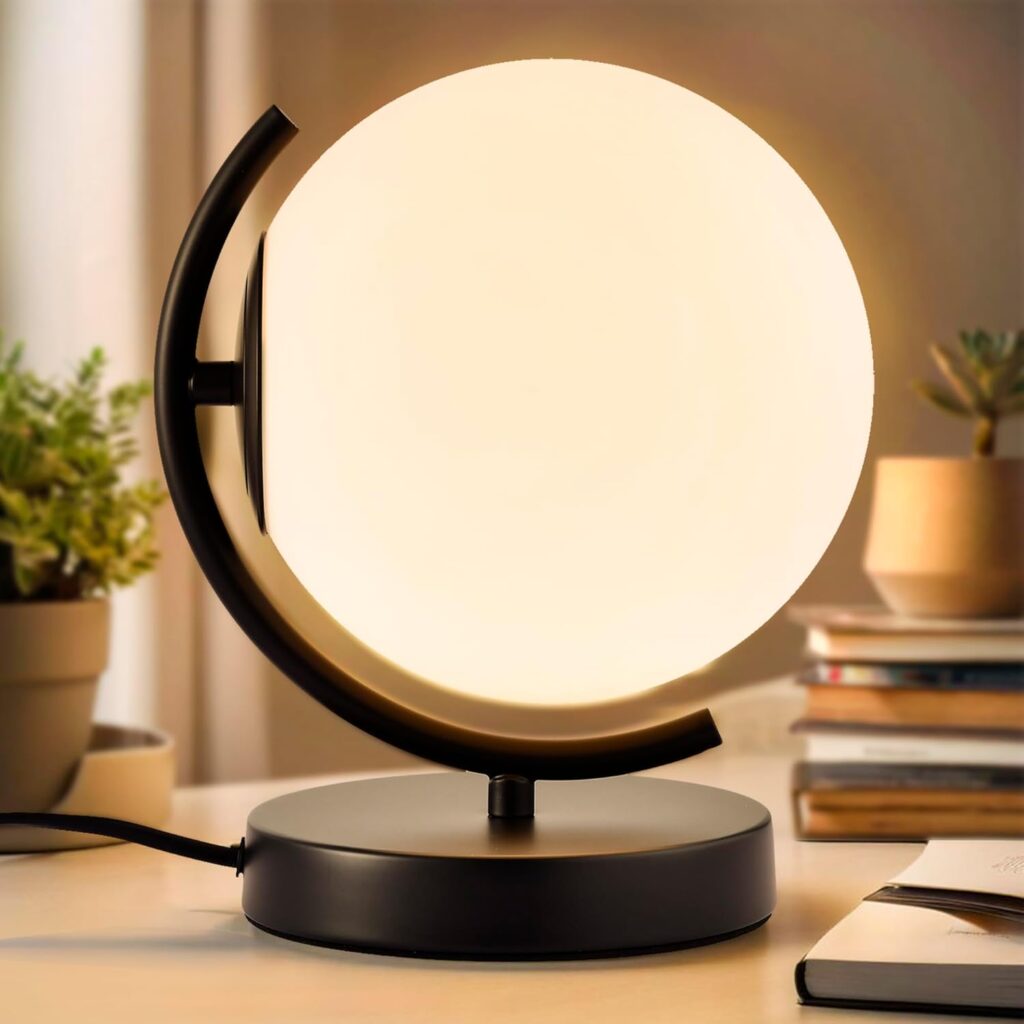
Glass globe lamps captured the smooth curves and symmetry loved in Art Deco design. The round glass shades came in opaque white, pale amber, or smoky gray, often paired with a sleek metal or marble base. When lit, the globe created a warm, even light that softened the room’s edges. Their simplicity balanced the more geometric patterns found elsewhere in Deco interiors.
These lamps fit easily into any décor, making them one of the most popular choices of the era. Their understated charm appealed to those who wanted elegance without excess ornamentation. Many modern designers still draw inspiration from their clean lines and glowing presence. Finding an original globe lamp in good condition is a rewarding treasure for collectors.
Figural Nude Lamps
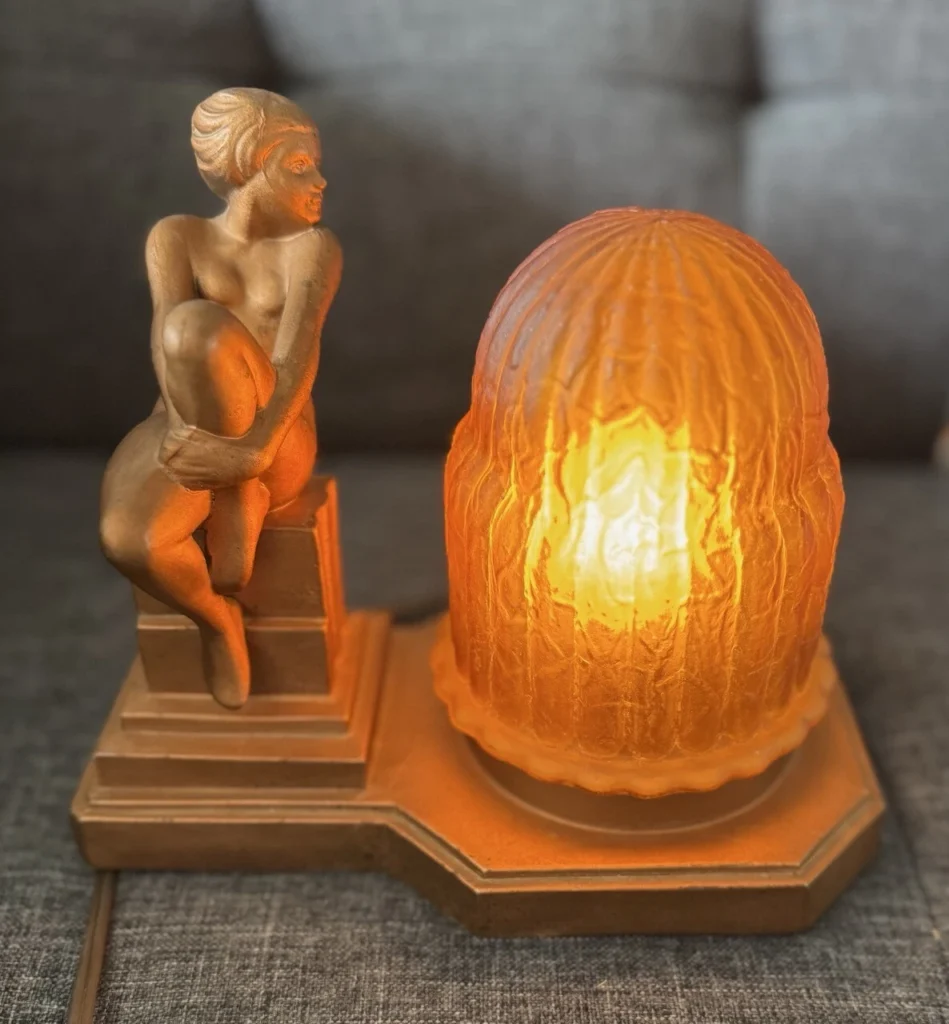
Figural nude lamps combined artistry with function, often depicting graceful women cast in bronze, spelter, or chrome. The figures were usually shown holding a glowing glass orb or leaning beside a frosted shade. Their poses echoed classical sculpture yet felt modern through stylized, streamlined forms. These lamps became symbols of glamour and sensuality during the Jazz Age.
Each piece carried a sense of movement and elegance that made it stand out on vanity tables or mantels. Collectors appreciate the fine detailing and the mix of sculpture and light. Some were designed by well-known artists like Frankart, whose pieces remain highly collectible. Owning one connects art and illumination in a single statement piece.
Machine Age Desk Lamps
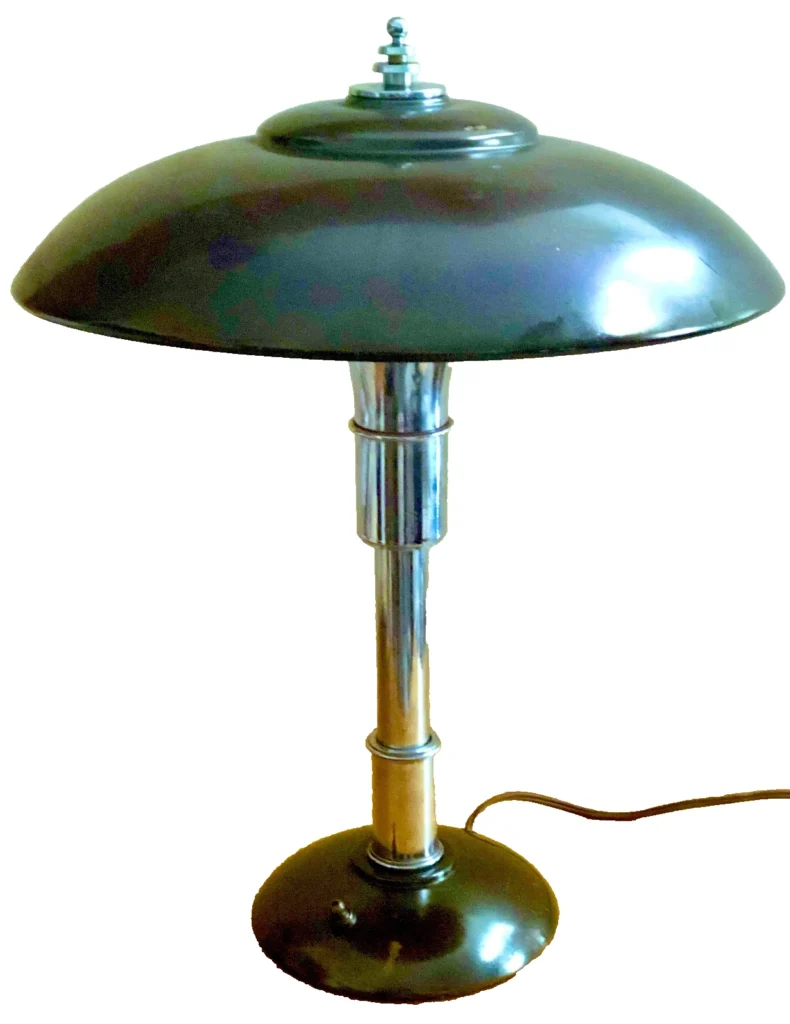
Machine Age desk lamps reflected the industrial side of Art Deco. They were made from metals like aluminum, chrome, or nickel, featuring pivoting arms and aerodynamic lines. Their functionality matched their beauty, offering adjustable light for workspaces while maintaining sleek design. The look reflected society’s fascination with machines, speed, and modern efficiency.
These lamps were favorites in offices and home studies throughout the 1930s. Their design influenced later mid-century styles that favored utility with style. Today, their mechanical detailing and streamlined forms appeal to collectors of industrial design. They remain both practical and visually striking on any desk.
Bakelite Base Lamps
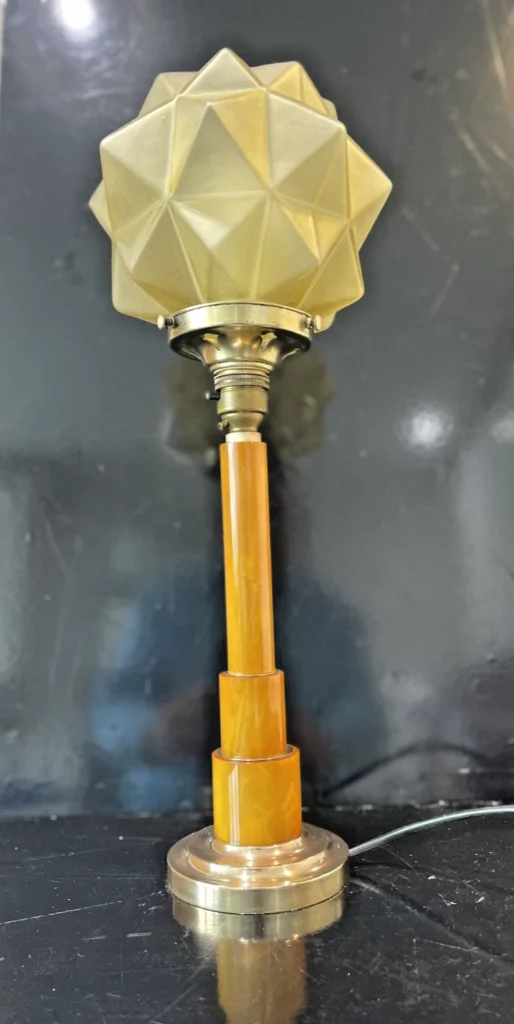
Bakelite base lamps introduced color and texture into Art Deco lighting. The new plastic material came in rich tones like butterscotch, red, and jade green, often swirled for a marbled effect. Paired with chrome or glass shades, these lamps captured the decade’s fascination with synthetic innovation. They were both affordable and fashionable, making them accessible to middle-class homes.
Collectors seek these lamps for their nostalgic charm and unique patterns. The material’s durability helped many survive decades of use, keeping their color vibrant. Bakelite’s smooth finish adds warmth and depth to any room. Each lamp tells a story about how design and material science met in the Deco period.
Reverse-Painted Glass Lamps
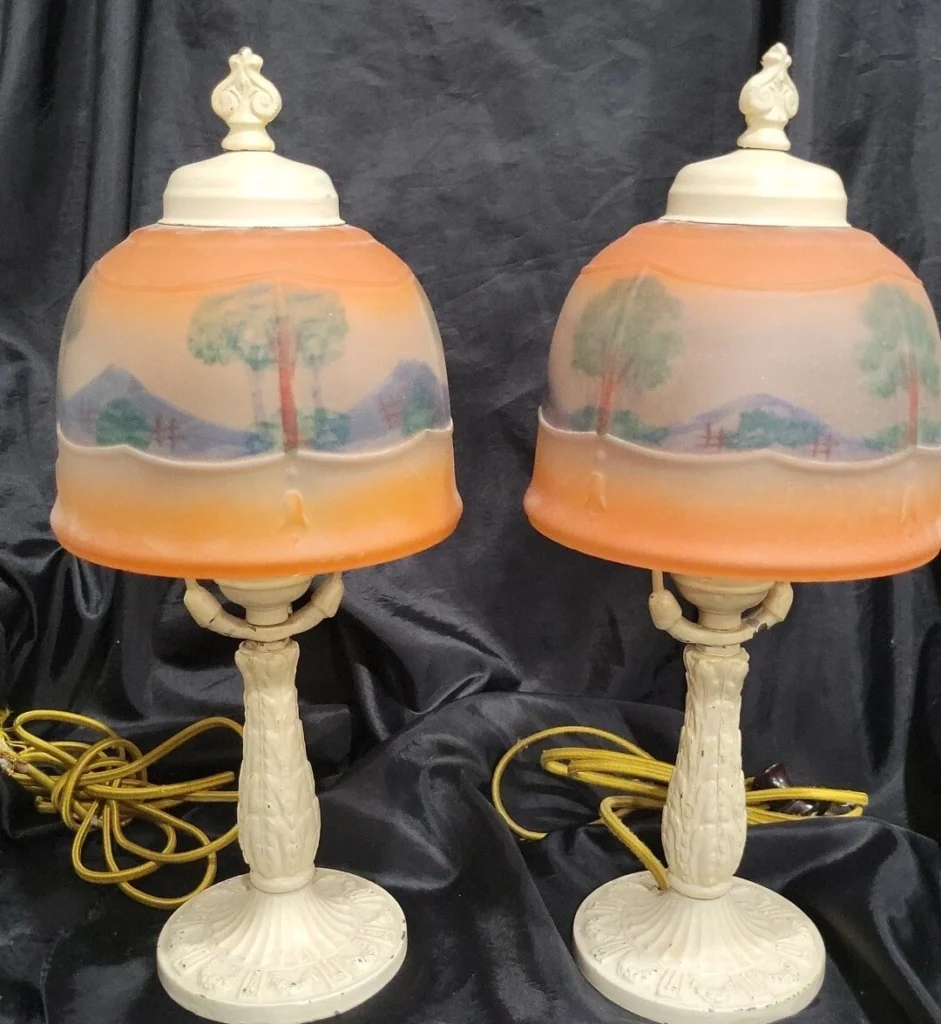
Reverse-painted glass lamps stood out for their artistry and color. The inside of each glass shade was hand-painted with landscapes, florals, or abstract patterns before being sealed. When illuminated, the designs glowed from within, creating a rich layered effect. The technique gave these lamps a luxurious feel that appealed to those who wanted art on display.
These lamps were often paired with heavy metal bases decorated in complementary motifs. Because of their delicate painting, few survive in perfect condition, making originals highly collectible. They are admired for the craftsmanship and creativity that went into each one. When lit, they transform any room into a soft, artistic space.
Slip Shade Wall Sconces
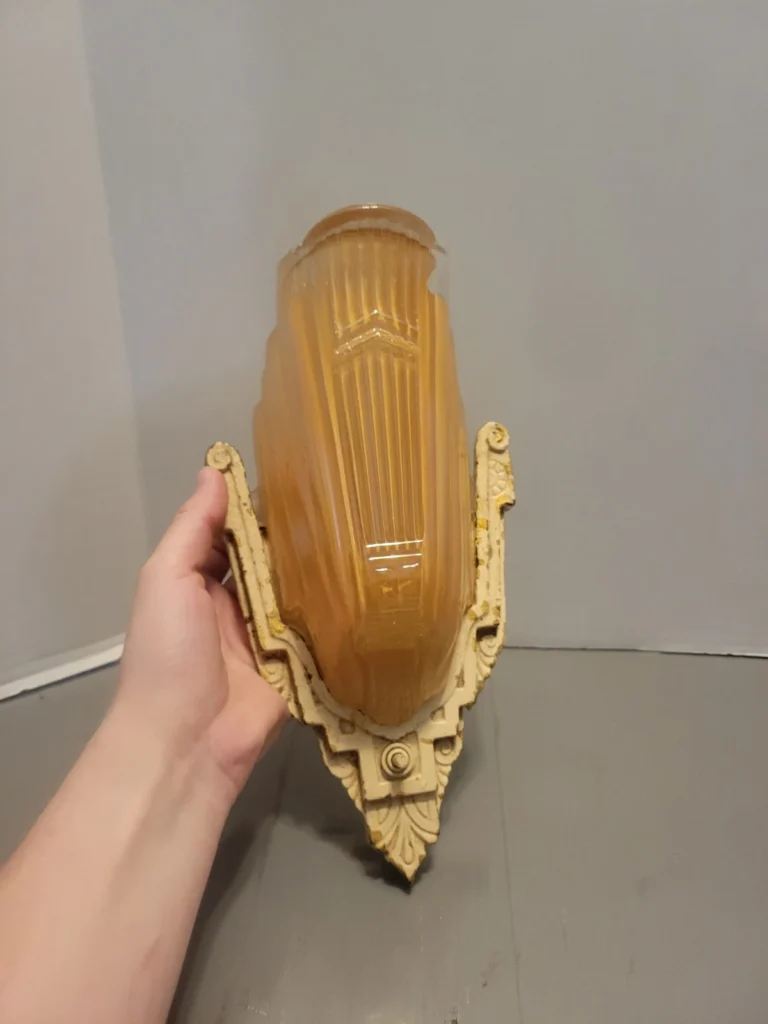
Slip shade sconces were a hallmark of Art Deco interiors. They featured cast metal frames, often with geometric or floral patterns, holding frosted glass shades that “slipped” into place. The shades came in amber, peach, or pale green tones, spreading a gentle light across walls. These fixtures were found in theaters, hotels, and elegant homes alike.
Collectors value their variety and the craftsmanship that went into the metalwork. Many were produced by makers like Lincoln or Markel, whose designs remain recognizable. Restored pairs can command high prices due to their rarity and beauty. They remain an authentic way to bring 1930s style to modern spaces.
Frosted Glass Pendant Lamps
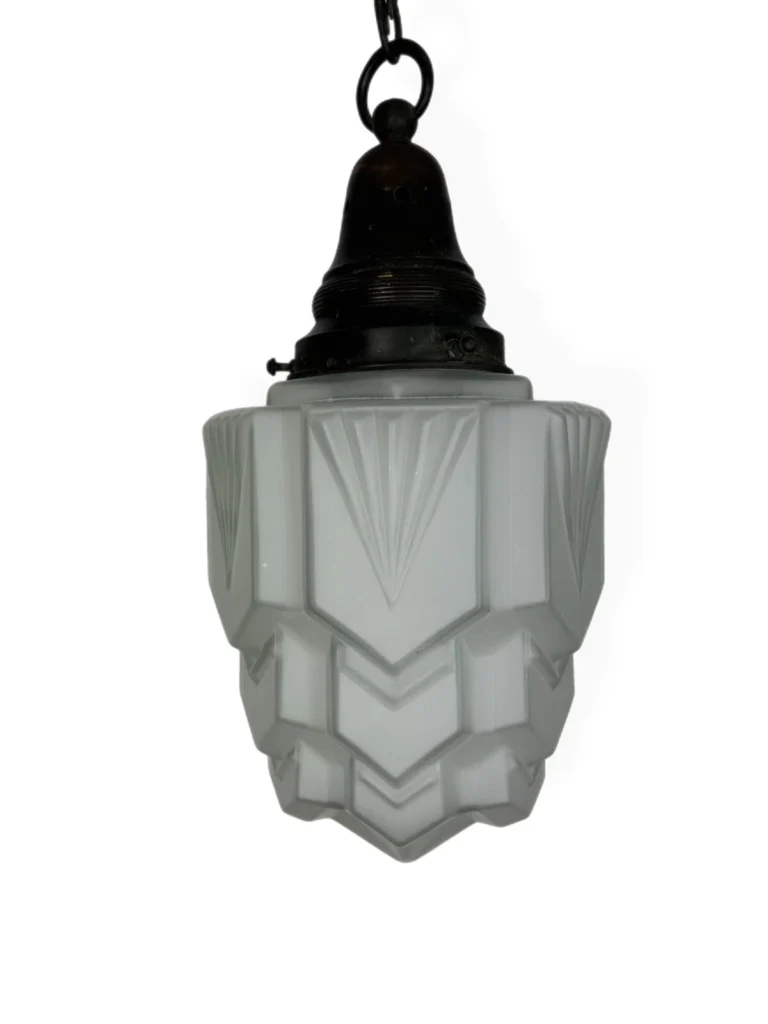
Frosted glass pendants brought soft illumination and subtle glamour to dining rooms and foyers. Their shades often featured etched or molded geometric designs that diffused light beautifully. The frosted finish muted brightness, creating a cozy atmosphere while maintaining sophistication. Many were suspended by chrome or brass rods, emphasizing vertical lines.
These lamps became popular for their balance of form and function. They complemented other Art Deco details like patterned floors and mirrored panels. Collectors appreciate their versatility and the calming glow they produce. Restored examples make striking centerpieces in contemporary homes.
Marble or Alabaster Base Lamps

Marble and alabaster bases added weight and elegance to Art Deco lighting. These lamps featured natural stone carved into simple geometric shapes or stepped patterns. The soft veining of the stone complemented frosted glass shades or metal accents. Each piece was slightly different, giving every lamp a unique touch.
They were prized for their cool, polished texture and refined beauty. Collectors enjoy their durability and natural glow, especially when paired with subtle lighting. The combination of stone and metal reflects the Deco era’s balance between strength and luxury. These lamps continue to exude quiet sophistication.
Mirrored Accent Lamps
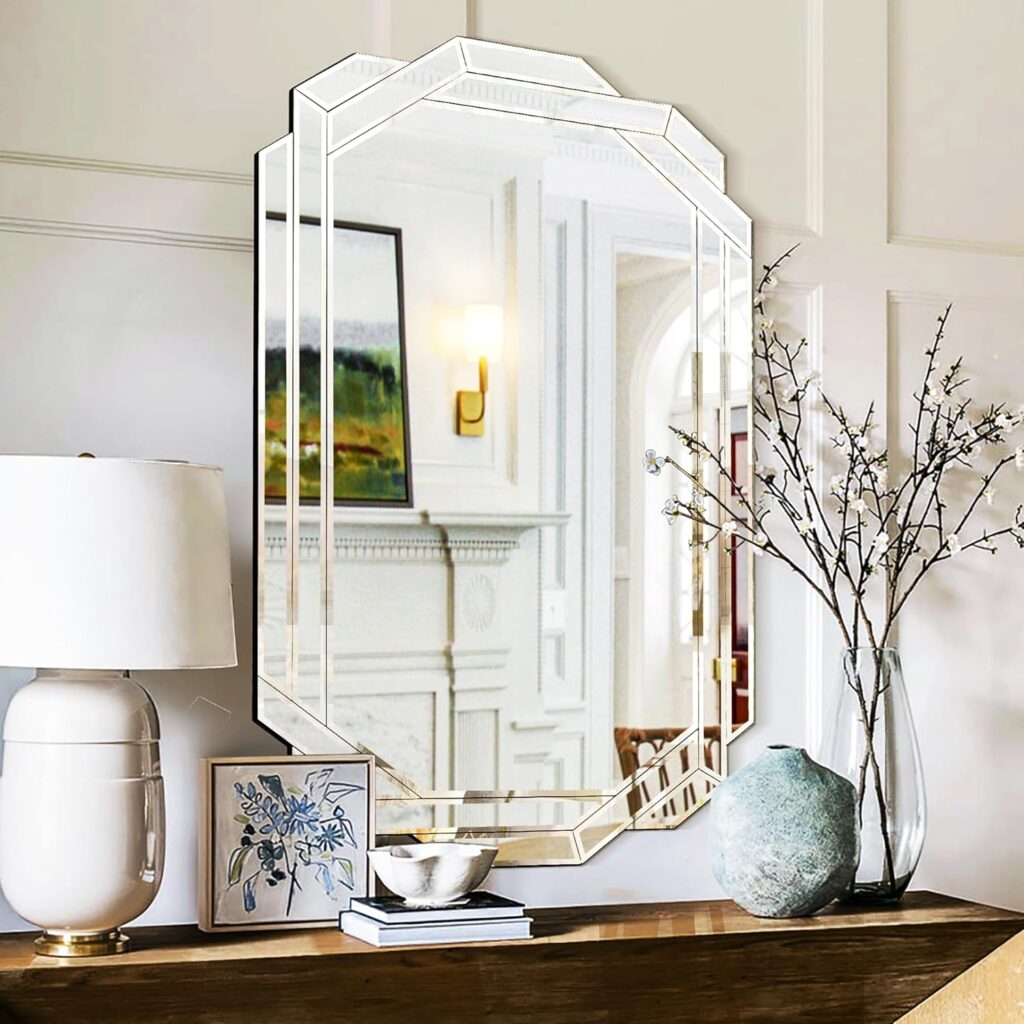
Mirrored accent lamps reflected both light and luxury. Many had mirrored glass bases or panels that sparkled under lamplight. The effect brightened rooms while complementing mirrored furniture popular in the 1930s. Their reflective surfaces gave even small spaces a glamorous, open feel.
Collectors value them for their Art Deco flair and visual impact. Some models included faceted details that caught and scattered light in elegant ways. They pair beautifully with chrome, glass, and lacquered finishes. These lamps embody the glitz that defined the era’s aesthetic.
Lalique-Style Frosted Crystal Lamps
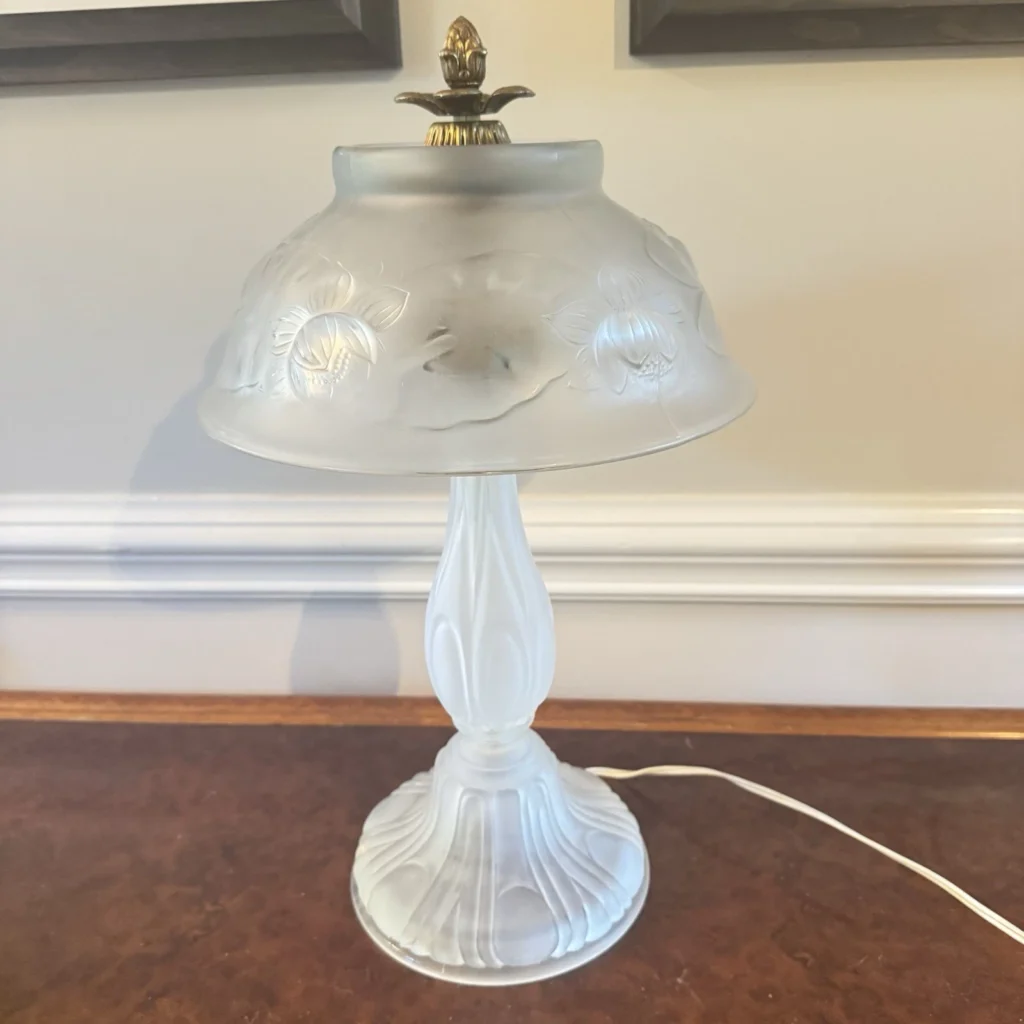
Inspired by the work of René Lalique, these lamps brought fine artistry to lighting design. Their frosted crystal shades were molded with delicate patterns of leaves, nudes, or animals. The light diffused through the glass, producing a dreamy, ethereal glow. Often paired with silver or pewter bases, they blended sculpture and light perfectly.
Collectors admire these lamps for their exquisite craftsmanship and graceful themes. Authentic Lalique pieces are museum-worthy treasures, while later reproductions still hold beauty. They capture the elegance and romance that defined Art Deco luxury. Owning one brings a touch of Parisian refinement into any home.
Colored Glass Rod Lamps
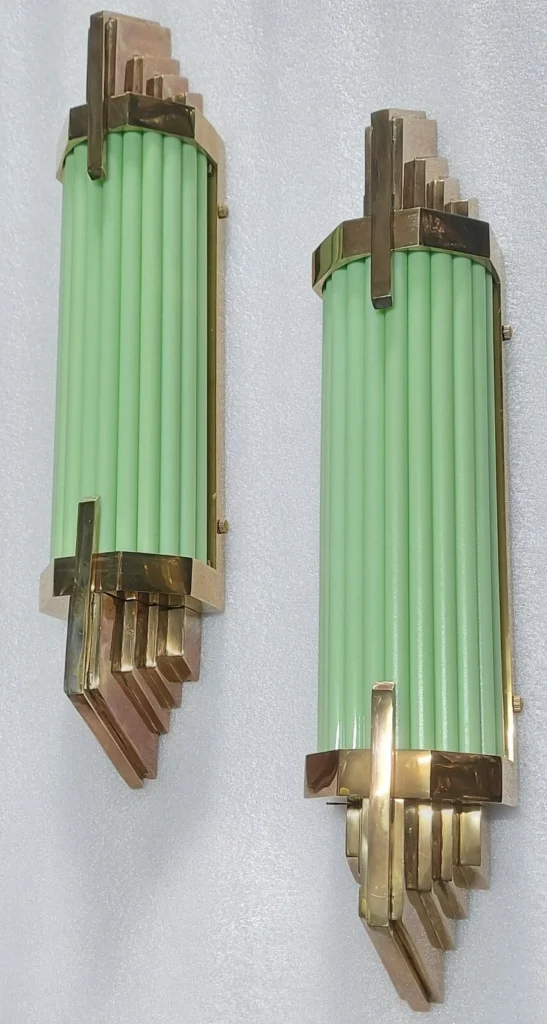
Colored glass rod lamps were striking for their texture and light play. The shades or bases featured rows of vertical glass rods in hues of blue, green, amber, or clear crystal. Light passed through the rods, creating shimmering reflections and depth. The design highlighted Deco’s love for repetition and geometry.
These lamps became popular in upscale interiors, adding both color and drama. Their construction required skill and precision to align each glass rod evenly. Collectors prize them for their craftsmanship and visual rhythm. A well-preserved example can instantly evoke the glamour of the 1930s.
This article originally appeared on Avocadu.