
15 Household Rules You Can Finally Stop Following
Some household rules stick around long after they stop making sense. Many of them came from habits passed down through generations or from a time when homes worked differently. Today’s families live busy, practical lives that don’t always fit those old routines. Here are a few rules you can finally stop following without feeling guilty.
This post may contain affiliate links, which helps keep this content free. Please read our disclosure for more info.
Making the bed perfectly every morning

For years, people have been told that a tidy bed sets the tone for a productive day. But if you share your bed with pets, kids, or a night owl partner, perfection isn’t always realistic. A quick straightening of the blanket can make the room feel neat enough without the tight hospital corners. The truth is, leaving your bedding a little loose helps air it out, which can even keep it fresher.
Skipping the daily bed-making ritual doesn’t mean you’re messy. It means you’re choosing comfort over appearance when mornings are busy. Some studies even suggest that unmade beds collect less moisture, which can reduce dust mites. So give yourself a break—your time might be better spent making breakfast or sipping your coffee in peace.
Folding towels into hotel-style thirds
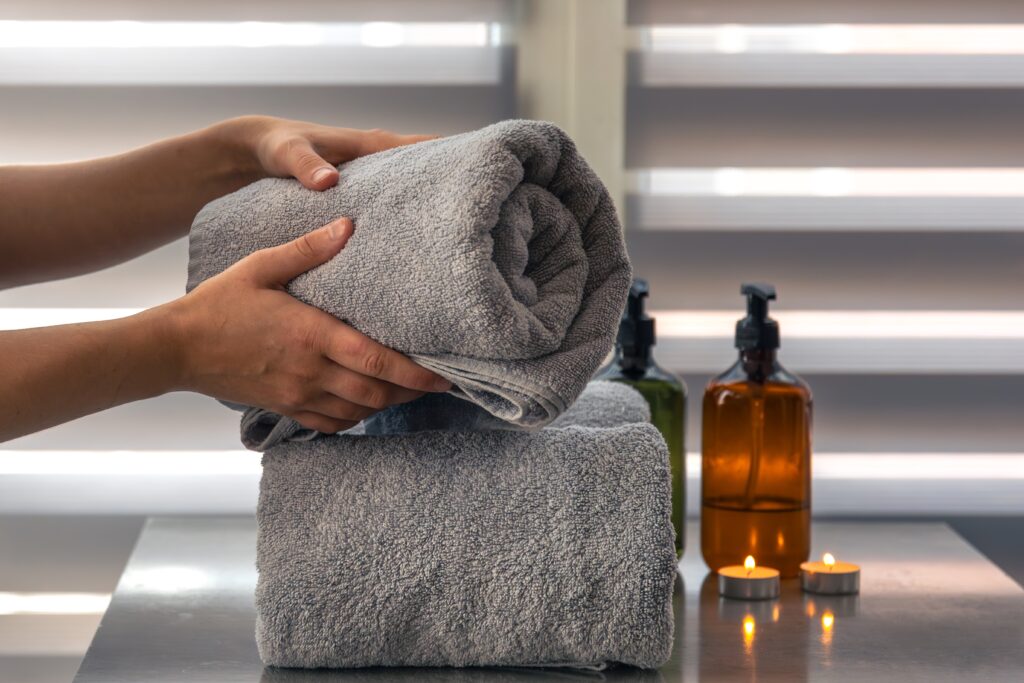
Perfectly folded towels look nice in photos, but few families actually care about the presentation in a real bathroom. As long as the towels are clean, soft, and easy to grab, that’s what matters most. Overly fussy folding just takes extra time and space in the linen closet. Rolling or folding them once works just as well and still keeps your shelves neat.
Letting go of the “hotel look” makes laundry simpler for everyone in the house. Kids can help with the chore without getting scolded for uneven folds. It also frees up space since rolled towels often fit better on narrow shelves. The goal is function, not perfection, especially when you’re juggling daily routines.
Ironing every piece of clothing
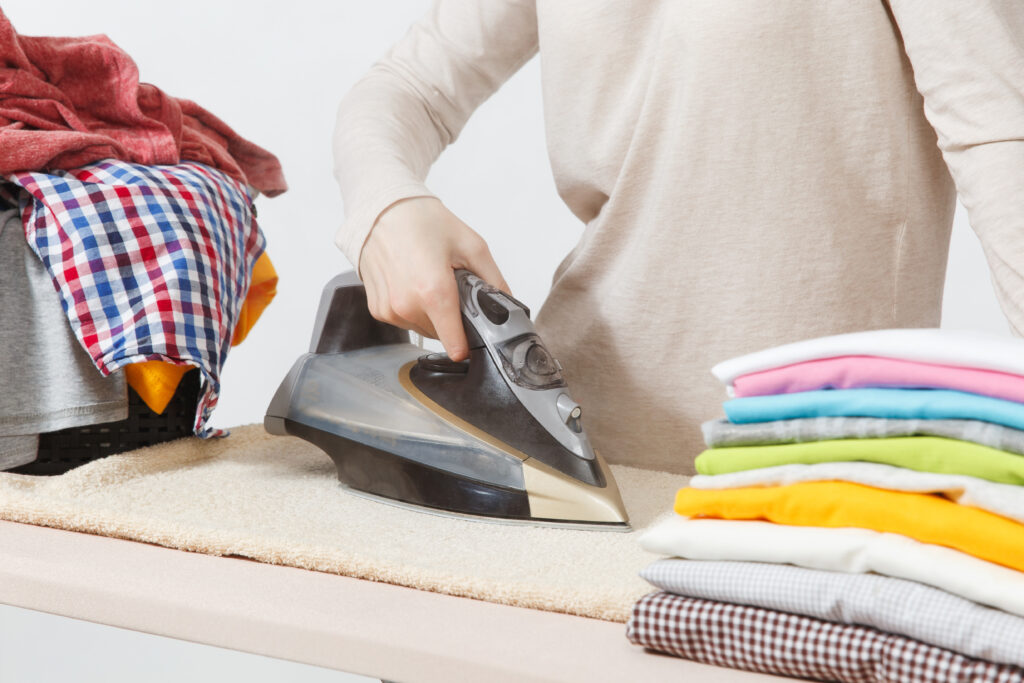
There was a time when a wrinkle-free shirt meant respectability. Now, most fabrics are designed to be wrinkle-resistant, and dryers have settings that take care of small creases. Unless you’re dressing for a formal event, ironing every outfit isn’t necessary. Even hanging clothes straight from the dryer can make them look fine for everyday wear.
Skipping the iron saves energy, time, and frustration. A handheld steamer or even a quick pass in a steamy bathroom works for the occasional touch-up. Kids’ clothes, gym wear, and pajamas really don’t need pressing at all. Life’s too short to spend hours smoothing out wrinkles no one else notices.
Keeping decorative pillows on every surface
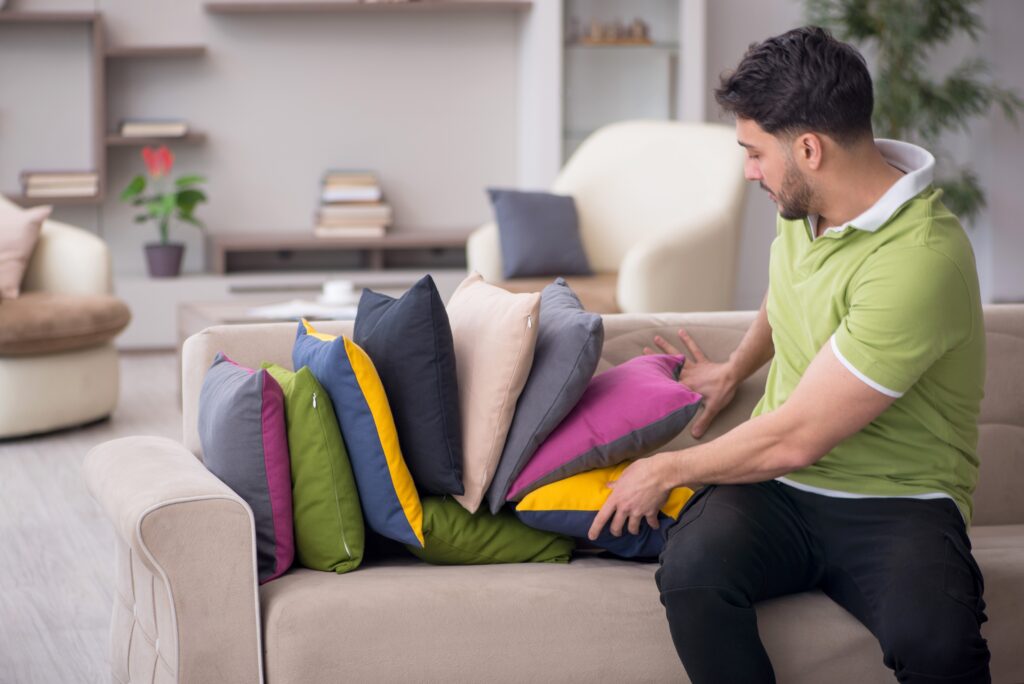
Throw pillows can make a couch look cozy, but too many turn sitting down into a balancing act. Constantly rearranging and fluffing them adds one more thing to your to-do list. They also collect dust and pet hair, which means extra cleaning. Keeping just a few favorites makes the room feel welcoming without all the clutter.
Many families now prefer fewer, washable pillow covers that match the season or mood. It’s easier to clean and gives your space a quick refresh without much effort. Guests will still see a tidy, comfortable living area. The best home decor is the one that feels lived-in, not staged.
Never wearing shoes inside the house

The rule against shoes indoors started as a way to keep floors clean and avoid spreading germs. But in some homes, especially with kids running in and out, it’s not always practical. Clean sneakers or house shoes are fine on most modern floors. What matters more is keeping entryways organized so dirt doesn’t spread everywhere.
If you live in a warm or dry climate, wearing shoes inside might not cause much mess at all. Setting a small mat or shoe tray by the door can manage most of the dirt without strict rules. Some people even find shoes help with back support when cooking or cleaning. Comfort and cleanliness can both fit into your home’s routine.
Washing dishes immediately after every meal
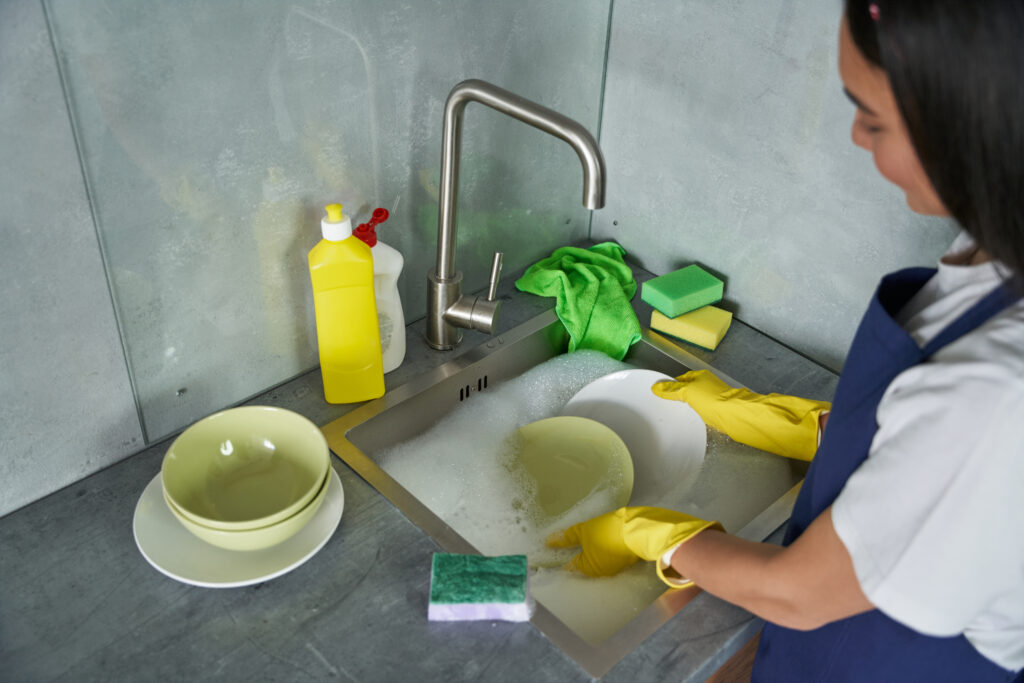
Many people were raised to believe that dishes shouldn’t sit in the sink for even a few minutes. But life doesn’t always run on a perfect schedule. Letting them soak or loading the dishwasher later doesn’t make you lazy—it’s just practical. A full dishwasher also uses less water and energy than running half loads several times a day.
Giving yourself grace on this rule helps evenings feel less rushed. Families can take turns or clean up together when it fits everyone’s timing. The kitchen will still be clean before bed, even if the dishes wait a little. It’s about balance, not constant maintenance.
Vacuuming daily even when floors look clean
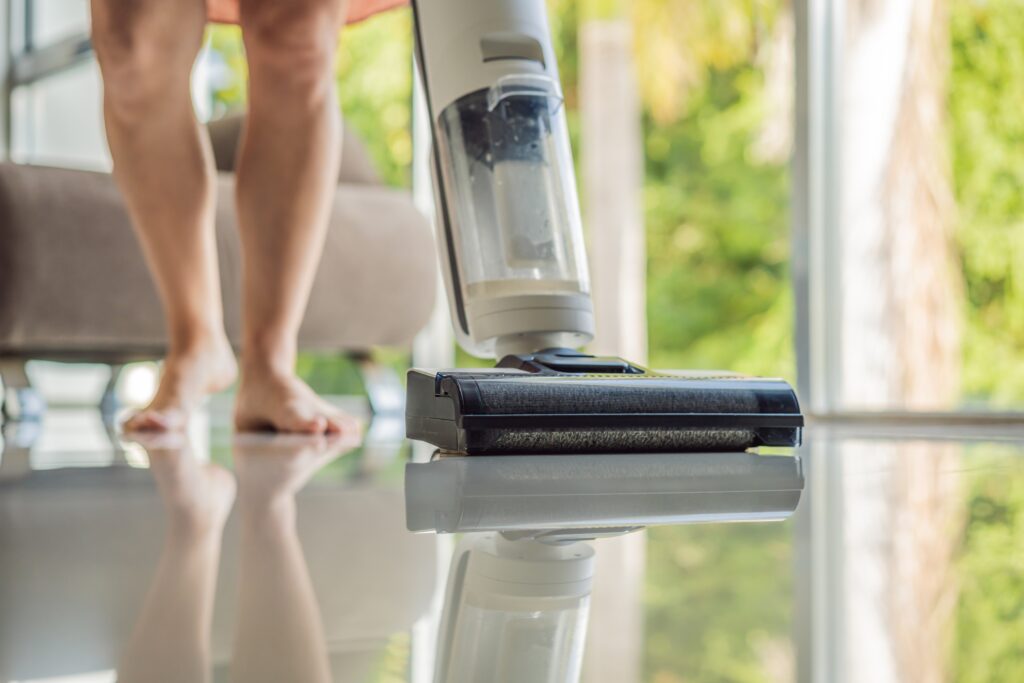
Daily vacuuming might make sense for homes with shedding pets or small children. But for most people, it’s an unnecessary routine. Dust and crumbs build up slowly, so every other day—or even twice a week—is enough. Modern vacuums are powerful enough that less frequent use still keeps carpets fresh.
You can spend that extra time doing something more relaxing or useful. Wiping surfaces and spot-cleaning small messes often makes a bigger difference anyway. A flexible cleaning schedule makes the home feel cared for instead of controlled. Clean doesn’t have to mean constant.
Saving nice dishes and linens for guests only

That beautiful dinnerware shouldn’t sit in a cabinet waiting for a special day. Using your nice things on a weeknight can make dinner feel like a small celebration. Life’s little moments deserve good plates too. Keeping them hidden just makes them age without memories attached.
Kids learn to value things more when they’re part of daily life, not locked away. If you’re worried about breakage, mix fancy pieces with everyday ones. It’s better to enjoy them than to let them collect dust. After all, you bought them to be used and appreciated.
Matching every piece of Tupperware perfectly
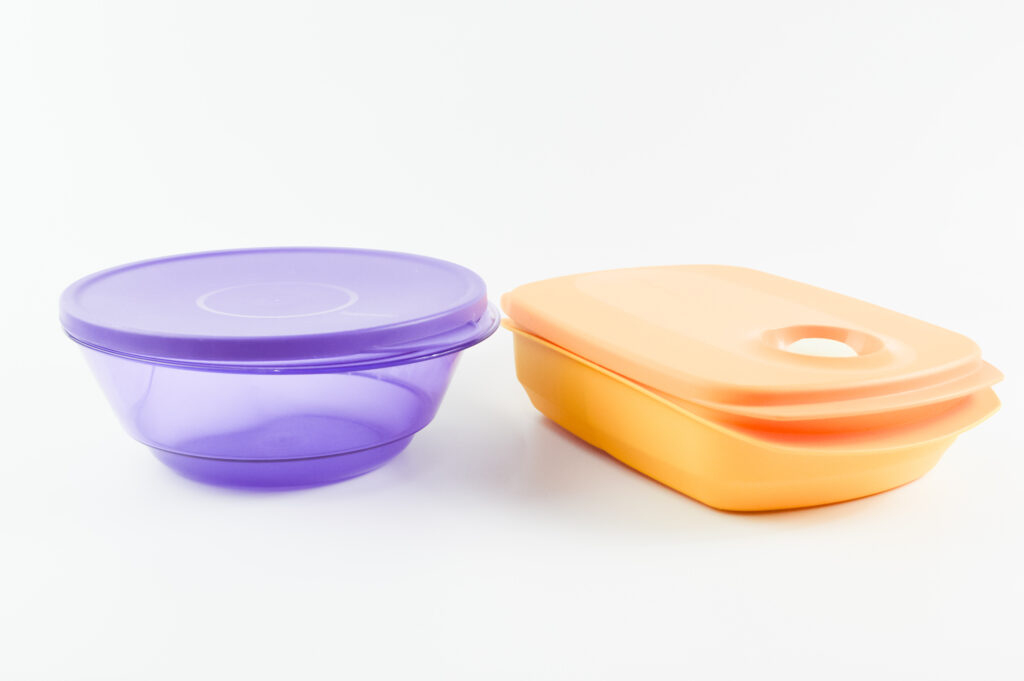
Trying to keep every food container matched with its lid is a losing battle. Families use containers constantly, and some pieces disappear over time. It’s fine to keep a mix of shapes and sizes as long as they’re clean and usable. The goal is food storage, not uniformity.
Using baskets or drawers for lids helps keep things organized without chasing perfect matches. Reusing jars and takeaway containers can fill the gaps affordably. When it’s easy to find what you need, you’ll waste less food and save more time. Perfection isn’t required to stay organized.
Sorting laundry by exact color shade
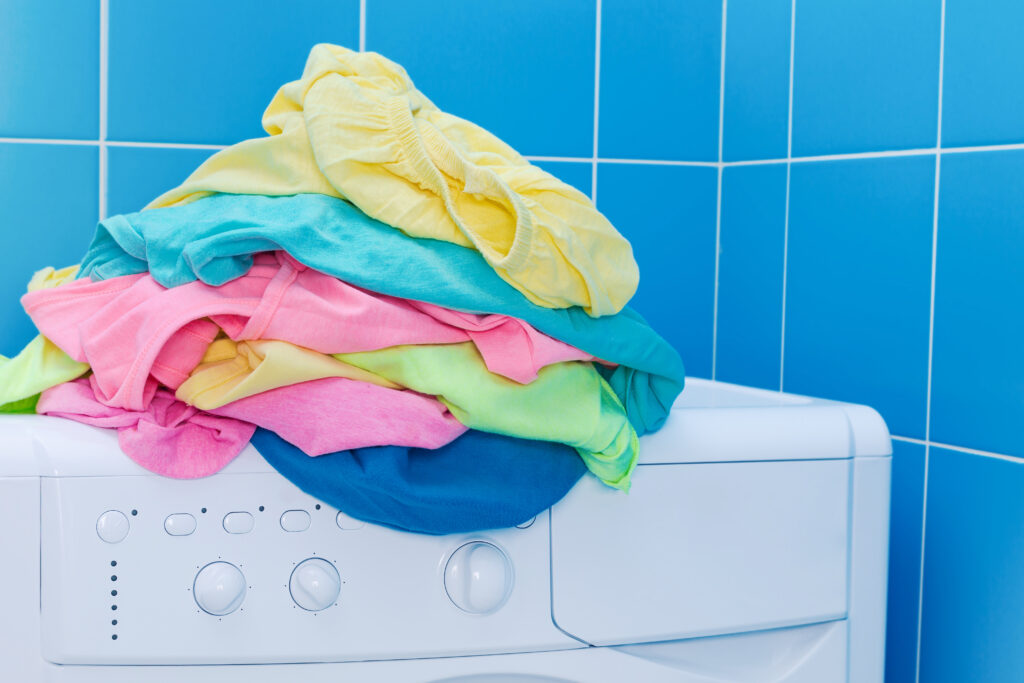
Once upon a time, this rule made sense for older dyes that bled easily. Modern detergents and washing machines are gentler and can handle mixed loads safely. Sorting into just lights and darks works well for most households. It keeps laundry manageable and saves energy on smaller, unnecessary loads.
Families can use mesh bags for delicates and still keep things looking new. Kids can even help if sorting isn’t overly complicated. The simpler the system, the more likely everyone follows it. Laundry shouldn’t feel like a science experiment.
Using fabric softener for every load
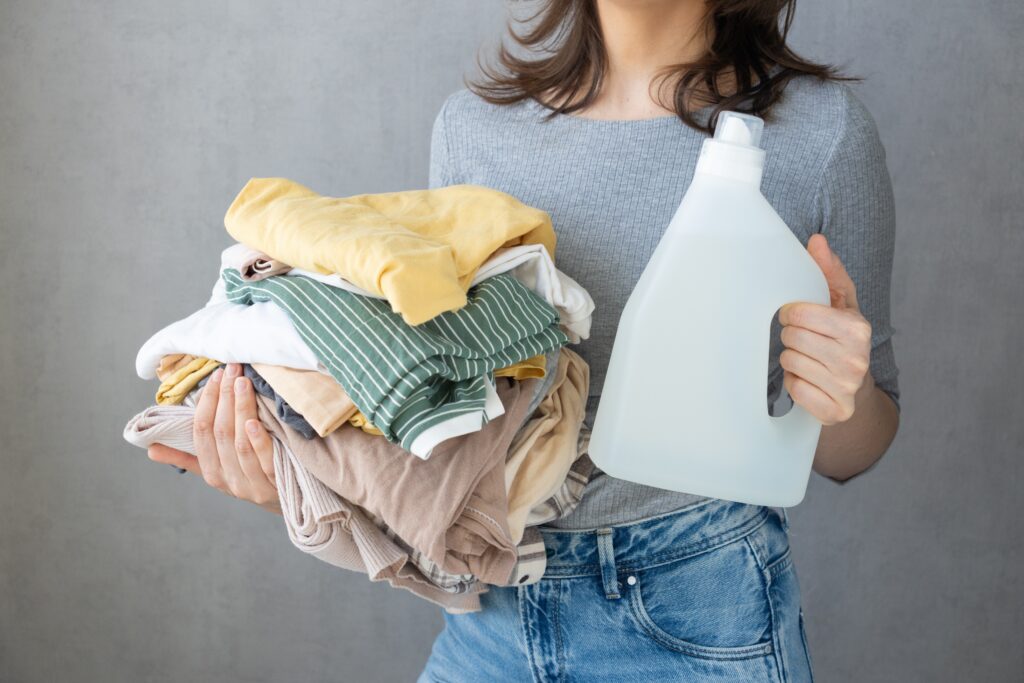
Fabric softeners used to make clothes feel smooth and smell nice, but newer fabrics often don’t need them. Some softeners can even coat towels and athletic gear, reducing their absorbency. Skipping it can extend the life of your clothes and make them more breathable. A little vinegar in the rinse cycle works just as well without buildup.
Many people find that air-drying or using dryer balls leaves clothes soft enough. It also saves money and reduces chemical residue. Unless you love that specific scent, fabric softener is optional now. Simpler laundry habits can still leave your clothes clean and fresh.
Dusting every shelf weekly even if it looks clean
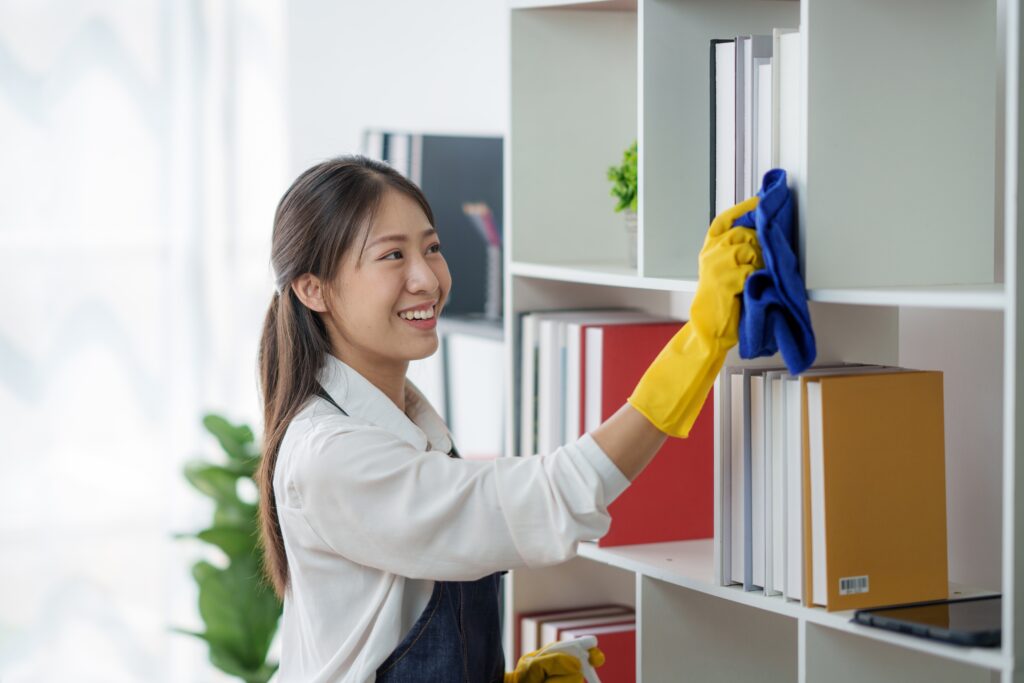
Weekly dusting sounds nice in theory, but it’s often unnecessary. If you live in a home with good airflow and no heavy pollution, dust doesn’t build up that fast. Focusing on high-traffic areas like the TV stand or entry shelf makes more sense. Low-touch spots can go longer between cleanings without any harm.
Skipping one dusting session won’t make your home dirty. You’ll still have time for a full wipe-down before company comes over. A quick visual check helps you know when it’s really needed. Cleaning smartly beats cleaning constantly.
Keeping a spotless fridge at all times
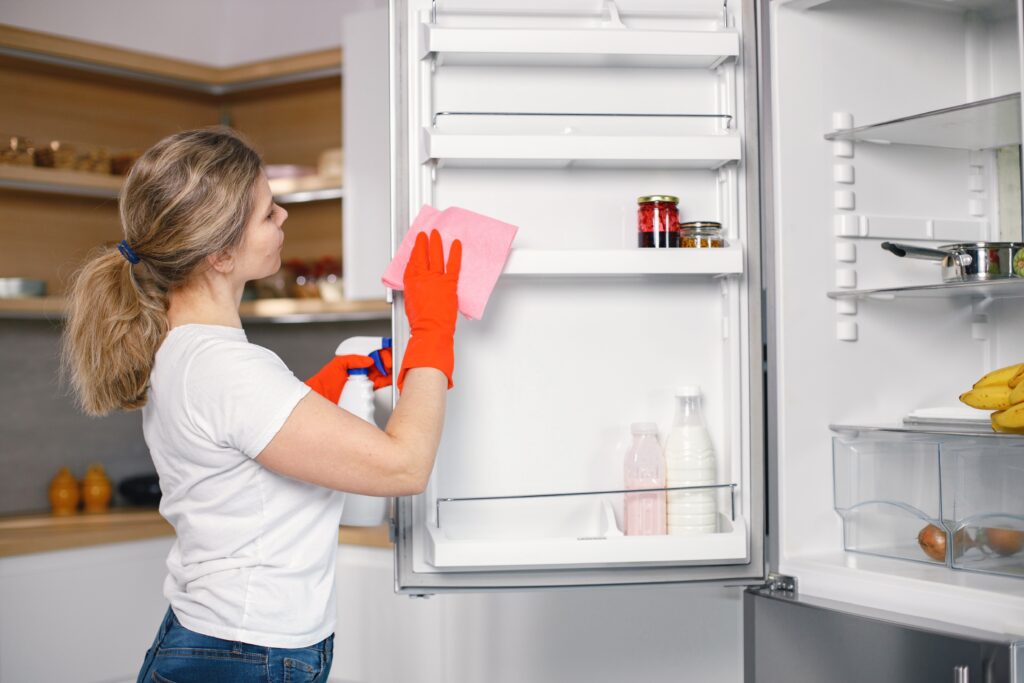
A sparkling fridge feels great to open, but constant scrubbing isn’t realistic. Wiping spills as they happen keeps things manageable between deep cleans. Once a month, clear shelves, toss expired items, and do a full wipe. Weekly cleaning doesn’t make food last longer—it just burns time you could spend meal planning.
Having a small routine for upkeep works better than a spotless rule. Grouping foods by type helps prevent messes before they start. Lining drawers with paper towels makes cleanup faster when leaks happen. A lived-in fridge still serves its purpose perfectly well.
Avoiding air drying clothes indoors
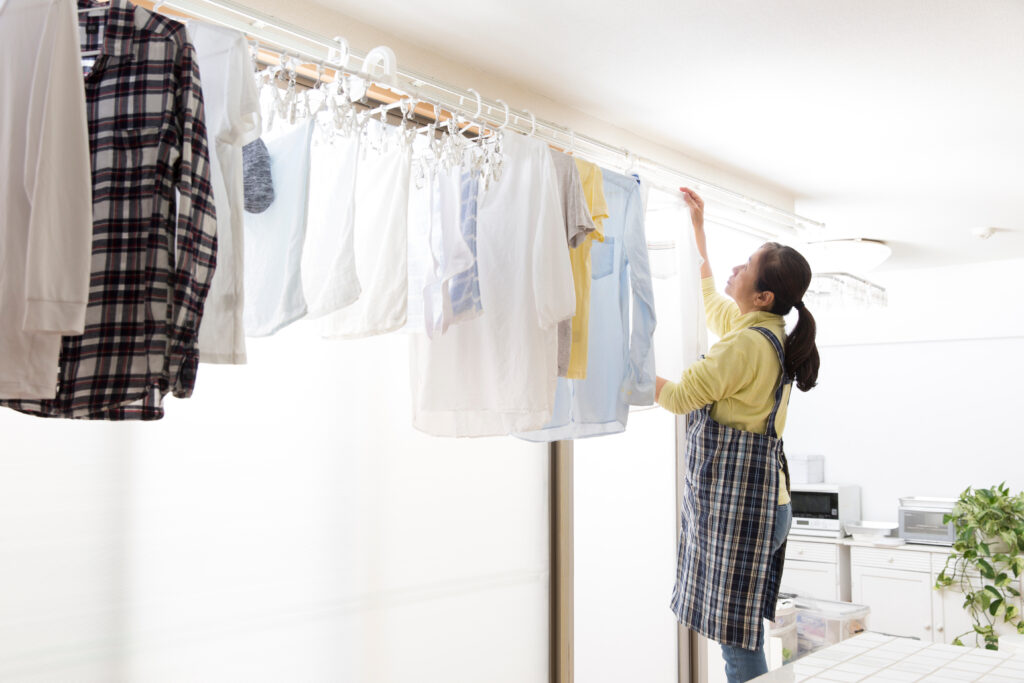
Many people grew up thinking that drying clothes inside leads to mildew or musty smells. With today’s ventilation and dehumidifiers, that’s rarely a problem. Air drying helps save electricity and is gentler on fabrics. It also keeps your clothes from shrinking or fading over time.
Using racks near a window or fan helps things dry faster and stay fresh. It’s especially handy during rainy seasons when outdoor drying isn’t possible. Plus, indoor drying gives your laundry a clean scent without added products. What once seemed like a hassle can actually be a smart habit.
Cooking from scratch every single night
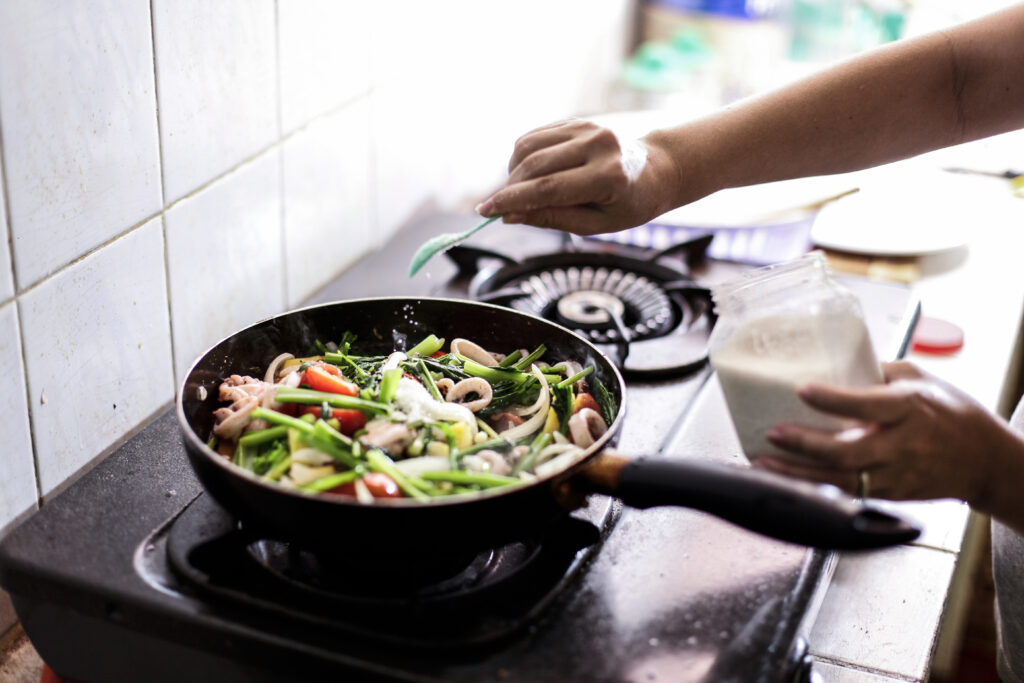
Homemade meals are wonderful, but cooking from scratch every evening can be exhausting. Between work, school, and family activities, few people have that kind of time. Frozen vegetables, jarred sauces, or meal kits can still make healthy dinners without hours in the kitchen. Convenience foods exist for a reason—they help you balance real life.
Giving yourself permission to simplify meals takes away unnecessary stress. Kids are happier when dinner happens on time, not when it’s perfect. Rotating easy dishes through the week keeps everyone fed and content. Cooking should be enjoyable, not another rule to follow.
This article originally appeared on Avocadu.