
11 Best Spring Plants for Southern Gardens
Spring planting in the South can be a lot of fun when you choose plants that are happy in the heat and seasonal moisture. Some bring bright color right away, while others help fill out the garden with leaves and long-lasting interest. With a few well-chosen additions, it is easy to make your yard look fresh for the season.
This post may contain affiliate links, which helps keep this content free. Please read our disclosure for more info.
Camellias
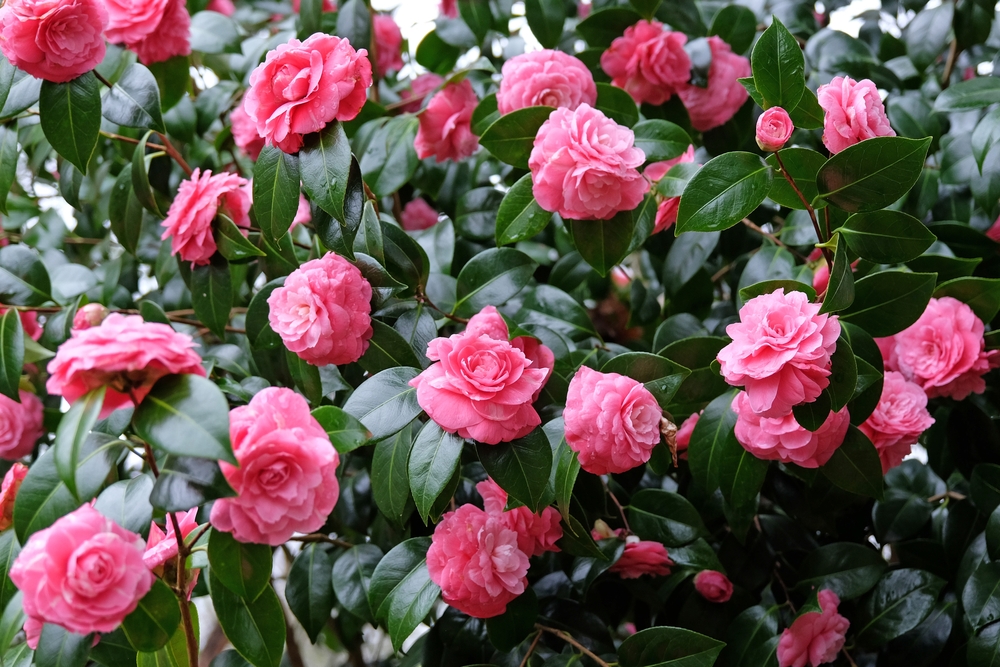
Camellias bring a rich, polished look to Southern gardens during the spring season. Their glossy evergreen leaves keep the plant attractive even when it is not in bloom. Many gardeners like them because the flowers feel full and elegant without asking for constant attention. They also fit nicely into older Southern garden styles as well as newer ones.
These shrubs do well in acidic, well-drained soil and prefer some shelter from strong afternoon sun. They are especially useful near porches, entryways, and shaded borders where the flowers can be enjoyed up close. Fallen blooms should be picked up now and then to keep the area tidy. Once settled in, camellias can stay beautiful for many years.
Gardenias
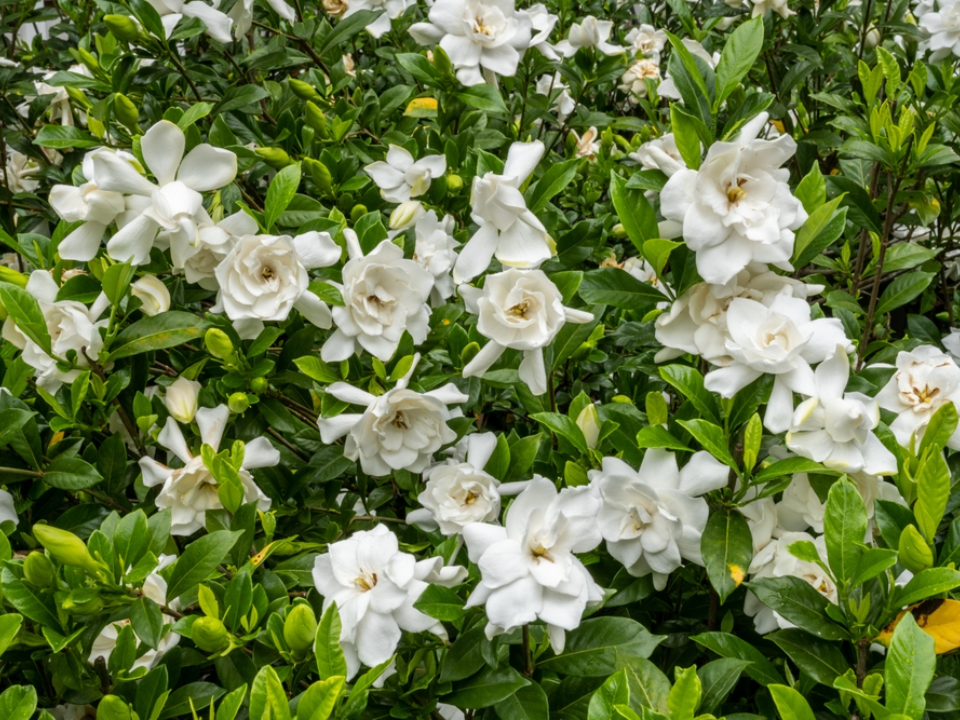
There is something special about gardenias in spring, especially in Southern yards where their scent can drift through the air on warm days. The creamy white flowers stand out clearly against the deep green leaves, which gives the plant a classic look. Gardenias are often chosen for their fragrance as much as their appearance. They bring charm to the garden without needing flashy color.
Gardenias like rich, acidic soil and a spot with morning sun and lighter afternoon conditions. Regular watering helps them stay healthy, especially during dry stretches. They work well near patios, walkways, or windows where the fragrance can be noticed more easily. A layer of mulch around the base can also help keep the roots in better shape.
Hydrangeas
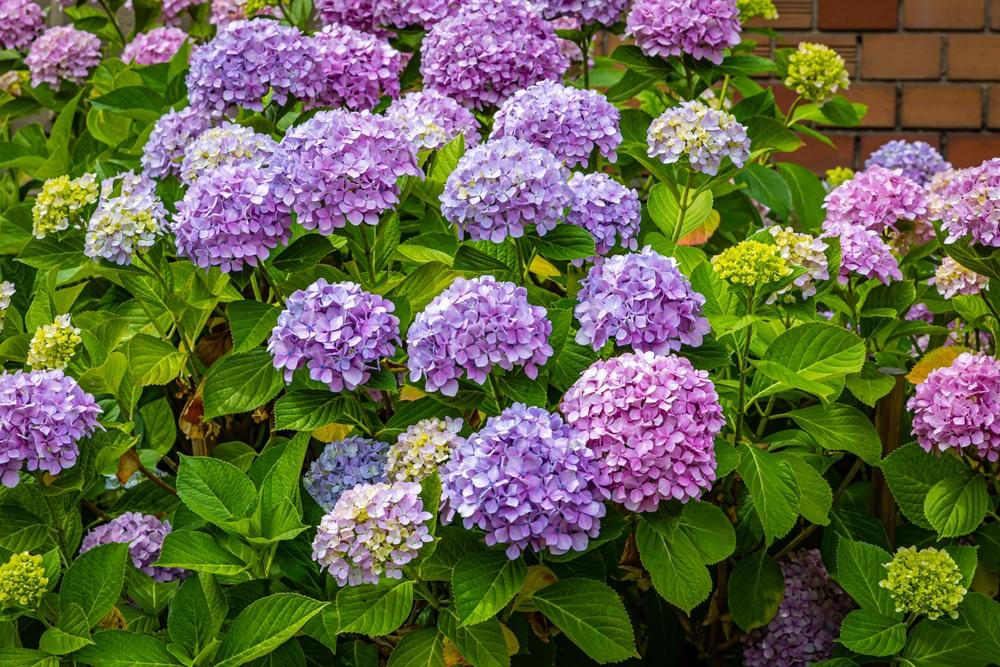
Hydrangeas are a favorite in many Southern gardens because they bring large, soft flower heads and a full, leafy look. They can make even a simple yard feel more lush during spring and early summer. Their blooms have a gentle look that pairs well with both formal and relaxed planting styles. Since they come in several forms, they fit many kinds of garden spaces.
Most hydrangeas like moist, well-drained soil and some protection from hot, late-day sun. They are useful along fences, in foundation beds, or as part of mixed shrub groupings. Bigleaf types may change flower color depending on the soil, which adds another layer of interest. Regular watering is especially helpful while the weather is warming up.
Azaleas
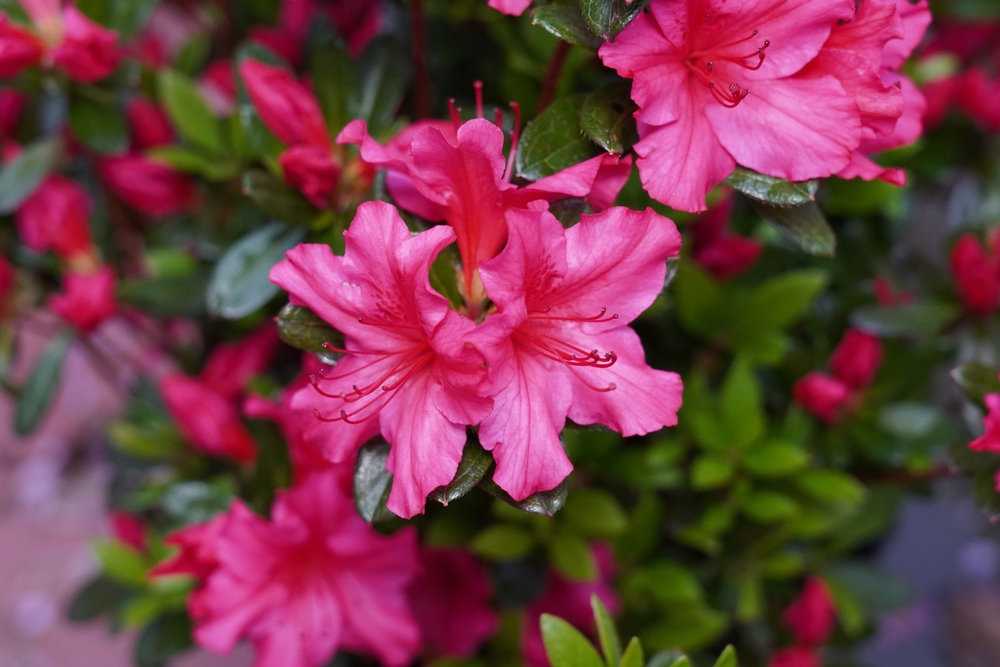
Few plants feel more at home in Southern gardens than azaleas in spring. Their bloom display can fill a yard with pink, red, white, or purple color just as the season starts to warm up. They also suit the region well because a wide variety of plants enjoy the mild spring weather and filtered light found in Southern landscapes. When planted in the right spot, they can become one of the most eye-catching parts of the garden.
Azaleas usually grow well in acidic soil with good drainage and some afternoon shade. Mulch helps keep the roots cooler and holds moisture in the soil during warmer days. They look lovely along foundations, woodland edges, and mixed shrub borders. A little pruning after flowering is usually enough to keep them looking neat.
Lantana
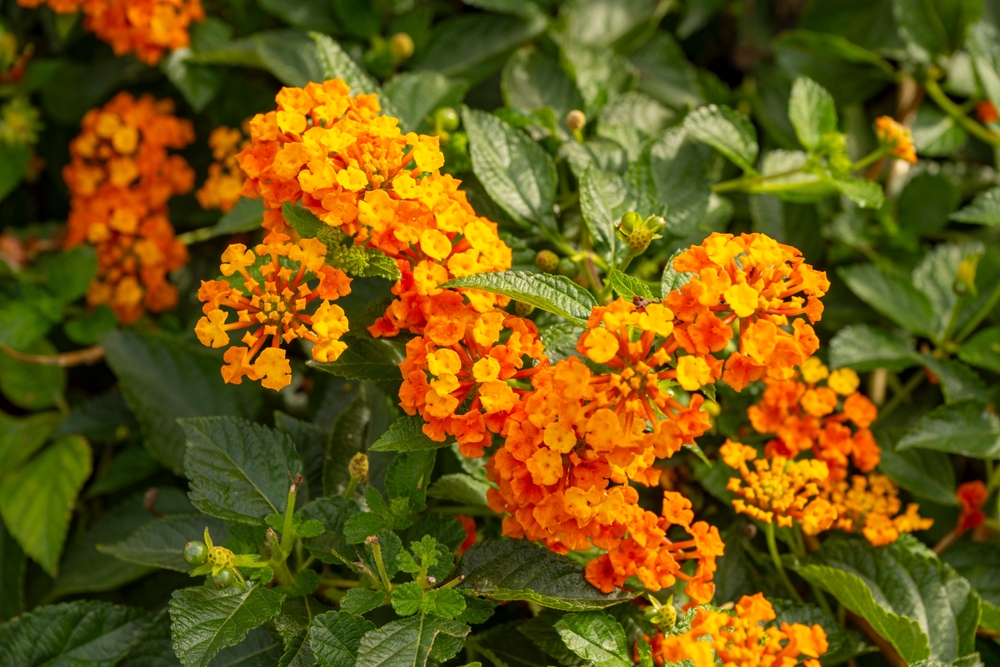
Lantana is a lively plant that suits Southern gardens very well once spring temperatures settle in. Its flower clusters bring cheerful shades like yellow, orange, pink, red, and purple to beds and containers. It is often picked because it handles heat well and keeps flowering when many other plants start to slow down. Butterflies are also drawn to it, which gives the garden more movement and life.
This plant does best in full sun and soil that drains well. It works nicely in borders, patio pots, and places where strong color is wanted for a long stretch of the season. Once established, lantana usually handles dry conditions better than many softer annuals. Trimming it lightly from time to time can help keep it full and tidy.
Salvia
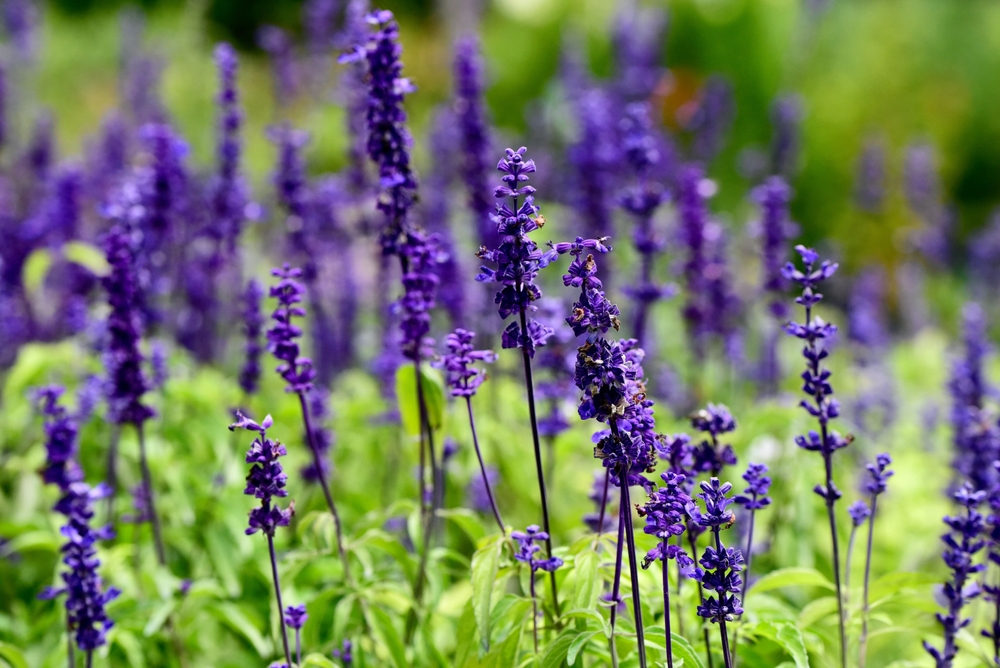
Some spring plants earn their place by being colorful and easy to live with, and salvia fits that role well. Its upright flower spikes bring height and clear color to Southern beds just as the garden starts filling out. Many types bloom in blue, purple, red, or pink, which makes them useful in many color schemes. They also tend to draw hummingbirds and butterflies, which adds extra interest to the yard.
Salvia likes full sun and soil with decent drainage. It is a good plant for mixed borders, pollinator gardens, and spots that get warm as the season goes on. Many kinds stay neat without much shaping. Cutting back spent flower spikes can help bring on more blooms later.
Coneflowers
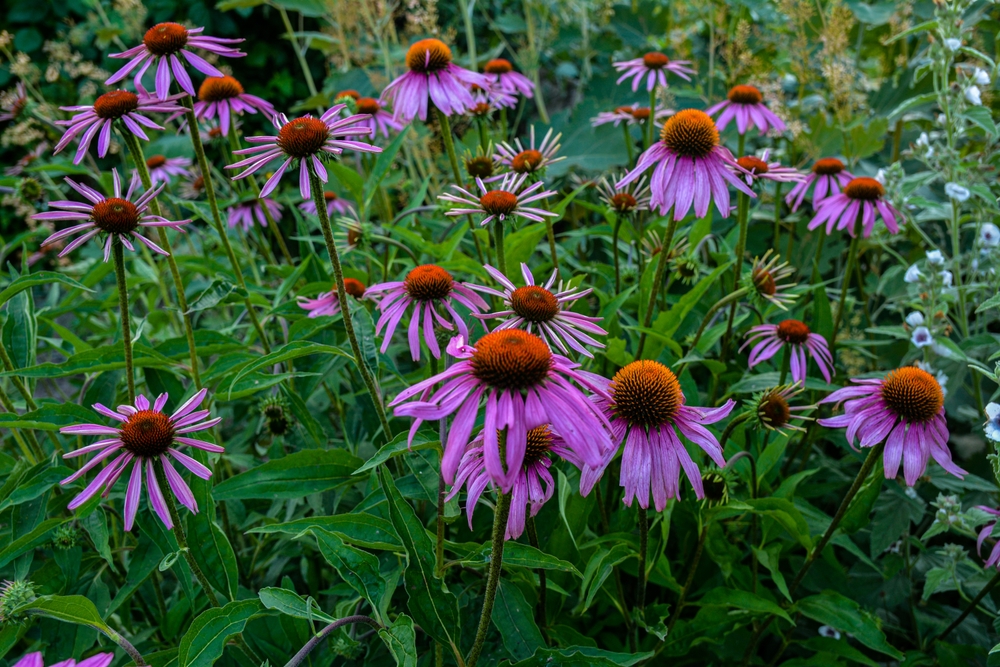
Coneflowers have a relaxed, sturdy look that feels right at home in Southern gardens. Their daisy-shaped blooms bring color and structure without looking too formal. They are often chosen for their ability to handle warm weather and still look good through much of the growing season. The raised centers also give the flowers a bit more texture than many spring plants.
These plants do well in full sun and are happy in soil that is not overly rich. They are useful in borders, pollinator beds, and natural style plantings where a softer look is welcome. Once established, they are often easier to manage than more delicate flowers. Birds may visit the seed heads later on if some blooms are left in place.
Daylilies
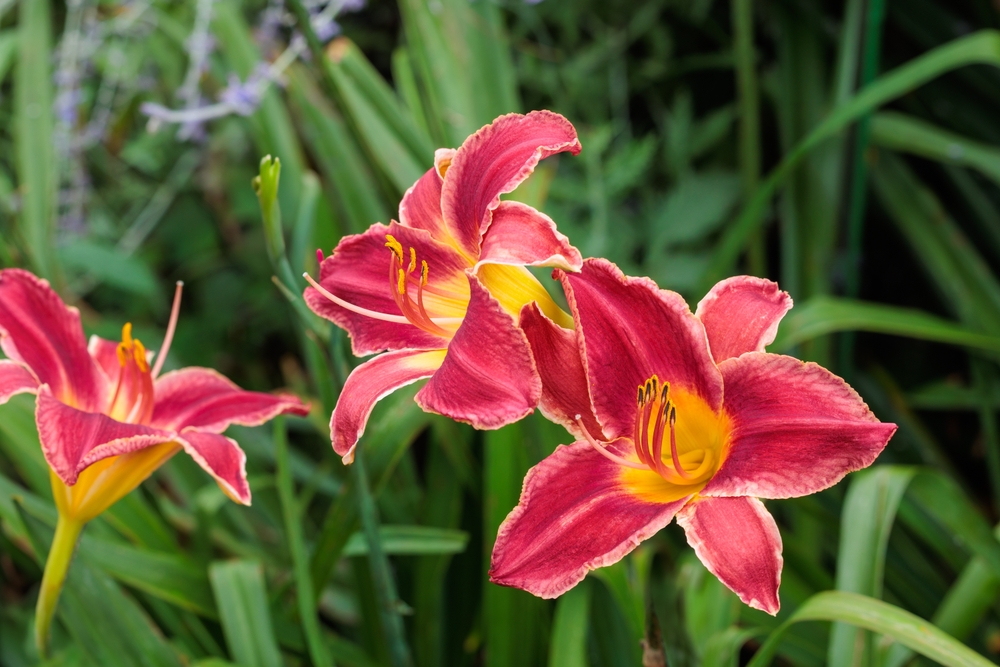
Daylilies are a practical and attractive choice for Southern gardens in spring. Their strappy green leaves bring shape to the garden early, and the blooms arrive in many warm and bright shades. They are often liked because they settle in well and form fuller clumps over time. Even when not in bloom, the foliage still adds something useful to the bed.
They grow best in sunny spots, though many can handle a little light shade. Daylilies work well along driveways, in borders, and in larger groupings where their leaves can create a soft drift of green. Each flower lasts a short time, though the plant keeps producing more buds. Dividing crowded clumps every few years can help them stay strong.
Caladiums
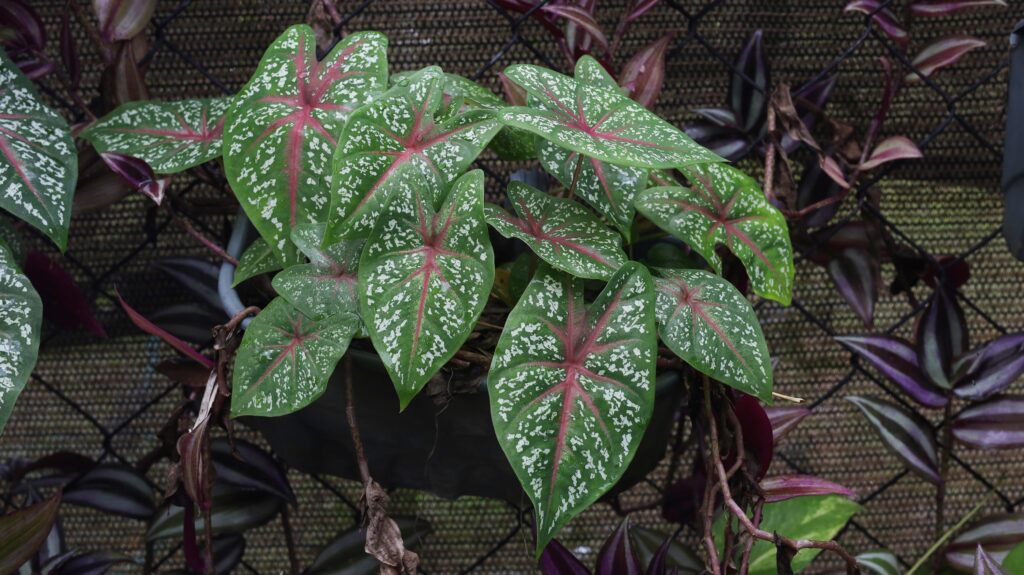
Caladiums bring color to Southern gardens in a different way since their leaves do most of the work. Shades of pink, red, green, and white can brighten shady spots where flowers may struggle. They are especially useful in the South because warm weather helps them settle in and fill out nicely. A bed of caladiums can make a garden look fresh and full with very little bloom needed.
These plants usually prefer shade or filtered light and soil that stays lightly moist. They are a great choice for under trees, along porches, or in containers on covered patios. Their foliage pairs well with ferns, begonias, and other shade-loving plants. In warmer areas, many gardeners treat them as a regular seasonal favorite.
Begonias
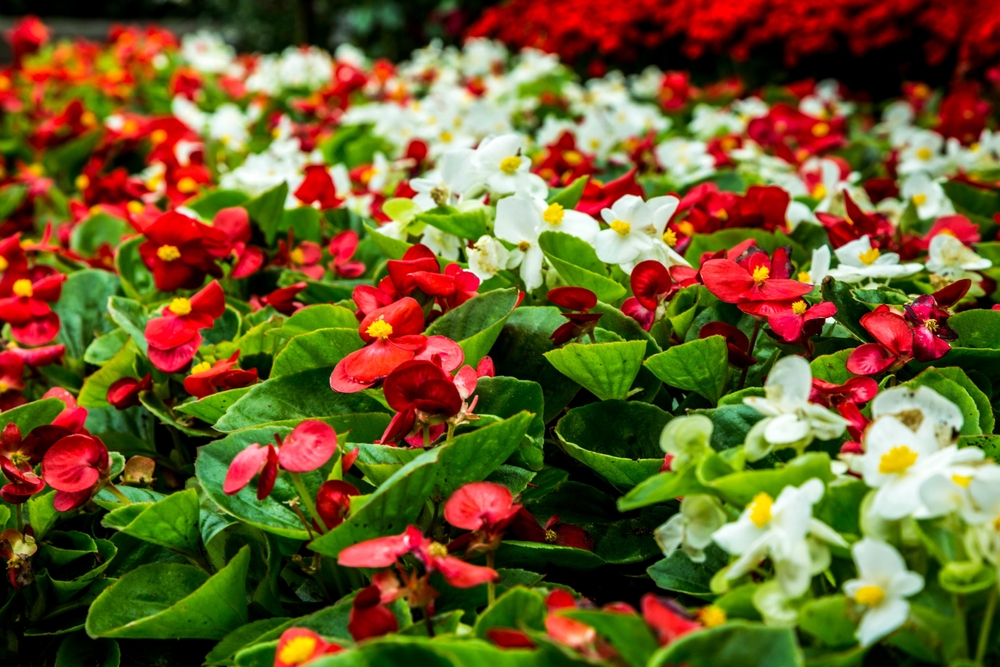
Begonias are very useful in Southern gardens because they bring steady color to areas with less direct sun. Their blooms can be red, pink, white, or coral, and the leaves often look attractive too. They help fill beds and containers without making the space feel too heavy. For many gardeners, they are one of the easiest ways to brighten a shaded spot in spring.
Begonias like moist, well-drained soil and do best when protected from the hottest afternoon light. They are a strong fit for porch pots, hanging baskets, and front borders with softer light. Many kinds keep looking good even when the flowers are between heavier flushes. Regular watering and light feeding can help them stay in good shape.
Phlox
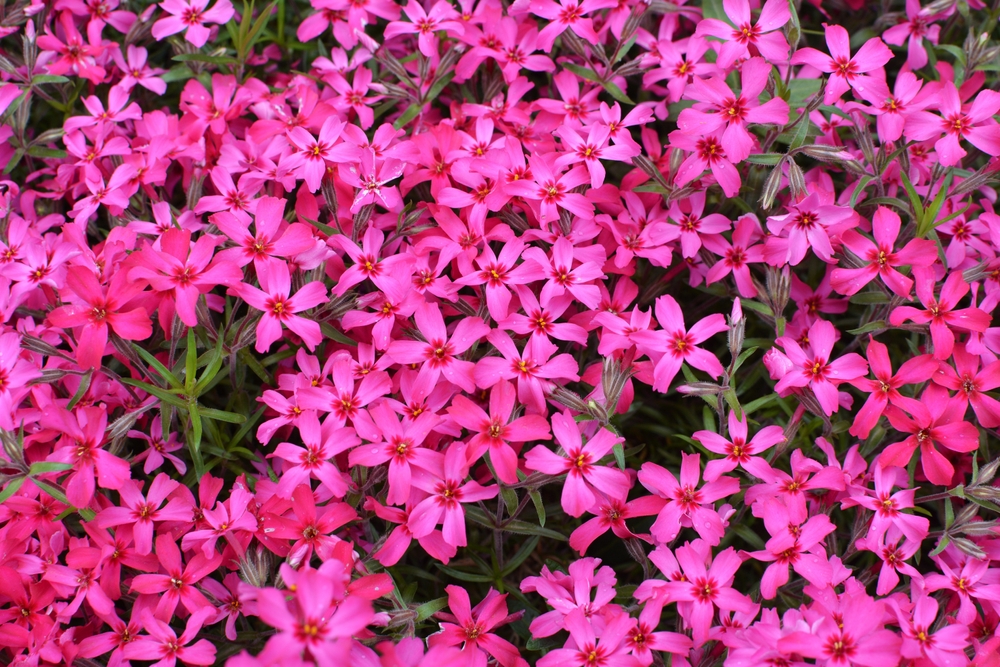
Phlox can give Southern spring gardens a bright, cheerful look without feeling overdone. Some types spread low across the ground, while others stand taller and bring more height to the bed. The flowers often appear in pink, purple, white, or blue, which makes them easy to mix with other spring favorites. They are especially nice for gardeners who want color with a softer, cottage-style feel.
This plant generally likes sun, though some kinds can handle a little shade in warmer areas. Creeping phlox is useful near edges, slopes, or stone paths, while taller kinds fit better in borders and mixed beds. Good air flow helps keep the plants looking fresher as the weather warms. A little cleanup after flowering can help the planting area stay neat.
This article originally appeared on Avocadu.