
15 Spring Flowers That Are Easier Than Petunias
Petunias may get a lot of attention, though they are far from the only spring flowers worth planting. Many other blooms can give you a pretty display with less work and fewer headaches along the way. Whether you are planting a few containers or freshening up a whole garden bed, there are plenty of easy options to consider.
This post may contain affiliate links, which helps keep this content free. Please read our disclosure for more info.
Marigolds
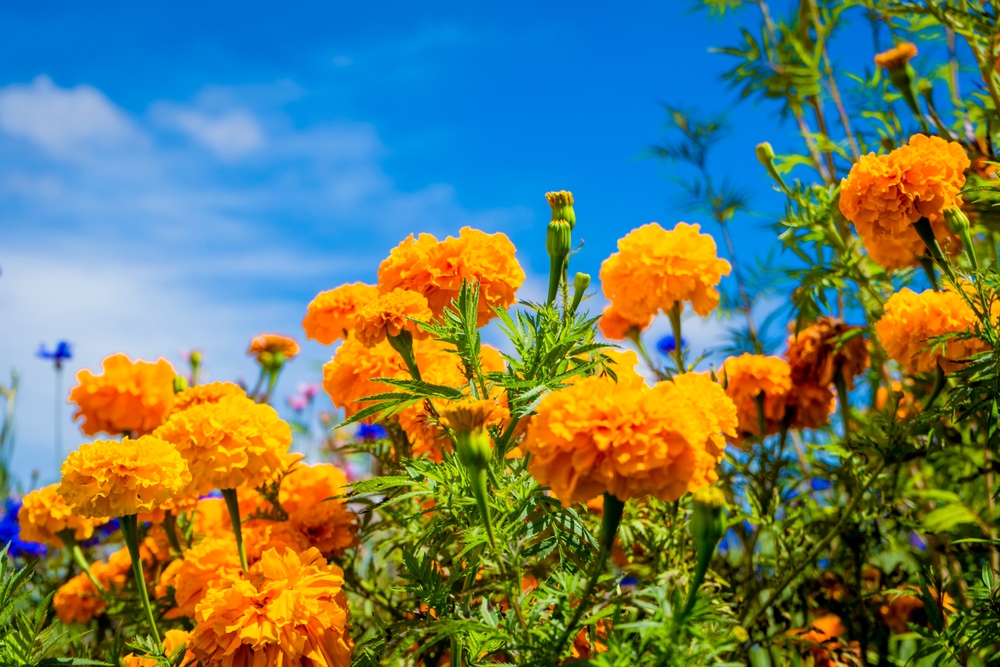
If you want a flower that does not ask for much, marigolds are a great place to start. They handle sunny spots well and usually keep blooming without a lot of extra care. Their warm shades bring a cheerful look to garden beds, borders, and pots. Many people like them because they are dependable and easy to grow.
Marigolds do best in full sun and soil that drains well. They usually need basic watering and occasional cleanup to stay looking fresh. These flowers also fit nicely into vegetable gardens and mixed plantings. Their strong scent is another reason many gardeners enjoy having them nearby.
Zinnias
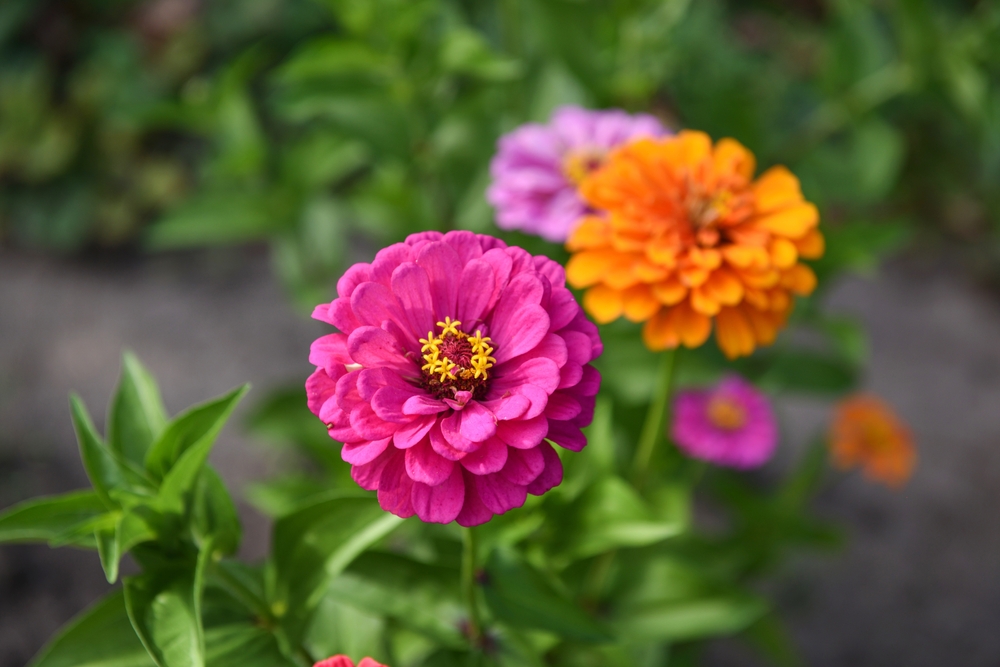
Some spring flowers seem to settle in quickly, and zinnias are often one of them. They grow fast, bloom in bright colors, and can make a garden look lively without much fuss. Since they grow well from seed, they are a nice option for people who want an easy start. Their neat flower shapes also make them fun to cut for bouquets.
Zinnias like full sun and soil that does not stay soggy. Once they begin growing well, they usually ask for little more than water and open space. They are a good fit for beds, borders, and cutting gardens. A patch of zinnias can bring plenty of color with very little trouble.
Nasturtiums
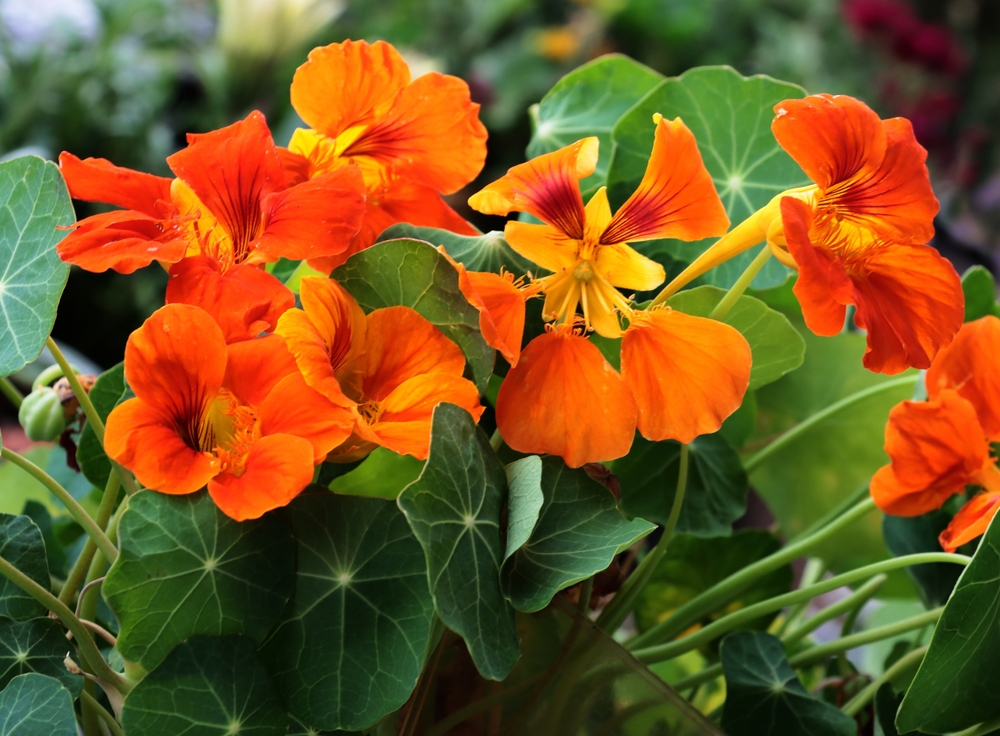
There is something easygoing about nasturtiums that makes them appealing right away. Their round leaves and bright blooms give off a relaxed cottage garden look that feels playful rather than formal. They also tend to grow well without needing rich soil or constant attention. That makes them a simple pick for beginner gardeners.
These flowers grow well in full sun and can handle average soil with no problem. They trail nicely from containers and can spread along garden edges in a very natural way. Both the flowers and leaves are edible, which gives them a little extra charm. They are a fun flower for anyone who wants color without a lot of work.
Calendula
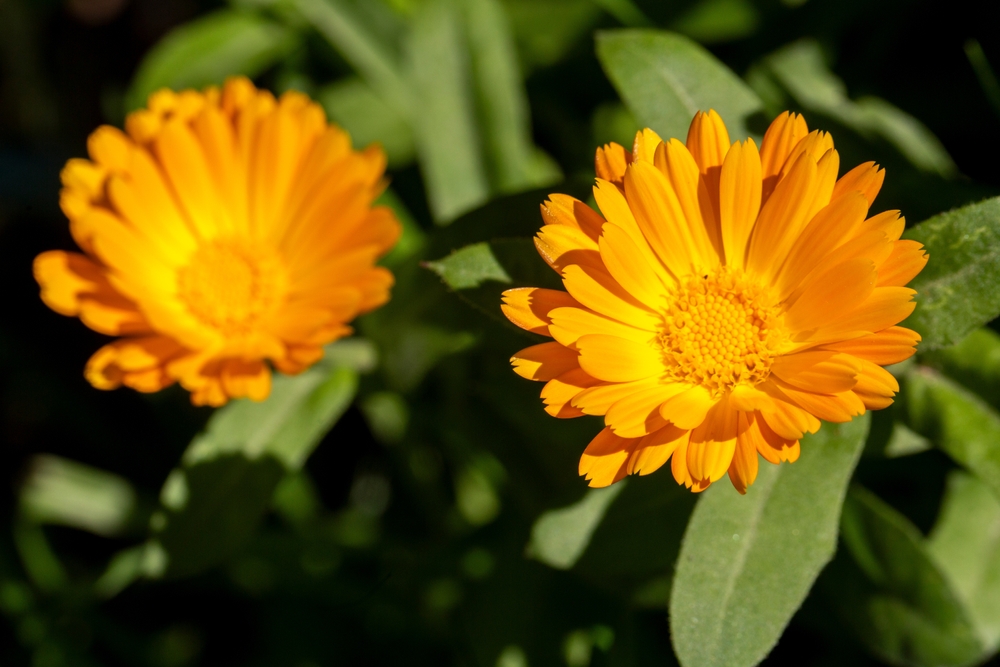
For early-season color, calendula is often much easier to live with than petunias. It blooms in soft yellow, orange, and apricot shades that suit spring gardens beautifully. The flowers come up quickly and can keep going through cool weather without much complaint. That cooler weather tolerance gives it an edge in many spring yards.
Calendula grows well in full sun to light shade and likes soil with steady moisture. Removing old blooms can help it flower longer, though it still tends to feel easy to manage. In some gardens, it may even reseed on its own. It works well in beds, borders, and simple cutting patches.
Sweet Alyssum
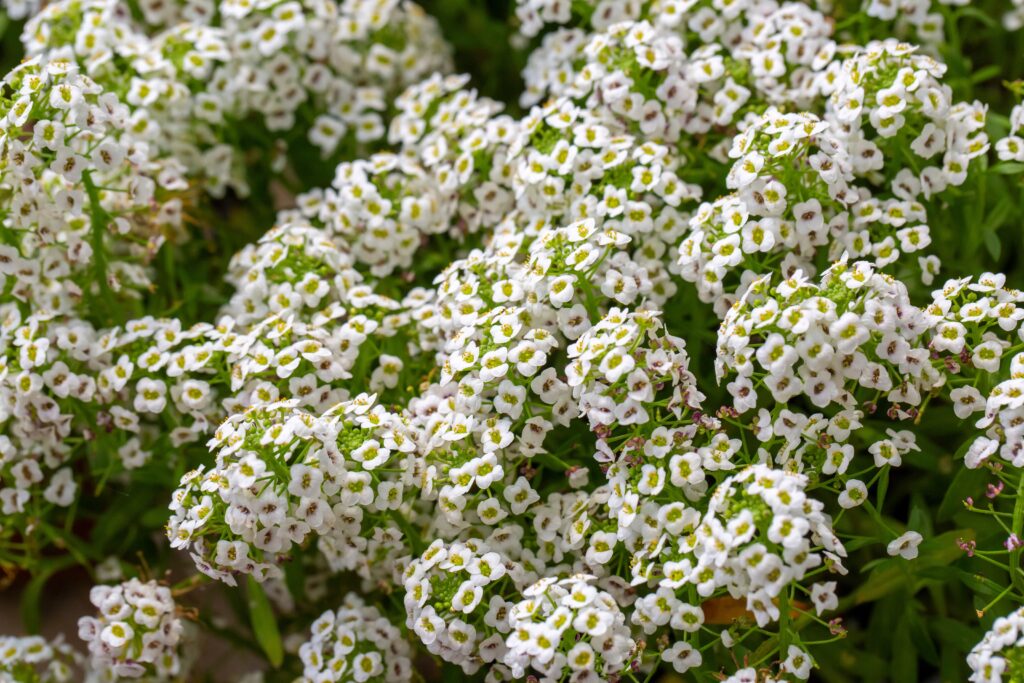
Sweet alyssum has a soft look, though it is often tougher than it seems. Its tiny flowers gather into low mounds that can brighten edges, pots, and small gaps in the garden. Since it spreads gently and flowers well in spring, it can fill space without creating extra work. The light fragrance is another nice bonus.
This flower grows well in cool spring weather and does nicely in sun or partial shade. A small trim can help freshen it up if it starts to look tired. It fits well around larger plants or along pathways where its low shape stands out. For a flower that feels light and easy, sweet alyssum is a lovely choice.
Pansies
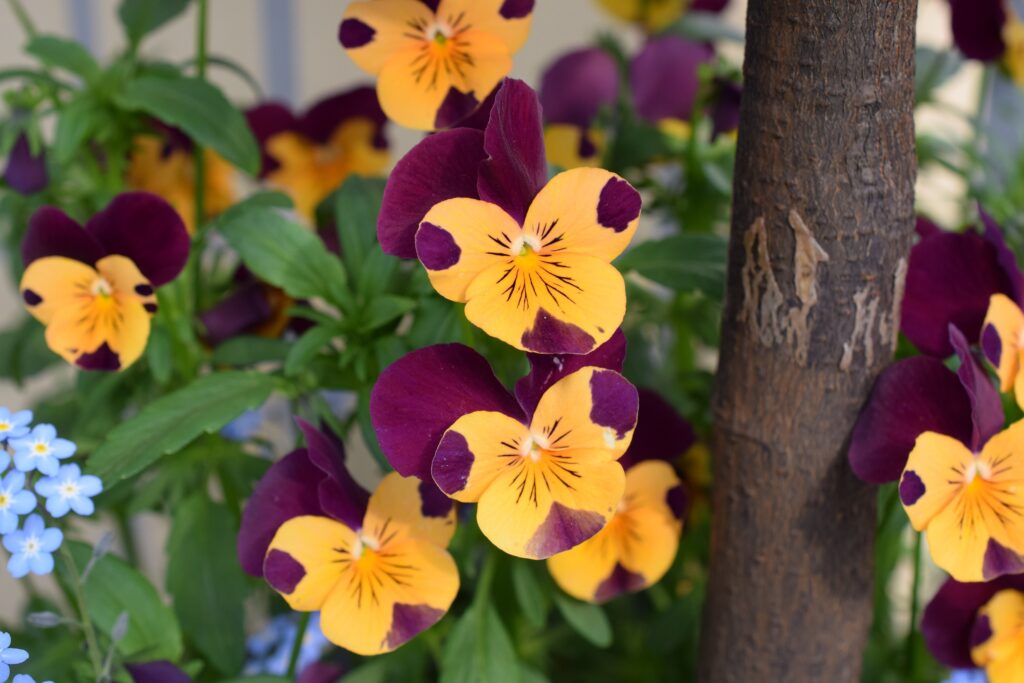
When spring still feels a little cool, pansies often look right at home. Their cheerful blooms bring quick color to containers and beds at a time when many flowers are just getting started. They are often less troublesome than petunias in mild weather, which makes them a popular spring choice. Their wide range of colors also gives gardeners plenty of options.
Pansies do best with regular watering and a sunny spot during cooler parts of the season. Removing faded flowers can help keep them blooming longer. They are a great fit for window boxes, porch pots, and front borders. Their compact growth helps them stay neat and pleasant to look at.
Violas
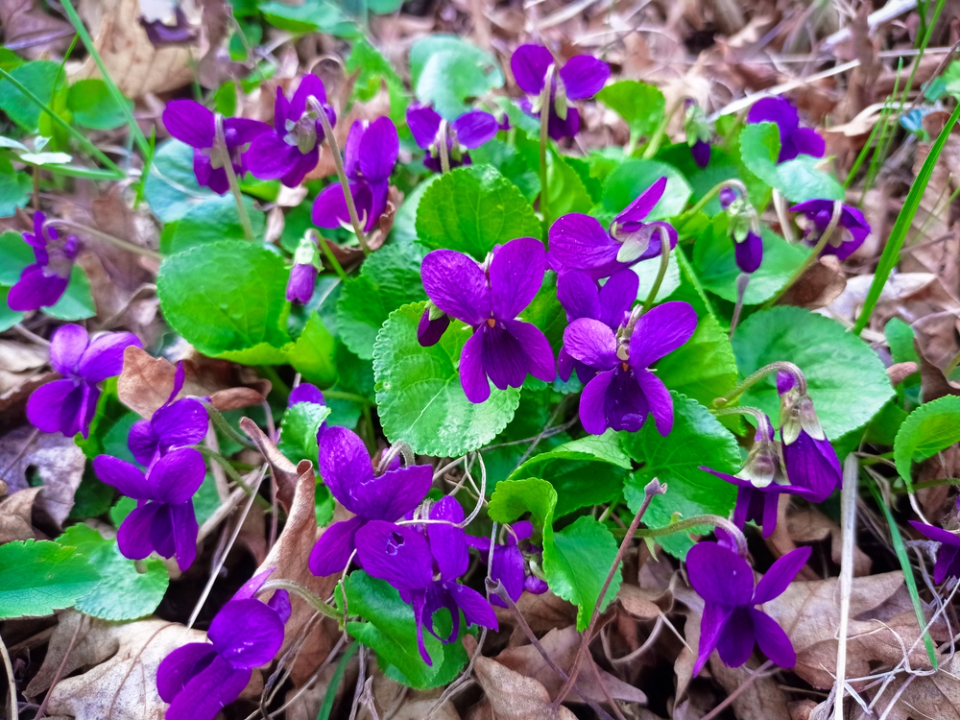
Violas may be small, though they often make a strong showing in spring gardens. These little flowers bloom freely and can handle cool days with ease, which makes them feel less fussy than petunias. Since they often flower in large numbers, they give a full and colorful look without needing much space. Their size also helps them tuck neatly into many planting spots.
They grow well in sun or light shade and prefer soil that stays lightly moist. Violas work nicely along path edges, in containers, or around taller spring flowers. Because they stay compact, they are easy to place and simple to manage. They can keep blooming well through pleasant spring weather.
Snapdragons
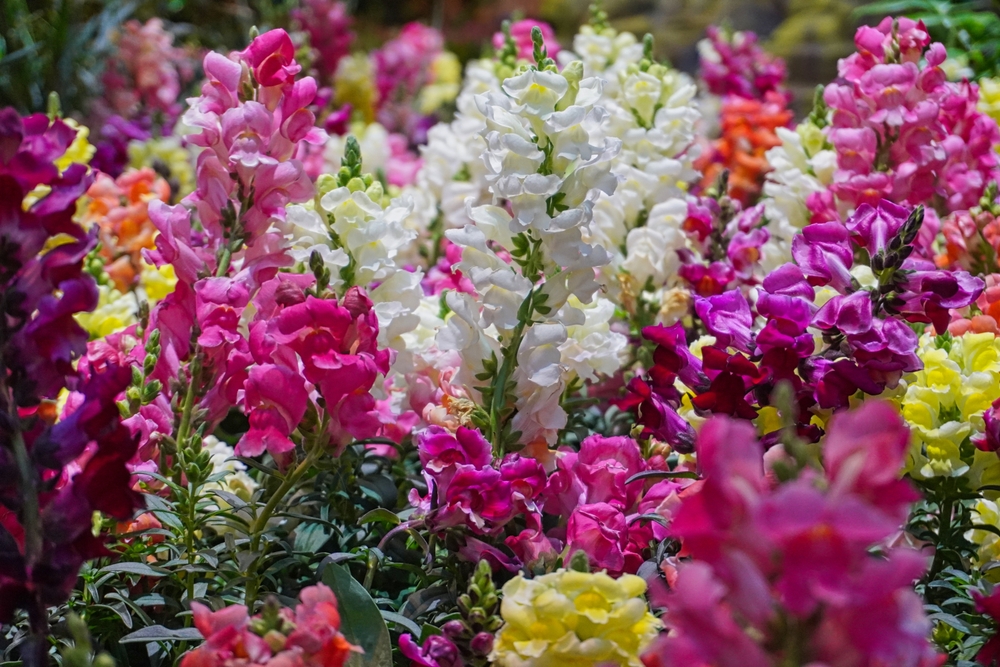
A flower with an upright shape can bring something different to a spring bed, and snapdragons do that very well. Their tall spikes add color and height without needing constant trimming or shaping. Since they enjoy cooler weather, they often settle in more happily than petunias do early in the season. Their wide color range also makes them easy to mix into many garden styles.
Snapdragons like full sun and regular watering while they are getting established. After that, they usually need only basic care and the occasional removal of spent blooms. Taller kinds may benefit from a little support in windy places. They are a nice option for borders, cutting beds, and layered planting schemes.
Dianthus
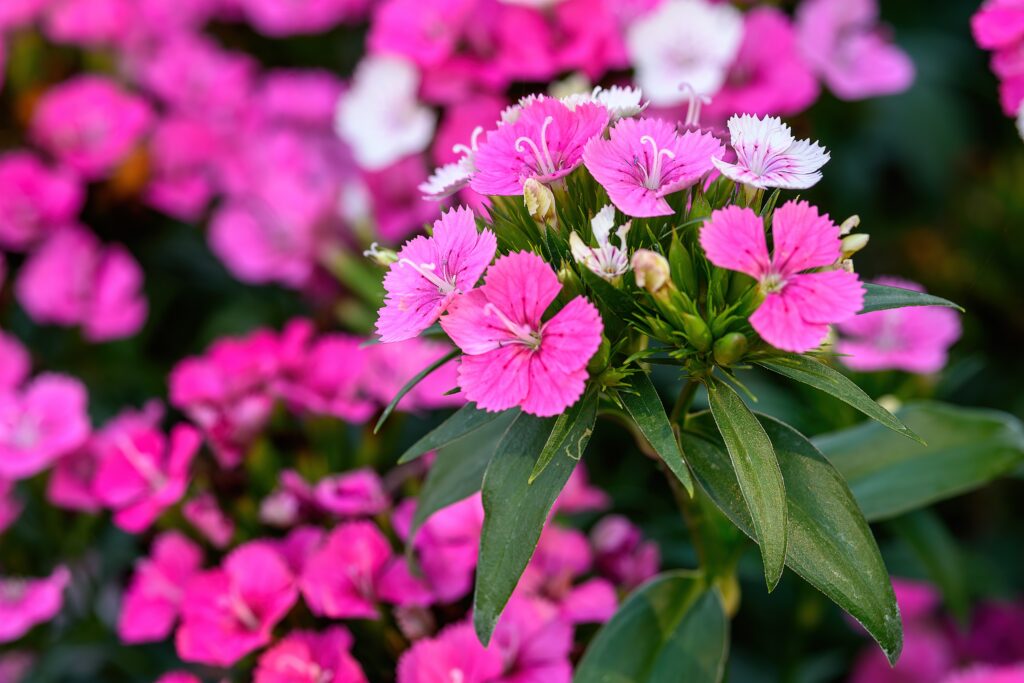
Dianthus has a neat and tidy look that makes it easy to enjoy in spring gardens. The blooms often have softly fringed edges, and many kinds carry a light spicy scent that gives them extra appeal. Since the plants stay in tidy clumps, they often look cleaner and less demanding than petunias. The gray-green leaves also stay attractive between bloom times.
This flower likes full sun and well-drained soil. It does not do well in wet ground, though it is otherwise fairly simple to grow. Many types return year after year, which adds to their value in the garden. Dianthus works well in borders, rock gardens, and containers with good drainage.
Geraniums
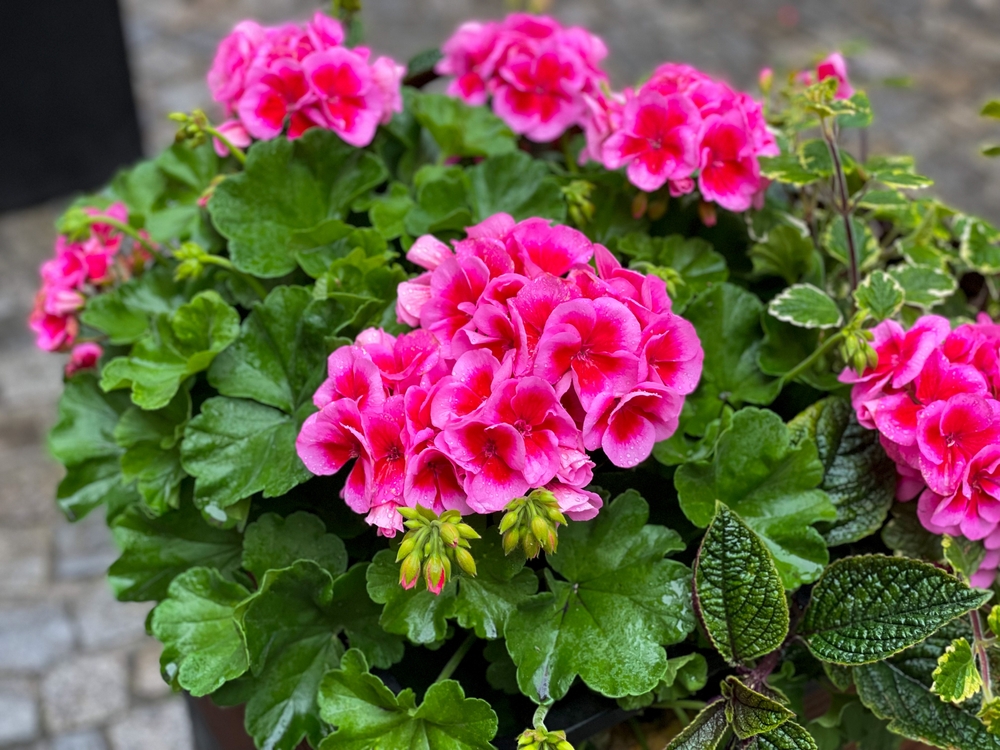
If you prefer flowers that keep a full and tidy shape, geraniums are worth a look. Their rounded flower clusters and firm leaves give pots and beds a finished look without asking for constant care. Once settled, they often handle dry spells better than petunias, which can be helpful during busy weeks. They are a long-time favorite for good reason.
Geraniums grow best in sunny areas and soil that drains well. Snipping off old flower stems helps keep them blooming and looking clean. They are very popular in porch pots, window boxes, and patio planters. Some kinds also have pleasantly scented leaves, which adds another reason to grow them.
Impatiens
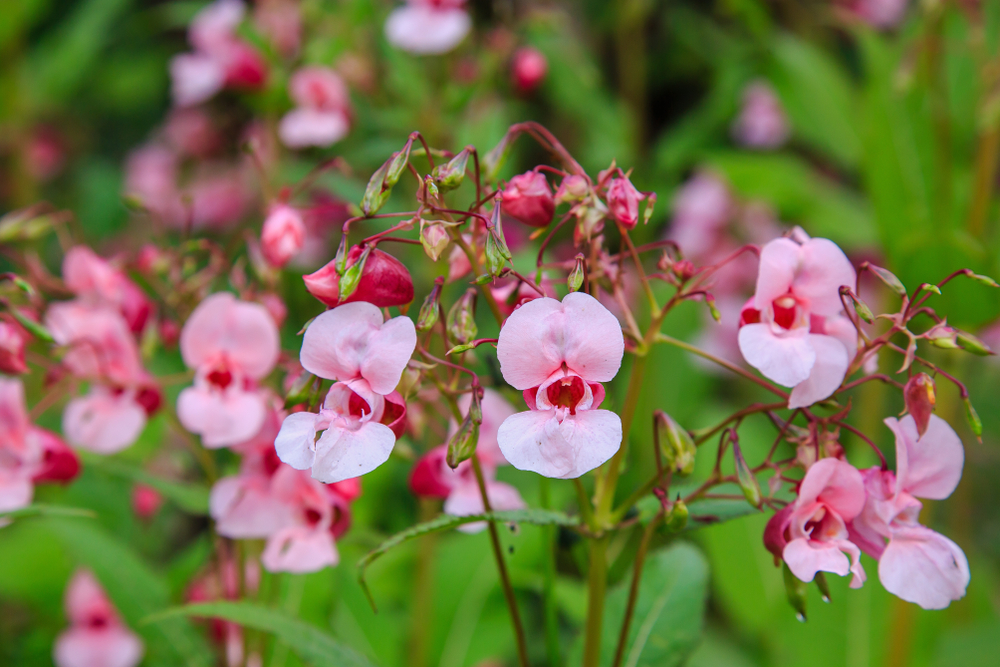
Shady gardens can be difficult to fill with color, and that is where impatiens really shine. They grow well in places where petunias usually struggle, which already makes them easier for many yards. Their blooms come in a wide range of colors and form full mounds that look nice without much shaping. For lower light areas, they can be a very handy choice.
Impatiens like moist soil and regular watering, mostly during warm weather. In return, they usually keep blooming steadily through the season. They are a good fit for shaded borders, under trees, and covered porches. Their soft and full look helps brighten places that may otherwise feel dull.
Begonias

Begonias are often chosen by gardeners who want flowers and attractive leaves in the same plant. Their waxy foliage and bright blooms give containers and beds a polished look, while the care stays fairly simple. Since many types do well in shade or partial sun, they can be easier to place than petunias. They also tend to keep looking nice even between heavier bloom periods.
These plants like evenly moist soil and spots that do not stay too hot or dry. Many kinds do not need frequent deadheading, which makes upkeep feel lighter. Begonias work very well in patio pots, baskets, and shaded planting areas. They are a practical flower when sunlight is limited.
Cosmos
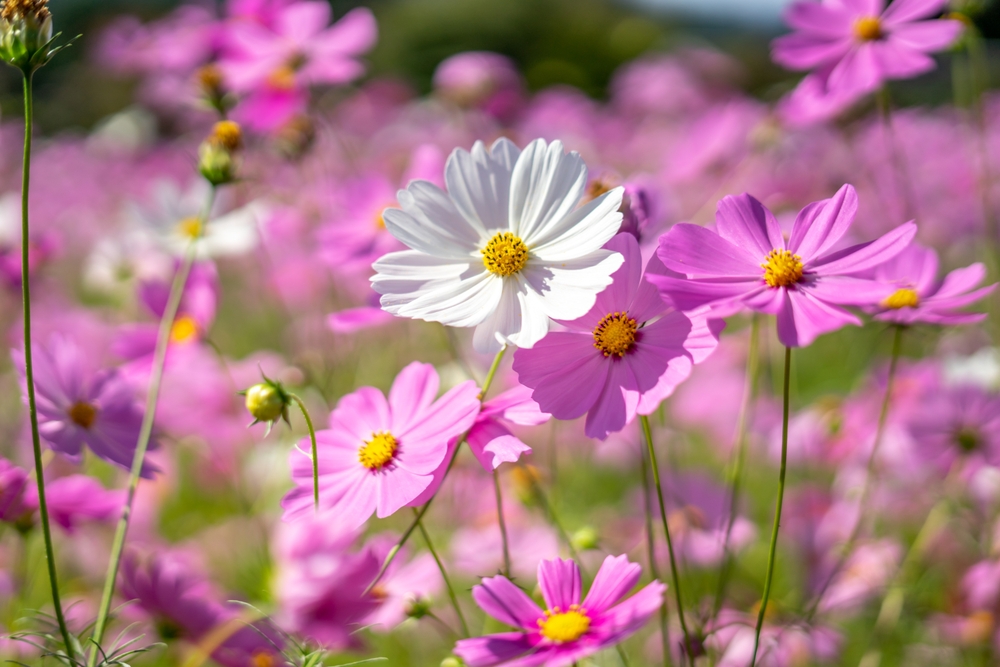
For a garden that feels light and airy, cosmos can be a lovely answer. They grow quickly, bloom well from seed, and often seem happy without rich soil or much extra fuss. Their open flowers and feathery leaves give planting beds a relaxed spring and summer look. Many gardeners enjoy how easy they are to scatter them into a casual planting plan.
Cosmos need full sun and soil that drains well. Taller kinds may lean a little, though that can still look charming in a less formal garden. They are good for pollinators, which makes the garden feel more lively overall. If you want a flower that fills space with little trouble, cosmos are a pleasant choice.
Coreopsis
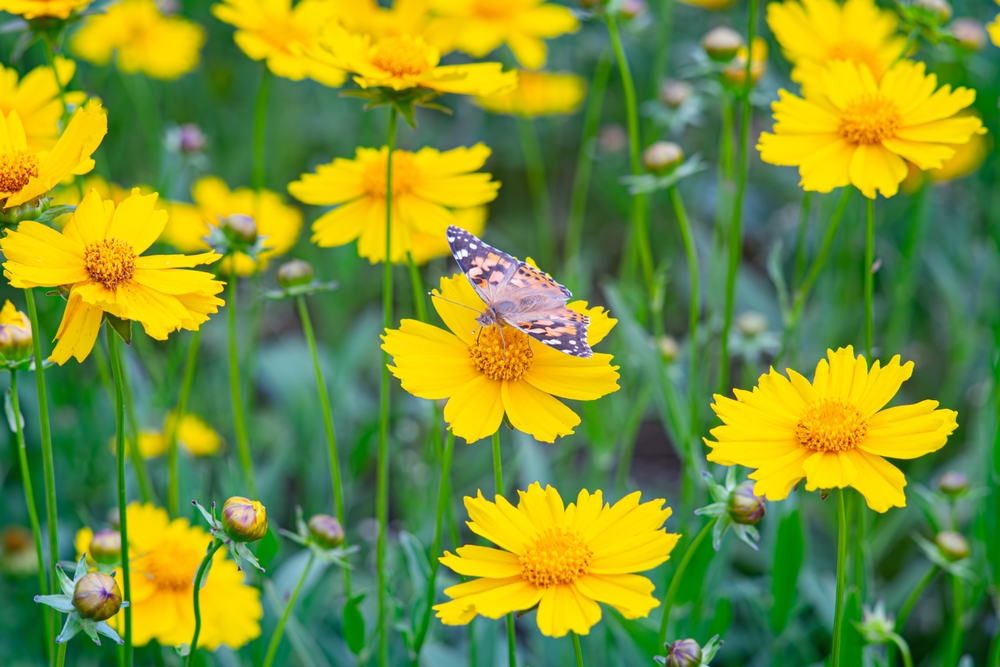
Some flowers seem ready to bloom without asking much in return, and coreopsis is often one of them. Its daisy-like flowers bring yellow and golden tones that brighten beds through spring and into early summer. Since many kinds handle dry conditions better than petunias, they can feel easier in everyday garden life. Their cheerful look works in both tidy beds and looser plantings.
Coreopsis likes full sun and well-drained soil. Once the plants are settled, they usually do fine with basic care and occasional deadheading. They fit nicely into borders, pollinator gardens, and low-work planting areas. For sunny spots, they are a very useful flower to have around.
Verbena
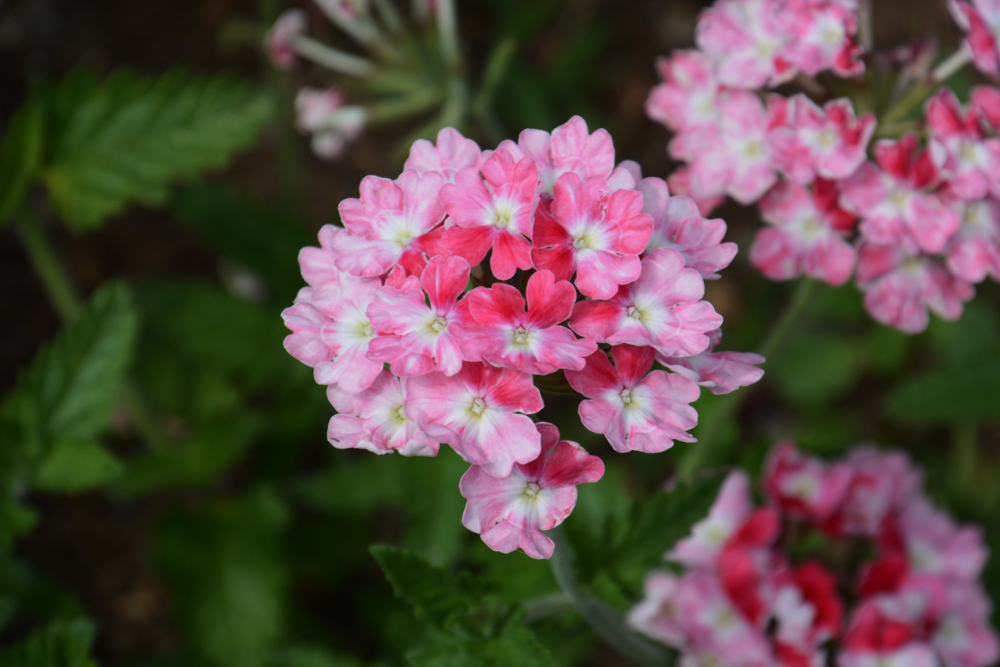
Verbena is a nice option for gardeners who like lots of color without a high care routine. Its flower clusters spread nicely through containers, bed edges, and hanging baskets, which gives it a full look similar to what many people want from petunias. Once it gets going, it can keep blooming well through warm weather. That long flowering habit makes it easy to appreciate.
This plant grows best in full sun and soil with good drainage. After it is established, it often handles heat quite well. A light trim from time to time can help keep it looking fresh. Verbena is a good pick for anyone who wants steady color with less fuss.
This article originally appeared on Avocadu.