
12 Spring Vegetables That Are Good for Beginner Gardeners
For new gardeners, spring often feels like the right time to begin. The days are mild, the soil is waking up, and many vegetables are ready to grow in these conditions. Starting with easy options can make the whole experience feel more enjoyable from the start. Go ahead and check out a few spring vegetables that are great for beginners.
This post may contain affiliate links, which helps keep this content free. Please read our disclosure for more info.
Radishes
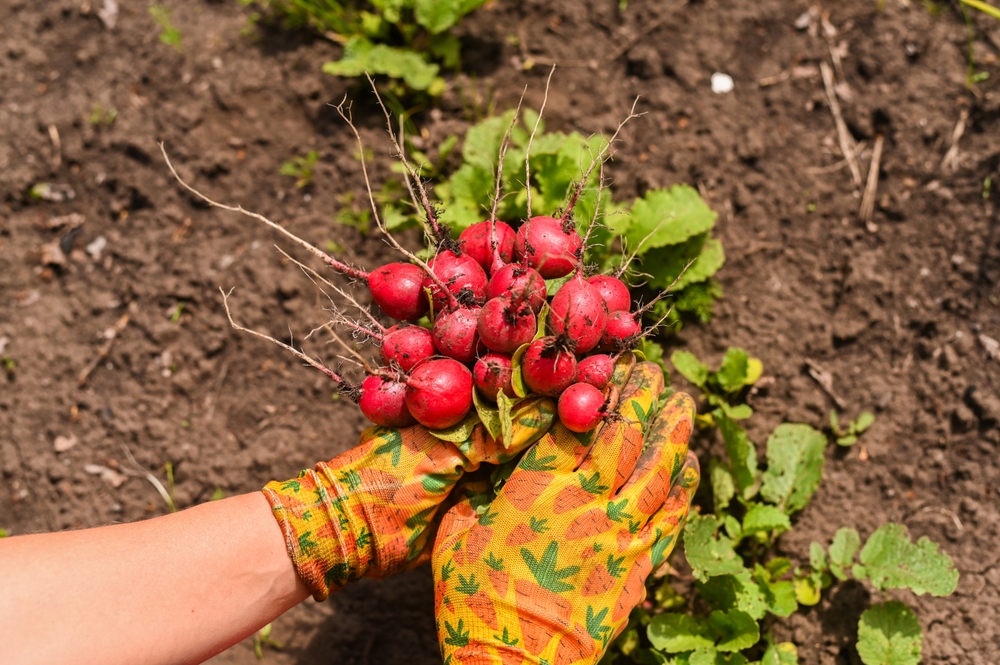
Radishes are a very rewarding spring crop because they grow fast and make beginners feel successful early on. Their seeds sprout quickly, the roots fill out in a short time, and they do not take up much room in the garden. Since they mature faster than many other vegetables, they can help new gardeners stay interested while slower crops are still getting started. They are also useful for filling small gaps between rows of larger plants.
Soft soil gives radishes the best chance to form round, crisp roots without trouble. Sow the seeds thinly, keep the ground lightly moist, and thin the seedlings once they come up so the roots have room to swell. A sunny spot is often best, though they can still do fairly well with a little light shade. Pull them while they are still young and firm, because leaving them too long can make the roots woody and stronger in taste.
Spinach
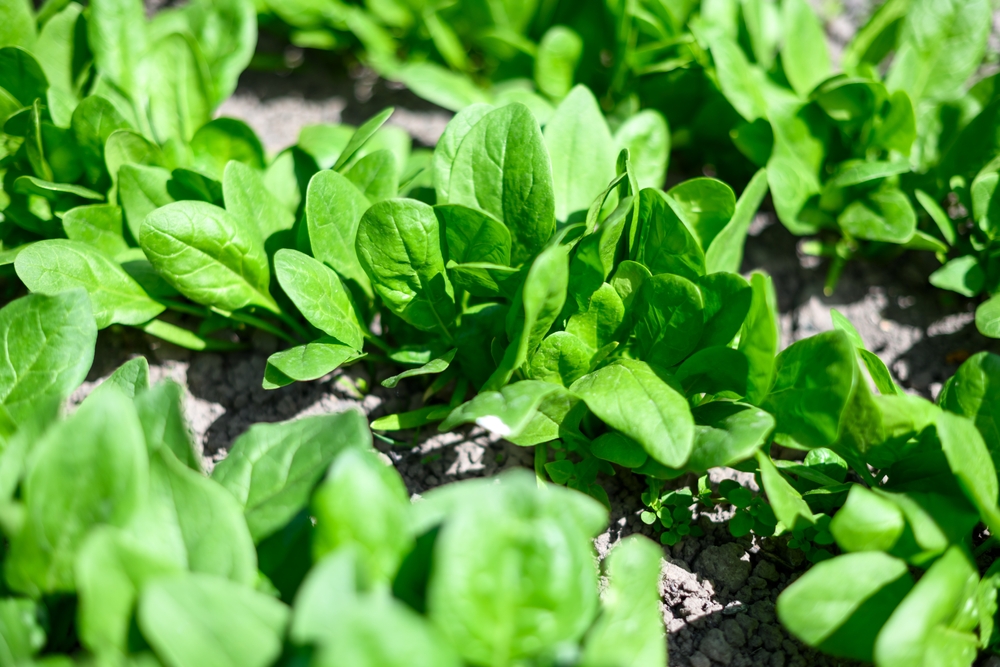
Spinach is a strong choice for first-time gardeners because it grows well in the cool air of spring and can be used in many meals. The leaves are useful fresh in salads, mixed into eggs, or cooked into soups and simple side dishes. New gardeners often like it because it gives a clean, leafy harvest without needing much special care. It also grows nicely in rows, raised beds, and containers with enough depth.
Rich soil and regular watering help spinach produce fuller leaves and steadier growth. It is best to sow the seeds where you want them to stay, since moving the plants later is not always ideal. Start harvesting the larger outer leaves once the plant looks established, and let the center continue to grow. Warm weather can cause spinach to flower early, so spring is usually the best season to enjoy it at its best.
Lettuce
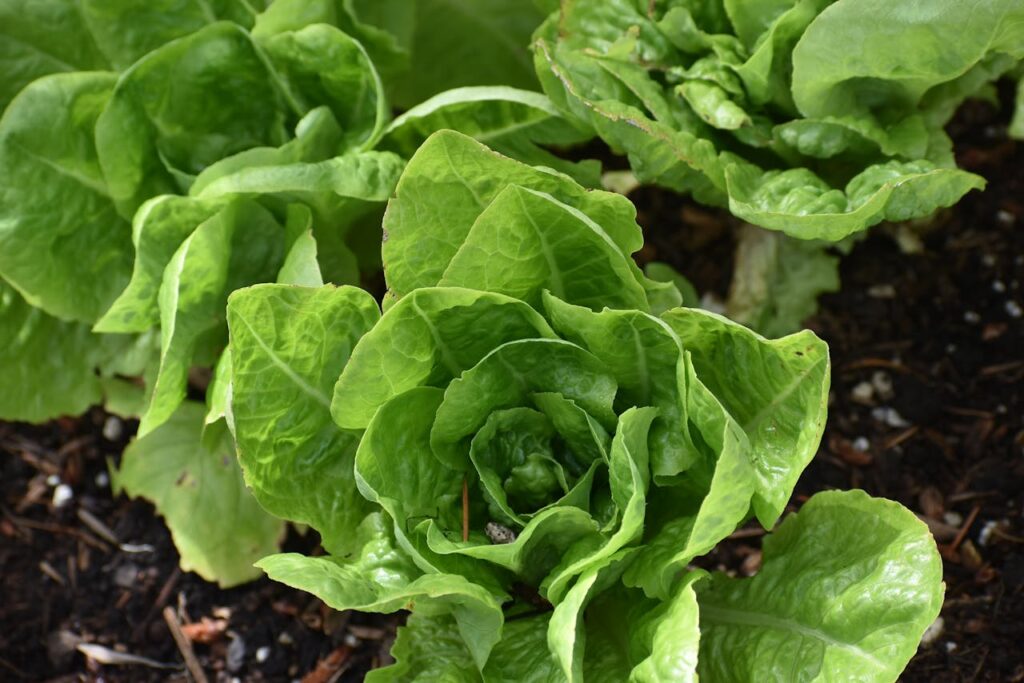
Lettuce is one of the easiest vegetables for a new gardener to grow in spring because it starts quickly and does not ask for much space. The cool weather during this part of the year helps the leaves stay soft, mild, and pleasant to eat. Many kinds can be harvested a little at a time, which takes away some of the pressure that beginners often feel. It is also a practical choice for garden beds, raised planters, and even roomy pots.
Plant lettuce in loose soil that drains well and stays evenly moist through the week. A place with morning sun and light shade later in the day often works nicely, especially in spots where afternoons get warmer. Pick the outer leaves first once they are big enough to use, and leave the middle in place so the plant can keep growing. If the weather turns hot, lettuce may become bitter and start flowering, so regular harvesting helps you get the best quality before that happens.
Green Onions
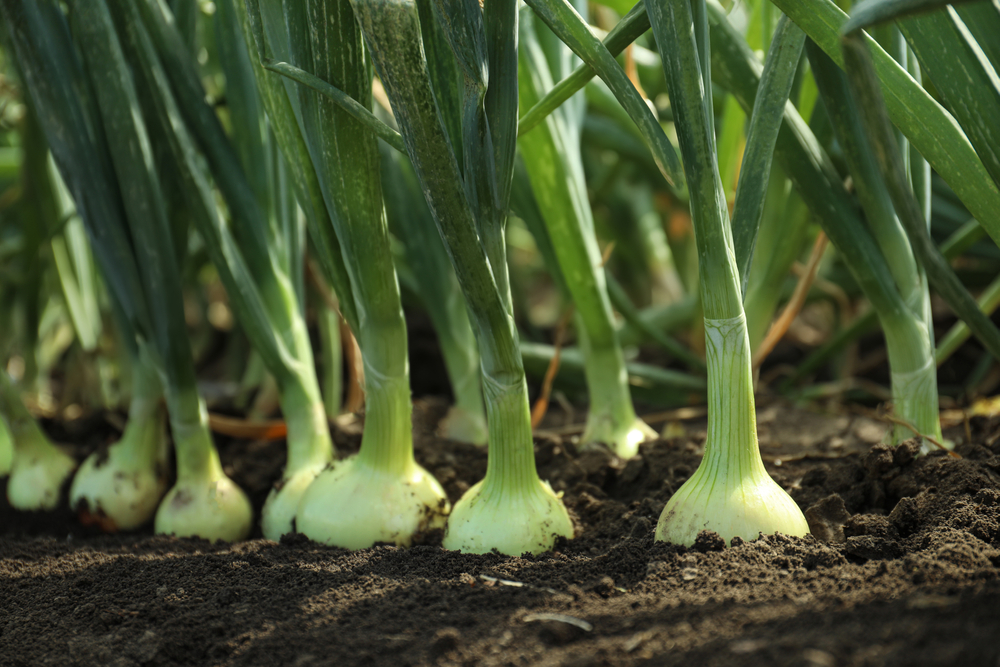
Green onions are one of the handiest vegetables a beginner can grow because they fit into small spaces and are useful in everyday cooking. Their upright growth makes them neat and easy to manage, even in a compact garden. They can be cut young for a mild onion taste or left longer for thicker white bases and fuller green tops. Since they do not spread much, they are a good option for tidy rows and container gardens.
A bed with good drainage and a fair amount of sunlight will help green onions stay fresh and sturdy. Water them often enough to keep the soil from drying out too much, especially while the plants are still getting settled. Pull them when they reach the size you like, or trim some of the green tops if you want a lighter harvest first. Giving them a bit of space between plants will help them grow straighter and more evenly.
Peas
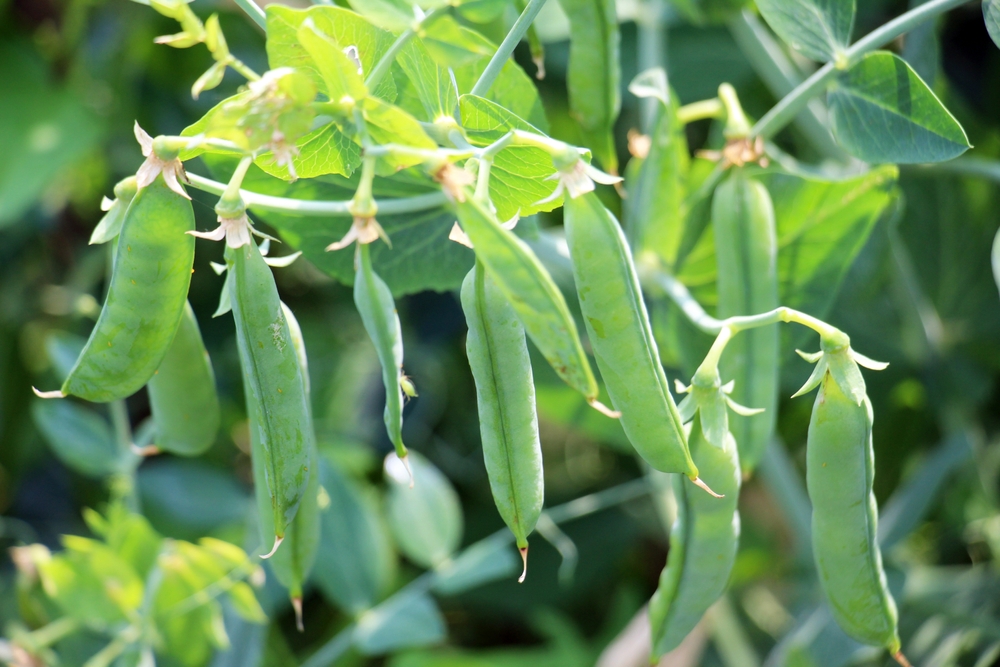
Peas are a favorite spring vegetable because they enjoy cool weather and give beginners something fun to watch from the start. The vines stretch upward, the flowers appear, and then the pods begin to form in a way that makes progress easy to see. Many new gardeners like them because the plants feel active and rewarding without being too hard to grow. They also add height to the garden, which can make a small planting area look fuller.
A small trellis, fence, or string support will help pea vines climb as they grow. Put them in a sunny place with soil that drains well, and keep the watering steady once flowers start to appear. Pick the pods often when they are full but still tender, because regular picking can help the plant keep producing. If peas are planted too late in warm weather, growth may slow down, and the harvest may not last as long.
Beets
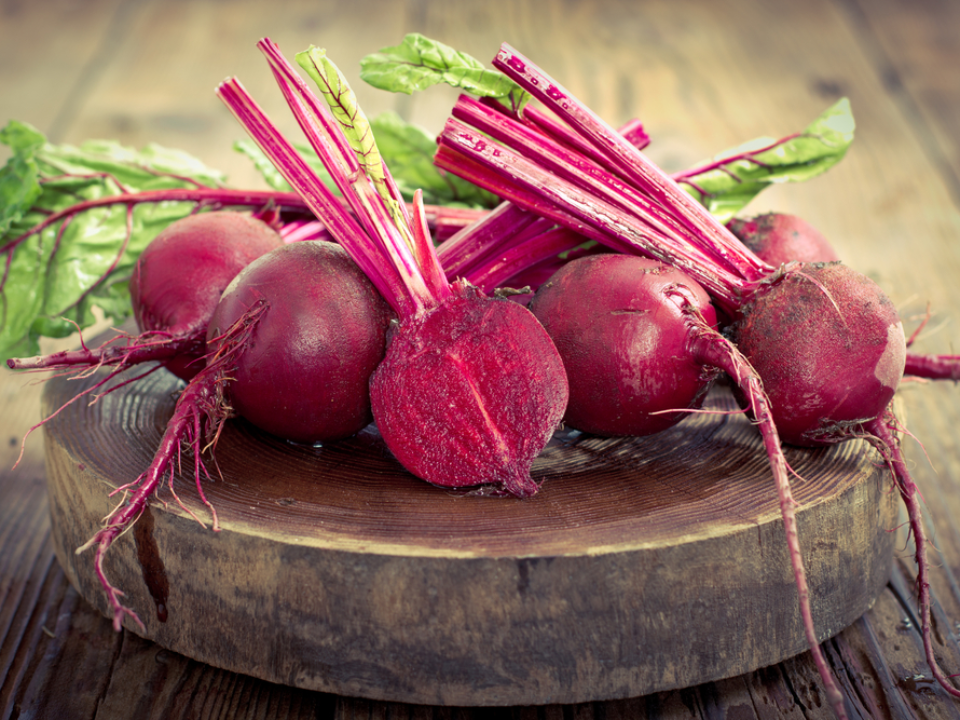
Beets are a practical spring crop because both the roots and the greens can be used in the kitchen. That gives beginners two useful harvests from one planting, which makes the effort feel more worthwhile. The plants do well in cool weather and usually settle in without a lot of trouble. Their red stems and deep green leaves can also make the garden look more lively while they grow.
Loose soil is very important for beets because the roots need room to form well below the surface. Keep the bed evenly watered so the roots stay tender and the greens do not become tired looking or dry. Thin the seedlings once they are large enough to handle, since crowded plants will stay smaller than they should. You can also use the young leaves in salads or sautes, which gives you a little harvest before the roots are ready.
Carrots
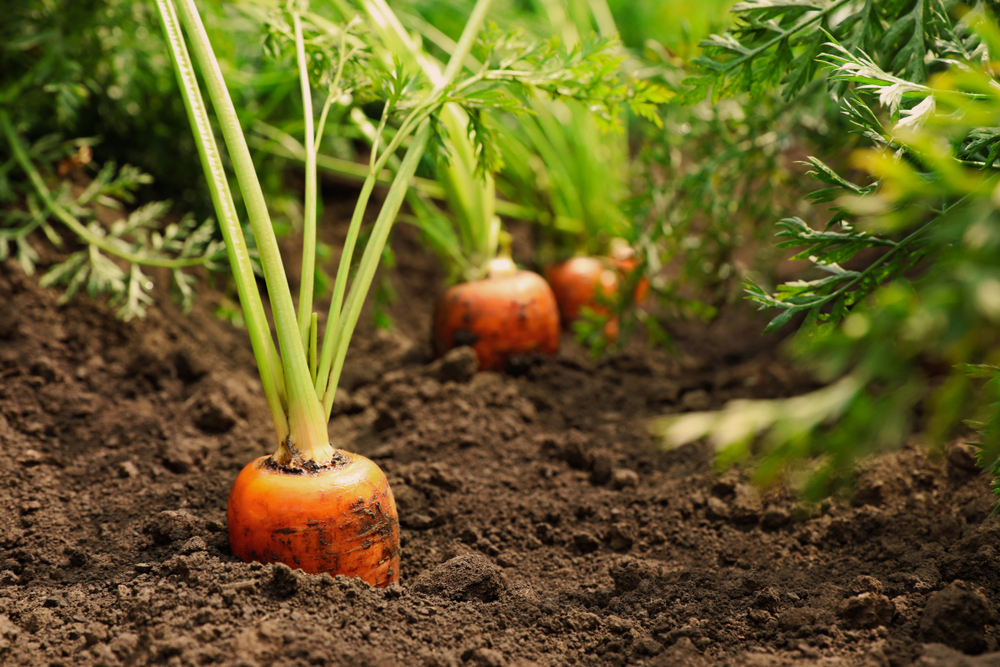
Carrots are a very good spring vegetable for beginners who are willing to be a little patient. They grow slowly compared with radishes, yet the final harvest feels exciting because you do not see the roots until pull time. Cool spring weather often helps them develop a sweeter flavor and a better texture. They are also familiar and easy to use in soups, salads, roasted dishes, and snacks.
Fine, loose soil helps carrots grow straight and smooth instead of short and twisted. Remove stones and break up clumps before planting, then keep the top layer of soil lightly moist while the seeds are getting started. Since carrot seeds can take time to sprout, it helps to stay patient and not let the soil dry out during that early stage. Thin the seedlings once they come up so each root has enough room to grow to a useful size.
Zucchini
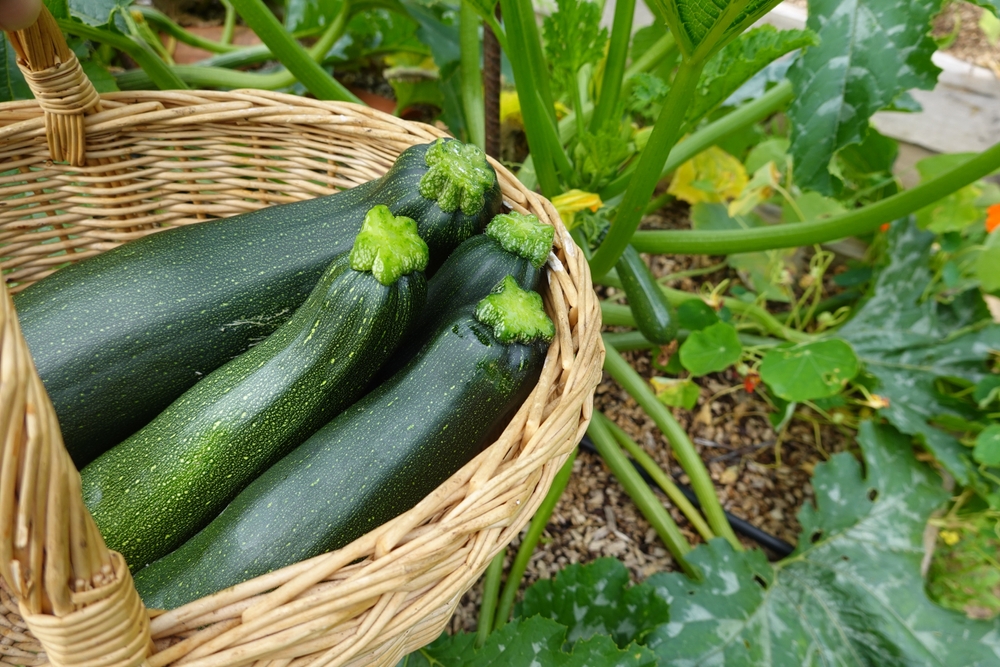
Zucchini is popular with beginners because it grows quickly and can produce a lot from just one or two plants. The broad leaves and large yellow flowers make it easy to follow the plant’s progress from week to week. For someone new to gardening, that visible growth can make the whole process feel more exciting and less uncertain. It is also a vegetable that can be used in many simple meals once harvest time starts.
Room to spread matters a lot with zucchini because the plant can grow wider than beginners often expect. Put it in a sunny place, keep watering regularly, and try not to let the soil swing from very dry to very wet. Pick the fruit while it is still on the smaller side, since that is usually when the texture and taste are best. Check the plant often, because zucchini can grow from just right to too large in only a short time.
Kale
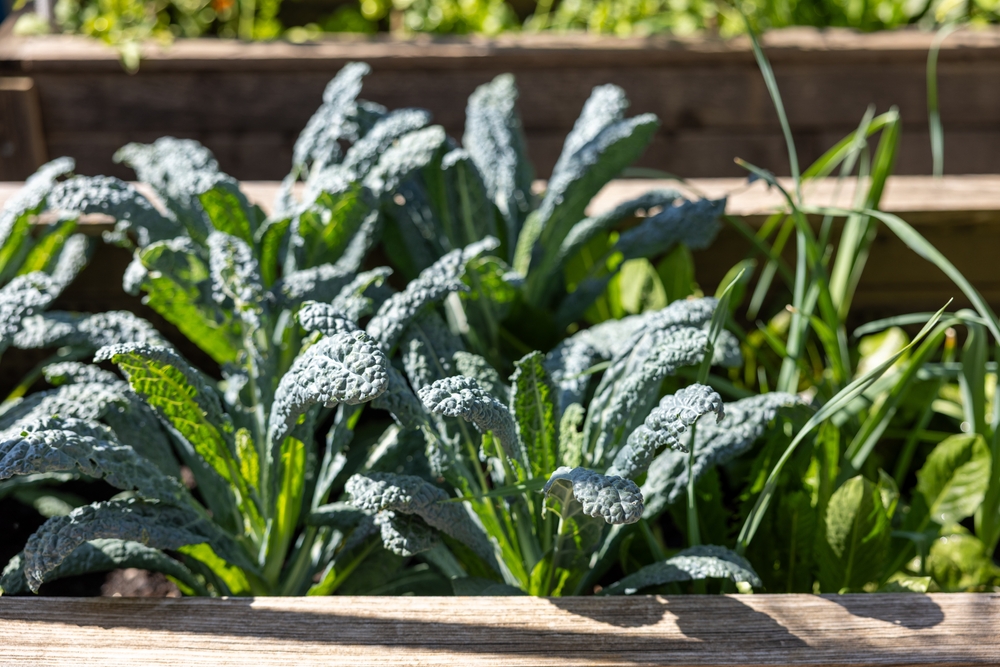
Kale is a dependable spring vegetable that suits beginner gardeners very well. The plant handles cool weather nicely, and the leaves can be picked over time rather than all at once. Many new gardeners like it because it feels steady in the garden and does not seem too fussy. It is also useful in many kinds of meals, from soups and sautes to salads and grain bowls.
Plant kale in soil that drains well and place it where it can get a good amount of sun each day. Keep the watering regular so the leaves stay full and pleasant to eat rather than dry and tough. Start by picking the lower leaves first while allowing the center to keep growing upward. It is also helpful to check the leaves now and then for holes, since insects may go after young growth during spring.
Turnips
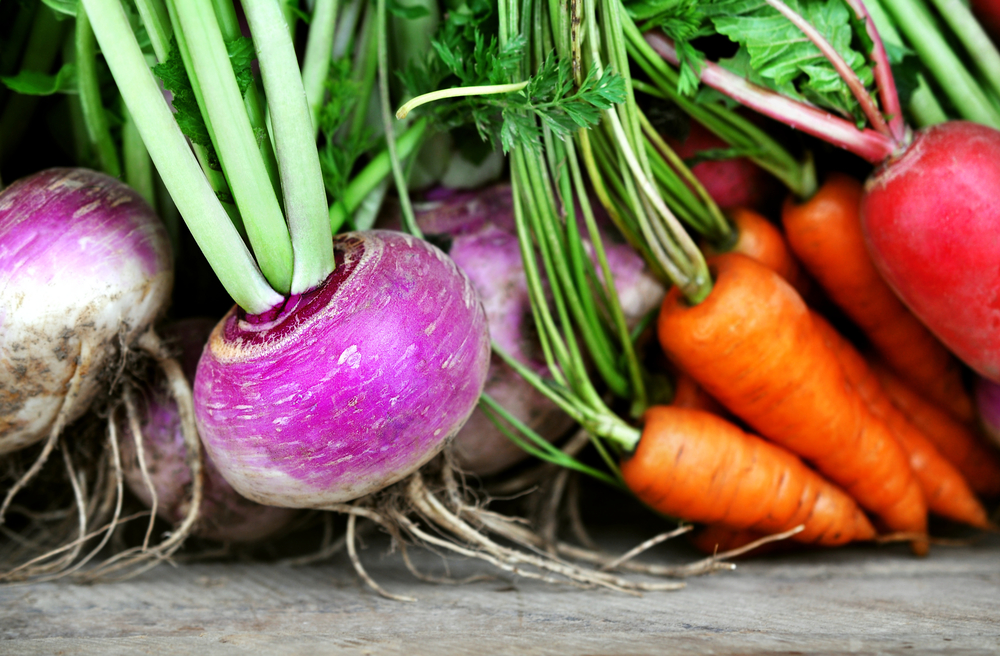
Turnips are a smart choice for beginners because both the roots and the greens are worth using. That makes them feel practical and satisfying, especially for gardeners who want a crop that gives more than one kind of harvest. They grow well in spring weather and do not need a large amount of space to get started. Their steady pace makes them easier to manage than some vegetables that change very quickly.
Loose, stone-free soil helps turnip roots stay smooth and grow to a better shape. Sow the seeds where you want them, thin the seedlings once they appear, and keep the soil evenly moist while the roots are filling out. The greens can be cut young for cooking, while the roots are best pulled before they grow too old and strong in taste. If you harvest them while they are still fairly young, the texture is usually more tender and pleasant.
Swiss Chard
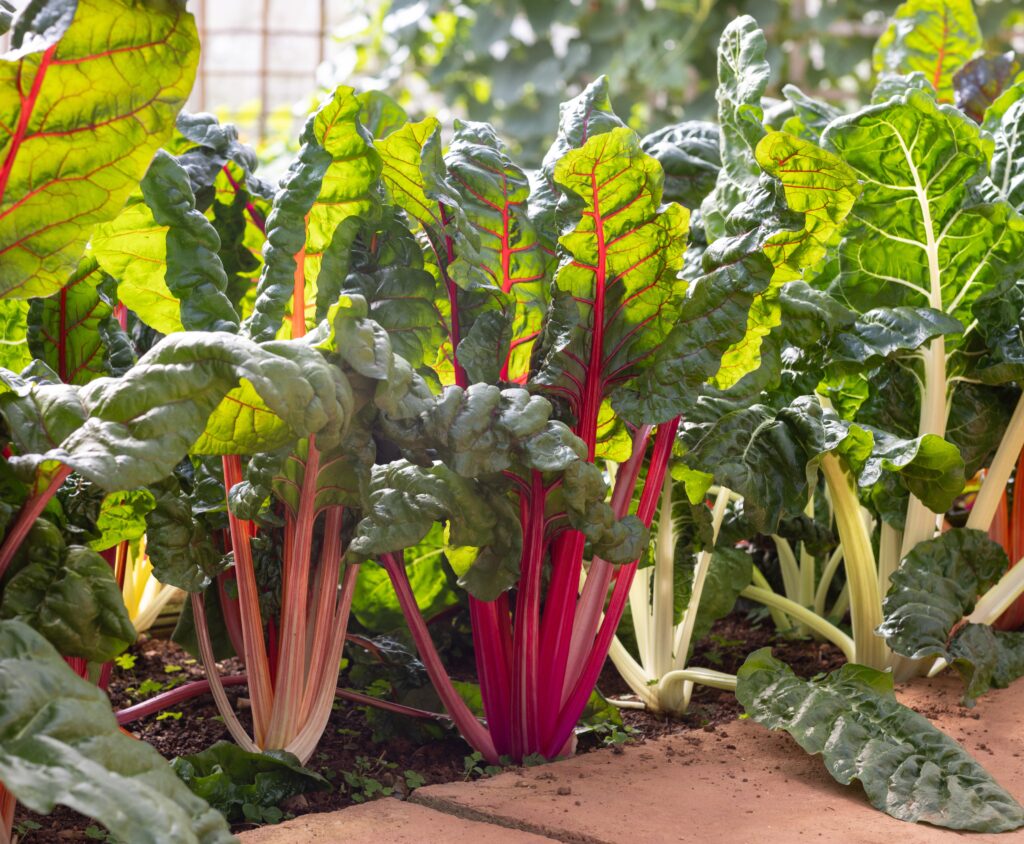
Swiss chard is a forgiving vegetable that works especially well for people who are still getting used to gardening. It grows steadily in spring, handles regular picking well, and often keeps producing over a long stretch of time. The bright stems can add color to the garden, which makes the bed look lively even before harvest time. Since you can cut only what you need, it is easy to use without feeling wasteful.
Healthy soil and steady moisture will help Swiss chard stay leafy and full. Give it a place with good light, though a little shade later in the day can still be helpful in warmer areas. Cut the outer stalks first and leave the center untouched so new leaves can continue coming up from the middle. If you keep harvesting gently instead of removing the whole plant at once, one planting can stay useful for quite a while.
Pak Choi
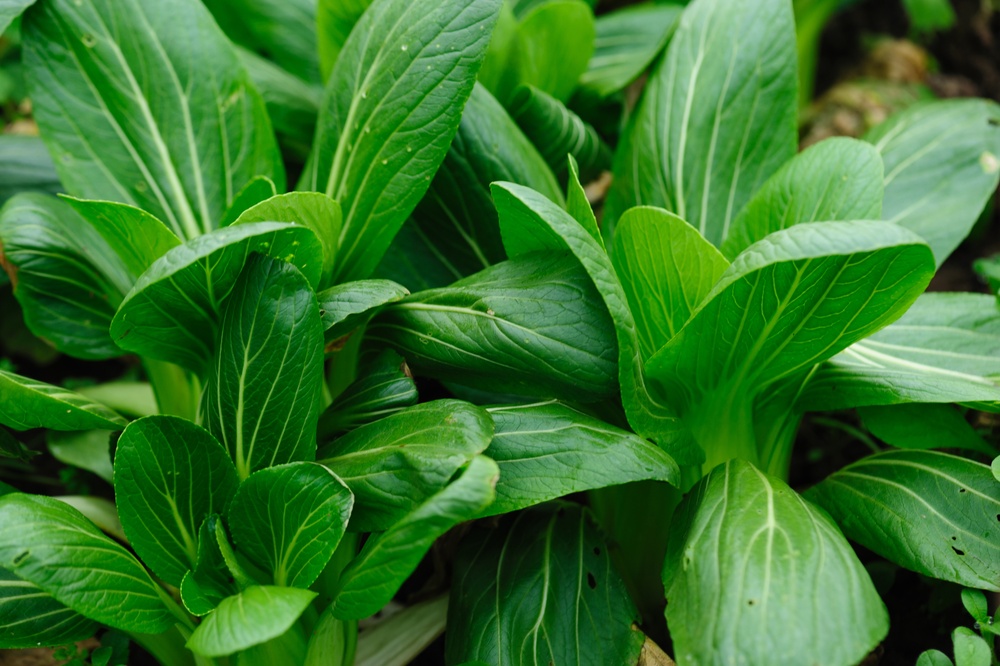
Pak choi is a very manageable spring vegetable for people who are still learning how to garden. It grows fairly quickly, has useful stems and leaves, and keeps a neat shape that fits well into small beds. Beginners often like it because it looks orderly and gives a good harvest without too much trouble. It is also easy to use in stir fries, soups, and simple cooked side dishes.
Rich soil and regular moisture will help pak choi stay crisp and healthy as it grows. Choose a spot with good light and enough room for air to move around the leaves, which helps the plant stay in better shape. Smaller heads can be picked for a tender texture, or you can let them size up a little more if you want a larger harvest from each plant. Since warm weather can make it flower too early, spring is usually the best time to grow it and enjoy the nicest results.
This article originally appeared on Avocadu.