
16 Perennials to Plant in Spring for Blooms Year After Year
A garden feels more rewarding when the plants return and bloom again with each passing season. That is why perennials are such a popular choice for spring planting in all kinds of outdoor spaces. They can bring steady beauty to beds and borders while making the garden feel fuller over time. With that in mind, let us look at some lovely options to grow.
This post may contain affiliate links, which helps keep this content free. Please read our disclosure for more info.
Coneflower
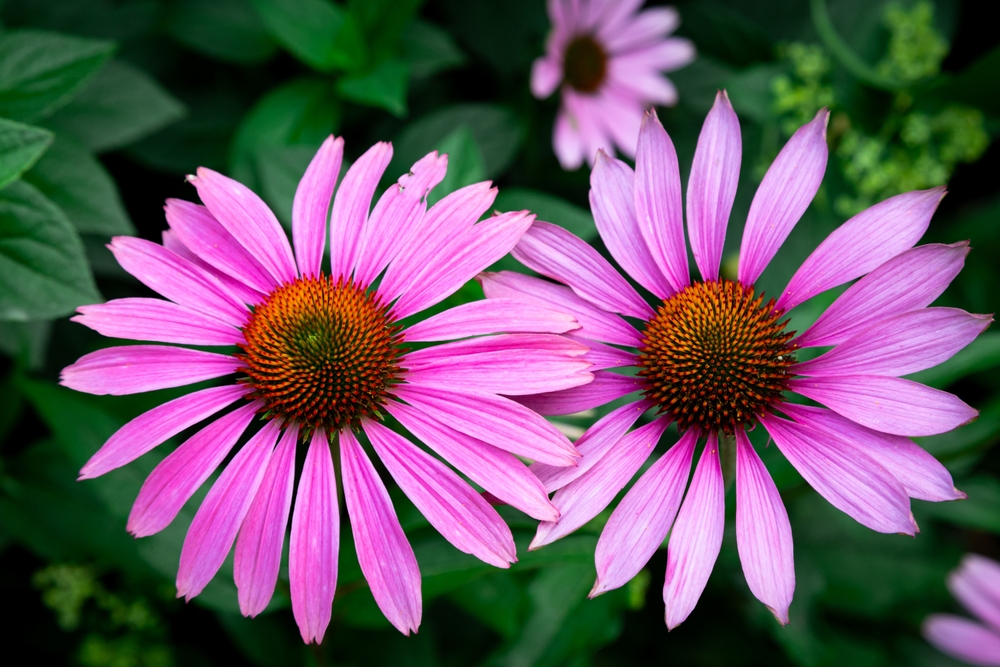
Spring planting works very well for coneflower because it has time to settle before the heat of summer. Its flowers come in purple, pink, white, orange, and yellow, which gives garden beds a lively look. This perennial likes full sun and soil that drains well. Once established, it handles dry spells better than many other flowering plants.
In mixed borders, coneflower brings long-lasting color from summer into early fall. Butterflies often visit the blooms, and birds may feed on the seed heads later in the season. Many gardeners leave the faded flowers in place for extra texture. It is a dependable choice for anyone who wants lasting color with simple care.
Black Eyed Susan
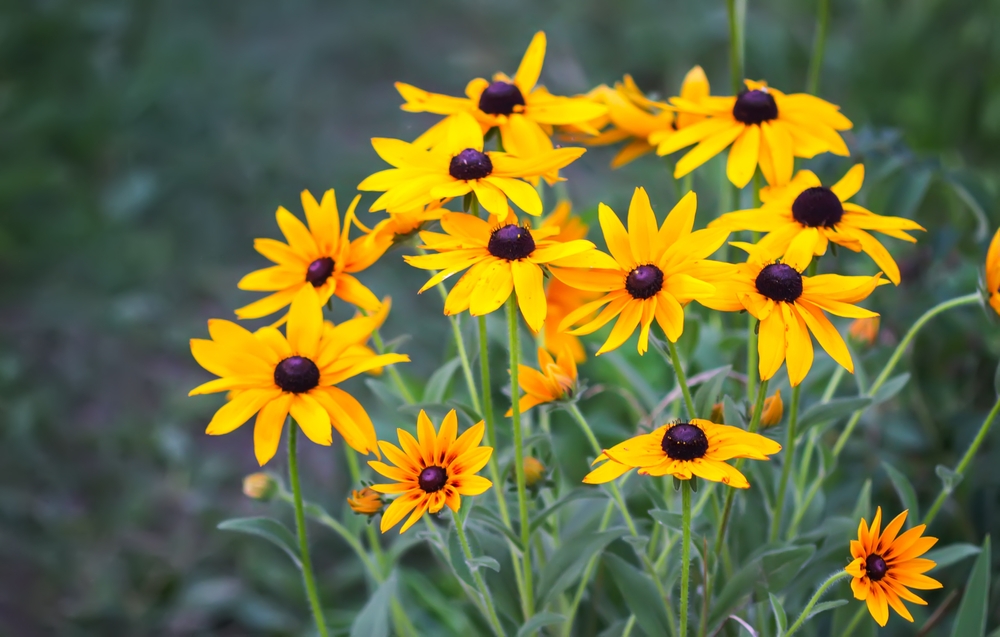
Few flowers make a garden feel as cheerful as black-eyed Susan. The bright yellow petals and dark centers stand out clearly in beds and along fences. It grows best in full sun and can handle many soil types. Spring planting gives it a nice start before its blooming season arrives.
Throughout summer, black-eyed Susan adds warm color that pairs well with many other perennials. It can be used in cottage gardens, pollinator beds, or simple backyard borders. Cutting faded flowers may help new buds keep coming. Since it returns each year, it gives the garden a familiar and welcome look.
Daylily
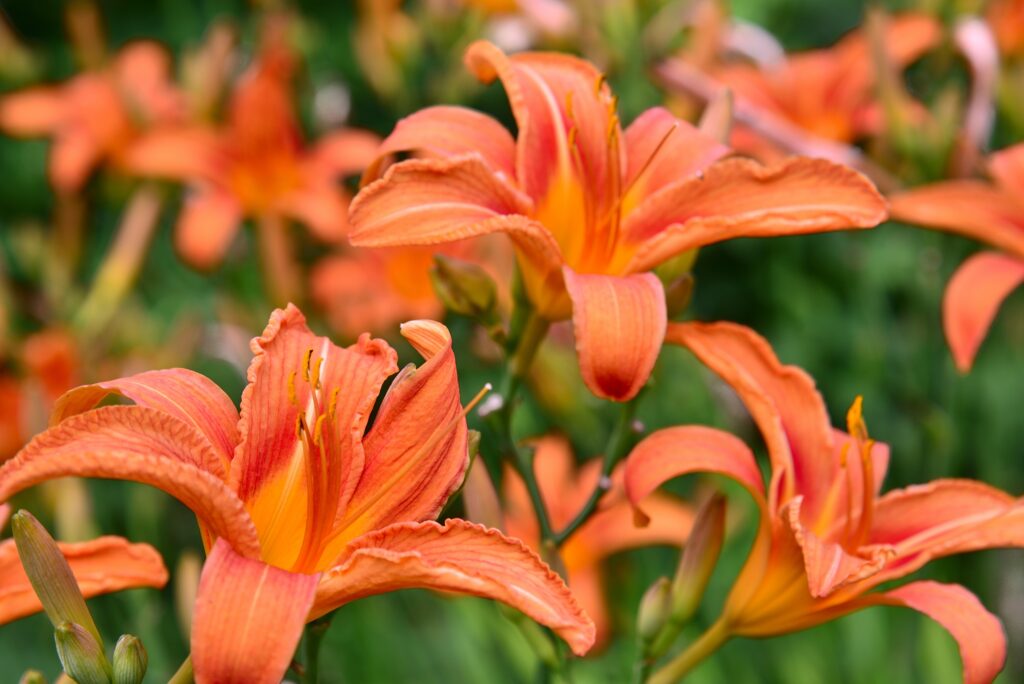
A daylily is a solid plant for spring gardens because it grows well in many settings. The flowers open in shades like yellow, orange, red, pink, and peach. Each bloom lasts a short time, though the plant keeps making more during its season. Full sun is best, though some kinds do fine with a bit of light shade.
Along walkways, daylilies fill space with arching leaves and bright flowers. Clumps grow larger over time and can be divided when they become crowded. That makes it easy to move them to other parts of the yard. Their easygoing nature makes them a favorite in many home gardens.
Shasta Daisy
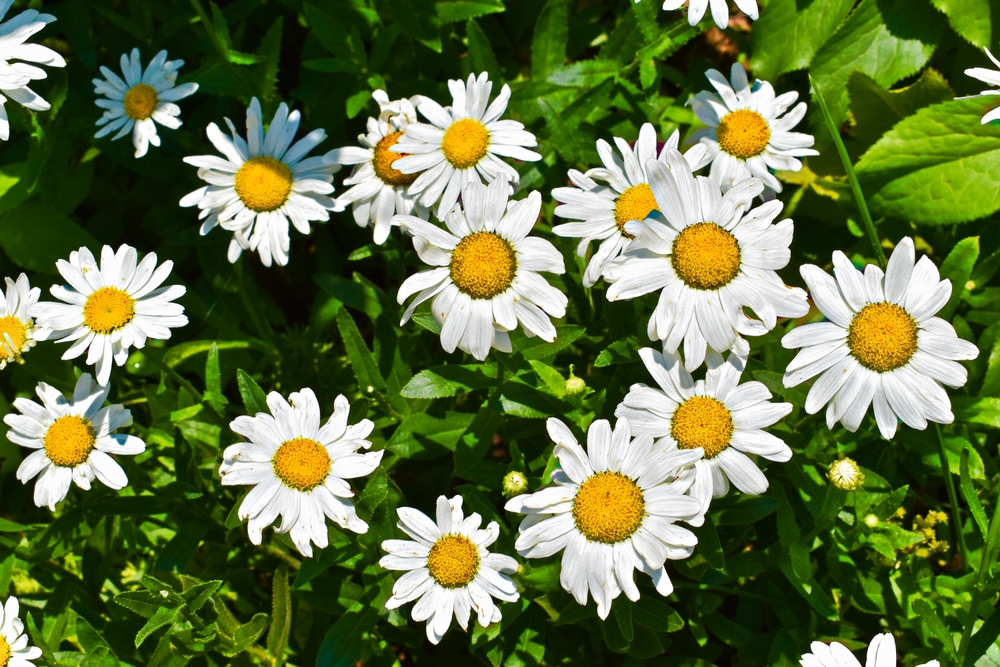
There is something fresh and classic about planting Shasta daisies in spring. Their white petals and yellow centers give beds a clean and easy look. These flowers like sunny spots and soil that does not stay soggy. Once summer begins, they can bloom for several weeks.
In flower borders, Shasta daisies mix nicely with purple, pink, and blue blooms. Removing old flowers can help the plant stay neat and keep producing. They are also lovely in simple cut flower arrangements indoors. Because they return each year, they are a nice part of a long-term planting plan.
Salvia
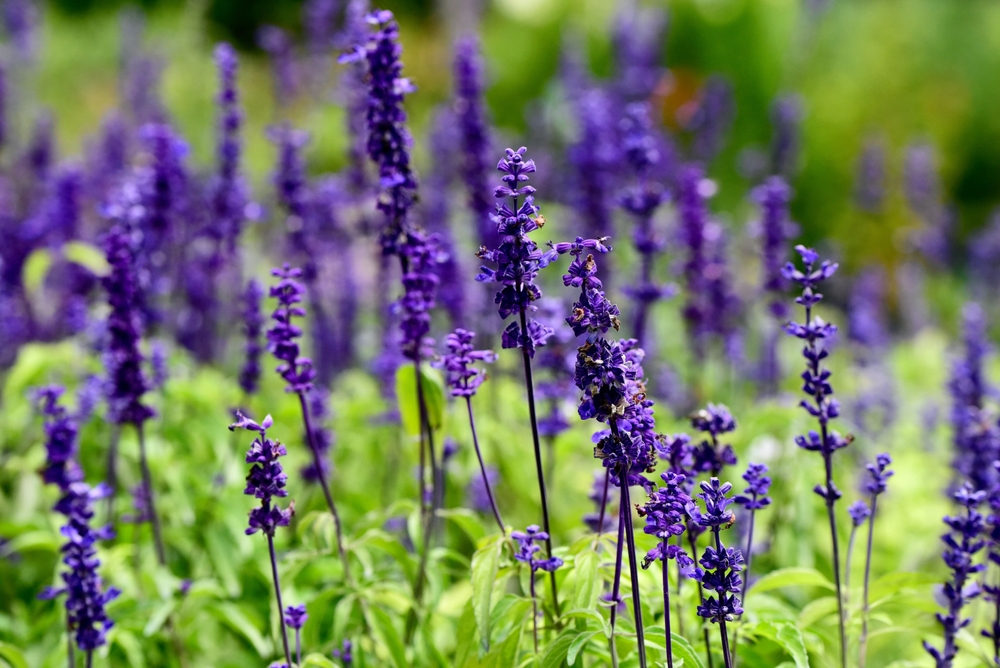
For gardeners who want upright color, Salvia is a very good spring-planted perennial. Its flower spikes often come in blue, purple, pink, red, or white. This plant enjoys full sun and handles warm weather well. It also brings bees and butterflies into the garden.
In the middle of a bed, salvia gives nice height and shape among rounder flowers. Trimming spent blooms may lead to another round of flowers later in the season. The leaves can have a pleasant scent when brushed by hand. It is a good plant for adding strong color over a long period.
Peony
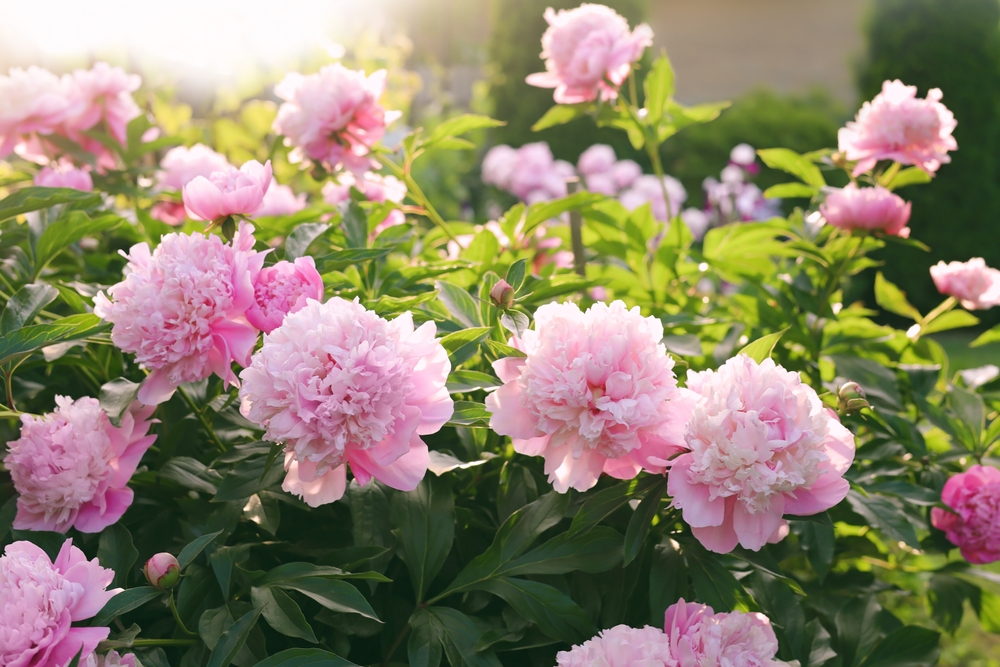
Many gardeners look forward to peonies because their large blooms feel rich and full. Colors can include white, pink, coral, red, and soft yellow, depending on the type. Peonies like full sun and soil with good drainage. When planted in spring, they start building toward many seasons of bloom.
Once established, peonies can stay in the same place for years. Their flowers may need support if heavy rain makes the stems droop. Even after bloom time ends, the leaves still give the bed a full look. Patience is useful with peonies because they often improve as the plant matures.
Coreopsis
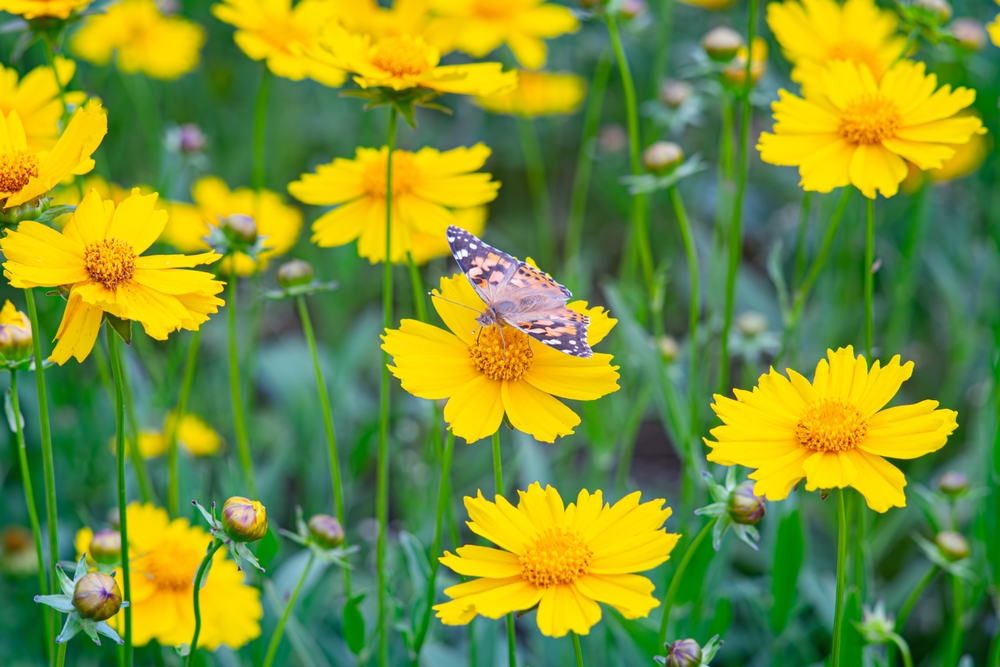
A patch of coreopsis can make a garden feel sunny for much of the season. This perennial usually blooms in yellow, though pink and red-toned forms are available too. It grows well in full sun and handles heat nicely. Spring planting gives it a good start before summer arrives.
Near the front of a border, coreopsis keeps things bright without taking up too much room. Deadheading old flowers may help keep new ones coming. Its light and airy look pairs well with grasses and other summer bloomers. It is a good choice for gardeners who like a long bloom time.
Bee Balm
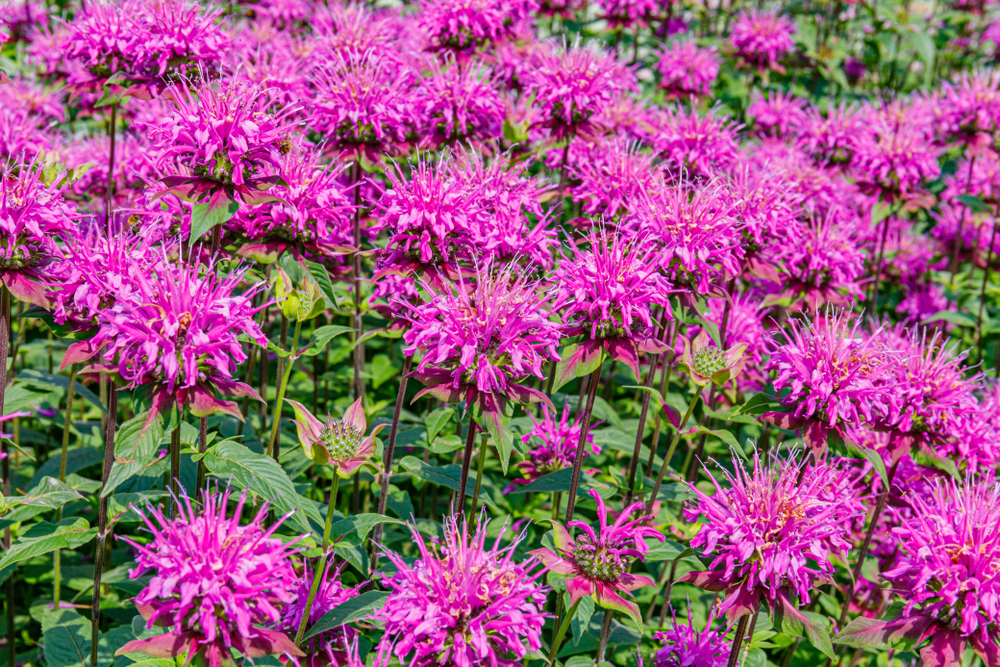
Bee balm brings a playful look to the garden with its fringed blooms. Common colors include red, pink, purple, and lavender. It prefers a sunny spot, though some shade can help in hotter places. Pollinators are often drawn to it during the blooming season.
In wider beds, bee balm fills space with both flowers and leafy growth. Good air flow around the plant helps it stay in better shape. The unusual flower form adds variety to the garden without feeling too formal. Since it comes back each year, it can become a steady part of the yard.
Garden Phlox
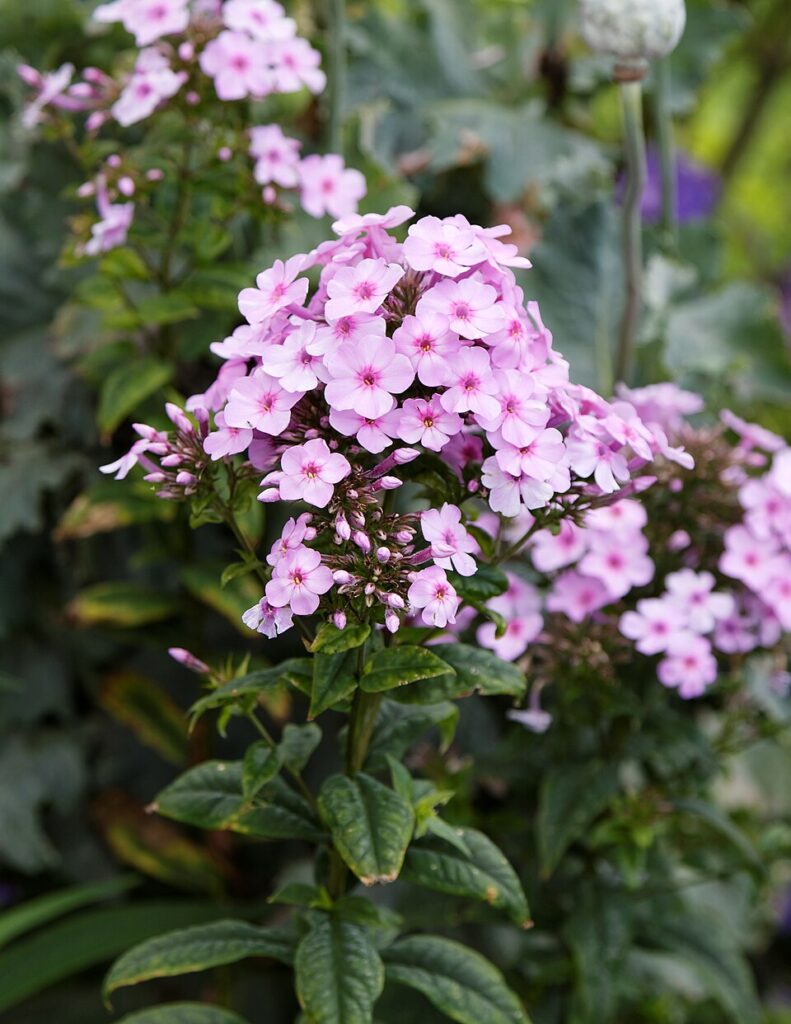
Garden phlox is loved for its tall flower clusters and rich summer color. Shades include pink, white, purple, and red, which makes it easy to fit into many planting styles. It likes sun and soil that holds some moisture. Spring is a fine time to plant it, so roots can settle in well.
Behind shorter flowers, garden phlox gives height and fullness to the bed. Some kinds have a light, sweet scent that works nicely near patios or paths. Spacing the plants well helps air move around them. This perennial is a lovely pick for gardeners who enjoy full clusters of bloom.
Yarrow
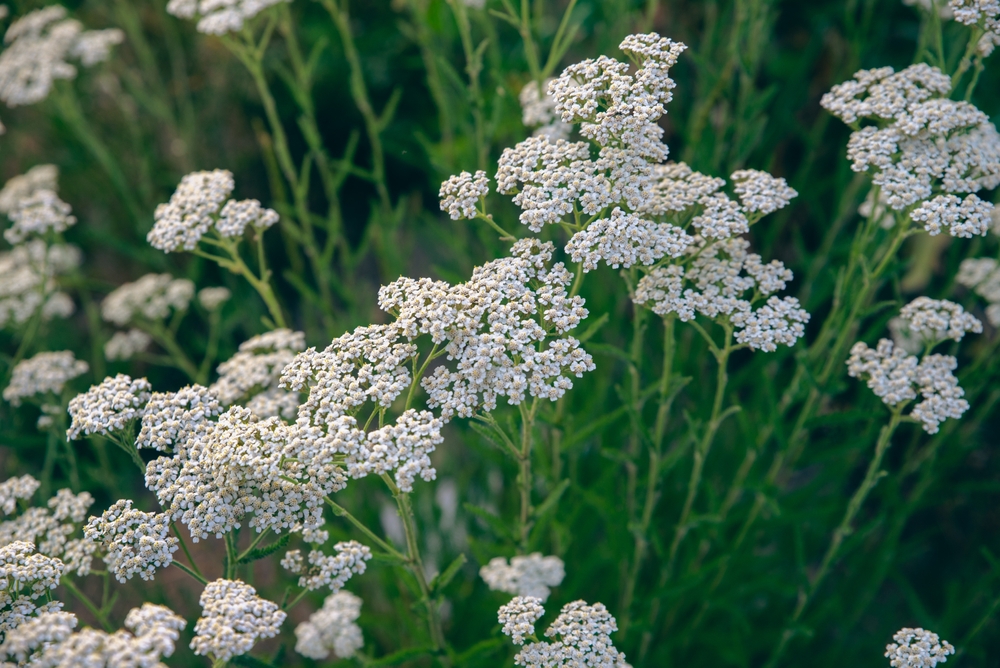
If you want a hardy perennial, yarrow is one to consider in spring. It has flat flower heads in shades like yellow, white, pink, peach, and red. The leaves are soft and fern-like, which adds another layer of interest. Full sun and well-drained soil help it do its best.
In dry areas of the yard, yarrow often keeps looking good when fussier plants struggle. The flowers can be used fresh in vases or dried for later use indoors. Cutting old blooms may lead to more flowers after the first flush. Its ability to return each year makes it a useful and attractive plant.
Catmint
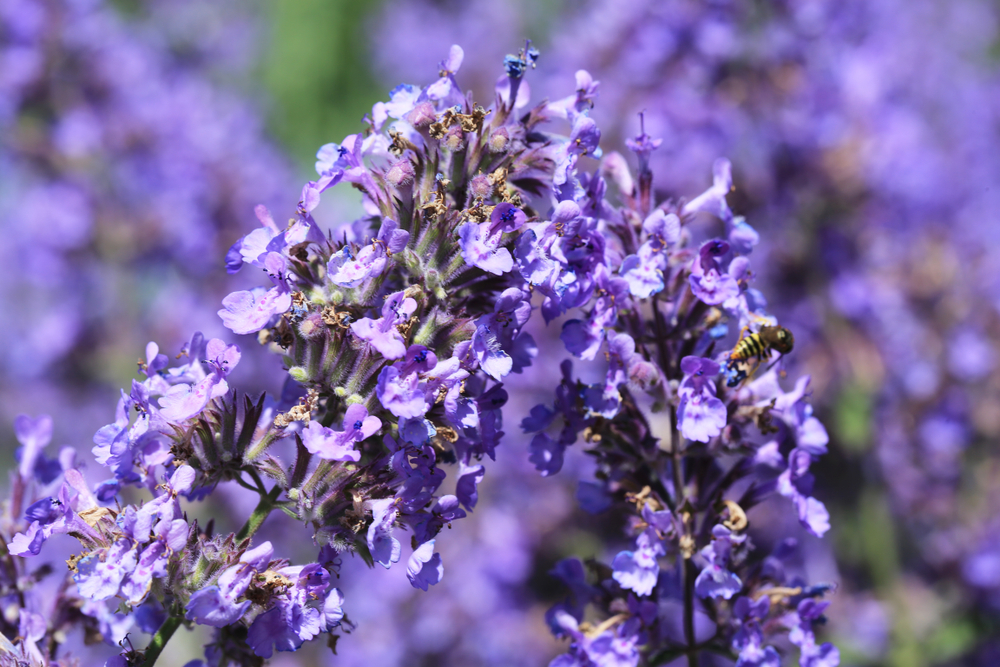
Soft mounds of leaves and bluish purple flowers make catmint easy to like. This perennial starts blooming in late spring or early summer and can keep going for quite a while. It enjoys full sun and does well once settled in. The loose shape helps soften the edges of beds and paths.
Around roses or taller perennials, catmint works as a gentle lower layer. A light trim after the first flowers fade can help fresh growth appear. Bees often visit the blooms, which gives the area more movement. Because it returns so reliably, it is a favorite in many home gardens.
Blanket Flower
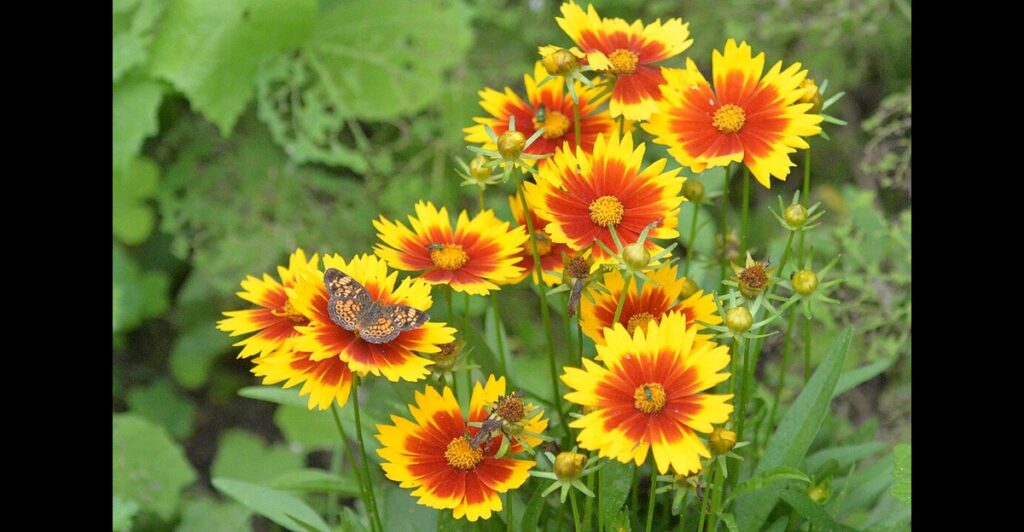
Blanket flower brings warm tones that stand out clearly in summer beds. Red, orange, and yellow are common shades, and they give the garden a lively look. It prefers full sun and soil that drains well. Spring planting lets it settle before the hottest part of the year.
In sunny borders, blanket flower mixes nicely with cooler colored flowers. Removing faded blooms may help the plant continue flowering longer. Its compact habit makes it useful near the front of a planting bed. Since it comes back year after year, it keeps giving color with simple upkeep.
Russian Sage
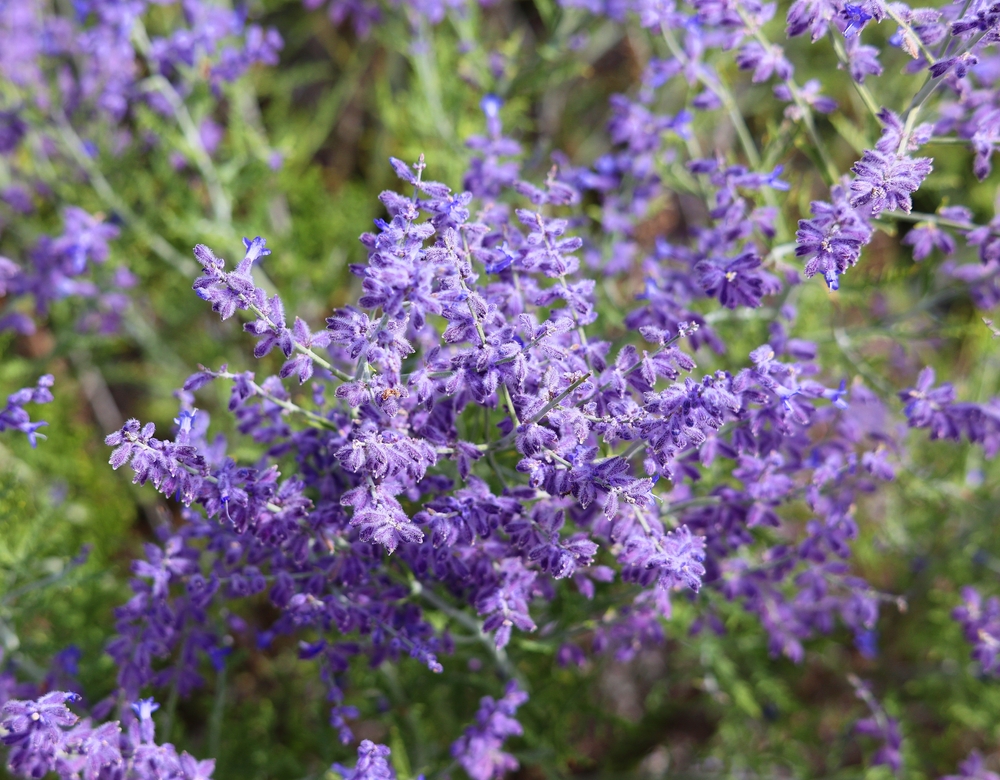
Russian sage gives the garden an airy look with tall stems and soft purple-blue flowers. The silvery leaves add extra interest even before the blooms fully open. This perennial wants full sun and dry, well-drained soil. It is especially useful in hot spots where some other plants do not do as well.
Behind lower flowers, Russian sage adds height without making the bed feel heavy. Its long blooming period keeps color going through much of summer. The leaves have a pleasant scent that some gardeners enjoy. Once settled in, it becomes a very reliable part of the garden.
Sedum
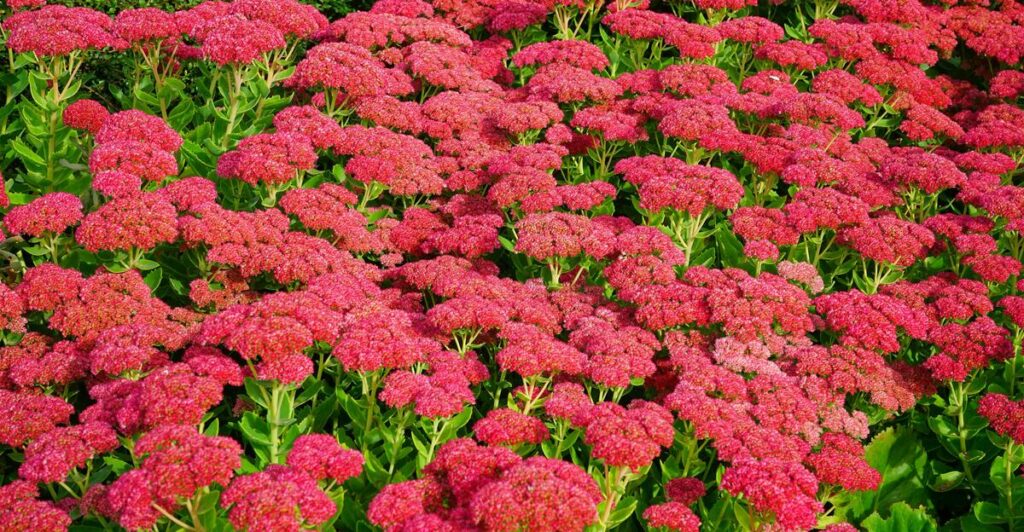
Sedum is a good spring-planted perennial for gardeners who like both leaves and flowers. Many types have thick leaves that look tidy through much of the growing season. Later on, clusters of pink or rosy flowers appear and stay attractive for a long time. Full sun and dry, well-drained soil suit this plant best.
In rock gardens or dry borders, sedum fits in very naturally. It does not ask for much water once it has settled into place. The flower heads often remain attractive after they dry. That gives the plant value beyond its main blooming period.
Astilbe
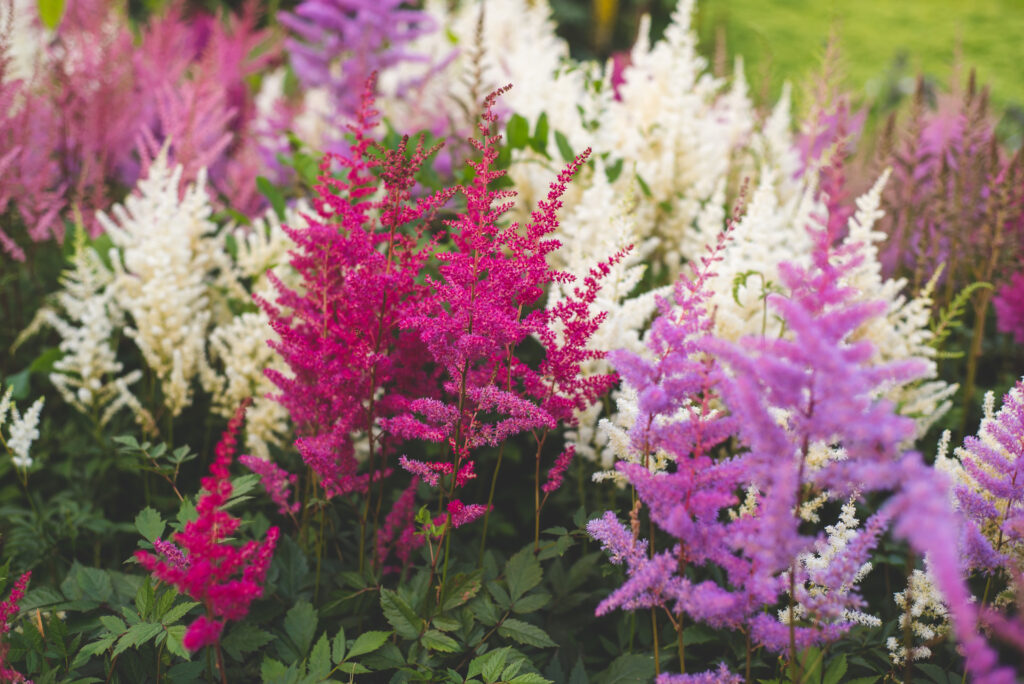
For shadier areas, astilbe is a lovely perennial to plant in spring. Its feathery plumes rise above fern-like leaves in pink, red, lavender, and white. It prefers soil that stays somewhat moist, which makes it useful where sun-loving flowers may struggle. When given the right spot, it comes back each year with grace and color.
Besides hostas and ferns, astilbe helps brighten the darker corners of the yard. The blooms have a soft look that adds contrast to broader leaves nearby. Warm weather is easier on this plant when the soil does not dry out too much. It is a fine option for anyone who wants flowers in part shade.
Hellebore

Hellebores are valued for blooming very early in the season. Their flowers may appear in cream, pink, burgundy, green, or very dark shades. Part shade and well-drained soil help them grow well. Planting them in spring gives them time to settle before cooler months return.
Under trees or along shaded beds, hellebores bring color when much of the garden is still quiet. Their leathery leaves stay attractive long after the blooms are gone. Once they are happy in one spot, they usually ask for little attention. For early-season beauty that returns year after year, hellebores are a strong choice.
This article originally appeared on Avocadu.