
12 Spring Bulbs That Give You the Biggest Color Payoff in Your Garden
Few things make a garden feel more exciting than spring bulbs coming into bloom. Their bright flowers can wake up quiet spaces and bring a lot of charm to the season. Many of them are easy to plant and rewarding to grow, which makes them a favorite for all kinds of gardeners. So if you are ready to add more color outdoors, these blooms are well worth a look.
This post may contain affiliate links, which helps keep this content free. Please read our disclosure for more info.
Tulip
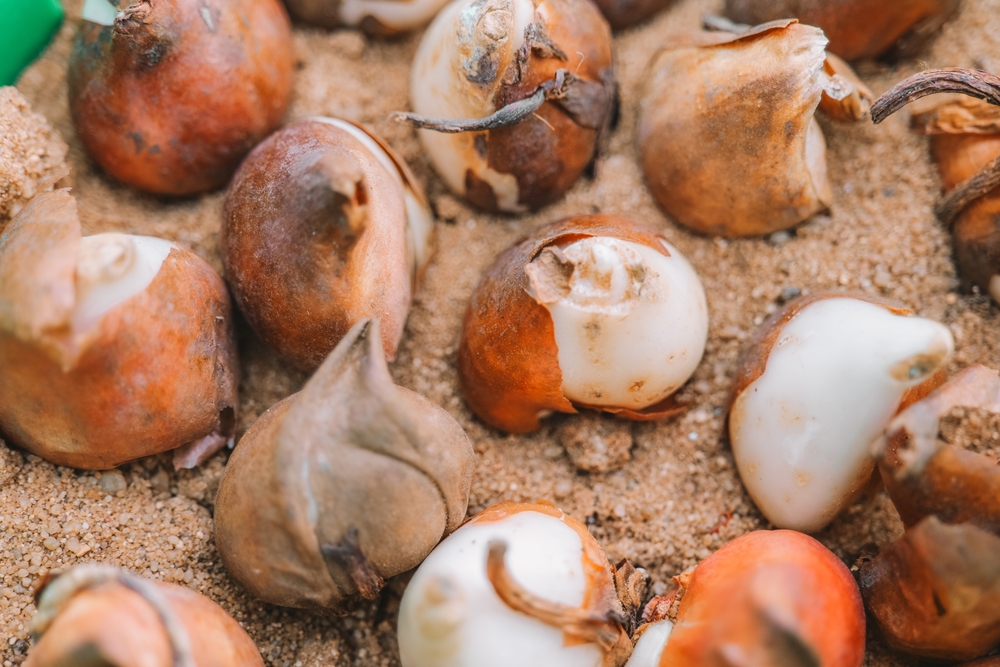
Nothing says spring quite like a bed of tulips opening in bright, clean color. They come in red, pink, yellow, purple, white, and even striped mixes, so they can change the whole look of a garden fast. Most tulip bulbs bloom about 6 to 7 months after fall planting. That long wait pays off when their flowers show up in a strong burst once the weather warms.
In many yards, tulips give the richest color when they are planted in groups instead of single bulbs. They like full sun and soil that drains well, since soggy ground can cause bulb rot. Their bloom time is usually mid to late spring, though some types flower a bit earlier. If you want a fuller display, planting several kinds together can stretch the show for weeks.
Daffodil
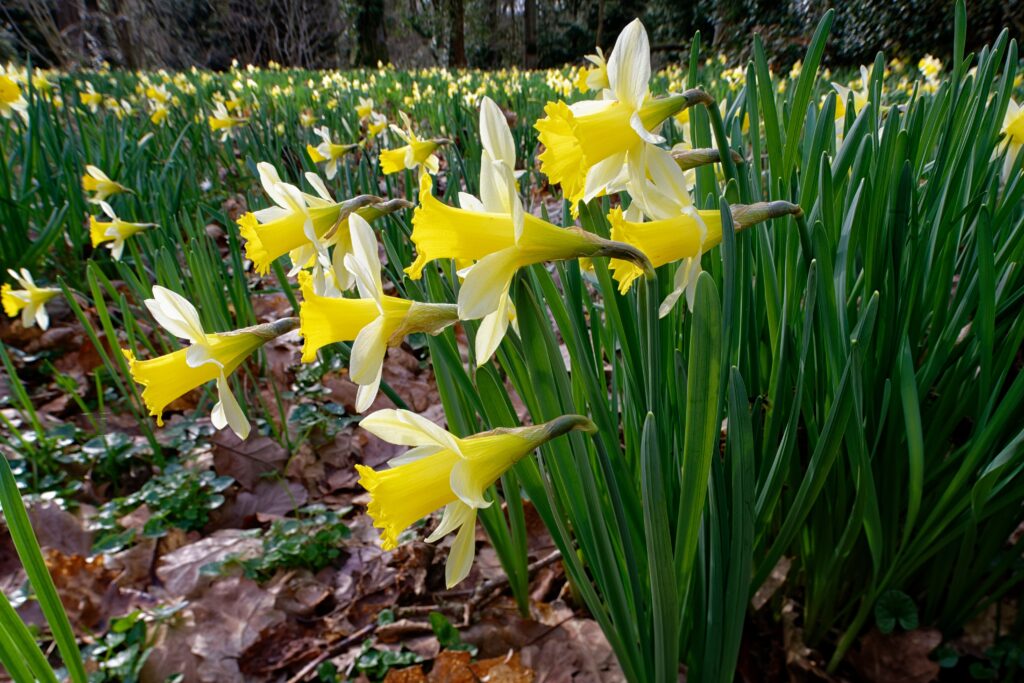
For cheerful spring color, daffodils are hard to beat. Their yellow, white, peach, and orange blooms brighten flower beds when much of the garden is still waking up. These bulbs usually bloom around 6 to 7 months after they go into the ground in the fall. Once settled, many kinds come back year after year with very little trouble.
One reason gardeners love daffodils is their steady nature in the landscape. They do well in full sun or light shade and handle cool spring weather with ease. Deer and rabbits often leave them alone, which makes them a useful pick in many areas. Their trumpet-shaped blooms also pair nicely with other spring flowers for a fuller look.
Hyacinth
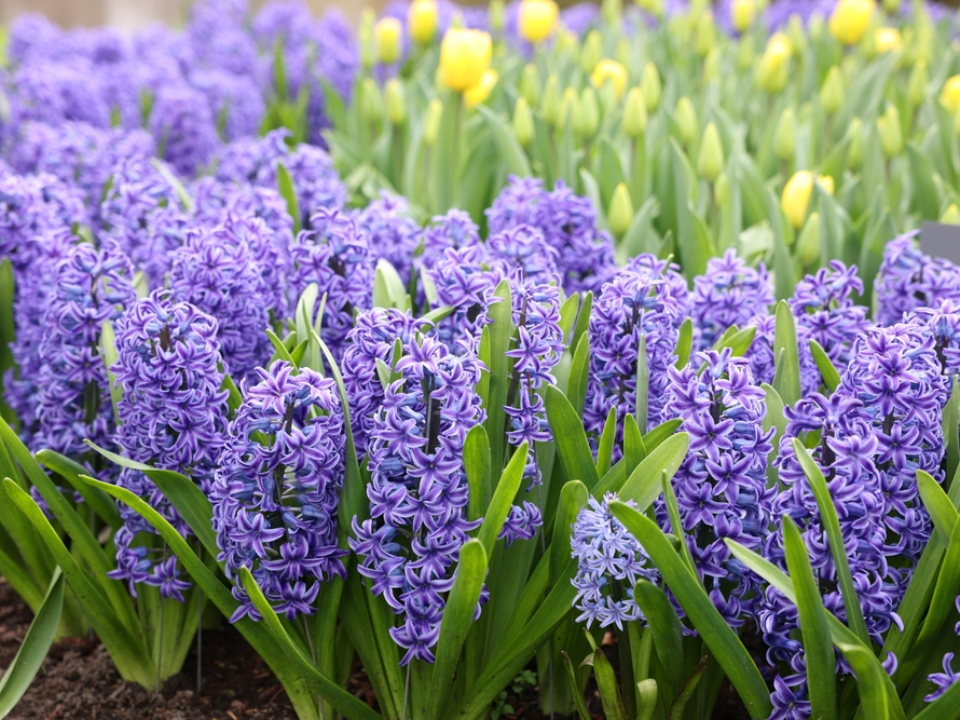
With their dense flower spikes, hyacinths bring rich color and a strong, sweet scent at the same time. Shades like deep blue, soft pink, white, and violet stand out clearly in beds and containers. They usually bloom about 5 to 6 months after fall planting. Even a small patch can make a big visual impact because the flower heads are so packed.
Near walkways or entry areas, hyacinths are extra enjoyable because their fragrance is easy to notice. They prefer sunny spots and loose soil that does not stay wet for long. Their bloom period often lands in early to mid-spring. Since the flowers are short and sturdy, they also work well in pots where color needs to stay neat.
Crocus
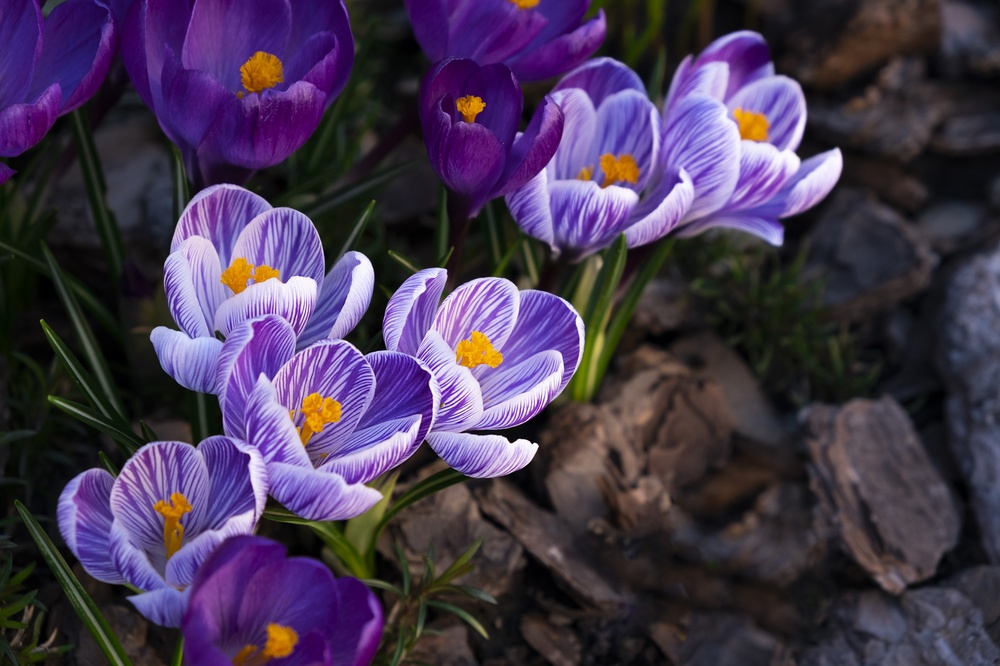
Low to the ground yet full of charm, crocuses are often among the first bulbs to bloom. Their purple, gold, white, and striped petals can pop up while winter is still fading away. Most crocus bulbs flower about 4 to 6 months after planting in the fall. That makes them one of the quickest ways to get early color in the yard.
Across lawns, borders, and rock gardens, crocuses look best when planted in drifting clumps. They enjoy the sun and can handle cool weather better than many other flowers. Bees often visit them early in the season, which gives them extra garden value. Since they bloom so early, they are a nice choice for anyone who gets tired of a dull late winter yard.
Dutch Iris
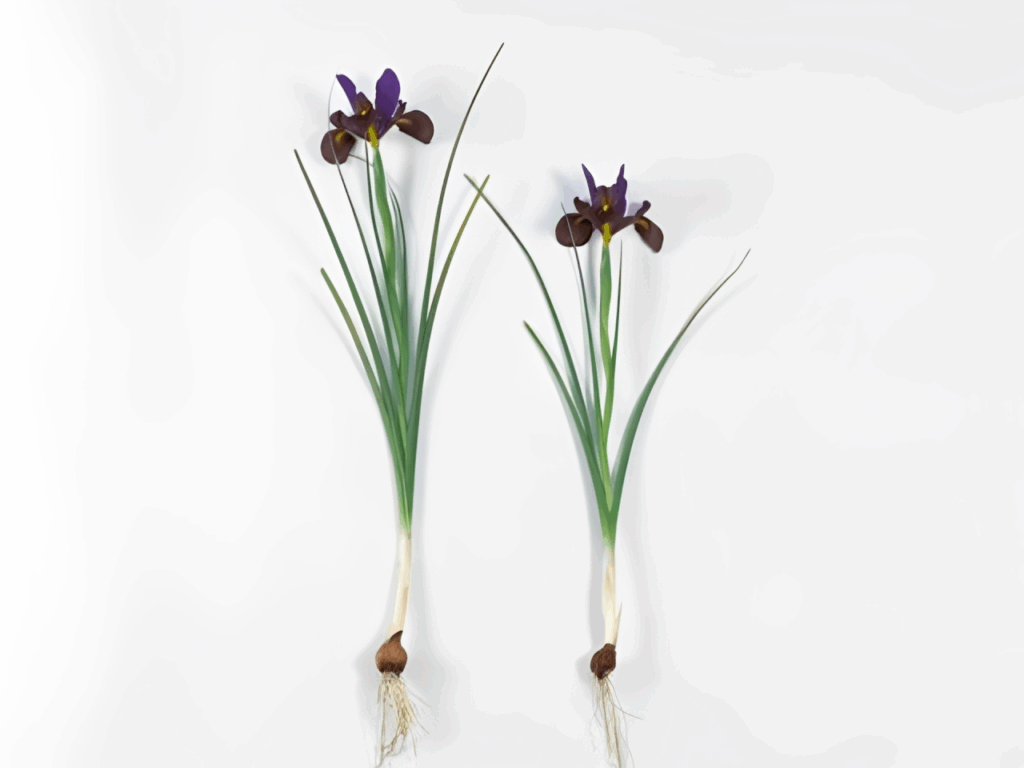
Sleek petals and rich tones give the Dutch iris a very clean spring look. Blue, purple, yellow, and white are common colors, and the blooms often feel more refined than heavier spring flowers. These bulbs usually bloom about 7 to 8 months after fall planting. Their flowering time often comes later in spring, which helps keep the garden colorful after early bulbs fade.
In beds with mixed heights, Dutch iris adds upright form without taking over too much space. It prefers sunny spots and soil that drains well. The flowers are excellent for cutting, so they can bring spring color indoors, too. If you want something graceful with strong color, this bulb is a very good choice.
Allium
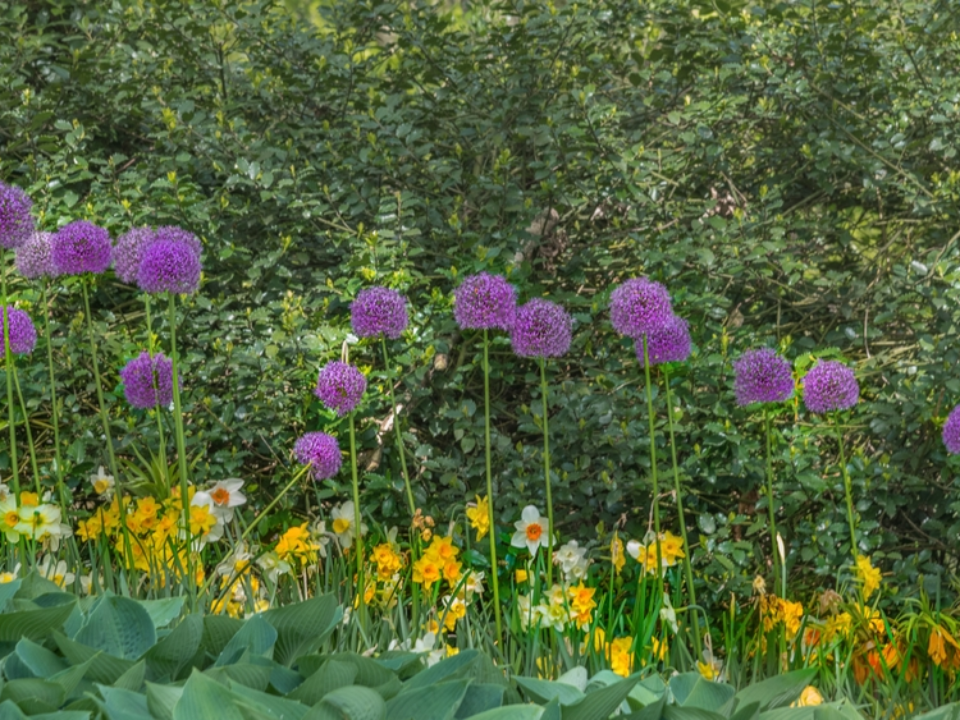
Tall stems topped with round flower heads give alliums a look that is very different from softer spring blooms. Purple is the color most people know, though white, blue, and pink types are out there, too. They usually bloom around 7 to 8 months after bulbs are planted in the fall. The wait is a little longer, yet the shape and color make them stand out in a big way.
In mixed beds, alliums rise above shorter flowers and add structure to the planting. They like sunny spots and soil with good drainage. Many kinds bloom in late spring, which helps carry the garden from early bulbs into the next season of flowers. Their dried seed heads can stay attractive even after the petals are gone.
Ranunculus
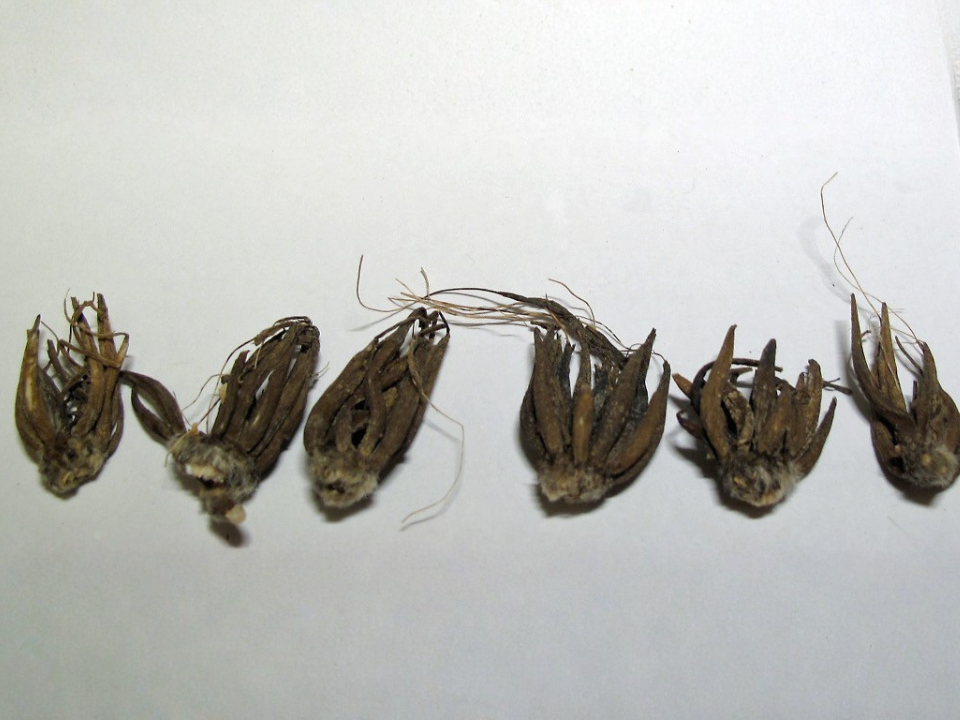
Soft layers of petals make ranunculus flowers look almost like little roses in spring. Their colors range from hot pink and orange to cream, red, and buttery yellow, which gives gardeners plenty of choice. These bulbs, or more exactly tuberous roots, often bloom about 3 to 4 months after planting. In mild climates, they are planted in the fall, while in colder areas often planted later for a spring bloom.
When grown well, ranunculus can fill a bed with rich color that looks almost painted. They prefer full sun and soil that stays light instead of heavy and wet. The flowers are popular for cutting because they last well in a vase. If you want a spring display with a softer, fuller petal look, they are a strong pick.
Anemone
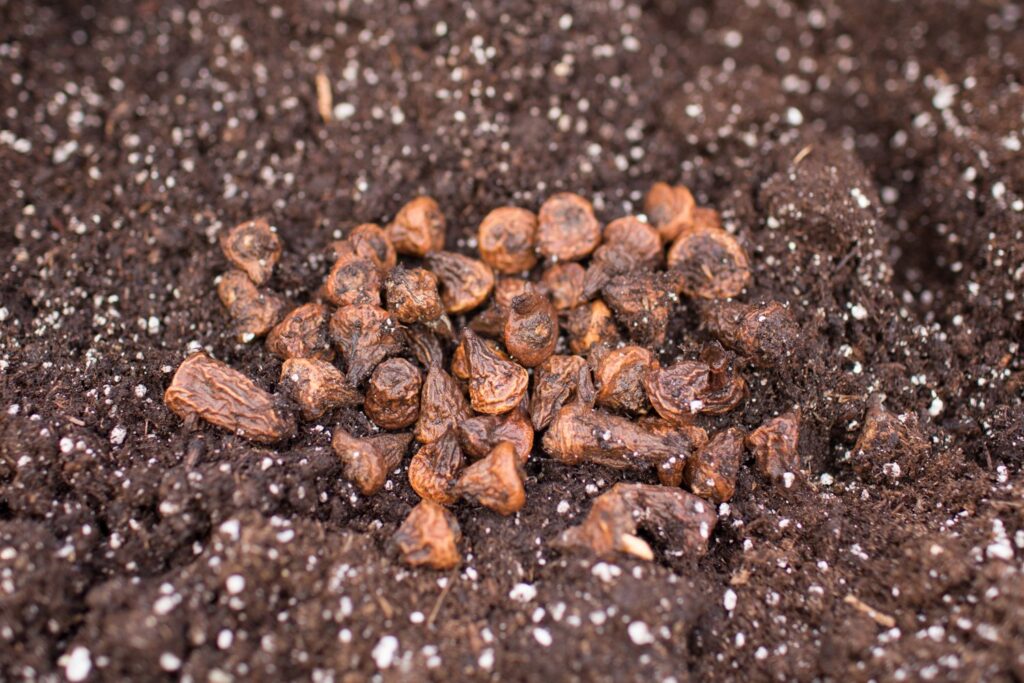
Few spring flowers have the same clean, eye-catching center as anemones. Their petals can be red, purple, pink, blue, or white, and the dark center gives each bloom extra contrast. Most anemones bloom about 3 to 4 months after planting. That fairly quick turnaround makes them useful for gardeners who want color without such a long wait.
In garden beds, anemones bring a lighter and more airy look than heavier flower spikes. They grow best in sunny to partly shaded spots with well-drained soil. Many gardeners plant them with ranunculus for a longer and more varied spring display. Since the flowers sit on slender stems, they move nicely in a light breeze.
Grape Hyacinth
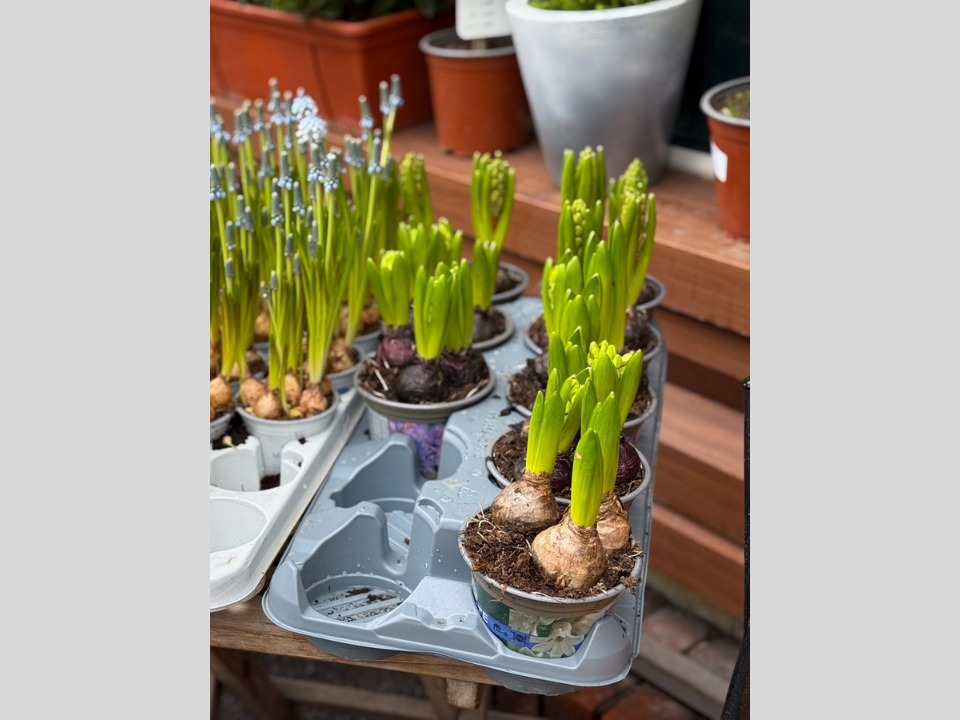
Small flowers can still make a big statement, and grape hyacinths prove that easily. Their little clusters, usually in blue or purple, create a carpet-like effect when many bulbs are planted together. They often bloom about 5 to 6 months after planting in the fall. Because each bulb can produce well over time, the display often gets better in later seasons.
Along borders and under trees, grape hyacinths give a soft river of color that ties plantings together. They do well in sun or light shade and are fairly easy to grow in many climates. Their bloom season usually lands in mid-spring, right when many gardens need extra color at ground level. They are especially pretty beside tulips and daffodils because they fill the lower spaces so well.
Snowdrop
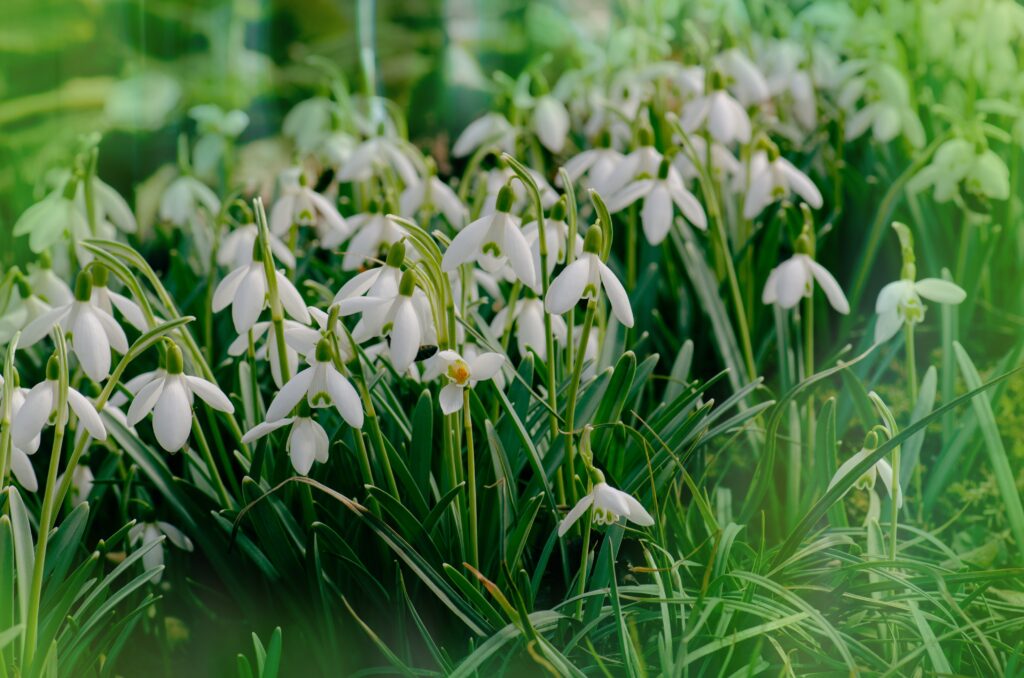
Before many gardeners expect it, snowdrops can already be blooming. Their white nodding flowers are simple, though they still give a fresh and bright look after the dullness of winter. These bulbs usually flower about 4 to 5 months after fall planting. While their color range is limited, their timing gives them a big payoff in the early garden.
Under trees or along woodland edges, snowdrops often settle in well and spread over time. They prefer moist yet well-drained soil and can handle partial shade. Their flowers are smaller than many spring bulbs, though they still stand out because they arrive so early. For anyone who wants the season to start sooner, snowdrops are an easy favorite.
Fritillaria imperialis
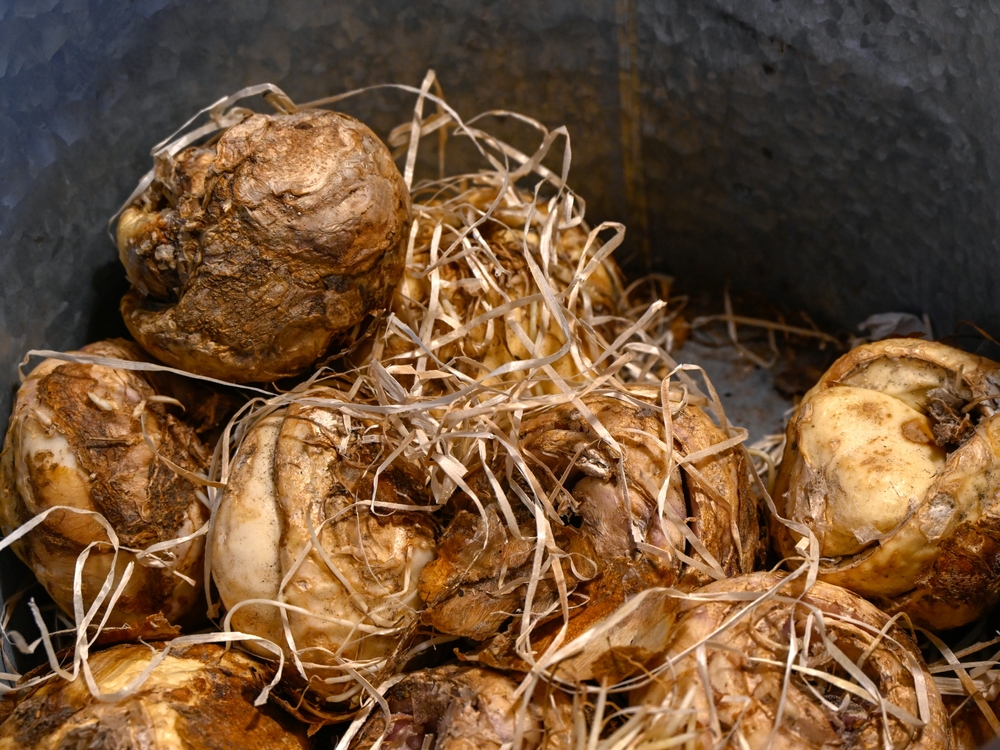
Crowned fritillaria brings a dramatic look with its tall stems and hanging bell-shaped flowers. Shades of orange, red, and yellow make it one of the more striking spring bulbs in the garden. It usually blooms about 6 to 7 months after fall planting. Its height and unusual shape help it pull attention even from a distance.
At the back of a border, this plant adds strong color where shorter bulbs might get lost. It wants full sun or light shade and soil that does not hold too much water. Some people notice a musky scent, which can be a plus or a minus depending on taste. Still, the flower form is so unusual that many gardeners feel it is worth giving space.
Glory of the Snow
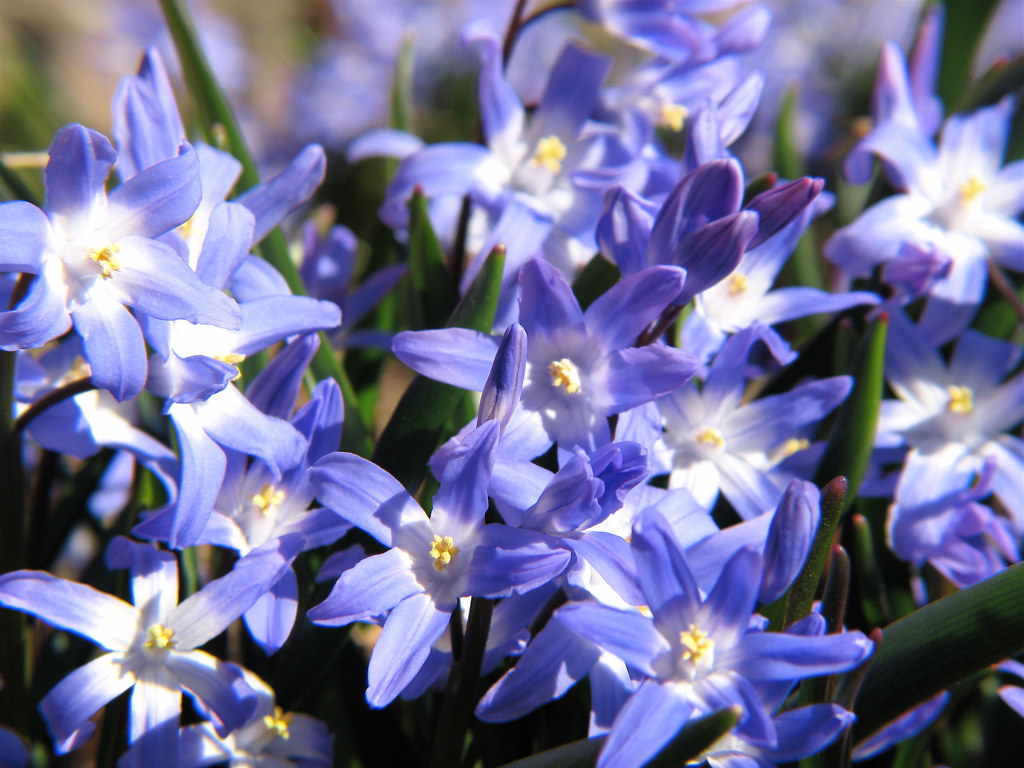
Bright days at the start of spring feel even better when the glory of the snow opens up. Its star-shaped flowers, often blue with white centers, bring crisp color at a time when the garden still looks sparse. These bulbs usually bloom about 4 to 5 months after fall planting. Their early timing gives them a strong color payoff without much waiting into the season.
In natural style plantings, glory of the snow looks lovely scattered in clusters. It grows well in sunny or lightly shaded areas and handles cool weather without fuss. The plants stay small, so they fit well in front borders and rock gardens. Even though each bloom is tiny, a planted group creates a clear patch of color.
This article originally appeared on Avocadu.